Kamakura’s Great Buddha is only part of the appeal of this day out. You also get a quiet tea stop in a bamboo grove, a ride on the much-loved Enoden and a final walk toward Enoshima’s sea views. I like that the route mixes temple time with local transport and food stops, rather than making the day one long string of shrines.
I also like the guide-led format: it gives you useful context while leaving room to look around. The main catch is the pace on foot. The day runs from 8 a.m. to about 7:10 p.m., and a family who took the tour found there was more walking than expected. Bring comfortable shoes and be ready for a long day.
- Key points to know
- A day that links temple quiet with the seaside
- Hokokuji’s bamboo grove and tea house
- Feeding koi at Kamakura-gu Shrine
- A free lunch on Komachi-dori
- The Great Buddha, with a chance to go inside
- Enoden to Enoshima and the coastal walk
- What the price covers, and what it does not
- The guide and the feel of the day
- Who should book this Kamakura and Enoshima day trip?
- FAQ
- Where does the tour depart from?
- What time does the tour start and return?
- What is included in the price?
- Are meals included?
- Can children join the tour?
- Is luggage storage provided?
- The Best Of Fujisawa!
- More 1-Day Tours in Fujisawa
- More Tours in Fujisawa
- More Tour Reviews in Fujisawa
Key points to know
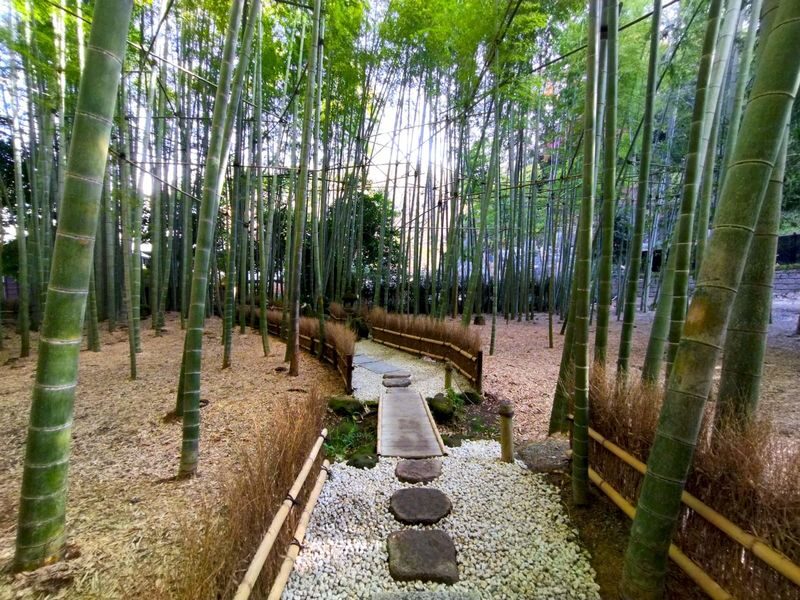

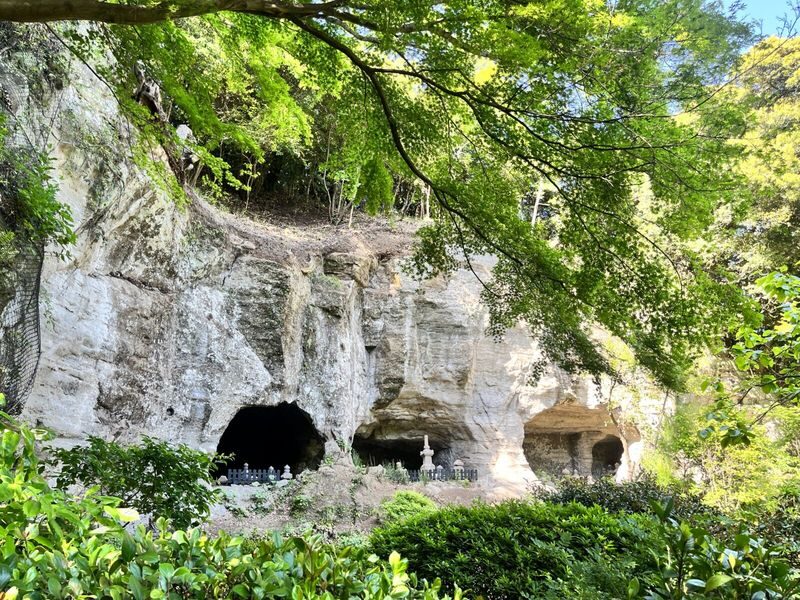
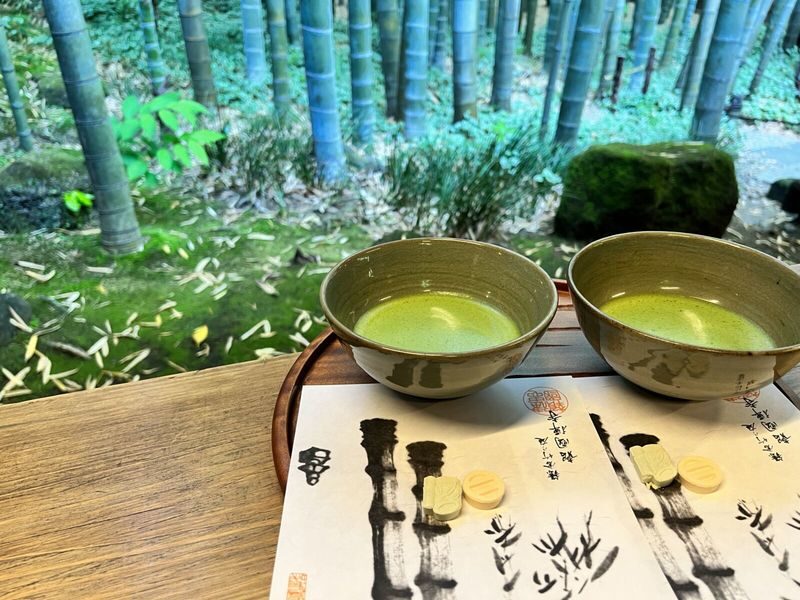
- Matcha in a bamboo grove: Stop at Hokokuji Temple for a guided look around and matcha with a Japanese sweet in the temple tea house.
- Koi at Kamakura-gu: Hear about the shrine’s history and feed Japanese carp in its garden pond.
- Lunch on Komachi-dori: Use your free time on Kamakura’s main shopping street to choose a meal, snack or local craft.
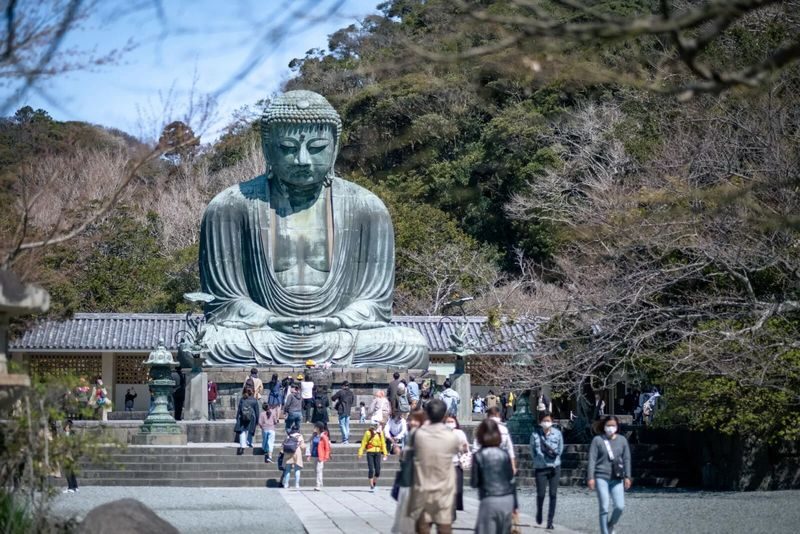
- The Great Buddha up close: Visit Kamakura’s best-known statue and go inside it during the stop.
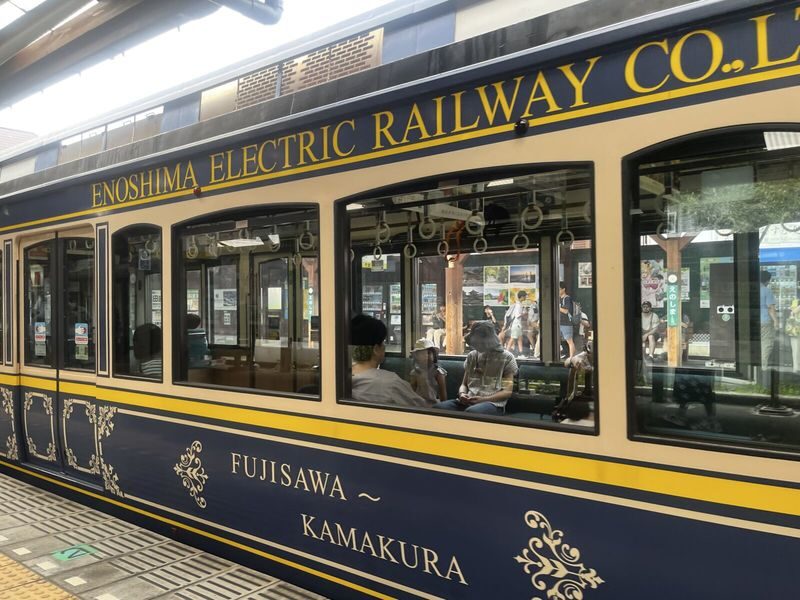
- Enoden and the coast: Ride the local train, then walk along the shoreline toward Enoshima Island.
- A long day from Shinjuku: Transport, attraction admission and an English-speaking guide are included; meals and personal purchases are not.
👉 See our pick of the What Are The Best Tours In Fujisawa? Our Top 10 Picks
A day that links temple quiet with the seaside
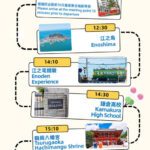
This full-day tour connects two distinct sides of the region. Kamakura brings temple grounds, a bamboo grove, a shrine and the Great Buddha. Enoshima shifts the mood toward coastal walking, island views and an observatory above the shoreline.
You leave from Shinjuku South Station at 8 a.m. and return to the same meeting area at about 7:10 p.m. That makes this a substantial day trip, but it also means you avoid planning the connections between several stops yourself. Transport is included, along with attraction admission and an English-speaking guide.
The route has a satisfying change of pace: time in a temple garden, a practical lunch break, a famous landmark, then a train ride and sea air. It is not a slow, single-site visit, though. You will cover ground on foot, and the long schedule means a good pair of walking shoes matters more than a dressy outfit.
You can also read our reviews of more tours and experiences in Fujisawa
Hokokuji’s bamboo grove and tea house
The day’s first major stop is Hokokuji, a temple known for its bamboo grove. You get a guided visit to the temple complex and time for matcha and a Japanese sweet at the temple tea house. The combination is a strong start: the grove offers a quieter setting than the shopping streets later in the day, while the tea gives you a direct taste of a familiar Japanese tradition.
The stop is scheduled for 10:20 a.m. The description allows around 30 minutes for the walk to the first destination, so expect some walking before the temple visit itself. The exact timing can shift with traffic and weather, and the day’s schedule may change.
This is a place to slow down and notice the setting, not just take a quick photo among the bamboo. One family who went on the tour especially valued the grove’s peaceful feel. If that kind of quiet is a priority for you, this stop may be one of the day’s most memorable moments.
Feeding koi at Kamakura-gu Shrine
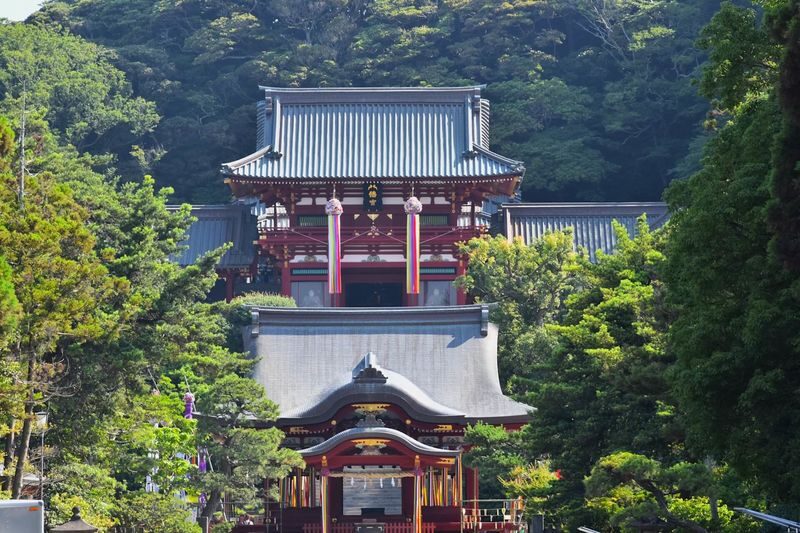
At about 12:50 p.m., the group visits Kamakura-gu, described as Kamakura’s most central shrine complex. Your guide gives an overview of the shrine’s past and significance, and you can feed koi in the garden pond.
That small activity adds a pleasant, hands-on pause to a day otherwise built around sightseeing and walking. It also makes this stop useful for families, though children must be included in the passenger headcount even when they travel free. The shrine visit is scheduled for about 35 minutes before the group heads to lunch.
A free lunch on Komachi-dori
At around 1:25 p.m., you get a lunch break on Komachi-dori, Kamakura’s main shopping and food street. Restaurants, street-food vendors and local crafts give you a chance to choose what suits your appetite and budget. Your guide can suggest foods to try and souvenirs to consider.
Lunch is not included in the tour price, so plan to pay separately for food and drinks. The break is a practical chance to refuel before the afternoon’s Buddha visit and Enoshima walk. It is also the least fixed part of the day: you can spend your time eating, browsing or picking up a small souvenir, but you will need to keep an eye on the meeting time.
The Great Buddha, with a chance to go inside
The tour reaches Hase Station at about 2:50 p.m., followed by a short walk of roughly seven minutes to the Great Buddha of Kamakura. The stop lasts about 30 minutes, giving you time to see the statue and, as part of the visit, go inside it.
That detail makes this more than a quick roadside photo stop. The Great Buddha is one of Kamakura’s defining sights, and seeing it at close range gives you a better sense of its scale than a picture can. Still, half an hour is not a leisurely visit. If you like to linger at major sites, keep your expectations in line with the group schedule.
Enoden to Enoshima and the coastal walk
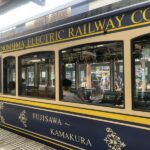
The route then moves toward Enoshima, arriving at about 4:05 p.m. You ride the Enoden, a local train loved by residents, before taking a scenic walk beside the sea toward the island. The train ride is a useful part of the day in its own right: instead of simply transferring between attractions, you get a glimpse of local transport and the streets and coast it serves.
The walk to Enoshima is one of the parts to take seriously when judging the tour. A family of six described the day as involving more walking than they expected and found the walk to the island tiring. Their advice is sound: wear comfortable shoes and arrive prepared to be on your feet for much of the day.
Once on Enoshima, the group uses escalators to reach the top of the island and visits the observatory. The payoff is a broad view over the coast and sea, with Kamakura and the surrounding shoreline in sight. A visitor who found the island walk tiring felt the view from the observatory made the effort worthwhile. That is a fair way to think about this final stop: it asks for energy late in the day, but offers a change from temple courtyards and busy streets.
The schedule gives Enoshima until the 7:10 p.m. return. Weather can alter the day, and the views naturally depend on conditions. A hot, humid day or a spell of drizzle can make the walking harder, so bring suitable clothing and water for the conditions.
What the price covers, and what it does not
The tour starts at US$146.95 per person. That price includes transport, admission to attractions and an English-speaking guide. It does not include meals, beverages, accommodation, hotel pickup or drop-off, or personal expenses.
The value depends on how you like to travel. If you want to connect several Kamakura sights with Enoshima in one day without arranging each transfer yourself, the included transport and guide can make the cost worthwhile. The guide also gives context at the temples and shrine, and can help with lunch recommendations. If you prefer to move slowly, linger at each site or choose your own transport and timing, you may find the group schedule restrictive.
For a family, note the age rules before booking: children aged 0 to 5 travel free, while children aged 13 and older pay the adult rate. Infants and children still need to be counted in the passenger headcount. Luggage storage and delivery are not provided, so this is best approached as a day trip with only what you need for the outing.
The guide and the feel of the day
A good guide matters on a route with several stops and a tight timetable. The tour is led in English, and Jeff has guided this route. On a guided day, you can ask about the places on the schedule as well as broader questions about Japan, while the guide helps you keep track of where to go next.
The personal accounts of this tour point to patience and useful explanations as strong qualities, especially for first-time visitors to Kamakura. One family also appreciated having time to look around without feeling rushed. That is encouraging, though it does not guarantee the same guide or pace on every departure. The schedule still has fixed stops, and timing can shift with traffic and weather.
Snow Monkey Resorts operates the tour and has 888 total reviews with a 97 percent good review rate. That provides useful background on the provider, but your own experience will still depend on the day’s conditions and the guide assigned.
Who should book this Kamakura and Enoshima day trip?
I would consider this tour if you want a guided introduction to Kamakura and Enoshima and value having transport and major admissions handled in one package. It is especially suited to first-time visitors who want temple history, a taste of local food, the Great Buddha and a coastal finish without building the route from scratch.
It can also work well for families who enjoy active sightseeing, provided everyone is comfortable walking for much of the day. The koi feeding and tea stop add variety, while the Buddha and island observatory give the day clear highlights for different ages.
Think twice if you have limited stamina, want a leisurely pace or prefer to spend a long time at each temple. The route is full, the walk to Enoshima can feel tiring, and lunch and drinks are extra. If you do book, meet at Shinjuku Station’s South Gate by the LADURÉE shop at 8 a.m., look for the guide with a Snow Monkey Resorts sign, and wear shoes suited to a long day on foot.
1-Day Kamakura and Enoshima Tour: Shrines, Seaside, Temples and Tea
“We were a family of 6 and had the privilege of having Jeff as our guide for the day. He was patient and knowledgeable about the places we went to….”
FAQ
Where does the tour depart from?
Meet outside Shinjuku Station’s South Gate by the LADURÉE Macaron shop, at 3-chome-38-1 Shinjuku, Shinjuku City. Look for the guide holding a Snow Monkey Resorts sign.
What time does the tour start and return?
Departure is scheduled for 8 a.m. from Shinjuku South Station, with return to the same area at about 7:10 p.m. The schedule may change with traffic and weather.
What is included in the price?
Transport, admission to attractions and an English-speaking guide are included. Meals, beverages, accommodation, hotel pickup and drop-off, and personal expenses are not included.
Are meals included?
No. You have a lunch break on Komachi-dori, where you can choose from restaurants and street-food vendors, but you pay for your own meal and drinks.
Can children join the tour?
Yes. Children aged 0 to 5 travel free, and children aged 13 or older are charged the adult rate. Infants and children must still be included in the passenger headcount.
Is luggage storage provided?
No. Luggage storage and luggage delivery services are not provided.