Imagine standing at the foot of Earth’s highest peak, the mighty Mount Everest, surrounded by sweeping mountain vistas, remote Sherpa villages, and the humbling silence of the high-altitude wilderness. For many, crossing off Everest Base Camp from their bucket list is a lifelong dream.
This 14-day trek offers a carefully crafted journey that combines adventure, culture, and outstanding value, all guided by experienced professionals.
The package, priced at $999 per person, includes round-trip flights from Kathmandu to Lukla, cozy tea house accommodations, and guided support every step of the way. We love how this setup simplifies logistics, allowing you to focus on the experience rather than worrying about arrangements. Plus, with hotel nights in Kathmandu, you’ll get a taste of Nepali culture and comfort before and after the trek.
Of course, trekking at such high altitudes isn’t for everyone—altitude sickness can strike unexpectedly, and the demanding physical nature of the walk means you’ll want to be reasonably fit. This tour is best suited for those with good physical condition, an adventurous spirit, and a desire for authentic Himalayan encounters.
If you’re eager to see Everest but prefer guided support and a well-organized itinerary, this trek could be your ideal match.
- Key Points
- An In-Depth Look at the Everest Base Camp Trek
- Starting Point: Kathmandu and Cultural Exploration
- The Flight to Lukla: Gateway to the Himalayas
- First Steps: Trekking Through Villages and Nature
- Crossing the High Passes and Visiting Monasteries
- Reaching Everest Base Camp and Kala Patar
- Descending and Returning to Kathmandu
- Logistical Highlights and Practical Details
- Guides, Safety, and Support
- Who Will Love This Trek?
- Final Thoughts
- FAQs
- The Best Of Kathmandu!
- More Hiking & Trekking Tours in Kathmandu
- More Tour Reviews in Kathmandu
Key Points
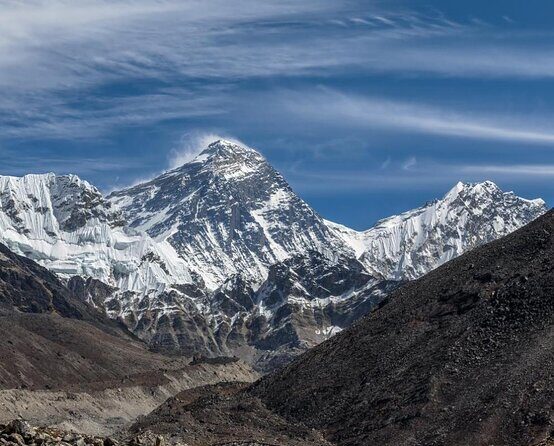
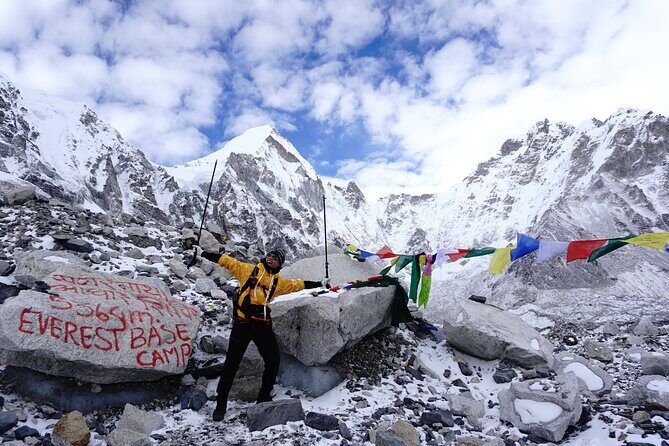
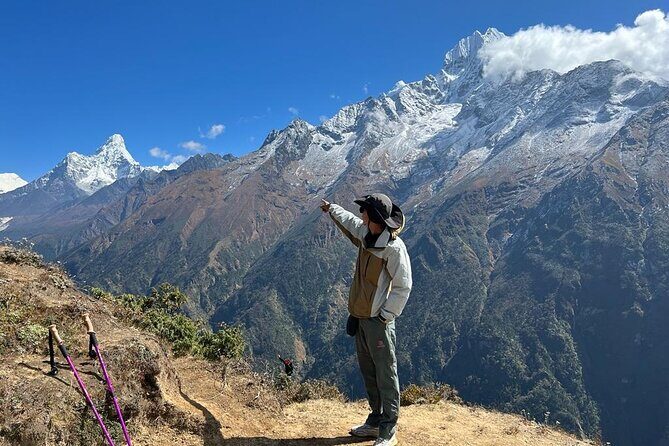
- All-inclusive value: Flights, accommodations, and guided support included for a hassle-free experience.
- Cultural highlights: Visits to iconic sites like Swayambhunath Temple and Boudhanath Stupa.
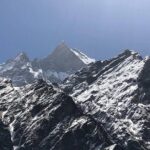
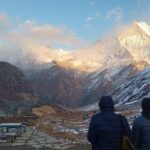
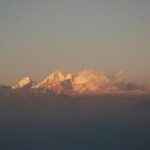
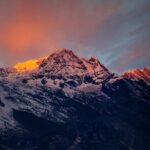
- Spectacular scenery: Views of Everest, Ama Dablam, and other towering peaks.
- Comfort in simplicity: Tea house stays offer a genuine local experience.
- Expert guides: Knowledgeable guides ensure safety, navigate logistics, and enrich your understanding.
- Physical challenge: Demands good fitness, with high-altitude walking that can be tough.

👉 See our pick of the 15 Best Workshops & Classes In Kathmandu
An In-Depth Look at the Everest Base Camp Trek
You can also read our reviews of more hiking tours in Kathmandu
Starting Point: Kathmandu and Cultural Exploration
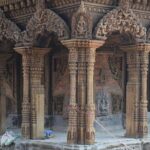
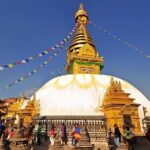
Your adventure begins in Kathmandu, a city teeming with history, faith, and vibrant street life. Spending two nights in a 3-star hotel gives you time to acclimate, explore, and absorb Nepali culture. Highlights include the Swayambhunath Temple with its iconic monkey population and panoramic views, and the Boudhanath Stupa, a spiritual hub and UNESCO World Heritage Site.
Many reviews, like Hector’s, praise guides who “always tried to make sure everything turned out perfect,” emphasizing the importance of good support in a city full of sensory overload. A visit to the Garden of Dreams adds a peaceful respite amid bustling streets, setting the tone for your journey ahead.
The Flight to Lukla: Gateway to the Himalayas
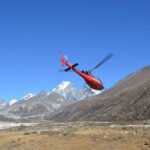
The trek truly kicks off with a one-hour flight from Kathmandu to Lukla, considered one of the most scenic and exhilarating short flights in the world. The tiny Lukla Airport—affectionately called the world’s most dangerous airport—delivers you straight into mountain country and signals the beginning of your ascent. You might find that this flight is a highlight itself, offering breathtaking views of the peaks and rugged terrain.
First Steps: Trekking Through Villages and Nature
From Lukla, you walk through village life, passing through places like Phakding and Namche Bazaar, the bustling Sherpa trading hub. The trek is designed to be manageable, with fueling stops and acclimatization days built in. Expect to see terraced fields, prayer flags fluttering in the breeze, and local villagers going about their daily routines.
Namche Bazaar is a highlight—an atmospheric town where you can shop for souvenirs, sample local food, and rest before heading higher. Many trekkers mention the spectacular mountain views from here, especially the Everest View Point, which is included in the tour.
Crossing the High Passes and Visiting Monasteries
As you ascend, you’ll visit Tengboche, home to a famous monastery, and pass by Mt. Ama Dablam and Mt. Taboche. The Tengboche Gompa offers not just spiritual insight but also some of the best vista points for photographs. Walking past Dingboche, you’ll gain altitude gradually, allowing your body to adapt.
From Dingboche, you might feel the altitude creeping in—it’s common for trekkers to experience some effects, so proper acclimatization is vital. The tour’s longer days include visits to mountain peaks and scenic spots, giving you ample time to soak in the landscape while minimizing risks.
Reaching Everest Base Camp and Kala Patar
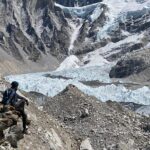
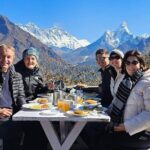
The climax of your trek is reaching Everest Base Camp—a flat, rocky area at the foot of the world’s highest peak. Many reviews describe the feeling as “humbling,” standing amid iconic peaks like Lhotse and Nuptse. You’ll also visit Gorak Shep, the last stop before the summit, where many find the views of Kala Patar particularly breathtaking.
Kala Patar offers one of the most iconic panoramic views of Everest, and the tour includes a visit here. The climb is relatively short but steep, demanding good footing and endurance. Many trekkers, like Hector, mention that the guides’ local knowledge added richness to the experience.
Descending and Returning to Kathmandu
After soaking in the majesty of Everest, you’ll retrace your steps back through Lobuche, Pangboche, and Namche Bazaar, with opportunities for last-minute sightseeing and souvenir shopping. The flight back to Lukla and then to Kathmandu wraps up your adventure, typically leaving you with a feeling of accomplishment and awe.
Logistical Highlights and Practical Details
The included flights are a major convenience, saving time and reducing the stress of overland travel. Staying in tea houses during the trek provides authentic mountain hospitality—basic but cozy, with hearty local food. The group is limited to eight people, ensuring personalized attention from your guide.
The tour’s cost of $999 is competitive given what’s included—flights, accommodations, guiding, and taxes—and many reviewers note the great value considering the experience and logistics managed for you.
Guides, Safety, and Support
You’ll be guided by a licensed Nepalese guide who’s experienced and well-trained, with basic first aid skills. The tour stresses safety, but altitude effects can be unpredictable; travelers are advised to discuss their health with a doctor beforehand and carry proper insurance.
Many reviews highlight how guides like Basu go above and beyond, keeping spirits high and ensuring safety. First aid kits are on hand, and support staff are familiar with the nearby medical facilities should emergencies arise.
Who Will Love This Trek?
This tour is perfect for adventurers with a good level of fitness who want a guided, well-organized trip that combines cultural sights with stunning mountain scenery. It’s also ideal if you prefer a hassle-free logistics setup, with flights included and accommodations in traditional tea houses.
If your goal is to see Everest without the stress of planning every detail, or if you want an authentic experience with knowledgeable guides, this trek will serve you well. The small group size allows for a more intimate experience, perfect for those who enjoy shared adventure but want personalized attention.
Final Thoughts
This Everest Base Camp trek offers a balanced mix of adventure, cultural exposure, and logistical support, making it accessible for motivated travelers. The price point of $999 provides an excellent value, considering flights, accommodations, and guided expertise are included.
You’ll love the stunning vistas of Everest and surrounding peaks, the chance to visit revered monasteries, and the warmth of mountain hospitality in the tea houses. The guides’ local knowledge and support are clear highlights, making this a safe and enriching experience.
On the downside, the altitude and physical demands require good preparation—this isn’t a stroll in the park. Also, Lukla flights can sometimes be delayed or canceled, so flexibility with travel dates is wise.
This trek is best suited for fit, adventurous individuals eager to experience the Himalayas with expert guidance. It’s ideal for those who value authentic cultural encounters and stunning natural beauty, all within a well-organized package that minimizes logistical headaches.
Everest Base Camp Trek
FAQs
What is included in the price of $999?
The price covers round-trip airfare from Kathmandu to Lukla and back, accommodation in Kathmandu and tea houses during the trek, guiding services, all taxes and service charges, and some meals such as breakfast in Kathmandu.
Are flights from Kathmandu to Lukla reliable?
Flights are generally included and are a key part of the experience. However, they can sometimes be delayed or canceled due to weather, so travelers should be prepared for potential schedule changes and consider extra days as a buffer.
What kind of accommodation is provided during the trek?
You’ll stay in tea houses—simple, cozy lodges that offer basic amenities and meals. This setup offers an authentic mountain experience and a chance to connect with fellow trekkers.
Is this trek suitable for children?
Yes, the minimum age is 8 years, making it accessible for families with children who are physically fit and comfortable with hiking at high altitudes.
What safety measures are in place?
Your licensed guide is trained in basic first aid and is familiar with local medical facilities. It’s recommended to have travel insurance that covers medical expenses and emergency repatriation.
What should I pack for this trek?
Pack light—ideally under 22 lbs (10 kg)—and include layered clothing, sturdy hiking boots, sun protection, and a good quality sleeping bag. Gear can be rented or bought in Kathmandu with assistance from your guide.
To sum it up, the Everest Base Camp trek with Himalayan Recreation offers a well-organized, authentic Himalayan experience at a compelling price. With expert guides, included flights, and a mix of cultural and natural highlights, it appeals to travelers seeking a meaningful adventure without the stress of planning every detail. Whether you’re a seasoned trekker or a first-time high-altitude adventurer, this journey provides the chance to connect deeply with the mountains and the resilient people who call this region home.