Experience the Art of Tosa Washi Paper in Kochi
If you’re looking for an authentic craft experience that offers both a window into Japan’s meticulous handmade traditions and a chance to create something with your own hands, this tour in Kochi Prefecture might just be your perfect fit. For $76.26 per person, you get approximately two hours of immersive learning at a studio that’s been crafting Tosa washi for over 120 years.
Guided by the gracious Mrs. Inoue, a 4th-generation washi artisan, you’ll see almost every step of the traditional process, from raw materials to finished paper, and even try your hand at recycling old washi into new art.
What we particularly loved about this experience is how detailed and genuine it feels—the demonstration covers almost all steps, which isn’t always the case in craft workshops. Plus, the setting near the Niyodo River, known for its transparent waters, adds a tranquil, almost meditative backdrop that enhances the craft’s contemplative nature.
A second highlight is the chance to make your own washi using eco-friendly recycling techniques, transforming used paper into vibrant tapestries, lampshades, or paper bags.
A small caveat? The activity involves using a beating stick, so it’s essential to follow safety instructions carefully. Also, since your clothes might get a little wet during the process, wearing something comfortable and easy to clean is wise.
This tour suits travelers who appreciate hands-on cultural experiences, lovers of traditional Japanese crafts, or anyone curious about eco-conscious practices. It’s especially well-suited for those who enjoy learning from passionate guides and want a meaningful souvenir to take home, crafted with care and patience.
This experience made our article of 11 Must-Try Tours In Kochi Prefecture.
- Key Points
- Exploring the Tosa Washi Paper Tour in Kochi
- A Warm Welcome and Introduction
- The Demonstration: From Raw Material to Finished Art
- Hands-On Recycling and Creative Output
- The Serenity of the Surroundings
- Final Touches and Refreshments
- Practical Details and Considerations
- What We’ve Heard From Fellow Travelers
- Who Should Consider This Tour?
- Final Words
- FAQ
- The Best Of Kochi Prefecture!
- More Tour Reviews in Kochi Prefecture
Key Points
 1 / 3
1 / 3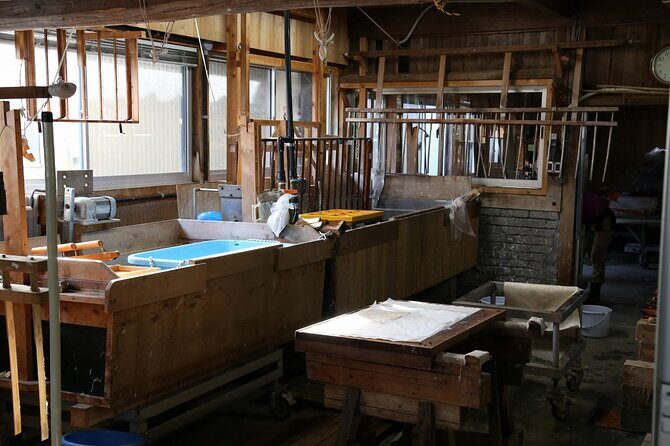 2 / 3
2 / 3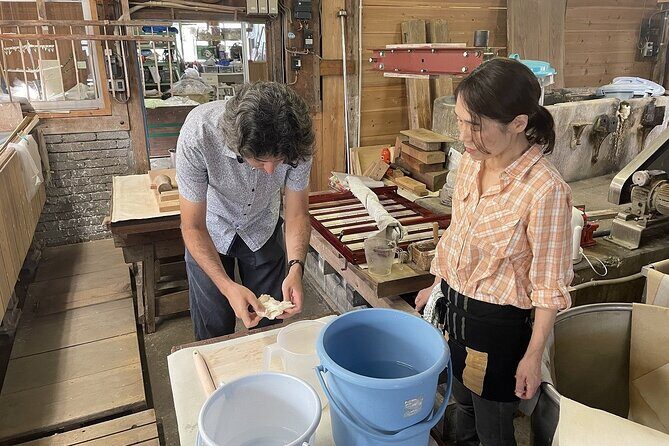 3 / 3
3 / 3- Authentic craftsmanship: Learn from a 4th-generation washi artisan with a detailed demonstration of nearly all paper-making steps.
- Eco-friendly focus: Experience recycling techniques that transform old washi into colorful new art, emphasizing sustainability.
- Cultural insight: Discover the history and unique characteristics of Tosa washi, including raw materials like kozo bark and the traditional process.
- Beautiful setting: Enjoy the rural scenery near the Niyodo River, known for its crystal-clear waters, providing a peaceful backdrop.
- Interactive experience: Create your own piece of washi, choosing between a tapestry, a lamp shade, or a paper bag, adding value to your visit.
- Practical details: Expect a length of about 2 hours, group discounts, and the need to follow safety instructions during hands-on activities.

👉 See our pick of the 11 Must-Try Tours In Kochi Prefecture
Exploring the Tosa Washi Paper Tour in Kochi
You can also read our reviews of more tours and experiences in Kochi Prefecture.


A Warm Welcome and Introduction
From the moment you arrive at Tosawashi Inoue Tesuki Kobo, you’ll notice the quiet charm of the rural setting, a perfect place to slow down and focus on something truly Japanese: the art of washi paper-making. Mrs. Inoue greets you with the kind of warmth that immediately puts you at ease. Her pride in her craft is palpable, and her explanations bring to life the history and significance of Tosa washi.
The studio itself offers a glimpse into over a century of handmade tradition. You’ll see traditional tools and techniques that have been passed down through generations, making this more than just a tourist activity—it’s a rare opportunity to witness authentic craftsmanship.
The Demonstration: From Raw Material to Finished Art
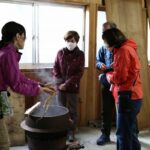
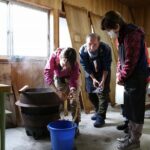
Mrs. Inoue begins by showing you kozo, the bark of the paper mulberry tree, which is the core raw material for high-quality Japanese paper. You’ll learn why kozo is preferred, thanks to its strong fibers that make durable, beautiful paper. She then demonstrates how the bark is boiled, cleaned, and beaten with a wooden stick—a process that softens and prepares the fibers for paper production.
The demonstration is comprehensive; seeing how the gluing paste is made from the roots of tororoaoi (sunset hibiscus) adds a fascinating layer of traditional science. It’s rare to see almost all the steps in such detail, providing a real appreciation for the craftsmanship involved.
Hands-On Recycling and Creative Output
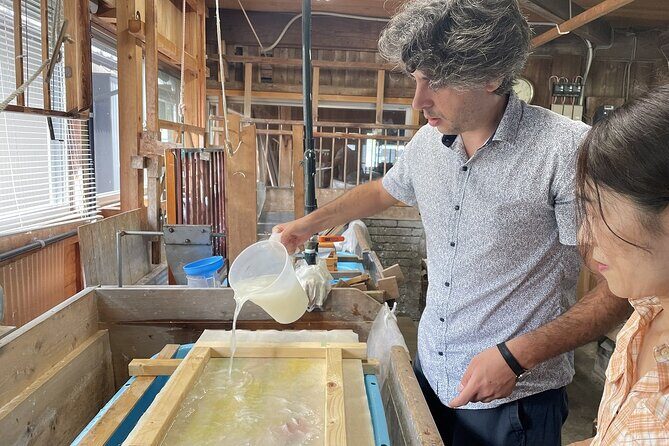
What makes this experience stand out is the recycling technique. You’ll be given old washi paper to beat and dissolve in water, effectively turning used paper into pulp. This eco-conscious approach stresses sustainability—using waste as a resource rather than discarding it.
Then, you get to choose your project: a colorful tapestry, a lampshade, or a paper bag. Under Mrs. Inoue’s guidance, you’ll learn how to spread the pulp onto a screen, shape your creation, and add vibrant colors if you choose. It’s hands-on, engaging, and gives you a tangible sense of achievement.
The Serenity of the Surroundings
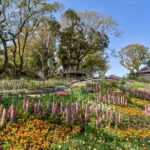
As the process unfolds, you’ll enjoy the peaceful ambiance of the countryside, with views of the nearby Niyodo River. Known for its remarkably clear water, the river lends an almost spiritual quality to the experience. We loved how the tranquil environment complemented the quiet focus required for traditional paper-making.


Final Touches and Refreshments
After your creative session, locals often serve tea and sweets, providing a perfect moment to reflect on what you’ve learned. It’s a warm, communal way to wind down, turning the workshop into a memorable cultural exchange.
Practical Details and Considerations
This is a private tour, with only your group participating, ensuring personalized attention. The activity lasts approximately 2 hours, making it easy to fit into a day of sightseeing. Group discounts are available, which is great for families or small tour groups.
Clothing-wise, an apron will be provided, but be prepared for some water splashes—wear clothes that can get a little wet without worry. Safety instructions for handling the beating stick are emphasized, which is essential for a safe and enjoyable experience.
The price, at just over $76 per person, offers good value considering the level of detail, the opportunity to make your own piece of traditional art, and the chance to learn eco-friendly techniques. The experience is suitable for most travelers, especially those who enjoy cultural activities, craft-making, or are interested in Japanese traditions.
What We’ve Heard From Fellow Travelers
One reviewer summed it up perfectly: “Great intro into washi making with a very friendly sensei.” The instructor’s friendliness and expertise shine through, making the experience approachable for beginners. Many appreciated the detailed demonstration, saying it’s rare to see almost all steps involved in real-time.
Who Should Consider This Tour?
This workshop is ideal for culture seekers, craft enthusiasts, and those who love authentic hands-on experiences. It’s also a great choice for travelers interested in sustainability, as the recycling element highlights traditional eco-conscious practices.
If you’re traveling with family or a small group, the private setting allows for personalized interaction, which can make the activity even more meaningful. Those interested in traditional Japanese arts or looking for a unique souvenir-making experience will find this tour particularly rewarding.
Final Words
In essence, this Tosa washi paper workshop offers more than just a craft experience—it’s a chance to connect with Japan’s artistic heritage and sustainable traditions. You’ll leave with not only a handcrafted piece but also a deeper appreciation of the patience, skill, and care that go into creating these delicate papers.
For those who love authentic cultural insights, enjoy working with your hands, or simply want a peaceful escape from busy sightseeing, this tour provides a memorable and meaningful glimpse into a cherished Japanese craft.
Make traditional Tosa washi paper using a recycling technique
FAQ
Is this tour suitable for beginners?
Absolutely. The demonstration covers all steps, and Mrs. Inoue guides you through each process, making it accessible for those new to paper-making.
How long does the experience last?
It takes approximately two hours, providing enough time to see the process, create your project, and enjoy some refreshments.
What should I wear?
Comfortable clothes that can get wet are best since water splashes are possible. An apron will be provided to protect your clothes.
Is safety instruction provided?
Yes, safety instructions for handling the beating stick are given to ensure everyone remains safe during the hands-on part.
Can I participate if I don’t speak Japanese?
Yes. Instructions are often printed, and the demonstration is visual. The guide’s friendly demeanor helps bridge any language gaps.
What projects can I choose to make?
You can pick from making a colorful tapestry, a paper lampshade, or a paper bag—each allowing for creative expression.
Is this a private or group activity?
It’s a private experience, so only your group participates, allowing for a personalized and relaxed atmosphere.
How much does it cost?
The tour is priced at $76.26 per person, offering a fair value for a unique, hands-on cultural experience.
Can I cancel if my plans change?
Yes, free cancellation is available up to 24 hours in advance, causing no worries if your schedule shifts.
What makes this tour special?
The combination of traditional craftsmanship, eco-friendly recycling, expert guidance, and the serene setting makes it a memorable and authentic activity for curious travelers.
This tour is a rare chance to get up close and personal with Japan’s delicate art of paper-making, combining tradition, sustainability, and creativity in one meaningful experience. Whether you’re a craft lover or simply want to add a unique story to your trip, it’s worth considering for your visit to Kochi.