- Discover the Charm of Uji with a Guided Walking Tour from Kyoto
- Key Points
- An In-Depth Look at the Uji Walking Tour
- The Starting Point: Kyoto Station and the Journey to Uji
- Walk at Ujibashi Bridge and Nakanoshima Park
- Tea Ceremony at Taihoan
- Exploring Byodo-in Temple
- Return to Kyoto
- What the Reviews Say
- Transportation and Practicalities
- Prices and Value
- Who Should Consider This Tour?
- The Sum Up
- FAQ
- The Best Of Kyoto!
- More Walking Tours in Kyoto
- More Tours in Kyoto
- More Tour Reviews in Kyoto
- Not for you? Here's more nearby things to do in Kyoto we have reviewed
Discover the Charm of Uji with a Guided Walking Tour from Kyoto
If you’re craving a taste of Japan’s culinary traditions and historic sights, this Uji Walking Tour offers a compact but rewarding glimpse into one of Kyoto’s most beloved day-trip destinations. For around $96, you’ll spend just over four hours exploring Uji’s scenic streets, crossing the iconic Ujibashi Bridge, participating in a traditional tea ceremony, and marveling at Byodo-in Temple’s stunning architecture. The tour is led by a knowledgeable English-speaking guide, making the experience both accessible and insightful.
What we really appreciate about this tour is how it combines culture with easy logistics. The train rides are included, so there’s no need to worry about navigating public transportation on your own. Plus, the visit to Nakanoshima Park gives you a peaceful moment along the Uji River, perfect for photos and soaking in the scenery. That said, the tight schedule can feel rushed at times, especially at the temple, so if you prefer a leisurely pace, this might feel a little brisk.
One potential consideration is the short time allocated at Byodo-in Temple—some reviews mention feeling hurried through the grounds and museum. Also, seating on trains is unreserved, so if you’re prone to needing extra space or want guaranteed seats, plan accordingly. This tour suits travelers eager to see Uji’s highlights without a full-day commitment and who appreciate guided context alongside authentic experiences.

👉 See our pick of the We Rank Kyoto’s 15 Top Workshops & Classes
Key Points
- Balanced itinerary with temple visits, scenic walks, and a tea ceremony
- Small group size ensures personalized attention
- Convenient train transport included, making logistics simple
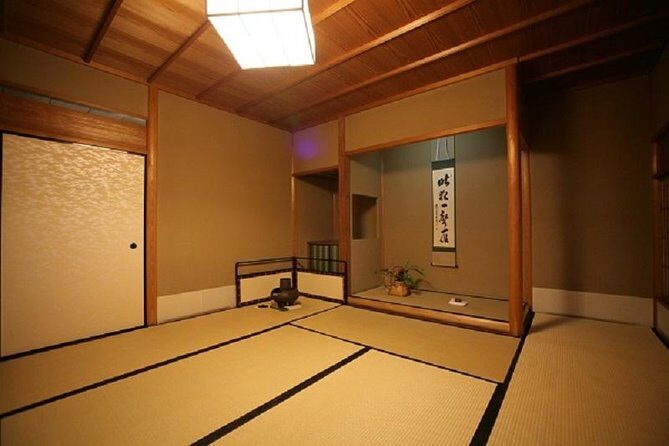
- Authentic tea experience in a traditional tatami room
- Rich historical sights like Uji Bridge and Byodo-in Temple
- Ideal for those short on time but wanting a meaningful cultural glimpse
You can also read our reviews of more walking tours in Kyoto



An In-Depth Look at the Uji Walking Tour
The Starting Point: Kyoto Station and the Journey to Uji
The tour kicks off early at the main Kyoto Station, a hub that’s easy to reach by public transportation. You’ll hop on a train bound for Uji Station, with tickets included, making for a smooth start. The 20-minute train ride is quick and scenic, offering glimpses of rural Japan as you leave the city behind.
Traveling by train is a real plus—it’s straightforward, affordable, and allows you to relax as you transition from bustling Kyoto to the quieter, more traditional town of Uji. Since trains are non-reserved, seating isn’t guaranteed during busy times, so an early start helps avoid the crowds.
Walk at Ujibashi Bridge and Nakanoshima Park
Once in Uji, the guide leads you to Ujibashi Bridge, one of Japan’s oldest bridges, believed to date back to the 7th century. As you walk across, you’ll see the small but scenic san-no-ma protrusion, which offers excellent views of the river—perfect for photos. Many travelers mention the historical significance of the bridge, but some note that the time spent here is brief.
Next, your group explores Nakanoshima Park—a peaceful green space along the Uji River. It’s an ideal spot for a relaxed stroll, with plenty of photo opportunities and views of the calm water. This stop offers a break from the bustling tourist spots and a chance to soak in the natural beauty of Uji.
Tea Ceremony at Taihoan
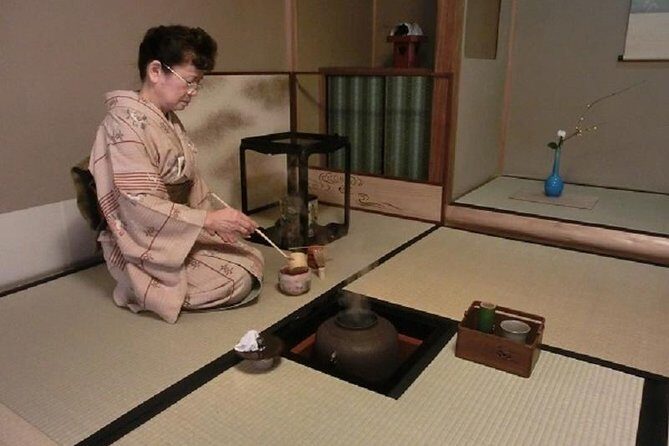
A highlight of the tour is the tea ceremony at Taihoan, a renowned teahouse in Uji. Here, you’ll experience the delicate art of preparing and drinking traditional Japanese green tea. The guide explains the significance of Uji’s tea culture, which is world-famous, especially for matcha and sencha varieties.
The tea ceremony lasts about 20 minutes and is conducted in a traditional tatami room, emphasizing authenticity. Visitors should wear socks (no shoes allowed on tatami mats) and respect the quiet, ceremonial atmosphere. This experience offers a tangible connection to Japan’s deep tea-rooted heritage and is a genuine highlight for many.



Exploring Byodo-in Temple
Next, your group visits the Byodo-in Temple, a UNESCO World Heritage site and one of Japan’s most iconic Hiean-era structures. Its Phoenix Hall appears on the 10 yen coin, making it instantly recognizable. The temple’s architecture, with its graceful wooden halls and surrounding gardens, is truly picturesque.
You’ll have about 50 minutes here, which some travelers find sufficient, but others note that the time can feel rushed—particularly if you want to explore the grounds or visit the museum. The temple houses a Buddha statue and several important artworks, so even a quick visit leaves a lasting impression.
Return to Kyoto
After sightseeing, you’ll hop back on the train from Uji Station to return to Kyoto. The return journey is another 20 minutes, providing a chance to rest and reflect. The tour ends near Kyoto Station around 12:30 pm, perfect if you want to continue exploring the city or head elsewhere.
What the Reviews Say
Visitors generally find the small group size and knowledgeable guides to be major pluses. One reviewer praised how “the group is small, so easier to get around,” making the experience less hectic and more engaging.
However, some do mention the tight schedule can feel rushed. One reviewer highlighted that “we only have 15 mins at Byodo-in Temple” and felt hurried through the exhibits. Others appreciated the value for money, especially given that all transportation and entrance fees are included, which simplifies budgeting.
The train rides seem to be a hit, with many noting how easy and accessible they are, though the lack of reserved seats can be a slight inconvenience during peak times. The tea ceremony also receives high praise for its authenticity and the chance to relax into a traditional ritual.
Transportation and Practicalities
Transportation is seamlessly woven into the tour, with train tickets included. The trains are punctual and convenient but with non-reserved seating, so arriving early helps secure a comfortable spot. The entire journey is by public transit, so travelers should be prepared for a bit of movement and standing, especially during busy periods.
The tour emphasizes walking on foot at each site, which keeps the experience intimate and allows for better appreciation of Uji’s streets and scenery. Comfortable shoes are essential, as some walking is involved and the pace can be brisk.
Prices and Value
While $96 per person might seem a touch high at first glance, it covers all transportation, entry fees, and the tea ceremony, making it a reasonably priced way to see Uji’s highlights without the hassle of planning. For anyone interested in culture, history, and tea, the value is quite good—especially considering the inclusion of expert guides.
Who Should Consider This Tour?
This tour is ideal for travelers who want a guided introduction to Uji’s most famous sights without dedicating a whole day. If you appreciate authentic cultural experiences, like participating in traditional ceremonies, and enjoy historic architecture, you’ll find plenty to love. However, if you prefer a slow pace or wish to explore sites at your own speed, a longer or private visit might suit better.
The small group size and highly informative guides make it suitable for first-time visitors keen to broaden their understanding of Japanese culture. It’s also a good option for those traveling on a tight schedule, as the tour offers a rundown in just a few hours.
The Sum Up
For those with a curiosity about Japan’s tea culture and historic sites, this Uji tour offers a well-rounded experience—combining scenic walks, cultural insights, and engaging rituals. The inclusion of transport and entrance fees simplifies planning, and the guides help bring the sites to life.
While the schedule can feel a bit rushed at times, the overall value and authentic encounters make this an excellent choice for travelers who want a taste of Uji without the fuss of independent planning. It’s especially suitable for those eager to see Byodo-in Temple, experience a traditional tea ceremony, and enjoy Uji’s scenic beauty—all within a comfortable, organized framework.
If you’re after a culturally immersive experience that’s manageable within a half-day, this tour could be a perfect fit. Just be prepared for a fairly fast-paced visit and bring your walking shoes.
FAQ
Is this tour suitable for children?
Yes, children over the age of 15 or those enrolled in middle school can participate, but all minors need parental permission in writing. Younger children should be accompanied by a parent or guardian.
Does the tour include transportation?
Yes, all train fares and transportation costs are included, making it convenient and straightforward. You’ll travel on JR rapid or local trains with non-reserved seating.
How long is the tour?
The entire experience lasts approximately 4 hours and 10 minutes, starting at 8:20 am and ending near Kyoto Station around 12:30 pm.
What are the main highlights?
The key attractions include the historic Ujibashi Bridge, scenic Nakanoshima Park, a traditional tea ceremony at Taihoan, and the iconic Byodo-in Temple.
Is the tour physically demanding?
It involves walking through town streets and sites, so comfortable shoes are essential. The pace is brisk, so travelers should be prepared for some sustained walking.
Are there any restrictions or things to note?
The tour might not allow entry to the Phoenix Hall of Byodo-in in case of congestion, with a partial refund possible. Also, seating on trains is unreserved, and the tea ceremony is conducted in a tatami room, requiring socks.
Can I cancel this tour if my plans change?
Yes, you can cancel free of charge up to 24 hours before the tour, allowing flexibility if your schedule shifts.
In short, this Uji tour offers a well-curated, culturally rich experience that balances sightseeing, history, and tradition. It’s a solid choice for travelers who want to learn about Japan’s tea heritage and see a remarkable temple—without overextending their schedule.