
Travelers seeking a glimpse of Japan’s rural charm and traditional architecture will find this guided tour from Takayama a perfect fit. For $177, you get to explore three UNESCO World Heritage villages — Ainokura, Suganuma, and Shirakawa-go — with a knowledgeable guide, all within a day.
The tour lasts about 8 to 9 hours and includes visits to historic homes, a hands-on papermaking experience, and scenic mountain views.
What we love about this tour is the chance to see Ainokura, a quieter and less touristy village, where you can truly feel immersed in local life. The hands-on papermaking class is another highlight, giving you a tangible connection to Japan’s traditional crafts. Plus, the opportunity to enter a traditional farmhouse in Shirakawa-go offers an authentic peek into rural living.
A possible consideration? The tour involves quite a bit of walking and bus travel, so travelers with mobility issues or a desire for a more leisurely pace should plan accordingly. Also, as the itinerary is quite packed, those looking for a very relaxed experience might prefer smaller, more intimate visits.
This tour suits travelers eager to see Japan’s iconic mountain villages, learn traditional crafts, and enjoy scenic mountain landscapes—all with the convenience of guided commentary and transportation. It’s especially appealing if you want a comprehensive yet manageable day trip from Takayama.
This experience made our article of The 4 Top Tours In Nanto: Which Is Best?.
Key Points
 1 / 4
1 / 4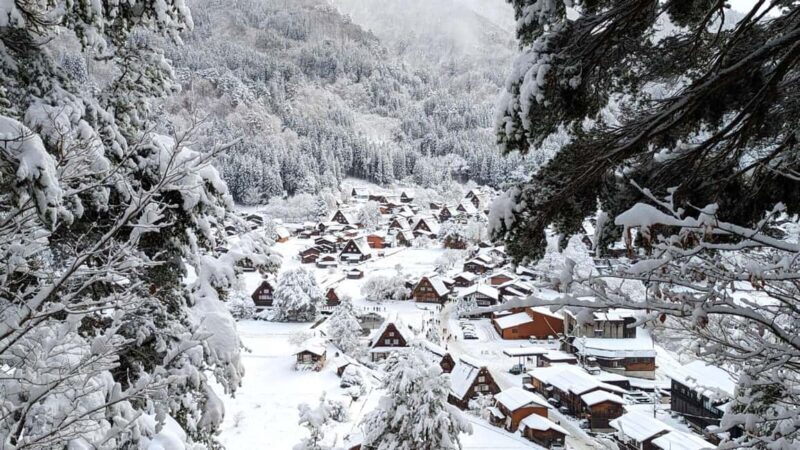 2 / 4
2 / 4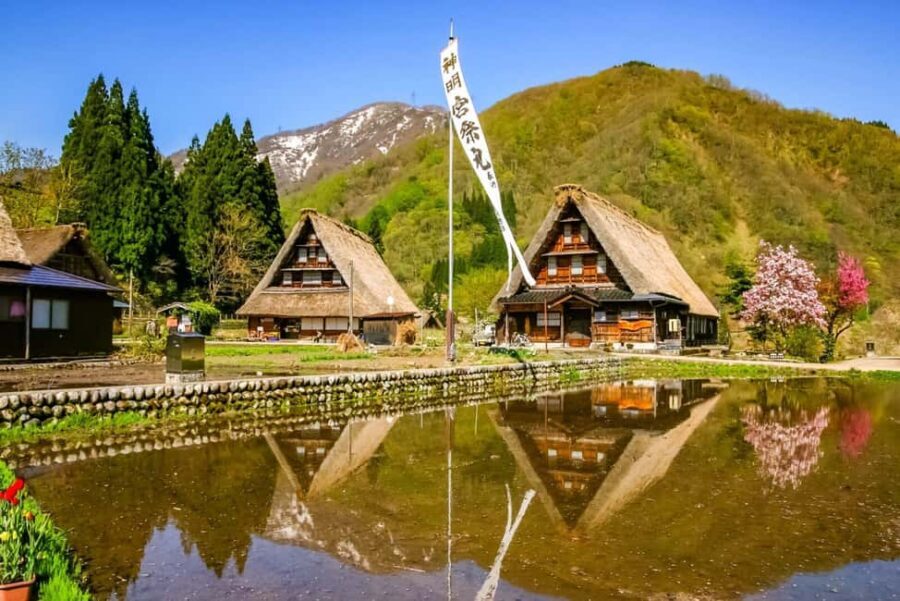 3 / 4
3 / 4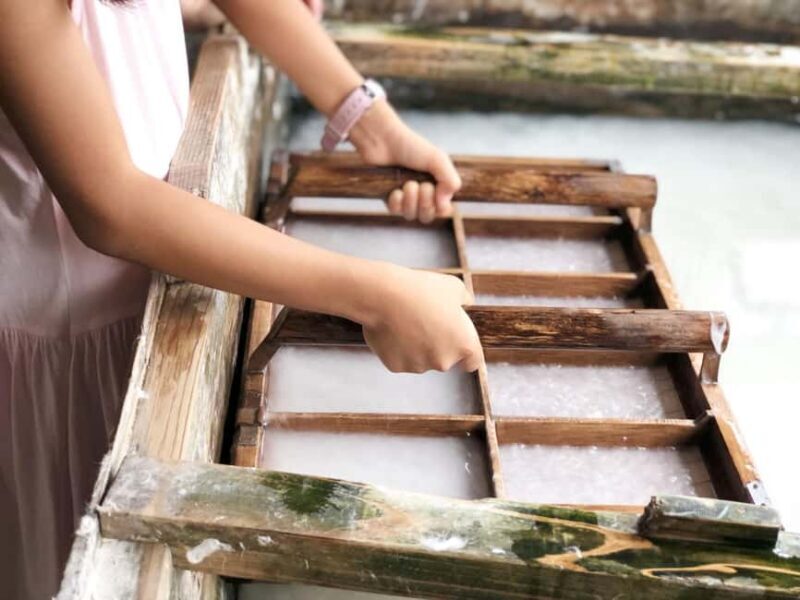 4 / 4
4 / 4- UNESCO Sites: Visit three UNESCO World Heritage villages—Ainokura, Suganuma, and Shirakawa-go—for a well-rounded cultural experience.
- Authentic Experience: Participate in a traditional papermaking class in Ainokura, providing a hands-on craft activity.
- Scenic Drive: Enjoy the mountain vistas and peaceful rural scenery as you travel between villages.
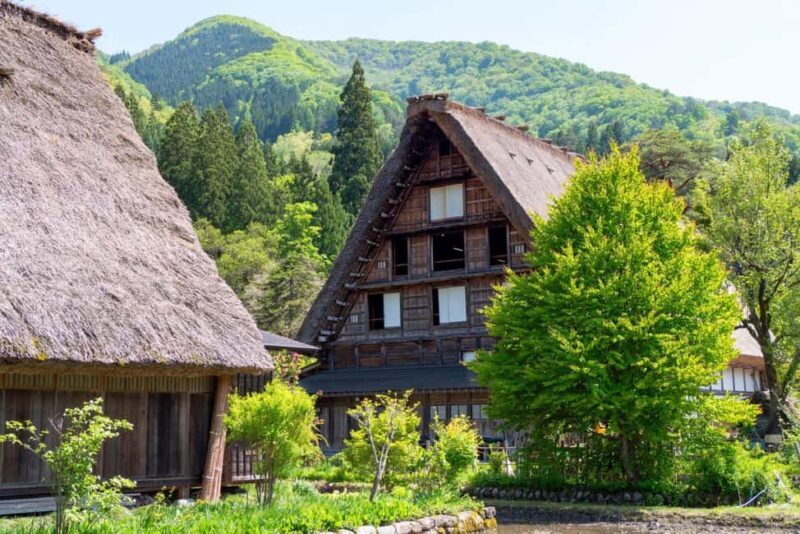
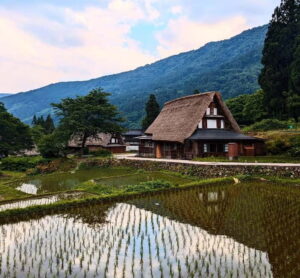
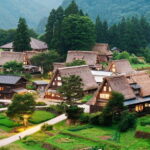
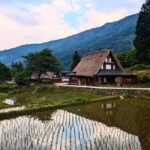
- Historic Architecture: See the distinctive gassho-zukuri farmhouses designed to endure heavy snowfall.
- Flexible Ending: Choose to finish your tour in Takayama or transfer to Kanazawa, offering flexibility for your onward travel plans.
- Small Group: This guided tour maintains a personal touch, with a knowledgeable guide making the experience more engaging.
👉 See our pick of the The 4 Top Tours In Nanto: Which Is Best?
An In-Depth Look at the Tour Experience
Starting at Takayama Station at 9:00 a.m., your guide, who is typically engaging and well-informed, will meet you just outside the ticket gates. Look for the guide’s tour tag and the carved wagon design—easy to spot amidst the bustling station. A waiting area with benches nearby offers a spot for early arrivals to sit and relax before departure.
The first stop is Ainokura, a village often overshadowed by Shirakawa-go but equally captivating. Surrounded by dense forests and set within a quiet mountain basin, Ainokura’s gassho-zukuri houses are remarkably preserved, giving you a glimpse into rural Japan’s architectural ingenuity. Here, the highlight is a papermaking class that introduces you to a craft that’s been alive in the region for centuries. One reviewer called it “a genuine hands-on experience,” appreciating the chance to create their own paper while learning about its history and significance.
Moving on to Suganuma, a smaller village along a gentle river, you’ll find a different vibe—more intimate and still remarkably well-preserved. The village’s museum offers insights into its role in traditional gunpowder production, a fascinating piece of local history. Visitors often comment on how unexpected this aspect is, adding a layer of depth to their visit. After the museum, you’ll have time for lunch, either at a local eatery or with a packed meal—whichever suits your plans best.
Post-lunch, the scenery deepens as the bus takes you further into the mountains toward Shirakawa-go, the most famous of the three villages. Recognizable for its steeply pitched gassho-roofs, Shirakawa-go looks like a fairy-tale setting, especially in winter when snow piles up. The guide will take you on a short walk through the village, pointing out landmarks and explaining their historical uses. For those interested, entering a traditional farmhouse allows a rare peek into rural life, while the panoramic lookout offers sweeping views—perfect for photos and memories.
The return journey to Takayama takes around an hour, during which you can reflect on the day’s highlights. If you booked to finish in Kanazawa, the transfer occurs after Shirakawa-go, with an easy drive concluding around 6:40 p.m. The entire experience balances cultural discovery, scenic beauty, and practical transport, making it a well-rounded day.
You can also read our reviews of more tours and experiences in Nanto.

What Makes This Tour Stand Out
This tour’s strength lies in its blend of culture and scenic beauty. Participating in hands-on crafts like papermaking helps you connect authentically with local traditions, which can be rare on larger, more generalized tours. The visits to less crowded Ainokura and Suganuma offer a more relaxed, intimate view of rural life, away from the tourist throngs.
The scenic drives are another highlight—traveling through lush mountains and along quiet rivers, you get to see Japan’s countryside not often accessible on your own. The entrance into traditional farmhouses in Shirakawa-go enhances the authenticity, providing a tangible sense of rural architecture and lifestyle.
However, the tight schedule means you’ll be on your feet and riding bus for much of the day. If you prefer unstructured exploration or have mobility concerns, this might feel a bit rushed. Also, the tour’s focus on transportation and guided commentary means less time for independent wandering—if you love to linger and explore at your own pace, consider that.
Who Will Enjoy This Tour?
This experience is ideal for travelers who want a comprehensive introduction to Japan’s mountain villages in a single day. It’s perfect for those interested in traditional architecture, crafts, and UNESCO sites, but who also appreciate the convenience of guided transportation and local insights. Families, culture enthusiasts, and first-time visitors to the area will find it particularly rewarding.
On the other hand, if you’re looking for a very leisurely, unstructured day or have specific dietary or mobility needs, you might want to plan some additional time or consider alternative options. Still, for most, this tour offers an excellent balance of education, scenery, and authentic experiences.
The Sum Up: Who’s This Tour Best For?
If you’re after a taste of Japan’s rural heritage combined with stunning mountain scenery, this tour hits the mark. The small-group guided format ensures personalized attention, and the inclusion of a craft activity makes it more than just sightseeing. It’s a good fit for those eager to learn about traditional crafts and architecture while enjoying peaceful rural landscapes.
Travelers who value authenticity over crowds will appreciate the quieter villages of Ainokura and Suganuma, and those with a limited time in Japan will find this a highly efficient way to see some of the country’s most iconic rural heritage sites. The tour offers a window into a Japan that many visitors might never see on their own, making it a memorable, enriching day out from Takayama.
From Takayama: World Heritage Gokayama & Shirakawa-go

FAQ
- What is the starting point of the tour? The tour begins outside the ticket gates at JR Takayama Station. Look for the guide with a tour tag and a carved wagon near the entrance.
- What time does the tour start and end? It starts at 9:00 a.m. and usually concludes around 5:30 p.m. in Takayama, or around 6:40 p.m. if ending in Kanazawa.
- Is transportation included? Yes, transportation between villages and back to Takayama or Kanazawa is included in the tour price.
- Can I choose to finish the tour in Kanazawa? Yes, during booking you can select to transfer to Kanazawa instead of returning to Takayama.
- What activities are part of the tour? Key activities include visiting three UNESCO villages, participating in a papermaking class in Ainokura, exploring a museum in Suganuma, and entering a traditional farmhouse in Shirakawa-go.
- Is the tour suitable for children? While the itinerary involves walking and bus travel, it can be suitable for children, especially those interested in crafts and scenic villages. Always check with the provider for age restrictions.
- What should I bring? Comfortable shoes, weather-appropriate clothing, and a camera are recommended to capture the scenery and architecture.
- How much free time is there at each village? The schedule is structured with guided walks and activities, but you’ll have some free time, especially in Suganuma and Shirakawa-go, for photos and exploration.
- Is there a meal included? No, but you’ll have the option to enjoy lunch at a local restaurant or have a packed meal, depending on your preference.
- How many people typically join the tour? This is a small-group experience, with the exact group size not specified, but designed to foster a personal connection with your guide.
This tour offers a well-balanced glimpse into Japan’s UNESCO mountain villages, blending cultural participation, scenic beauty, and historical insight. It’s an experience that will leave you with photographs, crafts, and stories to cherish long after your trip.
You can check availability for your dates here: