

Kyoto: Tofuku-ji Temple and Komyo-in Guided Walking Tour – A Calm Journey into Zen
This two-hour guided tour in Kyoto takes you through two of the city’s most contemplative temples: Tofuku-ji and Komyo-in. For $138 per person, you’ll visit modern yet tranquil zen gardens, cross the iconic Tsutenkyo Bridge, and step into a quiet meditative garden where space and silence speak louder than words. The tour is private, led by a knowledgeable guide, ensuring an intimate, unhurried experience.
What makes this tour special is its focus on meaning and mindfulness rather than just sightseeing. We particularly loved how the guide explained zen design principles—showing how beauty, space, and stillness reflect deeper spiritual ideas. The chance to walk through hidden gardens and observe the impermanence of nature was truly calming.
A minor consideration is that the tour’s length is limited to about two hours, which is great for a quick, reflective break but might leave some wanting more time to explore each site in depth. It’s best suited for those who appreciate meditative spaces and want to understand how zen ideals are expressed through architecture and nature.
This experience suits travelers seeking authentic, contemplative moments in Kyoto, especially those interested in Japanese aesthetics and spiritual traditions. It’s ideal for those who enjoy a slower pace and a focus on meaningful, quiet exploration rather than busy sightseeing.
Key Points
- Focused on Zen philosophy, not just sightseeing
- Visit modern gardens and a hidden temple with meditative moss and stone gardens
- Insightful guides who explain the symbolism behind the gardens and architecture
- Quiet, contemplative experience perfect for rest and reflection
- Accessible location, close to public transportation
- Private tour ensures a personalized, unhurried visit
Exploring Kyoto’s Zen Heart: Tofuku-ji and Komyo-in
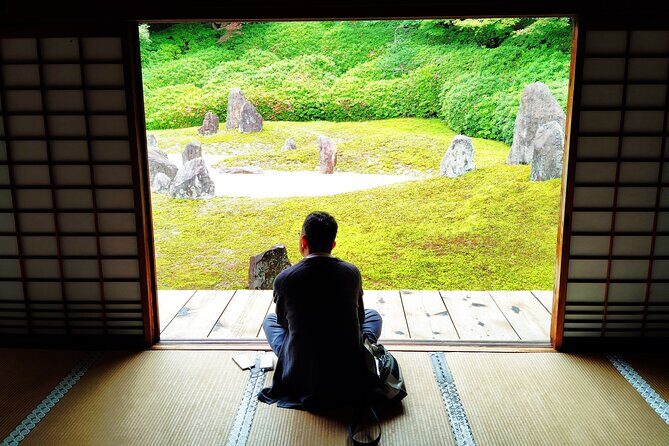
When we think of Kyoto, images of historic temples, vibrant shrines, and beautiful gardens come to mind. This tour offers a different perspective—a peaceful, thoughtful journey into the city’s Zen tradition. It’s perfect for travelers who value meaningful experiences over crowds and noise. Let’s walk through what you can expect from each part of this two-hour adventure.
Appreciate having local insight? Here are other guided experiences in Kyoto we've examined
Starting Point: Tofuku-ji Nikkamon Gate
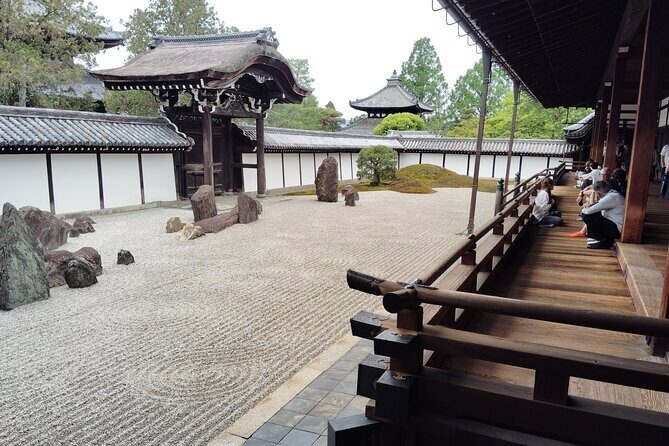
Your tour begins at the Nikkamon Gate of Tofuku-ji, a Buddhist temple famous for its striking modern gardens. This is no ordinary garden visit; it’s an exploration of how Zen aesthetics emphasize stillness and impermanence. Tofuku-ji’s gardens are particularly known for their bold, minimalist approach. You’ll learn about how space and silence are essential elements of Zen design, and how these gardens serve as meditative spaces for monks and visitors alike.
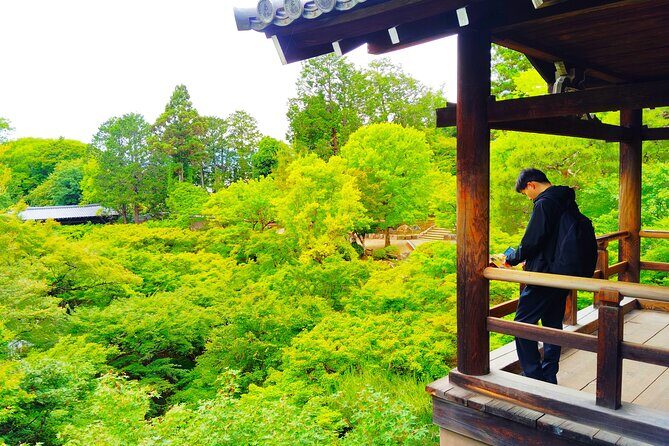
You’ll cross the Tsutenkyo Bridge, an icon of the temple, which offers a scenic view of the gardens and the surrounding mountains. The bridge itself is symbolic—a physical and spiritual link—encouraging us to pause and reflect during the walk. Guides often share stories about the significance of these bridges, adding depth to what might seem like just a pretty view.
Moving to Komyo-in: A Hidden Sanctuary
After soaking in the modern gardens, your guide leads you to Komyo-in, a lesser-known subtemple often missed by travelers rushing through Kyoto. This quiet spot is a rare find. It’s a place where meditative moss and stone gardens create an environment of serenity and stillness.
We loved the way the guide explained how Komyo-in’s design embodies Zen ideals: simple, natural, and full of subtle symbolism. Here, you can sit quietly and feel the peace of space and silence—a true retreat from the busy city. The garden’s design invites you to contemplate impermanence and the fleeting nature of life, echoing core Zen teachings.
What You Will Learn and Experience
Throughout the tour, the guide will verbally share insights into Zen philosophy and how garden design expresses concepts like impermanence and harmony. We found that understanding this context made the gardens feel even more alive and meaningful. The experience isn’t just visual; it’s an invitation to reflect.
You’ll appreciate that the tour is private, allowing your guide to tailor the pace and focus on what interests you most. This personal attention makes for a richer, more engaging experience. We also appreciated how accessible Komyo-in is, with nearby train stations and public transport options making it easy to include in your Kyoto itinerary.
The Value of a Guided Walk
While Kyoto is filled with stunning temples, many are crowded and commercialized. This tour’s small-group or private format ensures a quiet, contemplative atmosphere, perfect for soaking in the spiritual ambiance. Plus, the knowledgeable guides don’t just point out features—they explain the meaning and symbolism, transforming your visit into a learning experience.
If you're drawn to exploring Kyoto on foot, we've looked into these other walking experiences
- [2.3km / 1.43mi] Kyoto East Early Morning Walking Tour
- Kyoto: Arashiyama Bamboo Grove, Monkey Mountain Walking Tour
- Arashiyama Hidden Gems: Walking Tour escaping crowds
- Kyoto: Private Walking Tour with Kiyomizu Temple & Gion
- Eastern Kyoto Walking Tour with Local Guide
- Kyoto: Meet the Geisha Maiko with Gion Walking Tour
What Travelers Can Expect: a Deeply Reflective Itinerary
The tour’s structure is straightforward but meaningful:
- Meet at Tofuku-ji’s Nikkamon Gate, where you begin your exploration of bold modern gardens designed with Zen principles in mind.
- Cross Tsutenkyo Bridge, taking in the views while pondering the symbolic significance.
- Walk through the gardens, observing how space and silence evoke stillness.
- Enter Komyo-in, a serene subtemple with moss and stone gardens, perfect for quiet reflection.
- Listen to your guide’s explanations about Zen concepts, garden symbolism, and the spiritual purpose of each space.
Each stop is designed to foster mindfulness—we found ourselves slowing down, breathing deeper, and appreciating the subtle beauty of simplicity.
Authenticity and Expertise: Why Guides Matter
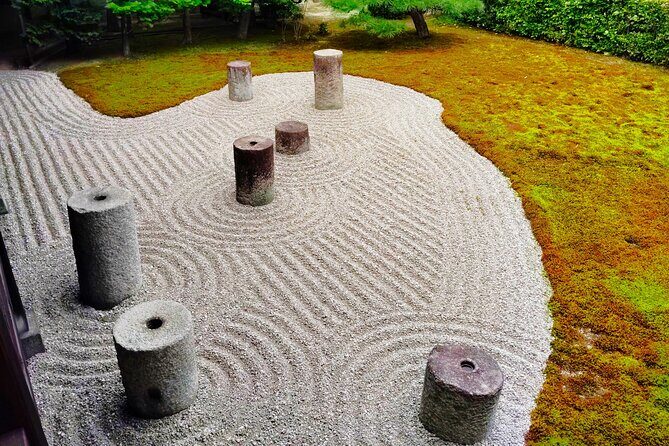
A highlight of this tour is the knowledgeable guide, whose insights elevate the experience from mere sightseeing to understanding. They help interpret the symbolism behind garden arrangements and architecture, so you leave with a richer appreciation of Japanese Zen.
One reviewer noted, “Our guide was very knowledgeable and explained the Zen philosophy and design elements in a way that truly changed how I saw these gardens.” This kind of storytelling makes the experience memorable and meaningful.
Considering the Price: Value and Reflection
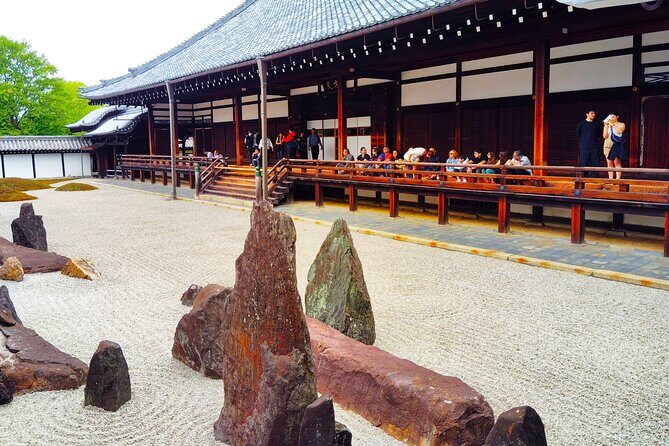
At $138, the tour may seem like a modest expense, but when you consider the private nature and expert guidance, it becomes a quality investment in a different kind of sightseeing—one focused on spiritual understanding and inner calm. It’s not a typical temple visit; it’s a chance to connect with Kyoto’s Zen identity.
Remember, this isn’t a full-day adventure—two hours of focused, contemplative walking. For travelers interested in meditative experiences or enriching their understanding of Japanese aesthetics, the value is clear. Plus, the free cancellation policy offers flexibility should your plans change.
Who Will Love This Tour?
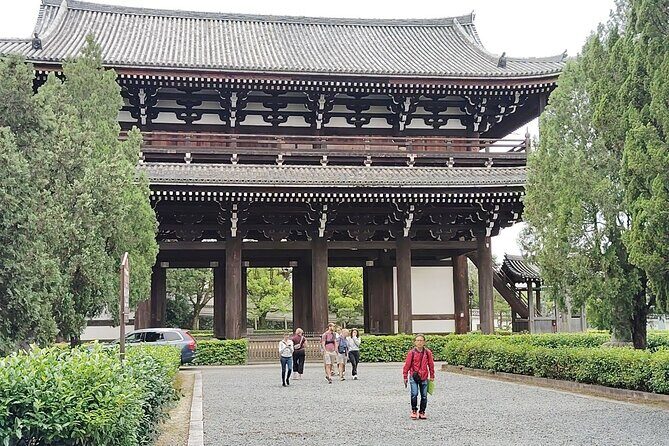
If you’re someone who appreciates quiet spaces, values authentic cultural experiences, or simply wants to see Kyoto from a perspective beyond temples and crowds, this tour is a perfect fit. It’s particularly suited for those eager to learn about Zen philosophy and see how it’s expressed through landscape and architecture. It’s also a great choice for anyone seeking a peaceful escape amid a busy travel schedule.
Travelers with a curiosity for Japanese aesthetics or who enjoy guided storytelling will find this experience rewarding. It’s ideal for those who prefer quality over quantity and want a meaningful, mindful encounter with Kyoto’s spiritual side.
Final Thoughts
This guided walk through Tofuku-ji and Komyo-in offers an authentic window into Kyoto’s Zen world. It’s a gentle, profound experience that combines beautiful gardens, symbolic architecture, and deep insights from guides who genuinely care about sharing their knowledge.
The experience strikes a fine balance between educational value and meditative calm, making it suitable for travelers who want more than just photos. It’s a chance to slow down, reflect, and gain a new perspective on Kyoto’s spiritual heritage.
If you’re looking for a peaceful, insightful escape from the hustle, this tour will leave you with a richer appreciation for the art of Zen and the subtle beauty of Japanese gardens. For anyone eager to connect with Kyoto’s contemplative soul, this walk is a quiet gem.
FAQs
Is this tour suitable for all ages?
Yes, most travelers can participate, as it’s a gentle walk focused on reflection. It’s especially fitting for those interested in Zen and mindfulness.
How long does the tour take?
Approximately two hours, making it a manageable, unhurried experience perfect for a short break.
Is it a private tour?
Yes, it’s a private experience tailored to your group, allowing for personalized attention and flexible pacing.
Do I need to prepare anything?
Just bring a sense of curiosity and openness. Comfortable shoes are recommended for walking.
Can I visit other parts of Kyoto after the tour?
Absolutely. The tour’s locations are accessible via nearby train stations, and you can easily continue exploring on your own.
What makes this tour different from a typical temple visit?
It emphasizes meaning, symbolism, and mindfulness over crowds and superficial sightseeing, offering a more authentic, spiritual experience.
This walk suits travelers seeking depth and tranquility in Kyoto. Whether you’re a seasoned Zen enthusiast or just curious about Japanese spiritual practices, it provides a meaningful way to connect with the city’s quieter, contemplative side.
More Walking Tours in Kyoto
More Tours in Kyoto
- Kyoto Private Sightseeing Tours with English Speaking Driver
- Kyoto Highlights Tour: Arashiyama, Nara Park and Fushimi Inari
- Kyoto & Nara 1 Day Private Charter Car Tour from Osaka or Kyoto
- Kyoto: Kinkaku ji Temple Historical Guided Tour
- Kyoto Fushimi Sake Tasting Tour
- Kyoto Afternoon and Night Tour with Japanese Traditional Dinner
More Tour Reviews in Kyoto
- Kyoto Private Sightseeing Tours with English Speaking Driver
- Kyoto Highlights Tour: Arashiyama, Nara Park and Fushimi Inari
- Rent a Touring Bike to Explore Kyoto and Beyond
- Kyoto & Nara 1 Day Private Charter Car Tour from Osaka or Kyoto
- Kyoto Karaoke room for 1 Hour with Set Menu and Unlimited Drinks
- Kyoto Classic Top Attractions with Kyoto Tower and More
More Kyoto experiences we've covered
- Kyoto Private Sightseeing Tours with English Speaking Driver
- Kyoto Highlights Tour: Arashiyama, Nara Park and Fushimi Inari
- Rent a Touring Bike to Explore Kyoto and Beyond
- Kyoto & Nara 1 Day Private Charter Car Tour from Osaka or Kyoto
- Kyoto Karaoke room for 1 Hour with Set Menu and Unlimited Drinks
- Kyoto Classic Top Attractions with Kyoto Tower and More
- Kyoto: Serene Garden Philosophy at Murin-an with Matcha Tea
- Kyoto: Kinkaku ji Temple Historical Guided Tour
- Maiko Dance and Autumn Leaves Illumination at Kitano Tenmangu TW
- Eye-opening Matcha Private Experience Just For You
- Kyoto Fushimi Sake Tasting Tour
- Kyoto Afternoon and Night Tour with Japanese Traditional Dinner