
Kyoto’s culinary scene isn’t just about exquisite kaiseki or matcha sweets; it’s also a fantastic place to learn how to cook Japanese dishes yourself. The city’s rich food culture, combined with authentic local instructors and intimate class sizes, makes Kyoto a top destination for cooking classes.
We particularly recommend the ramen cooking class at a ramen factory for its lively atmosphere and hands-on noodle making.
Or, for those interested in more traditional Japanese cuisine, the Izakaya style cooking class offers a deep dive into pub-style dishes. Whatever your culinary curiosity, Kyoto offers a variety of options to suit different tastes and skill levels.
Kyoto is a city where food is an art form and a reflection of local life. Participating in a cooking class here isn’t just about the food — it’s about experiencing a slice of Japanese culture firsthand. Whether you want to master ramen noodles or create beautiful wagashi sweets, these classes make a wonderful addition to your Kyoto itinerary.
Quick Overview
This list covers a broad spectrum of culinary experiences, from quick introductory classes to immersive home visits. You’ll find options like the Kyoto Ramen Cooking Class, known for its noodle mastery, and the Japanese Washoku Bento class, which explores classic lunch boxes.
For a taste of Kyoto’s local eating culture, the Izakaya style class is perfect, while the Family Kitchen experience offers a warm, home-like environment.
Rounding out the list are specialized workshops like making gyoza, sushi, and wagashi sweets. Below, we explore each one in detail to help you pick the perfect fit.
- Quick Overview
- 1. Kyoto: Ramen Cooking Class at a Ramen Factory with Souvenir
- 2. Kyoto: Japanese Washoku Bento Small Group Cooking Class
- 3. Izakaya Style Cooking Class
- 4. Kyoto: Afternoon Japanese Izakaya Cooking Class
- 5. Bento Box Cooking Class
- 6. Kyoto: Ramen, Gyoza, and Onigiri Cooking Class
- 7. Kyoto: Morning Japanese Bento Cooking Class
- 8. Gyoza Cooking Class in Kyoto: Traditional Japanese Dumplings
- 9. Sushi – Authentic Japanese Cooking Class
- 10. Near Fushimiinari: Kyoto Home Cooking Class & Supermarket Tour
- 11. Private Kyoto Sushi Cooking Class & Tea Ceremony with Emika
- 12. Kyoto Family Kitchen Cooking Class
- 13. Kyoto Ramen and Gyoza Cooking Class with Professional Chefs
- 14. Kyoto: Ramen Bowl Painting and Michelin Cooking Class
- 15. Kyoto Wagashi (Japanese Sweets) Cooking Class near Fushimiinari
- How to Choose Your Perfect Cooking Class in Kyoto
- Final Thoughts
1. Kyoto: Ramen Cooking Class at a Ramen Factory with Souvenir
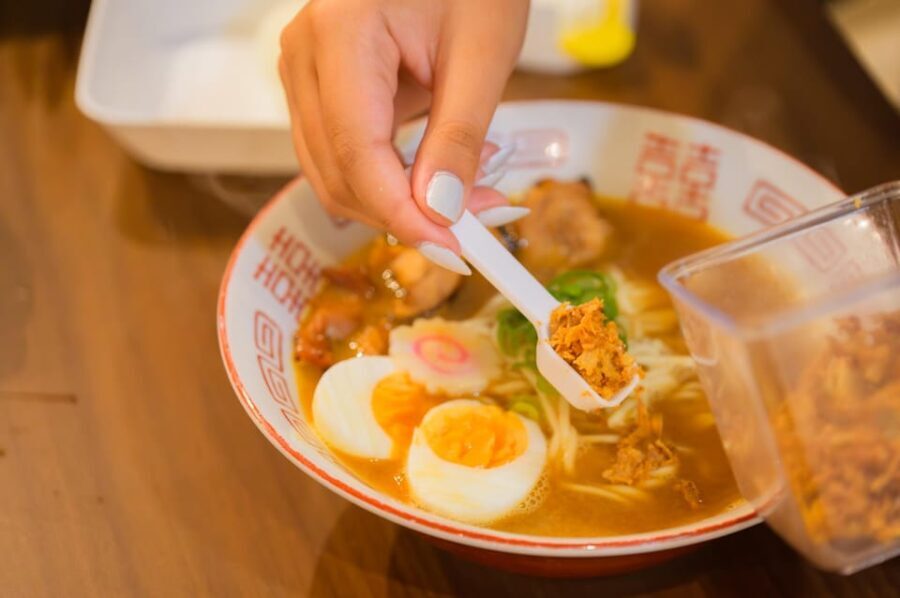
At number 1, this class is ideal for anyone wanting to learn the art of ramen from scratch. It lasts about 1.5 hours and includes making noodles from flour, mixing three different sauces (Miso, Salt, Soy), and preparing chashu pork and soup. The class’s unique feature is the factory setting, giving you a behind-the-scenes look at ramen production.
Guests rave about the lively, friendly atmosphere and the clear, organized instructions. “Looking forward to making ramen at home,” says one reviewer.
Plus, you get to take home a souvenir — like a ramen bowl, t-shirt, or apron — and the full recipe via email, so you can replicate your creation. The class is perfect for foodies eager for a hands-on experience and delicious results.
Bottom line: Fun, flavorful, and practical, this class suits those who want a quick, memorable hands-on ramen lesson with a souvenir to remember Kyoto.
2. Kyoto: Japanese Washoku Bento Small Group Cooking Class
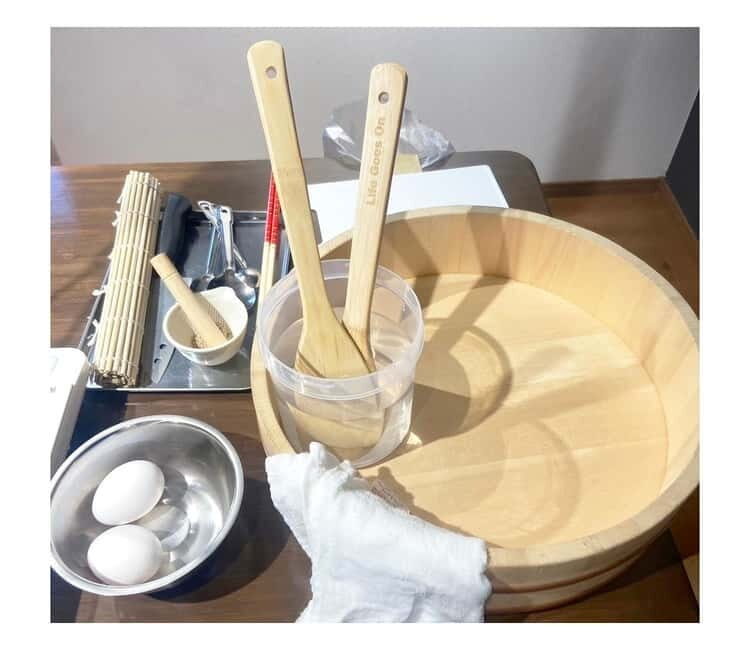
For an authentic taste of Japanese lunch culture, this small group class teaches you how to assemble a traditional bento box. It lasts about 2-3 hours and covers sushi rolls, tempura, tofu salad, and rolled omelette.
The instructor demonstrates techniques for frying tempura and making dashi stock — fundamental skills in washoku (Japanese cuisine). Guests appreciate the focus on seasonal ingredients and the chance to improve knife skills.
Afterward, you enjoy your handmade bento, which leaves you with new culinary skills and a deeper appreciation for Japanese food. The class’s intimate setting and hands-on approach have earned it a perfect 5-star rating.
Bottom line: Best for those who want to learn the core techniques behind Japanese home cooking and leave with a beautiful, edible souvenir.
3. Izakaya Style Cooking Class
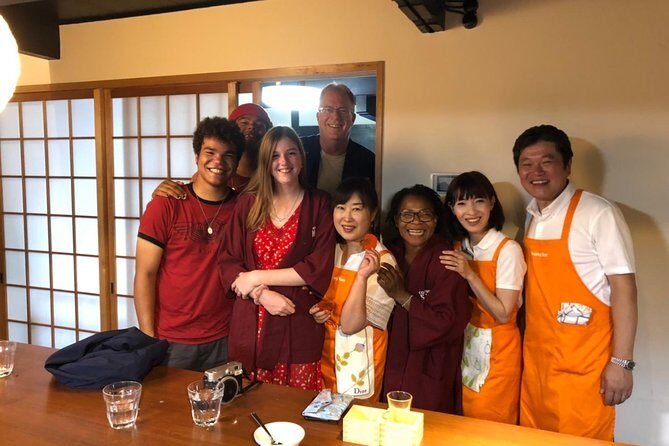
In a city famous for pub-style dishes, this 3-hour class introduces you to Izakaya cuisine — Japan’s version of pub food. Led by a master chef, you’ll learn to prepare five or six home dishes, such as grilled skewers, small plates, and rice bowls.
The class includes demonstrations of seasoning techniques and how to make dashi, a key ingredient in many Japanese soups. The emphasis on authenticity and interactive participation makes it stand out.
Guests leave saying, “Food was interesting and tasty,” with many noting the friendly, engaging instructors. After cooking, everyone sits down to enjoy what they’ve made.
Bottom line: Perfect for travelers interested in exploring Kyoto’s casual dining culture beyond sushi, with dishes you can replicate at home.
4. Kyoto: Afternoon Japanese Izakaya Cooking Class
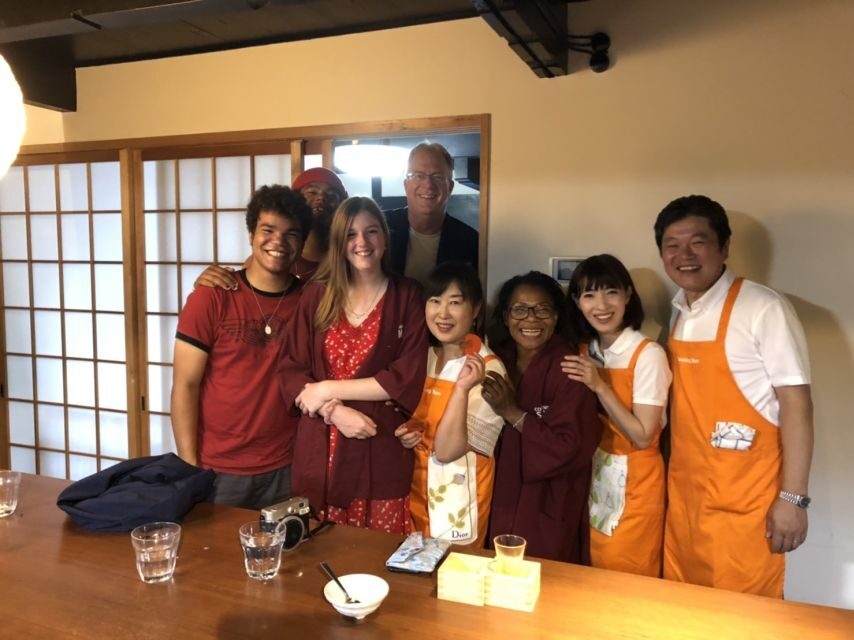
This class offers a relaxed, home-style cooking experience in a traditional Kyoto house. Over about 2.5 hours, you’ll learn to prepare Japanese home dishes alongside local instructors in a friendly environment.
It’s especially suited for those wanting a cultural exchange, with opportunities to meet local people and learn about food customs. The focus is on simple, authentic dishes that represent everyday Japanese cooking.
Participants enjoy the chance to chat and taste the dishes fresh from the stove, making it a rich cultural experience as well as a cooking session.
Bottom line: Ideal for travelers seeking an intimate, cultural introduction to Japanese home cooking.
5. Bento Box Cooking Class
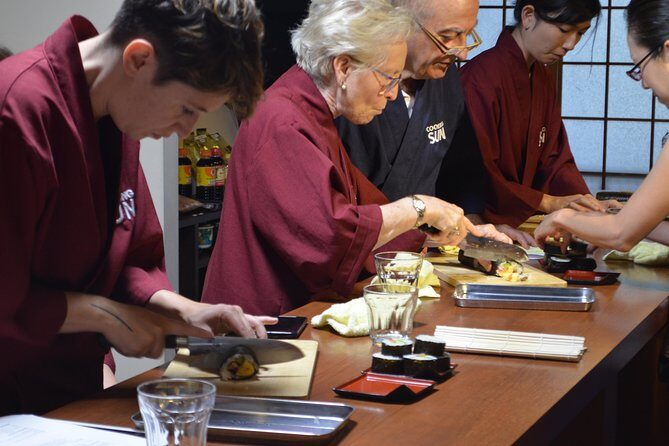
This 3-hour course teaches you how to create the iconic bento box, a staple of Japanese life. You’ll learn about its history and cultural significance and watch master chefs demonstrate techniques for making miso soup, rice, and main dishes like breaded chicken or rolled omelette.
The class emphasizes seasonal ingredients and presentation skills. After creating your bento, you get to enjoy it and take the recipes home.
With a 5-star review rating, it offers excellent value for those who want to master a versatile, portable meal that’s beloved across Japan.
Bottom line: Great for food lovers wanting to learn a practical skill with lasting souvenirs.
6. Kyoto: Ramen, Gyoza, and Onigiri Cooking Class
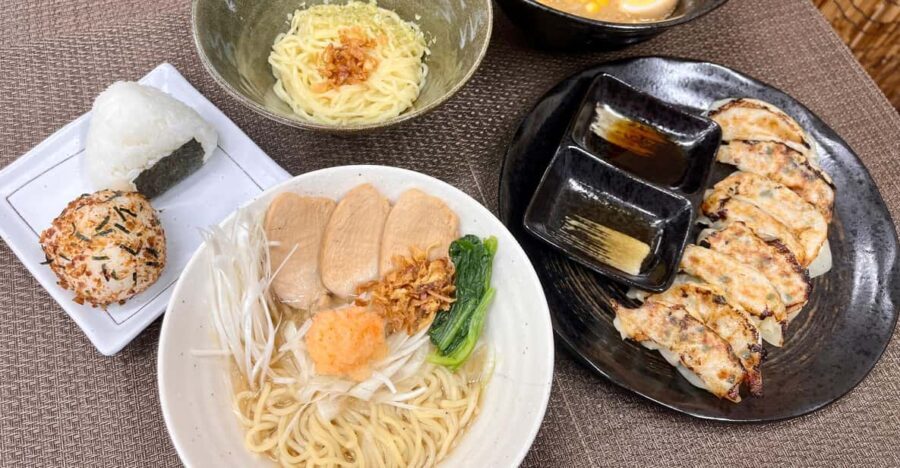
This class combines three core Japanese dishes: soy/miso ramen, gyoza, and onigiri. It lasts about 1.5 hours and includes learning how to make broth from scratch, properly wrap gyoza, and shape rice balls. One standout feature is the vegetarian option with tofu substitutes.
Reviews highlight how fun and comprehensive the class is, with attendees saying, “Made several dishes, all delicious.” It’s perfect for those who want a short, packed session covering dishes that define Japanese comfort food.
Bottom line: Ideal for travelers wanting to master several dishes in a short time and add authentic ramen and gyoza to their cooking repertoire.
7. Kyoto: Morning Japanese Bento Cooking Class
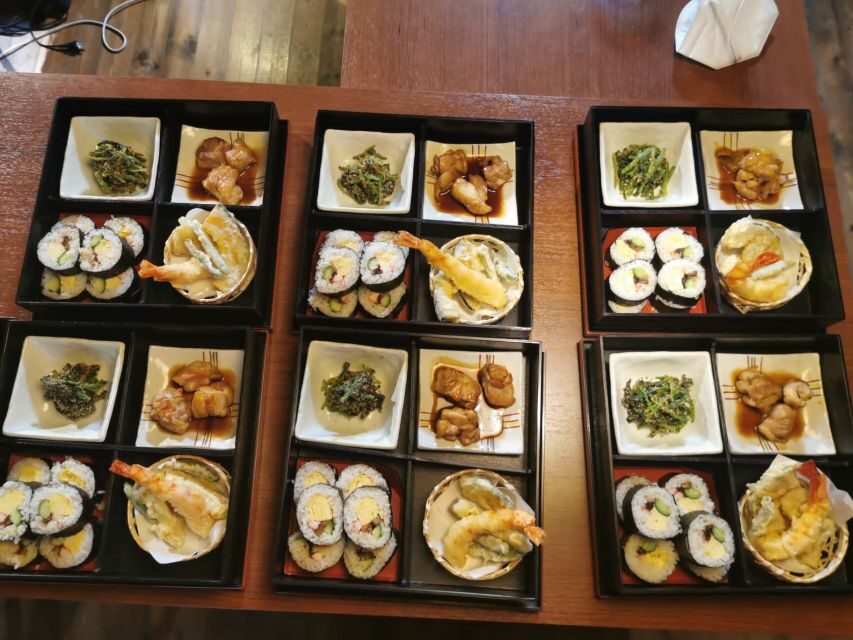
In the morning, this class offers a hands-on experience making classic bento meals including sushi, tempura, teriyaki chicken, and miso soup. It lasts about 2-3 hours and is perfect for early risers wanting to start their day productively.
With fluent English instructors, you gain not only cooking skills but insights into bento culture. Guests rave about the delicious food and the chance to enjoy a freshly made Japanese lunch afterward.
Bottom line: Suitable for morning-focused travelers who want to learn bento techniques and enjoy a full, satisfying meal.
8. Gyoza Cooking Class in Kyoto: Traditional Japanese Dumplings
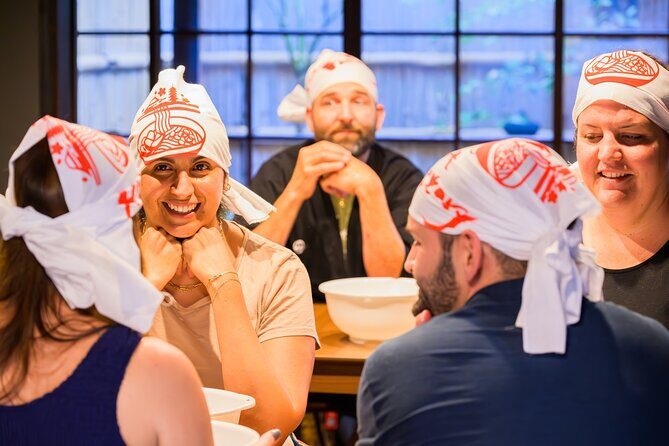
This 1.5-hour class focuses solely on Gyoza, Japan’s beloved dumpling. It includes making gyoza from scratch and learning about Samurai culture and history in a Kyoto townhouse. Unique to this class is the optional dressing up in Samurai armor, perfect for memorable photos.
Reviewers love the personalized experience and say, “Best experience making gyoza,” highlighting how fun and detailed the session is. The class is ideal for gyoza fans and families.
Bottom line: For those wanting a specialized, hands-on gyoza lesson with a cultural twist, this class is a winner.
9. Sushi – Authentic Japanese Cooking Class
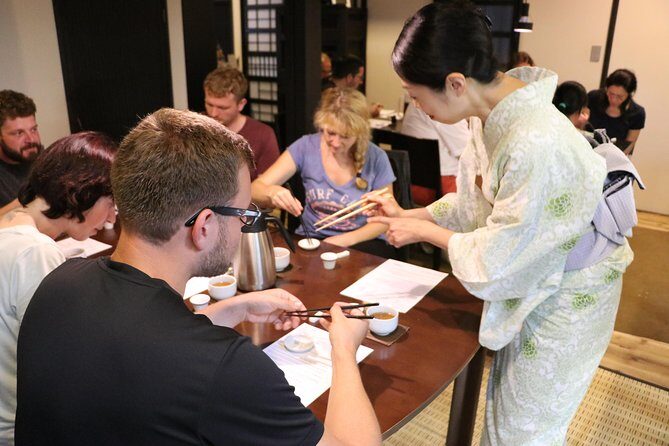
This 2-hour class is designed for anyone eager to learn the art of sushi making. It’s capped at eight people, creating a relaxed, personal environment. Beyond just rolling sushi, you learn about etiquette and Japanese culinary customs. Participants enjoy making their sushi, tasting green tea, and hearing stories about Japanese food traditions.
The reviews praise the instructor’s thoroughness and the authentic experience. It’s ideal for those who want a tangible skill and a memorable souvenir.
Bottom line: A hands-on, intimate class perfect for sushi lovers wanting to go beyond simply eating.
10. Near Fushimiinari: Kyoto Home Cooking Class & Supermarket Tour
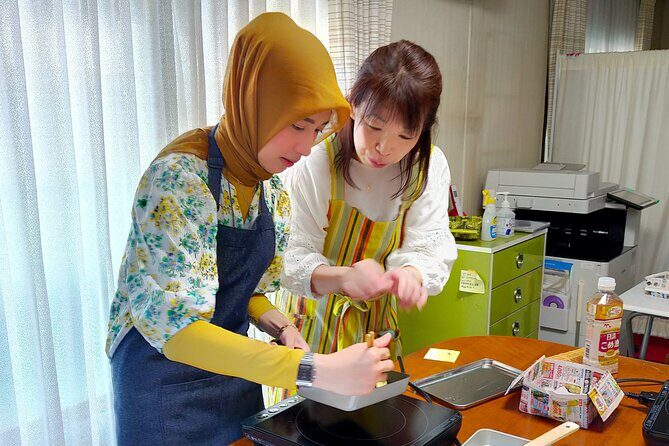
For about 4 hours, this experience combines home-style cooking at a local’s house with a supermarket tour. It’s a great way to learn essential Japanese ingredients and techniques, then cook a full meal including dishes like tempura, miso soup, and more. With only six participants, you get personalized attention and plenty of time for questions.
Reviewers find it to be an authentic, comprehensive experience, with “learning about ingredients and customs” being a highlight.
Bottom line: Best suited for travelers interested in local life and ingredients — a true insider’s experience.
11. Private Kyoto Sushi Cooking Class & Tea Ceremony with Emika
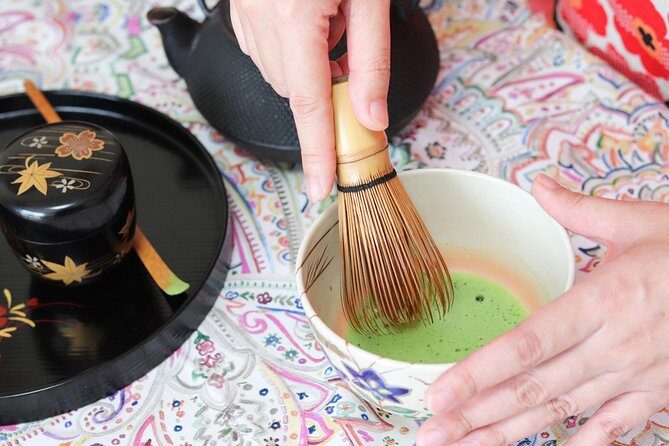
This private class offers a personalized experience in Kyoto, including sushi making and a tea ceremony. Over around three hours, Emika guides you through traditional Obanzai dishes, sharing stories and tips in her cozy Kyoto home. It’s perfect for those wanting a more intimate, cultural experience that combines cooking with traditional tea rituals.
Reviewers praise Emika’s warmth and the delightful conversation. It’s ideal for couples or small groups seeking a customized and authentic culture.
Bottom line: For those wanting a special, private experience that combines food and culture seamlessly.
12. Kyoto Family Kitchen Cooking Class
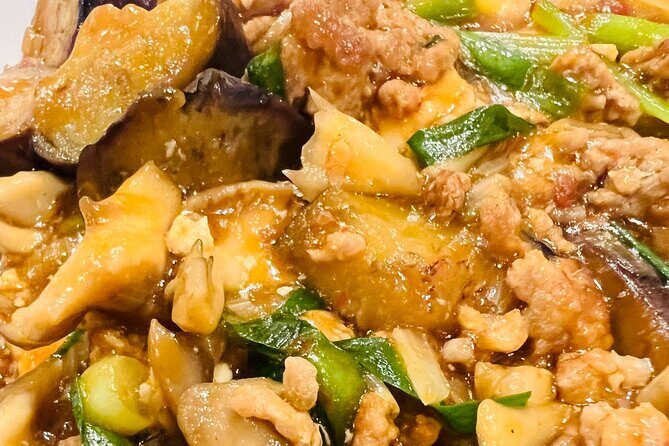
This class is tailored for families, offering a fun, interactive environment where everyone cooks together in a Kyoto family’s home. It lasts about 2.5 hours, focusing on everyday Japanese dishes.
Reviewers mention the warm, welcoming atmosphere and the chance to share a meal with locals, making it ideal for travelers with children or those seeking a family-friendly activity. Participants learn about local ingredients and enjoy a home-cooked meal that’s both authentic and delicious.
Bottom line: The best choice for families wanting an immersive, culturally rich cooking experience.
13. Kyoto Ramen and Gyoza Cooking Class with Professional Chefs
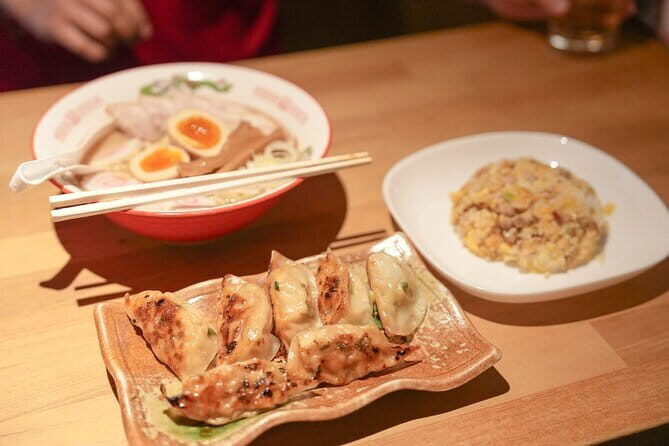
This class offers a comprehensive experience of making ramen, gyoza, and fried rice. Lasting about 2.5 hours, it features professional chefs who guide you through broth preparation, wrapping techniques, and cooking tips.
The class is well-organized, with reviews emphasizing the fun atmosphere and delicious dishes. It’s suitable for all skill levels and perfect for those wanting a full Japanese meal experience.
Bottom line: Excellent for those who want to master multiple dishes with expert guidance.
14. Kyoto: Ramen Bowl Painting and Michelin Cooking Class
This innovative class combines art and cuisine — you paint a custom ramen bowl and then enjoy a Michelin-worthy ramen meal. It lasts about 2 hours and is family-friendly. The class is praised for its creative approach and high-quality ramen.
The option to have your bowl baked and shipped home adds a special touch. It’s a perfect blend of crafting and eating for those who want a memorable, multi-sensory experience.
Bottom line: Best suited for travelers interested in hands-on art combined with fine cuisine.
15. Kyoto Wagashi (Japanese Sweets) Cooking Class near Fushimiinari
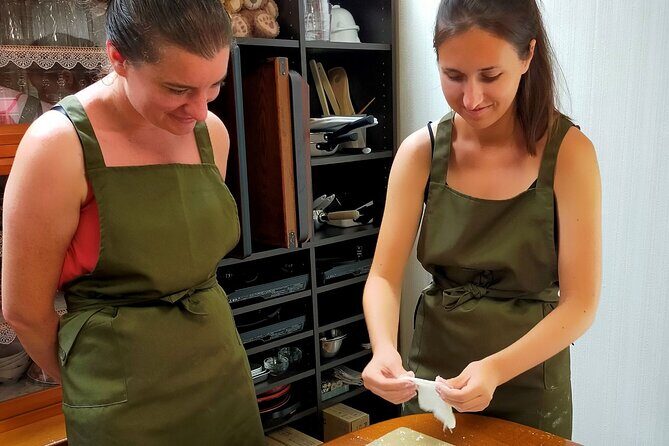
To finish our list, this wagashi class teaches you how to make traditional Japanese sweets in a cozy, authentic house. Over about 2.5 hours, you’ll learn techniques for crafting three different wagashi, with plenty of laughs and tasty results. Reviewers highlight the relaxed atmosphere and the delicious treats at the end.
It’s ideal for those wanting a sweet ending to their Kyoto trip and an understanding of a key part of Japanese culinary art.
Bottom line: Perfect for dessert lovers and those eager to explore Japanese confectionery traditions.
How to Choose Your Perfect Cooking Class in Kyoto
When selecting a Kyoto cooking class, consider your budget, timing, and interests. For a quick, fun introduction to ramen, the ramen factory class is excellent. If you prefer a more cultural experience with a home visit, the Kyoto Home Cooking & Supermarket Tour offers deeper insight into Japanese ingredients.
Budget-conscious travelers may opt for the bento class, while families and those interested in sweets should consider the wagashi class.
Booking early is advisable, especially during peak seasons like cherry blossom or autumn foliage. Think about your skill level and cultural interests, too—whether you want to learn sushi etiquette or public izakaya dishes. Many classes are small, so reserve well in advance.
Final Thoughts
Kyoto’s cooking classes range from quick, engaging lessons to immersive experiences in local homes. For a hands-on ramen experience, the factory tour is a top pick. If you’re more intrigued by Japanese home-style dishes, the Kyoto Home Cooking & Supermarket Tour offers a comprehensive look at ingredients and techniques.
Families, couples, and solo travelers will find options suited to their interests, whether they want to perfect sushi, make wagashi, or learn izakaya fare.
No matter which class you choose, booking early ensures a spot in these popular experiences. Kyoto isn’t just a city of temples—it’s a culinary classroom waiting to give you a taste of Japan you’ll remember long after your trip ends.