
South Korea offers a fascinating mix of ancient traditions and modern dynamism, making it a prime destination for history lovers. Whether it’s exploring the grandeur of the Joseon dynasty at Gyeongbokgung Palace, walking through a UNESCO-listed Hahoe Folk Village, or learning about recent political struggles in Gwangju, there’s something to deepen your understanding of this layered country.
We love tours that bring history alive, like the History and Culture Tour in Seoul, which combines royal palaces with street food and panoramic city views. These experiences are not just about looking back—they connect past and present in engaging ways.
South Korea’s historical sites range from royal palaces and traditional hanok neighborhoods to poignant sites of democratic uprisings. The country’s deep respect for its history shines through in well-preserved locations and educational tours.
For example, the Gwangju May 18 History Tour offers a powerful encounter with recent history, while the Andong UNESCO Heritage Tour takes you into Korea’s Confucian past. These tours provide meaningful insights for travelers eager to understand Korea beyond K-pop and kimchi.
Quick Overview
This list highlights four top-tier historical tours in South Korea, each offering a different flavor of the country’s past. From the royal splendor of Seoul to the democratic struggles in Gwangju and the preserved traditions of Andong, these tours balance cultural depth with practical comfort.
For those interested in personalized experiences, the private tours like the History and Culture Tour in Seoul and the Gwangju City Tour shine with customizable itineraries.
Budget travelers and history enthusiasts alike will find compelling options with the Gwangju May 18 History Tour, while those curious about Korea’s traditional architecture can’t miss the Andong UNESCO Heritage Tour.
1. History and Culture Tour (Private Tour)
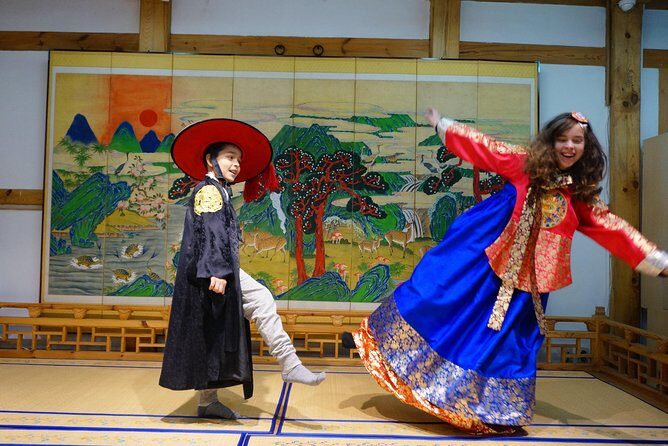
For around $230 per person, this full-day private tour in Seoul offers a deep dive into the royal history and vibrant street life of Korea’s capital.
The tour includes iconic sites like Gyeongbokgung Palace, where you’ll witness the changing of the guard and have the option to rent a traditional Hanbok for photos—though note that the palace is closed on Tuesdays, and the itinerary switches to Changdeokgung or Duksu Palace.
The tour continues with a stroll through Bukchon Hanok Village, showcasing beautifully preserved traditional houses still inhabited today.
One of the tour’s strong points is the emphasis on personalized experience: your guide provides rich commentary, and the itinerary can be tailored to your interests. Enjoy street food at Kwangjang Market (own expense), explore Insadong’s art galleries and shops, and finish with panoramic views from N Seoul Tower.
The all-inclusive private transportation means comfort and flexibility, perfect for those who want a rundown in a single day. Reviewers consistently praise the tour’s quality, noting the guide’s insights and the seamless experience.
Bottom line: This private, customizable tour is ideal for travelers who want an immersive, convenient introduction to Seoul’s history and culture, with the flexibility to focus on what interests them most.
2. Gwangju City Tour : History and Art
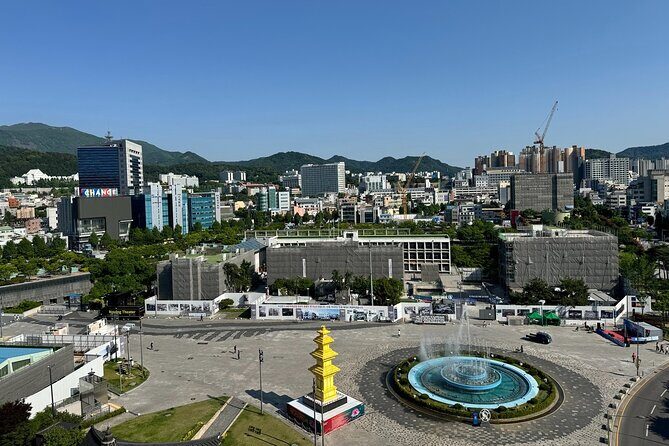
At number 2, the Gwangju City Tour is a $120 experience that explores one of South Korea’s most meaningful cities for democracy and art. The tour highlights Gwangju’s May 18 Democratic Uprising, visiting important sites like the Asia Culture Center and the May 18 Archives.
The ACC, built on the site of the uprising, showcases interactive exhibitions and performances that blend history with contemporary culture. The Archives house detailed records of the events, which UNESCO recognized in 2011.
This tour’s appeal is in its focus on Gwangju’s recent history—a city that turned tragedy into activism and artistic expression. Visitors often leave with a clearer understanding of Korea’s democratic journey.
The guide’s commentary brings the stories of resistance alive, making the history feel immediate and personal. The inclusion of free time at key sites allows for reflection or exploration of local cafes and shops.
Reviewers highlight the depth of knowledge and emotional impact of the tour, with many saying it transformed their understanding of Korea’s modern history. It’s best suited for those interested in modern political history and contemporary art.
Bottom line: If you want a meaningful visit that combines history, politics, and cultural expression, this tour provides a compelling glimpse into Gwangju’s pivotal role in Korea’s development.
3. Gwangju May 18 History Tour (Small group Max.5)
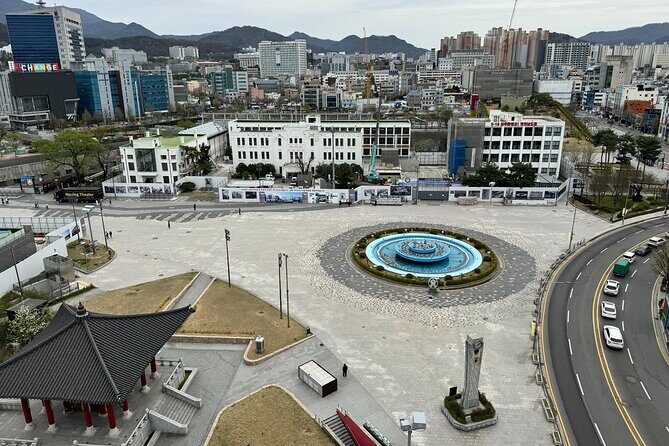
For a more intimate look, this $95 small-group tour takes you through Gwangju’s May 18 Democratic Uprising sites, with a maximum of five participants. The tour features iconic locations like 5.18 Democracy Square, the May 18 Archives, and the Jeonil Building 245, which bears the marks of helicopter gunfire—a powerful reminder of the violent suppression faced by protesters.
Led by a local guide born and raised in Gwangju, this experience offers insight that larger tours might miss. The storytelling is vivid, emphasizing personal stories and atmospheric details. The tour also visits Dongmyeong-dong Cafe Street, where you can enjoy local cuisine and reflect on the history while sampling Gwangju’s renowned food.
The tour’s small group size fosters an environment where questions are encouraged, and personal stories add depth. Reviewers mention how the guide’s local knowledge and candid storytelling made the experience memorable and educational. It’s ideal for travelers who prefer a personal, detailed account of Korea’s democratic history.
Bottom line: This tour is perfect for those seeking an intimate, in-depth understanding of Gwangju’s pivotal role in Korea’s fight for democracy, with a friendly local guide.
4. Andong UNESCO Heritage Tour
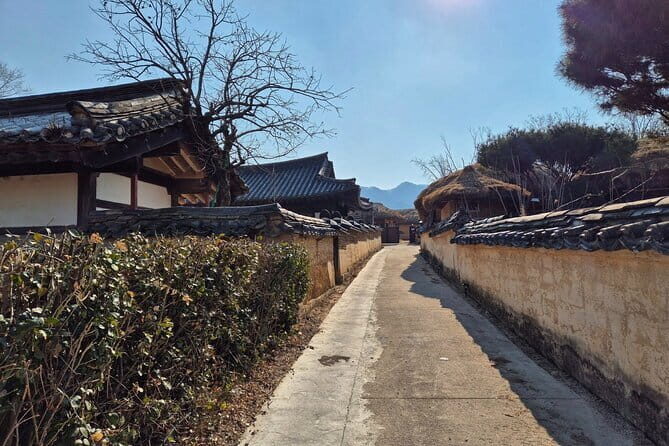
At number 4, the Andong UNESCO Heritage Tour offers a full 8-hour immersion into Korea’s traditional Confucian culture. Starting with the Hahoe Folk Village, a UNESCO World Heritage Site, you’ll explore well-preserved Hanok houses, Yangjindang Manor, and the legendary 600-year-old Samsindang Tree.
The village’s layout and architecture reflect Korean social hierarchy and ancestral veneration—a living museum of Joseon-era life.
The tour also visits Byeongsan Seowon and Dosan Seowon, ancient Confucian academies where scholars once studied and debated. These sites embody Korea’s educational and philosophical traditions. The guide offers insights into Confucian ideals, and the tour includes a traditional meal of Andong Jjimdak at a local restaurant.
While the tour does not have reviews listed yet, its status as a UNESCO site and focus on preserved architecture and scholarly history make it a standout choice for those interested in Korea’s cultural roots. The combination of historic villages, academic sites, and local cuisine provides a well-rounded experience.
Bottom line: If you want an authentic glimpse into Korea’s confucian past with a focus on traditional architecture and lifestyle, this tour delivers cultural richness in a picturesque setting.
How to Choose
When deciding between these top historical tours in South Korea, consider your interests and travel style. For a comprehensive, private experience of Seoul’s palaces and markets, the History and Culture Tour is perfect. Budget-conscious travelers who want to learn about Gwangju’s modern history should consider the Gwangju May 18 History Tour, especially if they’re interested in personalized insights.
Those seeking a small-group, in-depth exploration of Gwangju’s democracy movement** will find the Small Group May 18 Tour compelling.
For travelers hungry for a deep dive into Korea’s traditional architecture and Confucian heritage, the Andong UNESCO Heritage Tour combines history, culture, and local flavor. When choosing, consider your budget, interest level (modern history vs. ancient traditions), and preferred tour size.
Booking early is recommended, especially during peak travel seasons, to secure your spot and ensure a smooth experience.
In summary, South Korea offers a diverse array of historical tours that suit many interests. Whether you’re exploring Seoul’s royal palaces, walking through a historic village like Hahoe, or learning about Gwangju’s democratic struggle, these experiences bring the country’s past vividly to life.
For those wanting a personalized, flexible day, the private tours are ideal. Meanwhile, small-group and cultural heritage tours offer intimacy and depth that are hard to match.
Whichever you choose, you’ll gain a richer perspective on Korea’s fascinating history—so don’t delay, book early, and get ready for a memorable journey.