Discover Rio Little Africa: A Cultural and Historical Journey
Rating: 5.0 | Reviews: 200
Price: $46 per person | Duration: Approx. 3.5 hours
Location: Rio de Janeiro, Brazil | Tour provider: Florencios Tour
Imagine walking through a city that once hosted the world’s largest African slave market, where every corner whispers stories of resilience, resistance, and cultural rebirth. That’s exactly what this Rio Little Africa tour offers. For just $46, you’re transported into a narrative that mixes history, music, religion, and community — all in a compact, manageable experience.
Guided by knowledgeable local experts, you’ll visit key sites in the Saúde neighborhood, including important museums and landmarks, while learning how Afro-Brazilians shaped Rio’s identity.
Two things we love about this tour: first, the way the guides weave stories with genuine passion, making history feel alive—whether through the vivid description of Pedra do Sal’s samba roots or the powerful archaeology of Cais do Valongo. Second, the tour’s emphasis on authentic cultural expressions, from street murals to sacred sites, helps you grasp the depth of Afro-Brazilian influence today.
A potential consideration is the walking pace; be prepared for about 3.5 hours on your feet, with some sites requiring careful attention to detail. The tour is best suited for curious travelers eager to understand Rio’s African heritage beyond the beaches and carnival, especially those who appreciate storytelling backed by solid research and local insight.
Key Points
- History Comes Alive: Visit iconic sites like Cais do Valongo and Pedra do Sal, where the history of slave arrivals and samba origins are palpable.
- Authentic Cultural Touchpoints: Experience murals like the Ethnicities mural and learn about Afro-Brazilian religion and music traditions.
Educational and Moving: The museums and archaeological sites provide a tangible link to Brazil’s African roots, with many reviews highlighting how emotional and eye-opening this experience is.
Swayne★★★★★Shailla★★★★★Marisa★★★★★Expert Guides: Guides are not only knowledgeable but also passionate, making the stories resonate deeply.
- Well-Organized Tour: The itinerary flows smoothly, with clear stops and meaningful insights at each location.
Value for Money: For just $46, you gain a comprehensive understanding of a crucial part of Rio’s identity, with added extras like a PDF highlights guide.

👉 See our pick of the What Are The Best Tours In Rio De Janeiro? Our Top 3 Picks
- Key Points
- In-Depth Review of the Discover Rio Little Africa Tour
- An Overview of the Itinerary
- The First Stop: Igreja de São Francisco da Prainha
- Pedra do Sal: The Soul of Samba
- Cais do Valongo: A Heritage Site of Enslavement
- Boulevard Olimpico and the Ethnicities Mural
- Instituto de Pesquisa e Memória Pretos Novos (IPN) and MUHCAB Museums
- What You Can Expect
- The Experience’s Strengths and Weaknesses
- Pricing and Value
- Who Would Love This Tour?
- Final Thoughts
- FAQ
- The Best Of Rio de Janeiro!
- More Historical Tours in Rio de Janeiro
- More Tour Reviews in Rio de Janeiro
In-Depth Review of the Discover Rio Little Africa Tour
You can also read our reviews of more historical tours in Rio de Janeiro



An Overview of the Itinerary
This tour is designed to give you a broad yet intimate view of Rio’s African past and present within a manageable time frame. It begins at the Museum de Arte do Rio (MAR) in Praça Mauá, setting the tone with an accessible meeting point. From there, the journey unfolds across six carefully selected stops, each with its own significance.
The First Stop: Igreja de São Francisco da Prainha
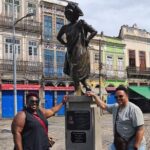
Your journey kicks off at Largo da Prainha, where the Mercedes Baptista Statue stands proudly. Baptista, Brazil’s first African-Brazilian ballet dancer, symbolizes the ongoing cultural contributions of Afro-Brazilians. The surrounding area is alive with samba rhythms and the air filled with stories of resilience. This stop is free and gives you an immediate sense of the vibrancy that’s rooted in struggle and excellence.
Pedra do Sal: The Soul of Samba
Next, you’ll visit Pedra do Sal, historically linked to the African workers who unloaded salt, a key commodity. The name “Pedra do Sal” translates to “Salt’s Rock,” and it’s no exaggeration to say that this site is the birthplace of Rio’s samba scene. You’ll learn how the labor of enslaved Africans led to the development of the first carnival ranchos and sacred music spaces. As one reviewer put it, “the significance traces back to the enslaved Africans who toiled to unload imported salt from Portugal”. Today, Pedra do Sal remains a lively hub for samba and Afro-Brazilian culture, often pulsating with street music and dance.
Cais do Valongo: A Heritage Site of Enslavement
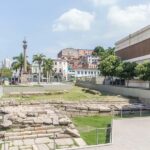
This stop stands out as one of the most powerful. Built in 1811, Cais do Valongo was the main port where around 900,000 Africans disembarked in Brazil. Archaeologists have uncovered multiple layers of history here, making it the most significant physical evidence of the transatlantic slave trade in the Americas. Walking around this site, you get a visceral sense of the suffering, resistance, and eventual cultural synthesis that followed. Many reviews mention how moving and meaningful they found this place, with one saying it “left us quite emotional.”



Boulevard Olimpico and the Ethnicities Mural
In the Zona Portuária, you’ll see the Ethnicities mural, a massive 3,000-square-meter artwork created during the 2016 Olympics. It beautifully depicts five figures representing tribes from each continent, celebrating global diversity. The mural was painted over two months using thousands of spray cans and colored paint, symbolizing unity in diversity. It’s a visual reminder of how multicultural Rio truly is.
Instituto de Pesquisa e Memória Pretos Novos (IPN) and MUHCAB Museums
The IPN stands on the site of the “New Blacks Cemetery” and honors the memory of enslaved Africans who arrived in Rio. It also features archaeological findings and cultural workshops. Just down the street is the MUHCAB — the Afro-Brazilian History and Culture Museum — which narrates the history of the region’s enslaved Africans and their descendants. Visitors are often moved by the detailed exhibits and personal stories, which many say help them understand the ongoing struggles and triumphs of Afro-Brazilians today.
What You Can Expect
Throughout the tour, you’ll find guides who are not just knowledgeable but genuinely passionate about sharing these stories. Reviews highlight how guides like Scarlett, Ana, and Damiana elevate the experience with their articulate storytelling. Expect about 3.5 hours of walking, with some sites involving archaeological or cultural exhibits that require attentive exploration.
The tour includes transportation in an air-conditioned vehicle, which helps ease the physical pace. It’s designed as a small-group experience, with no more than nine travelers, creating an intimate atmosphere perfect for asking questions and soaking in details.
The Experience’s Strengths and Weaknesses
Many travelers praise the depth of information provided. One review raved, “Her knowledge of Brazil’s history of slavery was truly impressive”. Others mention how guides like Larissa and Carolina add a personal touch, making history feel relevant and alive. The museums and murals are well-chosen for their emotional and educational value, making this tour more than just sightseeing — it’s a journey through the soul of Rio.
However, the walking can be intensive, and some sites require careful attention to historical significance, so a basic level of mobility and curiosity is recommended. Also, given the history covered, some might find certain stories emotionally impactful.
Pricing and Value
At $46, this tour offers a lot of bang for your buck. You’re gaining access to museums, archaeological sites, murals, and historic neighborhoods that tell stories often overlooked by standard tourist routes. The inclusion of a PDF highlights the key points discussed, making it easy to revisit the stories later.
Who Would Love This Tour?
This experience is ideal for history buffs, culture lovers, and those interested in social justice or Afro-Brazilian culture. It’s especially suited for travelers who want more than photos and sightseeing — those eager to deepen their understanding of Rio’s African roots and the city’s ongoing cultural evolution. If you’re curious about samba, religious practices, or the history of resistance, this tour will resonate deeply.
Final Thoughts
This Rio Little Africa tour stands out as a thoughtful, engaging, and well-organized way to explore one of the city’s most significant cultural layers. The small-group format, knowledgeable guides, and carefully selected sites create an experience that educates without feeling like a lecture. You’ll walk away with a meaningful understanding of how African heritage shaped Rio’s music, religion, and community, and why this history remains so vital today.
It’s perfect for travelers who want an authentic, respectful look at a complex history, and who appreciate guided storytelling rooted in local expertise. The value for the price is clear — you get a comprehensive tour that combines archaeology, art, and personal stories, making it more than just a sightseeing stroll.
If you’re seeking a meaningful cultural experience that connects past and present in Rio, this tour will satisfy your curiosity and perhaps even move you emotionally.
Discover Rio Little Africa: A Cultural and Historical Journey
FAQ
Is pickup offered for this tour?
No, the meeting point is at the Museum de Arte do Rio (MAR) in Praça Mauá, Rio.
How long does the tour last?
It’s approximately 3 hours and 30 minutes, including walking and visits to each site.
Is this tour suitable for all ages?
Most travelers can participate, but be prepared for about 3.5 hours of walking. It’s ideal for those with good mobility and interest in history and culture.
What is included in the tour?
A guide, transportation in an air-conditioned vehicle, and a 20-page PDF with highlights of the tour are included. Museums and archaeological site entrance fees are also covered.
Are there group discounts?
Yes, group discounts are available, and the tour is limited to no more than nine travelers for an intimate experience.
What should I bring?
Comfortable shoes, water, and a camera are recommended. Some sites might have uneven surfaces, so be prepared.
Do guides speak English?
Yes, guides like Scarlett, Ana, Larissa, and Damiana are fluent and articulate, making the stories accessible and engaging.
What happens if the weather is bad?
The tour requires good weather; if canceled due to rain or other conditions, you’ll be offered another date or a full refund.
To sum it up, this tour offers a powerful, insightful window into Rio’s African heritage, perfect for those wanting a deeper understanding of Brazilian culture beyond the surface. With knowledgeable guides, meaningful sites, and a respectful approach, it’s an experience that can leave a lasting impression—an enriching addition to your Rio adventure.