- Exploring Salvador’s Afro-Brazilian Roots: The Mysteries of Candomblé Private Tour
- Key Points
- The Full Experience: What Makes This Tour Stand Out
- Starting at the Afro-Brazilian Museum
- Visiting the Candomblé Terreiro
- Scenic Spot at Dique de Tororó
- Exploring Bahian Photography at Pierre Verger’s Space
- Visiting the Casa de Iemanjá and Casa do Benin
- The Church of Our Lady of the Rosary of the Black People
- Practical Considerations
- Who Is This Tour Best For?
- Frequently Asked Questions
- More Private Tours in Salvador da Bahia
- More Tours in Salvador da Bahia
- More Tour Reviews in Salvador da Bahia
Exploring Salvador’s Afro-Brazilian Roots: The Mysteries of Candomblé Private Tour
 1 / 4
1 / 4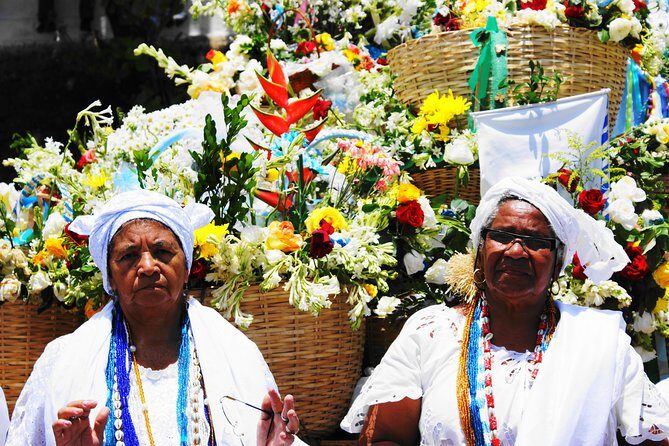 2 / 4
2 / 4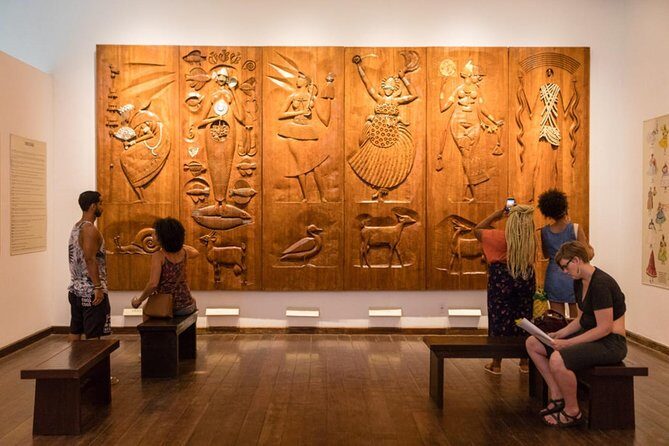 3 / 4
3 / 4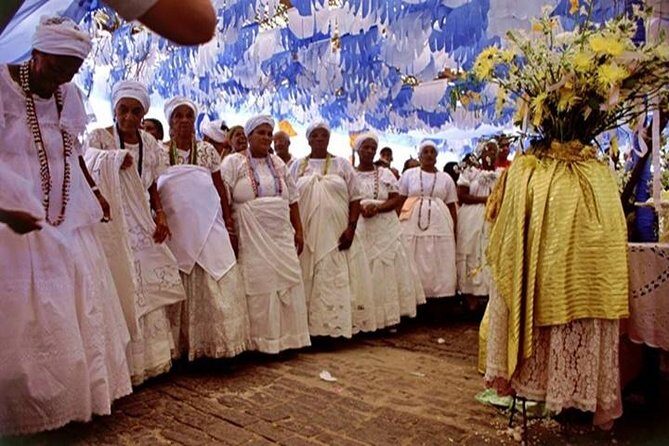 4 / 4
4 / 4When you arrive in Salvador da Bahia, one of the most captivating aspects of the city is its vibrant Afro-Brazilian culture, especially the spiritual practices of Candomblé. This private tour, costing around $120 per person and lasting about four hours, offers an immersive introduction to this fascinating religion through visits to museums, sacred sites, and iconic viewpoints.
Led by knowledgeable guides, it’s designed for those eager to learn about Bahia’s history and spirituality beyond the usual tourist spots.
What we love most about this tour is its rich combination of visual and hands-on experiences—particularly the chance to visit a Candomblé terreiro (community temple) and consult the sacred oracle, giving an authentic peek into spiritual life.
Plus, the scenic stop at Dique do Tororó with its floating Orixá sculptures offers a stunning visual connection between Salvador’s landscape and its African heritage.
One thing to consider is that some locations may be closed on holidays, which could lead to substitutions or shorter visits. Still, the guide’s ability to adapt and keep the experience meaningful is part of what makes this tour special.
This experience suits travelers who appreciate cultural depth, visual storytelling, and respectful, educational encounters. If you’re curious about Afro-Brazilian traditions, love art and history, or simply want a deepened understanding of Salvador’s soul, this tour will likely resonate with you.
Key Points
- Authentic Cultural Access: Visit key Afro-Brazilian sites, including a Candomblé terreiro and museums with artifacts.
- Scenic Views: Enjoy the iconic landscape at Dique de Tororó with floating Orixá sculptures.
- Educational Focus: Gain insights into the history, symbols, and practices of Candomblé, without participating in rituals.
- Expert Guidance: Guides are praised for their knowledge and ability to explain complex traditions clearly.
- Private Experience: Enjoy a personalized tour with hotel pickup and transportation included.
- Flexible Itinerary: Some stops may vary depending on availability or holidays, but substitutes are thoughtfully handled.
You can also read our reviews of more private tours in Salvador da Bahia

The Full Experience: What Makes This Tour Stand Out
Starting at the Afro-Brazilian Museum
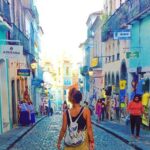
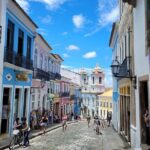
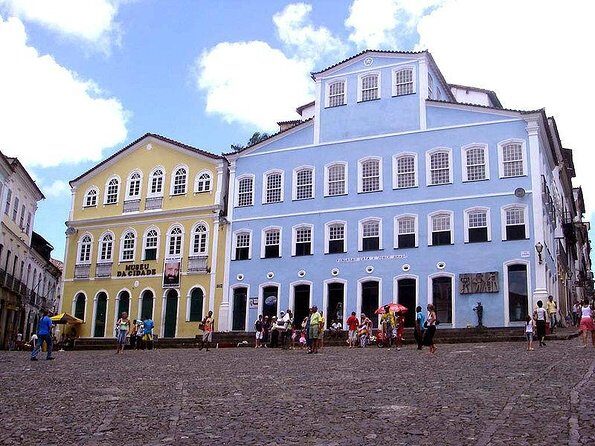
We begin our journey in Pelourinho, Salvador’s historic heart. The Afro-Brazilian Museum offers a compelling introduction to the African roots that shape Bahia.
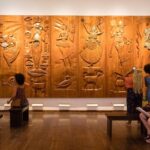
It’s like opening a window into the past—artifacts, sculptures, sacred objects, and textiles tell stories of resilience and cultural fusion. Visitors often remark on the iconic wooden panels carved by Carybé, whose work vividly captures Afro-Brazilian life.
As one reviewer raved, “Excellent tour of Candomblé temples with a helpful guide and beautiful art,” reflecting how this first stop sets the tone. It’s an ideal place to understand the cultural DNA of Salvador, especially for those unfamiliar with the religion or African heritage. The museum’s exhibits on Orixás (deities) provide visual anchors that make later visits to temples more meaningful.
Visiting the Candomblé Terreiro
Next, we step into a traditional terreiro, either Kwe Vodun Zo or Ilê Axé Oxumarê, depending on availability. This is where the tour gets personal. While you won’t participate in ceremonies, the guide explains the history, symbolism, and architecture that make these spaces sacred.
Respectfulness is key here, and guides emphasize the importance of understanding the spiritual lineage of these communities.
Guests frequently mention the educational nature of these visits. As one said, “learned about the history and spiritual lineage of each house,” which helps frame Candomblé as a living, breathing spiritual tradition rather than just a historical curiosity.
Scenic Spot at Dique de Tororó
A quick 20-minute walk brings us to the Dique do Tororó with its floating Orixá sculptures by artist Tati Moreno. The photographs of these deity statues are Instagram favorites, but more than that, they serve as a visual reminder of the deep African roots woven into Salvador’s landscape. The lake’s lush surroundings make for a peaceful pause and a chance to reflect on the spiritual symbolism.
Many visitors have commented on the picturesque views—“You’ll love the views and the cultural meaning behind the sculptures,” one reviewer notes. It’s a perfect quick stop that leaves a lasting impression.



Exploring Bahian Photography at Pierre Verger’s Space
The Espaço Pierre Verger da Fotografia Baiana offers a vivid look at Salvador’s Afro-Brazilian identity through photographs by Pierre Verger and contemporary artists. The images capture daily life, rituals, celebrations, and art—giving a visual narrative that complements the earlier historical and spiritual insights.
This stop is a favorite for those interested in visual culture. One reviewer called it a “meaningful visual understanding of Bahia’s identity,” emphasizing how photography reveals stories that words sometimes cannot.
Visiting the Casa de Iemanjá and Casa do Benin
Next, we visit the Casa de Iemanjá, an oceanfront shrine dedicated to the sea goddess revered in Candomblé. The peaceful space, with its blue-and-white architecture overlooking the Atlantic, offers a moment of calm and connection with the ocean. Many find this a spiritually moving stop, especially as it ties into the Festa de Iemanjá, Bahia’s iconic celebration.
A short ride takes us to the Casa do Benin, which highlights the historic links between Bahia and Benin. Artworks, masks, and textiles illustrate the Afro-Atlantic heritage shared between the regions. Visitors often mention the beautifully curated exhibits and the opportunity to appreciate the cultural ties that influence Bahia’s identity.
The Church of Our Lady of the Rosary of the Black People
Our final stop is the Church of Our Lady of the Rosary, constructed by Black artisans over nearly 100 years. This church symbolizes Afro-Brazilian resistance and faith, and its striking blue façade and interior decoration reflect a proud cultural legacy. Many visitors find the church to be a powerful reminder of the perseverance and spirituality of Bahia’s Black communities.
Practical Considerations
This tour includes hotel pickup and drop-off, comfortable air-conditioned transportation, and a knowledgeable guide. Admission fees to museums and sites are included, but food and drinks are not, so plan ahead if you wish to refresh afterward.
The tour is well-paced, but some stops may be shorter or substituted if certain sites are closed, especially during holidays. Guides are praised for their ability to adapt while maintaining the educational quality of the experience.
The dress code for sacred sites is modesty-focused—cover shoulders and knees—which is important to respect local customs. Since this is a private tour, your group will enjoy personalized attention and flexibility.
Based on reviews, the guides’ expertise and the stunning views at Dique de Tororó are consistently highlighted. Some travelers note that the tour offers a deep understanding of Afro-Brazilian traditions without being overwhelming or overly academic, making it accessible for most.
Who Is This Tour Best For?
If you’re genuinely interested in learning about Bahia’s Afro-Brazilian culture and spiritual traditions, this tour provides a respectful, detailed, and visually engaging experience. It’s perfect for history buffs, art lovers, or anyone curious about Candomblé’s role in Bahia’s society.
Those wanting a personalized, intimate experience with knowledgeable guides often find this private tour more rewarding than group alternatives. It’s especially suitable for travelers comfortable with modest dress requirements and open to a respectful exploration of a living religious practice.
While not suited for those seeking a party-like atmosphere or participation in rituals, it offers a meaningful window into Bahia’s spiritual heart. If you prefer a comprehensive, balanced, and authentic cultural encounter, this tour hits the mark.
Mysteries of Candomblé: Private Afro-Brazilian Religion Tour
Frequently Asked Questions
Is transportation included in the tour?
Yes, hotel pickup and drop-off are part of the experience, with private air-conditioned transportation provided.
How long is the tour?
It lasts approximately four hours, designed to give a thorough yet comfortable pacing for visiting multiple sites.
Are all museum and site entrance fees included?
Yes, all listed entrance fees are included in the price, making it simple and transparent.
Can I participate in rituals or ceremonies?
No, this tour is focused on education and visiting sacred sites; it does not include participation in rituals.
What should I wear?
Modest clothing is required—shoulders and knees covered—to respect the sites of worship and museums.
Is this tour suitable for children?
While most travelers find it educational and respectful, children should be able to appreciate cultural and historical explanations to enjoy it fully.
What makes this tour unique?
The combination of museums, sacred sites, scenic views, and expert guides provides a comprehensive, authentic look at Bahia’s Afro-Brazilian spiritual landscape. It’s a chance to see the living traditions that continue to shape Salvador today.
In the end, this tour offers a thoughtful, insightful, and visually stunning journey into Bahia’s powerful Afro-Brazilian culture. Whether you’re a history lover, art enthusiast, or spiritual curious, it’s an experience that will deepen your understanding of Salvador’s soul—and leave you with lasting impressions.