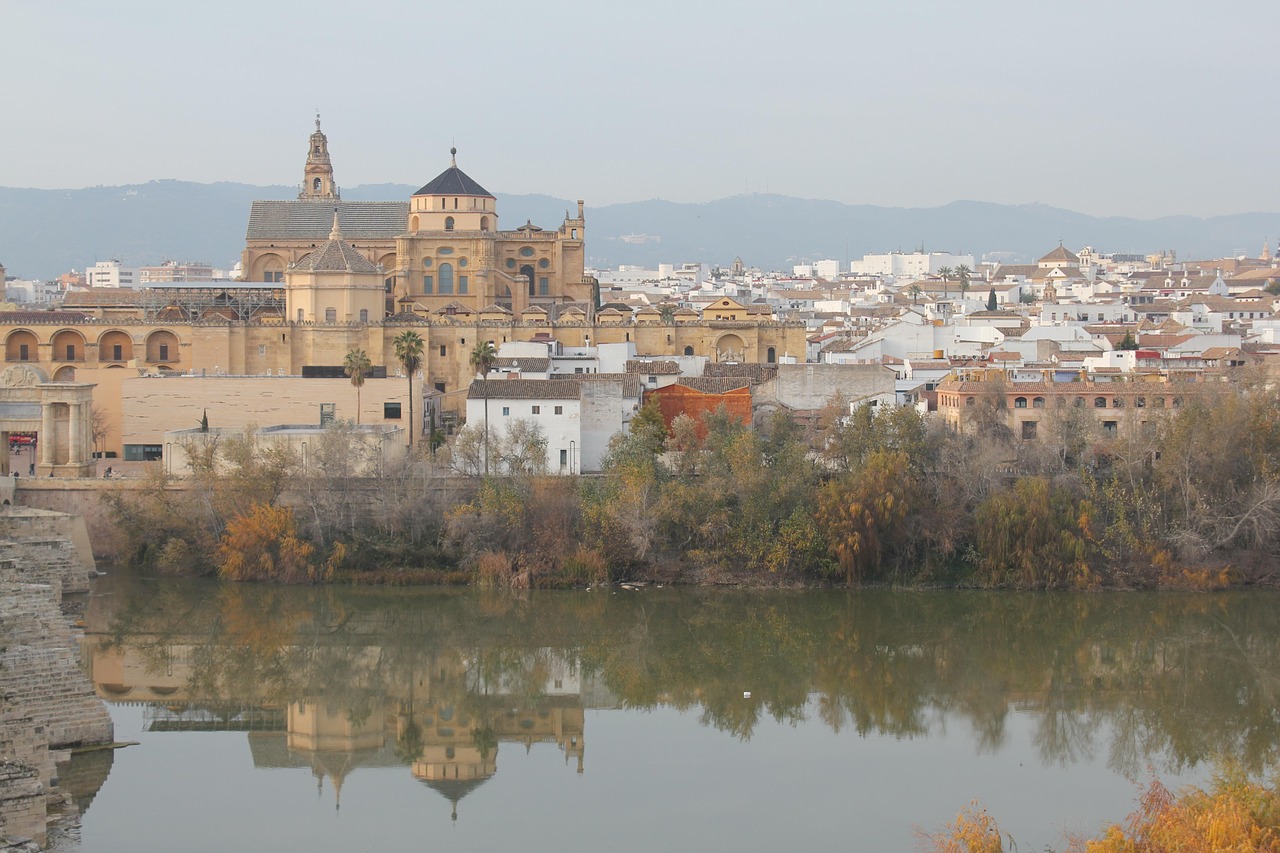
The Mosque-Cathedral of Cordoba is one of those buildings that shouldn’t exist. A massive Islamic prayer hall with a full Renaissance cathedral built right into its center. The Moors spent two centuries perfecting the mosque, and then the Christians cut a hole in the middle of it to insert a church. The result is genuinely bizarre and genuinely magnificent — two religions sharing the same roof, neither one quite winning.
But here’s what catches most visitors off guard: the free entry window is narrow, tickets for guided tours sell out fast during peak season, and showing up without a plan means standing in a line that wraps around the building. I’ve walked past that line on a Saturday morning in April and counted it at well over an hour. This guide covers every way to get inside, which tours are worth paying for, and how to time your visit so you actually enjoy it rather than endure it.
In a Hurry? My Top Picks
- Best guided tour overall: Skip-the-Ticket-Line Mosque-Cathedral Guided Tour — $31 per person. 75 minutes with a local guide who covers the Islamic, Christian, and architectural history without rushing. Book this tour
- Best self-guided option: Mosque-Cathedral E-Ticket with Audio Guide — $24 per person. Skip the ticket line, explore at your own pace, and the audio guide fills in the history as you walk. Book this ticket
- Best deep-dive experience: Skip-the-Line Guided Tour — $35 per person. 90 minutes of expert commentary, small groups, and the kind of detail that makes you see the building differently. Book this tour
- Best full Cordoba experience: Jewish Quarter, Mosque, and Alcazar Tour — $48 per person. Four hours covering the Mezquita plus the Jewish Quarter and Alcazar. Three landmarks in one morning. Book this tour
- In a Hurry? My Top Picks
- How Mosque-Cathedral Tickets Actually Work
- Self-Guided vs. Guided: Which Makes More Sense Here
- Best Tours for the Mosque-Cathedral of Cordoba
- 1. Skip-the-Ticket-Line Mosque-Cathedral Guided Tour —
- 2. Mosque-Cathedral E-Ticket with Audio Guide —
- 3. Skip-the-Line Guided Tour —
- 4. Great Mosque-Cathedral History Tour —
- 5. Jewish Quarter, Mosque, and Alcazar Tour —
- When to Visit the Mosque-Cathedral
- Tips That Save You Time and Money
- What You’ll See Inside
- More Andalusia Guides
How Mosque-Cathedral Tickets Actually Work
The Mosque-Cathedral has one of the more generous ticketing systems among Spain’s major monuments. Here’s how it breaks down:
Free entry every morning (Monday to Saturday): The Mezquita opens for free worship-hours entry from 8:30 AM to 9:30 AM (Monday to Friday) and 8:30 AM to 9:30 AM on Saturday. During this window, anyone can walk in without a ticket. The catch: you’re limited to the rear portion of the building, access to the cathedral section is restricted, and security can close the doors early if capacity fills. But you still see the forest of arches, and the morning light pouring through the side doors during this hour is honestly the best natural lighting of the entire day.
General admission ticket: 13 euros at the official ticket office or website (catedraldecordoba.es). This gets you full access to the entire complex — the mosque prayer hall, the cathedral, the treasury, and the bell tower (if you add the tower climb for an extra 3 euros). No timed entry slots, no specific windows. You buy a ticket, you walk in. Much simpler than the Alhambra’s system.
The line problem: The building doesn’t have capacity issues like the Alhambra’s Nasrid Palaces. The problem is the ticket queue itself. During March through October, the line at the ticket office regularly exceeds 45 minutes by 10:00 AM. By midday on weekends in spring, it can stretch over an hour. The building holds thousands of people at once, so once you’re inside it doesn’t feel cramped. Getting through the door is the bottleneck.
Skip-the-line tours and e-tickets: This is where third-party tours earn their price. A guided tour or pre-purchased e-ticket lets you bypass the general admission line entirely. You walk past the queue, enter through a group entrance, and you’re inside within minutes. The price premium over the official 13-euro ticket is essentially a line-skipping fee — plus you get either a guide or an audio guide depending on what you book.
Self-Guided vs. Guided: Which Makes More Sense Here
This one’s less clear-cut than you might think.
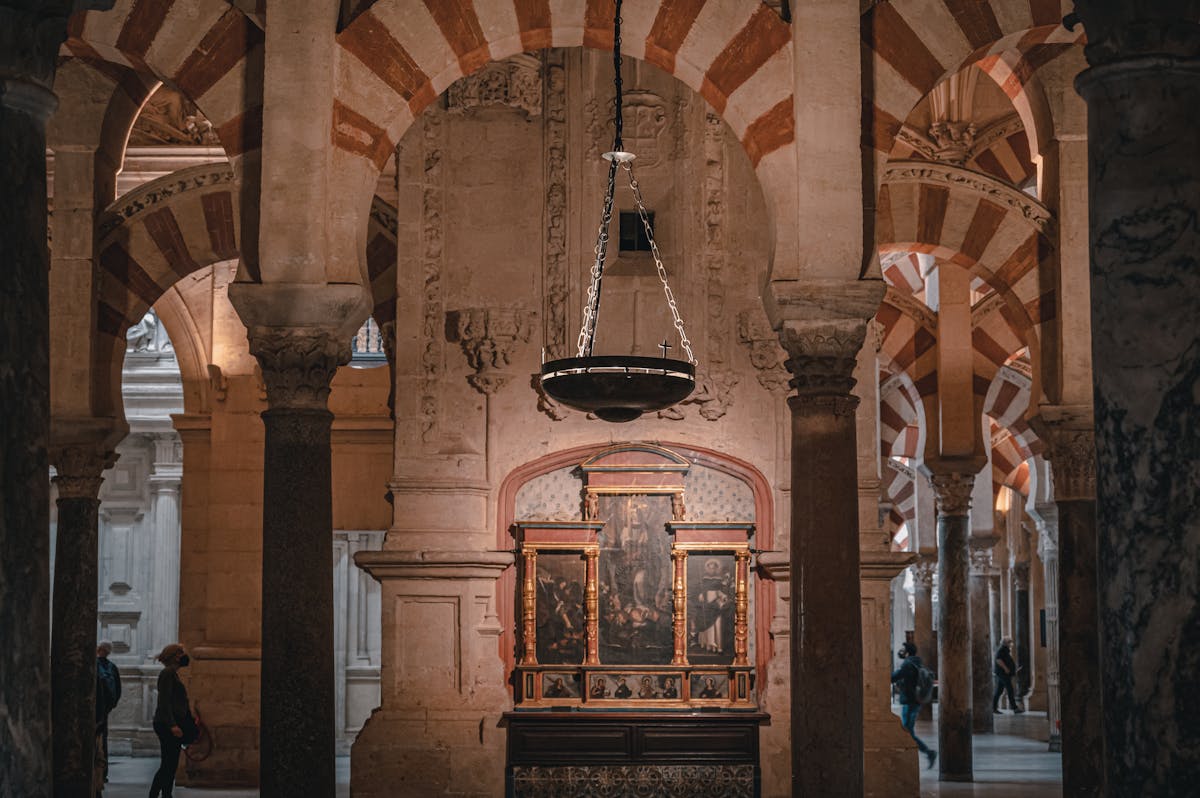
The case for self-guided: The Mosque-Cathedral’s layout is intuitive. You walk in, the forest of columns is immediately overwhelming, and the building reveals itself as you wander. Unlike the Alhambra, where the symbolism is hidden in abstract geometry, the Mezquita’s impact is visceral and visual. You don’t need someone to explain that 856 columns stretching to the horizon is impressive. The building does that work on its own. A good audio guide fills in the historical layers — who built which section, why the columns are all different heights, what happened when the Christians cut into the mosque — and you can pause, rewind, and spend as long as you want in the spots that grab you.
The case for guided: The history here is genuinely layered in a way that rewards explanation. This site has been a Roman temple, a Visigothic church, a mosque expanded four separate times over 200 years, and then a cathedral inserted into its center. A guide who knows the chronology can walk you through the building in historical order, showing you how each expansion changed the architecture and why the cathedral provoked a king to say that the builders had destroyed something unique. The guides on the better tours point out details you’d walk right past — the original mihrab’s Byzantine mosaics, the different column capitals stolen from Roman ruins across Iberia, the precise spot where the mosque’s symmetry breaks for the cathedral.
My recommendation: if this is your only visit to Cordoba and you’re genuinely interested in history, take a guided tour. If you’re coming back or prefer to wander, the e-ticket with audio guide gives you everything you need.
Best Tours for the Mosque-Cathedral of Cordoba
I’ve picked five tours from the database that cover different budgets, durations, and styles. A budget self-guided entry, two focused Mezquita tours at different depths, a history specialist option, and a full-day Cordoba combo for visitors who want to see everything.
1. Skip-the-Ticket-Line Mosque-Cathedral Guided Tour — $31
Duration: 75 minutes to 1.5 hours | Price: $31 per person | Type: Guided tour with skip-the-line
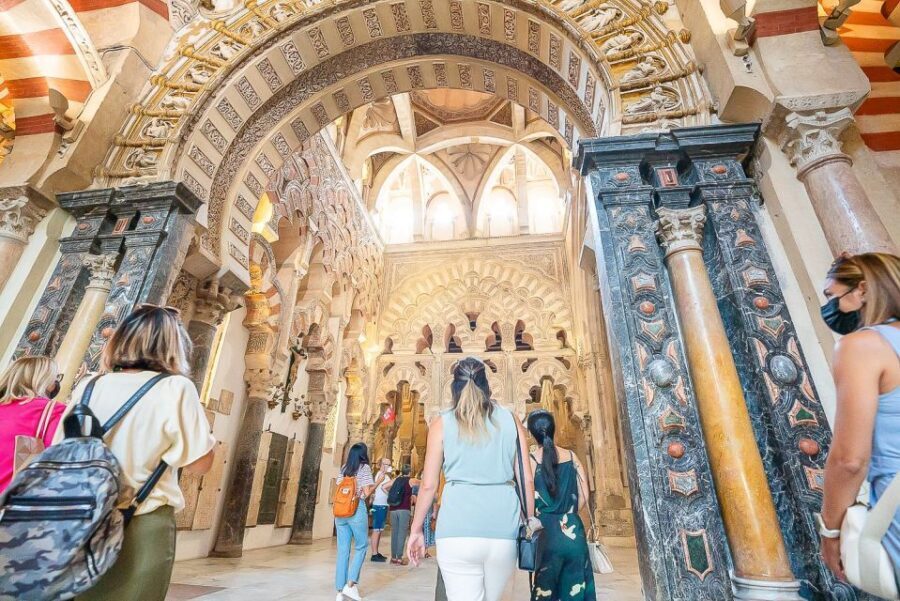
This is the sweet spot for most visitors. You skip the ticket queue, walk straight in with your guide, and spend 75 minutes covering the building’s full arc — from the original 8th-century mosque through the four expansions to the controversial cathedral insertion. The guides on this tour tend to be local historians who know the building inside out, and they focus on the details that make the Mezquita unique rather than reciting dates.
At $31, you’re paying about $17 over the official ticket price. For that, you get guaranteed skip-the-line entry, a licensed guide, and a structured route through the building that makes chronological sense. The 75-minute duration feels right — long enough to cover the mihrab, the cathedral, the forest of columns, and the courtyard without the tour losing momentum.
The group sizes vary but typically run 15 to 25 people. Not intimate, but the Mezquita’s spaces are large enough that group size matters less than in a palace with narrow rooms. You can always linger behind the group at any point and catch up.
2. Mosque-Cathedral E-Ticket with Audio Guide — $24
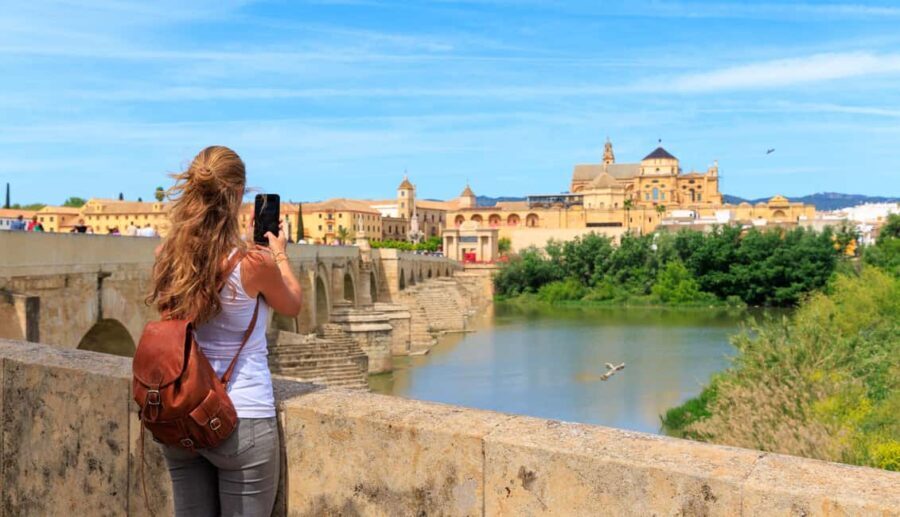
Duration: 40 minutes to 3 hours (self-paced) | Price: $24 per person | Type: E-ticket with audio guide (no live guide)
The DIY option for people who don’t want a group or a fixed schedule. Your e-ticket gets you past the general admission line, and the audio guide walks you through the building’s history point by point. You can spend 40 minutes hitting the highlights or three hours exploring every chapel and alcove.
This works especially well at the Mosque-Cathedral because the building rewards wandering. The forest of columns looks completely different depending on where you stand and what angle you’re viewing from. A guided tour takes you on one path; the audio guide lets you zig and zag through the columns, discovering perspectives the groups miss because they’re following a leader.
At $24, it’s $11 over the official ticket and $7 cheaper than the cheapest guided tour. The trade-off is obvious: you get flexibility and savings, but you miss the live interaction. No questions, no spontaneous stories, no guide pointing to something above your head that you would have walked past. For repeat visitors or history buffs who’ve already read up on the Mezquita, this is ideal.
3. Skip-the-Line Guided Tour — $35
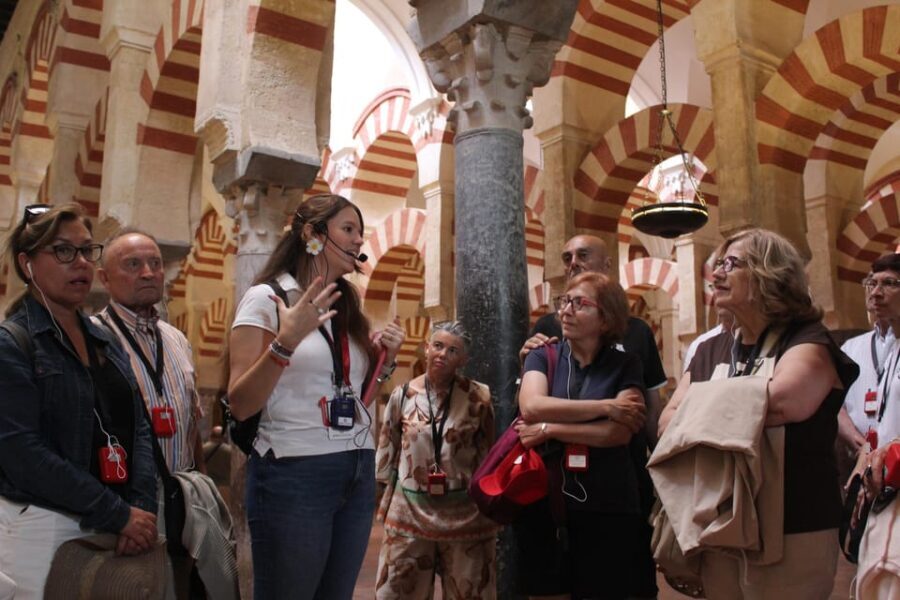
Duration: 1.5 hours | Price: $35 per person | Type: Guided tour with skip-the-line
This is the upgrade over the $31 tour for visitors who want more depth. The extra 15 to 30 minutes make a noticeable difference. The guide spends more time at the mihrab — the jewel of the entire building, with its Byzantine mosaics sent as a gift from the emperor in Constantinople — and can slow down in the cathedral section to explain the political drama behind its construction.
The $4 premium over the standard guided tour buys you smaller groups (typically 10 to 20 people) and more commentary per stop. If you’re the kind of traveler who wants to understand why the double-tiered arches were an engineering breakthrough or what the Arabic calligraphy on the walls actually says, this pace works better than the standard tour’s tighter schedule.
This is my top pick for first-time visitors who care about architecture and history. The 90-minute duration covers every major section of the building without rushing, and the guide quality on these tours tends to be excellent — you’re getting specialists, not generalists reading from a script.
4. Great Mosque-Cathedral History Tour — $38
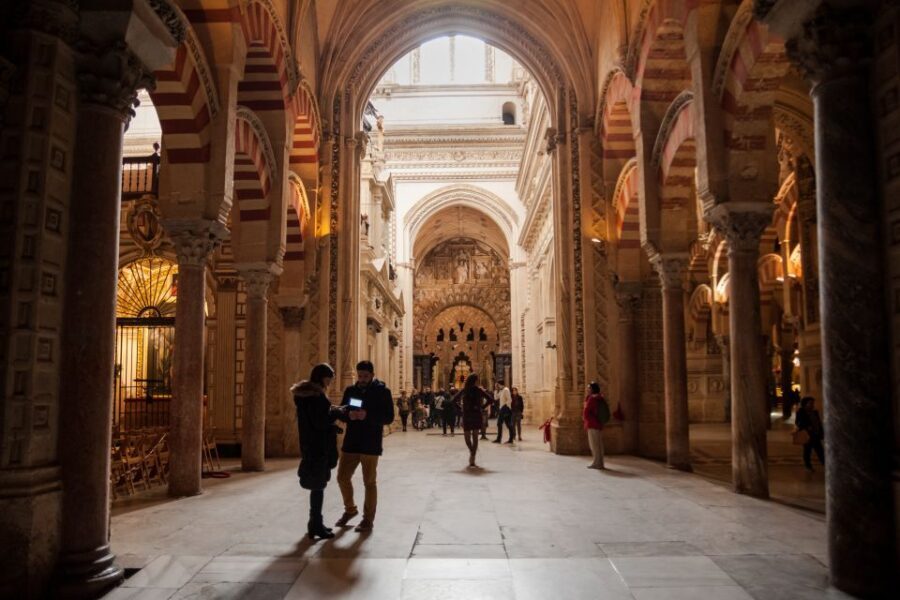
Duration: 1 hour | Price: $38 per person | Type: Specialist history tour with skip-the-line
This tour takes a different approach from the others. Instead of covering the building spatially (walking room to room), it covers the building chronologically. You start where the original mosque began in 784, follow each of the four expansions, trace the Christian conquest and cathedral construction, and end with what the building means today as a contested cultural symbol.
At $38 and one hour, it’s the most expensive per-minute option on this list. But the guides on this tour are typically art historians or architecture specialists, and the depth of commentary reflects that. You’ll learn why Abd al-Rahman I chose this exact site, how the architects solved the height problem with double arches, why the mihrab’s mosaics depict the Tree of Life, and what Charles V actually said when he saw what his builders had done to the mosque.
Best for visitors who’ve already seen photos and read about the Mezquita — the tour assumes you have some baseline interest and goes deeper rather than broader. Not ideal for families with young children who need a faster pace, but perfect for architecture enthusiasts and history lovers.
5. Jewish Quarter, Mosque, and Alcazar Tour — $48
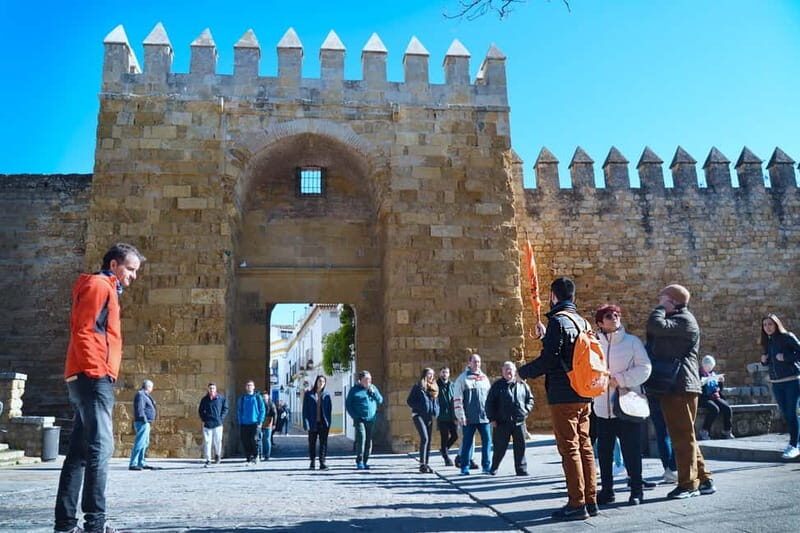
Duration: 4 hours | Price: $48 per person | Type: Combo walking tour with skip-the-line
The all-in-one option for visitors with limited time in Cordoba. Four hours covers the Mosque-Cathedral (with skip-the-line entry), the Jewish Quarter with its medieval synagogue and narrow flower-lined streets, and the Alcazar de los Reyes Cristianos with its gardens and Roman mosaics.
The value here is real. Buying tickets and separate tours for all three sites individually would cost more and eat up most of the day with logistics. This tour bundles everything into a single guided morning, with a route that makes geographical and historical sense — you walk from one site to the next rather than backtracking across town.
The trade-off is depth. You get roughly 60 to 75 minutes inside the Mosque-Cathedral versus 90 minutes on the dedicated tours. Enough to cover the highlights, but the guide has to keep pace to fit all three sites in. If the Mezquita is the centerpiece of your Cordoba visit, consider one of the dedicated tours. If you’re trying to see as much of Cordoba as possible in a day trip from Seville or Madrid, this combo is the smart play.
When to Visit the Mosque-Cathedral
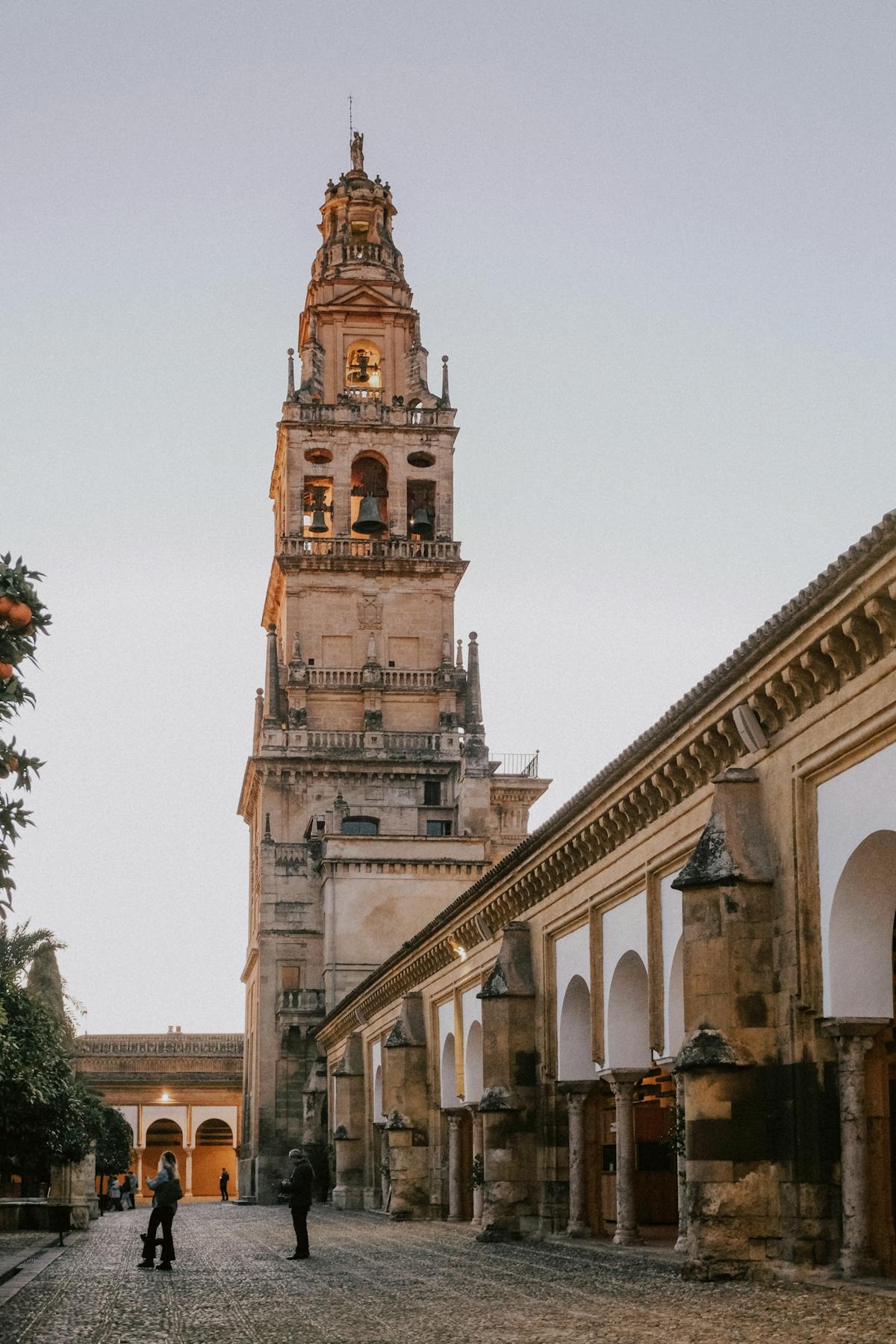
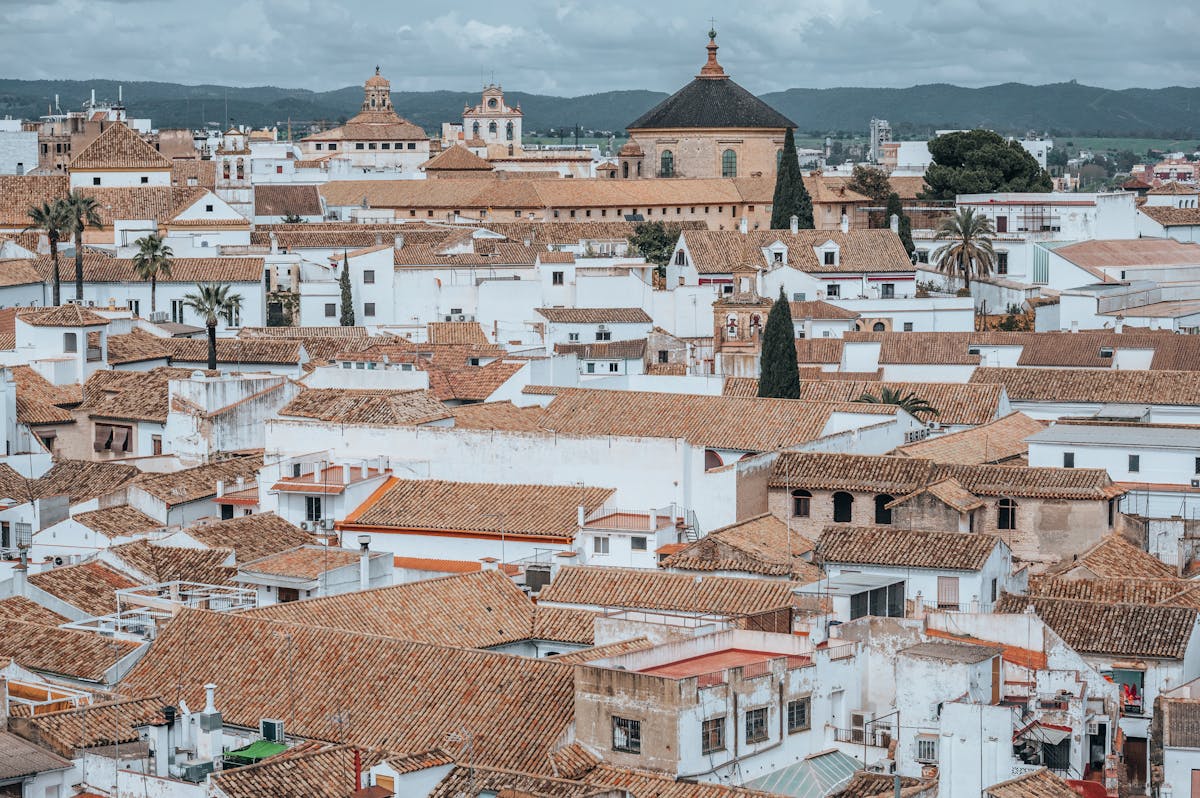
Cordoba sits in the Guadalquivir valley and gets brutally hot in summer. Your timing matters both for the weather and the crowds.
Best months: March, April, October, November. Warm enough to enjoy the courtyard and the streets around the Mezquita, cool enough that walking through the building doesn’t feel like a sauna. The Patio de los Naranjos (the orange tree courtyard) is at its most fragrant in spring when the trees blossom. Book tours at least two weeks ahead during March and April — spring break and Semana Santa drive heavy demand.
Summer (June to September): Cordoba regularly tops 40 degrees Celsius in July and August. The interior of the Mezquita stays cooler than the streets thanks to the thick stone walls, so the building actually works as a heat refuge. But the walk to and from the site, and the courtyard itself, are punishing in peak afternoon heat. Visit first thing in the morning or after 5 PM if you’re here in summer.
Winter (December to February): Mild and uncrowded. Daytime temperatures hover around 12 to 15 degrees, and the ticket lines are minimal. The low winter light streaming through the doorways creates long shadows across the column forest that you don’t get in summer. This is arguably the most photogenic time to visit. The downside: shorter opening hours and the courtyard fountains feel less inviting when it’s chilly.
Time of day: The free entry window (8:30 to 9:30 AM, Monday to Saturday) is your best bet if budget matters. For the full experience with a ticket, aim for 10:00 AM or earlier. The first hour after the paid entry opens is the quietest, and the light inside the building is at its best. By noon the tour groups converge and the narrow passages around the mihrab get packed.
Sundays: The building operates as an active cathedral on Sunday mornings. Mass services mean restricted access and no tourist entry during certain hours. Check the current schedule before planning a Sunday visit — the window for travelers typically opens after 1:30 PM.
Tips That Save You Time and Money
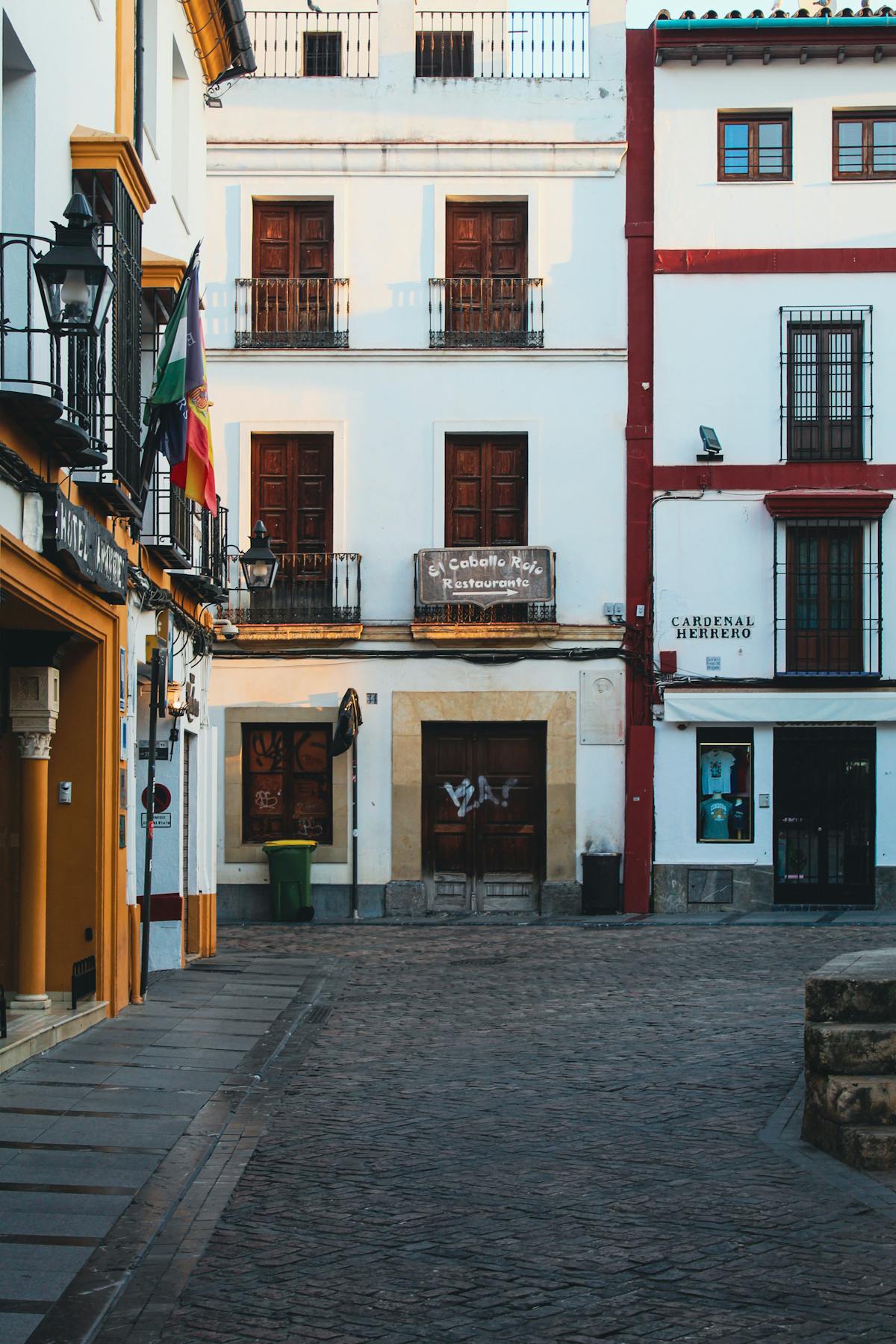
A few things that make the visit smoother:
Take the free morning entry seriously. 8:30 AM to 9:30 AM, Monday through Saturday, no ticket needed. You won’t see the cathedral section, but you’ll see the forest of arches, and the morning light pouring through the doors is the best natural illumination of the day. Arrive by 8:15 to be near the front. The doors close to new entrants at 9:30, but you can stay inside until they clear the building for the paying visitors.
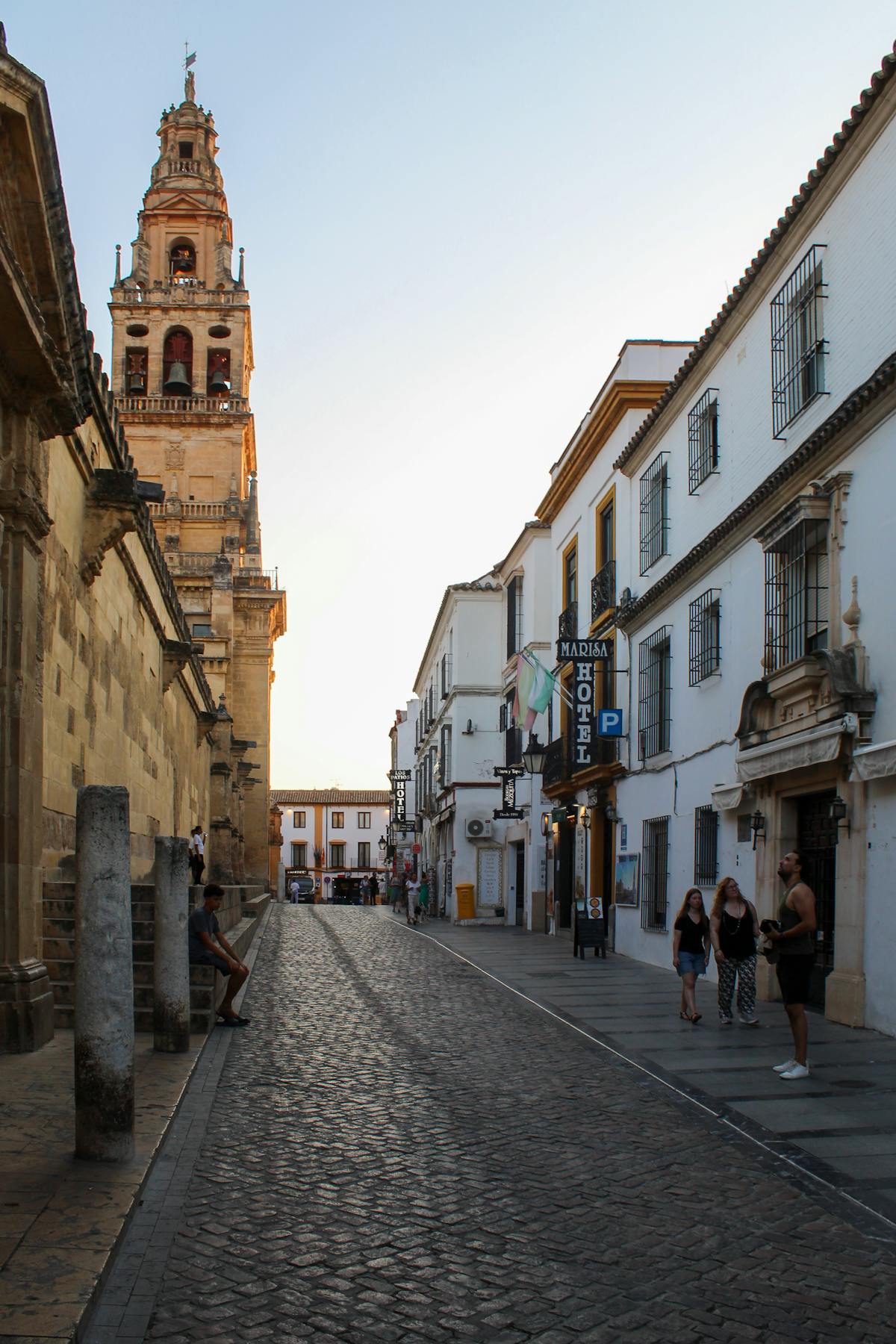
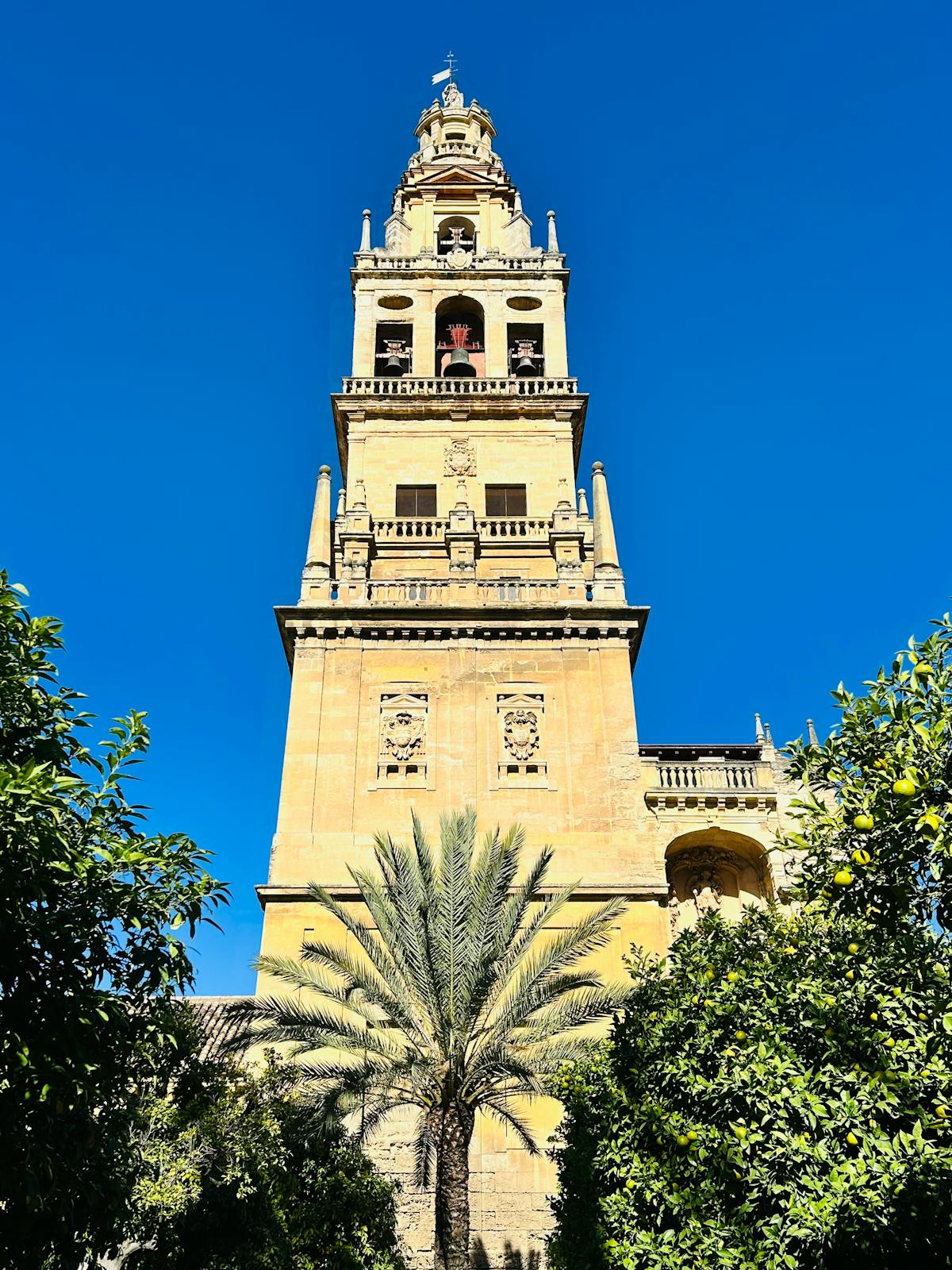
Climb the bell tower. It’s an extra 3 euros on top of your admission (or included in some tours), and the views from the top span the entire city, the Guadalquivir River, and the surrounding countryside. The climb is 54 meters via a series of ramps (not stairs), so it’s accessible for most fitness levels. The tower was originally the mosque’s minaret, and the internal ramp was designed so the muezzin could ride a horse to the top.
The mihrab is the centerpiece — don’t rush past it. It’s in the southeastern corner of the building, and during busy periods people cluster around it briefly and move on. Give it real time. The Byzantine mosaics on the arch above the mihrab were a diplomatic gift from the emperor in Constantinople, sent along with 1,600 kilograms of gold mosaic tiles. The Tree of Life design is some of the finest surviving Islamic art in Europe.
Walk the Patio de los Naranjos before or after. The courtyard with its rows of orange trees and fountains is free to enter and often overlooked by visitors focused on the interior. In spring, the orange blossom scent fills the entire space. The ablution fountains are original Moorish construction.
Combine with the Alcazar. The Alcazar de los Reyes Cristianos is a 10-minute walk from the Mezquita and has beautiful terraced gardens, Roman mosaics, and the tower where Columbus pitched his voyage to Ferdinand and Isabella. A morning at the Mezquita followed by an afternoon at the Alcazar makes a full day without rushing.
Eat in the Jewish Quarter. The streets immediately around the Mezquita are tourist-priced and mediocre. Walk two blocks into the Juderia (Jewish Quarter) and the quality jumps while the prices drop. Salmorejo — Cordoba’s thick cold tomato soup — is the local specialty and it’s substantially better here than anywhere else in Spain.
What You’ll See Inside
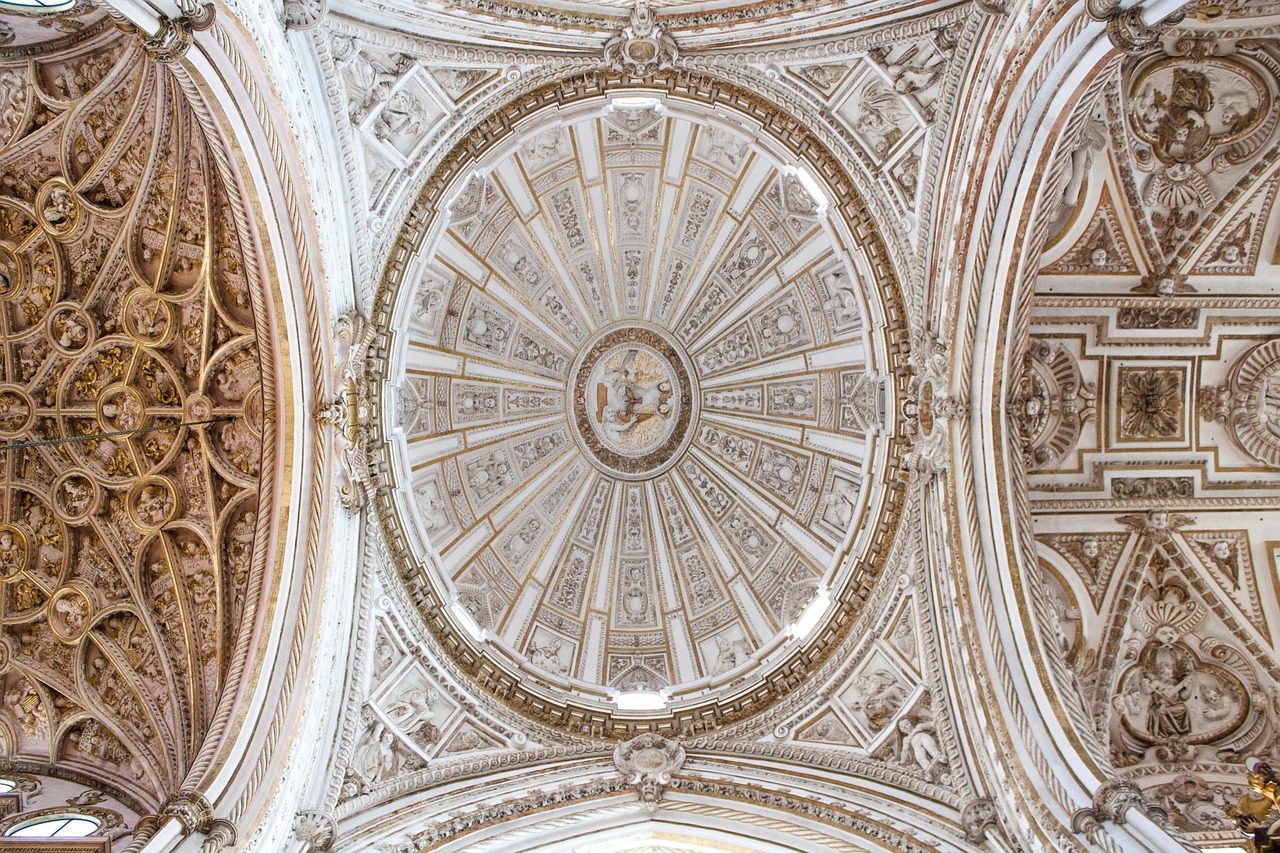
The building spans 23,000 square meters and has been rebuilt, expanded, and modified continuously for over 1,200 years. Here’s what you’re looking at.
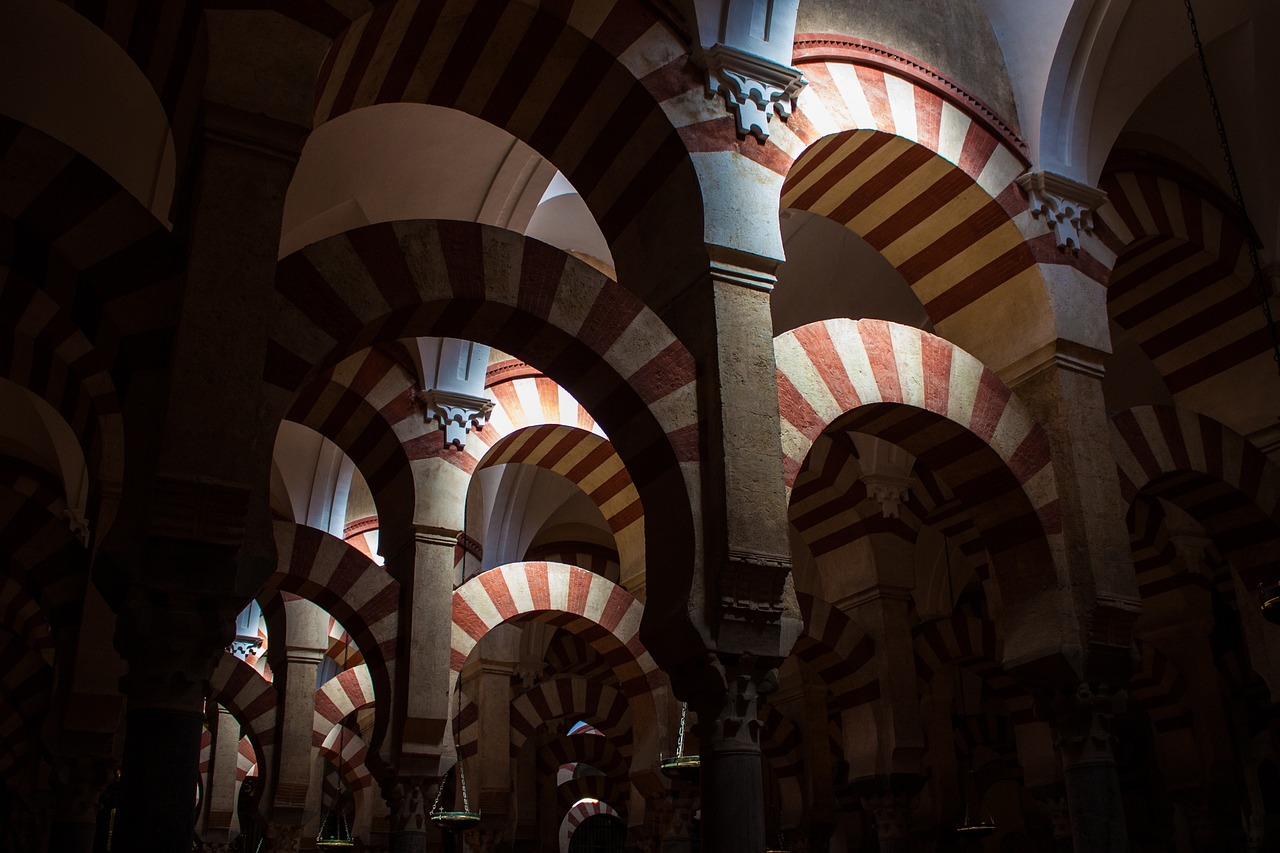
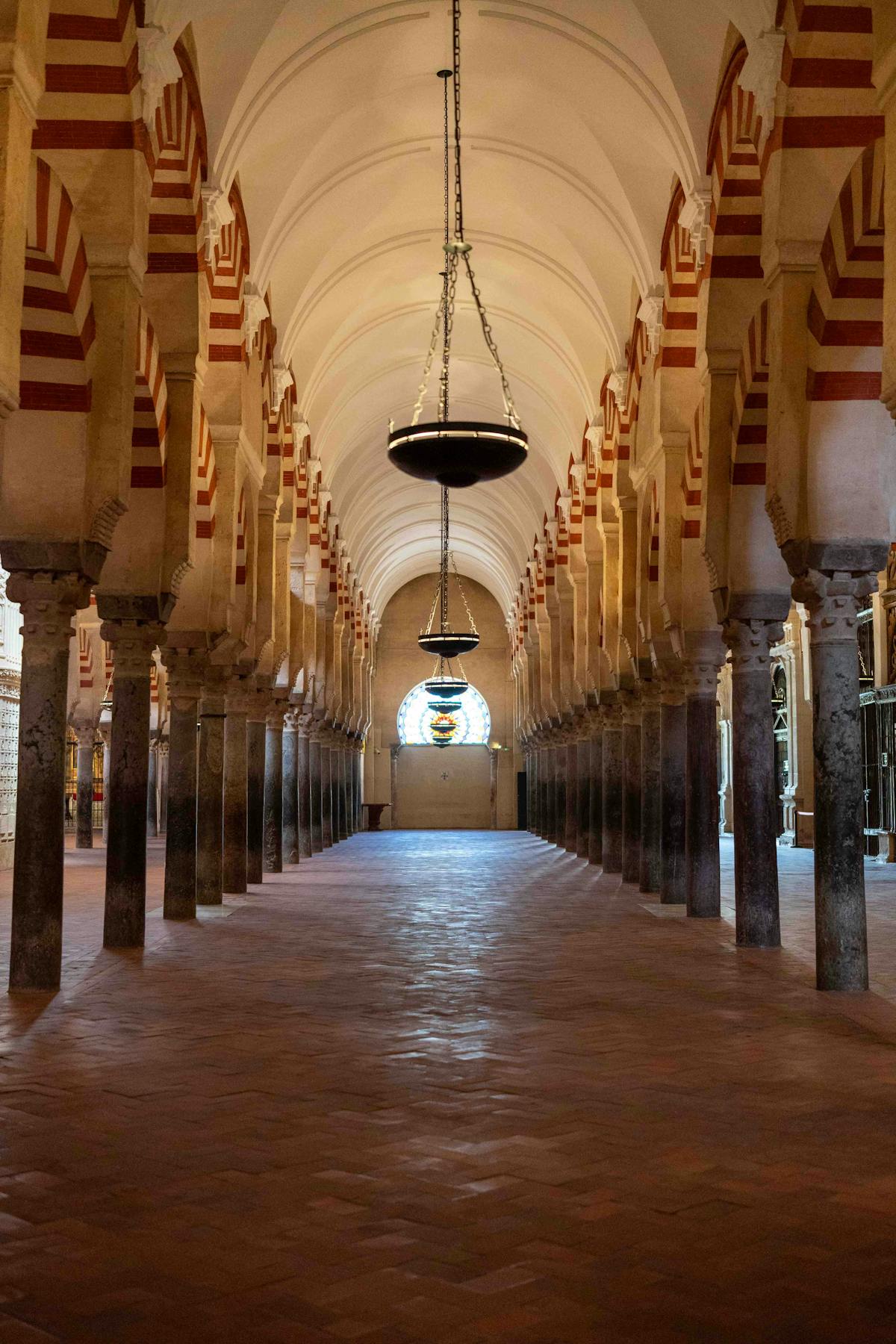
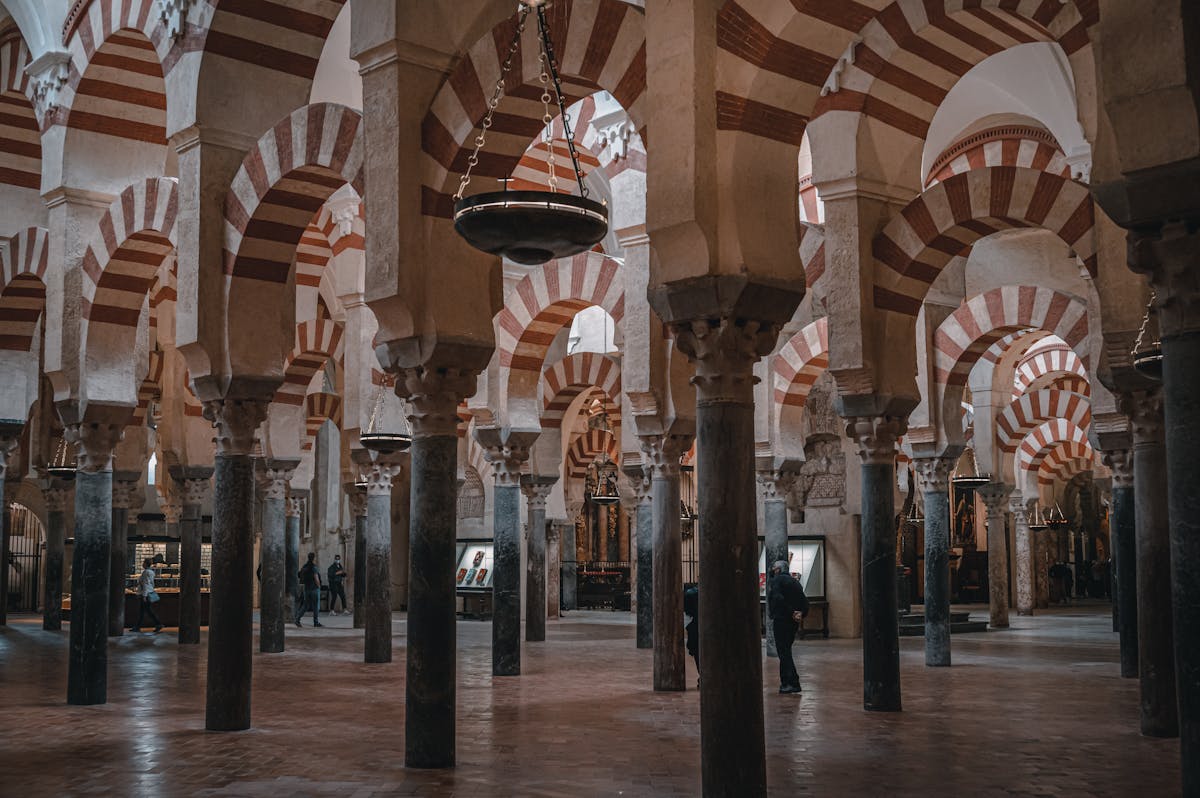
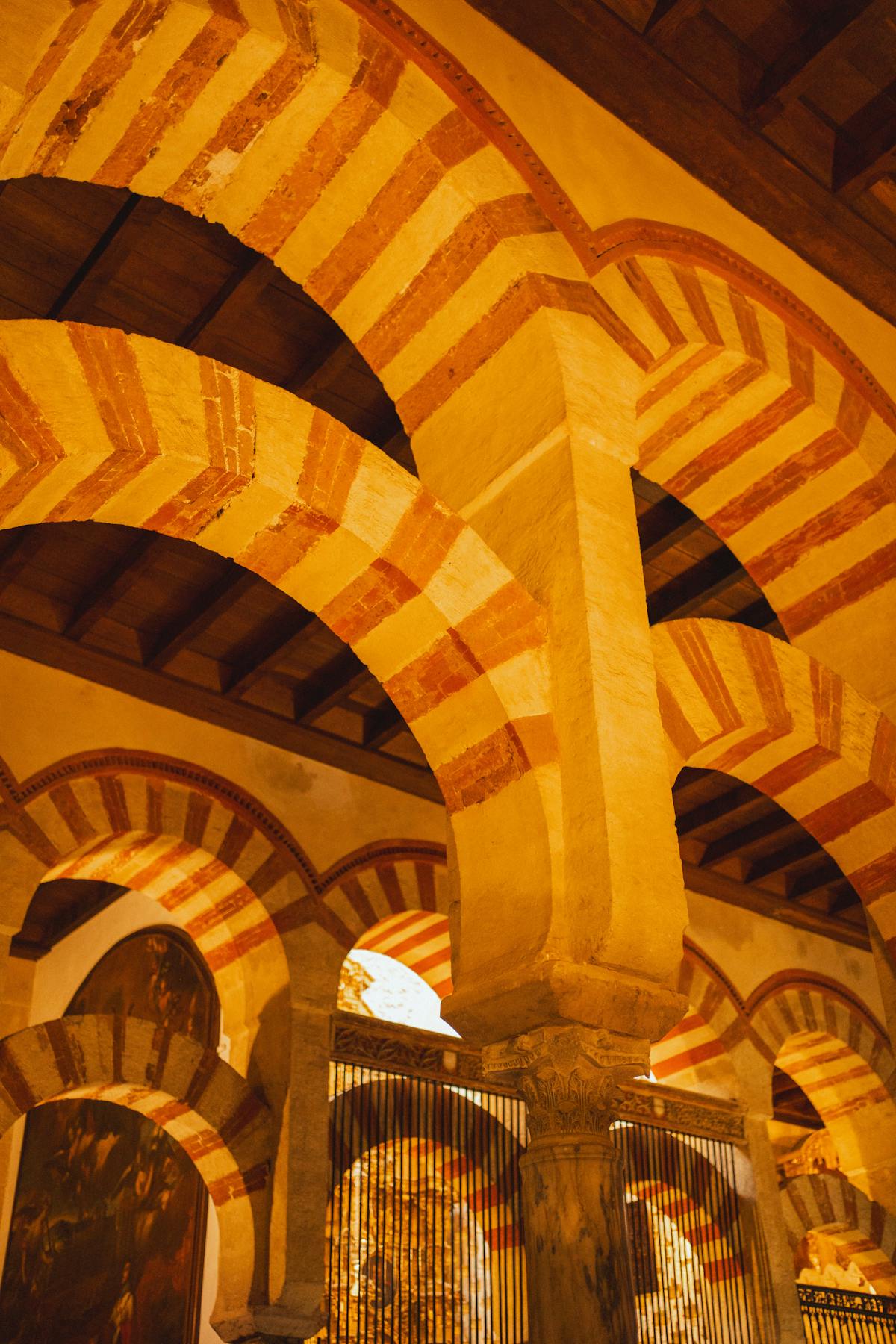
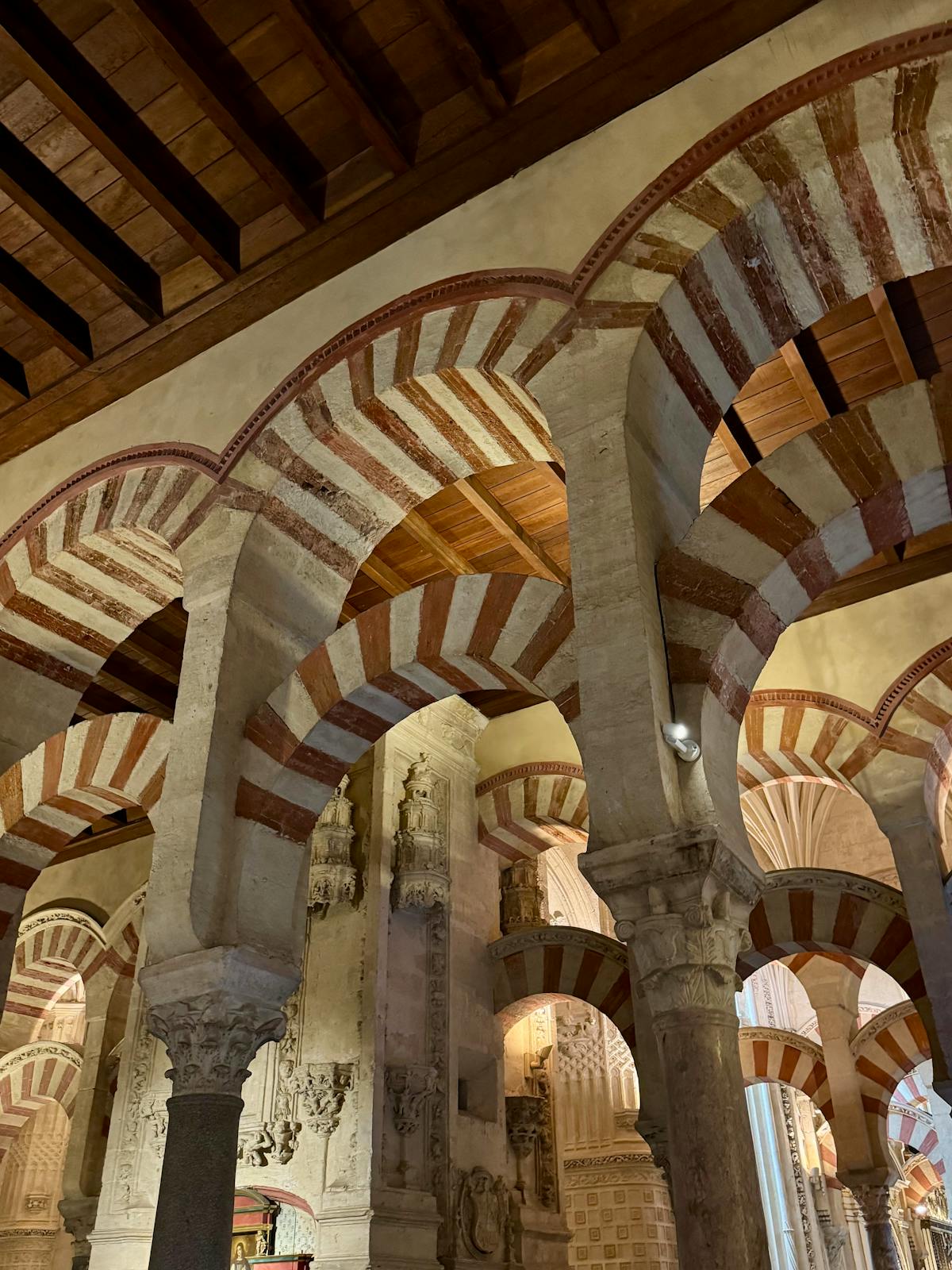
The Hypostyle Hall (the forest of columns): This is what makes the Mezquita unlike anything else. 856 columns of jasper, onyx, marble, and granite arranged in rows that create seemingly infinite lines of sight in every direction. The columns were scavenged from Roman and Visigothic buildings across the Iberian Peninsula — look closely and you’ll see that the capitals are all slightly different styles. The double-tiered arches above them alternate red brick and white stone, creating the building’s signature striped pattern. The effect is forest-like and intentional: the architects wanted worshippers to feel they were walking through a space without clear boundaries, a metaphor for the infinite.
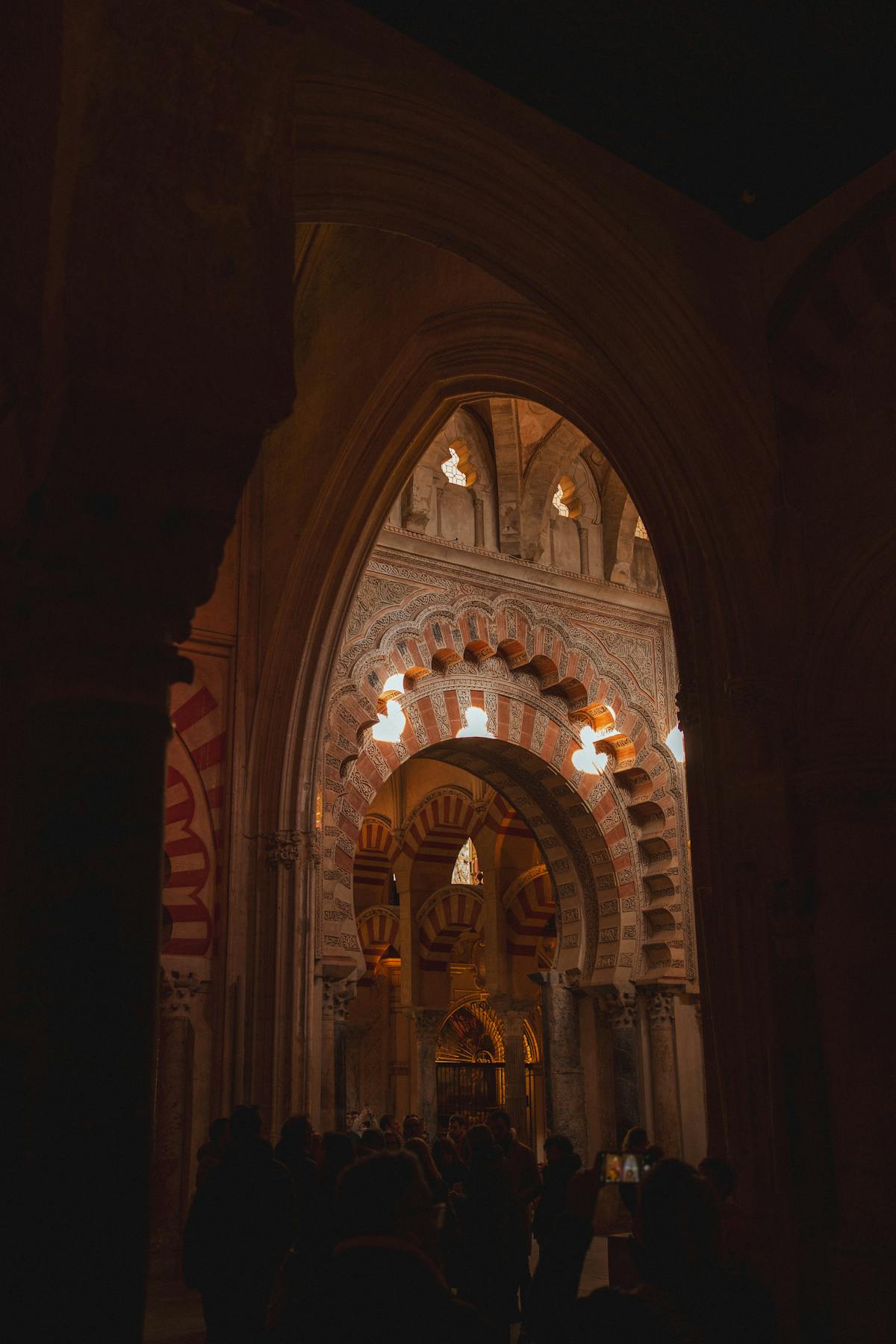
The Mihrab: The prayer niche indicating the direction of Mecca, located in the southeastern wall. Architecturally, it’s the finest part of the entire building. The horseshoe arch is framed by Byzantine mosaics in gold, blue, and green — a gift from Emperor Nikephoros II Phokas, who sent the mosaic tiles and the artisan to install them. Above it, an octagonal dome uses interlocking ribs to create a shell shape that amplifies sound. This is where the imam led Friday prayers for the entire caliphate.
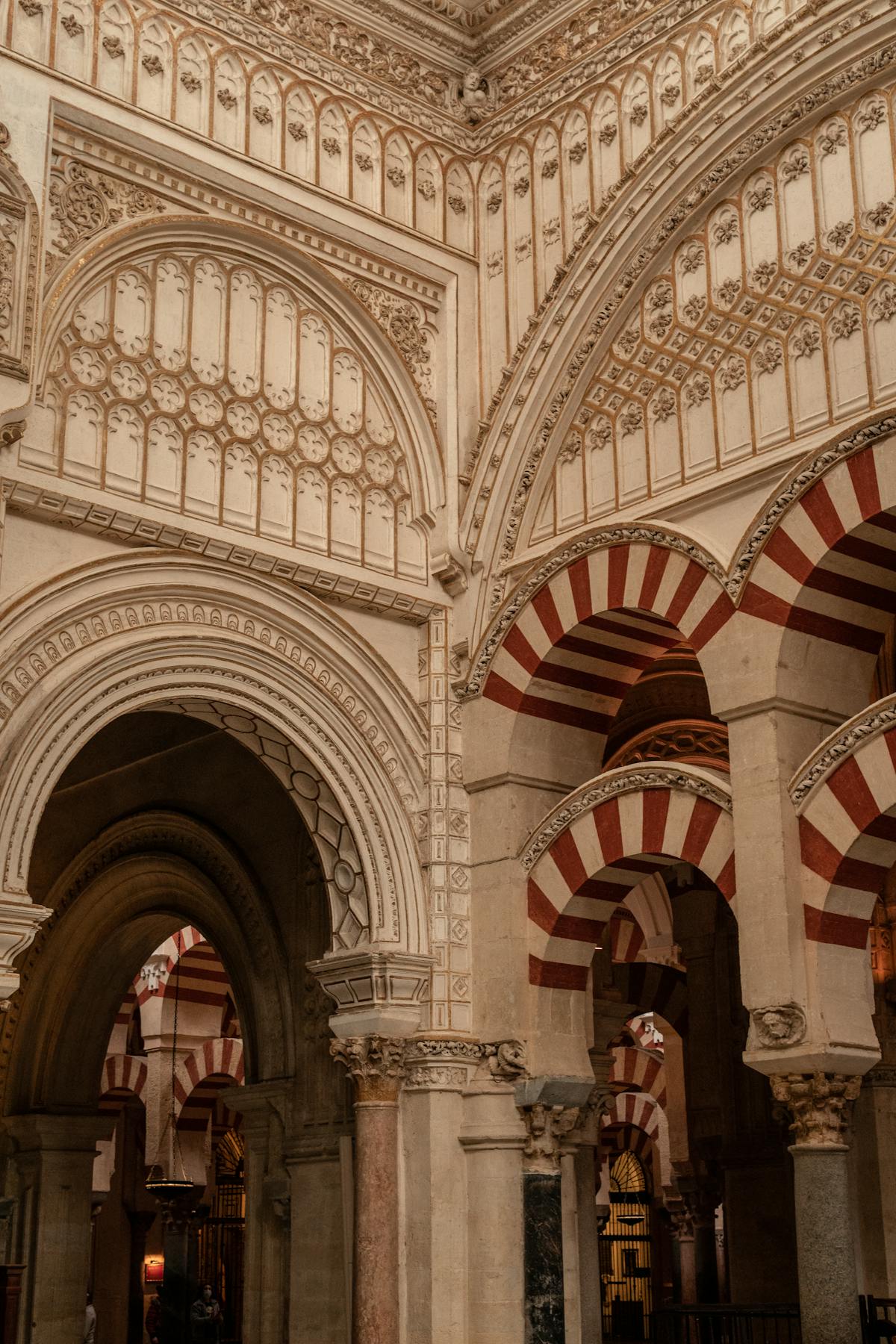
The Cathedral: In 1523, the Cordoba city council authorized building a Gothic and Renaissance cathedral in the center of the mosque. They removed about 60 columns to create the transept, choir, and nave. The story goes that when Charles V visited and saw the result, he told the builders they had destroyed something unique to create something that could be found in any city in Spain. The cathedral itself is architecturally impressive — soaring vaults, elaborate choir stalls, a high altar — but it’s the contrast with the surrounding mosque that makes it arresting rather than beautiful.
The Courtyard of the Orange Trees: The Patio de los Naranjos was the mosque’s ablution courtyard. Rows of orange trees align with the column rows inside, extending the forest metaphor outdoors. The original Moorish fountains are still functioning. The courtyard is free to enter and provides the main entrance to the building.