
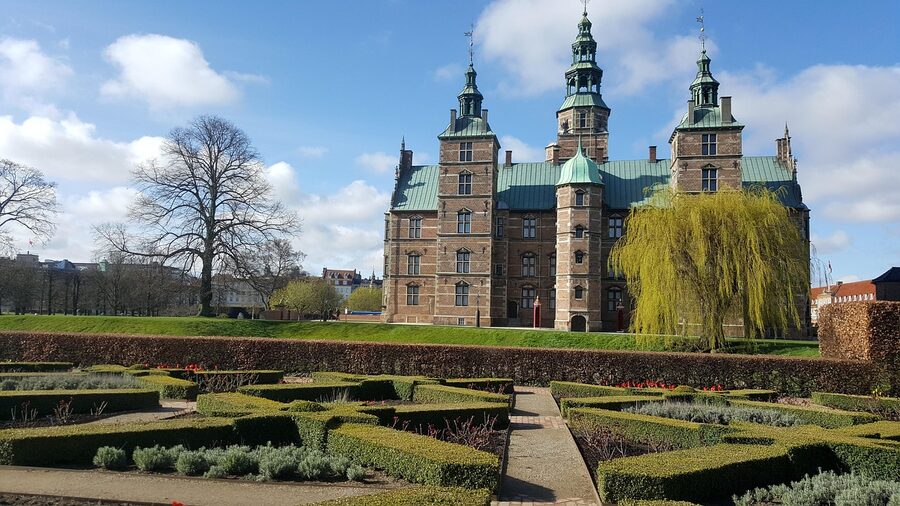
I spent 295 DKK on a single museum visit in Copenhagen. That was Rosenborg Castle, one attraction, one ticket, roughly 40 USD gone in the time it took to scan a QR code. By the end of that first day I’d dropped another 100 DKK on a canal cruise and 80 DKK on Tivoli entry. The math was not working in my favor.
The next morning I bought a Copenhagen Card. And by dinner, I’d already come out ahead.
The Copenhagen Card is one of those city passes that actually delivers on its promise. It covers 80+ attractions, gives you unlimited public transport across the entire metro region, and runs on a simple time-based system. No points. No tiers. Just pick your duration and go.
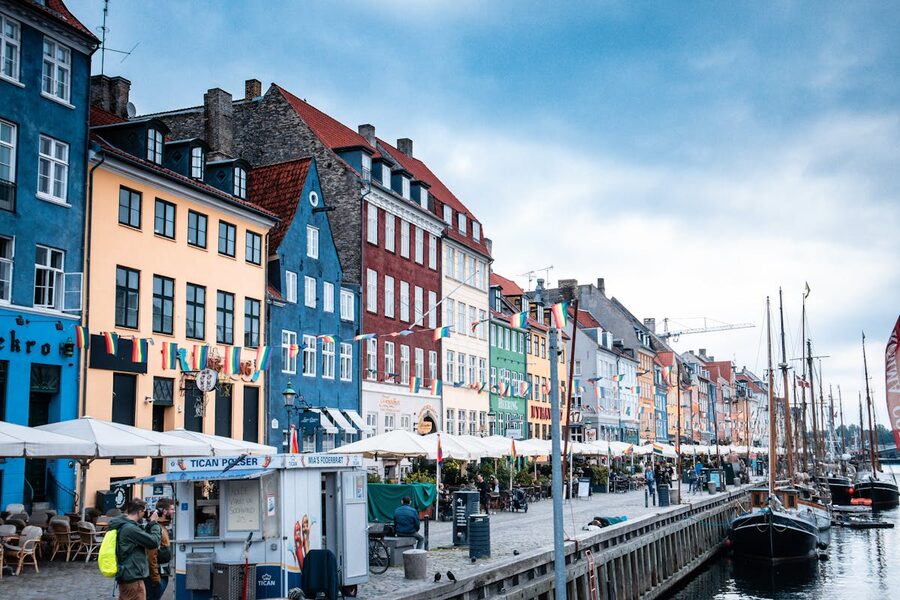

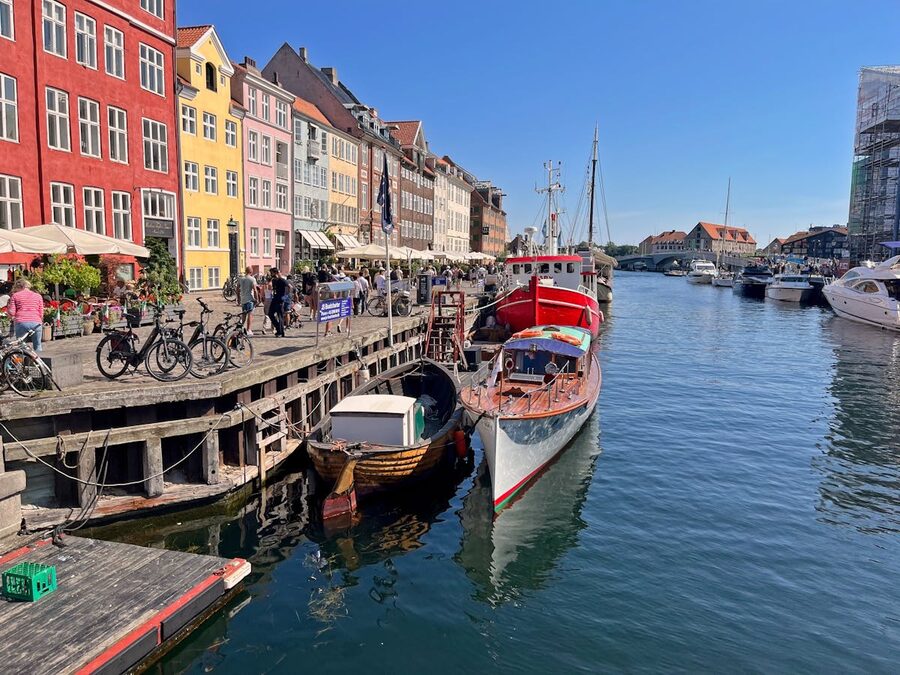
Best overall: Copenhagen Card-Discover — $92. The full package with 80+ attractions and unlimited transport. This is the one most visitors should get.
Best alternative: Copenhagen City Card with Hop-On/Off — $94. Covers 40+ attractions with a sightseeing bus instead of public transport. Good if you prefer guided bus commentary.
Best budget add-on: Hop-On Hop-Off Bus with Boat — $35. Skip the full card and just get the bus circuit with an optional canal boat. Solid for a quick day trip.
- What the Copenhagen Card Actually Covers
- Copenhagen Card Pricing and Duration Options
- Is the Copenhagen Card Worth It? Let’s Do the Math
- How to Buy the Copenhagen Card
- The Best Copenhagen Card Options to Book
- 1. Copenhagen Card-Discover: 80+ Attractions and Public Transport —
- 2. Copenhagen Card DISCOVER (Viator) —
- 3. Copenhagen: City Card with 40+ Attractions and Hop-On/Off Bus —
- 4. Copenhagen: Hop-On Hop-Off Bus Tour with Boat Tour Option —
- Top Attractions Included on the Copenhagen Card
- When to Visit Copenhagen
- How to Get Around Copenhagen
- Tips That Will Save You Time
- Copenhagen’s Museum Culture: Why There’s So Much to See
- What to See Inside the Major Attractions
- Planning the Rest of Your Copenhagen Trip
What the Copenhagen Card Actually Covers

The Copenhagen Card DISCOVER is the main version, and it includes entry to over 80 museums and attractions across the Capital Region. The headline names are the ones you’d pay the most for individually: Tivoli Gardens, Rosenborg Castle, the National Museum, Christiansborg Palace, the Round Tower, Copenhagen Zoo, and the canal boat tours through the old harbor.
But it goes beyond the city center. The card also covers day-trip destinations like Kronborg Castle in Helsingor (yes, Hamlet’s castle), Roskilde’s Viking Ship Museum, and the Louisiana Museum of Modern Art up the coast in Humlebaek. Those are accessible by train, which is also included in the card.
Unlimited public transport is the part people underestimate. The card covers all buses, trains, metro lines, and harbor buses within zones 1-99. That’s basically everywhere between Copenhagen and Helsingor, Roskilde, and the airport. If you’re staying outside the city center or planning any day trips, this alone saves you 150-200 DKK per day on transport.
Copenhagen Card Pricing and Duration Options
The card comes in four durations: 24 hours, 48 hours, 72 hours, and 120 hours (five days). The clock starts from your first scan at an attraction or transport validator, not from the time of purchase. So you can buy it the night before and activate it at breakfast.
Current adult prices run from around 489 DKK for 24 hours up to 1,049 DKK for 120 hours. Children aged 10-15 get roughly half price. Kids under 10 are free on public transport and at most attractions when accompanied by an adult cardholder.
The 48-hour option hits the sweet spot for most visitors. Two full days gives you enough time to cover the major city attractions plus one day trip. At around 739 DKK, you break even after visiting just 4-5 paid attractions and taking a handful of metro rides.
If you’re only in Copenhagen for a single day, the 24-hour card still works — but you need to be aggressive with your schedule. Hit Rosenborg (130 DKK), Tivoli (155 DKK), a canal cruise (100 DKK), and the Round Tower (40 DKK), and you’ve already cleared 425 DKK in value against the 489 DKK card price. Add in metro rides and you’re ahead.
Is the Copenhagen Card Worth It? Let’s Do the Math
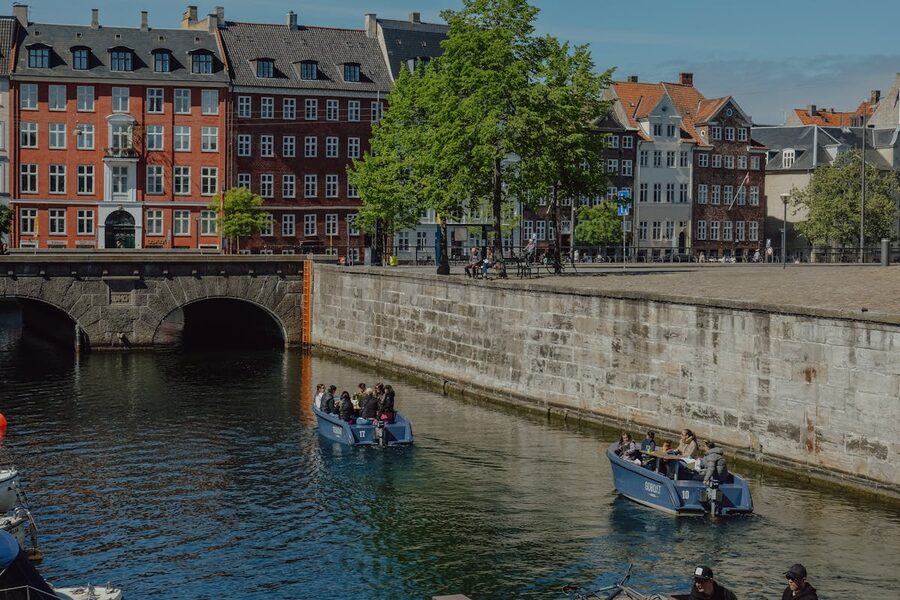
I tracked what I would have spent without the card during a 48-hour visit. Here’s the actual breakdown:
Day 1: Rosenborg Castle (130 DKK) + Tivoli Gardens (155 DKK) + Canal cruise (100 DKK) + Round Tower (40 DKK) + Christiansborg Palace ruins (65 DKK) + metro rides x4 (~96 DKK) = 586 DKK
Day 2: Amalienborg Museum (120 DKK) + Ny Carlsberg Glyptotek (125 DKK) + Copenhagen Zoo (210 DKK) + metro rides x3 (~72 DKK) = 527 DKK
Total without card: 1,113 DKK. Card cost: 739 DKK. Savings: 374 DKK.
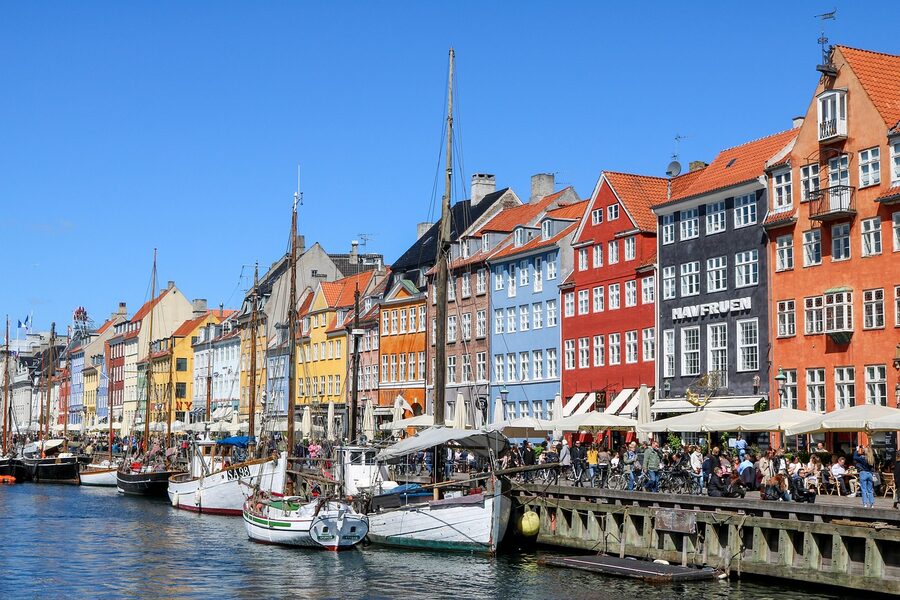
That’s over $50 USD saved in two days. And I wasn’t rushing. I had lunch breaks, walked around Nyhavn, sat in the Rosenborg gardens. You don’t need to sprint through the city to make the card pay for itself.
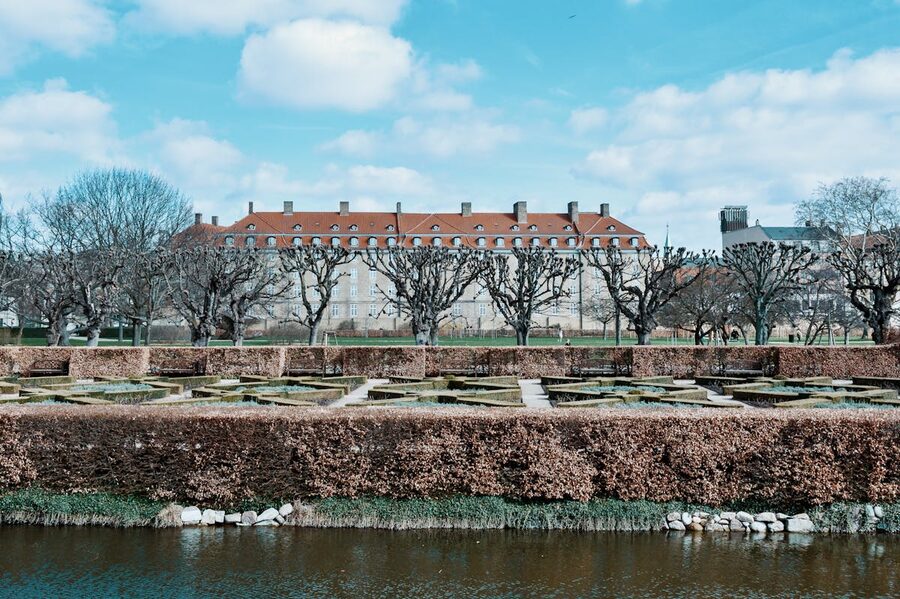
For a 3-day visit, the math gets even better. Add Louisiana Museum (145 DKK), Kronborg Castle (145 DKK), a train to Helsingor (return trip ~170 DKK), and the Danish Architecture Center (135 DKK). That third day alone adds 595 DKK in value.
The only scenario where the card doesn’t make sense: if you’re spending most of your time eating, shopping, and walking around Nyhavn without going inside any attractions. In that case, just buy individual tickets or skip them entirely.
How to Buy the Copenhagen Card

You’ve got three options, and they all cost the same:
Option 1: Buy online through GetYourGuide or Viator. This is what I’d recommend. You get a digital card on your phone, instant delivery, and free cancellation up to 24 hours before. No printing needed. The QR code lives in the app and you just scan it everywhere.
Option 2: Buy at the Copenhagen Visitor Centre. Located at Vesterbrogade 4A, right across from Tivoli. Pick up a physical card here if you prefer something tangible. Same price as online.
Option 3: Buy at Copenhagen Airport. There’s a tourist information desk in Terminal 3 arrivals. Grab it the moment you land if you want to activate it for your transfer into the city — the airport metro ride is covered.
I’d go with the digital version every time. Physical cards can be lost, and you’re already carrying your phone for maps and translations anyway. Just save the confirmation email somewhere accessible in case you need to re-download.
The Best Copenhagen Card Options to Book
1. Copenhagen Card-Discover: 80+ Attractions and Public Transport — $92
This is the gold standard. The Copenhagen Card-Discover gives you access to over 80 attractions — every major museum, castle, and gallery in the city — plus unlimited public transport across the entire metro region. Available in 24, 48, 72, and 120-hour durations, so you pick what fits your trip length.
What makes this the top pick is the transport inclusion. Other city passes in Europe often skip transit or charge extra for it. Here, your metro rides, bus trips, and even the harbor ferry are all covered. For a city where a single metro ticket costs 24 DKK, that adds up by lunchtime.
The digital version works through a dedicated app. Scan the QR code at turnstiles and attraction entrances. No paper tickets, no queues at will-call desks. It just works. One review I came across summed it up well — a family of four used the canal cruises, multiple museums, and the metro extensively over 48 hours and saved over $100 compared to buying everything separately.
2. Copenhagen Card DISCOVER (Viator) — $96

This is the same physical Copenhagen Card sold through Viator instead of GetYourGuide. Same 80+ attractions, same unlimited transport, same activation rules. The price difference is minimal — a few dollars depending on the day and exchange rate fluctuations.
Why list it separately? Because Viator’s cancellation policy is sometimes more flexible, and some travelers already have Viator credits or prefer their app. The booking experience is identical: you get a digital voucher, download the Copenhagen Card app, and activate when ready. With over a thousand reviews at 4.5 stars, this is an equally reliable route to the same card.
Choose this if you already book through Viator regularly or if the GYG version shows limited dates for your travel window. The card itself is identical once activated.
3. Copenhagen: City Card with 40+ Attractions and Hop-On/Off Bus — $94

This is a different product from the standard Copenhagen Card. Instead of 80+ attractions with public transport, you get 40+ attractions bundled with a hop-on hop-off sightseeing bus. Available in 1, 2, or 3-day versions.
The bus replaces public transport coverage. You get routes hitting all the major tourist stops — Nyhavn, the Little Mermaid, Kastellet, Amalienborg, Christianshavn — with multilingual audio guides onboard. It’s a solid choice if you want narrated context while you travel between sights instead of silent metro rides. But the attraction list is slimmed down compared to the full DISCOVER card. If you want access to Rosenborg Castle or the day-trip destinations like Kronborg, double-check whether they’re included in this version before buying.
4. Copenhagen: Hop-On Hop-Off Bus Tour with Boat Tour Option — $35

Don’t want the full card? This is the standalone hop-on hop-off option. $35 for the bus alone, or upgrade to include a canal boat tour. Available in 1, 2, or 3-day passes. No museum entries included — this is pure transport and sightseeing.
It works well for travelers who already have specific attraction tickets or who just want an overview circuit of the city. The bus runs multiple routes covering central Copenhagen, Frederiksberg, and the harbor area. Clean buses, punctual schedules, and the audio guide is available in a dozen languages. Over four thousand people have reviewed this one, and while the 3.9 rating is lower than the full card, complaints tend to focus on cold weather and wait times at stops rather than the actual service quality.
Pair this with individual tickets to your must-see attractions if the full card feels like overkill for your itinerary. A Tivoli ticket plus this bus pass covers a great single-day visit for under $60 total.
Top Attractions Included on the Copenhagen Card

Here are the attractions where you’ll feel the card’s value most, ranked roughly by how much they’d cost without it:
Copenhagen Zoo — 210 DKK per adult. This is the single most expensive individual admission on the card’s list. If you’re traveling with kids, this one attraction alone covers nearly half the card’s cost.
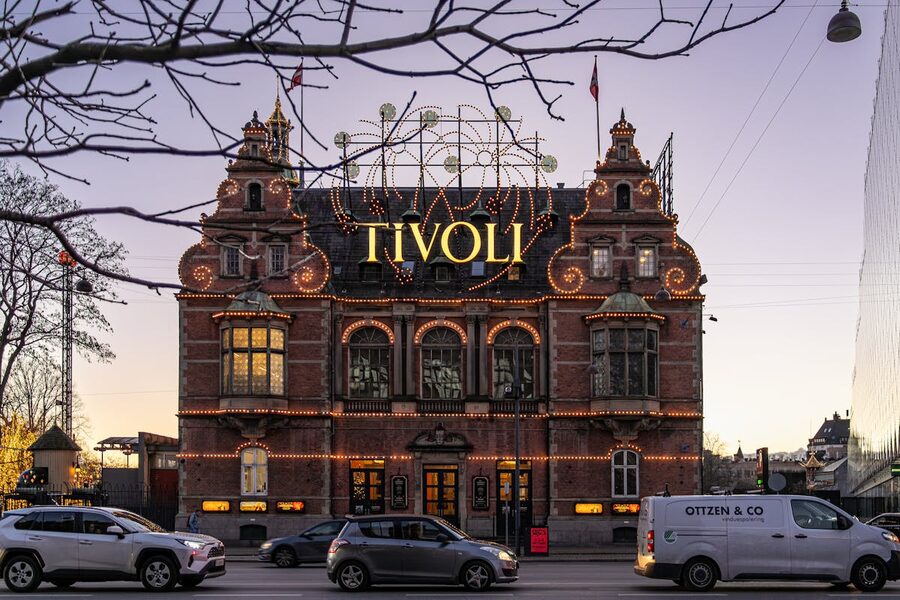
Tivoli Gardens — 155 DKK for entry (rides cost extra). One of the world’s oldest operating amusement parks, and honestly one of Copenhagen’s best evening experiences. The card doesn’t cover ride tickets, but entry alone at 155 DKK makes it a no-brainer inclusion.
Kronborg Castle — 145 DKK. Shakespeare’s Elsinore. A 40-minute train ride from central Copenhagen, fully covered by the card’s transport benefit. The castle entry plus return train fare would run you 315 DKK without the card.
Louisiana Museum of Modern Art — 145 DKK. Perched on the coast north of Copenhagen with views across the Oresund to Sweden. The train ride is covered. One of the best modern art museums in Northern Europe, and it’s usually not on first-time visitors’ radar.

Rosenborg Castle — 130 DKK. Home to the Danish Crown Jewels. The Renaissance interiors are extraordinary, and the basement treasury with the crown jewels is genuinely impressive. One of the few places in Europe where you can get this close to active crown regalia.
Ny Carlsberg Glyptotek — 125 DKK. Carl Jacobsen’s private art collection turned public museum. The winter garden in the center of the building is one of Copenhagen’s most photogenic spots. Free on Tuesdays anyway, but the card covers any day.
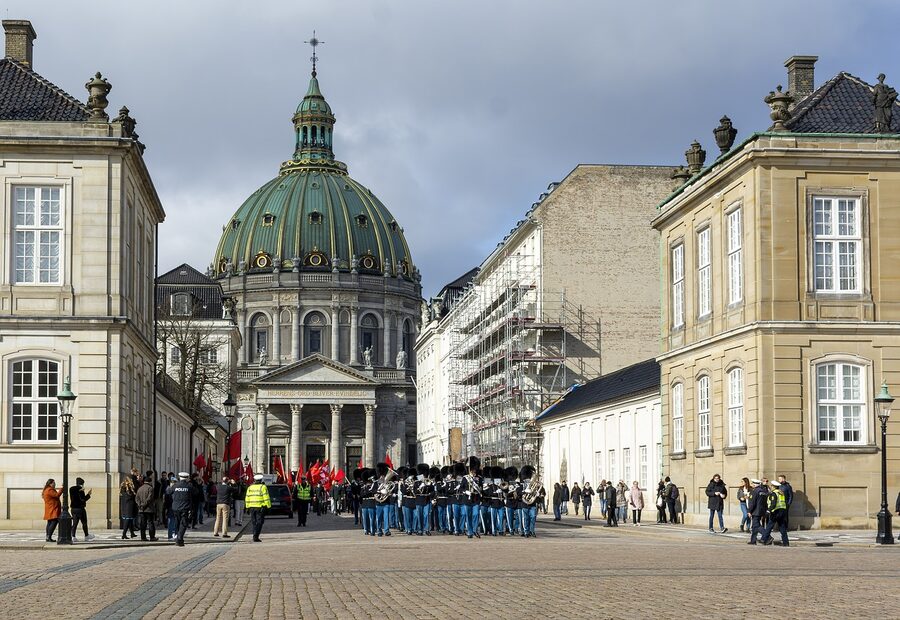
Amalienborg Museum — 120 DKK. The working royal palace. Visit the museum section, then stay for the changing of the guard at noon — that part’s free, and it happens daily.
When to Visit Copenhagen

Summer (June through August) is peak season. Longer daylight hours mean more time to squeeze value from your card — some attractions stay open until 8 or 9pm. But everything costs more and queues are longer.
May and September are the sweet spot. Weather is still decent, Tivoli is open, and the crowds thin out enough to actually enjoy museums without shuffling through at someone else’s pace. The card’s value actually increases in shoulder season because you waste less time waiting in lines.
Winter visits (November through March) are tricky. Tivoli closes from January through March, some smaller museums reduce hours, and outdoor attractions lose their appeal. The card still works, but your ability to hit 5-6 attractions per day drops. The Christmas market season (mid-November through December) is an exception — Tivoli’s winter version is magical, and the city feels alive despite the cold.
Whatever you choose, check which attractions are closed on Mondays. Several Copenhagen museums follow the European tradition of Monday closures, and it would be wasteful to start your card on a day when half the list is shut.
How to Get Around Copenhagen
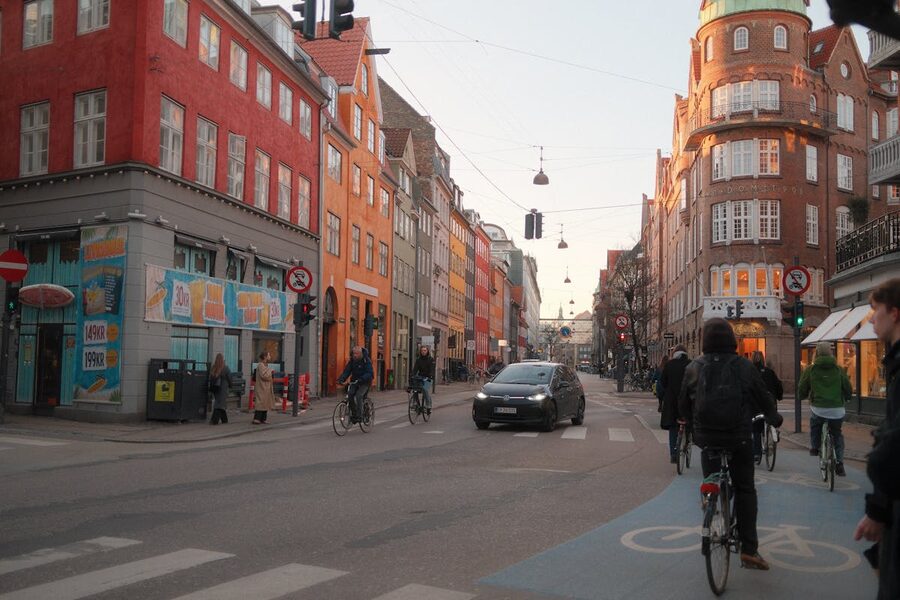
Copenhagen’s public transport system is excellent, and the Copenhagen Card turns it free. Here’s what’s covered:
Metro: Four lines, running every 2-4 minutes during peak hours. The M1 and M2 connect the airport to the city center in about 15 minutes. M3 is the City Circle line that hits most tourist areas. Runs 24/7 on weekends.
S-trains: The suburban rail network. This is how you get to day-trip destinations like Helsingor (Kronborg Castle), Hillerod (Frederiksborg Castle), and Roskilde (Viking Ship Museum). All covered by the card.
Buses: Extensive network filling the gaps between metro and S-train stations. The harbor bus (route 991/992) is particularly useful — it runs along the waterfront from the Royal Library to Nordre Toldbod, stopping near the Little Mermaid and the opera house.
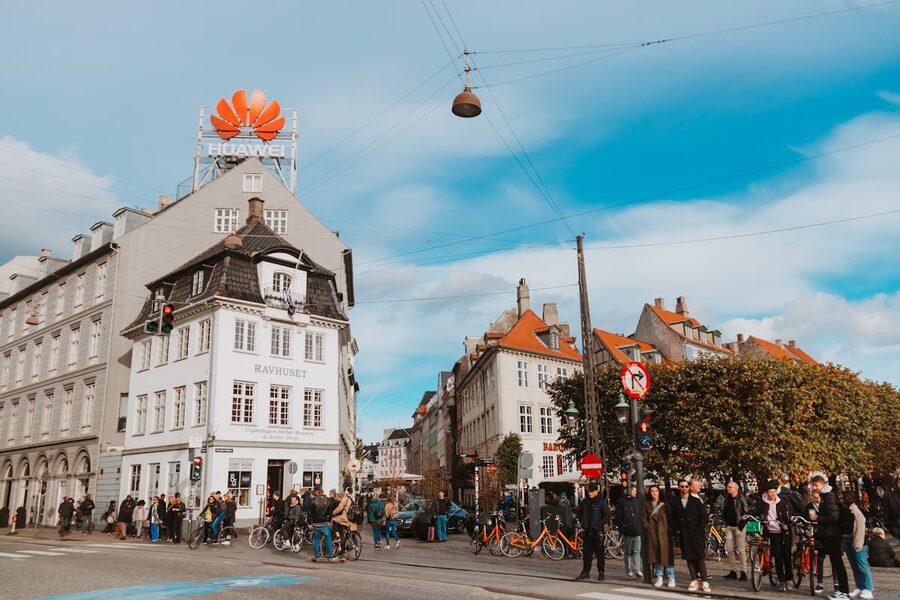
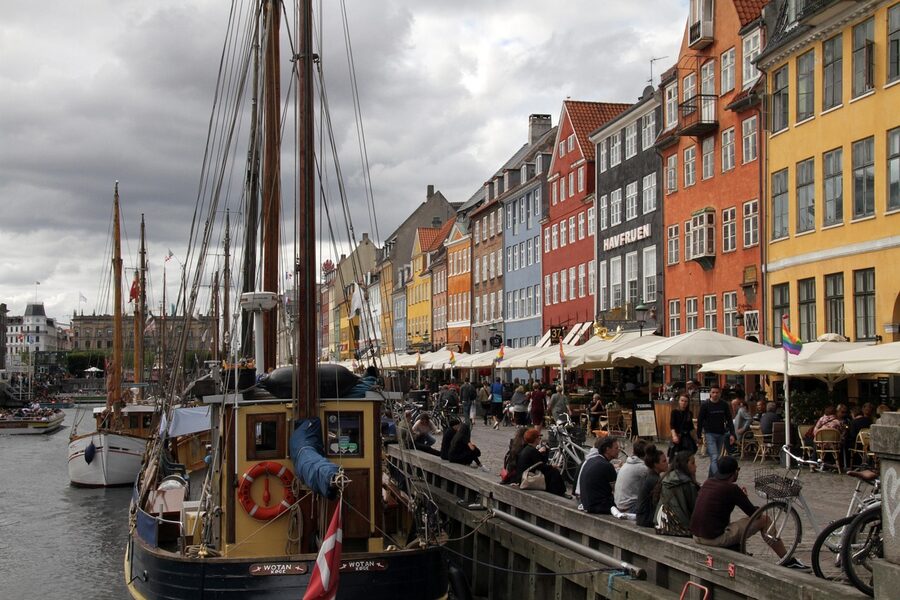
Walking: Central Copenhagen is compact. Nyhavn to Tivoli is about 15 minutes on foot. Rosenborg to Amalienborg is another 15. You can cover the core attractions without transport, but your feet will complain by afternoon if you’re also doing museum floors all day.
Tips That Will Save You Time
Activate strategically. The card runs on hours, not calendar days. If you activate at 2pm, a 48-hour card expires at 2pm two days later. Starting mid-afternoon on day one means you effectively get parts of three calendar days covered. Hit Tivoli that first evening, go hard on day two, and finish with a morning attraction on day three.
Download the Copenhagen Card app before you arrive. It has an attraction map, opening hours, and shows you which sites are closest. The app also tracks your card’s expiry time down to the minute.
Hit the expensive attractions first. If your card time is limited, prioritize the high-ticket items: Zoo (210 DKK), Tivoli (155 DKK), Kronborg (145 DKK + train), Louisiana (145 DKK + train), Rosenborg (130 DKK). These five alone are worth 775 DKK in admission, plus 300+ DKK in train fares. That exceeds even the 120-hour card price.
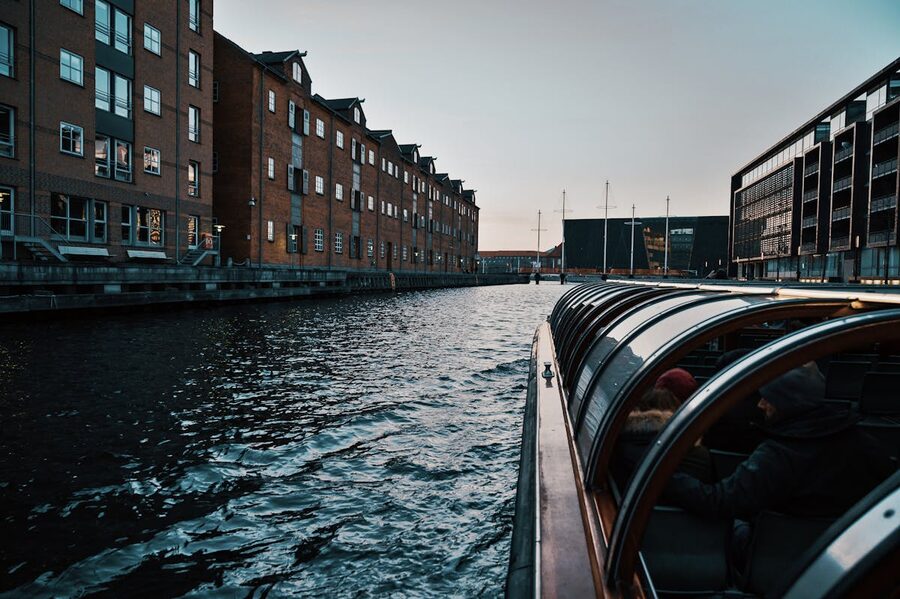
Don’t skip the canal cruise. It sounds touristy, but the canal cruise boats show you parts of the city you’d never see on foot. Christianshavn’s houseboats, the opera house from the water, the old naval base at Holmen. About an hour, and free with the card.
Check for Tuesday freebies. Ny Carlsberg Glyptotek and the National Gallery (SMK) are free on Tuesdays. If your card overlaps with a Tuesday, save those for when you’re not burning card hours on free attractions.
Copenhagen’s Museum Culture: Why There’s So Much to See
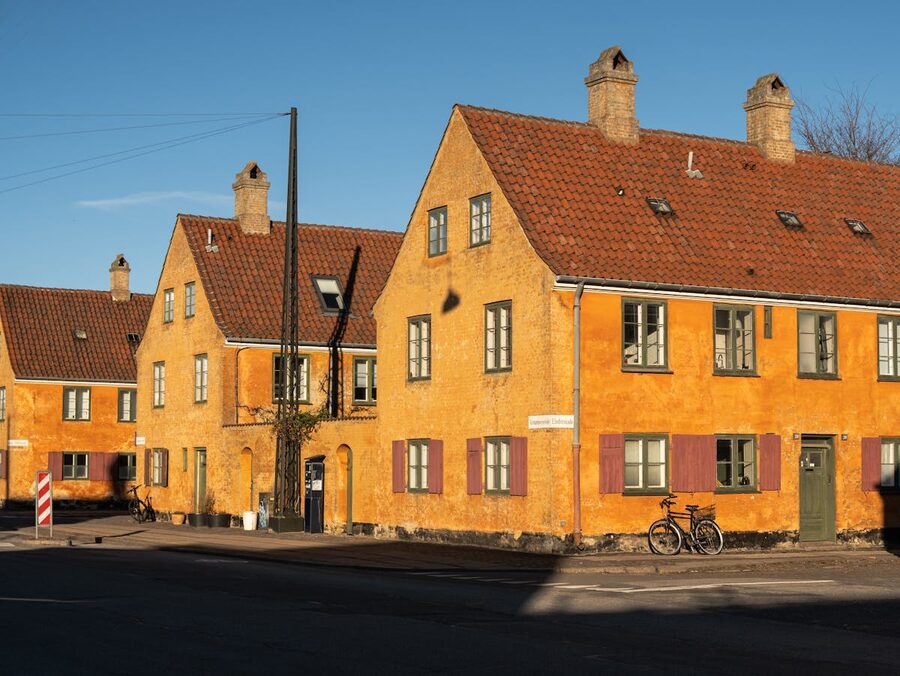
Copenhagen has an unusually high density of museums for a city of 800,000 people. That is not an accident. Denmark has a long tradition of public-access cultural institutions dating back to the 18th century, when royal collections were first opened to ordinary citizens.
Rosenborg Castle is a perfect example. Christian IV built it as a summer residence in the early 1600s, and it has been a public museum since 1838. The Crown Jewels on display in the basement treasury have been there, continuously, for nearly two centuries. The Ny Carlsberg Glyptotek started as brewer Carl Jacobsen’s personal obsession — he spent decades collecting Mediterranean antiquities and French sculpture, then donated the entire collection to the city in 1888.
Tivoli is older than you’d think. It opened in 1843, making it one of the world’s oldest operating amusement parks. The story goes that Georg Carstensen convinced King Christian VIII to approve the park by arguing that when people are entertained, they don’t think about politics. Whether that’s true or not, the park has survived wars, fires, and German occupation to become Copenhagen’s most visited paid attraction.
The National Museum — Denmark’s largest museum of cultural history — sits in an 18th-century palace on the waterfront. Its collection spans from Stone Age Denmark through Viking artifacts to the modern era. The permanent collection is free, but special exhibitions often charge separate admission, which the card covers.
What to See Inside the Major Attractions
Rosenborg Castle: Three floors of royal apartments preserved almost exactly as Christian IV left them, plus the basement treasury with the Crown Jewels. The jeweled crown, golden coronation sword, and gem-studded royal regalia are the highlight. Budget 90 minutes.
Tivoli Gardens: The card covers entry only, not individual ride tickets. But the gardens, pantomime theater, live music stages, and restaurants are all accessible with just entry. During summer, there are free concerts most evenings. Budget 2-3 hours minimum, more if you buy ride tickets.
Christiansborg Palace: Three separate sections (Royal Reception Rooms, Ruins, and Kitchen), each technically a separate ticket without the card. The ruins beneath the palace are genuinely interesting — you walk through the remains of Bishop Absalon’s original 1167 castle that predates the current building by centuries. The tower has the best free panoramic view in Copenhagen (the tower itself is free, but the exhibition areas require the card).
Round Tower (Rundetaarn): No stairs — you walk up a 200-meter spiral ramp that was originally designed wide enough for horses and cannons. The observation platform at the top gives you a 360-degree view of Copenhagen’s rooftops. Quick visit, 30-45 minutes.
Copenhagen Zoo: Over 4,000 animals, including the Arctic Ring exhibit with polar bears and the Elephant House designed by Norman Foster. Plan half a day if you want to see everything properly. The card won’t cover food and drink inside, and zoo prices for a sandwich will remind you that Copenhagen is expensive.
Planning the Rest of Your Copenhagen Trip

If you’re spending more than a couple of days in Copenhagen, the card is just the starting point. A canal cruise is one of the best ways to get your bearings on the first day — the guides point out landmarks you’ll want to return to on foot. For evening entertainment, Tivoli Gardens is hard to beat, especially during the summer concert season when the outdoor stages host everything from rock to classical. And if you want to understand the city beyond the tourist loop, a walking tour through Copenhagen’s neighborhoods covers the history and architecture that even the best museum can’t quite convey. The card gives you the attractions. The rest of Copenhagen gives you the stories.
This article contains affiliate links. When you book through these links, we may earn a small commission at no extra cost to you. This helps us keep producing detailed travel guides.