
I was standing in a bakery on Rue des Martyrs when a woman behind the counter slid a pain au chocolat across to me and said, with genuine pity, “You are eating it wrong.” She then showed me how to tear it — not bite it — so the layers separate and the chocolate stays warm inside. That single moment taught me more about Parisian food culture than two days of restaurant meals ever did.
That’s the thing about Paris. You can eat well here without trying. But eating brilliantly — finding the bakeries where the butter is from Normandy and the flour is stone-ground, the fromageries that age their own Comte, the wine bars pouring natural wines from the Loire — that takes either years of living here or a really good food tour.
I’ve done both the DIY approach and the guided approach. The guided version wins, and it’s not even close.
Short on time? Here are my top picks:
Best overall: Paris Walking Food Tour with Secret Food Tours — $103. The original Paris food tour. 3.5 hours across multiple neighborhoods with cheese, pastries, wine, and a guide who actually knows the difference between a boulangerie and a patisserie.
Best for Montmartre: Montmartre Food Tour by Do Eat Better — $96. Full French meal spread across Montmartre’s backstreets. Great value and you eat a lot more than you’d expect.
Best morning experience: A Morning in Paris: Croissants, Baguettes & Chocolate — $126. Bakery-focused, 2.5 hours, and led by actual pastry school graduates. The croissant education alone is worth it.
- How Paris Food Tours Actually Work
- Le Marais vs Montmartre vs Saint-Germain: Which Neighborhood?
- The 5 Best Paris Food Tours to Book
- 1. Paris Walking Food Tour with Secret Food Tours — 3
- 2. Paris Le Marais Walking Food Tour with Secret Food Tours — 3
- 3. Devour Paris Ultimate Food Tour — 4
- 4. Montmartre Food Tour by Do Eat Better —
- 5. A Morning in Paris: Croissants, Baguettes & Chocolate — 6
- When to Book Your Food Tour
- What You’ll Actually Taste
- A Brief History of Paris Food Culture (The Interesting Parts)
- How to Get to Your Food Tour Meeting Point
- Tips That Will Actually Help
- Food Tour vs DIY: An Honest Comparison
- Planning the Rest of Your Paris Trip
How Paris Food Tours Actually Work
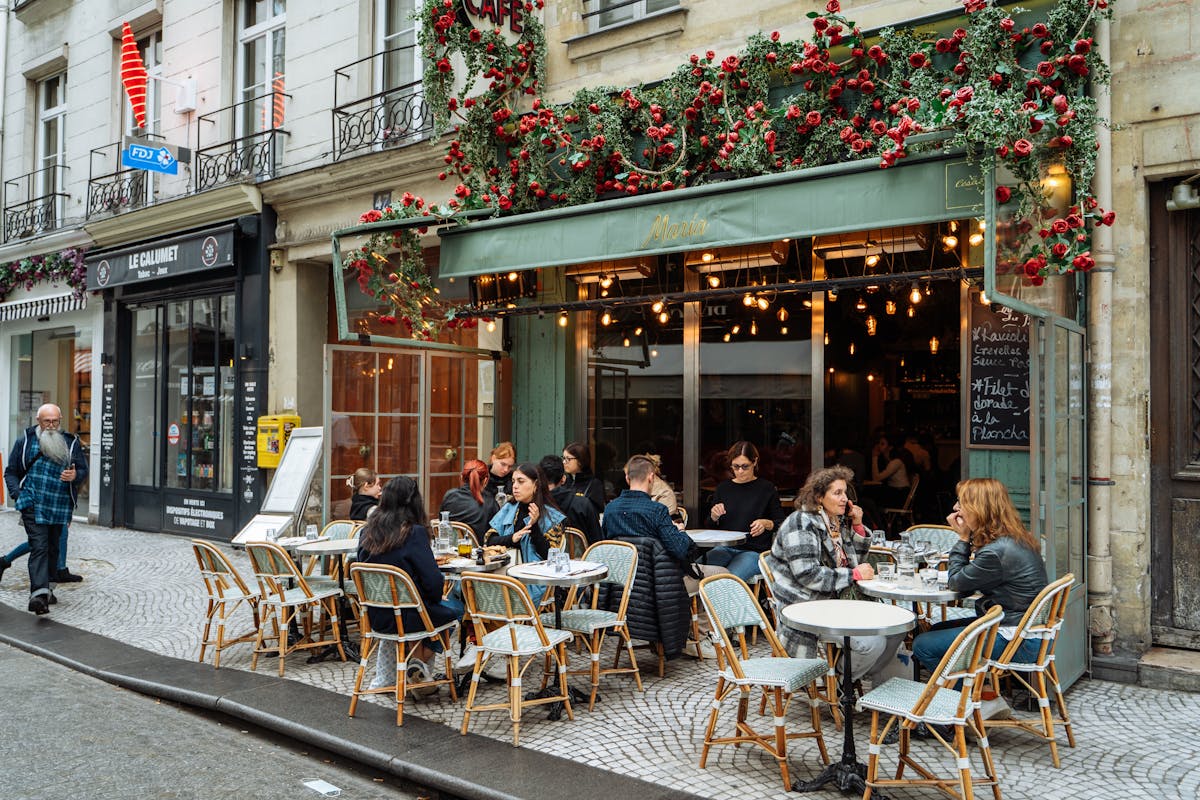
Paris food tours fall into three categories, and understanding the difference saves you from booking the wrong one.
Walking food tours are the most common. You meet a guide, walk through a specific neighborhood (Le Marais, Montmartre, Saint-Germain), and stop at 6-8 places over 3-3.5 hours. Each stop involves tasting something — cheese at a fromagerie, bread at a boulangerie, wine at a cave, chocolate at a chocolatier. You’ll eat enough to skip lunch. Budget roughly $95-160 per person depending on the operator and neighborhood.
Cooking classes are different entirely. You’re in a kitchen, usually with a professional chef, making French dishes from scratch. The macaron class at Galeries Lafayette runs about $71 and takes around 1.5 hours. Proper cooking classes with a full meal run $100-200 and last 3-4 hours.
Market tours focus on Parisian markets — places like Marche d’Aligre or Rue Mouffetard — where your guide explains how to shop, what’s seasonal, and how to tell good produce from tourist-trap produce. These tend to be morning-only and smaller groups.
Most tours include 6-10 tastings, enough wine to feel cheerful but not enough to regret anything, and enough walking to justify the calories. Groups are usually 8-12 people. Private tours exist but cost double.
Le Marais vs Montmartre vs Saint-Germain: Which Neighborhood?
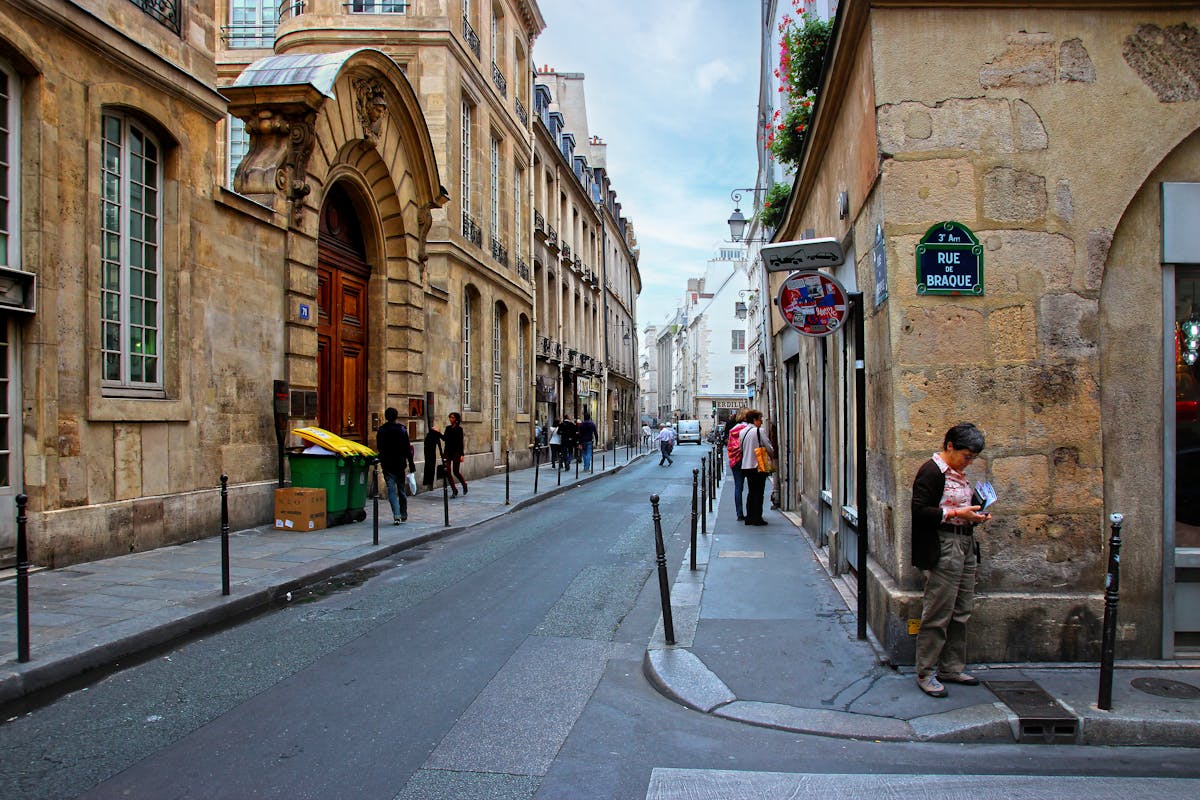
This is the single most important decision you’ll make when booking. Each neighborhood has a completely different food personality.
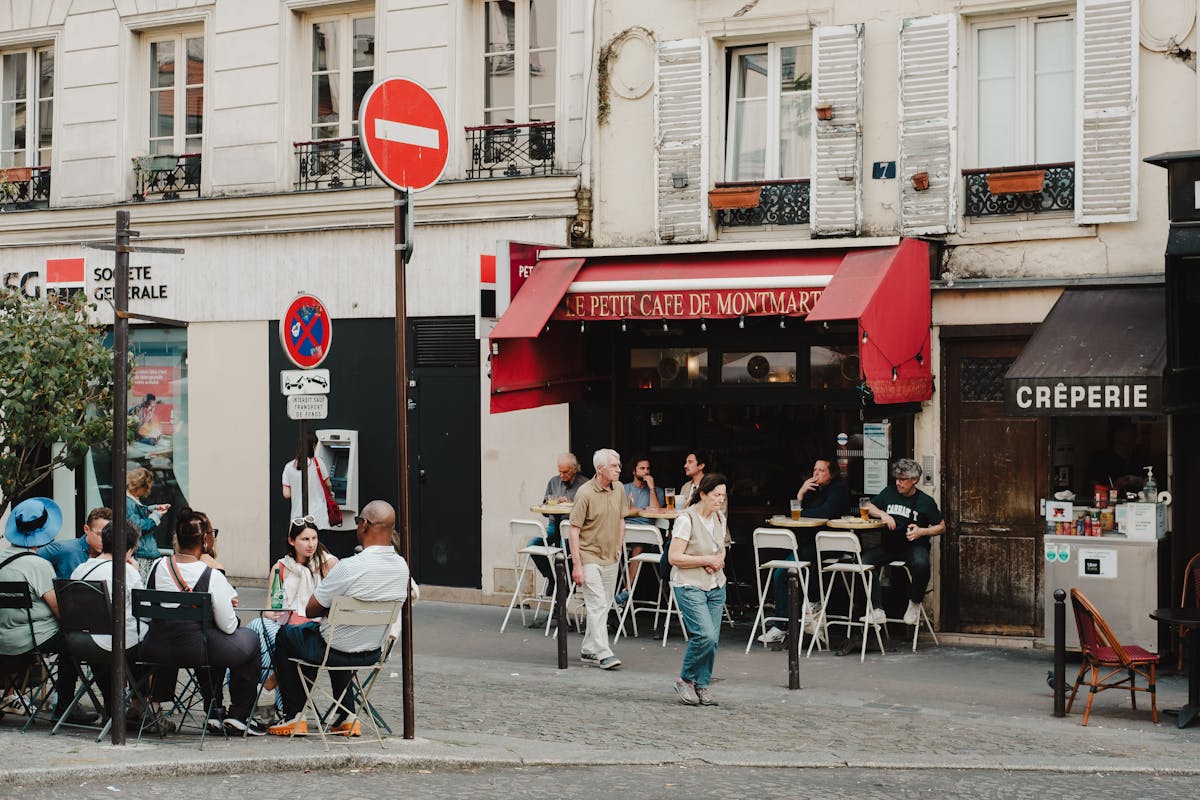
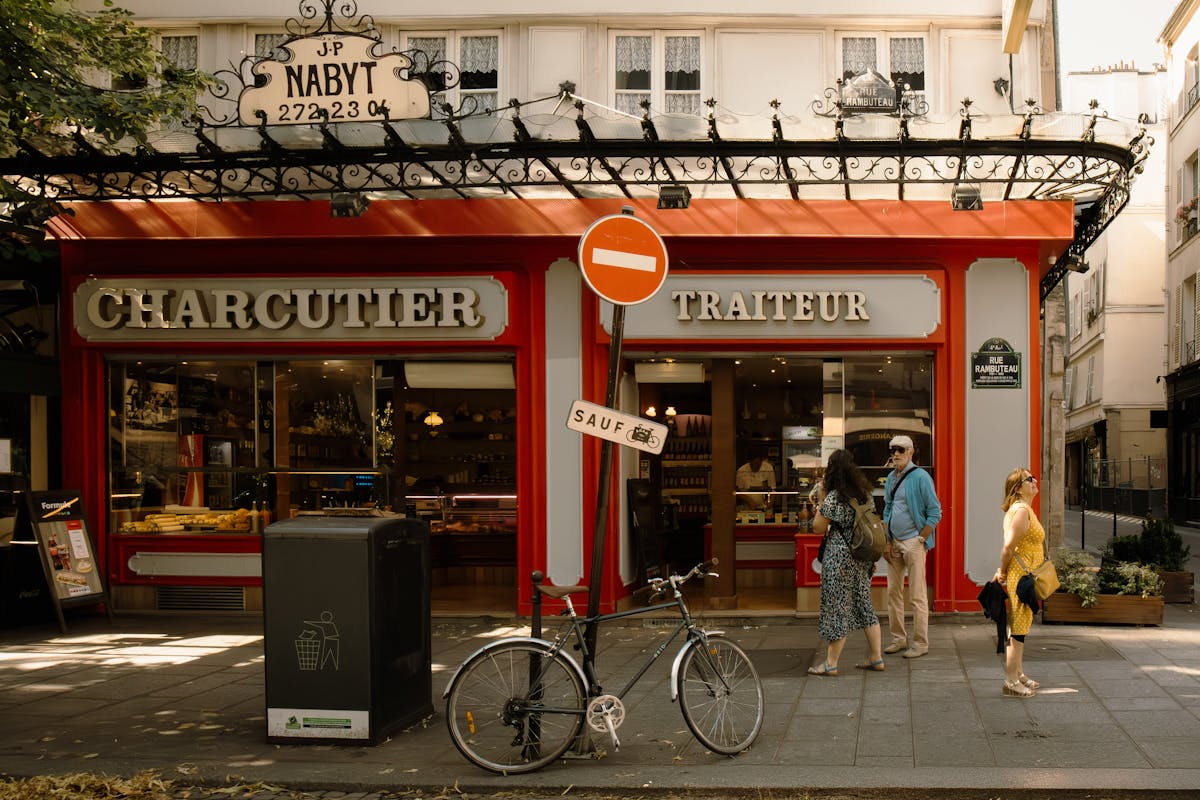
Le Marais is the most diverse. This was Paris’s Jewish quarter — the falafel shops on Rue des Rosiers (L’As du Fallafel in particular) date back to the 19th-century Ashkenazi immigration wave. But Le Marais also has some of the best fromageries in the city, artisan bakeries tucked into medieval lanes, and wine bars that pour natural wines you won’t find anywhere else. The food scene here crosses cultures and price points. If you only do one food tour, Le Marais gives you the widest range.
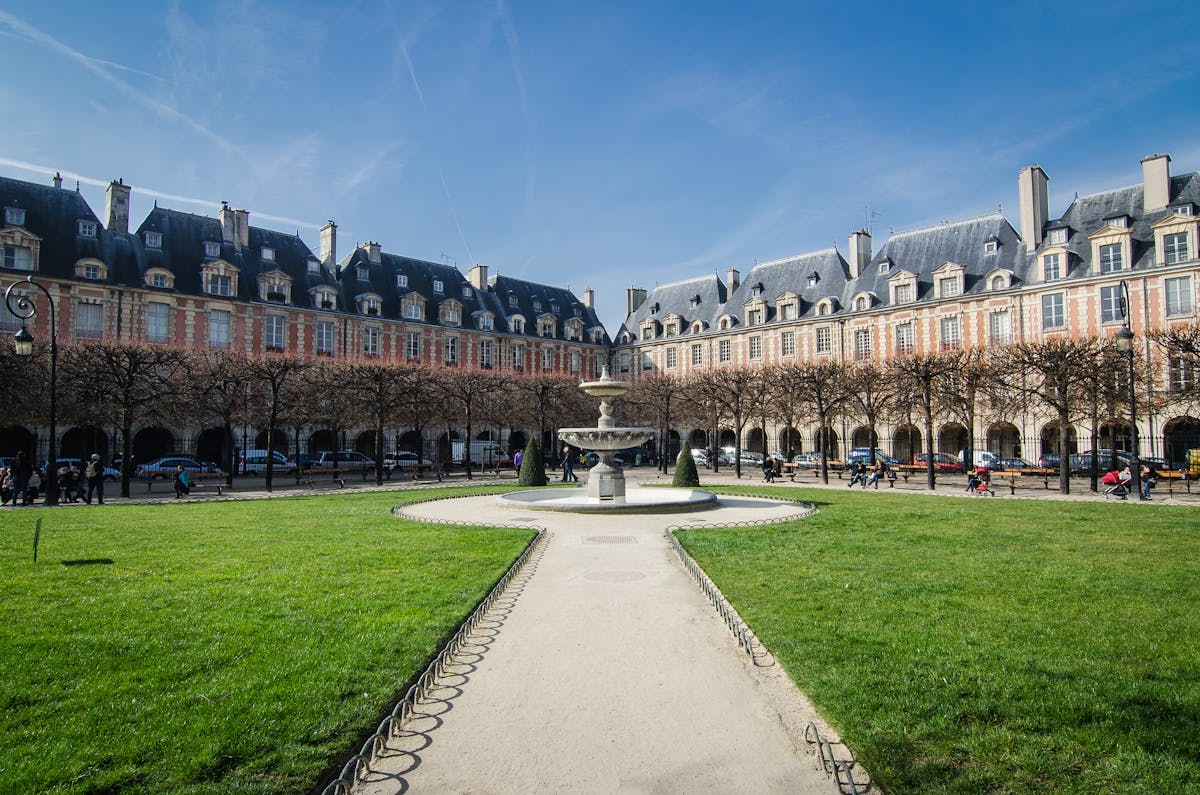
Montmartre is more traditionally French. The food scene evolved from the cheap artists’ canteens of the 1880s — when Toulouse-Lautrec would paint in exchange for meals at Montmartre taverns — into today’s artisan fromageries and wine bars. Montmartre tours tend to include more bread, cheese, and charcuterie, with less international influence. The uphill walking is real though. Wear proper shoes.
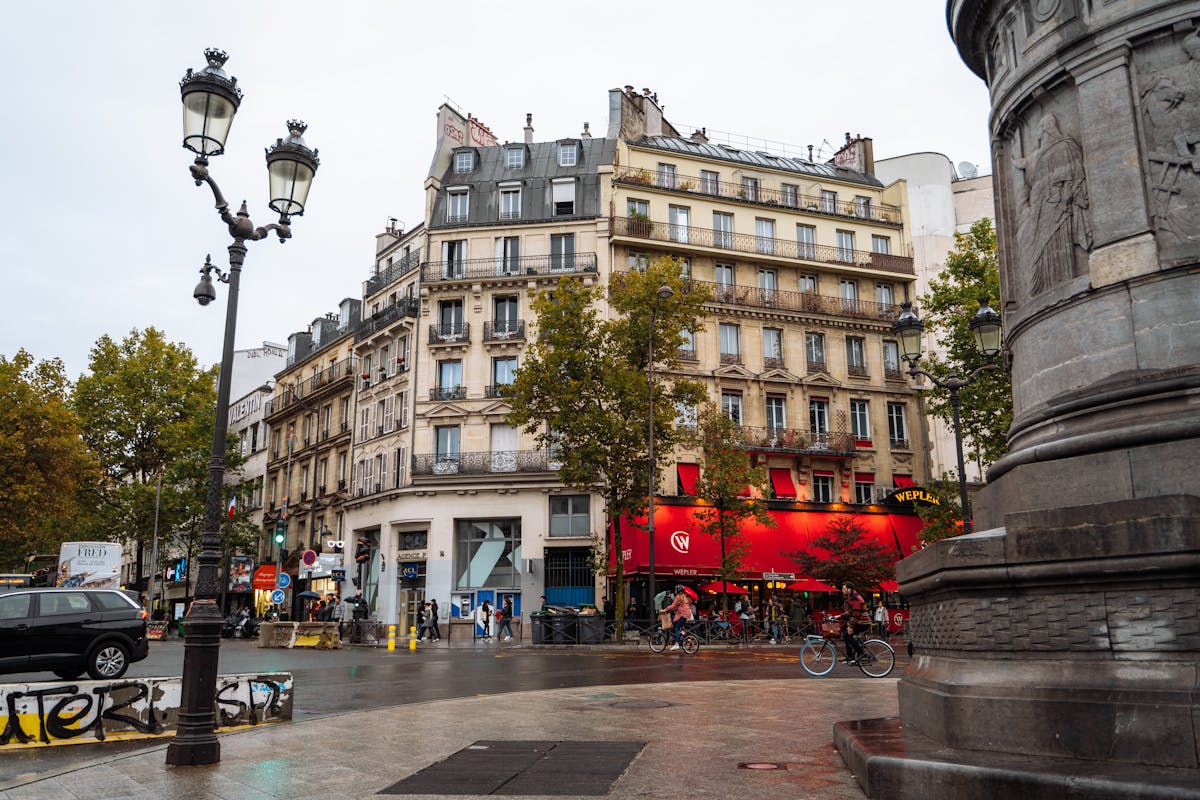
Saint-Germain is the upscale option. More chocolate shops, more pastry boutiques, more places where a single macaron costs 3 euros and looks like a tiny jewel. The food is exceptional but the vibe is polished rather than raw. Good if you’re into patisserie and chocolate specifically.
My honest take: start with Le Marais if it’s your first time. The variety gives you a proper introduction to everything Paris does well. Save Montmartre for your second visit — or your second food tour, because you will want to do another one.
The 5 Best Paris Food Tours to Book
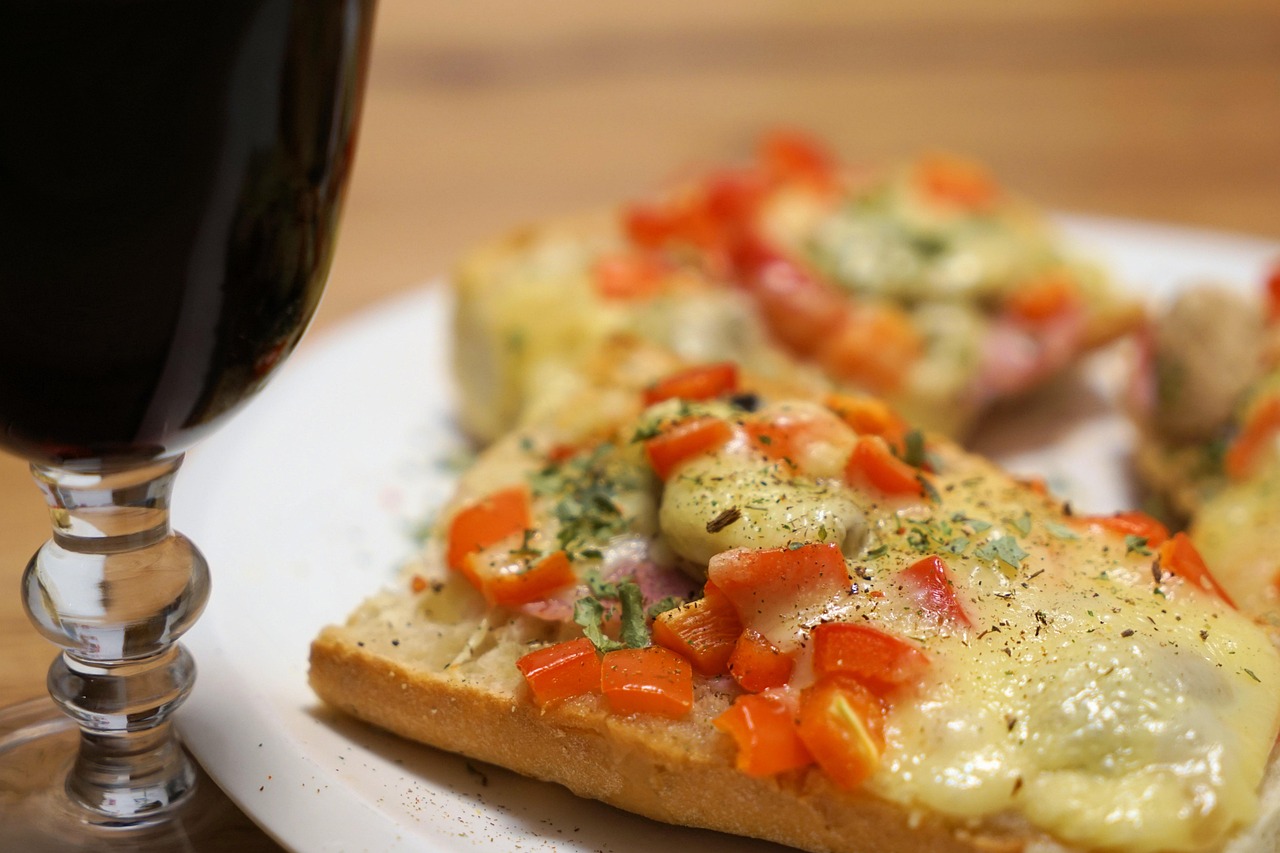
I’ve compared these based on neighborhood coverage, what you actually eat, group size, and whether the guides know their stuff or are just reading from a script. All five have strong track records and consistently good feedback.
1. Paris Walking Food Tour with Secret Food Tours — $103
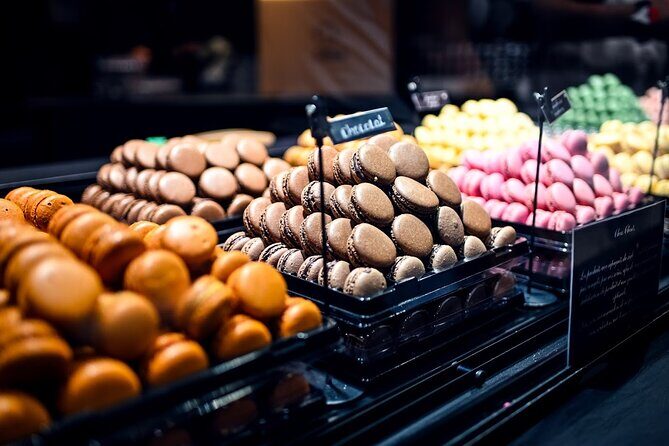
This is the one that set the standard for Paris food tours. 3.5 hours, small groups, and a route that covers multiple neighborhoods rather than sticking to just one. The guides are locals — not actors reading scripts — and the stops are genuine neighborhood spots that serve locals, not tourist-facing shops that opened last year.
At **$103 per person**, it’s mid-range on price but top-tier on value. You’ll taste enough cheese, bread, wine, pastries, and charcuterie to call it lunch. The Montmartre and Notre Dame routes rotate, so check which one runs on your date. What makes this tour special is the storytelling between stops — you actually learn *why* Parisians eat the way they do, not just *what* they eat.
2. Paris Le Marais Walking Food Tour with Secret Food Tours — $103
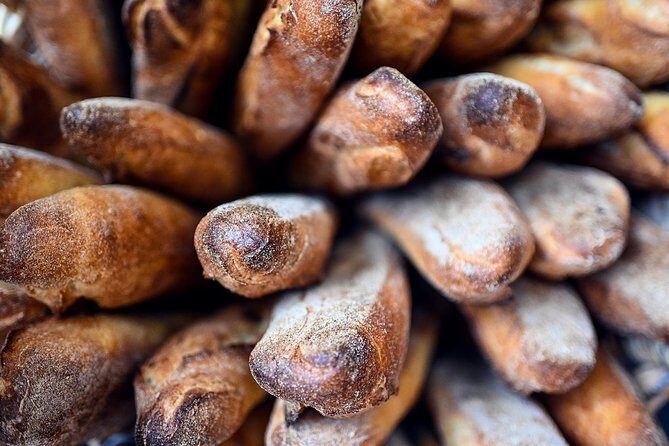
If you want to go deep into one neighborhood instead of skimming several, this is the pick. The Le Marais route spends all 3.5 hours in Paris’s most food-dense quarter. You’ll hit the Jewish bakeries on Rue des Rosiers, the fromageries that age their own wheels, and wine bars where the owners pour you something they’re personally excited about.
Same price as the general Paris tour — **$103** — and the same quality of guides. The difference is focus. You’ll come out of this one knowing Le Marais intimately, with a mental map of where to eat for the rest of your trip. Guides like Gabriel are genuinely knowledgeable and patient with questions, which matters when you’re trying to understand the difference between a Comte aged 12 months and one aged 24.
3. Devour Paris Ultimate Food Tour — $144
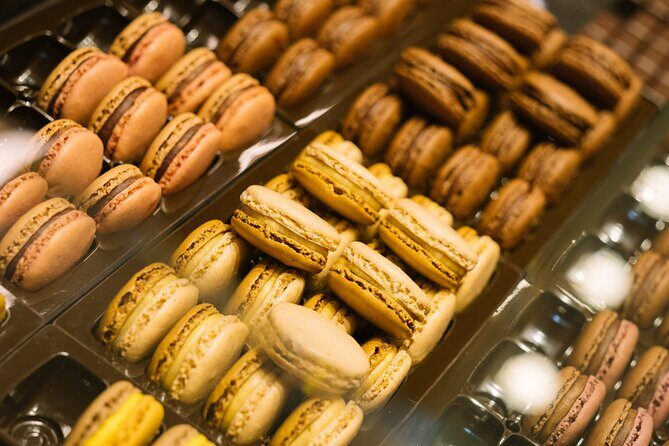
Devour is the premium option and they earn it. This 3.5-hour Le Marais tour packs in more tastings than the competition — expect 10+ stops including a proper sit-down wine tasting. The guides aren’t just foodies; they’re food professionals who can explain why the butter from Poitou-Charentes tastes different from the stuff at your local supermarket back home.
At **$144**, it’s the most expensive on this list. But the quality and quantity of food justifies it — one reviewer described it as a “quality, quantity, and history” combination that’s hard to beat. If you’re the kind of person who wants to understand *why* a particular Roquefort tastes the way it does and not just eat it, this is your tour. The wine pairings are particularly well-matched.
4. Montmartre Food Tour by Do Eat Better — $96
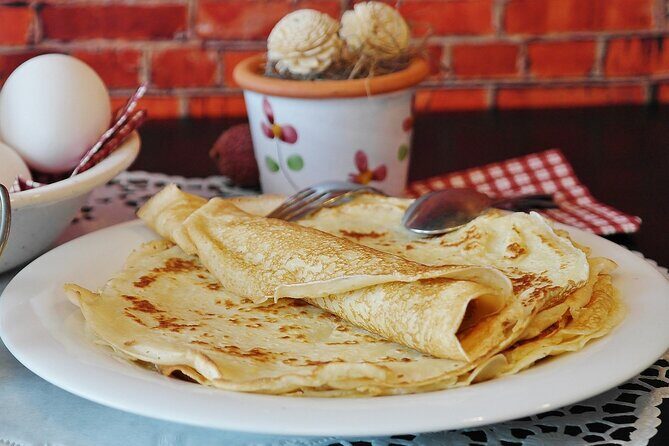
This is the best value on the list and the best Montmartre-specific option. At **$96**, it undercuts the competition by a solid margin while delivering a complete French meal spread across the neighborhood. Instead of random tastings, the tour is structured as appetizer, main, cheese course, and dessert — each at a different Montmartre spot.
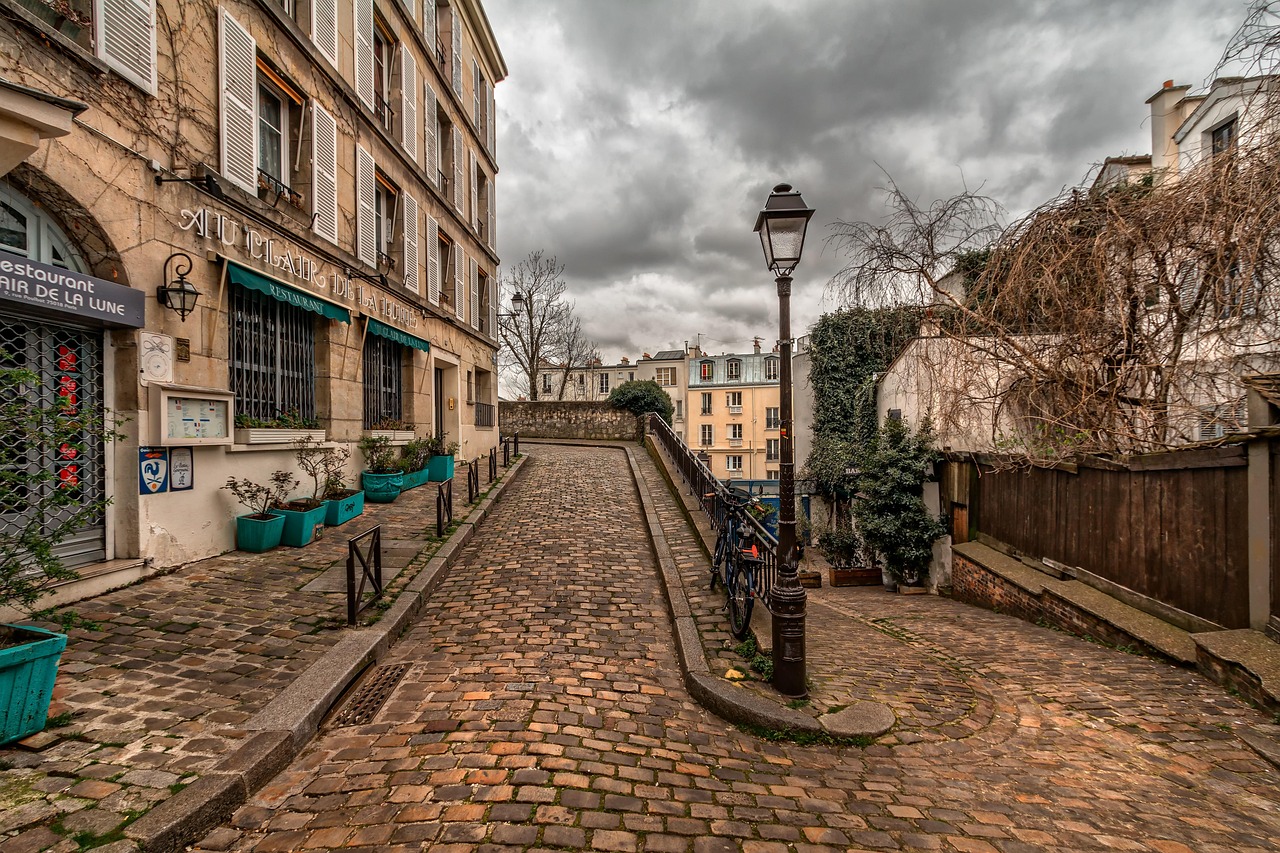
The 3.5-hour route covers Montmartre’s backstreets, the places that travelers walking up to Sacre-Coeur never see. Guide Thomas gets consistently good mentions for being both entertaining and genuinely knowledgeable. The neighborhood itself adds something the other tours can’t match — the cobblestone lanes and hilltop views make even the walk between stops enjoyable. If you’re already planning to explore Montmartre, combining a food tour with your sightseeing is the smart play.
5. A Morning in Paris: Croissants, Baguettes & Chocolate — $126
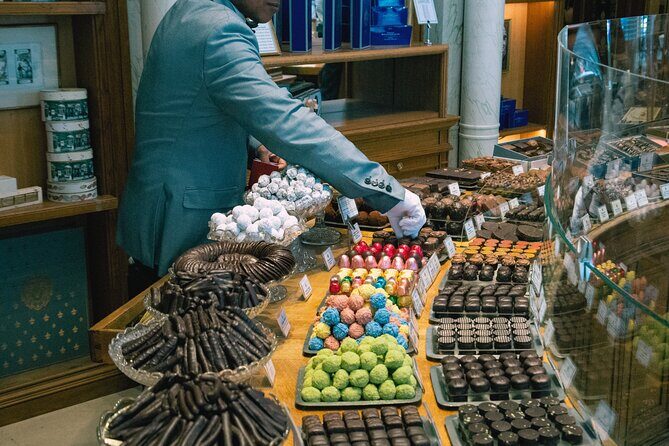
Different from every other tour on this list because it focuses exclusively on bakeries, boulangeries, and chocolate shops. Run by Eating Europe (same company behind the Le Marais wine tour), the guides here have actual pastry school training. One reviewer raved about guide Jessita sharing professional-level detail about croissant lamination and chocolate tempering.
At **$126 for 2.5 hours**, it’s more per hour than the walking food tours. But the depth of knowledge is unmatched — you’ll learn why a good baguette has an irregular crumb structure, why the crust should crackle when you squeeze it, and what the 1920 bakers’ law has to do with the baguette’s shape. (Short version: a law limiting bakers’ working hours meant they needed bread that baked faster — thinner loaves were the solution.) Best paired with another food tour later in the trip for the savory side of things.
When to Book Your Food Tour
Timing matters more than you’d think.
Best months: April through June and September through October. The weather is mild enough for comfortable walking, the markets are stocked with seasonal produce, and the tourist crowds haven’t reached peak insanity. Spring brings asparagus and strawberries to the markets. Autumn means mushrooms, game, and new-vintage wines.
Worst months: August, when half the city’s independent shops close for annual vacation. Your food tour might find some of its regular stops shuttered. January and February are cold enough that standing outside a fromagerie for 10 minutes becomes genuinely unpleasant.
Best time of day: Morning tours (starting 9:30-10:30am) are superior. The bakeries are at peak freshness, the markets are fully stocked, and you’ll finish around lunch feeling satisfied rather than needing to find a restaurant. Afternoon tours work but the bread has been sitting out longer and some market stalls start packing up.
Book how far ahead? Two to three weeks minimum during peak season (April-June, September-October). The popular morning slots sell out fast. Off-season, a week ahead is usually fine. Don’t wait until the day before — the best operators cap their groups at 10-12 people and they fill.
What You’ll Actually Taste
Every food tour varies, but here’s what you should expect across a typical 3.5-hour Paris food tour:
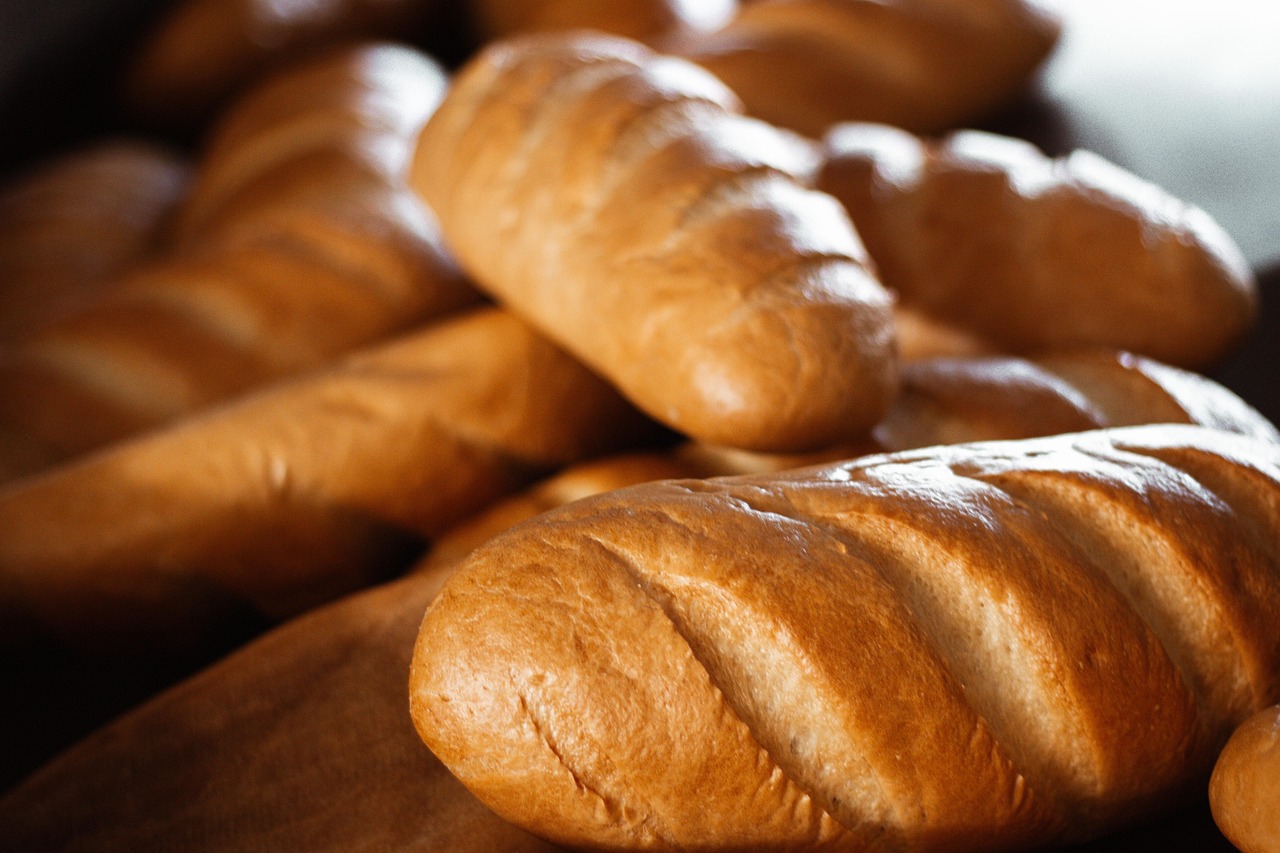
Bread. This is non-negotiable on any Paris food tour. You’ll visit at least one boulangerie and learn the difference between a baguette de tradition (the good stuff, made from only four ingredients) and a baguette ordinaire (the cheap version). The shape itself has a story — Napoleon allegedly wanted bread thin enough for soldiers to carry in their trouser legs, but the real reason is probably that 1920 labor law. Thinner loaves bake faster, meaning bakers could finish earlier.
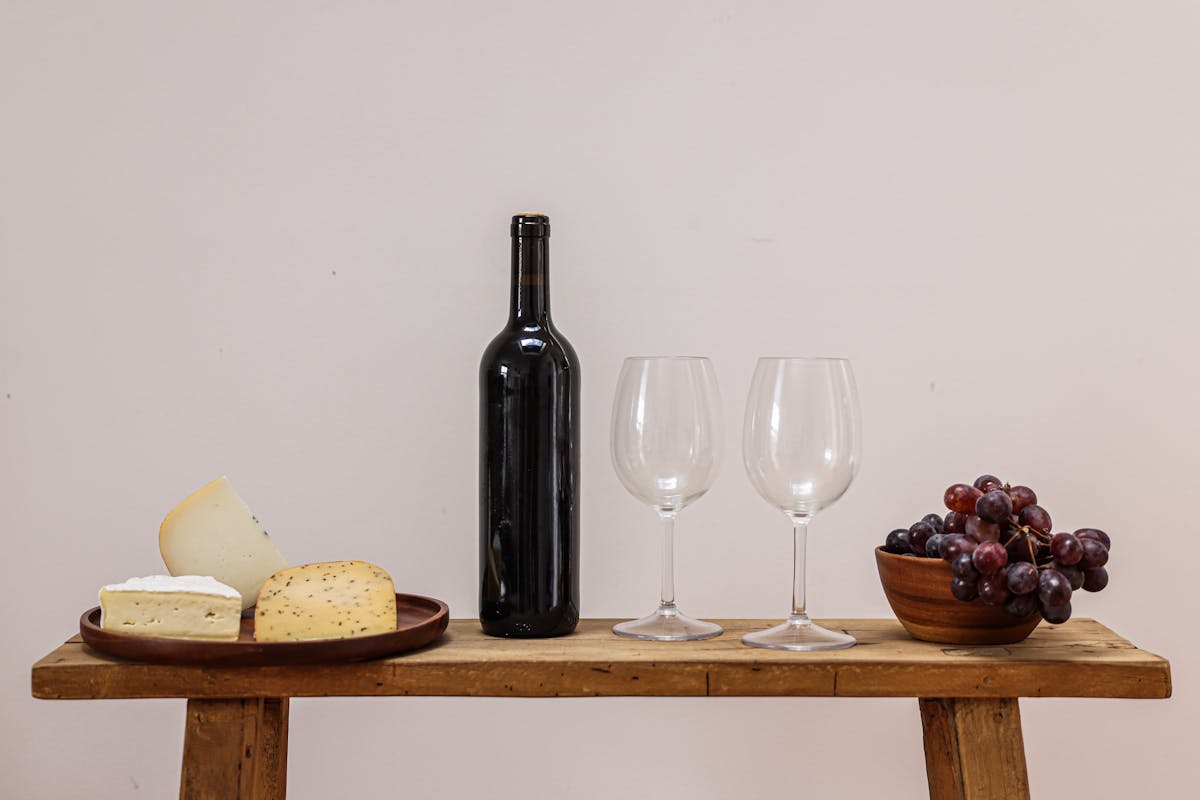
Cheese. Expect 3-5 varieties, always including a proper Comte, a Brie or Camembert, and something blue. Good tours let you taste the same cheese at different ages. A Comte aged 12 months tastes nothing like one aged 36 months — the younger one is sweet and mild, the older one has crystalline crunch and a deep, nutty intensity. This is usually everyone’s favorite stop.
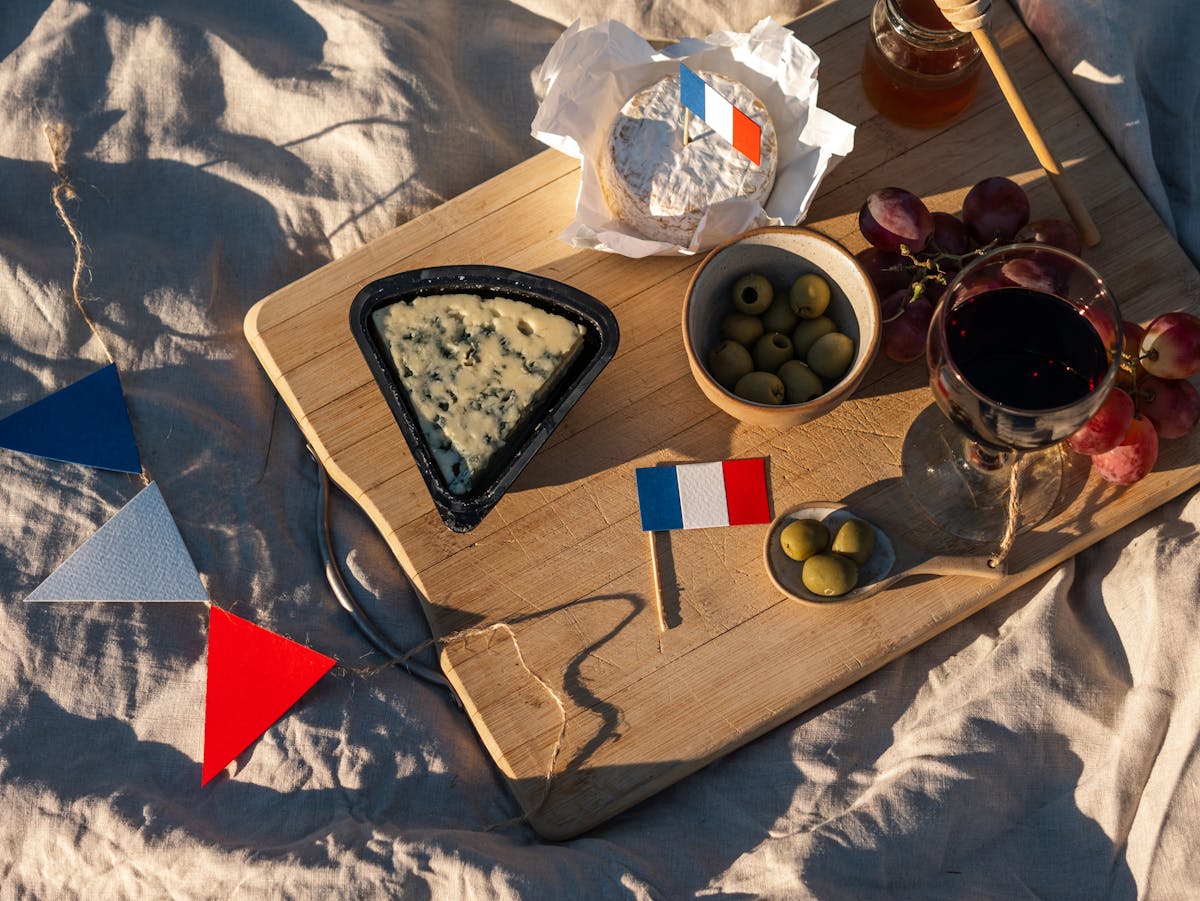
Wine. Most tours include 2-3 glasses, usually a white from Burgundy or the Loire, a red from Bordeaux or the Rhone, and sometimes a natural wine from a small producer. The wine bars these tours visit are the kind of places where the owner knows the winemaker personally. Don’t expect Veuve Clicquot — expect something better and less famous.
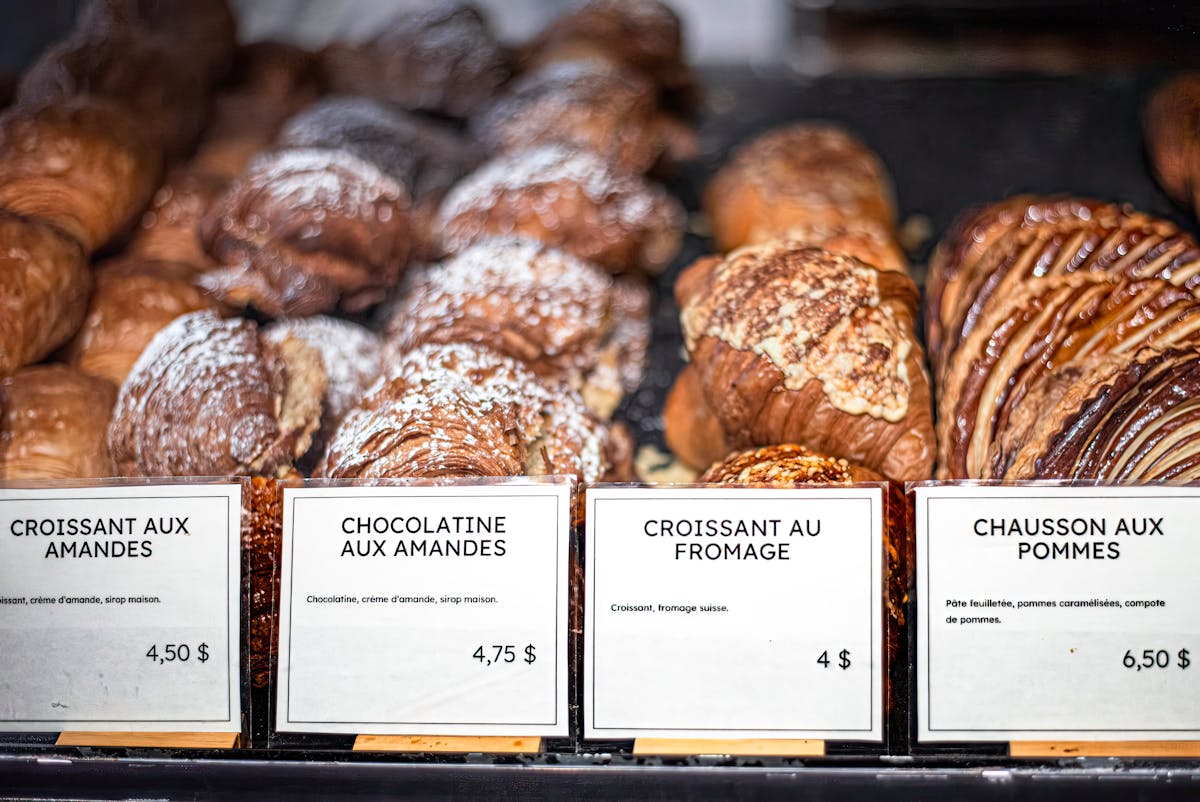
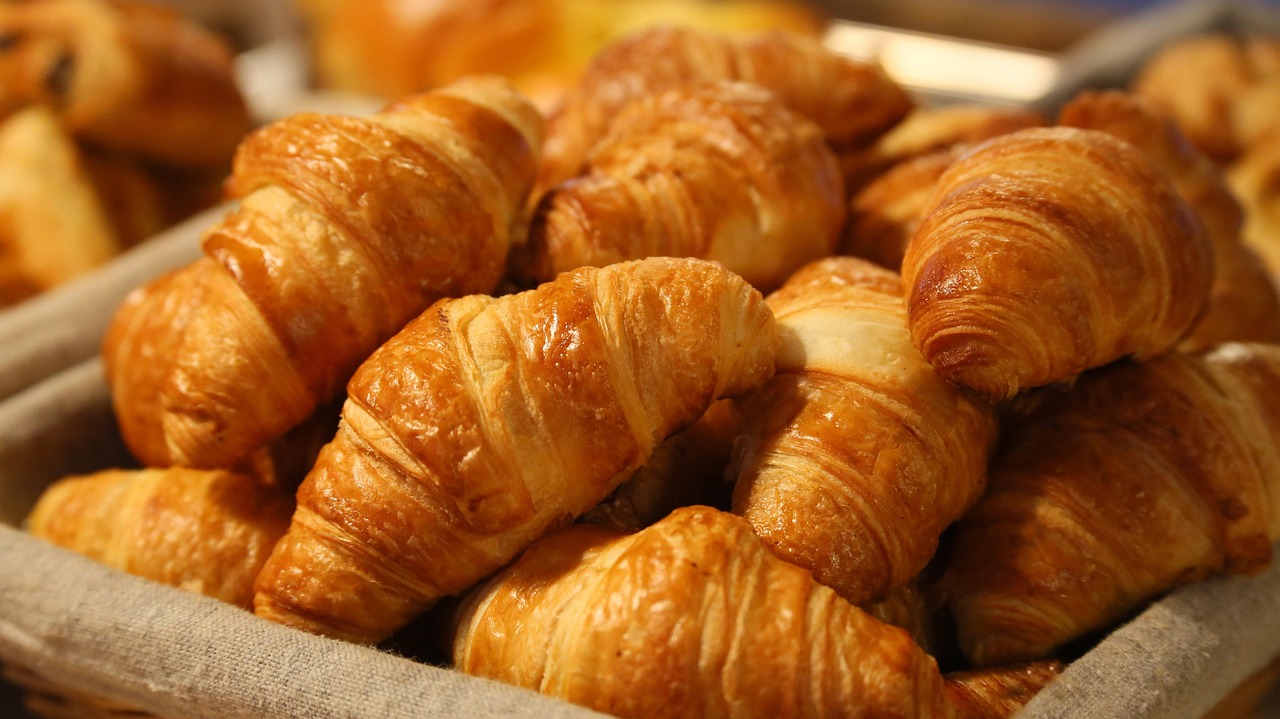
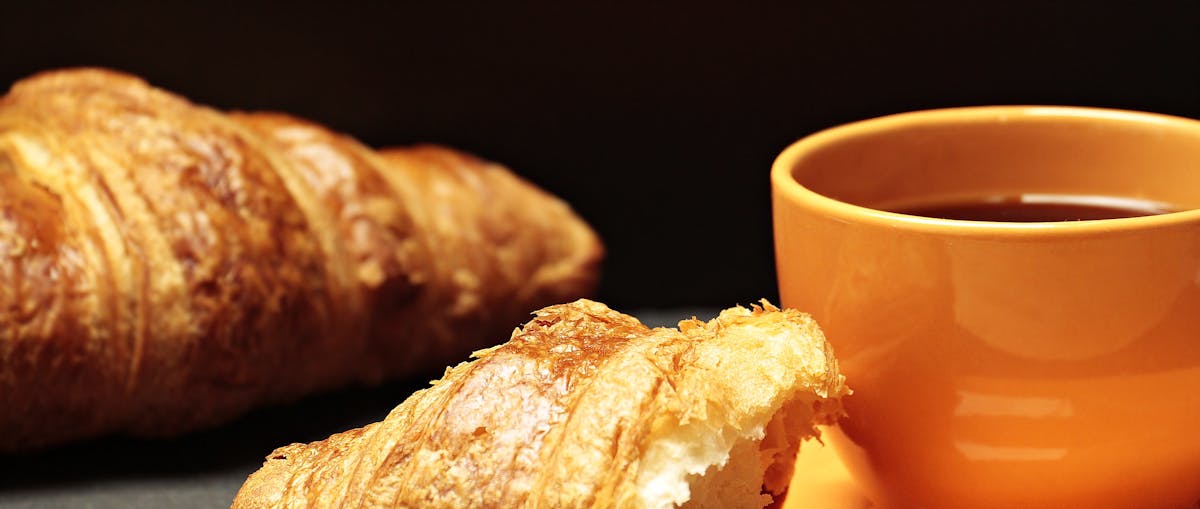
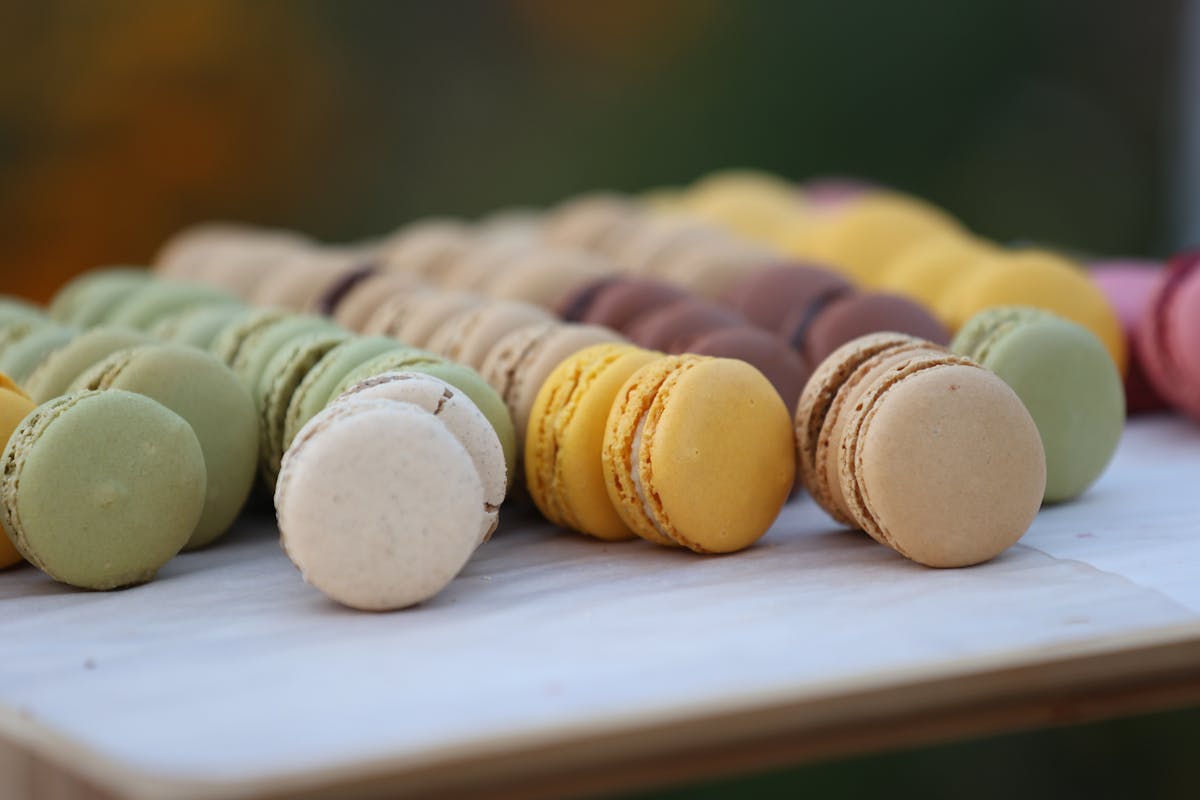
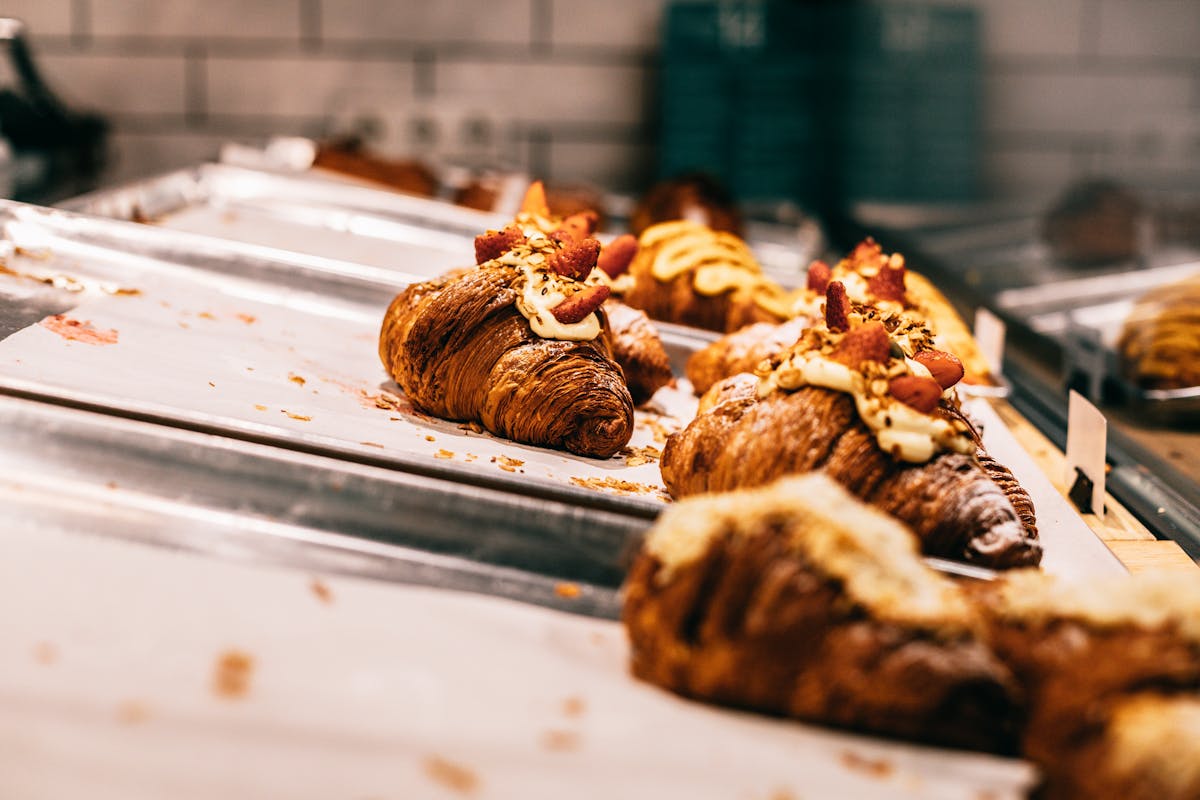
Pastries and chocolate. Croissants, pain au chocolat, macarons, eclairs — the specific selection depends on the tour and what’s freshest that day. A few tours visit Pierre Herme or other famous patisseries, but the best stops are at small neighborhood places where the baker is there in the kitchen while you eat.
Charcuterie. Saucisson, pate, rillettes. Le Marais tours tend to include this more than Montmartre ones. The quality difference between supermarket charcuterie and what you’ll taste on a food tour is staggering.
A Brief History of Paris Food Culture (The Interesting Parts)
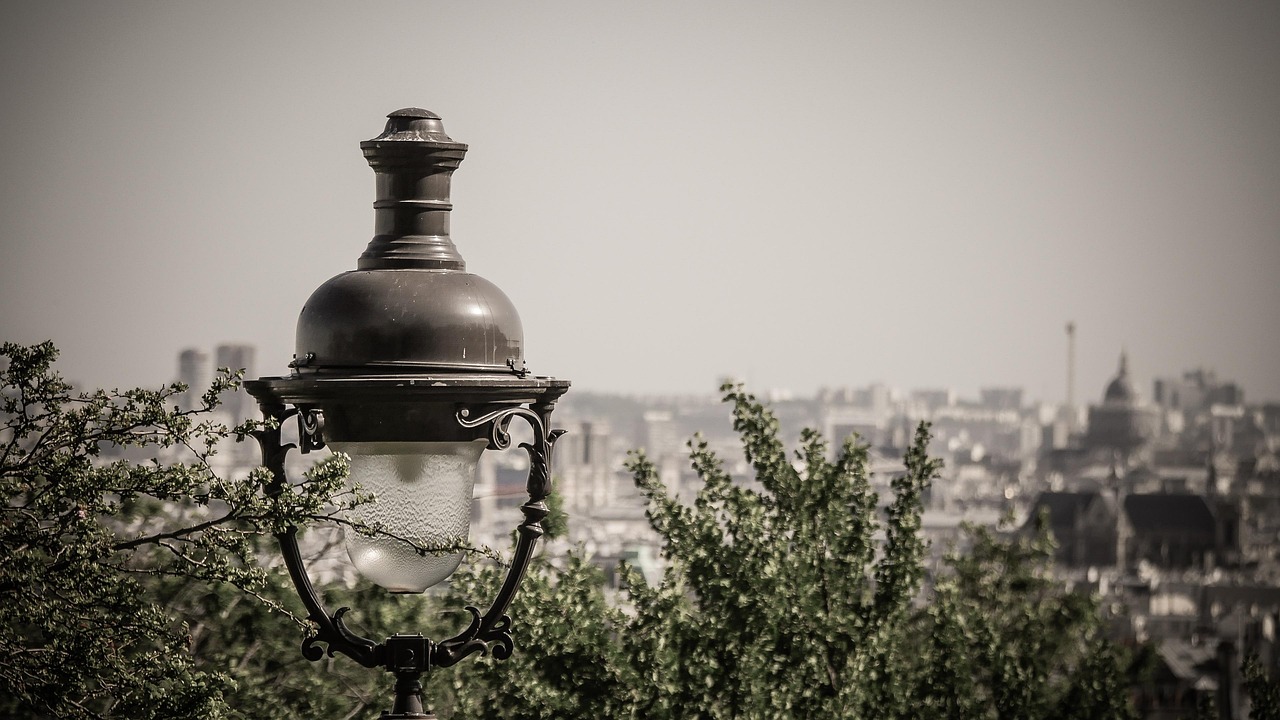
Parisian food has a few origin stories that your guide might or might not tell you. Here are the ones worth knowing.
The modern restaurant kitchen exists because of one man working at the Ritz in Paris. Auguste Escoffier, in the 1890s, invented the brigade system — the hierarchical kitchen structure with a head chef, sous chef, line cooks, and specialist stations that every professional kitchen still uses today. He also created peach Melba and Melba toast, both named after Australian opera singer Nellie Melba, who was a regular at the Ritz.
Les Halles, Paris’s central food market, operated for over 800 years on the same site before being demolished in 1971. Emile Zola called it the “belly of Paris.” For centuries, this was where every Parisian chef, restaurateur, and home cook sourced their ingredients. The market moved to Rungis (near Orly airport) and the original site became a shopping mall. Some food tours still walk past the location and explain what was lost.
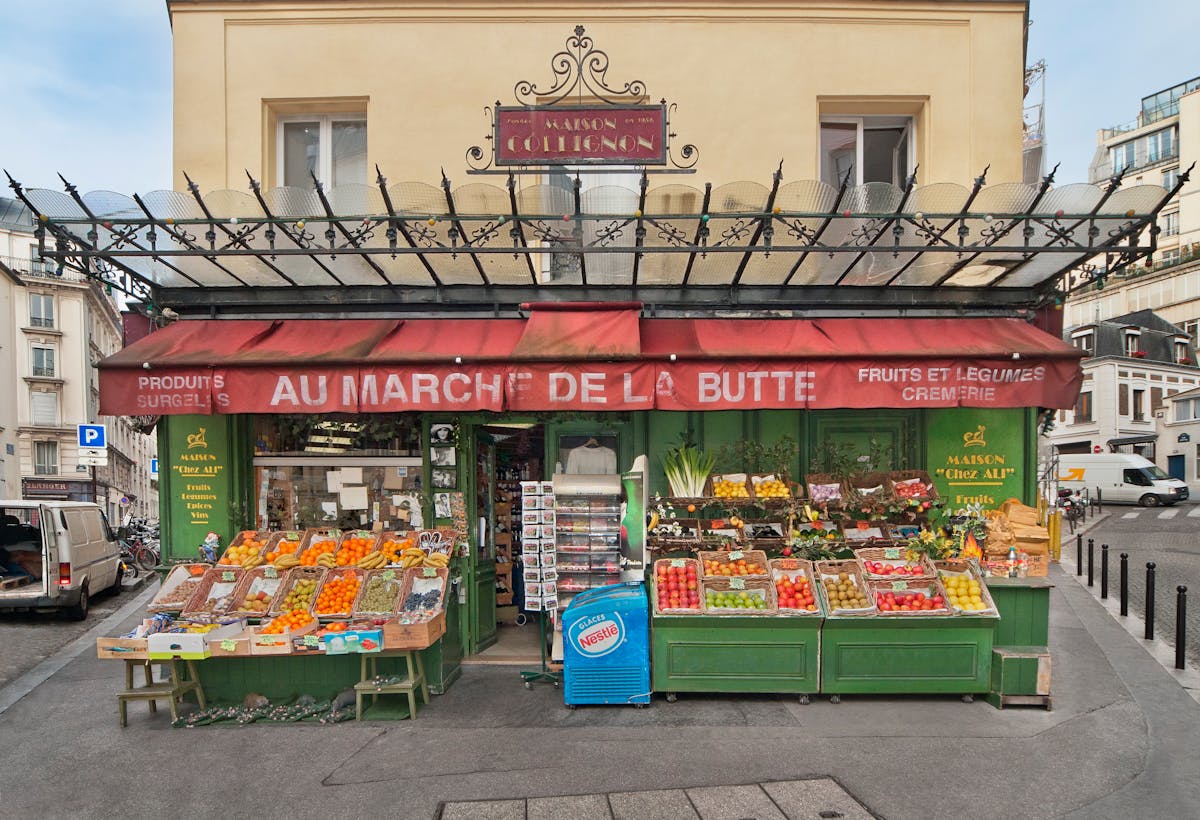
And there’s the baguette story, which every guide tells differently. The most popular version credits Napoleon, claiming he wanted bread shaped so soldiers could slide it down a trouser leg. The more likely truth is less dramatic: a 1920 French law banned bakers from working before 4am, which meant they needed loaves that baked faster. A thinner, longer shape met that requirement. Whatever the real origin, the baguette didn’t become legally protected until 1993, when France defined exactly what ingredients a “baguette de tradition” must contain.
How to Get to Your Food Tour Meeting Point
Meeting points vary by tour but here are the typical spots:
Le Marais tours usually meet near Metro Saint-Paul (Line 1) or Hotel de Ville (Lines 1, 11). From central Paris, it’s a quick Metro ride. Walking from Notre-Dame takes about 15 minutes — and Notre-Dame itself is worth a visit before or after your tour.
Montmartre tours meet near Metro Abbesses (Line 12) or Anvers (Line 2). Both stations have stairs or a funicular to reach the hilltop meeting points. Abbesses has the deepest metro staircase in Paris — 36 meters — so take the elevator if there is one. After your food tour, Montmartre is walking distance from the Moulin Rouge.
Saint-Germain tours meet near Metro Saint-Germain-des-Pres (Line 4) or Odeon (Lines 4, 10). This area is close to the Musee d’Orsay, so you can combine a morning food tour with an afternoon museum visit.
Arrive 10 minutes early. Guides won’t wait for latecomers because the bakeries and shops are expecting the group at specific times.
Tips That Will Actually Help
Skip breakfast. Seriously. Every food tour company says “come hungry” and they mean it. You’ll eat enough for two meals. A coffee beforehand is fine, but don’t have a hotel breakfast first. I made that mistake once and couldn’t enjoy the cheese course because I was still full from a mediocre hotel croissant.
Bring cash for after. You’ll want to buy things. The cheese shop will have something you loved. The wine bar will have a bottle you want to bring home. The bakery will have something you need tomorrow morning. ATMs are everywhere in Le Marais and Montmartre.
Wear comfortable shoes. These tours cover 2-3 km of walking, sometimes on cobblestones. Montmartre tours involve uphill stretches. Fashion shoes will make you miserable.
Tell your guide about allergies early. All reputable tours accommodate dietary restrictions, but they need advance notice. Gluten-free, dairy-free, and vegetarian options exist on most tours. Vegan is harder but not impossible — ask when booking.
Don’t be shy about asking questions. The guides are there to teach. Ask why that cheese is aged in a cave, why the baker uses a wood-fired oven, why natural wine looks cloudy. The best guides love detailed questions.
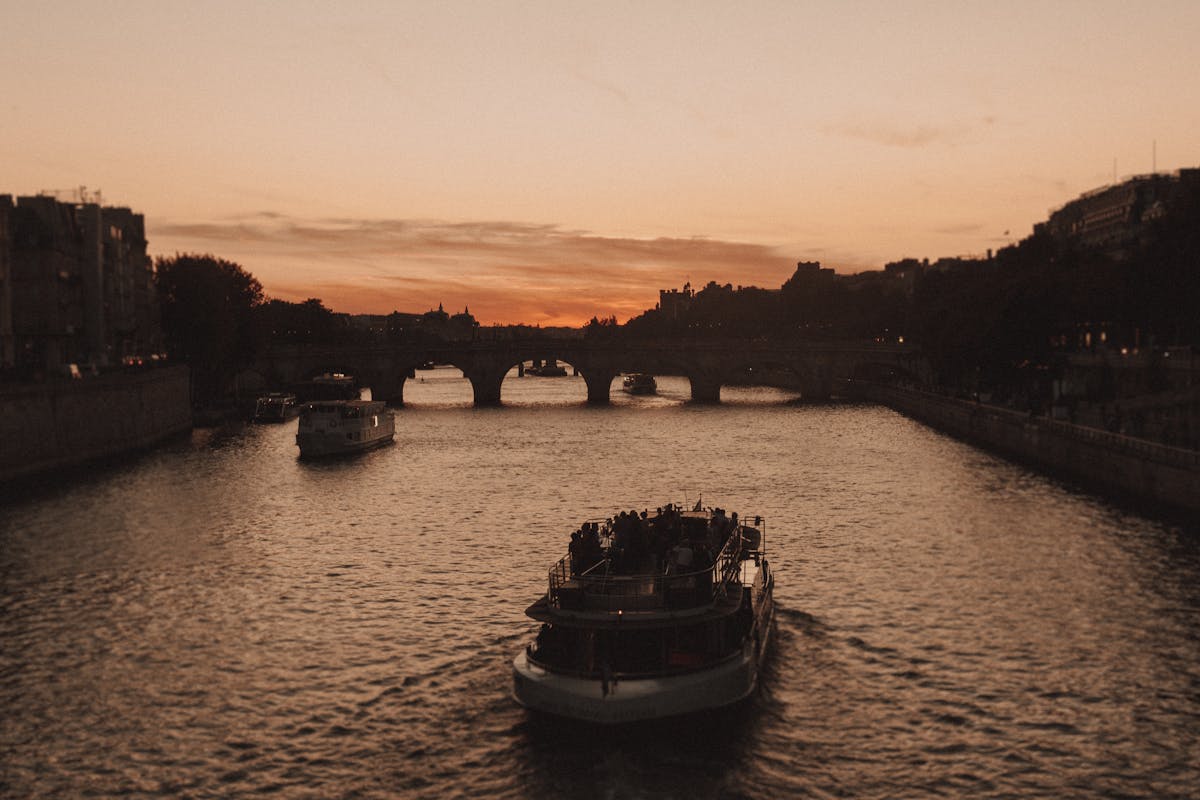
Combine with other Paris activities smartly. A morning food tour pairs perfectly with an afternoon at the Louvre — you’ll have eaten well and won’t need to stop for lunch. Or do a food tour in Le Marais and then walk to the Eiffel Tower via the Seine. Evening? A Seine river cruise caps off any food tour day perfectly.
Food Tour vs DIY: An Honest Comparison
I’ll be straight about this because some people prefer exploring alone.
A food tour is better if: You’re visiting Paris for the first time. You don’t speak French. You want to taste 8-10 things in one session without researching each shop individually. You want context and stories behind the food. You want to skip the tourist traps that look great on Instagram but serve reheated frozen croissants.
DIY is better if: You speak French confidently. You’ve been to Paris before and know the neighborhoods. You have specific shops you want to visit. You don’t like group activities. You have unlimited time and enjoy the trial-and-error of finding good food on your own.
The honest math: a food tour costs $95-145 and includes 6-10 tastings plus wine. Buying the same amount of food individually at the same shops would cost $40-60 but without any context, history, or expert guidance. You’re paying roughly $50-80 for the guide’s knowledge, the planned route, and the guaranteed quality of every stop. For most visitors, that’s worth it.
Planning the Rest of Your Paris Trip
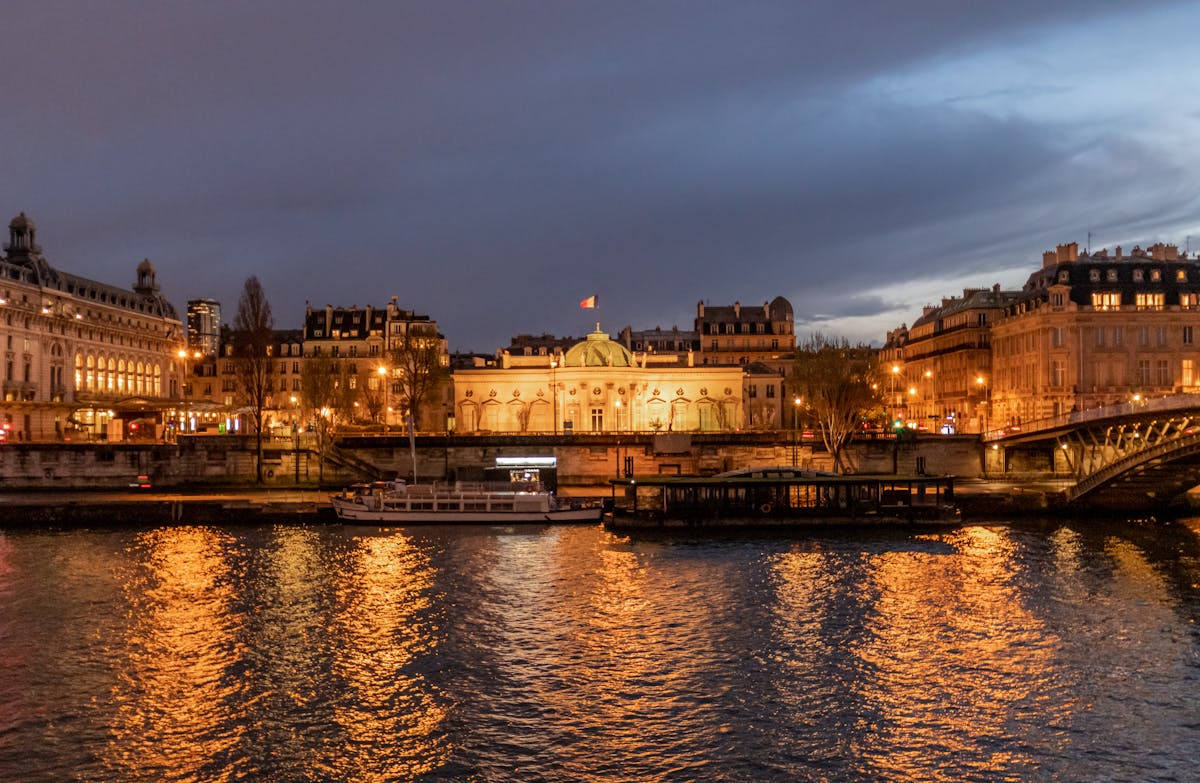
A food tour works brilliantly as a first-day activity — it orients you to a neighborhood, fills you up, and gives you a list of places to revisit later. If you’re spending a few days in Paris, the Louvre and Eiffel Tower are both manageable in the same trip. For a day outside the city, the Palace of Versailles is a straightforward train ride away. And the Seine dinner cruise is worth booking for your last evening — it’s the most relaxed way to say goodbye to the city. If you’re into art beyond the Louvre, the Musee d’Orsay is a 20-minute walk from Saint-Germain and pairs well with a food tour morning in that neighborhood.
This article contains affiliate links. If you book a tour through our links, we earn a small commission at no extra cost to you. This helps us keep writing honest, detailed travel guides.