
I was standing at the corner of Rue des Rosiers and Rue Pavée, trying to read a hand-painted sign on a falafel shop, when our guide pointed up at a stone lintel above a doorway. A Hebrew inscription from the 1600s. Four centuries of history carved into a building that most people walk past without a second glance.
That’s what a good walking tour of Paris does. It forces you to look up, look down, and actually see the city instead of just photographing it.
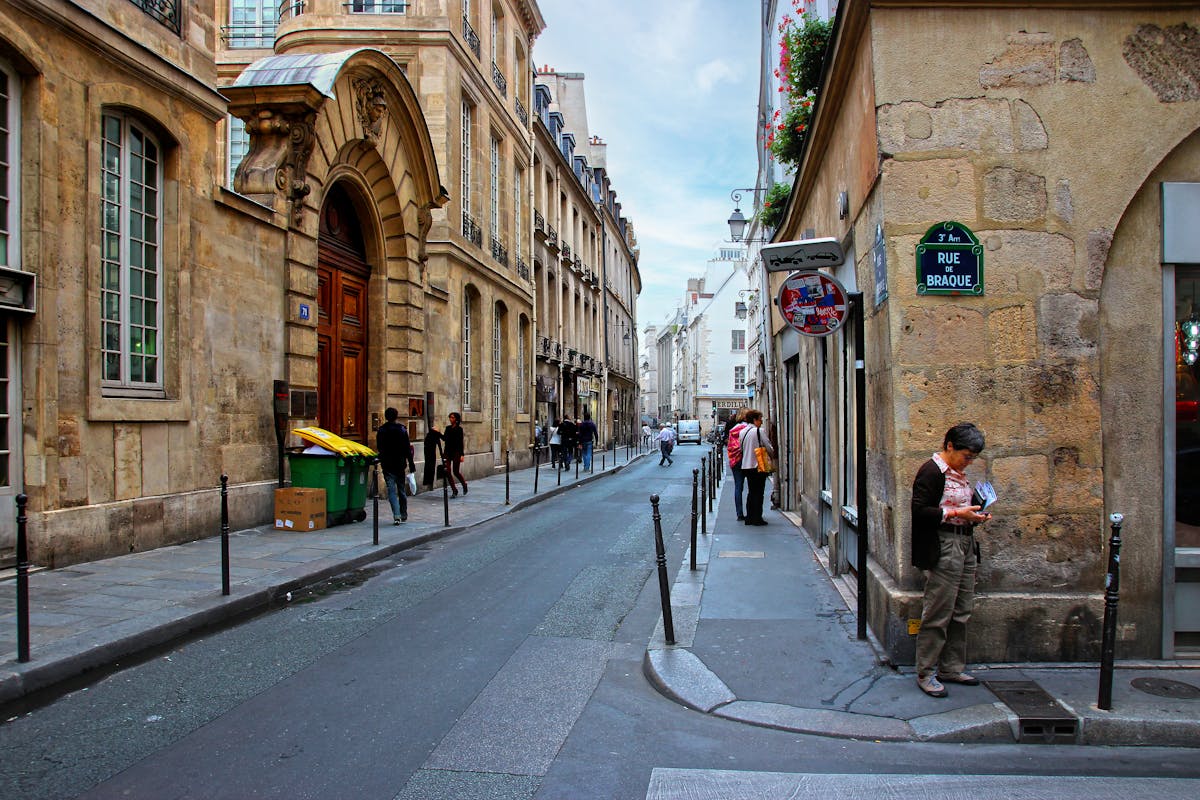
Paris has something like 450 walking tours on the major booking platforms. Most cover the same ground — Eiffel Tower, Notre-Dame, a few bridges, some pointing at buildings. But the ones worth paying for go deeper. They take you through passages that aren’t on Google Maps, into courtyards that look private but aren’t, and through neighbourhoods where the medieval street grid survived Baron Haussmann’s wrecking ball.
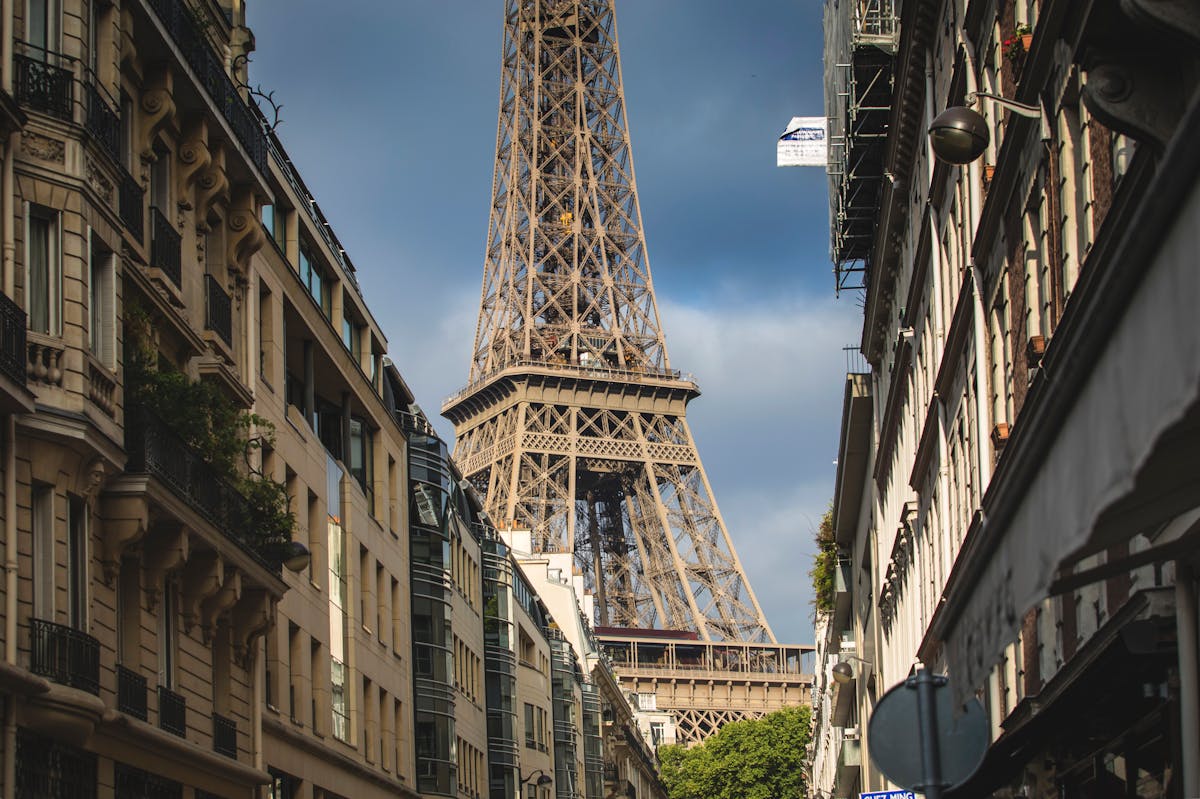
I’ve done half a dozen walking tours across different Paris neighbourhoods. Some were forgettable. A couple completely changed how I see the city. Here’s how to pick the right one and not waste three hours following someone with an umbrella through crowds.
Best overall: Paris Top Sights Half Day Walking Tour — $76. Covers 30+ landmarks in 4-5 hours with a guide who actually keeps you entertained. Worth every cent for first-timers.
Best budget: Paris Free Walking Tour (Tip-Based) — Free (tip what you want). Solid 2-hour overview of the city centre. You’ll tip more than you planned because the guides earn it.
Best for depth: Old Town & Latin Quarter Tour — $41. Small group, 2.5 hours through the oldest parts of Paris. The neighbourhood focus means you actually learn something instead of just ticking off landmarks.
- Free Walking vs. Paid Tours: What You’re Actually Getting
- How to Book (And What Most People Get Wrong)
- The Paris Walking Tour You Can Do For Free (By Yourself)
- The History That Makes Paris Walking Tours Worth It
- The 5 Best Walking Tours to Book
- 1. Paris Top Sights Half Day Walking Tour —
- 2. Paris Free Walking Tour (Tip-Based) — Free
- 3. Paris Uncovered: Unique Guided Walking Tours with a Twist —
- 4. Paris: Old Town & Latin Quarter Walking Tour —
- 5. Paris: Private Walking Tour with a Local —
- When to Walk (And When to Stay Inside)
- Getting There and Getting Around
- What to Wear and Bring
- Tips That Will Save You Time (And Money)
- Planning the Rest of Your Trip
Free Walking vs. Paid Tours: What You’re Actually Getting
Let’s get this out of the way: free walking tours aren’t really free. They’re tip-based. You show up, walk for two hours, and pay what you think it was worth at the end. Most people drop between 10 and 20 euros per person, which makes them cheaper than paid tours but not actually free.
The model works surprisingly well in Paris. Guides on tip-based tours tend to be theatrical, funny, and energetic — they’re performing for their paycheck. The trade-off is that groups are larger (20-30 people is common) and the route sticks to major landmarks because the guide needs to keep everyone engaged.
Paid tours, on the other hand, run smaller groups (usually 8-15 people), go to less obvious places, and the guide doesn’t have to be an entertainer — they can be a proper historian or art expert instead. You’re paying for access to their knowledge, not their stand-up routine.
My take: Do a free walking tour on your first day to get oriented. Then book a paid neighbourhood-specific tour (Latin Quarter, Le Marais, or Montmartre) for day two or three, once you have your bearings.
How to Book (And What Most People Get Wrong)
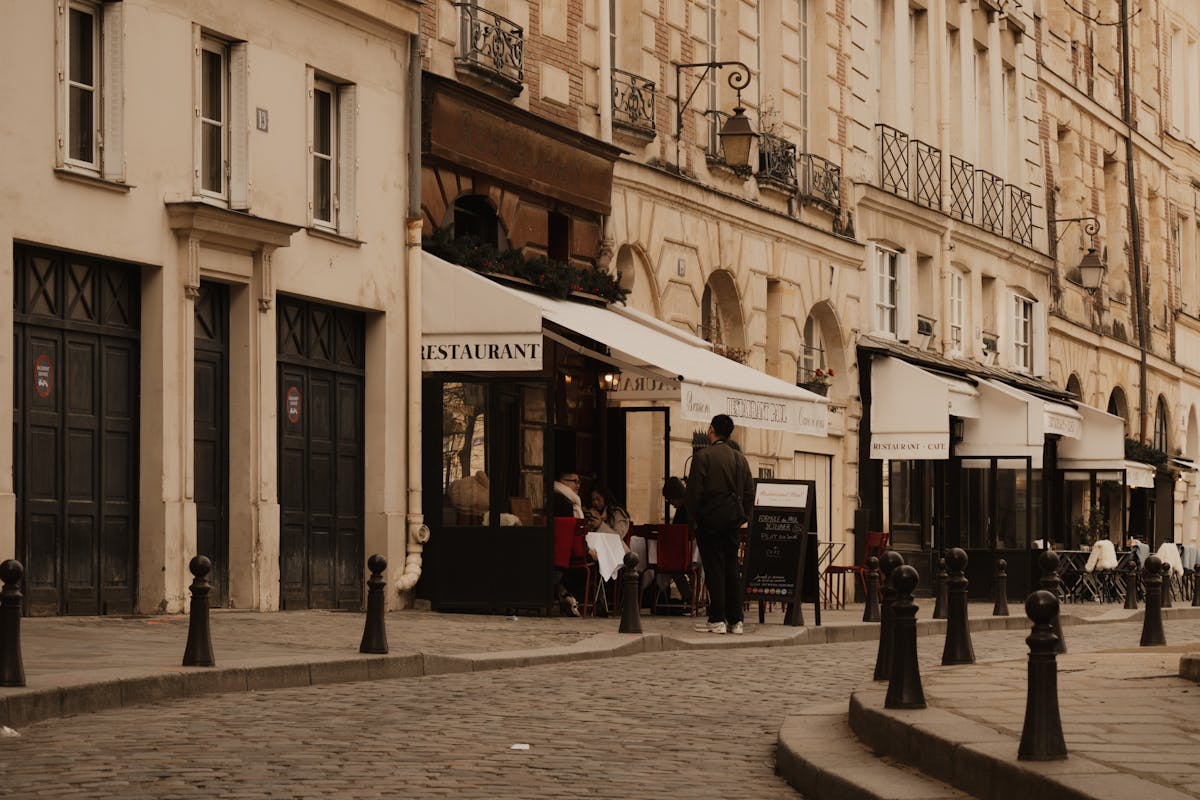
Booking itself is straightforward. The two main platforms are GetYourGuide and Viator. Both list hundreds of Paris walking tours, and many of the same tours appear on both sites (the tour operators list everywhere). Prices are usually identical across platforms.
Here’s what people mess up:
They book the wrong day. Monday and Tuesday are the worst days for walking tours that include any museum context because the Louvre closes Tuesdays and most national museums close Mondays. Your guide will be gesturing at locked doors. Book for Wednesday through Sunday.
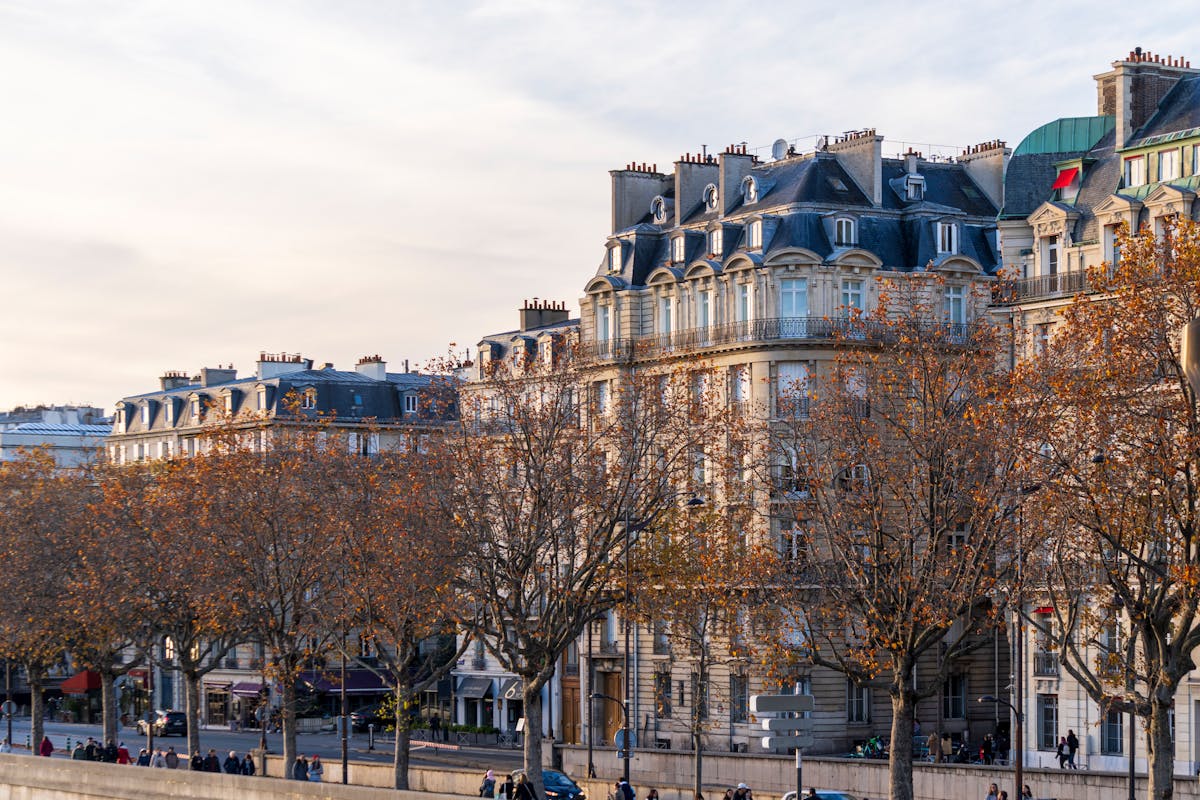
They book the wrong time. Morning tours (9-10am start) are best for avoiding crowds at major sights. Afternoon tours are better for photography — the light on Haussmann’s limestone facades goes golden around 4pm and it’s genuinely stunning. Evening tours are atmospheric but you won’t see architectural details.
They don’t check the group size. A “walking tour” with 25 people is closer to a parade. If you want to hear the guide without straining, look for tours capped at 15 or fewer. Private tours for 2-6 people cost more but the experience is incomparably better.
They skip the cancellation policy. Paris weather is unpredictable. Most tours on GetYourGuide and Viator offer free cancellation 24 hours before. Check this before you book, because a walking tour in driving rain is miserable and you’ll want the option to reschedule.
The Paris Walking Tour You Can Do For Free (By Yourself)
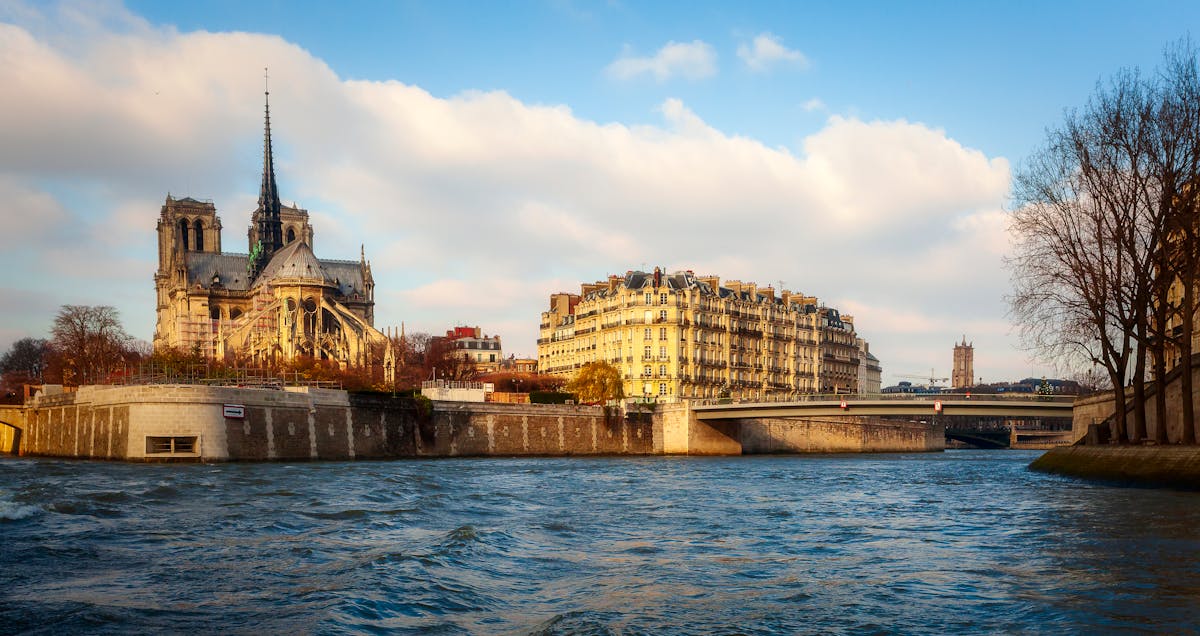
Before spending money, know this: Paris is one of the most walkable cities in Europe, and you can cover a lot of ground on your own if you have a decent route.
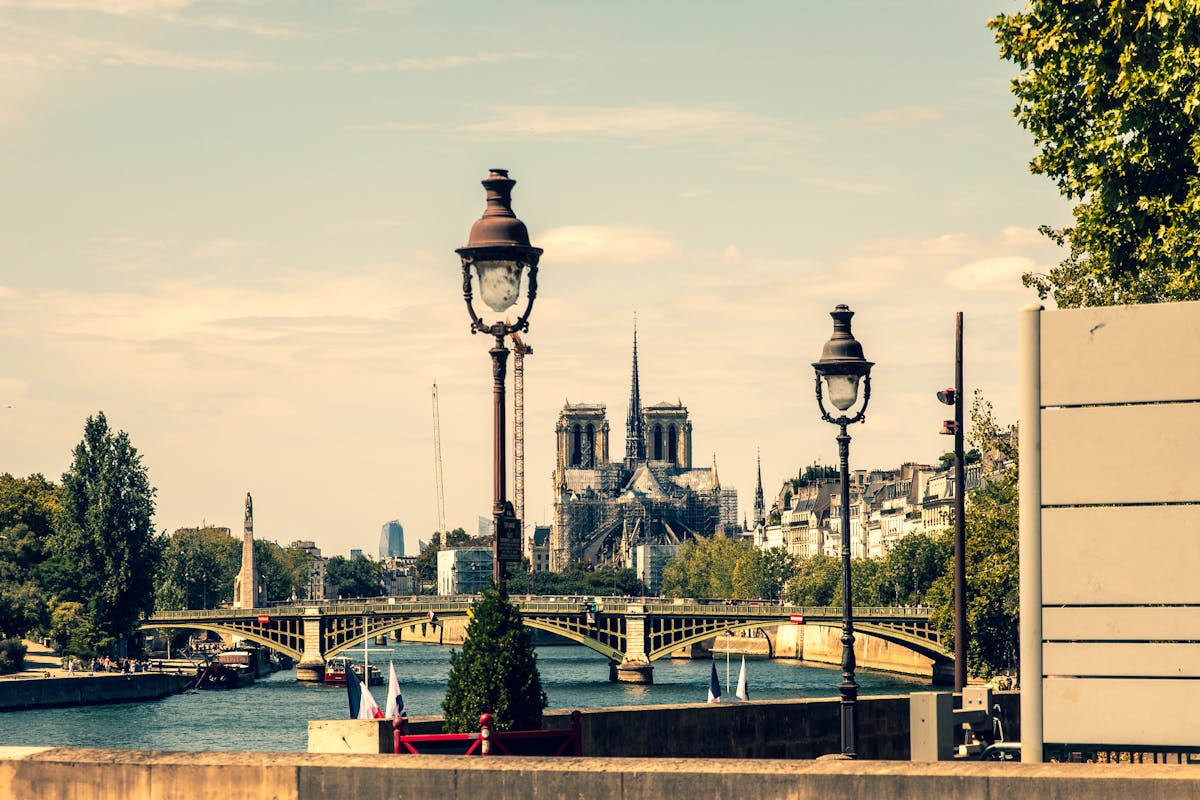
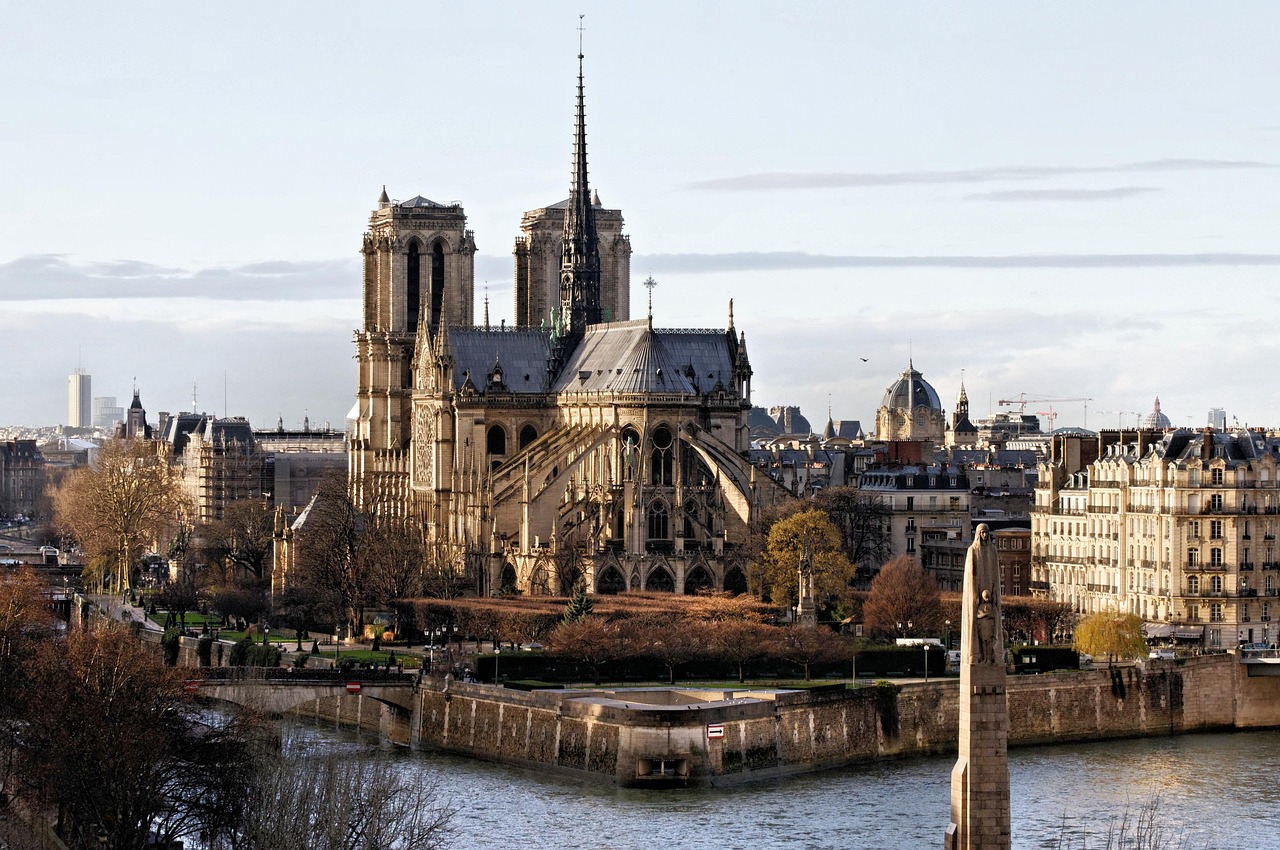
Start on the Ile de la Cite — the island in the Seine where Paris was born as the Roman settlement of Lutetia. Notre-Dame Cathedral sits on the eastern half, and Sainte-Chapelle (with its floor-to-ceiling medieval stained glass) is on the western half. The Conciergerie next door is where Marie Antoinette spent her final days before the guillotine.
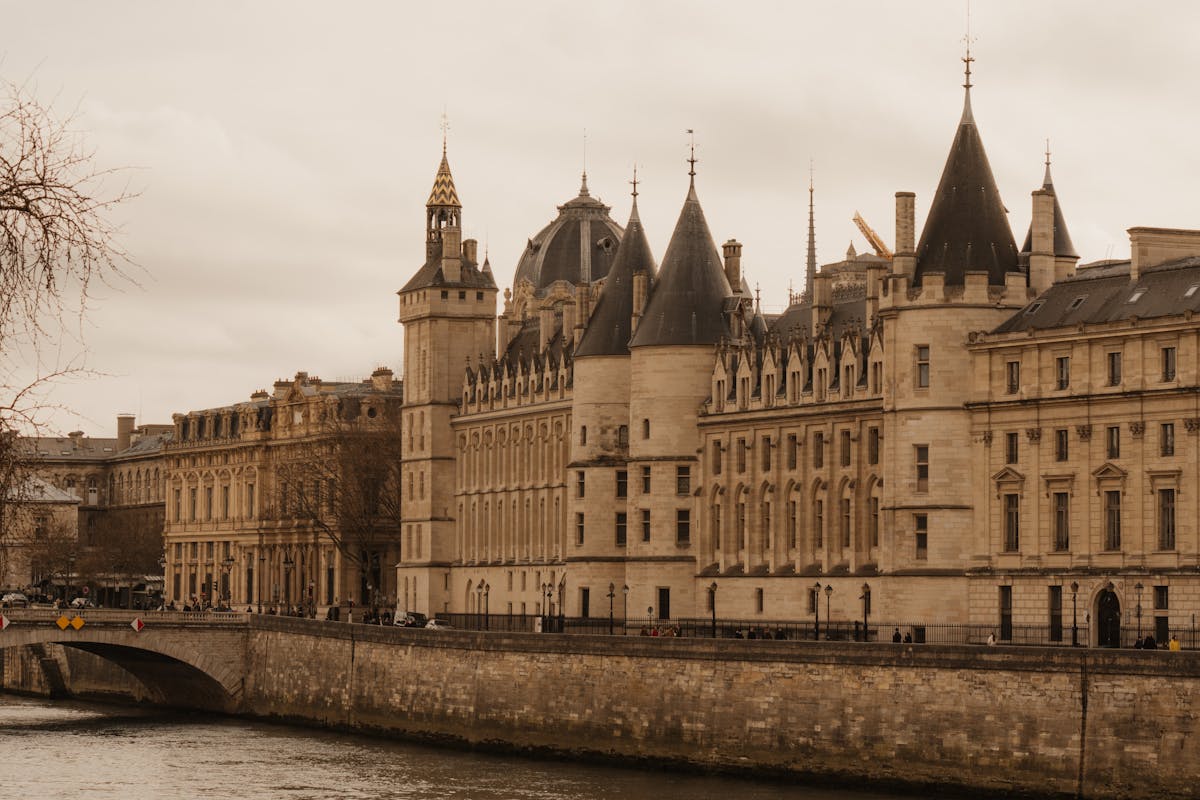
Cross the Pont Saint-Michel to the Left Bank and you’re in the Latin Quarter. The name comes from the language students at the Sorbonne used to speak — the university was founded in 1257 and anchored this side of the river as the intellectual quarter of Paris. The Right Bank got commerce and power (the Louvre, the Palais Royal). The Left Bank got philosophy, wine, and arguments. Not much has changed.
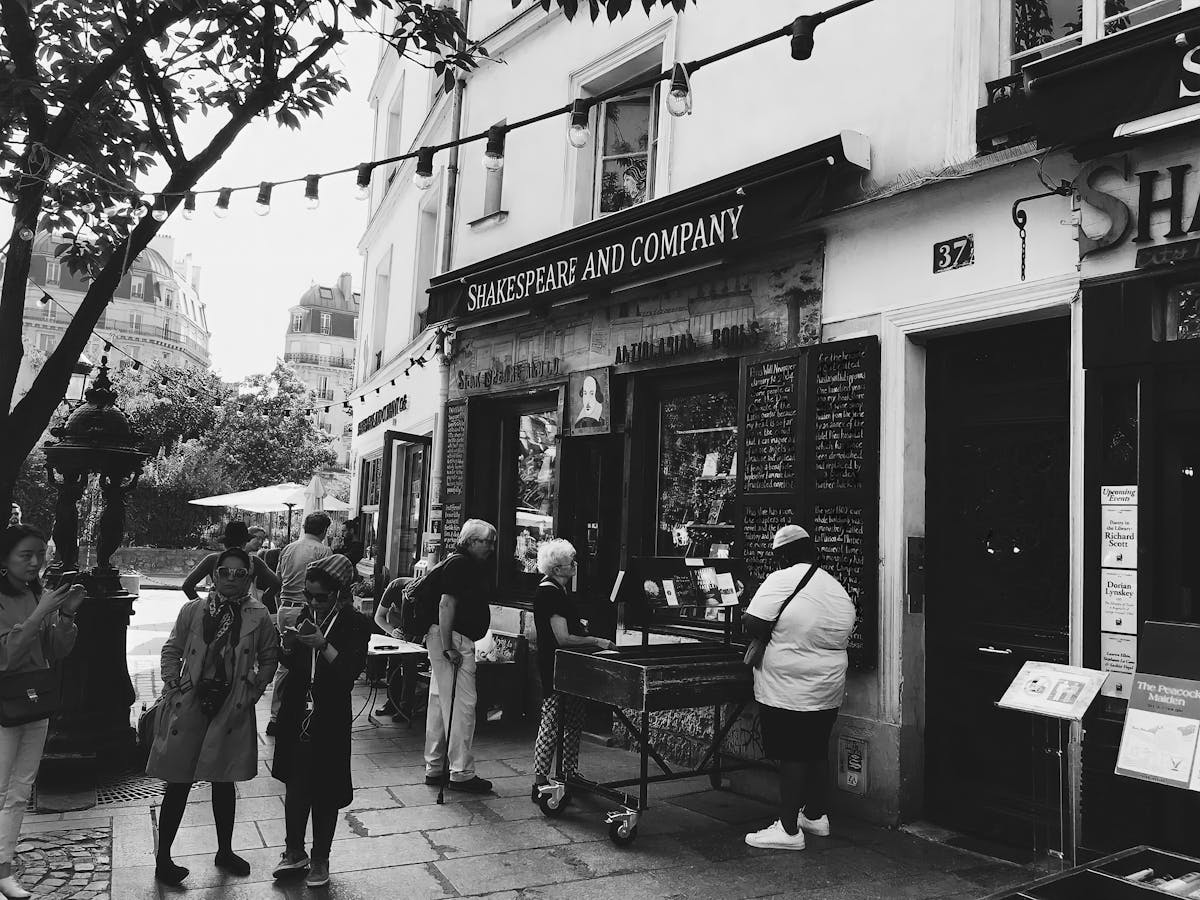
Walk south along Rue de la Harpe and Rue Saint-Séverin for a taste of the narrow medieval street grid that Haussmann wiped out everywhere else. Then cut over to Shakespeare and Company, the famous English-language bookshop on the Seine. It’s touristy, yes, but the upstairs reading room is genuinely lovely and the back shelves have books you won’t find in any chain.
Cross back to the Right Bank via Pont des Arts (the former love-lock bridge — they removed the locks in 2015 after the railing started buckling from the weight). Walk into Le Marais through Rue des Francs-Bourgeois. This neighbourhood survived Haussmann’s demolition campaign because it was already full of grand aristocratic mansions — called hotels particuliers — from the 1600s. Haussmann left it alone, which is why it’s the best-preserved medieval area in central Paris today.
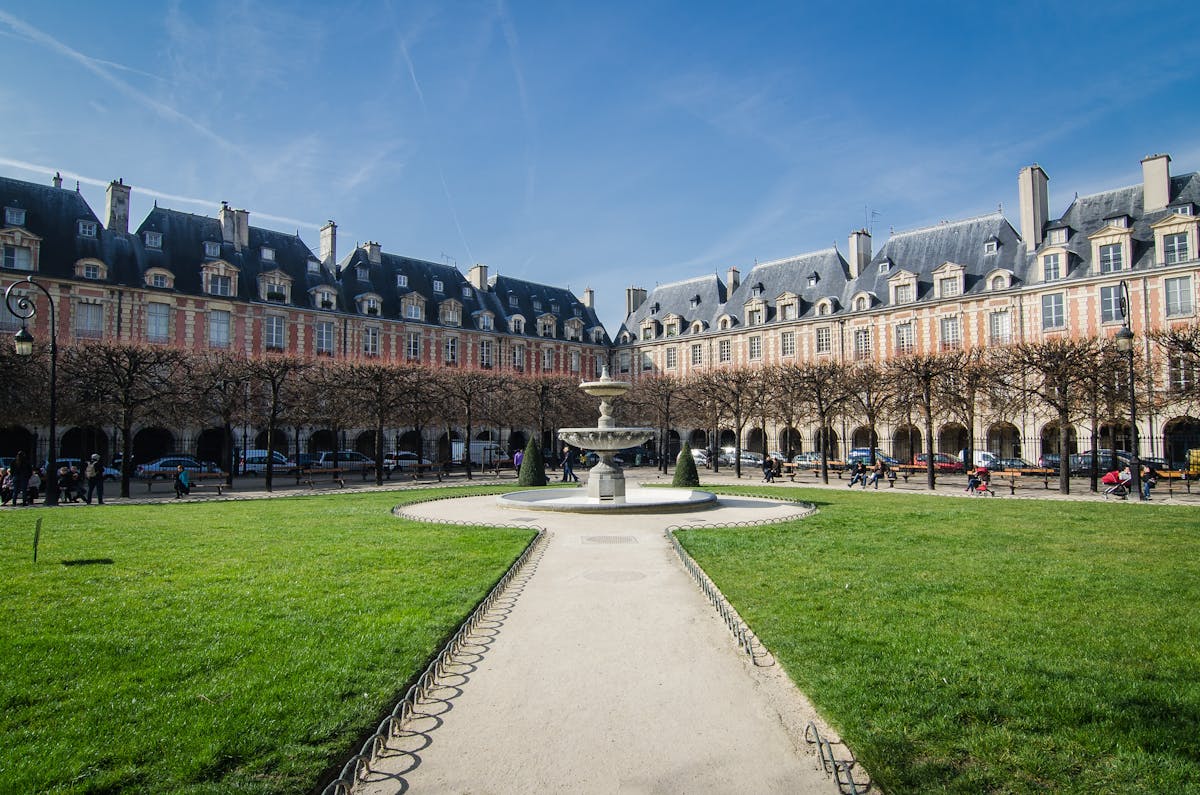
End at Place des Vosges, the oldest planned square in Paris (1612). Henri IV commissioned it, but never saw it finished. The red brick arcades and perfectly symmetrical layout were revolutionary at the time. Victor Hugo lived at number 6 — his apartment is now a free museum.
That route covers about 5 kilometres and takes 2-3 hours at a comfortable pace. Add it to Google Maps on your phone and you’ve got yourself a free self-guided tour.
The History That Makes Paris Walking Tours Worth It
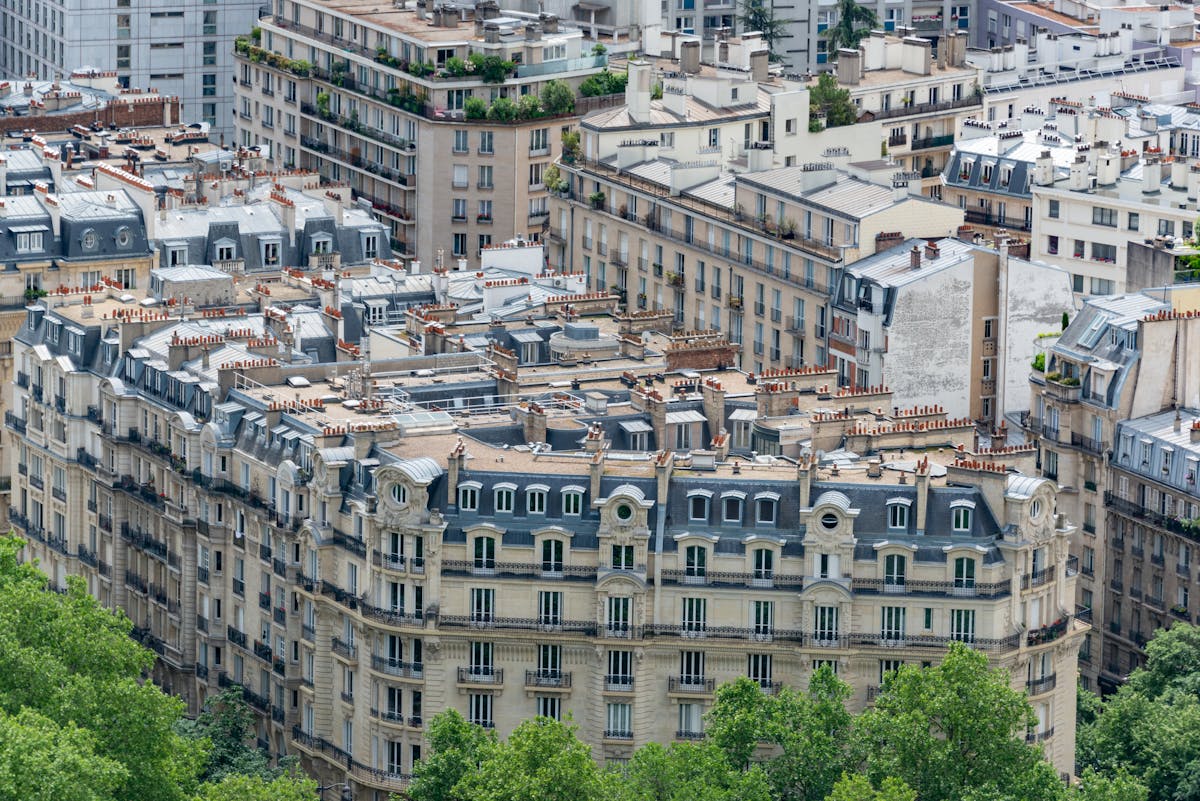
The real value of a guided tour over a self-guided walk is the stories. And Paris has better stories than almost any city on earth.
Baron Haussmann’s demolition project. Between 1853 and 1870, Haussmann destroyed 20,000 medieval buildings in Paris. Twenty thousand. Napoleon III gave him the job of modernising the city, and he took it to an extreme no one expected. He ripped out the tangled medieval streets — some so narrow two people couldn’t pass — and replaced them with the wide boulevards, uniform limestone facades, and zinc rooftops that define Paris today. It was the most radical urban transformation in European history. Not everyone was impressed. Victor Hugo watched the destruction of the medieval Paris he loved and channelled his grief into writing about the old city in his novels.
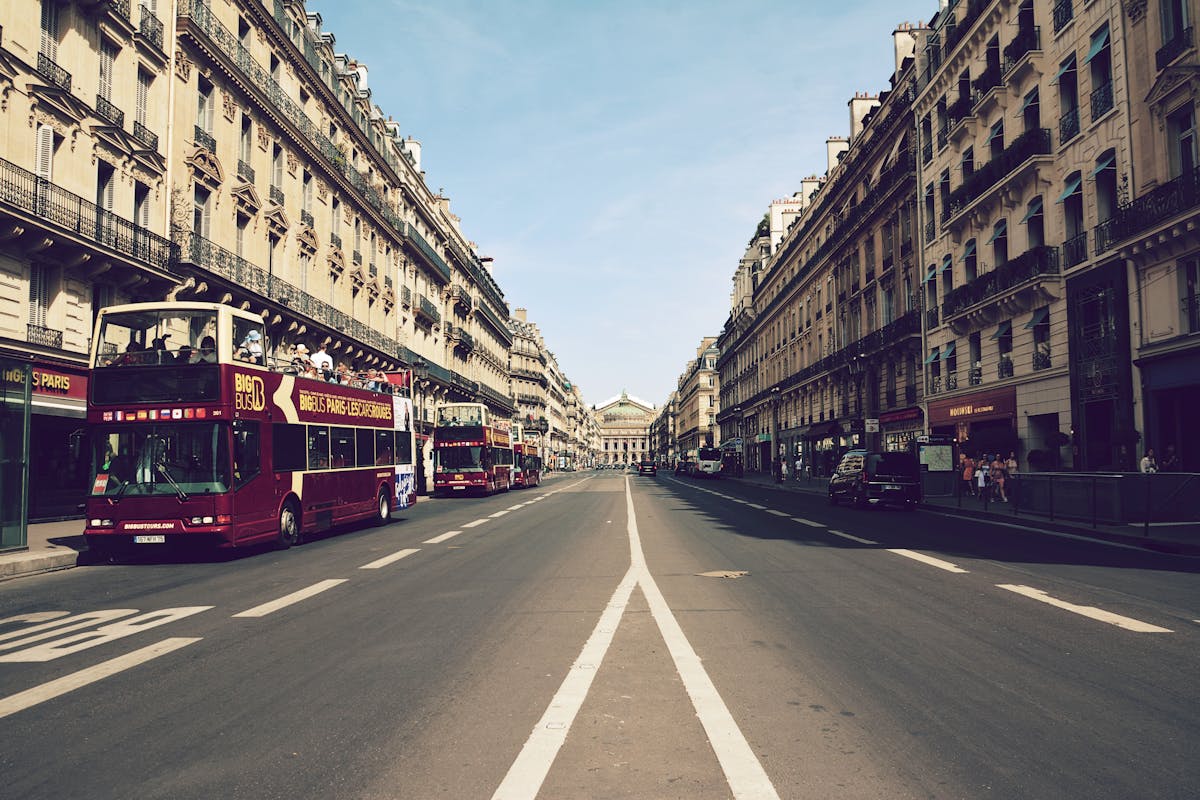
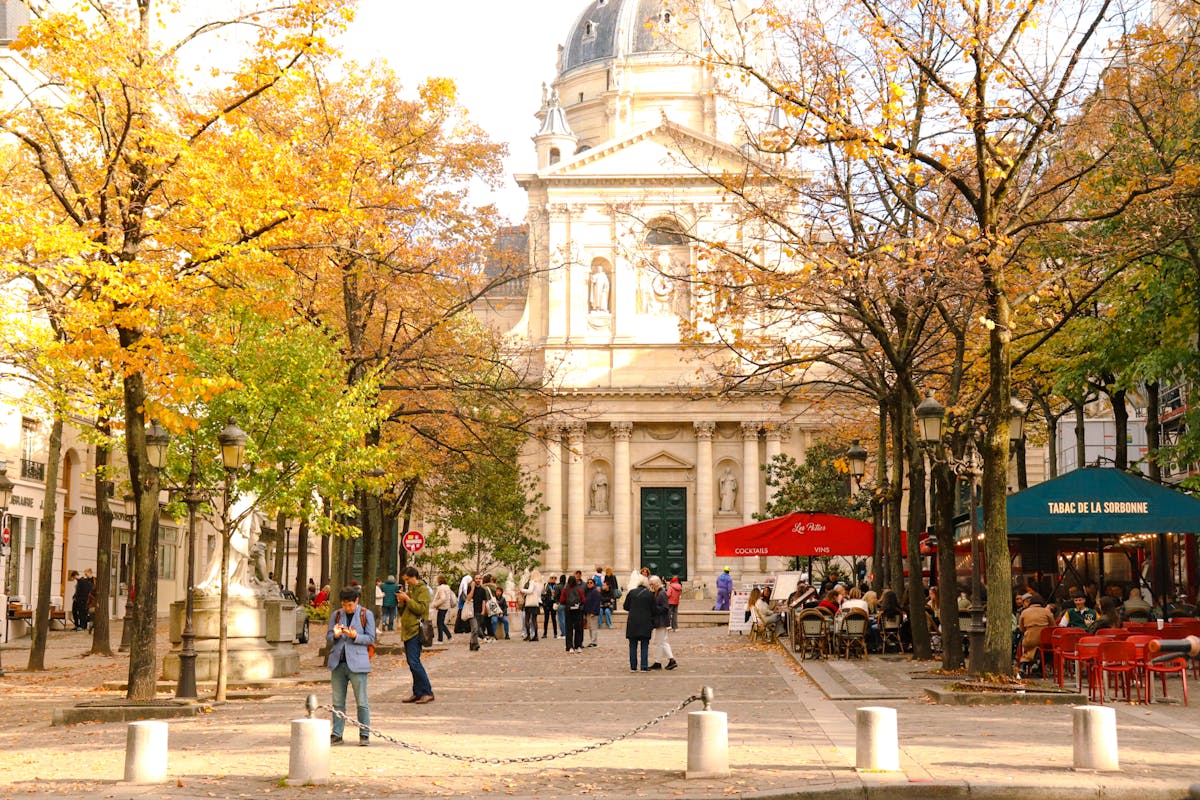
The Left Bank vs Right Bank divide. This isn’t just geography. The Sorbonne (1257) turned the Left Bank into an intellectual hotbed — students, writers, philosophers. The Right Bank became the seat of political and commercial power with the Louvre palace and later the stock exchange. Walk from the 5th arrondissement to the 1st and you’ll feel the shift even today. The cafes change. The clothing changes. The energy changes. A good guide will make you see it.
Le Marais: the neighbourhood that survived. When Haussmann’s crews were tearing through Paris, they reached Le Marais and stopped. The aristocratic mansions were too grand, too politically connected to demolish. So while the rest of central Paris was rebuilt, Le Marais kept its 16th and 17th-century buildings, its winding streets, its courtyards behind heavy wooden doors. It’s a time capsule. Walking through it with someone who knows the history of each building is a completely different experience from walking through it alone.
Ile de la Cite: 2,000 years on a tiny island. The Romans called it Lutetia when they settled here. Notre-Dame, the Conciergerie, Sainte-Chapelle — 2,000 years of history packed into a few hundred metres. Walking across Pont Neuf (the “New Bridge” that’s actually the oldest bridge in Paris, built 1607) with a guide who can point out where public executions happened, where the flower market has operated since the Middle Ages, and where the Templars were burned — that’s worth paying for.
The 5 Best Walking Tours to Book
Here are the tours I’d recommend, ranked by value and reviewed based on what actual visitors experience. I’ve looked at hundreds of reviews for each one and picked the tours that consistently deliver.
1. Paris Top Sights Half Day Walking Tour — $76
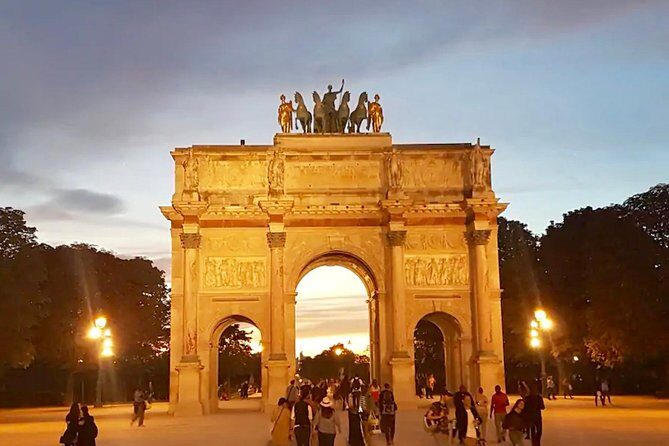
This is the one for first-timers who want to see everything and don’t have a week. 4-5 hours covering 30+ major landmarks with a guide who genuinely seems to enjoy the job. What sets it apart from the typical “see 20 sights” sprint tours is the pacing — you actually stop at places long enough to understand what you’re looking at.
At $76 per person, it’s not cheap. But divide that by the hours of coverage and the sheer ground you cover, and it works out to better value than two separate shorter tours. The guides run through the major neighbourhoods — Right Bank, Left Bank, islands — so you leave with a mental map of how Paris fits together. That’s worth more than any individual landmark.
2. Paris Free Walking Tour (Tip-Based) — Free
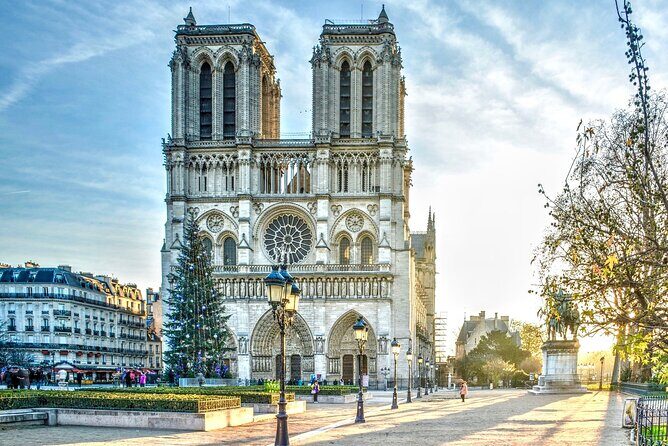
The smartest way to spend your first morning in Paris. It’s technically free — you pay what you feel the tour was worth at the end. Most people tip 10-20 euros, which makes this the best value walking tour in the city by a wide margin. The 2-hour, 15-minute format is long enough to be useful but short enough that your feet aren’t screaming by the end.
The catch? Groups are bigger than paid tours, and you’re covering the central highlights rather than going deep into any one neighbourhood. Think of it as the trailer — it shows you what’s out there so you can decide what deserves a return visit. For budget travellers, pairing this free tour with a self-guided walk through Le Marais gives you a solid day of sightseeing for basically nothing.
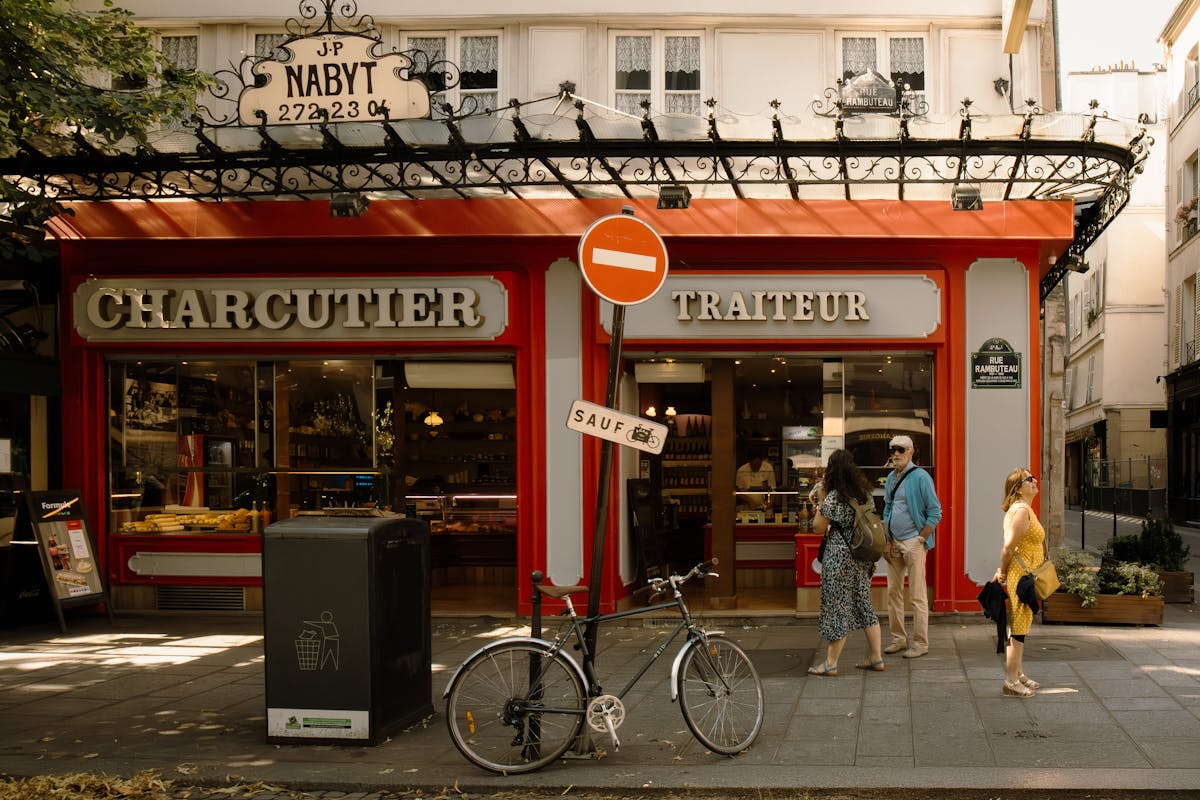
3. Paris Uncovered: Unique Guided Walking Tours with a Twist — $47
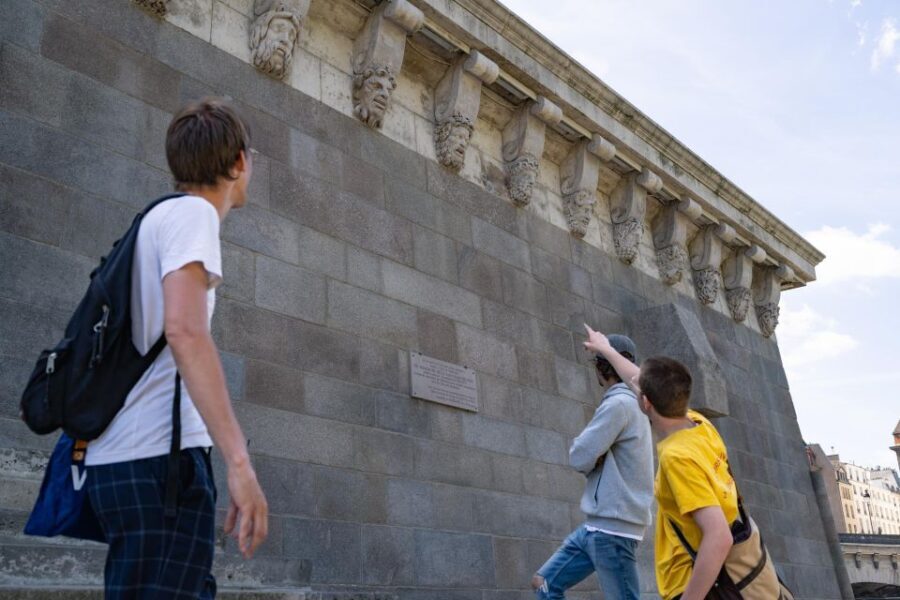
This is for people who’ve done the highlights and want something different. The tour covers neighbourhoods like Le Marais, the Latin Quarter, and Montmartre through the eyes of local expert guides who clearly love the odd corners of Paris. At $47 per person, it sits in the mid-range sweet spot — more personal than a free tour, less investment than a private guide.
What I like about this one is the neighbourhood focus. Instead of sprinting across the entire city, you spend your time in one area and actually get to know it. The guides share personal stories about street art, food spots, and architectural oddities that you’d walk past a hundred times without noticing. If you’ve already done a general overview tour, this is the logical next step.
4. Paris: Old Town & Latin Quarter Walking Tour — $41
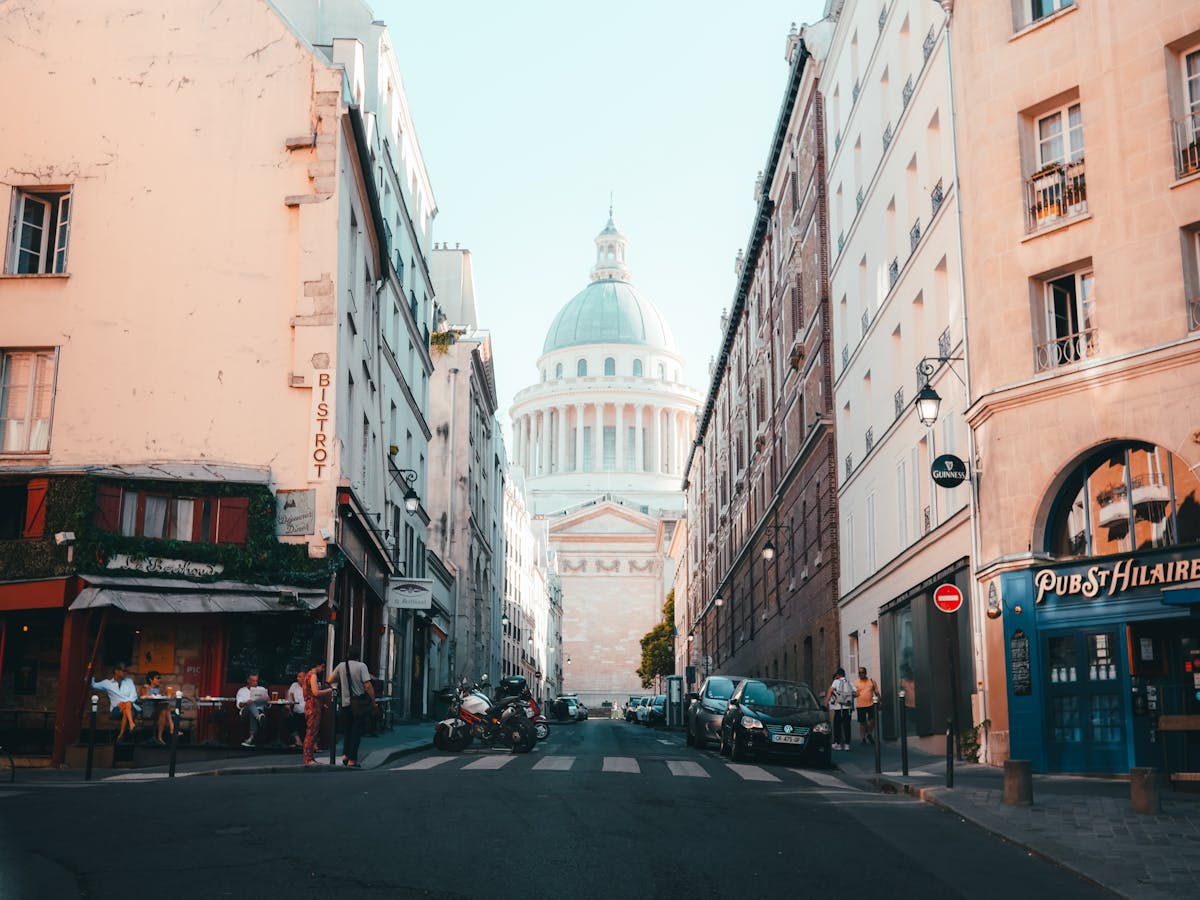
This is the one I’d recommend for history lovers who care more about understanding Paris than photographing it. $41 per person for 2.5 hours through the oldest parts of the city — the medieval streets, the university quarter, the sites where Paris was genuinely born. Small group sizes mean you can actually ask questions and get real answers, not scripted responses.
The guides on this route know their Parisian history properly. You’ll get the medieval context that explains why the streets look the way they do, why certain buildings survived and others didn’t, and how the student uprisings of 1968 shaped the neighbourhood you’re walking through. It pairs perfectly with a visit to Sainte-Chapelle or the Notre-Dame area afterwards.
5. Paris: Private Walking Tour with a Local — $64
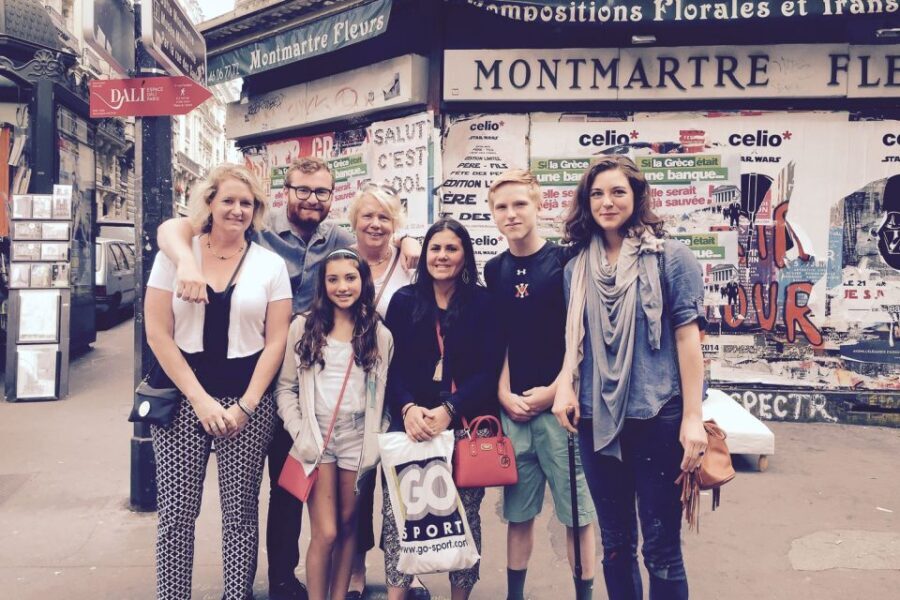
If you’re willing to spend a bit more for a completely different calibre of experience, this is the one. $64 per person gets you a private local guide for 2-6 hours — you pick the duration and they build the route around your interests. Want to focus on food neighbourhoods? Art Nouveau architecture? Revolutionary history? They’ll design it for you.
The private format is particularly good for families with kids (the guide adjusts the pace), couples on honeymoons (the guide knows all the romantic corners), or anyone who just finds big group tours annoying. One visitor described how their guide spent the first hour teaching them to navigate the Metro so they could get around independently for the rest of their trip. That’s the kind of practical value a group tour can’t offer. It’s the priciest option on this list, but per-hour it’s not outrageous.
When to Walk (And When to Stay Inside)
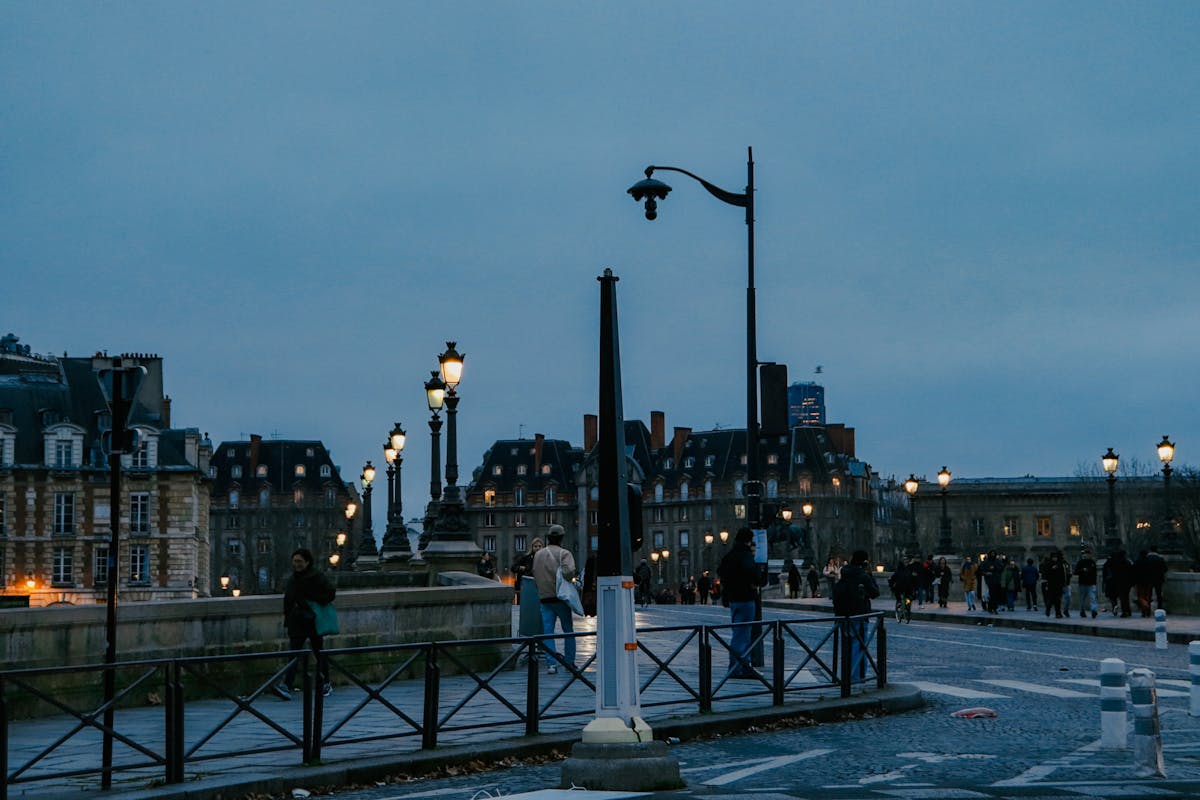
Paris is walkable year-round, but some months are significantly better than others.
April through June is the sweet spot. Temperatures sit between 12-22 degrees, the days are long, and the spring light makes everything look like a postcard. The gardens along the Seine are in full bloom and you can walk comfortably for hours without overheating or freezing.
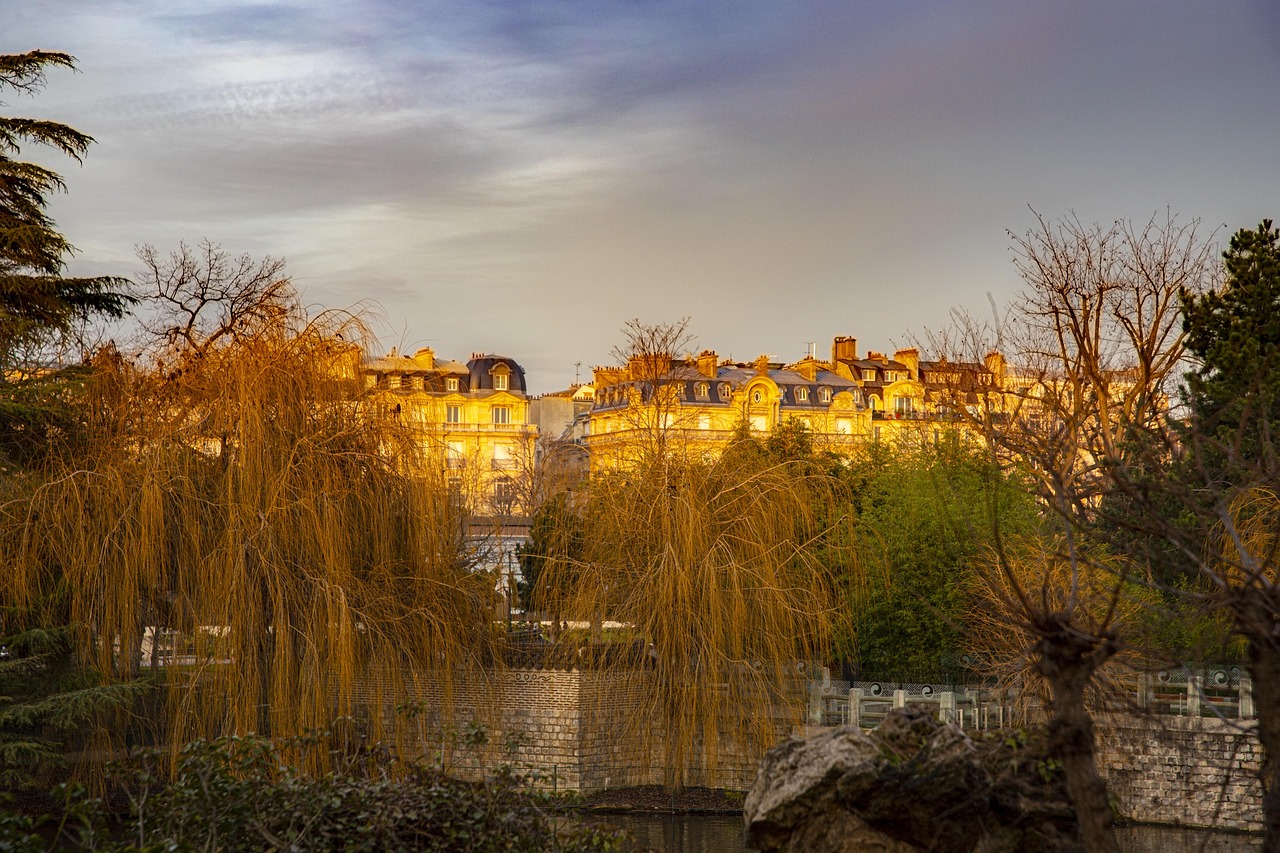
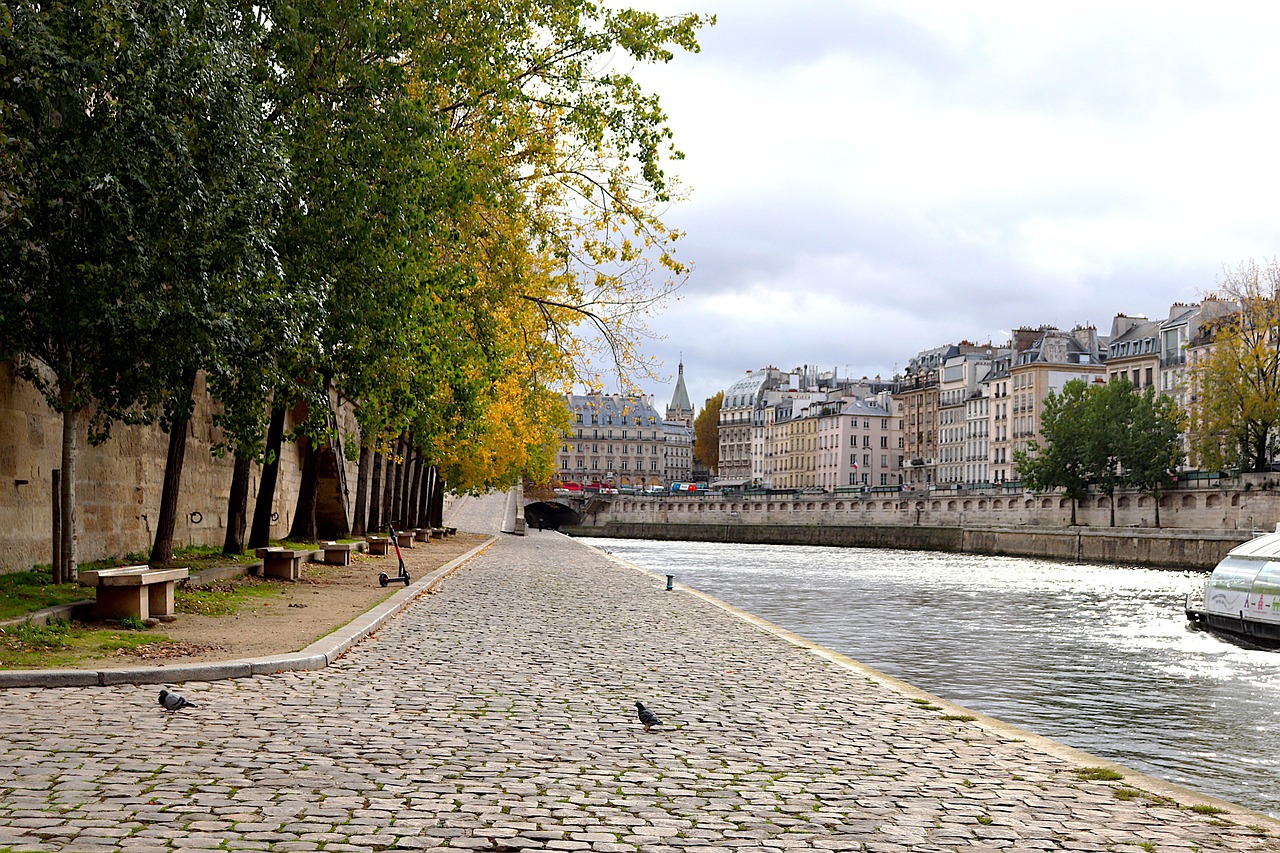
September and October are equally good, arguably better. The summer tourist crush fades, the chestnut trees turn gold, and the light goes warm and soft. This is when serious photographers visit Paris, and it’s when walking tours feel the most atmospheric.
July and August are rough. Temperatures regularly hit 35 degrees and the shade is limited on Haussmann’s wide boulevards (he designed them for military movement, not pedestrian comfort). Morning tours before 10am work. Afternoon tours are a test of endurance.
Winter (November-February) can be great if you dress for it. Fewer travelers, moody skies, and the Christmas markets around the Champs-Elysees add a layer of atmosphere. But daylight hours are short (sunset around 5pm in December) and rain is common. Book morning tours and have an indoor backup plan.
Getting There and Getting Around
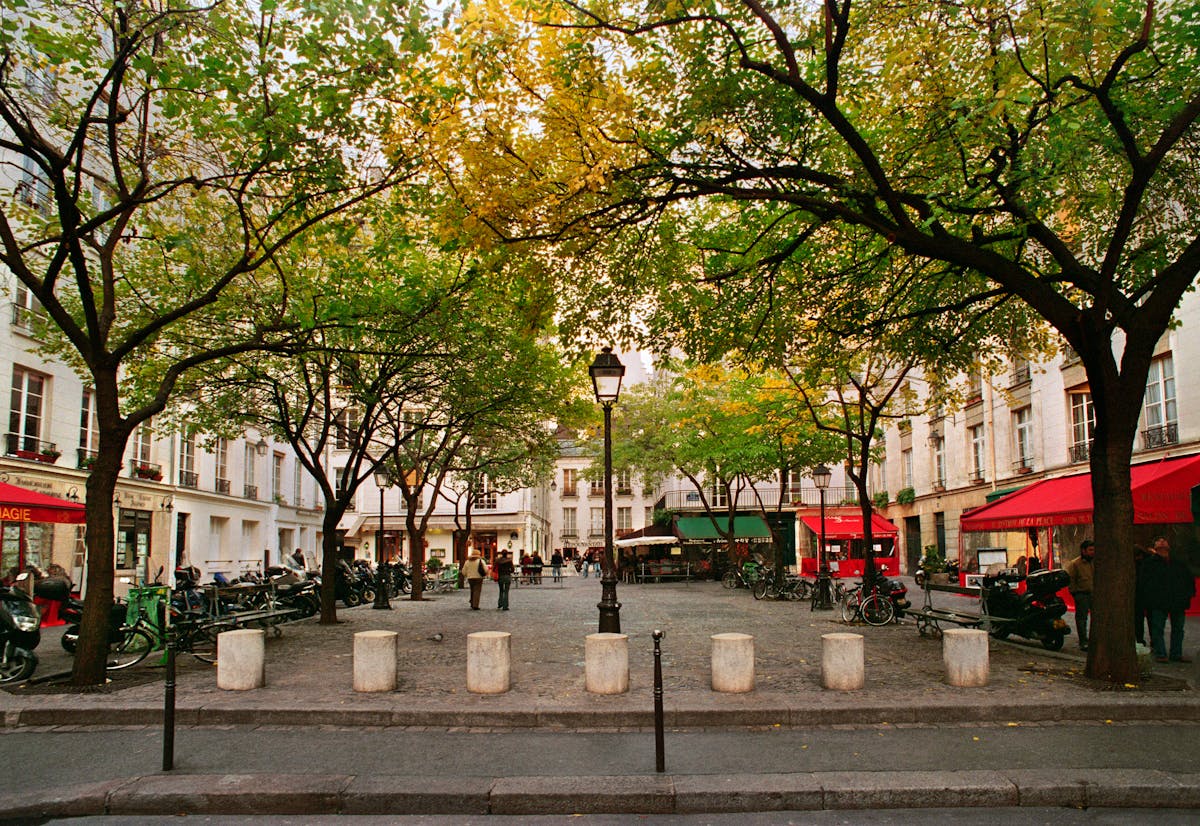
Most walking tours start at a central landmark — typically the Louvre pyramid, the Pont Neuf, or Notre-Dame. All three are easily reachable by Metro.
For the Louvre area: Metro Line 1 to Palais Royal – Musee du Louvre. You’ll surface right next to the glass pyramid. This is the starting point for most Right Bank tours.
For Notre-Dame / Ile de la Cite: Metro Line 4 to Cite. You’ll come up on the island itself, steps from the cathedral. This is where Latin Quarter and Left Bank tours typically begin.
For Le Marais tours: Metro Line 1 to Saint-Paul or Hotel de Ville. Both stations put you in the heart of the Marais.
Buy a carnet of 10 Metro tickets (called “t+” tickets) when you arrive — it’s cheaper than buying singles. Or get a Navigo Easy card at any station and load it with rides. The Metro is the fastest way to reach your tour starting point and the best way to get back to your hotel when your feet have had enough.
What to Wear and Bring
This sounds obvious but people get it wrong constantly:
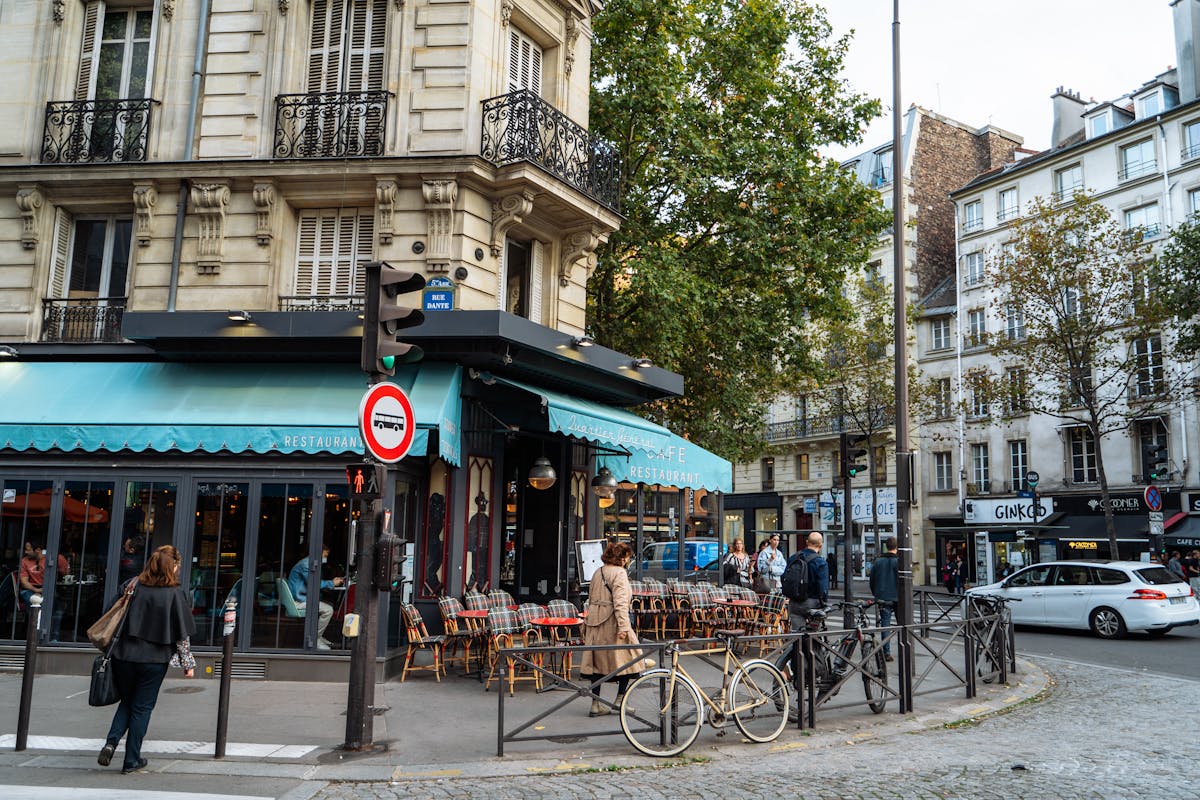
Shoes. Cobblestones are the default surface in Le Marais, the Latin Quarter, and Montmartre. Trainers with flat soles work fine. Sandals and heels do not. You’ll be on your feet for 2-5 hours depending on the tour. Comfort beats fashion.
Layers. Paris weather changes fast, especially in spring and autumn. Start the day at 14 degrees, finish at 22. A light jacket you can tie around your waist is more useful than checking the weather app.
Water. Bring a refillable bottle. Paris has free drinking fountains (the green Wallace fountains) scattered throughout the city. Your guide will know where they are.
A small bag. You’ll pick things up along the way — pastries, postcards, that one book from Shakespeare and Company you couldn’t resist. A crossbody or small backpack is better than pockets.
Cash. Many of the neighbourhood shops and cafes your guide takes you to are cash-preferred for small purchases. Carry 20-30 euros in small notes.
Tips That Will Save You Time (And Money)
Book 2-3 days in advance. Popular tours sell out, especially the small-group ones. Same-day bookings limit your options to whatever has space left, which is usually the big group tours.
Combine a walking tour with skip-the-line tickets. If your tour passes the Arc de Triomphe or Louvre, buy tickets for those separately in advance. Some tours include entry tickets (the #1 pick does), but most walking tours are exterior-only. Having pre-booked tickets means you can duck into a landmark right after the tour ends, while you’re still in the area.
Take notes. Seriously. Your guide will mention restaurant names, cafe recommendations, and hidden spots that you’ll forget by dinner. Use your phone’s notes app. You’ll thank yourself later.
Ask your guide for their honest recommendations. At the end of the tour, ask them where they eat and drink when they’re not working. The answers are always better than anything on TripAdvisor. Guides who live in Paris know which food experiences are actually worth your money.
Check if your tour offers a museum pass bundle. Some operators package walking tours with museum passes at a discount. If you’re planning to visit the Louvre, Arc de Triomphe rooftop, and a couple of other museums, a bundled pass can save 15-20 euros over buying everything separately.
Planning the Rest of Your Trip
If you’re spending a few days in Paris, a walking tour is just the beginning. The Louvre and Arc de Triomphe are both within walking distance of most tour routes — our guides cover the best skip-the-line strategies for both. Montmartre deserves its own half-day, and Pere Lachaise Cemetery is the kind of place you’ll spend longer in than you planned. For something different, a food tour covers entirely different ground — literally — and pairs well with a walking tour on alternating days. And if you’re visiting Notre-Dame after the restoration, book Sainte-Chapelle tickets for the same morning. They’re on the same island and the stained glass alone is worth the trip.
This article contains affiliate links. When you book through our links, we earn a small commission at no extra cost to you. This helps us keep producing free travel content. All recommendations are based on genuine research and real visitor reviews.