
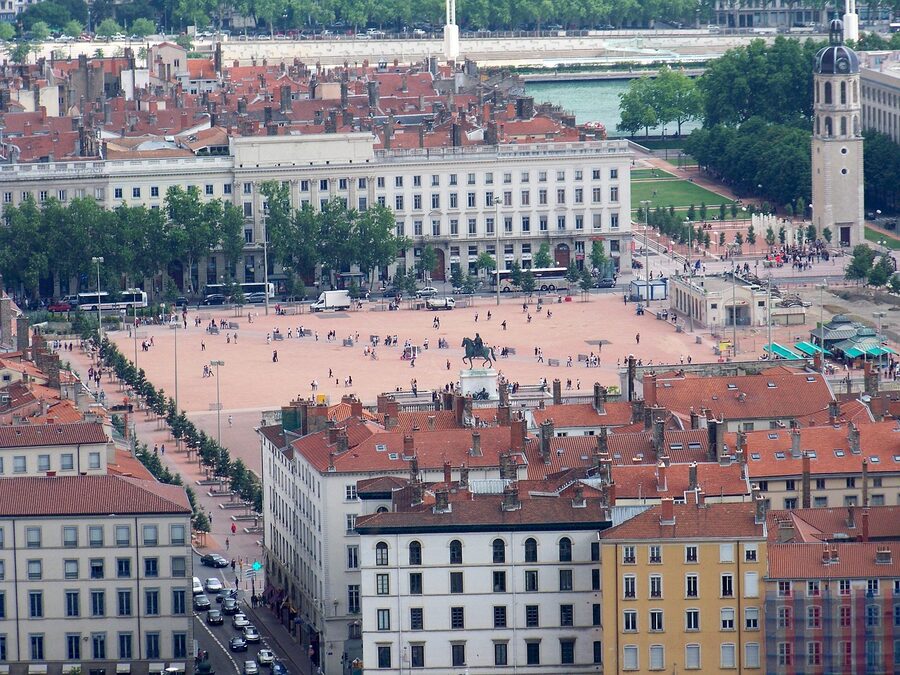
I almost didn’t buy the Lyon City Card. Standing at the tourist office on Place Bellecour, card prices listed on the wall, I did what I always do — pulled out my phone and started adding up individual museum tickets. The Musee des Beaux-Arts is about 8 euros. The Musee des Confluences, free (but you still need the temporary exhibitions). Fourviere funicular, a couple of euros each way. A river cruise, maybe 15 euros.
Then I stopped counting. Because Lyon has over 40 attractions on this single card, plus unlimited public transport, and I was burning daylight doing arithmetic instead of actually exploring the city.
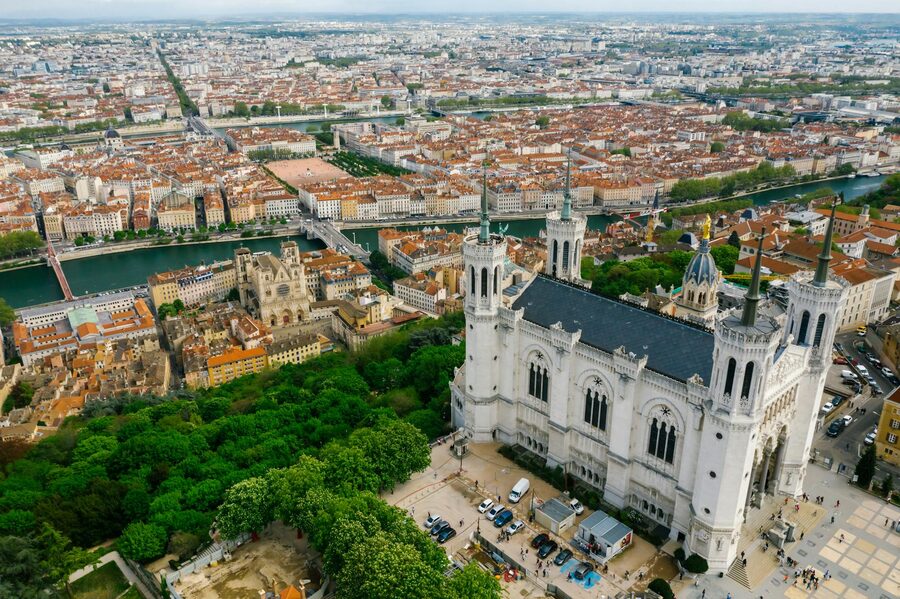
Here’s the thing about Lyon that makes a city pass genuinely worth it: this is not a one-museum town. France’s third-largest city has a UNESCO-listed old town, 27+ museums, two rivers to cruise, a funicular to ride, and the kind of gastronomic heritage (Paul Bocuse built his empire here) that means you’ll want to go back for seconds. The card pays for itself faster than you’d expect.
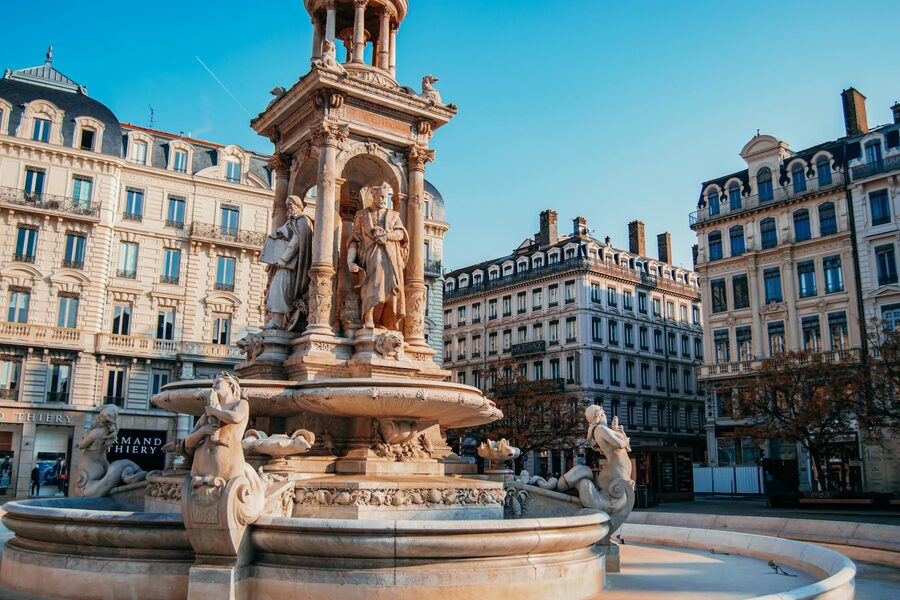
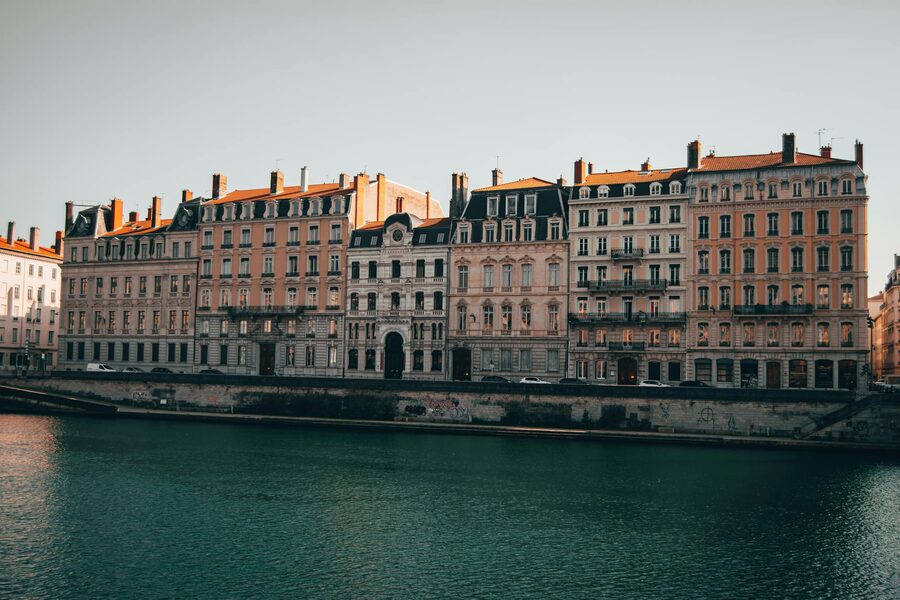
Best value: Lyon City Card (1-4 Days) — From $37. Over 40 attractions, unlimited transport, river cruise, and funicular rides. The 2-day card is the sweet spot for most visitors.
Best for sightseeing: Hop-on Hop-off Bus Tour — $29. Covers all the major stops with a good audio app. Smart if your legs need a break from Lyon’s hills.
Best with kids: Museum of Illusions Ticket — $22. Quick fun for an hour, great photo ops. Works well as a rainy-day backup plan.
- What the Lyon City Card Actually Includes
- Do the Math — Is the Lyon City Card Worth It?
- How to Buy the Lyon City Card
- Official Card vs. Guided Tours — Which Makes More Sense?
- The Best Ways to Experience Lyon
- 1. Lyon City Card — From
- 2. Lyon Hop-on Hop-off Bus Tour —
- 3. Museum of Illusions Lyon —
- When to Visit Lyon
- How to Get Around Lyon
- What You’ll Actually See in Lyon
- Tips That Will Save You Time
- Getting to Lyon
- More France Guides
What the Lyon City Card Actually Includes

The Lyon City Card is sold by the Lyon tourist office and comes in 1-day, 2-day, 3-day, and 4-day versions. It’s a digital or physical card that bundles three things together:
Unlimited public transport — Metro, tram, bus, and the two funiculars (Fourviere and Saint-Just). This alone is worth probably 5-7 euros per day if you’re moving around. The Fourviere funicular is technically a metro line, so it’s included. You won’t need to figure out TCL ticket machines or worry about having the right fare.
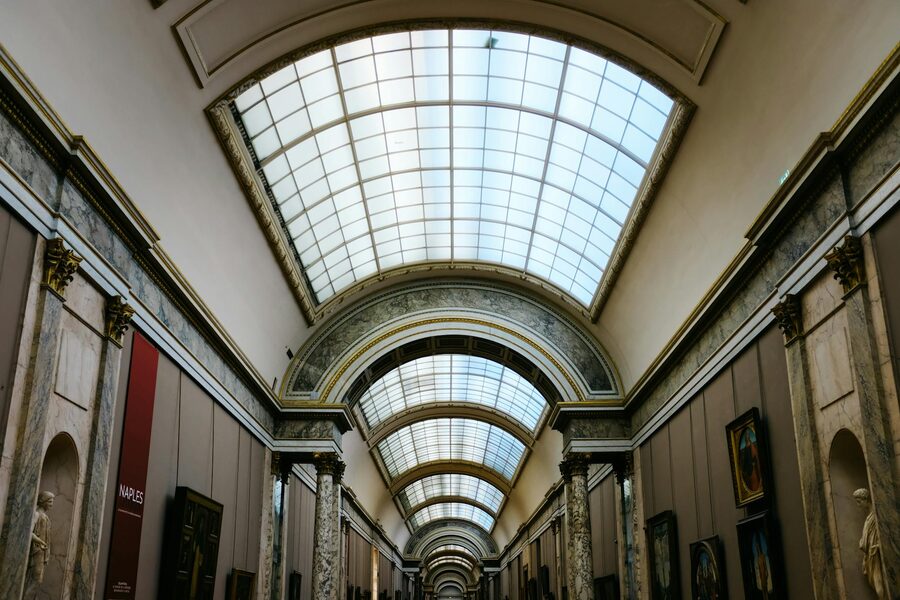
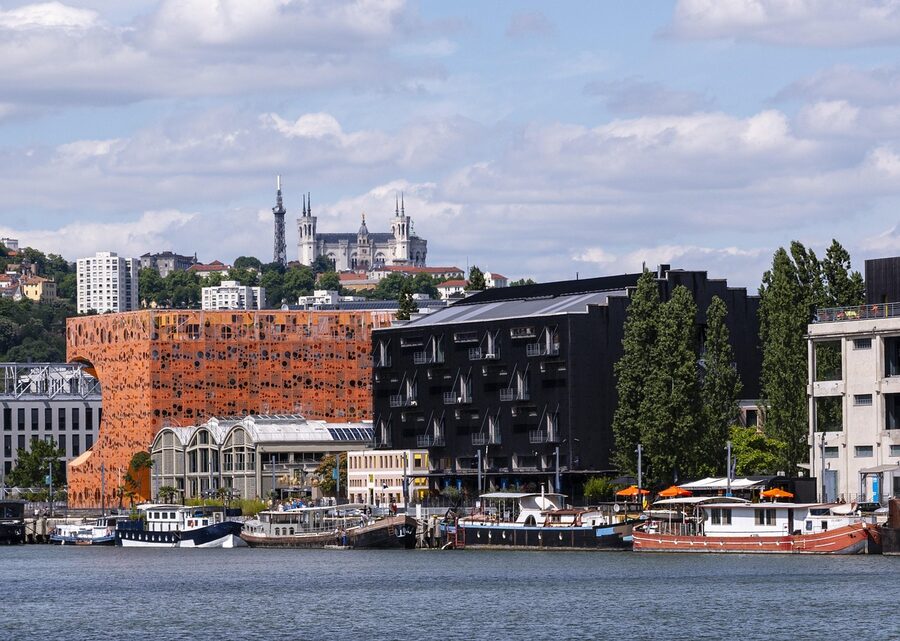
Free entry to 27+ museums and attractions — The big ones include the Musee des Beaux-Arts (one of France’s largest fine arts museums), Musee des Confluences (science and anthropology in a stunning building), Musee Lumiere (the Lumiere brothers invented cinema right here in Lyon), the Gallo-Roman Museum, and the Musee des Tissus (Lyon was the silk capital of Europe for centuries). You also get the temporary exhibitions, not just permanent collections.
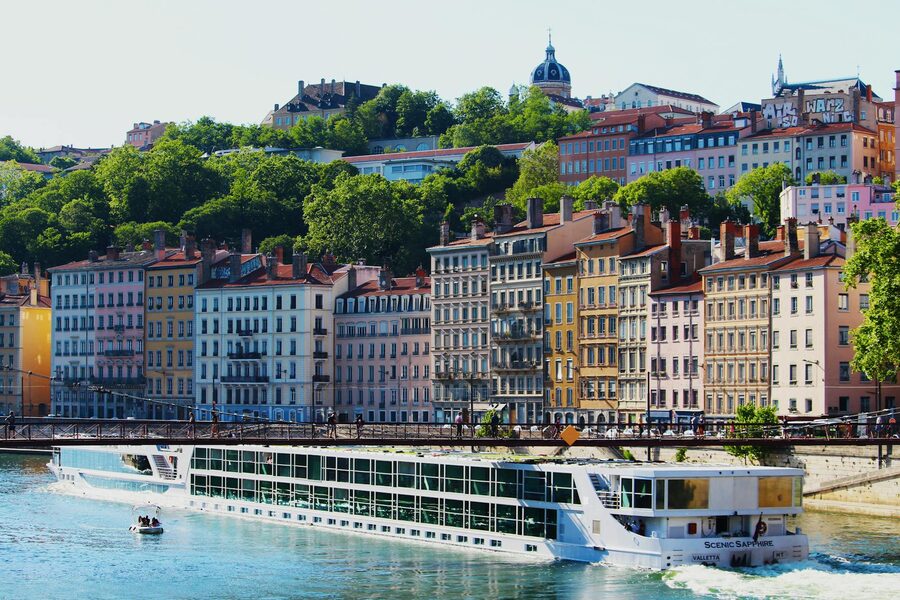
A river cruise on the Saone — About an hour on the water, commentary included. It runs from the Presqu’ile south toward the Confluence area. Not the most exciting cruise you’ll ever take, but it’s pleasant, free with the card, and a nice break from walking.
Guided walking tour — The card includes one guided tour with the tourist office, usually covering Vieux Lyon and the traboules (the covered passageways threaded through buildings that silk workers used centuries ago). If you want a deeper dive into the traboules, our guide to booking a walking tour in Lyon covers dedicated private options too.
Discounts — Reduced rates on a bunch of other experiences: shows, escape rooms, some restaurants, boat excursions. These are typically 10-20% off, nothing dramatic, but they add up.
Do the Math — Is the Lyon City Card Worth It?
Let’s be honest about this. City passes are not always good deals. Sometimes they’re just a marketing tool to make you feel like you’re saving money when you’d actually spend less buying individual tickets. So here’s the real breakdown for Lyon.
The 1-day card costs around 28 euros, the 2-day is about 42 euros, the 3-day is roughly 52 euros, and the 4-day runs about 62 euros. Prices can shift slightly, but those are the ballpark figures.
A typical day of sightseeing in Lyon without the card might look like this:
- Musee des Beaux-Arts: 8 euros
- Musee des Confluences (temporary exhibitions): 9 euros
- Gallo-Roman Museum: 4 euros
- Funicular up to Fourviere: 1.90 euros each way
- Metro/tram rides (say 4 trips): 7.60 euros
- River cruise: 14-16 euros
That’s roughly 47 euros for a single busy day. The 1-day card at 28 euros saves you about 19 euros — a clear win if you plan to actually use it.
The 2-day card is the sweet spot for most visitors. Over two days, if you visit 4-5 museums, ride the funicular, take the cruise, and use public transport freely, you’re looking at 70-90 euros worth of activities for 42 euros. That’s not a marginal saving — it’s roughly half price.
The 3 and 4-day cards make sense if you’re the type who genuinely wants to spend time in multiple museums (Lyon has enough to fill the days easily) or if you’re using Lyon as a base for exploring nearby areas by tram or bus.
When the card is NOT worth it: If you only plan to see 1-2 attractions and mostly want to wander the old town, eat, and drink. Vieux Lyon is free to walk around, the traboules are free to enter (mostly), and the basilica on Fourviere is free. You could have a fantastic day in Lyon spending under 10 euros. The card only makes sense if you’re the museum-and-attraction type.
How to Buy the Lyon City Card

You have two options:
Online in advance — Buy through GetYourGuide or the official Lyon tourist office website. The GYG version has free cancellation up to 24 hours before, which is handy if your plans change. You’ll get a digital voucher to show at attractions, or you can pick up a physical card at the tourist office on Place Bellecour when you arrive.
In person at the tourist office — The main office is on Place Bellecour (Metro A or D, Bellecour stop). There’s also a desk at Saint-Exupery Airport. Lines can get long in summer mornings, so buying online saves time.
The card activates from the moment you first use it, not from when you buy it. So you can purchase it days ahead without wasting any hours. One note: the “days” are calendar days, not 24-hour periods. So a 2-day card bought at 3pm gives you that afternoon plus the following full day. Start early to maximize value.
Official Card vs. Guided Tours — Which Makes More Sense?
The City Card is designed for independent explorers. You get access to everything but you navigate on your own, queue on your own, and decide your own pace. For most people, that’s exactly what they want.
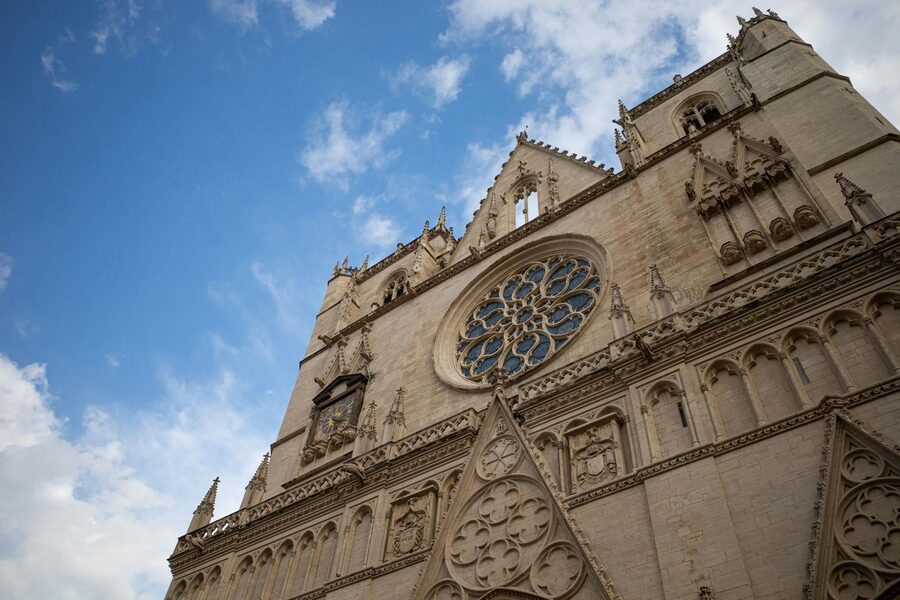
But there’s a case for combining it with a guided experience, especially if you want context. Lyon’s history runs deep — from the Roman colony of Lugdunum (there’s an amphitheater on Fourviere hill that’s still standing) to the silk trade that made the city rich, to the Resistance movement in World War II, to the Lumiere brothers literally inventing cinema here. Walking through Vieux Lyon is nice. Walking through it while someone explains what the traboules were actually for is better.
The City Card includes one guided walking tour. But if you want something more specialized — like a private traboules tour, or a food-focused walk through Les Halles de Lyon Paul Bocuse — you’ll need to book that separately. Our Lyon walking tour guide breaks down the best options.
The Best Ways to Experience Lyon
1. Lyon City Card — From $37
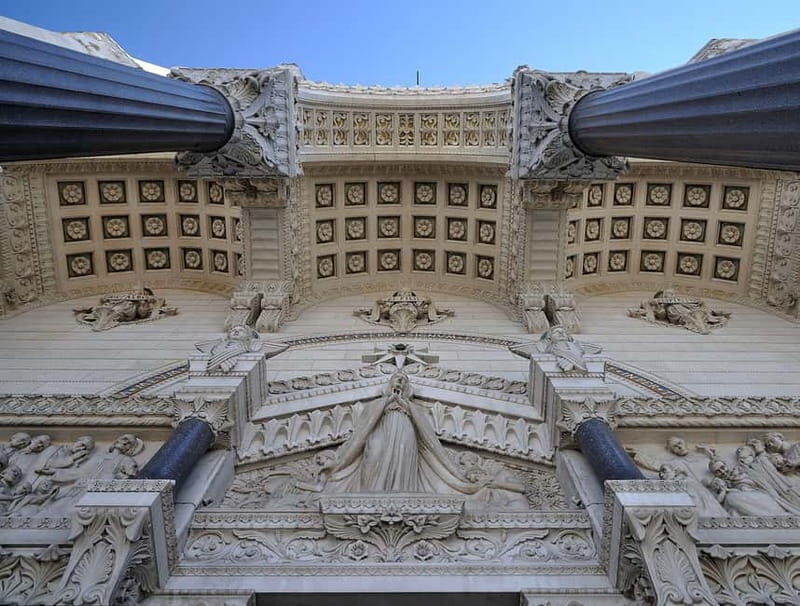
This is the one I’d recommend for most visitors spending two or more days in Lyon. The Lyon City Card bundles over 40 attractions with unlimited metro, bus, tram, and funicular access. The 2-day version hits the sweet spot — enough time to cover the Musee des Beaux-Arts, Musee des Confluences, the Gallo-Roman Museum on Fourviere hill, and still have room for a Saone river cruise.
What I liked most was the freedom. No mental math at every ticket booth, no worrying about whether a museum is “worth the entry fee.” You just walk in. That changes how you explore — you end up popping into smaller museums you’d normally skip, like the Musee de l’Imprimerie (printing museum) or the Musee des Miniatures. Both were surprisingly good.
The funicular rides up to Fourviere are included too, which means you avoid the steep 20-minute climb on foot. At around $37 for one day, it pays for itself by mid-afternoon if you hit two museums and use the transport.
2. Lyon Hop-on Hop-off Bus Tour — $29
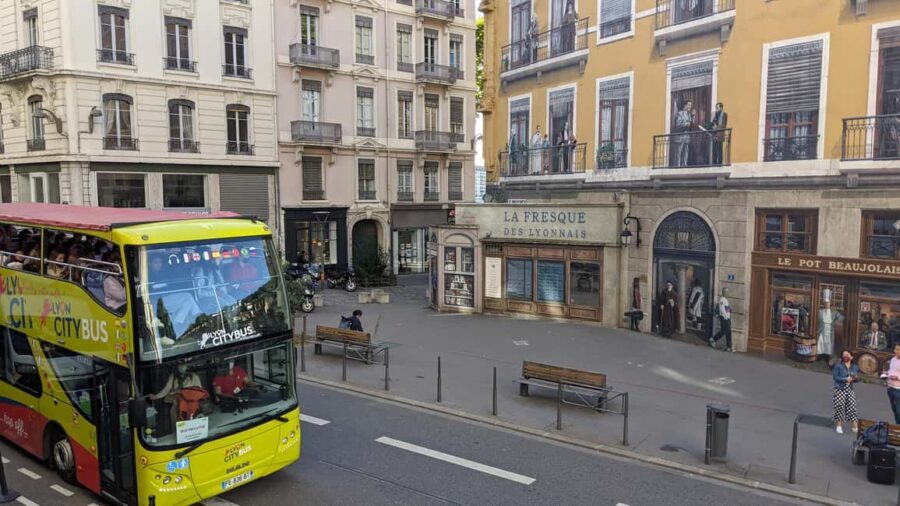
Look, I know — hop-on hop-off buses have a reputation. But in Lyon specifically, they make more sense than in most cities. Lyon is built on hills. The old town sits below Fourviere, the Croix-Rousse neighborhood is on another hill, and the Presqu’ile stretches between two rivers. Covering it all on foot in a day is doable but exhausting.
The Lyon hop-on hop-off hits all the main areas and comes with a free audio app (Rewind) that actually teaches you something about the city’s history as you ride. At $29, it’s cheaper than a full day of metro tickets plus a river cruise, and you get an overview of the entire city layout that helps you plan the next day more efficiently.
Best for: first-time visitors, anyone with limited mobility, families with kids who need a seat break every hour or two.
3. Museum of Illusions Lyon — $22

This isn’t a must-do in Lyon by any stretch. But if you’re traveling with kids, or you want something quick and entertaining between heavier museum visits, the Museum of Illusions fills about an hour with optical tricks, photo ops, and the kind of things that make teenagers actually put their phones away for a few minutes.
Fair warning: it’s small. Most people finish in 30-45 minutes, and at $22 per person, the per-minute cost is high. It can also get crowded, especially on weekends and school holidays, which makes the experience feel rushed. If you’re on a tight budget, this is the one to skip. But for families with younger kids, the fun-per-hour ratio is solid.
When to Visit Lyon
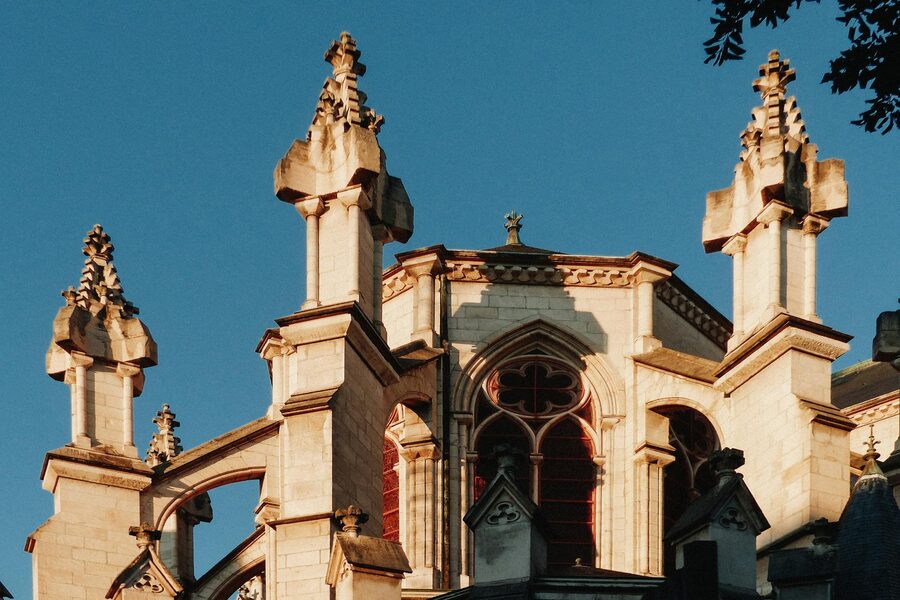
Best months: April through June, and September through October. Warm enough to walk all day, cool enough that the hills don’t destroy you. Lyon bakes in July and August — temperatures regularly hit 35°C and the city empties out as locals flee south.
The Fete des Lumieres in early December (usually December 8-10) is the single best time to visit if you can handle the cold. The entire city becomes an outdoor light show — projections on buildings, installations along the rivers, massive crowds but incredible atmosphere. The City Card is especially good during this period because you’ll be using transport constantly to hop between installations.
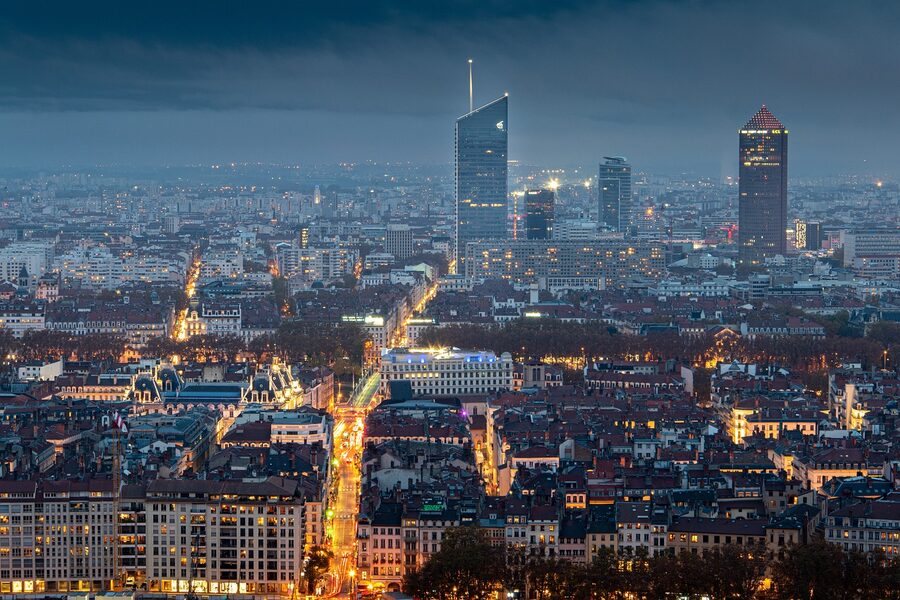
Opening hours to know: Most Lyon museums close on Mondays or Tuesdays. The Musee des Beaux-Arts is closed Tuesday, the Musee des Confluences is closed Monday. If you’re buying a 2-day card, avoid starting on a Sunday — you’ll lose Monday to closures. Tuesday through Saturday gives you the widest access window.
The funiculars run from about 5am to midnight, same as the metro. River cruises typically run from April to October, with reduced schedules in winter.
How to Get Around Lyon
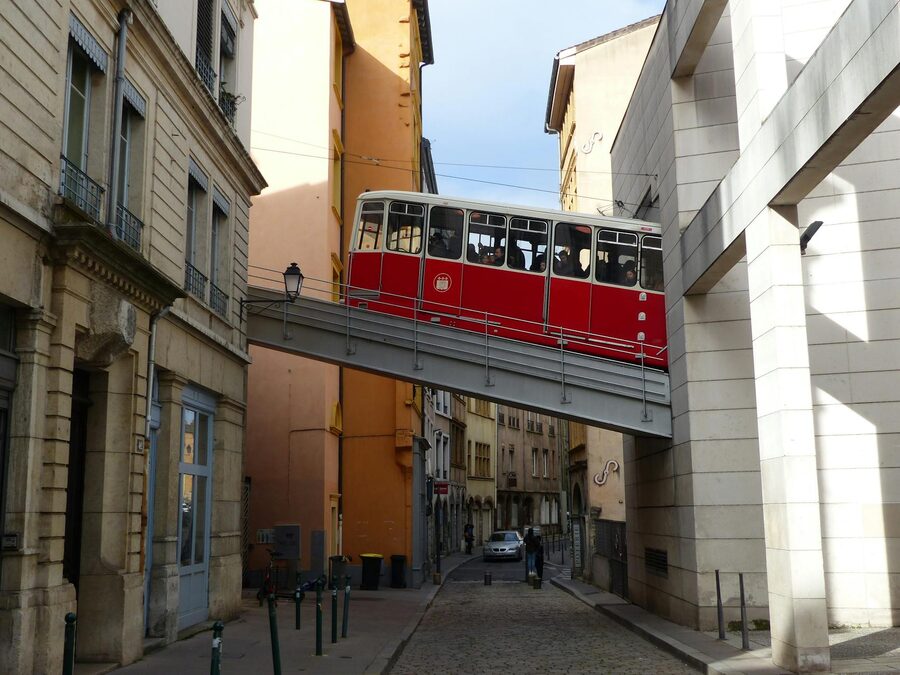
Lyon’s public transport system (TCL) is genuinely excellent. Four metro lines, six tram lines, and a big bus network cover pretty much everywhere you’d want to go. The two funiculars — one to Fourviere, one to Saint-Just — are technically metro lines and use the same tickets.
With the City Card: Just tap the card on metro/tram/bus readers. No separate tickets needed. This is honestly the biggest quality-of-life improvement — not having to figure out which ticket to buy, where to validate it, or whether you’re in the right zone.
Without the card: Single tickets cost about 1.90 euros (valid for 1 hour including transfers). A 24-hour pass is about 6.20 euros. The math on transport alone doesn’t justify the City Card — it’s the combined museum + transport + cruise value that makes it work.
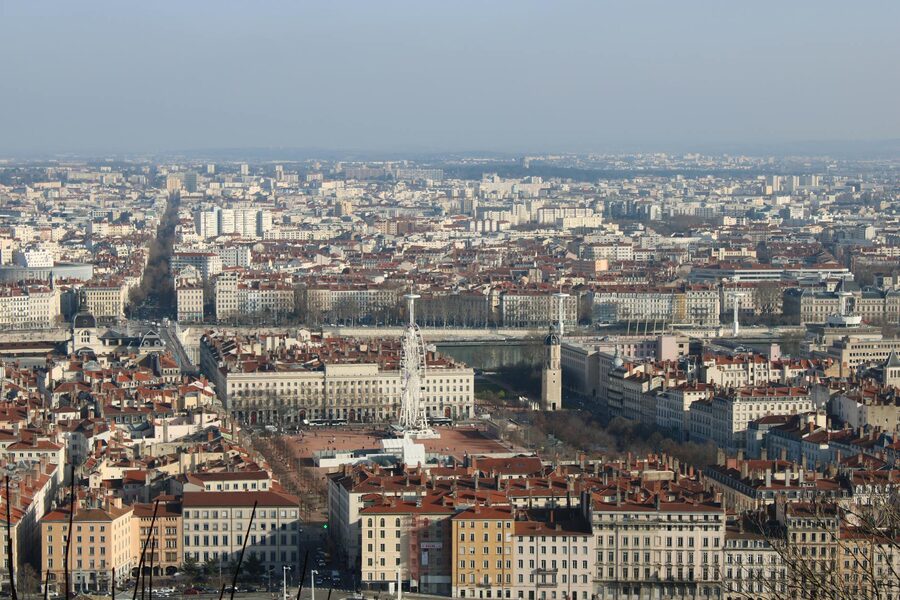
The city center is very walkable. Vieux Lyon to Bellecour is about 10 minutes on foot. Bellecour to Part-Dieu (the main train station) is a quick metro ride. The only time you really need transport is getting up to Fourviere hill or out to the Confluence district.
What You’ll Actually See in Lyon
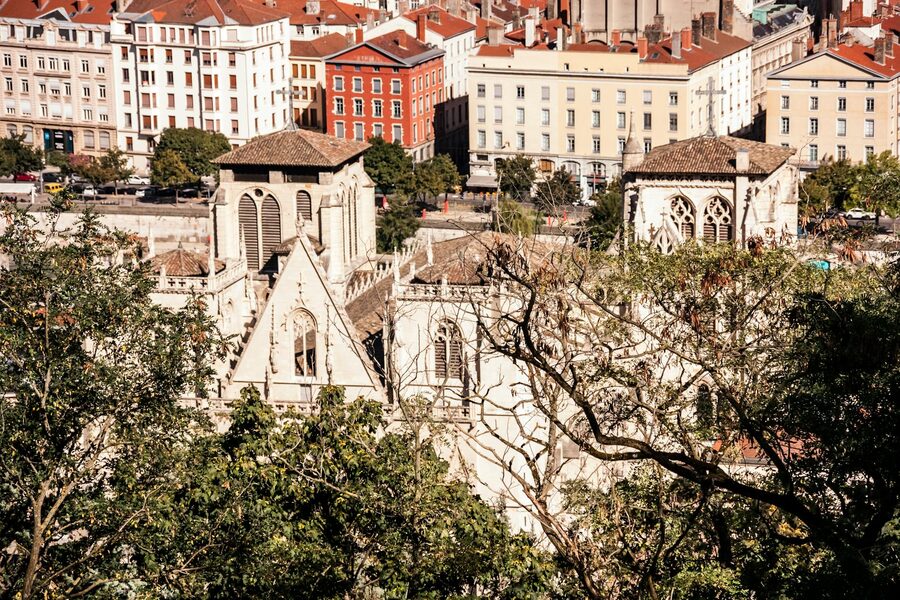
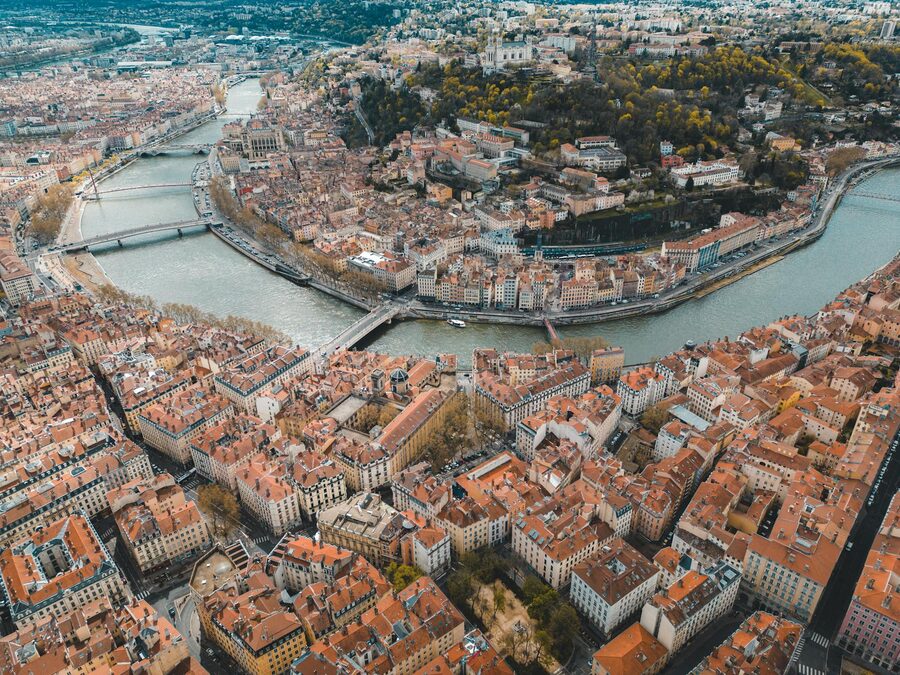
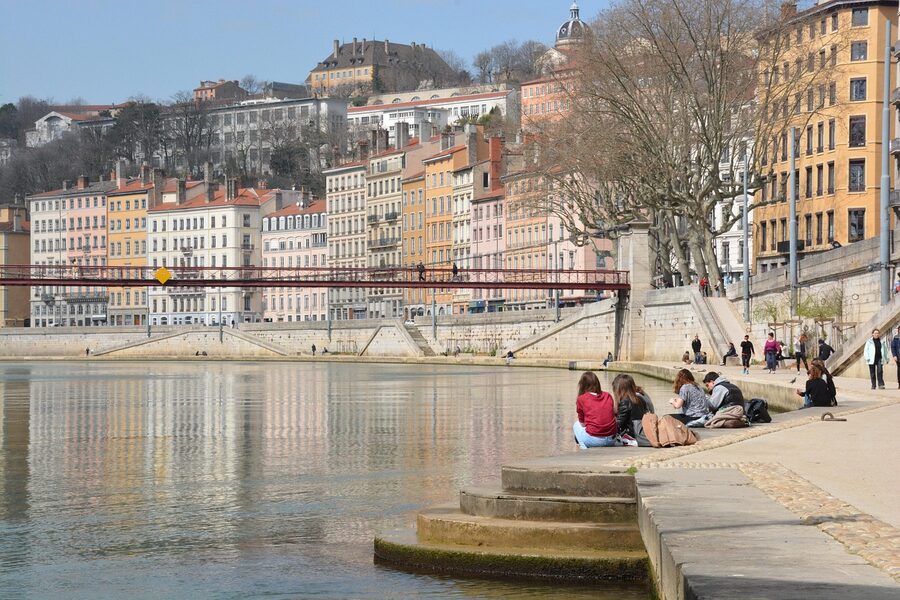
Lyon is one of those cities where the history isn’t behind velvet ropes — it’s the actual streets you’re walking on. The old town (Vieux Lyon) is a UNESCO World Heritage Site, and you can feel it. Renaissance-era buildings line narrow lanes, and the traboules — covered passageways that cut through buildings — are still used as shortcuts by locals. Some are open to the public, some are residents-only. The tourist office walking tour shows you the best ones.
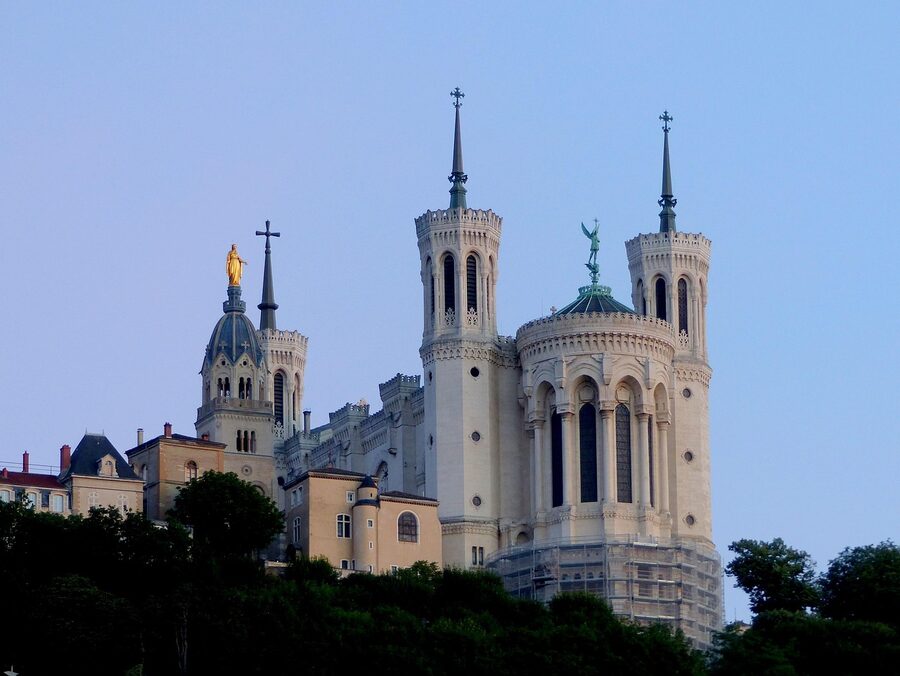
The Fourviere hill is where Lyon started, as a Roman colony called Lugdunum in 43 BC. The Gallo-Roman amphitheater is still there, still hosting concerts in summer. The Gallo-Roman Museum built into the hillside next to it is one of France’s best archaeological collections, and it’s included on the City Card.
Then there’s the food. Lyon is officially the gastronomic capital of France, largely thanks to Paul Bocuse, who ran his famous restaurant just outside the city for decades. The traditional bouchons serve heavy Lyonnais classics — quenelles (fish dumplings in creamy sauce), saucisson brioché, tablier de sapeur (breaded tripe, better than it sounds). Les Halles de Lyon Paul Bocuse is the covered market where locals shop, and it’s worth a morning even if you don’t buy anything.
The Lumiere brothers shot the first film ever right here in Lyon in 1895. The Musee Lumiere, in their family villa, covers the entire story. It’s a small museum but one of the more interesting ones in the city, and yes, it’s on the City Card.
Tips That Will Save You Time

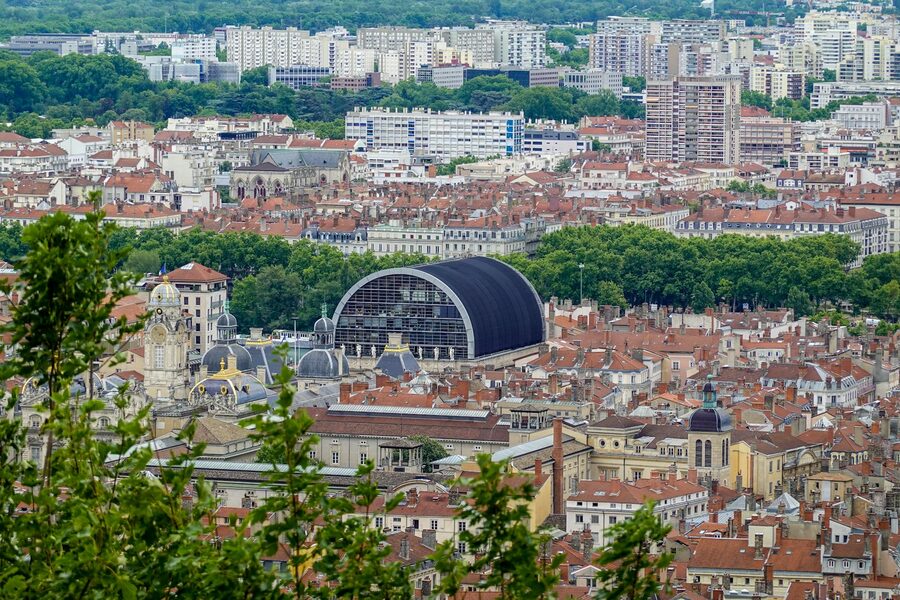
Start with Fourviere. Take the funicular up first thing in the morning, visit the basilica (free, no card needed), then the Gallo-Roman Museum (card needed), then walk downhill through the old town. Going uphill in the afternoon heat is miserable.
Pick up the card at the tourist office on Bellecour, not the airport. The airport desk can have queues and limited hours. The Bellecour office is central, well-staffed, and open long hours.
Download the TCL app. Real-time metro and tram arrival info. Lyon’s system is reliable, but knowing exactly when the next funicular leaves saves waiting in the cold.
Don’t try to see all 40+ attractions. Seriously. Pick 3-4 per day maximum. The card gives you access, but trying to sprint through 8 museums in a day is a recipe for hating museums. The Musee des Beaux-Arts and Musee des Confluences each deserve at least 2 hours.
The Saone river cruise fills an awkward gap. It’s about an hour and runs in the early afternoon when museum legs are getting tired. Good time to sit down, rest, and see the city from the water.
Vieux Lyon traboules are best before 9am or after 5pm. Midday they fill with tour groups. Early morning, you’ll have them nearly to yourself.
Getting to Lyon
By train: Lyon Part-Dieu is the main station. TGV from Paris takes about 2 hours. From Marseille, about 1 hour 40 minutes. From Geneva, about 2 hours. Part-Dieu is on Metro B, well connected to the city center.
By plane: Lyon-Saint Exupery Airport (LYS) is about 30 minutes east. The Rhonexpress tram connects the airport to Part-Dieu station in 30 minutes. It’s pricey (about 16 euros one way) — the City Card does not cover it. Consider booking a return ticket for a small discount.
Getting around on foot: The core of Lyon — from Bellecour to Vieux Lyon to the Presqu’ile — is very compact and walkable. You really only need transport for Fourviere (the funicular), the Confluence area (tram or bus), or if you’re staying near Part-Dieu.
More France Guides
If Lyon is part of a bigger trip through France, we’ve got guides for other cities too. Bordeaux is just a 2-hour TGV south and has its own city pass worth looking into — our Bordeaux CityPass guide breaks down the math the same way. For wine lovers, the Bordeaux wine tour guide and Saint-Emilion day trip cover the vineyards. And if Paris is on your list, our Paris Museum Pass guide is the same concept — whether the pass saves you money depends entirely on how many museums you actually visit. For something different in Paris, the Paris food tour guide and cooking class guide are worth a look.
This article contains affiliate links. If you book through our links, we earn a small commission at no extra cost to you. This helps us keep creating free travel guides.