
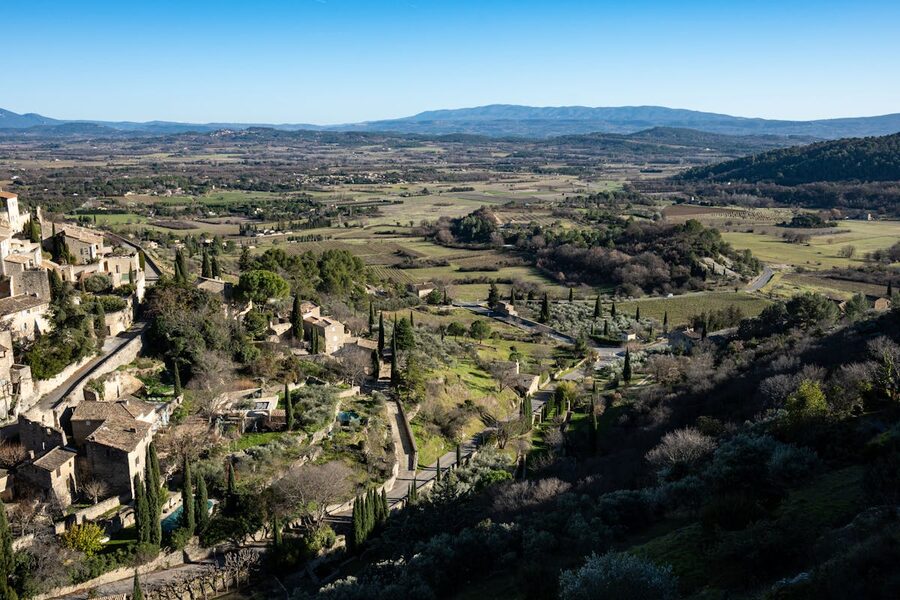
The guide in the passenger seat was pointing out the window at a crumbling stone wall, saying something about the Saracens. I was in the back of a minivan, somewhere between Nice and the Provençal hills, trying to take a photo of a village that looked like it had been carved directly into the cliff face. The picture came out blurry. The memory did not.
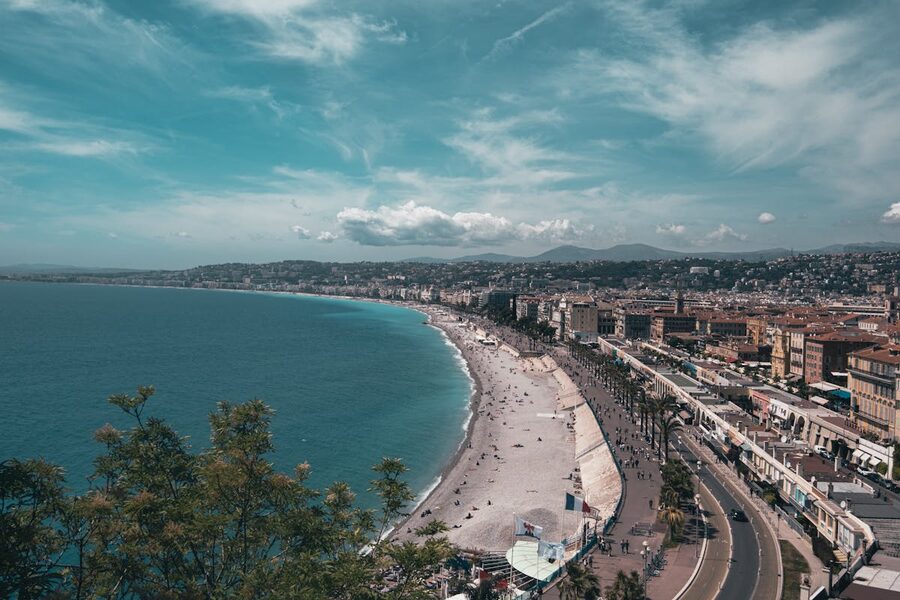
That is the thing about Provence countryside tours from Nice — you leave a city built on beaches and within ninety minutes you are standing in medieval villages that were deliberately placed on hilltops because coastal life was too dangerous a thousand years ago.
And the best part? You don’t need to rent a car or wrestle with French mountain roads. A handful of well-run day tours handle the driving, the history, and the logistics — you just show up at your pickup point and go.
Best overall: Provence Countryside Small Group Day Trip with Grasse Perfumery — $135. Full day, small group, covers Grasse, Gourdon, and Saint-Paul-de-Vence. The one I would pick if I could only do one tour.
Best budget: Nice: Countryside Tour with Grasse — $70. Half the price, five to six hours, same Grasse perfumery stop plus two villages. Smart choice if you want the afternoon free.
Best for foodies: Provence Village Tour with Wine and Produce Tasting — $117. Nine-hour tour with organic wine tasting, olive oil sampling, and a waterfall stop mixed in with the village visits.
- What a Provence Countryside Tour Actually Covers
- Guided Tour vs. Renting a Car
- The Best Provence Countryside Tours from Nice
- 1. Provence Countryside Small Group Day Trip with Grasse Perfumery Visit — 5
- 2. Nice: Countryside Tour with Grasse —
- 3. Provence Village Tour with Wine and Produce Tasting — 7
- When to Book a Provence Countryside Tour
- How to Get from Nice to the Provence Countryside
- Tips That Will Save You Time and Money
- What You Will See Along the Way
- More Guides for the French Riviera
What a Provence Countryside Tour Actually Covers
The standard Provence countryside tour from Nice follows a loose circuit through the backcountry of the Alpes-Maritimes and Var departments. Most itineraries share a core set of stops, though the order and exact combination varies by operator.
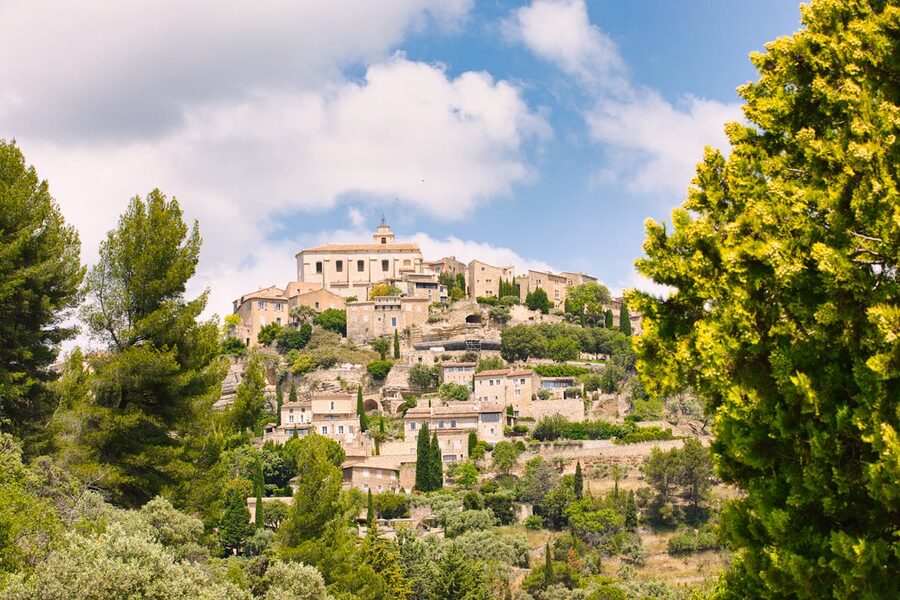
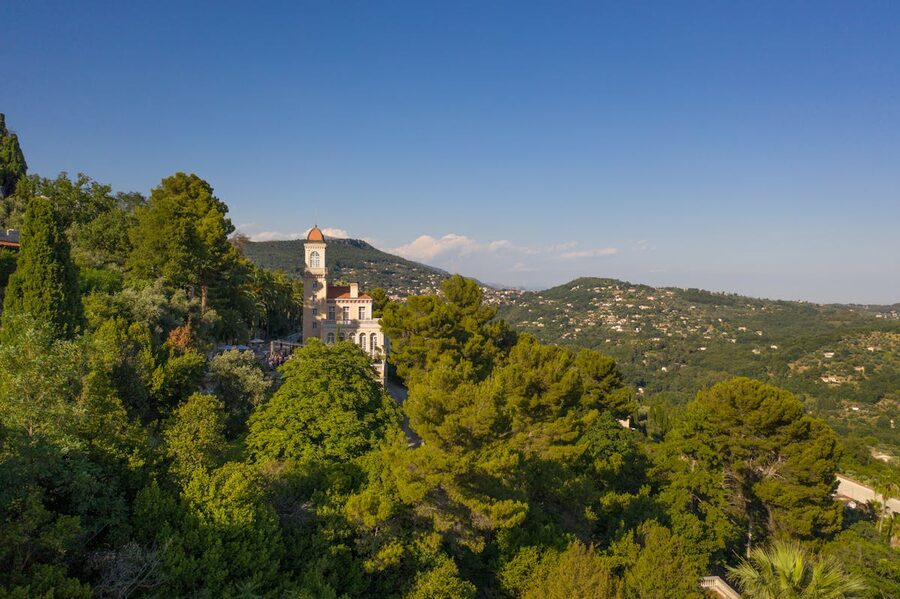
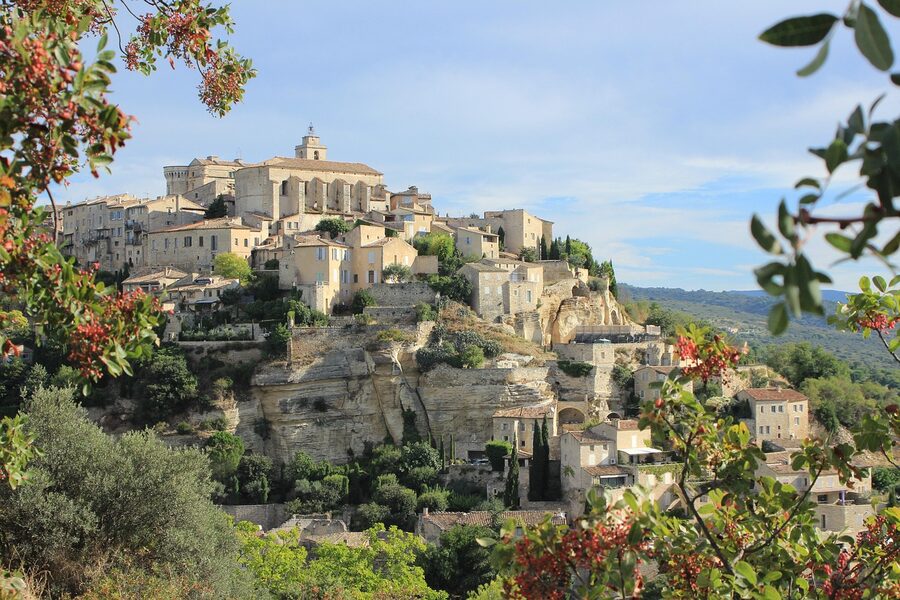
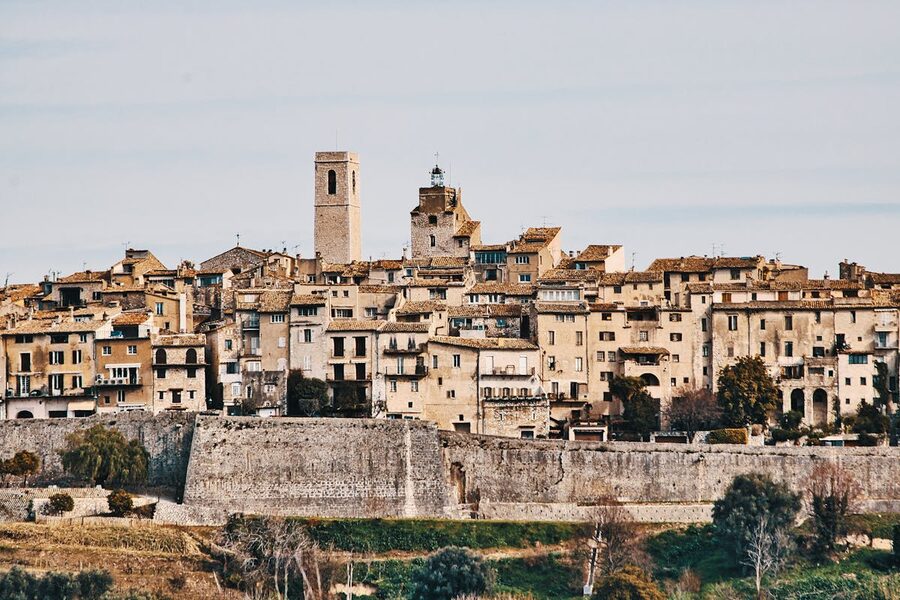
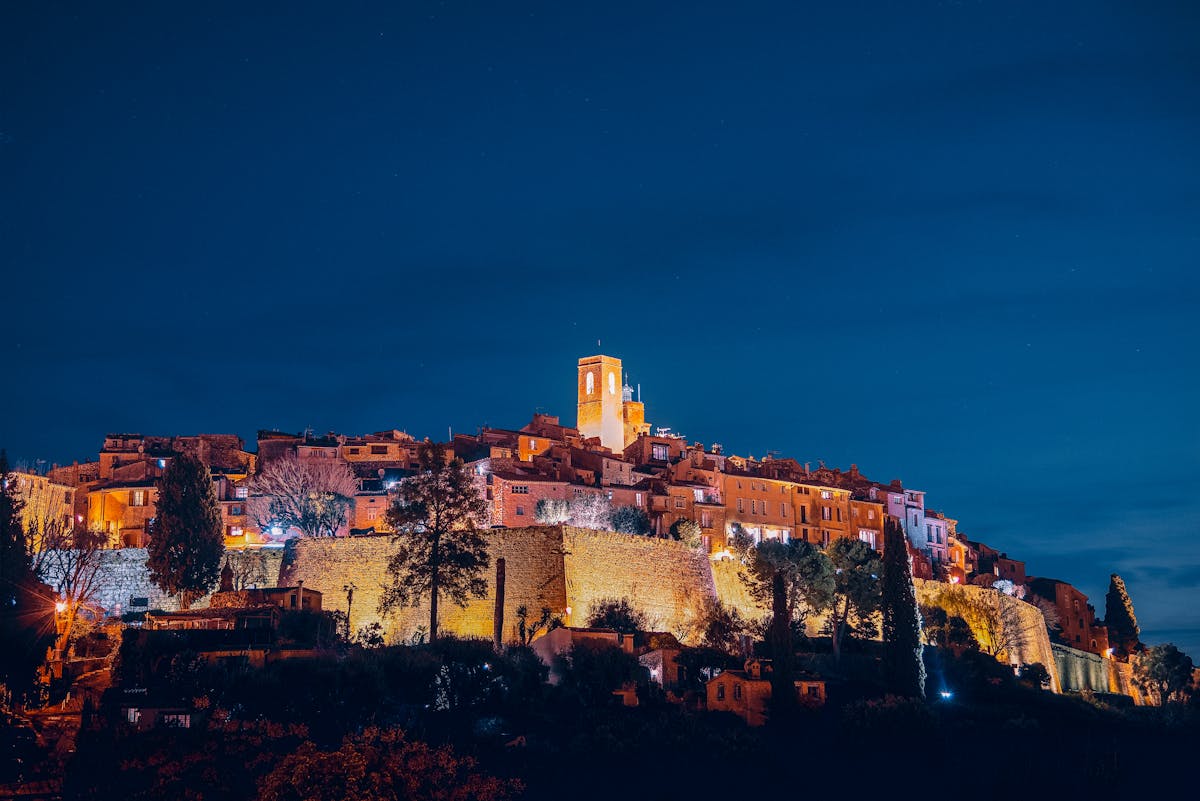
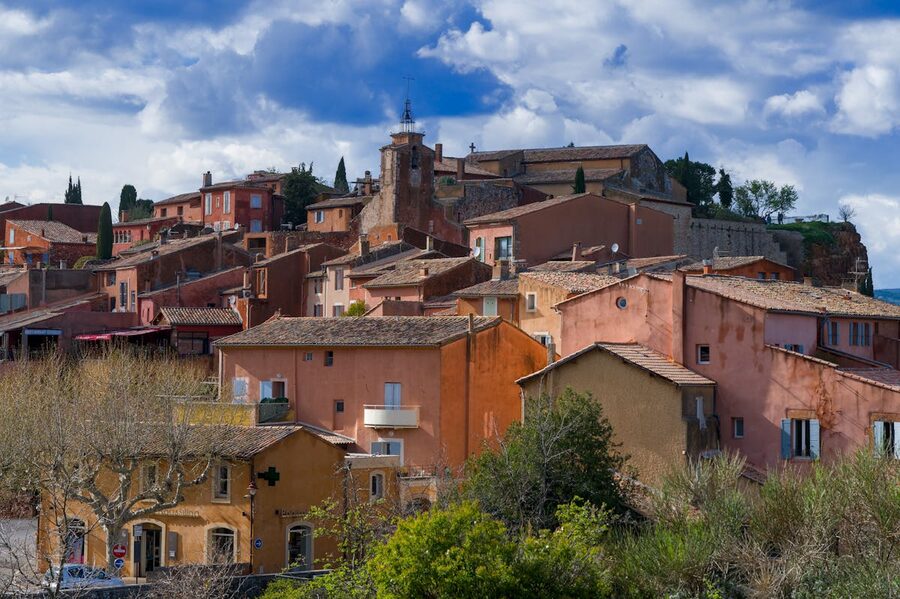
The villages perchés are the main draw. These are the hilltop villages — Gourdon, Saint-Paul-de-Vence, Tourrettes-sur-Loup, Èze (inland) — that were built on high ground as defensive positions during centuries of coastal raids. Walking through them feels like stepping through a gap in time. Narrow stone lanes, iron balconies spilling bougainvillea, the occasional cat asleep in a doorway.
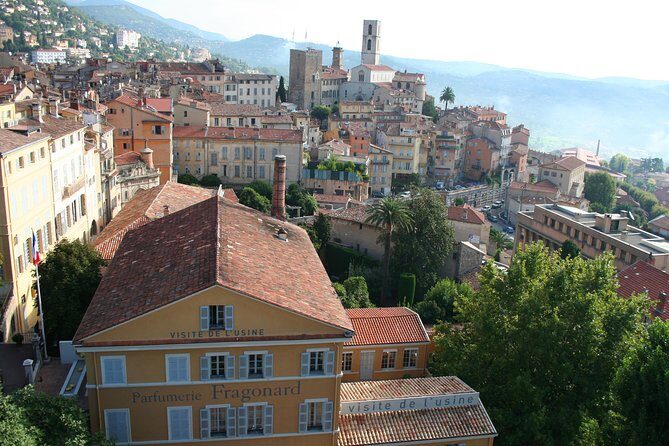
Grasse gets its own section on most tours, and it deserves it. The town became the perfume capital of the world through an unusual path — the leather tanning industry was already well established here in the 16th century. Tanners started scenting their leather gloves to mask the smell of the tanneries, and over the next two hundred years, the fragrance side of the business gradually overtook the leather. Today you can tour the Fragonard, Galimard, or Molinard perfumeries for free.
Wine and produce tastings appear on the longer tours. The Provence region produces some of France’s best rosé, and several tour operators include stops at small organic vineyards where you can taste the wine, olive oil, and local honey without the pressure of a tourist-trap shop.
Guided Tour vs. Renting a Car
You could rent a car and do this yourself. I won’t pretend otherwise. But here is what I would tell a friend: the roads between these villages are narrow, steep, and occasionally terrifying. Parking is a nightmare in high season — some villages have a single lot that fills up by 10 AM. And you will spend more time driving than exploring if you try to hit three or four stops in one day.
The guided tour solves all of that. Your driver knows the roads, the parking tricks, and the optimal order for visiting each village. You also get commentary that turns a pretty view into actual context — those defensive walls were not decorative, they were keeping raiders out.
The trade-off is flexibility. On a tour, you get 30 to 45 minutes per stop, which is plenty for the smaller villages but can feel rushed in Saint-Paul-de-Vence if you want to explore the galleries. If lingering matters more to you than covering ground, rent the car. If you want to see the most in one day without the stress, book the tour.
The Best Provence Countryside Tours from Nice
I have narrowed these down to three tours that cover different needs — budget, overall experience, and food-focused. All three include hotel pickup in Nice and have strong track records with hundreds of verified bookings.
1. Provence Countryside Small Group Day Trip with Grasse Perfumery Visit — $135
This is the one I would pick for a first visit to the Provence countryside. It runs a full eight hours, covers four major stops (Cannes, Grasse, Gourdon, and Saint-Paul-de-Vence), and does it all in a small group — usually eight people or fewer in a comfortable minivan.
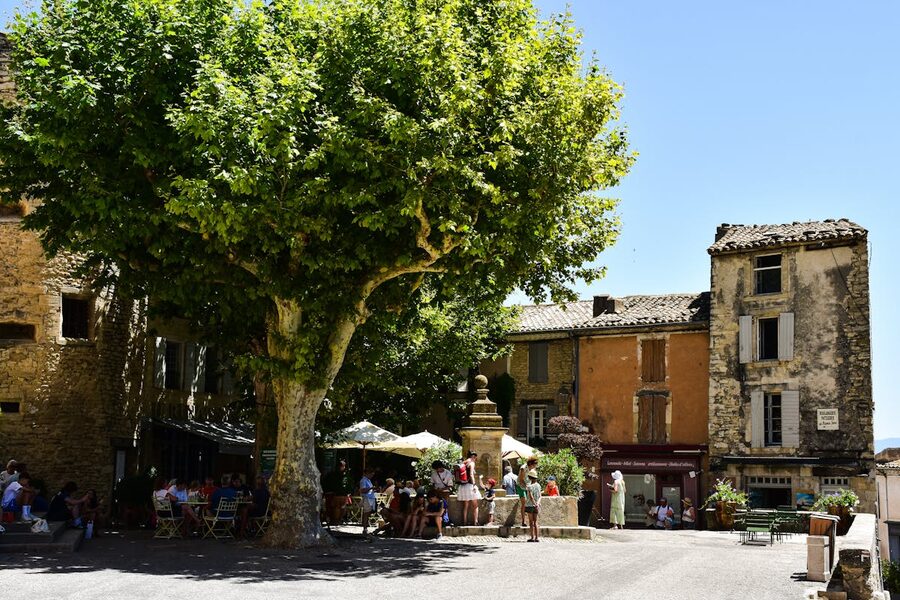
The Grasse perfumery visit is the highlight for most people. You tour the Fragonard factory, learn about the distillation process, and get time to smell your way through the showroom. The guide then takes you up to Gourdon, a tiny village perched on a cliff edge with views that stretch all the way down to the coast. If you have ever seen those dramatic South of France photographs where a village seems to hang off the side of a mountain — that is Gourdon. The day wraps up in Saint-Paul-de-Vence, where Chagall spent the last decades of his life and which still operates as an artists’ colony disguised as a medieval fortress town.
At $135 per person, it is not the cheapest option, but you are paying for a full day, small group size, and a guide who actually knows the region. The Viator-listed version runs through a local operator with English-speaking drivers who double as guides.

2. Nice: Countryside Tour with Grasse — $70
If the full-day commitment feels like too much, or if you want to keep your afternoon free for the Nice food tour or the coastal cruise, this half-day option covers the same territory in a tighter five to six hour window.
The itinerary hits the Fragonard perfumery in Grasse, runs through one or two villages (usually Saint-Paul-de-Vence and either Gourdon or Tourrettes-sur-Loup depending on traffic), and gets you back to Nice with daylight to spare. The group size is similar — small vans, usually under ten people — and the guides are local to the region.
At $70 per person, this is half the price of the full-day tours and covers the two most important stops. The main thing you miss is Cannes (which is honestly not the draw on a countryside tour) and the extra village time. For the money, this is the smartest value on this list.
3. Provence Village Tour with Wine and Produce Tasting — $117
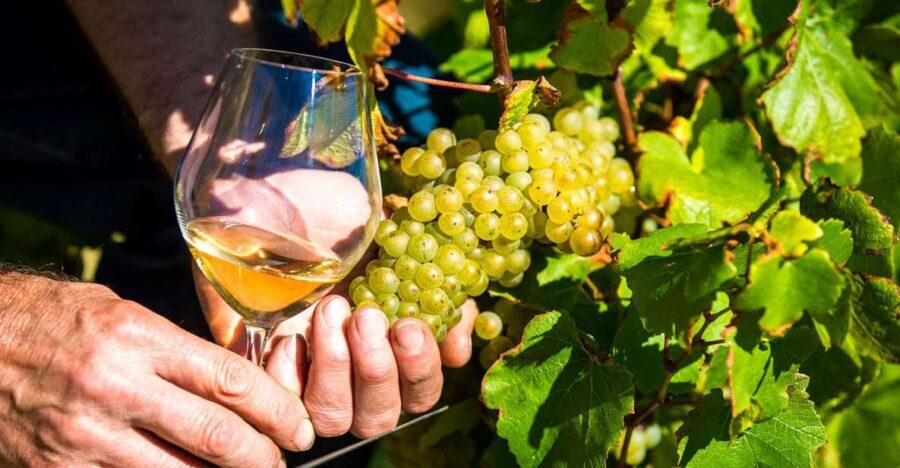
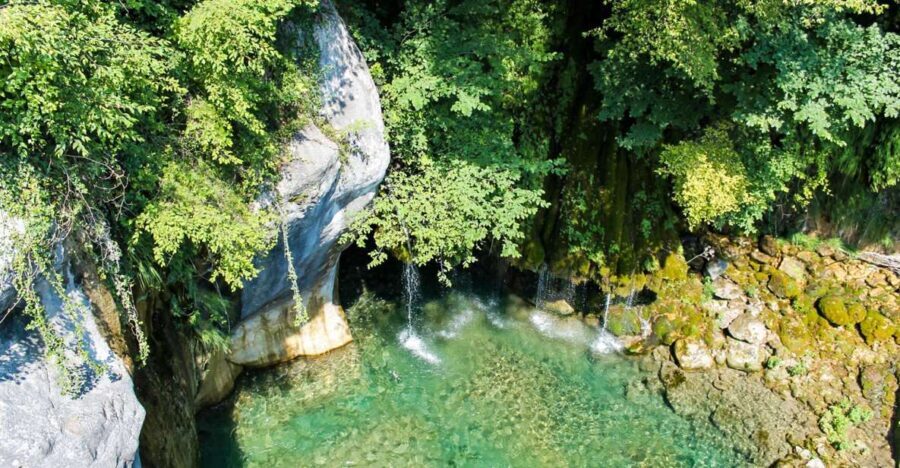
This is the tour for people who eat and drink their way through a destination. The nine-hour itinerary mixes village visits with stops at an organic winery, an olive oil producer, and the Florian confectionery. There is also a waterfall stop at Saut du Loup that breaks up the driving nicely.
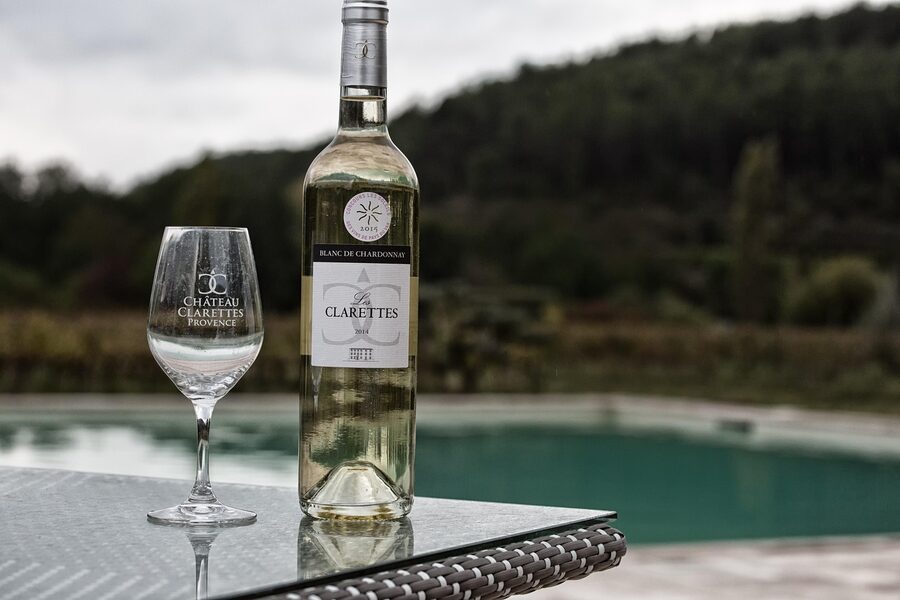
The wine tasting happens at Vignoble Rasse, a family-run vineyard producing organic wines using methods that go back generations. It is not a tourist assembly line — you sit down, taste several wines, and the owner talks you through the production. The olive oil tasting earlier in the day works the same way. Between those and the village stops in Gourdon and (schedule permitting) Saint-Paul-de-Vence, you cover a lot of ground without it feeling rushed.
At $117 per person for nine hours including multiple tastings, this is strong value. The guides on this tour consistently get called out by name in reviews — Roman, Alessandro, Jaba — which tells you the operator hires people who actually care about the experience.
When to Book a Provence Countryside Tour
Timing matters more than you might expect for this type of tour. The Provence countryside is a different place depending on when you go.
Best months: May through October. The weather is warm, the villages are open, and the driving conditions are good. June and July are peak — the lavender is blooming, the markets are running, and the light is golden from late afternoon onward.
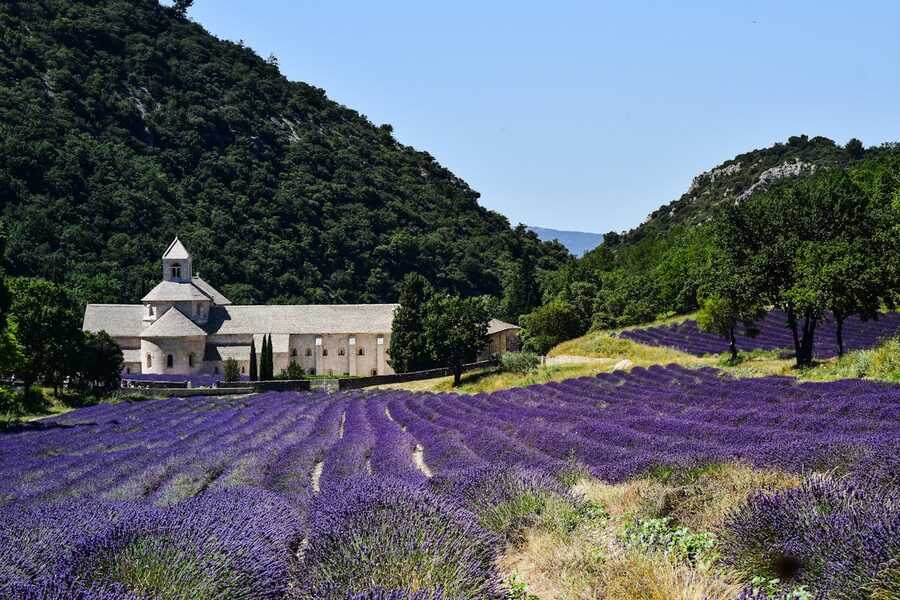
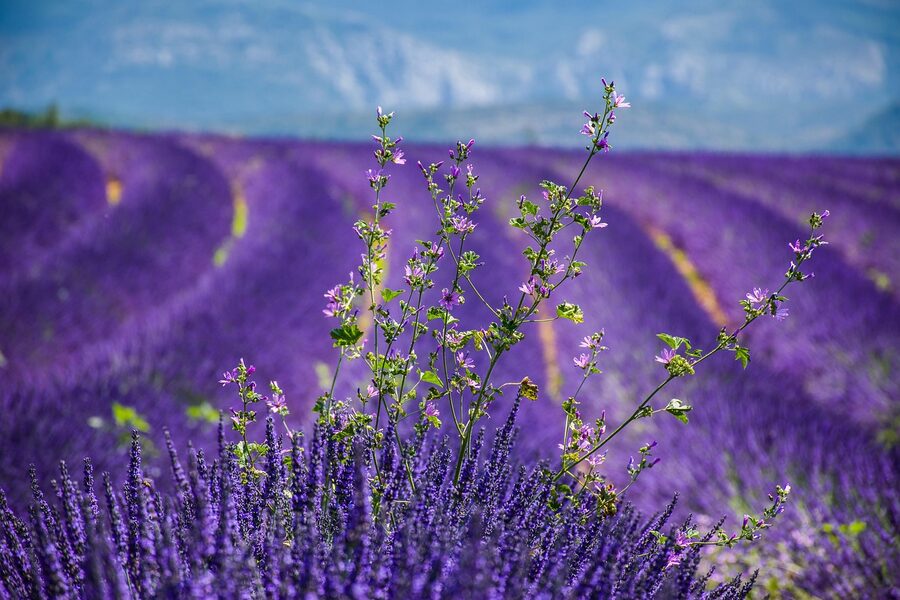
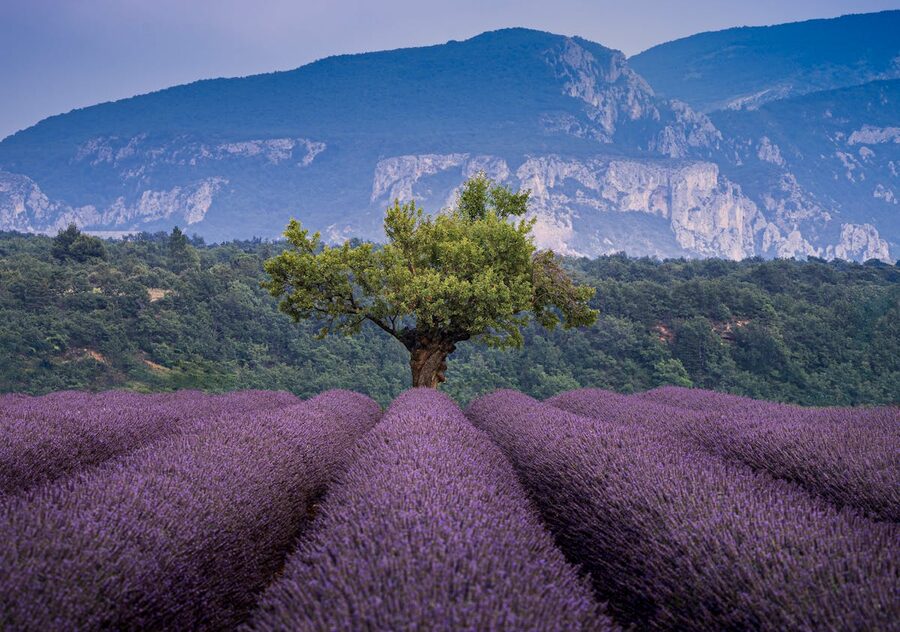
Lavender season: Mid-June to mid-August, with July being the absolute peak. If lavender fields are important to you, book during this window. Some tours specifically detour past the Valensole plateau during bloom season.
Shoulder season (March-April, October-November): The villages are quieter, parking is easier, and you will have streets to yourself. The trade-off is that some shops and restaurants close for the season, and the landscape looks drier and less photogenic.
Avoid: December through February unless you specifically want the Christmas market atmosphere. Many village shops close entirely, the days are short, and some tour operators reduce their schedules or shut down.
Book early in your trip. Weather can shift plans on the coast, and having the countryside tour early gives you a buffer day if it gets rained out and you need to rebook.
How to Get from Nice to the Provence Countryside
On a guided tour: All three tours listed above include hotel pickup and drop-off in central Nice. You will typically be collected between 8:00 and 9:00 AM. The driver contacts you the evening before to confirm the exact time and location. If your hotel is outside the pickup zone, they will arrange a nearby meeting point.
By rental car: Take the A8 motorway west from Nice toward Cannes, then exit onto the D2085 heading north toward Grasse. From Nice to Grasse is about 45 minutes without traffic, longer on summer weekends. From Grasse, the D3 and D2 wind through the hill villages. Budget a full day, and make sure your GPS has offline maps loaded — cell service drops out in the valleys.
By public transport: There is a bus from Nice to Grasse (line 500, about 90 minutes, around 1.50 EUR), but once you are in Grasse, getting between the smaller villages without a car is extremely difficult. There are no regular bus connections between Gourdon, Tourrettes-sur-Loup, and the other perched villages. Public transit works for Grasse alone; for the full countryside circuit, you need a car or a tour.
Tips That Will Save You Time and Money
Wear proper shoes. These villages are built on slopes, and the streets are cobblestone or bare rock. Sandals will leave you miserable by the second stop. Flat, closed-toe shoes with some grip are what you want.
Bring cash for the villages. Card acceptance is spotty in the smaller stops. The perfumeries in Grasse take cards, but village bakeries, market stalls, and some cafés are cash only. Twenty or thirty euros in small bills covers it.
Eat before the tour or plan to buy lunch. The half-day tours do not include meals. The full-day tours usually stop for a lunch break but do not provide food — you buy your own at a local restaurant or bakery. Guides will point you toward the good spots.
Sit in the front of the van if you get carsick. The mountain roads between villages are winding, and the drivers go at a pace that keeps the schedule. If you are sensitive to motion, the front seat and an open window make a real difference.
Do not try to combine this with a Monaco day trip on the same day. I have seen people try. The countryside tour alone is a full sensory day — adding Monaco turns it into an exhausting blur where you remember nothing properly.
What You Will See Along the Way
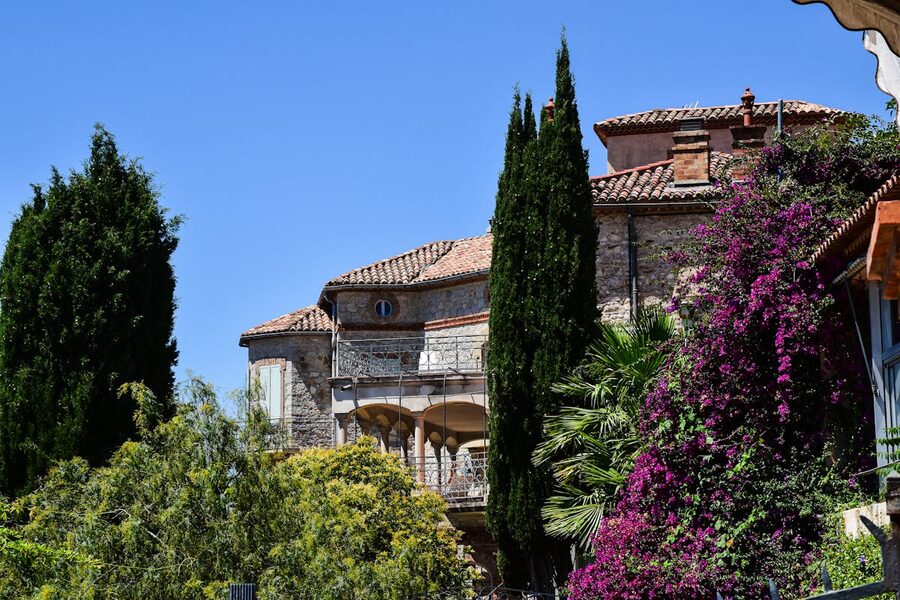
The drive from Nice into the Provençal backcountry is not just a transit between stops. Once you climb out of the coastal corridor, the landscape shifts dramatically. The Mediterranean scrubland gives way to terraced olive groves, then pine forests, then open plateaus dotted with wildflowers.
The Loup Valley appears on several itineraries. The river has carved a gorge through the limestone over millions of years, and the resulting canyon — while smaller than the famous Gorges du Verdon — is dramatic enough to make you reach for your camera. The Saut du Loup waterfall, where the river drops through a series of cascades, is a common photo stop.
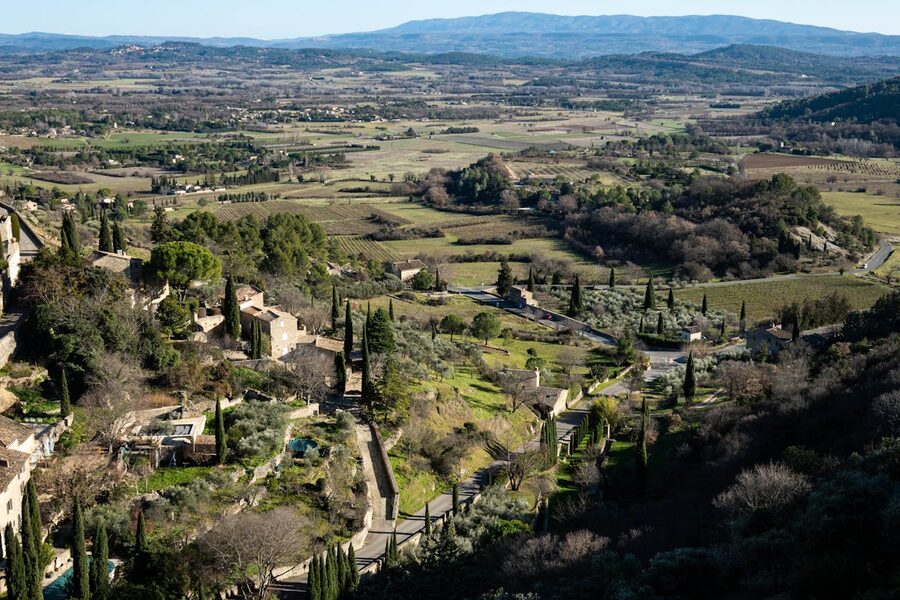
The perfumery district around Grasse tells a story that goes back further than most people realize. In the 16th century, tanning was one of Grasse’s main industries. Leather gloves were fashionable across Europe, but they smelled terrible after the tanning process. Local craftsmen began scenting their gloves with floral essences — jasmine, rose, tuberose — to mask the smell. The scented glove business boomed, and by the 17th century, the perfume side of the trade had eclipsed the leather entirely. Catherine de Medici is often credited with popularizing perfumed gloves after receiving a pair from Grasse. The town never looked back.
The villages themselves all share a common origin story. During the 9th and 10th centuries, Saracen raiders terrorized the Provençal coast. Coastal settlements were indefensible, so the population moved to high ground. They built their villages on the steepest, most inaccessible hilltops they could find — narrow entrances, thick walls, houses stacked vertically to save space. A thousand years later, those same defensive features make them some of the most photogenic places in France.
More Guides for the French Riviera
If you are spending more than a day or two in Nice, the countryside tour pairs well with a few other excursions. The French Riviera coastal tour covers the glamour side of the region — Monaco, Èze, the Corniche roads — which is a completely different vibe from the inland villages. For something closer to town, the Nice food tour is a solid half-day that digs into the city’s Niçois cuisine. The sightseeing cruise from Nice gives you the coastline from the water, and if you want the biggest canyon in Europe, the Gorges du Verdon day trip is a full-day commitment that is absolutely worth it. And if you haven’t made it to Saint-Paul-de-Vence and Antibes yet, there are dedicated tours that give each place more time than the countryside circuits allow.
This article contains affiliate links. If you book a tour through these links, we earn a small commission at no extra cost to you. This helps keep the site running and allows us to keep writing these guides.