
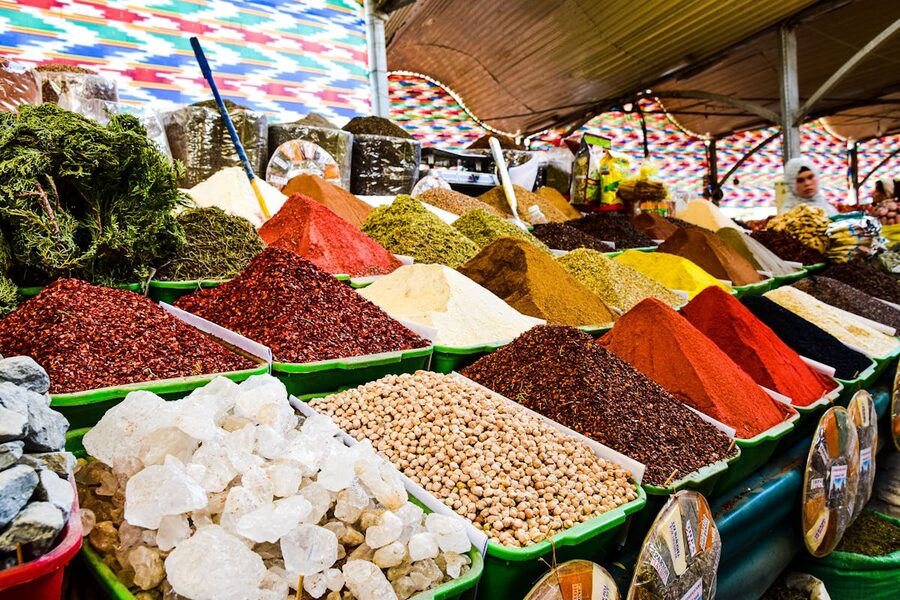
The first time I walked through the Noailles market in Marseille, I nearly got run over by a guy wheeling a cart stacked with crates of sardines. He yelled something in a mix of French and Arabic that I didn’t catch, grinned, and disappeared into the chaos. That was my introduction to eating in this city: loud, unapologetic, and nothing like what you’d find in Paris.
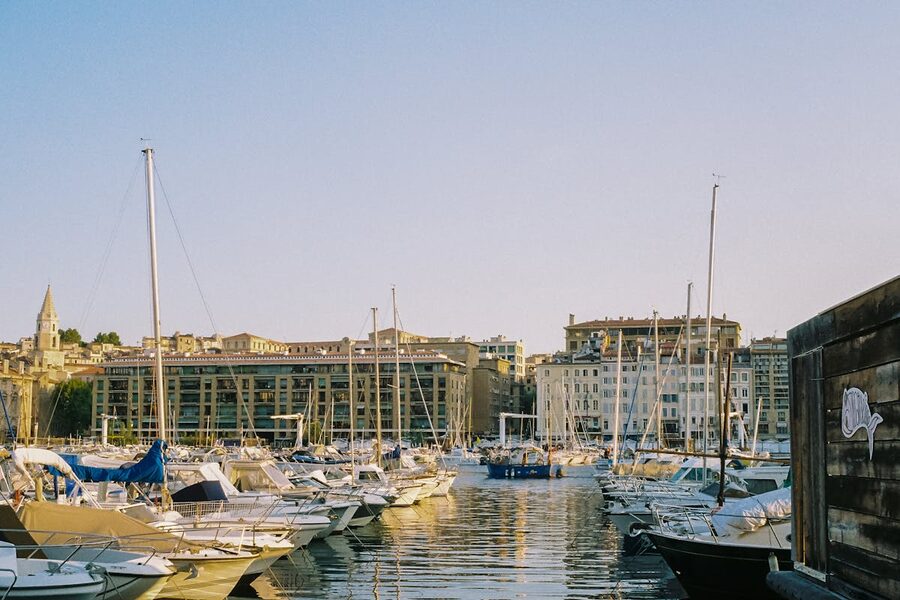
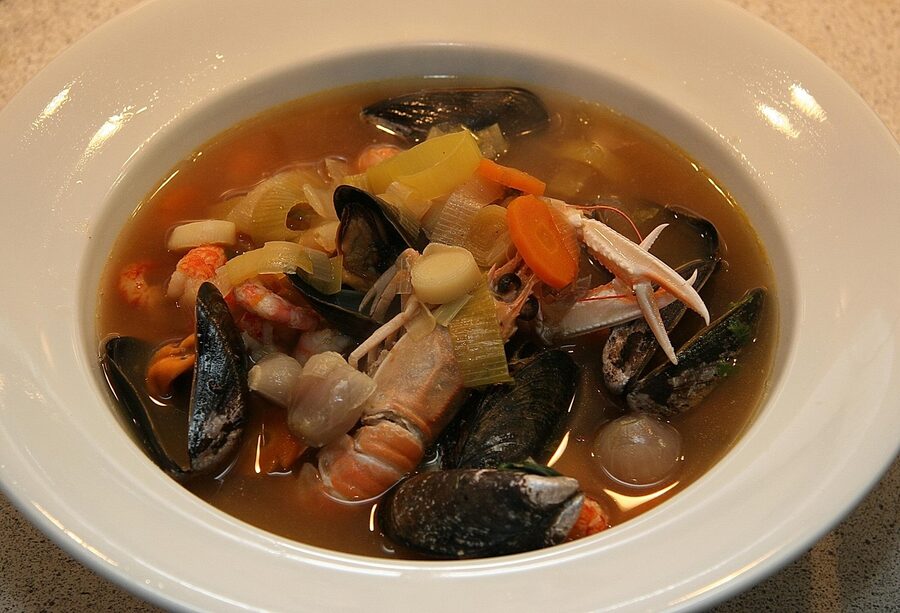
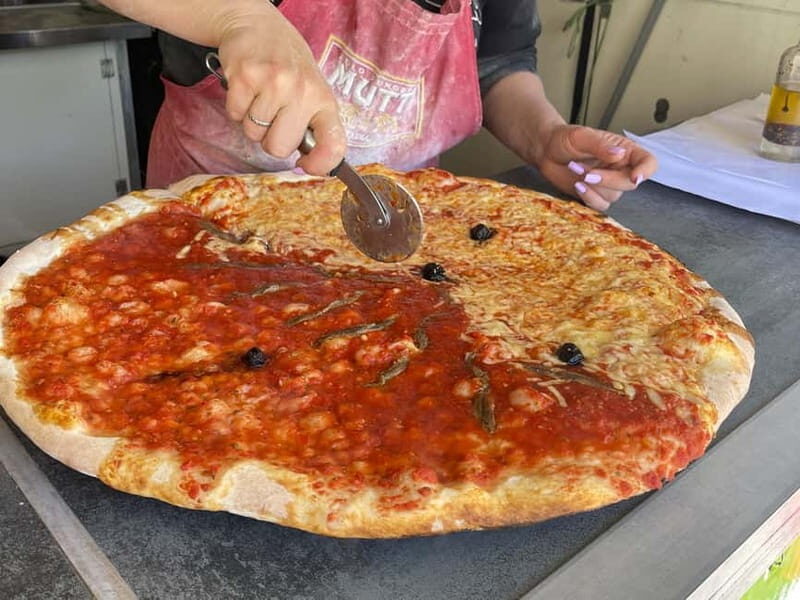
Marseille doesn’t do dainty. This is a port city that has been feeding sailors, merchants, and immigrants for 2,600 years. The food here tells that story better than any museum. Greek settlers brought olive oil. North African communities introduced couscous, merguez, and the spice-heavy cooking you’ll find all over the Noailles neighbourhood. Italian immigrants brought their pizza traditions (Marseille argues it had pizza before Naples, which is fighting talk). And then there’s bouillabaisse, the dish that started as a fisherman’s solution for unsellable rockfish and became Marseille’s most protected recipe.
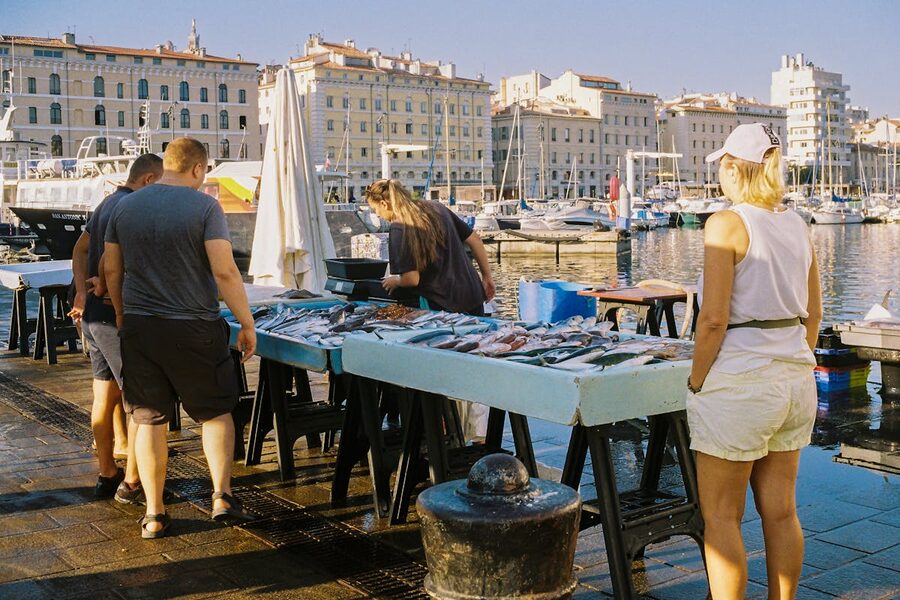
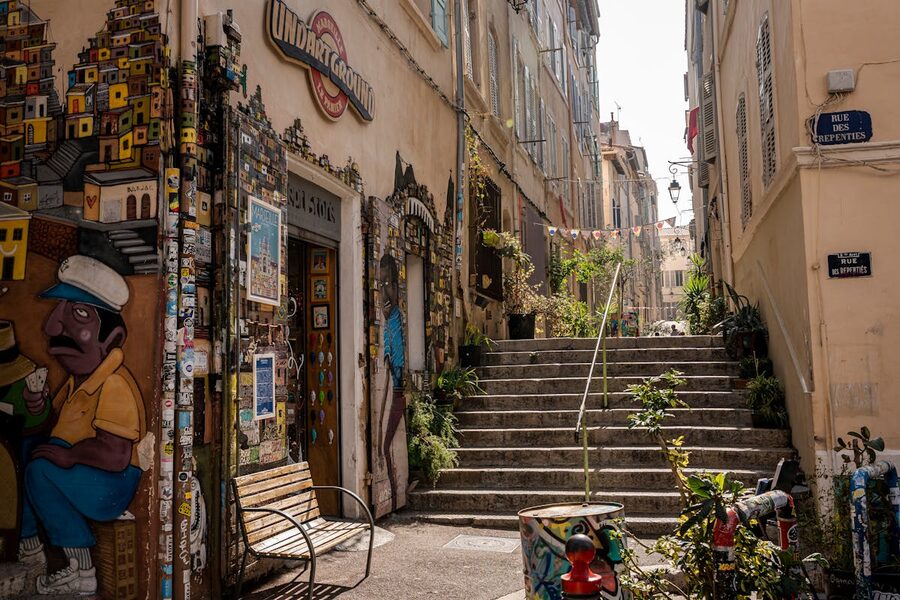
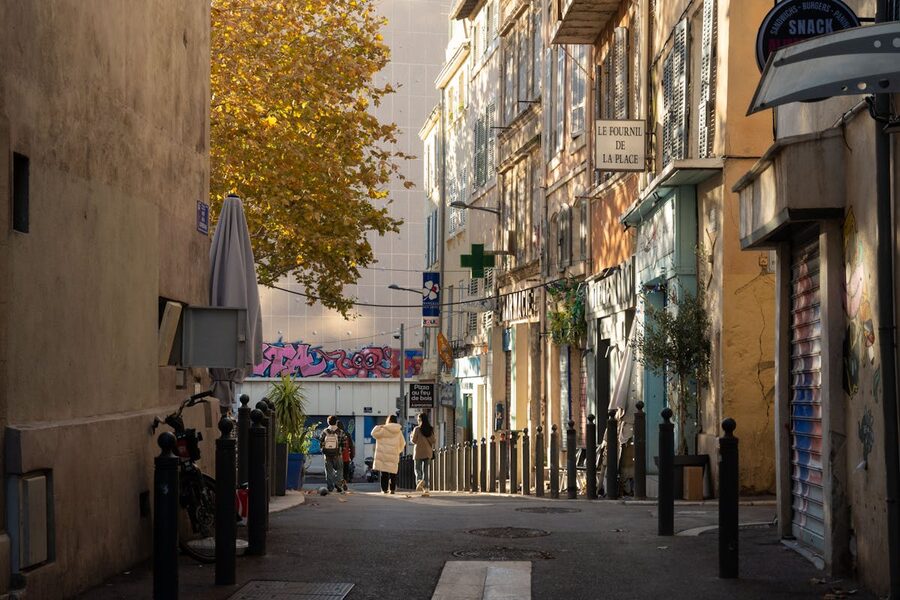
A guided food tour is the fastest way to crack Marseille’s food code. Without one, you’ll probably stick to the tourist restaurants ringing the Old Port and miss everything that makes this city’s food scene different from every other French city. A good guide takes you into the side streets, explains why Noailles smells like a Tunisian souk, and makes sure you try panisse (chickpea fritters) and navettes (orange blossom cookies shaped like boats) alongside the bouillabaisse everyone already knows about.
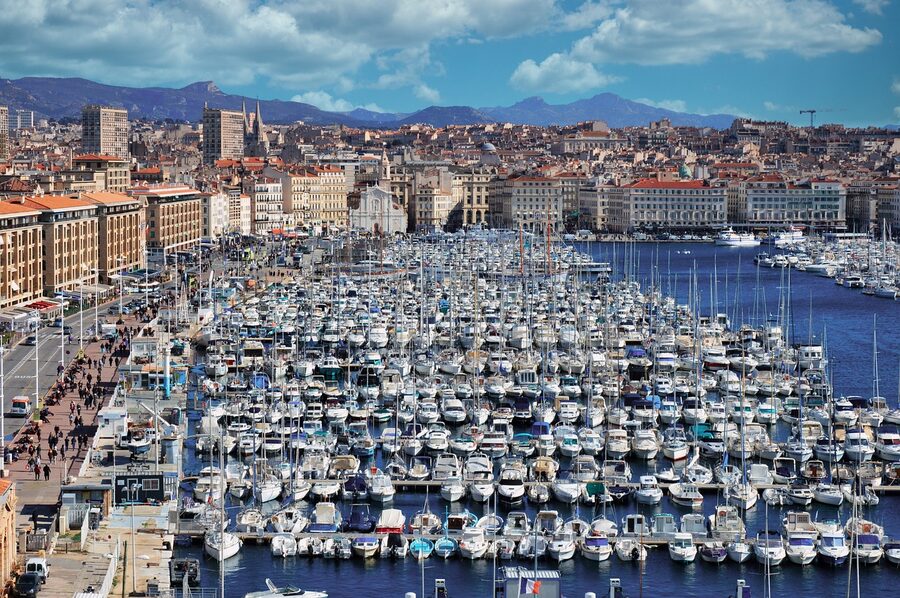
Best overall: Marseille Food Tour by Do Eat Better — $89. Full-meal tour with five tastings and local wines over 3.5 hours. The one with the most reviews for a reason.
Best for the Vieux-Port area: No Diet Club Vieux-Port Tour — $77. 3.5 hours around the Old Port with a guide who treats you like a friend, not a customer.
Best for street art and food: No Diet Club Cours Julien Tour — $73. Combines Marseille’s graffiti-covered Cours Julien neighbourhood with its best independent food spots.
- How Marseille’s Food Tour Scene Works
- Self-Guided vs Guided: Why It Matters in Marseille
- The 3 Best Marseille Food Tours to Book
- 1. Marseille Food Tour: Full Meal of Local Tastes by Do Eat Better —
- 2. No Diet Club: Local Food Tasting and Walking Tour (Vieux-Port) —
- 3. No Diet Club: Foodie Walking Tour of the Cours Julien District —
- When to Take a Food Tour in Marseille
- How to Get to the Meeting Points
- Tips That Will Save You Time (and Your Appetite)
- What You’ll Actually Taste on a Marseille Food Tour
- More Guides for the South of France
How Marseille’s Food Tour Scene Works
Marseille food tours generally fall into two categories: walking tours that cover a specific neighbourhood (Le Panier, Noailles, Cours Julien, or the Vieux-Port area), and full-city tours that hop between districts by foot. Most run between 3 and 3.5 hours, which is about right for a city where the distances between food neighbourhoods are manageable on foot.
Prices range from about $73 to $90 per person. That might sound steep for a walking tour, but every tour on this list includes multiple food tastings (typically 5-8 stops), and some include wine or pastis. You won’t need lunch or dinner after. The food is the point, not an afterthought.
Most tours cap group sizes at 10-12 people. A few operators run semi-private options for smaller groups, which is worth considering if you’re visiting during the summer high season when Marseille is packed with cruise ship passengers.
Booking is straightforward through platforms like GetYourGuide and Viator. Most tours offer free cancellation up to 24 hours before, so you can lock in a spot early without risk. Mornings tend to fill first because the markets are most active then, but evening food tours (especially sunset-focused ones) have their own appeal: the city cools down, the port lights up, and the aperitif culture takes over.
Self-Guided vs Guided: Why It Matters in Marseille
You could explore Marseille’s food scene alone. The markets are open to everyone, restaurants have menus you can read, and Google Maps will get you around. But there are two good reasons a guided tour pays for itself here.
First, Marseille’s best food is hidden. Not deliberately, but because the city’s food culture is rooted in immigrant communities that don’t market to travelers. The best couscous in France (yes, France — couscous was voted the nation’s favourite dish in 2019) sits in unremarkable shopfronts in Noailles. The bakeries making authentic navettes and chichi fregi (fried dough from Marseille’s Italian community) don’t have Instagram accounts. A guide who lives here knows which stalls to visit and which to skip.
Second, the cultural context matters more in Marseille than in most French cities. You’re not just eating food; you’re eating the history of Greek colonists, Roman trade routes, North African migration, and Italian fishing communities. A good guide connects the dots between what’s on your plate and the 2,600 years of history that put it there. Without that context, panisse is just a fried chickpea thing. With it, you understand how it connects to the socca of Nice and the farinata of Genoa, tracing old Mediterranean trade routes through a street snack.
If you’re planning to use a Marseille CityPass, note that it doesn’t include food tours, but it covers transport and museum entry, which can free up budget for a guided eating experience.
The 3 Best Marseille Food Tours to Book
I’ve reviewed the major Marseille food tours based on traveler feedback, guide quality, and the actual food you’ll eat. These three stand out from the pack for different reasons. All of them deliver enough food that you can skip your next meal.
1. Marseille Food Tour: Full Meal of Local Tastes by Do Eat Better — $89
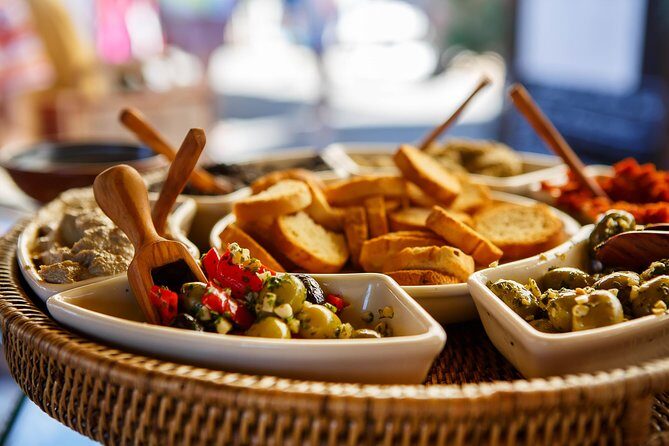
This is the most booked food tour in Marseille, and the reviews tell you why. At $89 for a 3.5-hour tour, you get five tastings plus local wine, which adds up to a genuine full meal. The operator, Do Eat Better, runs food tours across Italy and France and knows how to train guides who can talk about both food and history without boring you.
What separates this one from the competition is the guide roster. Names like Laura, Inga, Ben, and Jasmine keep coming up in reviews, and they all get praised for the same thing: they treat the tour like showing a friend around, not reading from a script. The food stops lean toward classic Provencal rather than North African, so if you want the full multicultural Marseille experience, pair this with a walk through Noailles on your own.
One thing to flag: a few reviewers felt the “full meal” description was a stretch. Most people leave satisfied, but if you’re a big eater, maybe don’t skip breakfast entirely.
2. No Diet Club: Local Food Tasting and Walking Tour (Vieux-Port) — $77
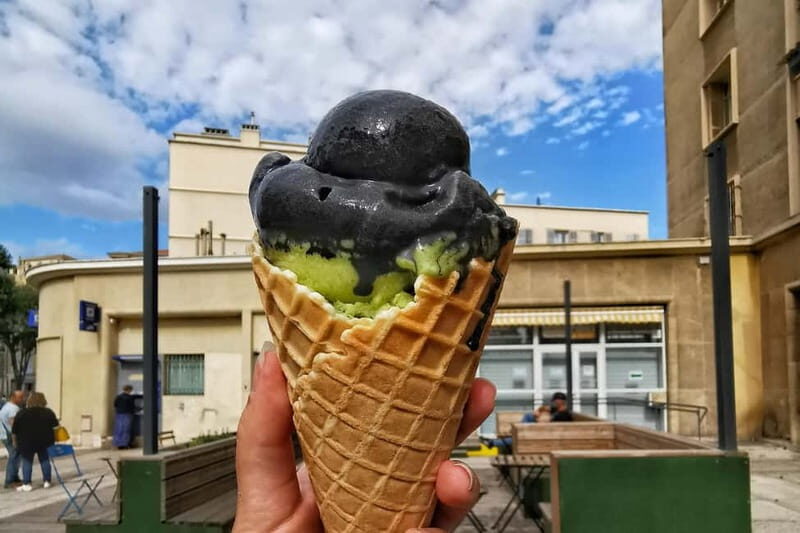
The No Diet Club is a Marseille-based operator (not a multinational chain), and that shows in the tour’s personality. At $77 for 3.5 hours, this hits the sweet spot between value and substance. The tour focuses on the Vieux-Port area, which is where most visitors spend their time anyway, so you’ll leave knowing exactly where to come back for dinner.
Guides like Paulo and Nathalie are the main draw. Paulo gets described as a walking encyclopedia of Marseille food history, and he doesn’t just take you to restaurants — he’ll pull you into a bakery you’d walk straight past and explain why the owner’s family has been making the same bread for three generations. Nathalie brings the same depth but with a sharper local edge.
This is the best choice if you’re staying near the Old Port and want to spend the rest of your trip eating at the same places your guide showed you, rather than discovering spots across town you’d need a bus to reach.
3. No Diet Club: Foodie Walking Tour of the Cours Julien District — $73
If you’ve already seen the Vieux-Port and want something completely different, this 3-hour tour through Cours Julien — Marseille’s bohemian, graffiti-covered creative quarter — is the one to book. At $73 it’s the cheapest option on this list, and you’ll eat in a neighbourhood most travelers never find.
Cours Julien is where Marseille’s younger creative crowd eats. The food stops here skew international and experimental, reflecting the neighbourhood’s identity: think specialty coffee roasters, natural wine bars, and fusion bakeries alongside traditional Provencal spots. Guide Joris gets singled out for combining food knowledge with genuine neighbourhood history, while Coline gets praised for explaining how different immigrant communities shaped this specific corner of the city.
This is the best pick for second-time visitors or anyone who already knows the Vieux-Port area. Pair it with the Do Eat Better tour around the Old Port and you’ll have Marseille’s food scene pretty well covered.
When to Take a Food Tour in Marseille
Marseille’s food tour season runs year-round, but timing matters more than you’d think. Here’s what to consider.
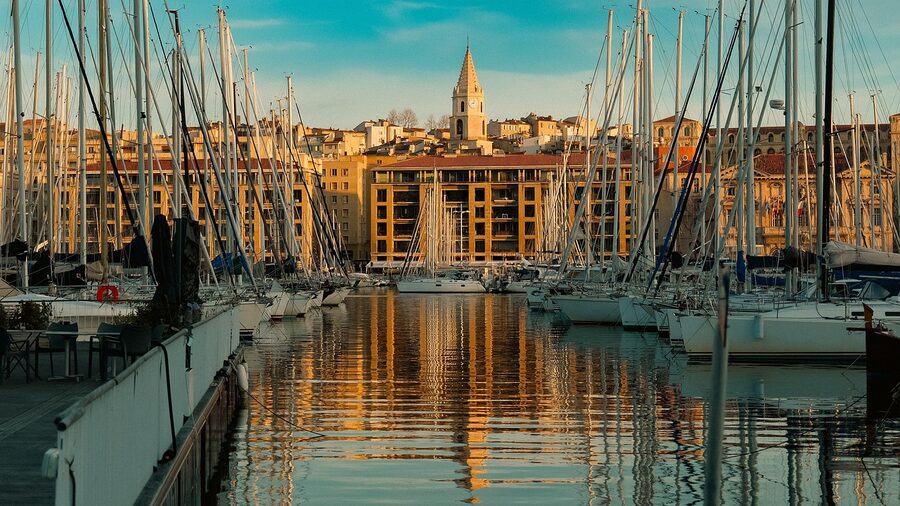
Best months: April through June and September through October. The weather is warm enough to enjoy walking between food stops but not so brutal that you’re sweating through a 3-hour tour. Markets are in full swing with seasonal produce, and the city isn’t overwhelmed by summer cruise ship crowds.
Summer (July-August) brings heat that regularly tops 30C. Morning tours work fine, but afternoon tours can be punishing on shadeless streets. Book the earliest morning slot available. On the plus side, this is peak season for Provencal fruits — the melons and figs are spectacular.
Winter (November-March) is quieter and cooler, but many outdoor market stalls reduce hours. The upside: smaller tour groups, more personal attention from guides, and you’ll find the city’s heartiest dishes (soupe au pistou, pieds paquets, and of course bouillabaisse, which was originally a cold-weather fisherman’s meal).
Morning vs evening tours: Morning tours win if you want to see the markets at their best. The Vieux-Port fish market wraps up by late morning, and Noailles is at its most energetic before noon. Evening tours suit the aperitif culture — you’ll catch Marseille in pastis mode, which is its own kind of education.
How to Get to the Meeting Points
Most Marseille food tours start at or near the Vieux-Port, which is the city’s transport hub. Getting there is straightforward.
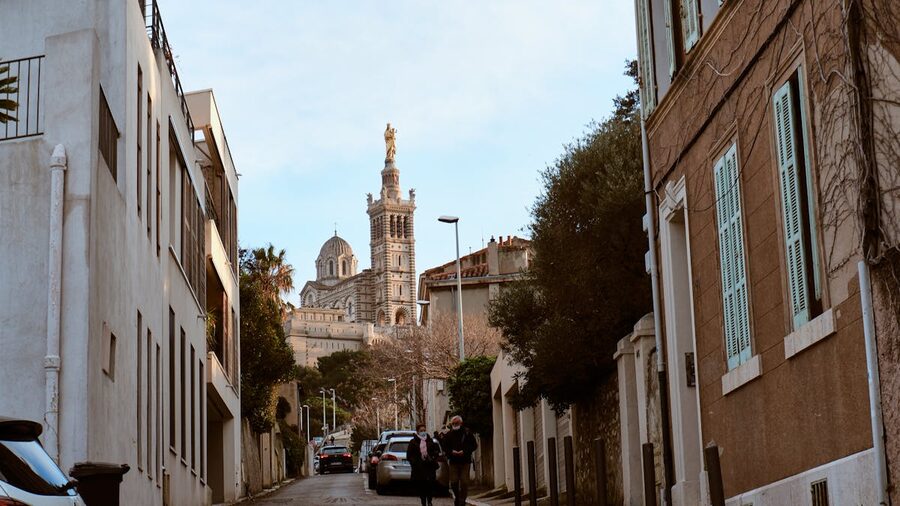
Metro: Lines M1 and M2 both stop at Vieux-Port station, which drops you right at the waterfront. From Gare Saint-Charles (the main train station), it’s just one metro stop. If you’re coming from the airport, take the Navette shuttle bus to Saint-Charles, then metro to Vieux-Port. Total time: about 35 minutes.
Walking from central hotels: If you’re staying anywhere in the 1st or 7th arrondissements, most meeting points are within 15 minutes on foot. The Cours Julien tours start slightly further east — about a 20-minute walk from the Vieux-Port, or one metro stop to Notre-Dame du Mont.
By car: Don’t drive to the Vieux-Port if you can avoid it. Parking is limited and expensive. The Parking Vieux Port underground garage charges around 3 euros per hour. If you must drive, park at a metro station outside the centre and ride in.
The Marseille CityPass includes unlimited public transport on buses, metro, and trams, which makes getting between food stops and attractions easy for the rest of your trip.
Tips That Will Save You Time (and Your Appetite)
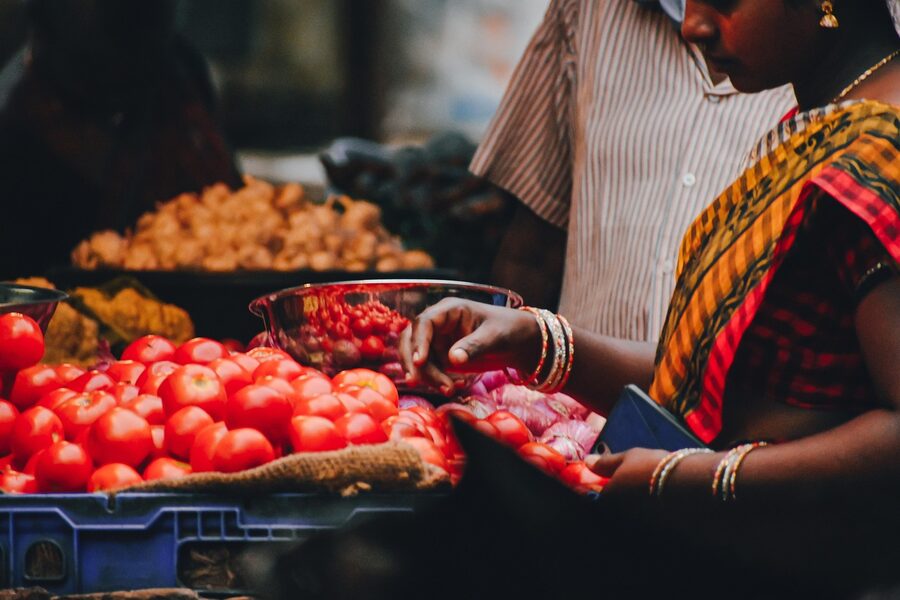
Skip breakfast. Every tour on this list gives you enough food to count as a meal. Eating a hotel breakfast first is a waste of both money and stomach space. A coffee is fine. A croissant is fine. A full buffet breakfast is a mistake.
Wear comfortable shoes with grip. Marseille is hillier than it looks, and some streets in Le Panier are slippery cobblestones. Sandals are fine in summer, but slippery flip-flops are not.
Bring cash for extras. Most food stops accept cards, but small market stalls and bakeries sometimes don’t. Having 20-30 euros in cash means you can buy that extra round of tapenade or a bag of navettes to bring home.
Tell your guide about allergies early. Marseille food is heavy on seafood, nuts, and gluten. Every guide I’ve seen mentioned in reviews can adapt the route for dietary needs, but they need advance warning to arrange alternatives with the food vendors.
Book at least 3-4 days ahead in summer. The morning tours sell out fastest, and peak season means larger group sizes. Shoulder season (April-May, September-October) is more relaxed — you can often book a day or two ahead.
Ask about bouillabaisse recommendations. No food tour can include a full bouillabaisse (it takes hours to prepare and costs 50+ euros per person), but every guide worth their salt knows which restaurants serve the real thing and which ones serve tourist slop. The Bouillabaisse Charter restaurants are the safest bet, but some non-charter spots are equally good.
What You’ll Actually Taste on a Marseille Food Tour
Every tour varies, but here’s what to expect across the food landscape.
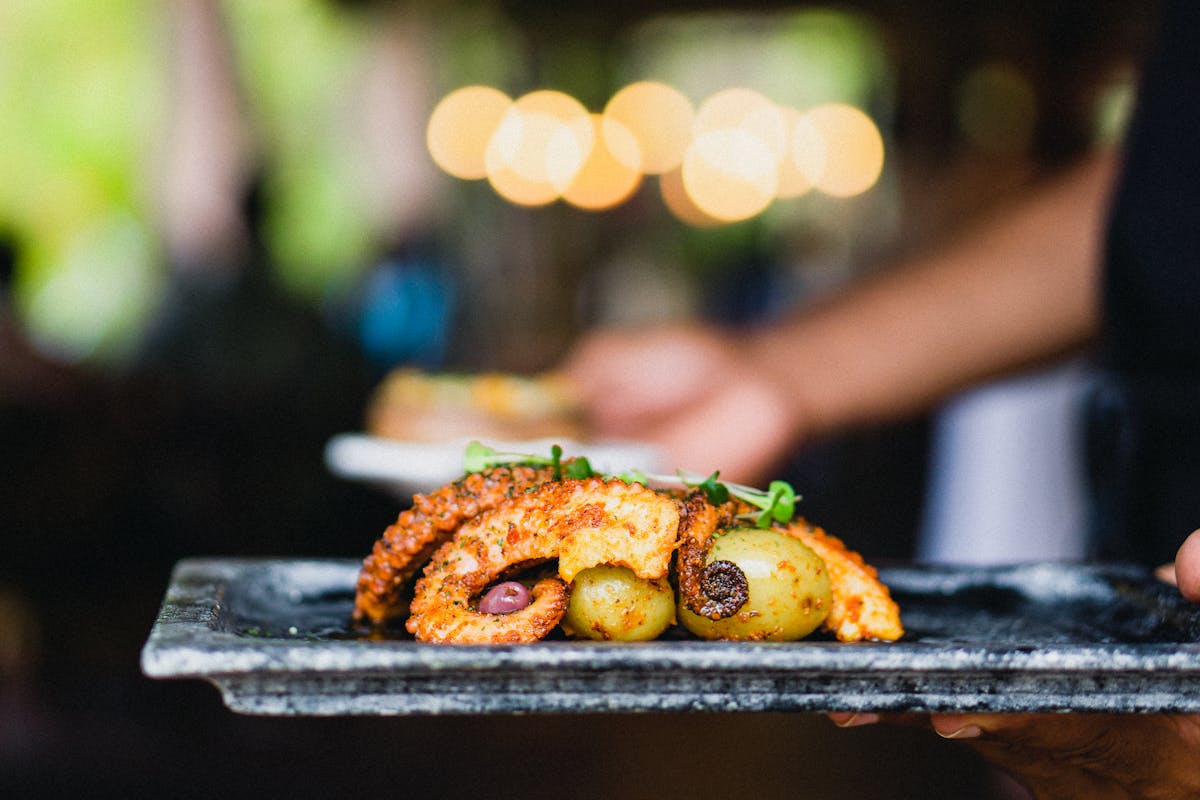
Panisse: Chickpea fritters, fried until golden and served with a squeeze of lemon. This is Marseille’s answer to French fries, and it’s been a street snack here since the Italian community introduced it. You’ll find it at market stalls and in restaurants, and every Marseillais has an opinion on who makes the best version.
Navettes: Hard, boat-shaped biscuits flavoured with orange blossom water. The most famous bakery, Four des Navettes near the Old Port, has been making them since 1781. They’re dry, they’re an acquired taste, and they’re completely tied to Marseille’s identity.
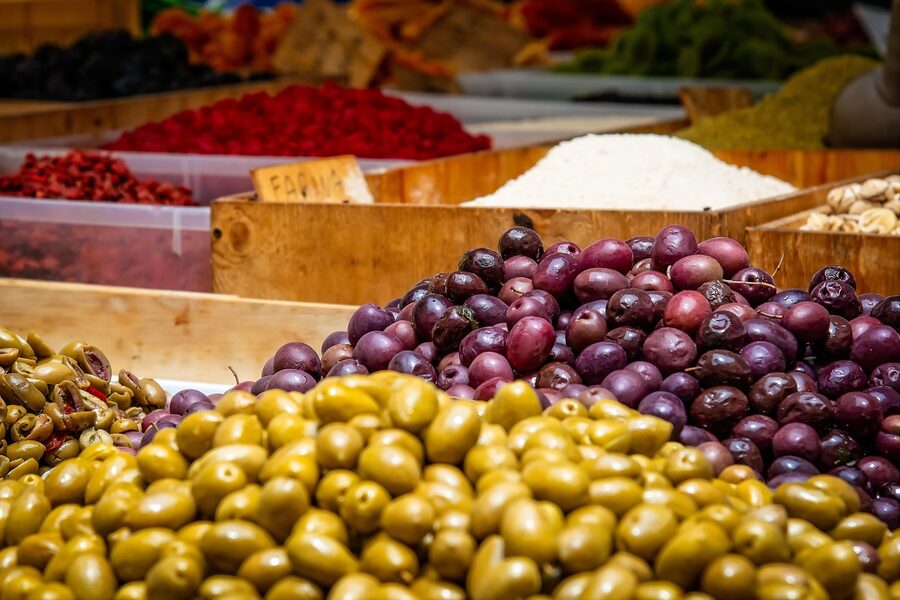
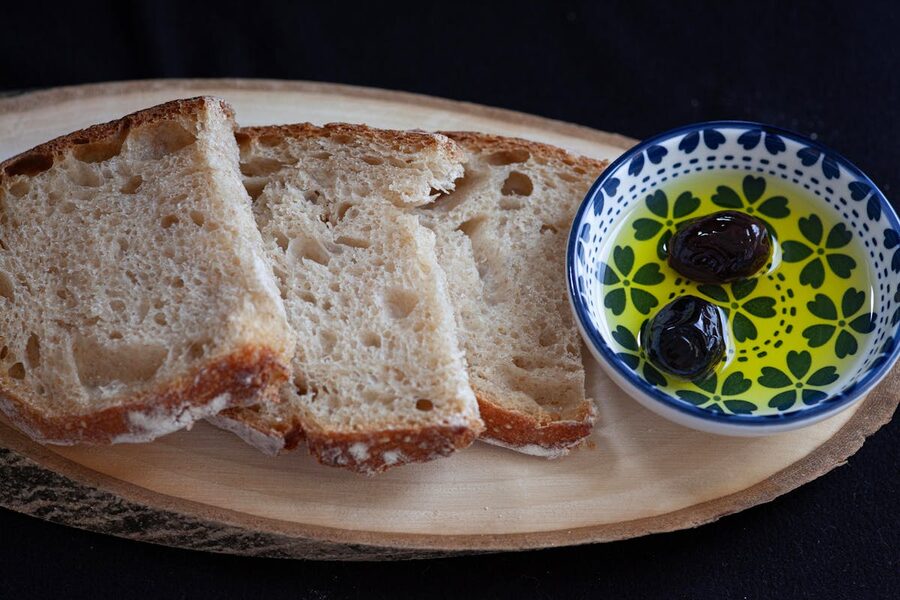
Tapenade and olive oils: Provencal tapenade (black olive paste with capers and anchovies) served with fresh bread is a staple tasting stop. The olive oil in this region is genuinely different from supermarket bottles — grassier, more peppery, and much greener.
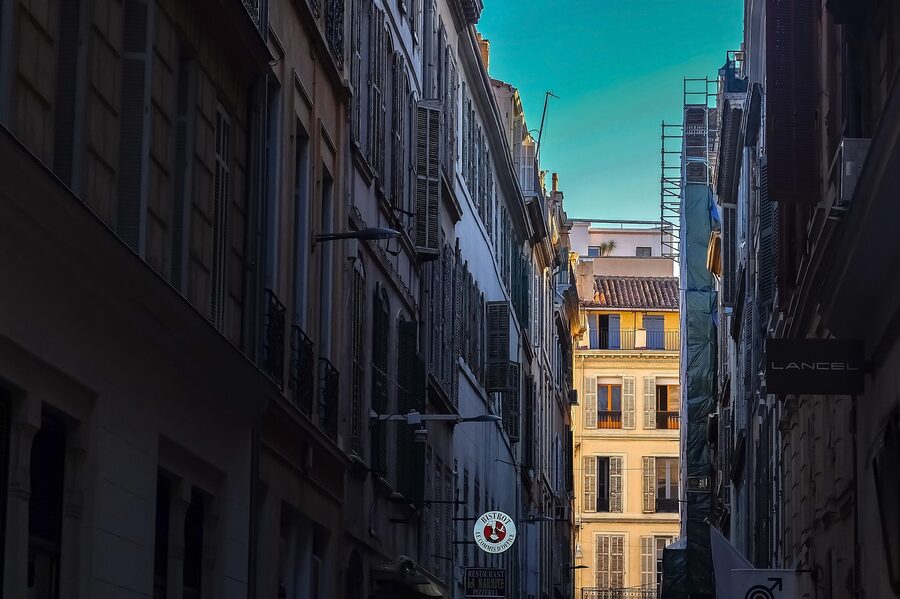
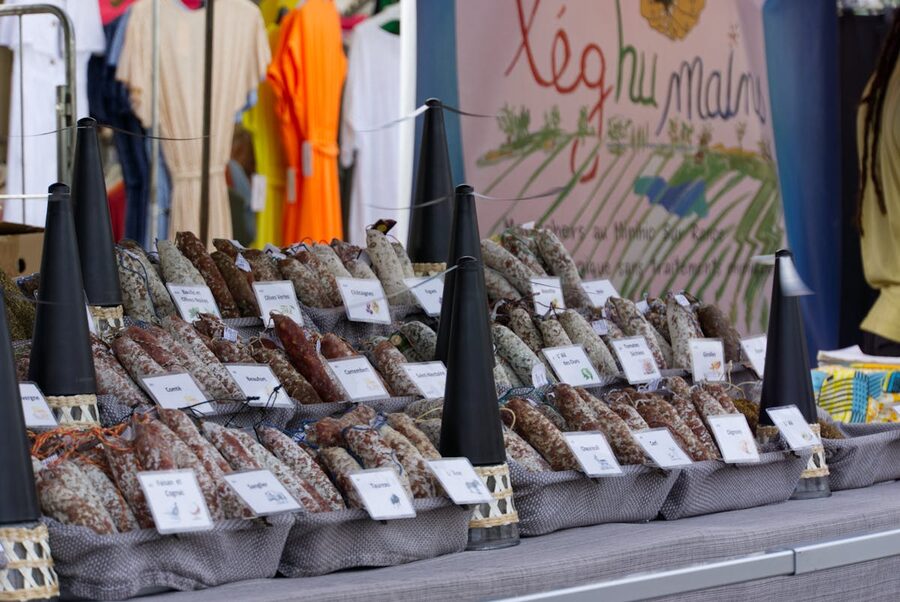
Charcuterie: Saucisson sec (dried sausage) with Provencal herbs is standard. Some tours include local cheeses alongside, and the brousse du Rove (a fresh cheese from goats that graze the Calanques hills outside Marseille) is worth seeking out.
Seafood: Depending on the season, you might taste fresh anchovies, grilled sardines, or poutargue (dried mullet roe, sometimes called Mediterranean caviar). This is a port city, and the seafood is not decorative.
Pastis culture: Some tours include a pastis tasting, which is less about the drink itself and more about understanding Marseille’s social fabric. Pastis is to Marseille what espresso is to Naples — not just a beverage, but a daily ritual.
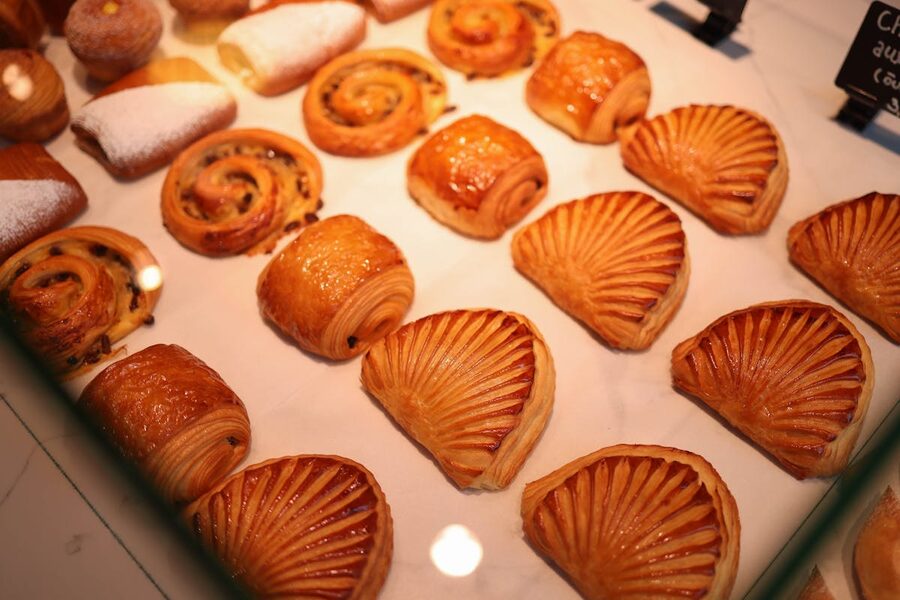
North African flavours: Tours that go through Noailles will introduce you to merguez (spicy lamb sausage), makroud (semolina date pastries), and the spice blends that make Marseille’s food so different from the rest of France. This North African influence is what makes Marseille’s food scene unique in France — no other French city has this kind of culinary crossover.
More Guides for the South of France
If Marseille’s food scene has you hooked on southern France, the eating doesn’t stop at the city limits. Nice has its own food tour tradition with Niçoise specialties — socca, pissaladiere, and a completely different take on Mediterranean cooking. I’ve put together a guide on how to book a food tour in Nice that covers the best options there. For something different, Lyon’s food tour scene leans harder into traditional French gastronomy — bouchons, charcuterie, and Beaujolais wines. And if you’re staying in Marseille for a few days, break up the eating with a trip to the Calanques, the stunning limestone inlets just outside the city where the goats that make brousse du Rove actually graze.
This article contains affiliate links. When you book through these links, we may earn a small commission at no extra cost to you. This helps us keep producing free travel guides.