
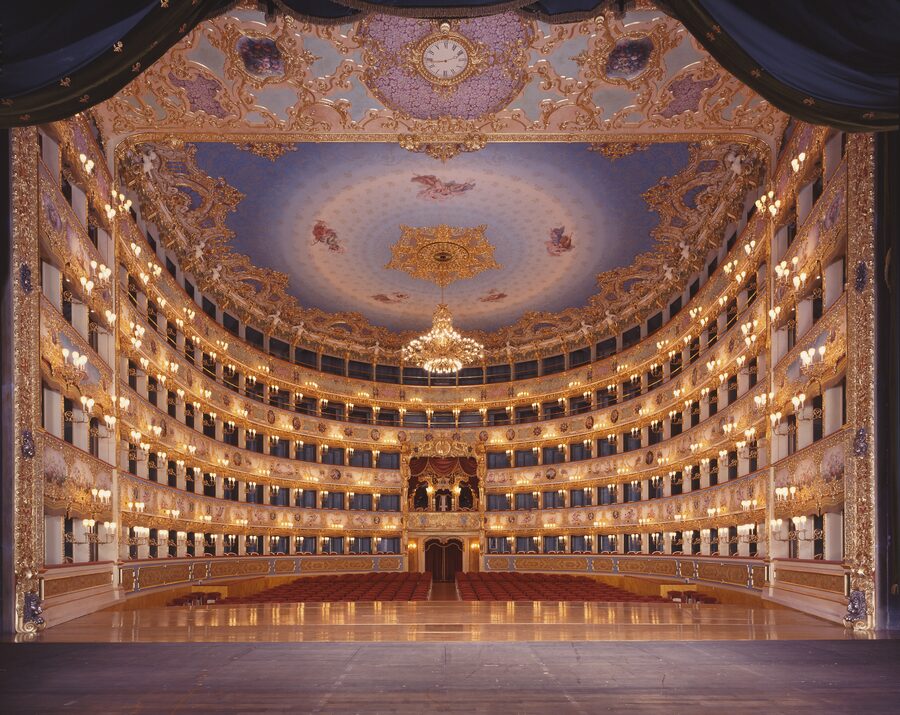
La Fenice is the opera house that refuses to die. It has burned to the ground twice — once in 1836 and once in 1996 — and each time Venice rebuilt it exactly as it was, because the city simply could not exist without it. The name means “The Phoenix,” chosen after the first rebuilding, and it has earned that name more literally than any building in Europe.

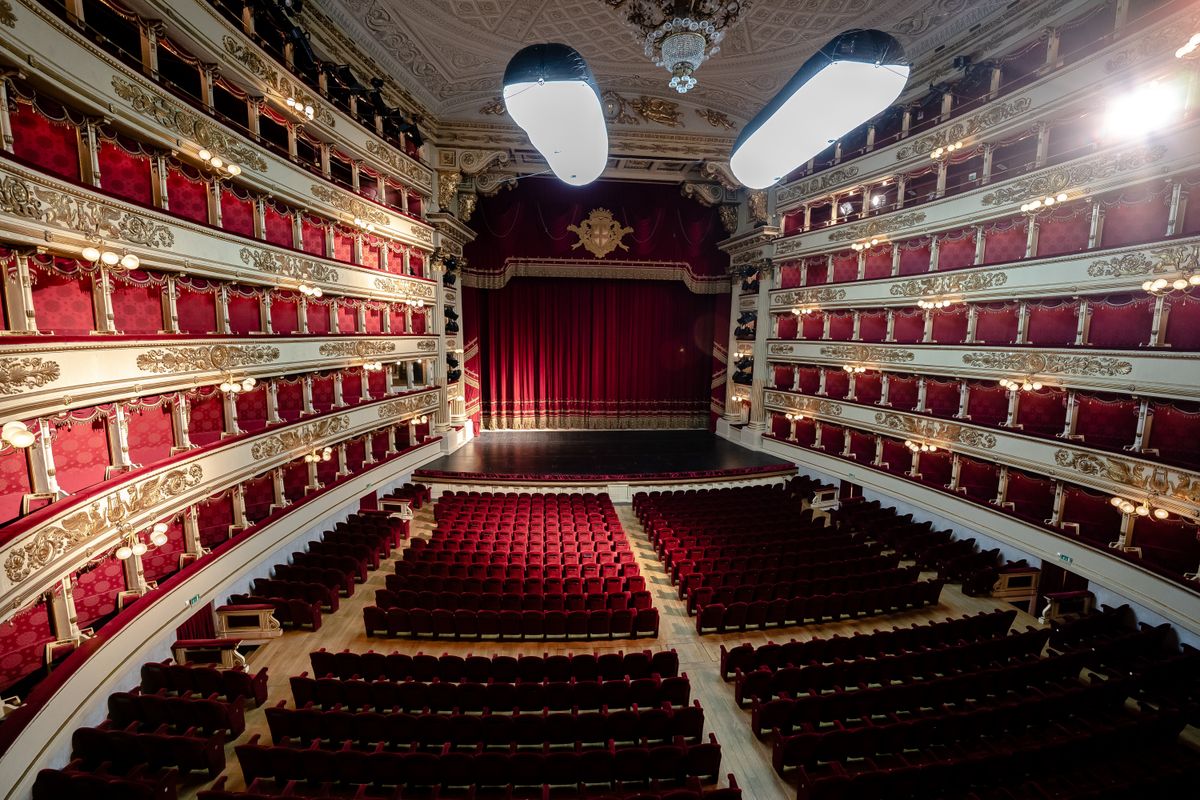
Walking into La Fenice is one of those experiences where the building tells you everything before a single note is played. Five tiers of gilded boxes rise in a horseshoe around a royal blue auditorium. The ceiling is painted with allegories of music and light. Every surface is covered in carved wood, painted plaster, and gold leaf — an 18th-century vision of what paradise might look like if paradise had box seats.
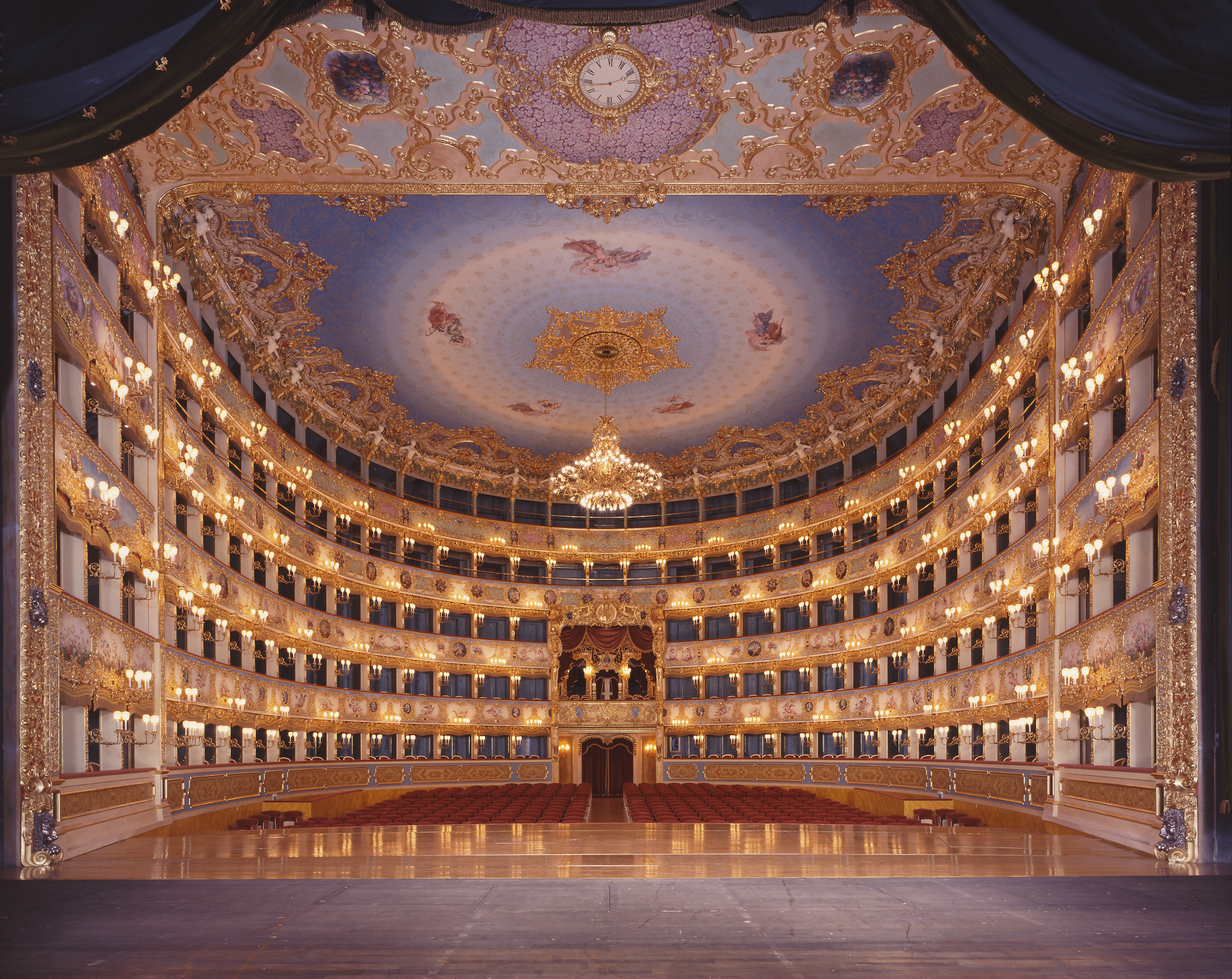
You don’t need to attend a performance to see it. Self-guided audio tours let you explore the auditorium, the royal box, the Sale Apollinee (the ornate reception rooms), and the backstage areas at your own pace for just €14. It’s one of the most beautiful interiors in Venice — and in a city that includes St. Mark’s Basilica and the Doge’s Palace, that’s a serious claim.

Short on time? Here’s what to book:
Best value: La Fenice Entry Ticket with Audio Guide — €14. Self-guided tour of the auditorium, royal box, and Sale Apollinee. The cheapest way to see one of the most beautiful interiors in Italy.
Best guided: La Fenice Guided Tour — €28. Live guide who explains the architecture, the acoustics, and the stories behind the fires and reconstructions.
Best evening: Musica a Palazzo ‘Traveling Opera’ — €118. Live opera performed in a 15th-century palazzo on the Grand Canal. The audience moves between rooms as the acts progress. Unforgettable.
- What to Know Before Visiting
- The audio tour is enough for most visitors
- The guided tour adds personal stories
- Opera performances sell out months ahead
- The Musica a Palazzo is a different experience entirely
- The Best La Fenice Tours and Tickets
- 1. La Fenice Entry Ticket with Audio Guide — €14
- 2. La Fenice Guided Tour — €28
- 3. Musica a Palazzo ‘Traveling Opera’ — €118
- The Phoenix That Burned Twice
- The Premieres That Made History
- Visiting La Fenice: Practical Details
- When to Visit
- Frequently Asked Questions
- Do I need to book the audio tour in advance?
- Is it worth seeing even if I don’t like opera?
- Can I attend a concert instead of a full opera?
- How does this compare to La Scala in Milan?
- Is the Musica a Palazzo experience suitable for opera newcomers?
What to Know Before Visiting

The audio tour is enough for most visitors
At €14 for a self-guided audio tour, La Fenice is one of the best-value cultural experiences in Venice. The audio guide is well-produced — it covers the building’s history, the acoustics, the notable premieres, and the 1996 fire and reconstruction. You move at your own pace through the auditorium, the boxes, the Sale Apollinee, and sometimes the backstage areas (depending on rehearsal schedules). Allow 45-60 minutes.
The guided tour adds personal stories
The live guided tour (€28) adds a human element — the guide shares stories that the audio recording misses, answers questions, and can point out specific architectural details in real time. If you have any interest in opera, architecture, or Venetian history, the guided version is worth the extra €14.
Opera performances sell out months ahead
If you want to actually see an opera at La Fenice (not just tour the building), book well in advance — popular productions sell out 2-3 months ahead. Tickets range from about €40 for upper gallery seats to €300+ for box seats. The experience of watching opera in this auditorium is genuinely transformative, but the self-guided tour captures the visual magic at a fraction of the cost.
The Musica a Palazzo is a different experience entirely
This isn’t La Fenice — it’s a separate “traveling opera” performed in a 15th-century palazzo on the Grand Canal. The audience literally moves between rooms as the opera progresses, standing just metres from the singers. It’s intimate, intense, and completely unique. At €118 it’s not cheap, but it’s the kind of experience that people describe as one of the highlights of their Venice trip.

The Best La Fenice Tours and Tickets
1. La Fenice Entry Ticket with Audio Guide — €14
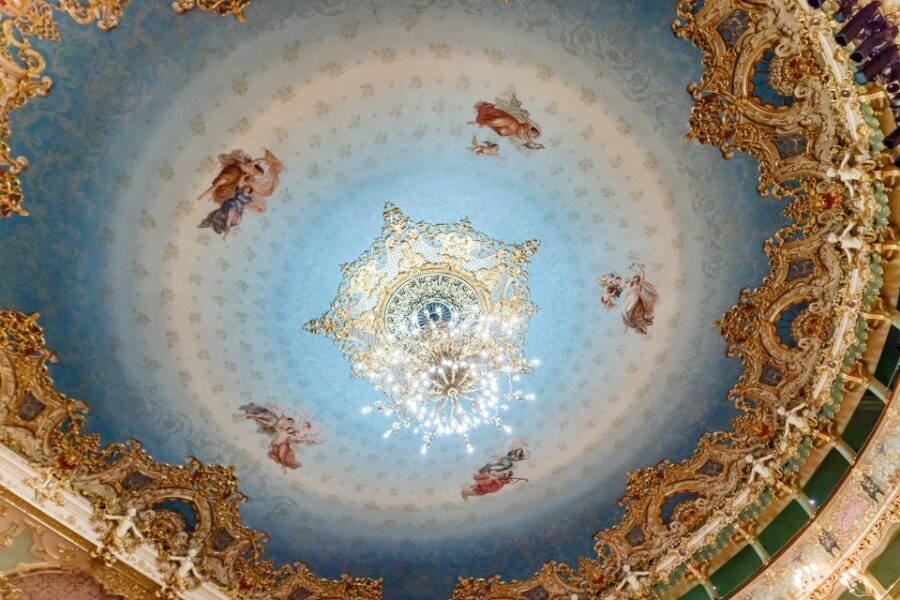
The standard visit and all most people need. Your audio guide walks you through the auditorium (you can sit in the stalls and look up at the tiers of boxes), the royal box (gold leaf, crimson velvet, and a view of the stage that hasn’t changed since the 18th century), and the Sale Apollinee — a series of ornate reception rooms decorated in different styles, from neoclassical to rococo. The audio commentary covers the fires, the premieres, and the remarkable reconstruction. At €14, this is one of the most underpriced cultural experiences in Venice — as we cover in more detail in our full review of the audio tour.
Duration: 45-60 minutes (self-paced) | Access: Auditorium, royal box, Sale Apollinee
2. La Fenice Guided Tour — €28
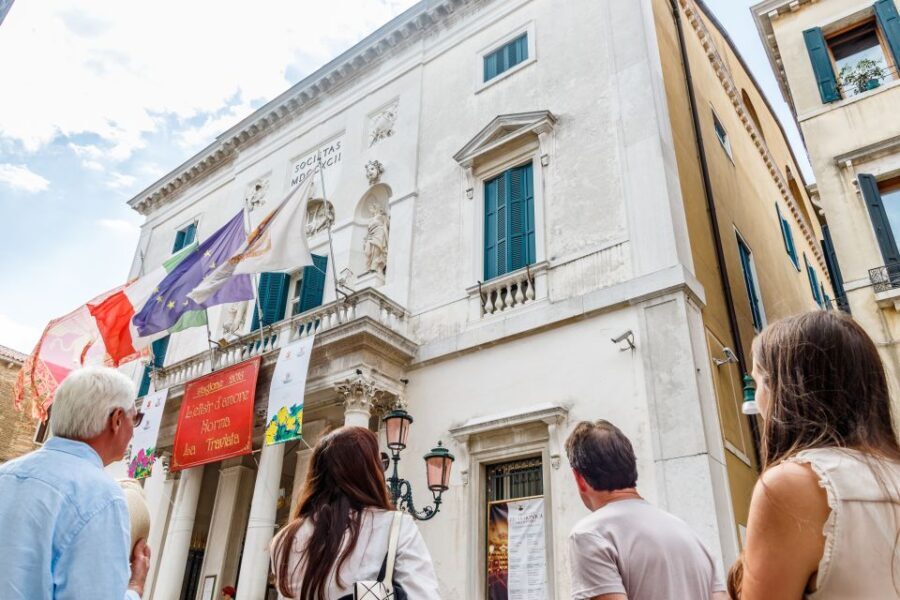
The live guide adds what audio can’t — spontaneity, personal passion, and the ability to answer the question you’re actually thinking. The tour covers the same spaces as the self-guided visit (auditorium, royal box, reception rooms) but with running commentary that connects the architecture to the music, the fires to the reconstructions, and Venice’s political history to the operas that premiered here. The guide can point out specific details — the acoustic reflectors hidden in the ceiling design, the way the boxes are angled for sound rather than sightlines, the small differences between the original and reconstructed elements. We go deeper into the guided experience in our detailed review.
Duration: 1 hour | Access: Full building including backstage (when available)
3. Musica a Palazzo ‘Traveling Opera’ — €118
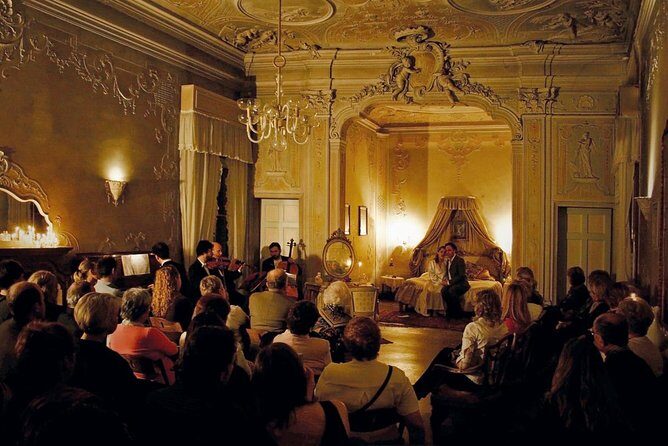
A completely different proposition from the La Fenice tour. Musica a Palazzo stages full operas (typically La Traviata, Rigoletto, or The Barber of Seville) inside the Palazzo Barbarigo Minotto, a 15th-century Gothic palace on the Grand Canal. Each act takes place in a different room. The audience stands or sits on chairs, surrounded by original frescoes and Murano glass chandeliers, while professional singers perform at arm’s length. There’s no stage, no barrier, no distance between performer and audience. It’s opera stripped back to its intimate Venetian origins — and it’s extraordinary. We cover the full experience in our review of Musica a Palazzo.
Duration: 1.5-2 hours | Performance: Full opera (La Traviata, Rigoletto, or similar)
The Phoenix That Burned Twice
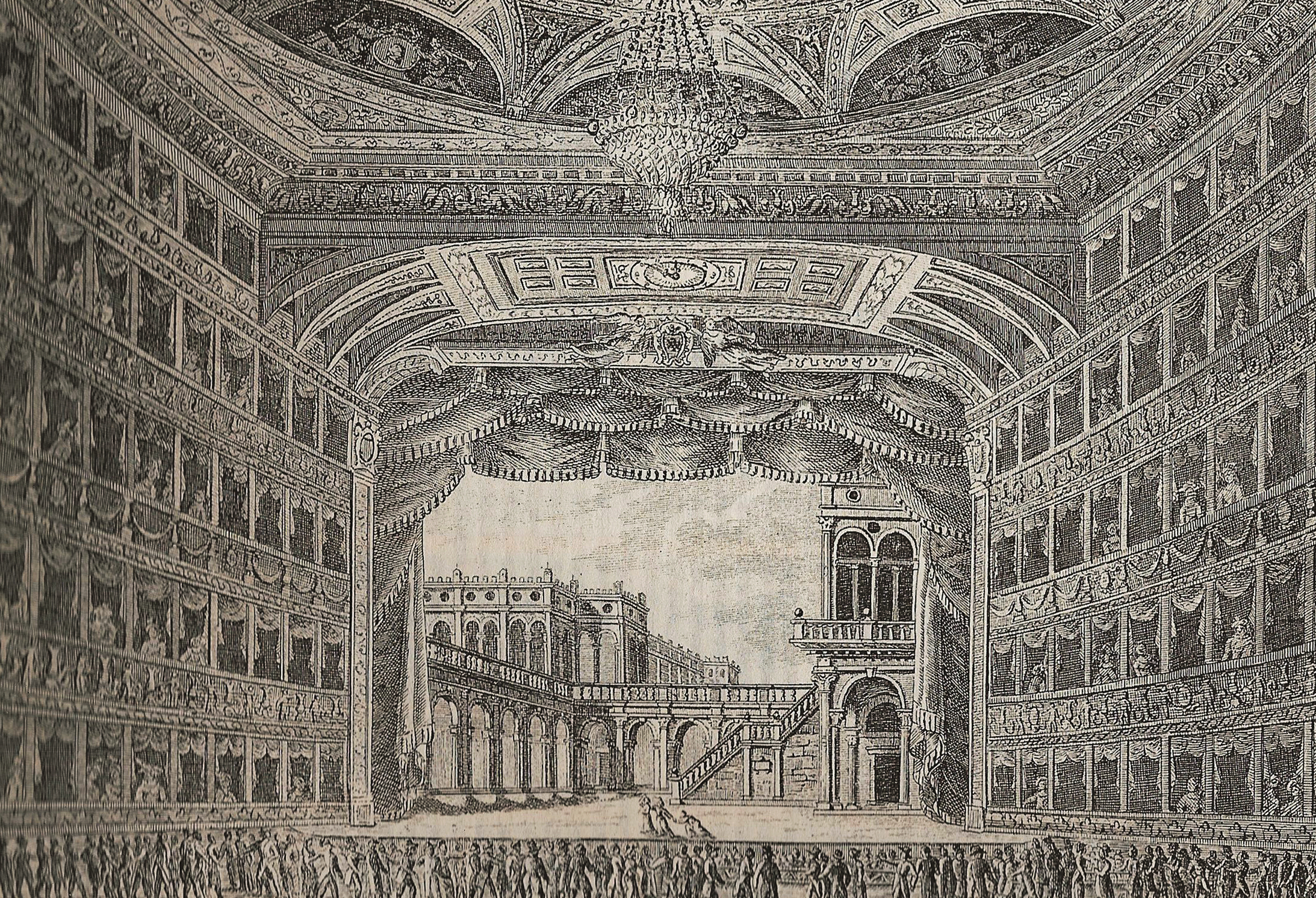
La Fenice opened in 1792, built to replace an earlier theatre that had — you guessed it — burned down. The architect Giannantonio Selva designed an auditorium that was immediately recognised as one of the finest in Europe. Within a decade, Venice’s theatre had become the premiere venue for Italian opera, hosting world premieres by the greatest composers of the age.
The first fire came on December 13, 1836. The cause was never definitively established, though a malfunctioning furnace was blamed. The Venetians rebuilt it in under a year — a speed that seems impossible until you understand what La Fenice meant to the city. Venice without its opera house was like Paris without the Louvre. Unthinkable.

The rebuilt theatre was even grander than the original. The brothers Meduna, who supervised the reconstruction, added more gilding, more elaborate ceiling paintings, and more ornate box decorations. It was in this second La Fenice that Giuseppe Verdi premiered five operas — including Rigoletto (1851), La Traviata (1853), and Simon Boccanegra (1857). The premiere of La Traviata was a disaster — the audience laughed at the soprano, who was supposed to be dying of consumption but was visibly overweight. Verdi was devastated. The opera later became one of the most performed works in history.
Igor Stravinsky premiered The Rake’s Progress here in 1951. Benjamin Britten premiered The Turn of the Screw in 1954. La Fenice continued to be one of the world’s great opera houses — intimate enough for the audience to see the singers’ expressions, acoustically tuned to a standard that larger theatres couldn’t match.
Then, on January 29, 1996, it happened again. Fire engulfed the building during renovation work. Two electricians, Enrico Carella and his cousin Massimiliano Marchetti, were later convicted of arson — they had set the fire to avoid penalties for falling behind on the renovation schedule. The entire auditorium was destroyed. The ceiling paintings, the gold leaf, the carved boxes — everything the Meduna brothers had created in 1837 was gone.
The devastation was felt beyond Venice. Luciano Pavarotti wept on camera. The Italian government declared a national emergency. And Venice, being Venice, decided to rebuild it again — “com’era, dov’era” (as it was, where it was). The reconstruction took eight years and cost €90 million. Craftsmen used historical photographs, original architectural drawings, and surviving decorative fragments to recreate the auditorium as faithfully as possible. The theatre reopened on December 14, 2003 — almost exactly 167 years after the first fire.

The Premieres That Made History

La Fenice has hosted more world premieres of major operas than almost any theatre in history. The list reads like a greatest-hits of Italian opera:
Rossini: Tancredi (1813) and Sigismondo (1814) — both premiered here when Rossini was in his early twenties and already the most famous composer in Italy.
Bellini: I Capuleti e i Montecchi (1830) and Beatrice di Tenda (1833) — the latter’s premiere was so disastrous that Bellini never returned to La Fenice.
Verdi: Five premieres including Ernani (1844), Attila (1846), Rigoletto (1851), La Traviata (1853), and Simon Boccanegra (1857). La Traviata’s failed premiere — arguably the most famous flop in opera history — happened on these very boards.
Stravinsky: The Rake’s Progress (1951) — his only full-length opera, premiered here 140 years after Rossini’s first La Fenice production.
Britten: The Turn of the Screw (1954) — the English composer chose Venice specifically for the intimacy of La Fenice.

Visiting La Fenice: Practical Details

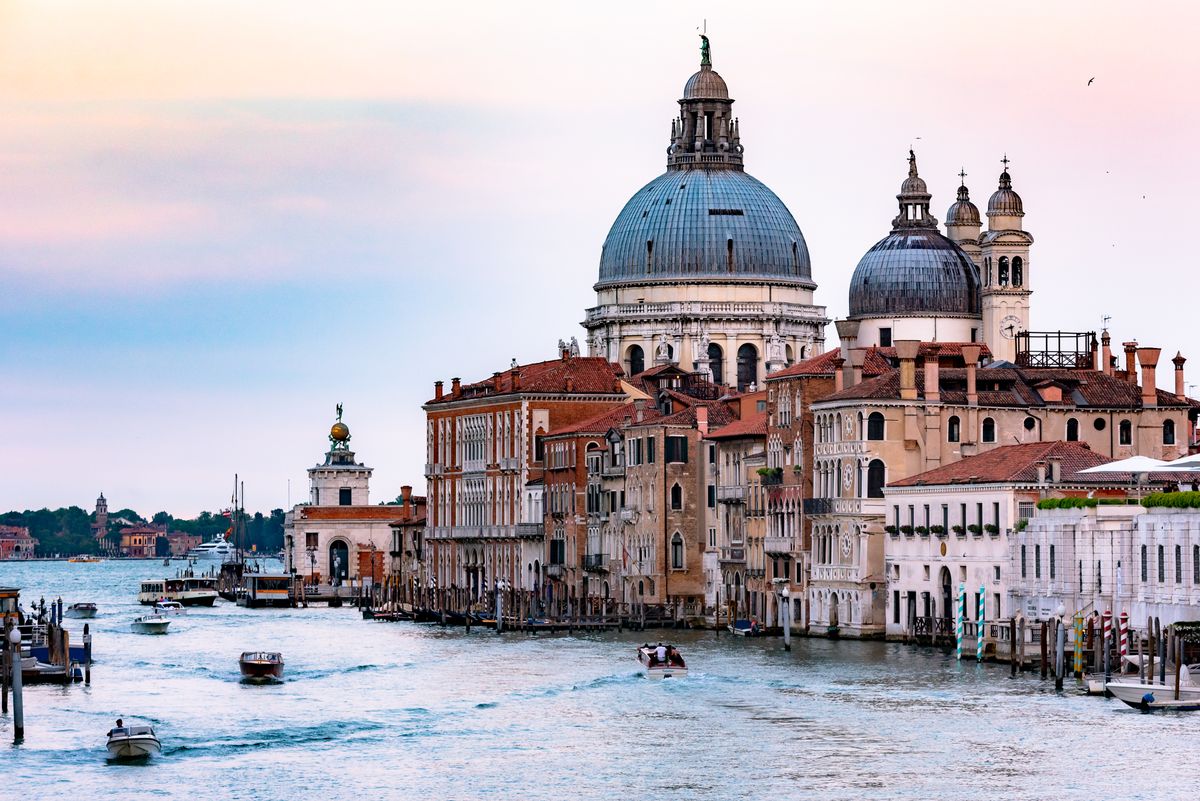
Getting there: La Fenice is in the San Marco district, about a 10-minute walk from St. Mark’s Square. Follow signs to “Teatro La Fenice” through the narrow calli (alleys) — the theatre is tucked into a small campo (square) that you almost stumble upon. Vaporetto stop: Sant’Angelo (Line 1) or San Marco (Lines 1, 2).
Opening hours: The self-guided audio tour typically runs 9:30 AM to 6 PM, but hours vary based on rehearsals and performances. Check the official La Fenice website (teatrolafenice.it) before visiting — some days the auditorium is closed for rehearsals.
Time needed: 45-60 minutes for the self-guided tour. The guided tour runs about an hour. If attending a performance, arrive 20-30 minutes early to take in the auditorium before the lights dim.
Dress code: No strict dress code for the self-guided tour (though Venice being Venice, smart casual feels appropriate). For evening performances, Venetians tend to dress up — not black-tie formal, but a step above jeans and trainers.
Photography: Photography is allowed in most areas during the self-guided tour (no flash). During performances, photography and recording are strictly prohibited.
When to Visit
For building tours: Year-round. The self-guided and guided tours operate daily except during private events and major performances. Morning visits (before 11 AM) tend to be quieter.
For performances: The main opera season runs September to June. New Year’s concert (broadcast nationally on Italian TV) is the most prestigious event. Book 2-3 months ahead for popular productions.
Best combined with: A visit to La Fenice pairs naturally with the Doge’s Palace (15-minute walk) and St. Mark’s Basilica. The opera house is also near some of Venice’s best restaurants and bacari (wine bars) in the San Marco backstreets.
Frequently Asked Questions
Do I need to book the audio tour in advance?
In summer (June-August), booking online a day or two ahead is advisable — walk-up availability can be limited during peak tourist season. In the off-season, same-day booking or walk-up is usually fine.
Is it worth seeing even if I don’t like opera?
Absolutely. La Fenice is first and foremost a stunning building — the gilded auditorium, the royal box, and the reception rooms are beautiful regardless of your feelings about Verdi. The reconstruction story alone is fascinating, and the audio guide covers the history engagingly enough that non-opera fans consistently rate it highly.
Can I attend a concert instead of a full opera?
Yes — La Fenice hosts orchestral concerts, chamber music, and shorter recitals throughout the season. These are typically cheaper than full opera productions (from €30-40) and shorter (1-1.5 hours). Check the season programme on the official website.
How does this compare to La Scala in Milan?
Both are world-class, but they’re very different experiences. La Scala is larger (2,000+ seats), more formal, and associated with the grand tradition of Italian opera. La Fenice is smaller (1,000 seats), more intimate, and has the romantic Phoenix story. La Scala is the institution; La Fenice is the love affair.
Is the Musica a Palazzo experience suitable for opera newcomers?
It’s arguably the BEST introduction to opera — the intimate setting, the proximity to the singers, and the dramatic movement between rooms makes the story visceral and accessible in a way that sitting in a distant seat at a large opera house doesn’t. Several people who attend report falling in love with opera for the first time here.
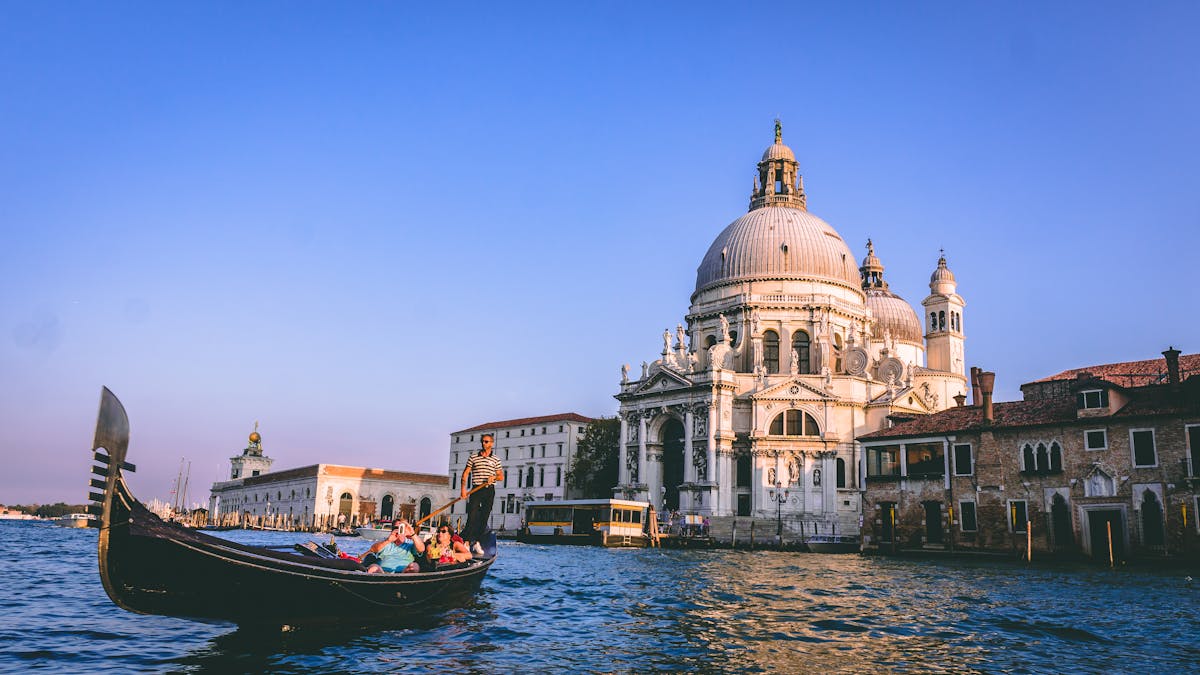
La Fenice is one jewel in Venice’s remarkable cultural crown. Across the city, the Doge’s Palace reveals the political power behind Venice’s artistic glory, while St. Mark’s Basilica shows the spiritual side with its gold mosaics. For a completely different Venice experience, a gondola ride on the Grand Canal takes you past palazzi where the aristocrats who funded La Fenice once lived. And the islands of Murano and Burano offer a day trip into the artisan traditions — glassmaking and lacemaking — that Venice has sustained for centuries.