
The Zoo Aquarium de Madrid sits on the western edge of Casa de Campo, a 1,722-hectare park that used to be Philip II’s private hunting ground. That same king who built El Escorial — he basically had a backyard the size of a small country. The zoo opened in 1972 and now houses over 6,000 animals across 500 species. I mention this because when I first saw the ticket price, I thought it seemed almost too cheap for what you actually get.

A full day here covers everything from African savannahs to Australian marsupials, plus a proper aquarium and a dolphin show that kids go absolutely crazy for. Most visitors spend four to six hours, but you could easily stretch it to a full day if you pace yourself and catch the feeding sessions.
- In a Hurry? Here’s the Quick Version
- What Does a Madrid Zoo Ticket Actually Include?
- How to Buy Your Tickets
- The Best Tour Option for Madrid Zoo
- Zoo Aquarium Madrid Ticket —
- What to See First (and What to Skip)
- Getting to the Zoo (It’s Easier Than You Think)
- Practical Tips That Actually Matter
- A Brief History of Zoo Aquarium de Madrid
- Is Madrid Zoo Worth It?
- Combine It With Other Madrid Plans
- The Aquarium Section — More Than an Afterthought
- Visiting with Kids — What You Need to Know
- Best Time of Year for Madrid Zoo
- What Madrid Zoo Gets Wrong
- Madrid Zoo vs Other Spanish Zoos
In a Hurry? Here’s the Quick Version
Best deal: Zoo Aquarium Madrid Ticket — $28 for full-day access to every exhibit, including the aquarium and dolphin show. No time restrictions.
Official site: Buy directly from Zoo Madrid — sometimes runs seasonal promotions and combo packages with Faunia (Madrid’s nature theme park).
What Does a Madrid Zoo Ticket Actually Include?

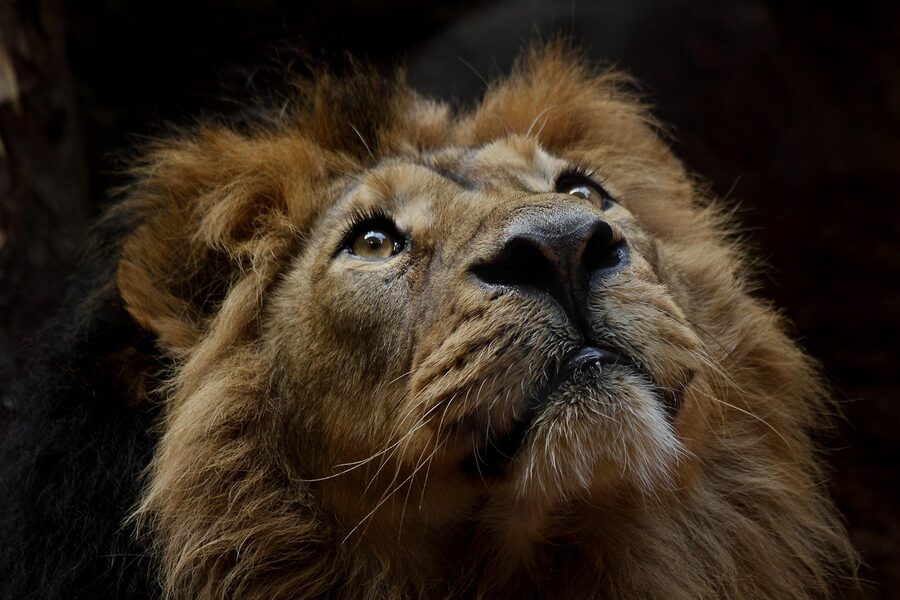
A standard ticket gets you into everything. No tiers, no add-ons, no “premium access” upselling. That means the zoo itself with its five continental zones, the aquarium section, the dolphinarium, the petting zoo area for kids, and access to all the daily shows and feeding sessions.
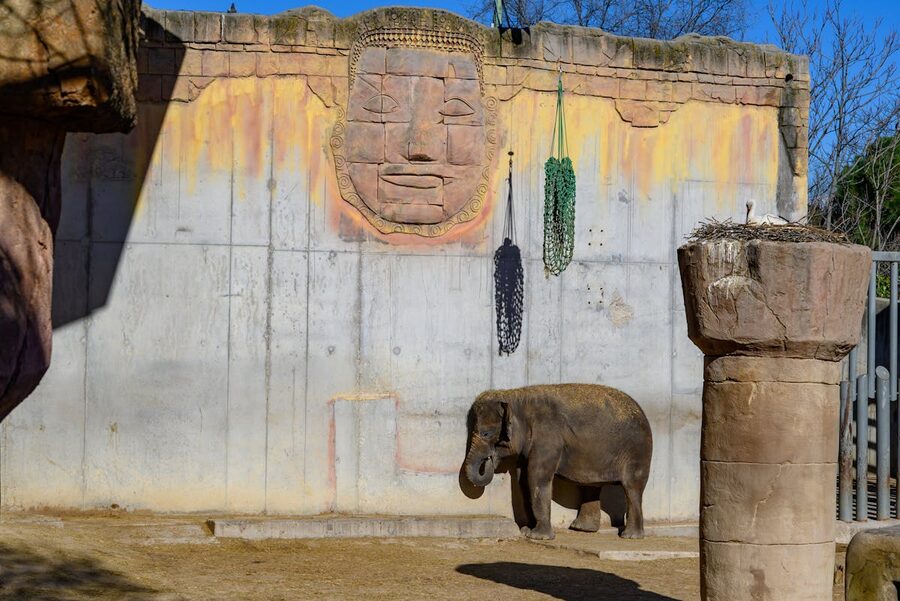
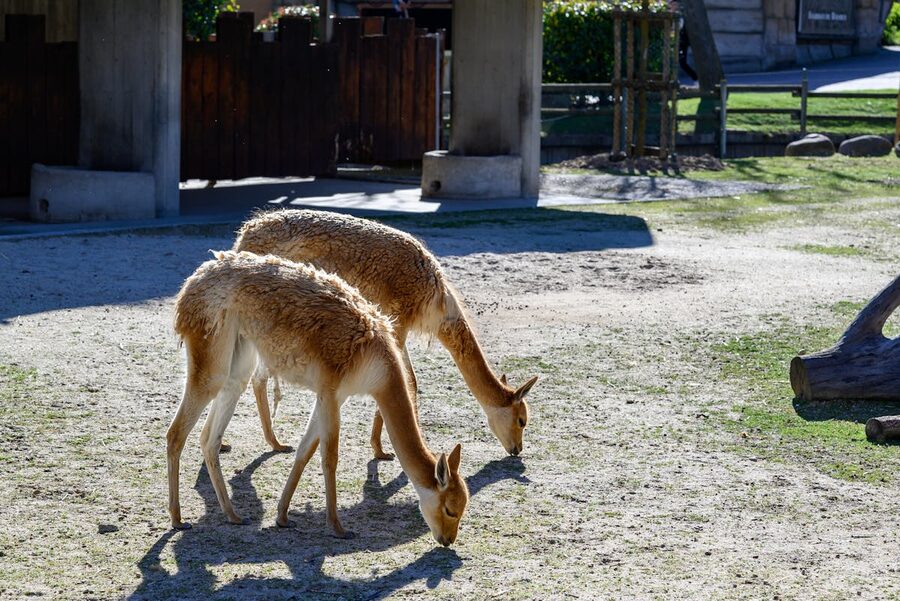
The five zones are loosely organized by continent. Africa has the big cats, elephants, and giraffes. The European section has wolves and brown bears. South America has tapirs, marmosets, and those vicunas I mentioned. Asia covers the giant panda enclosure — by far the most photographed spot in the entire zoo. And Oceania is smaller but has some interesting Australian species.
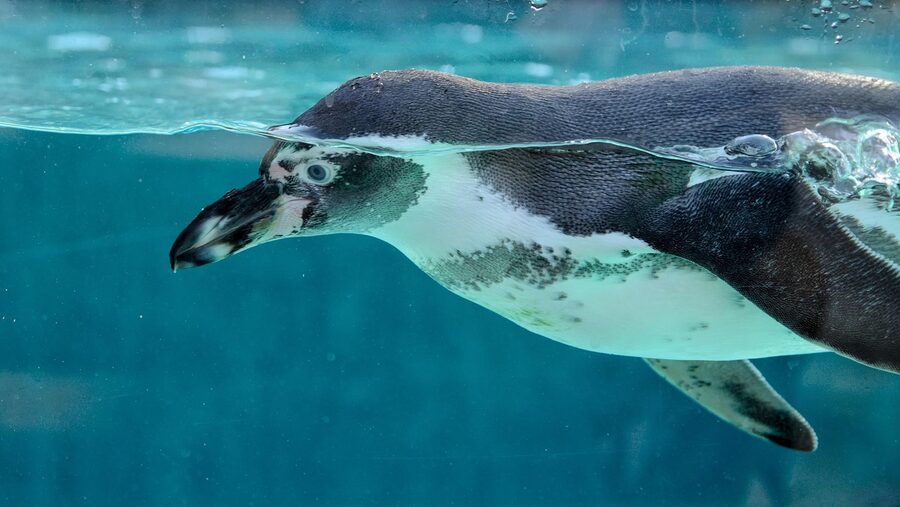
The aquarium section runs along one side of the park and has both tropical fish tanks and a larger section with sharks and rays. It’s not as massive as standalone aquariums in other cities, but it’s a nice change of pace when your legs need a break from walking.
How to Buy Your Tickets

You have two main options, and honestly both work fine.
Buy online through GetYourGuide. This is the easiest route. You get a mobile voucher, walk straight to the entrance, scan it, and you’re in. No printer needed, no will-call booth. The ticket is usually valid for a flexible date, so if your plans change, you’re not stuck. Prices sit around $28 per person.
Buy directly from the zoo’s website. The official site at zoomadrid.com sells tickets too, and occasionally runs bundle deals — a zoo + Faunia combo, or family packs with small discounts. Worth checking if you’re visiting with kids, because the savings add up when you’re buying four or five tickets.
What I’d skip: buying at the gate. The price isn’t higher, but the queues on weekends and school holidays can be genuinely painful. I’ve seen 30-minute waits just to buy a ticket on a Saturday morning. Online is free, instant, and saves you standing in the sun while your kids melt down.
The Best Tour Option for Madrid Zoo
Zoo Aquarium Madrid Ticket — $28

This is the straightforward pick and the one most visitors end up with. Full-day entry to every section of the zoo and aquarium with no time restrictions — arrive at opening, leave at closing if you want. Our full review of the Zoo Aquarium Madrid ticket breaks down exactly what you’ll see in each zone. The ticket works on mobile, flexible dates mean you can rebook if weather changes your plans, and at $28 it’s one of the cheapest major attractions in Madrid.
What to See First (and What to Skip)

Start with the African zone. It’s near the entrance and the animals are most active in the morning hours before Madrid’s heat settles in. The big cats, elephants, and giraffes are all here, and if you time it right, you might catch a feeding session.
Then head to the panda exhibit before the crowds build up. By 11am on a weekend, there’s usually a cluster of people three-deep around the viewing area. Get there early, take your photos, and move on.

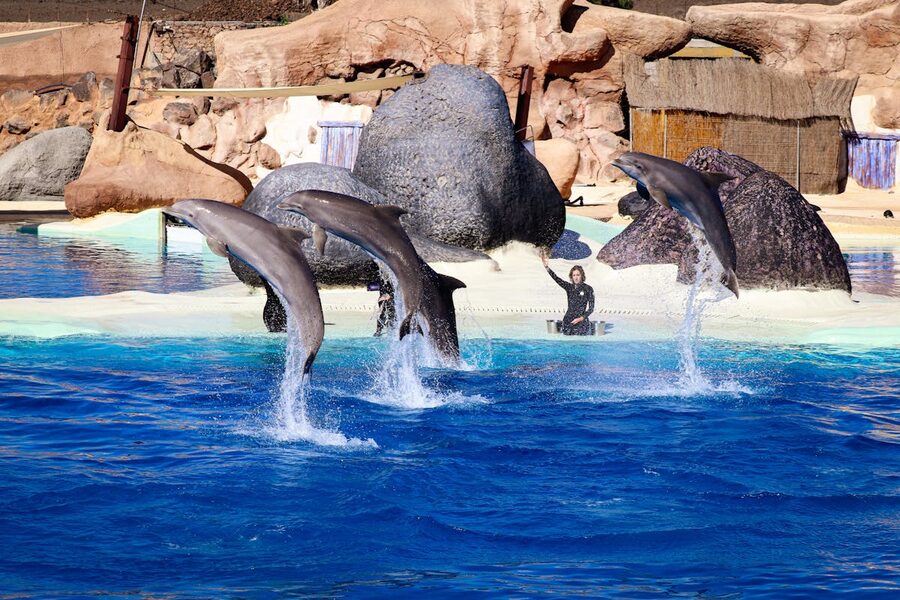
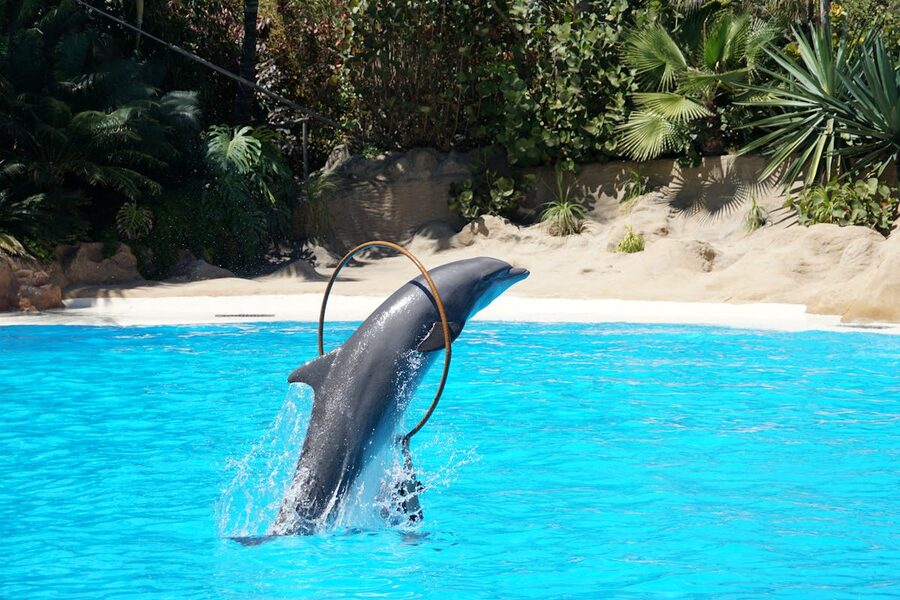
The dolphin show runs two or three times daily depending on the season. Check the schedule board near the entrance when you arrive and plan your route around the showtime you want. It’s the most popular attraction in the entire zoo, and seats fill up fast. Arrive 15 minutes early.
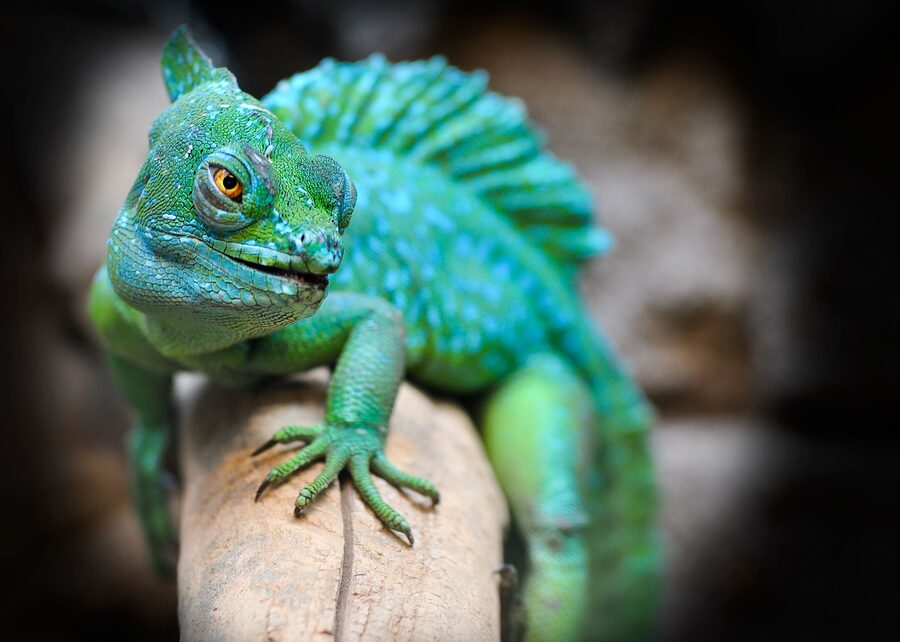
What I’d skip if you’re short on time: the reptile house is fine but nothing you haven’t seen before if you’ve been to any other major zoo. Same with the bird section — it’s pleasant but not a must-see. Focus your energy on the mammals and the aquarium.
Getting to the Zoo (It’s Easier Than You Think)

Metro: Take Line 10 to Casa de Campo station, then it’s a 10-minute walk. Or take Line 5 to the end at Casa de Campo — slightly longer walk but it’s flat and shaded.
Teleférico (cable car): If you want to make the journey part of the experience, the Madrid cable car runs from Paseo del Pintor Rosales (near Argüelles metro) over Casa de Campo. You get aerial views of the park and the Royal Palace. It drops you about a 15-minute walk from the zoo entrance. Kids love it. Fair warning: it doesn’t run on very windy days or during winter maintenance periods.
By car: There’s a parking lot right outside the zoo entrance. It fills up on weekends by late morning, so arrive before 10:30am if you’re driving. Parking is paid but not expensive.
Bus: Lines 33 and 65 stop near the zoo entrance. The bus is fine but slower than the metro.
Practical Tips That Actually Matter

Best time to visit: Weekday mornings. Tuesday through Thursday are the quietest days. Saturday mornings are manageable if you arrive at opening, but Sunday afternoons in spring are chaos — every family in Madrid seems to have the same idea.
Worst time: School holiday weeks (Semana Santa, Christmas break, and the last two weeks of June). The zoo doesn’t limit capacity aggressively, so it gets genuinely packed.
Food inside: There are several cafeterias and snack bars scattered through the park. The food is standard zoo fare — sandwiches, pizza, ice cream. It’s overpriced and nothing special. If you care about eating well, pack your own lunch. There’s no rule against bringing food in, and there are plenty of benches and shaded areas to sit.
How long to plan: Four to six hours for a proper visit. If you want to see every section, catch a dolphin show, and take your time with the aquarium, budget five hours minimum. With young kids, count on six — they’ll want to stop at the petting zoo and the playground.
What to wear: Walking shoes. This is a big zoo on hilly terrain and you’ll cover several kilometers without realizing it. In summer, sunscreen and a hat are essential — large sections of the path have no shade.

A Brief History of Zoo Aquarium de Madrid

The zoo opened in 1972, replacing an older menagerie that had existed in Madrid’s Retiro Park since the 19th century. The move to Casa de Campo made sense — the park was already a massive green space that Philip II had walled off as a royal hunting estate in the 1500s. At 1,722 hectares, it dwarfs most urban parks. Central Park in New York would fit inside it five times over.
The zoo gained international attention in 2007 when China loaned a pair of giant pandas, Bing Xing and Hua Zui Ba. Madrid became one of the first European cities to successfully breed pandas outside China. The pandas became genuine celebrities — their arrival was front-page news across Spain, and the panda enclosure remains the single most visited spot in the entire zoo.

Over the decades, the zoo has shifted toward larger, more naturalistic enclosures. The old concrete-and-bars style of the 1970s is mostly gone, replaced by moated habitats with vegetation and terrain that at least gestures toward the animals’ natural environments. It’s not perfect — some enclosures still feel dated — but the trajectory is in the right direction.
Today the zoo holds over 6,000 animals from around 500 species, making it one of the largest collections in Europe. The aquarium addition gave it a second draw, and the dolphinarium (love it or debate the ethics of it) remains the most popular single attraction.

Is Madrid Zoo Worth It?

If you have kids, absolutely. It’s one of the best value family days out in Madrid, especially compared to what you’d spend on museum tickets and guided tours for a family of four. At $28 per adult with reduced rates for children, you’re looking at a full day of entertainment for less than the cost of a single Royal Palace guided tour.
For adults without kids, it depends on how much you like zoos. If you’re genuinely interested in wildlife, the variety is impressive and the panda exhibit alone is worth the trip. If zoos aren’t really your thing, you’d probably have a better time at the Prado Museum or exploring the city on a walking tour.
One honest criticism: the food options inside are mediocre and overpriced. Pack a lunch if you can. And some of the older enclosures haven’t been updated as much as the zoo’s marketing materials suggest. The newer sections are excellent, the older ones are functional but uninspiring.
Combine It With Other Madrid Plans
A zoo visit pairs well with a morning or evening in central Madrid. If you take the cable car over, you’ll pass near the Royal Palace, and the Argüelles neighbourhood at the other end has some of Madrid’s best cheap tapas bars.
For a full Madrid itinerary, the zoo works as a half-day break from museums and monuments. Spend the morning at the Prado, the afternoon at the zoo, and the evening on a tapas tour or a Madrid pub crawl.
If you’re in Madrid for several days and want to fill your schedule, here’s what I’d pair with the zoo: a bike tour covers the city highlights efficiently, the Santiago Bernabeu stadium tour is a must for football fans, and the Atletico de Madrid Civitas Metropolitano tour is the underrated alternative if you prefer the other side of the Madrid football rivalry. For day trips, Toledo and El Escorial are both doable in half a day.
This article contains affiliate links. If you book through our links, we may earn a small commission at no extra cost to you. This helps us keep creating free travel guides.
The Aquarium Section — More Than an Afterthought
A lot of people treat the aquarium as a footnote to the zoo visit. That’s a mistake. It’s a properly designed aquatic section with separate areas for tropical species, Mediterranean marine life, and a larger tank with sharks and rays that genuinely surprises people who weren’t expecting it.
The tunnel section lets you walk underneath the main tank while sharks drift overhead. It’s one of those experiences that photos don’t really capture — the lighting and the sense of scale make it feel much bigger than the actual space.
The jellyfish display is newer and unexpectedly beautiful. Backlit tanks with moon jellies drifting through blue and purple light — it’s almost meditative. Kids tend to be less interested in this part, which means it’s one of the quieter spots in the whole complex.
If you’re visiting on a hot day (which in Madrid means most days between May and October), plan the aquarium for the middle of your visit. You’ll appreciate the air conditioning, the lower crowds inside, and the chance to sit on some of the benches scattered through the exhibits.
Visiting with Kids — What You Need to Know
Madrid Zoo is fundamentally a family attraction. The layout is pushchair-friendly on the main paths (though some side routes get steep), there are baby-changing facilities in multiple locations, and the petting zoo gives younger children something interactive when they get tired of just looking.
Stroller access: Most paths are paved and manageable. A few areas near the bird section have gravel paths that are rougher, but you can avoid them without missing anything critical.
Feeding times: Posted at the main entrance each morning and updated seasonally. The elephant feeding is probably the most impressive — the keepers talk through what the animals eat and why, and kids can ask questions. It runs around midday most days.
Playground: There’s a decent playground near the food court area. It’s nothing spectacular, but it gives kids a break from walking and lets parents sit down with a coffee. On weekends it gets crowded after 1pm.
Nap logistics: The park has shaded benches throughout, and the aquarium section is dark and quiet enough that small kids sometimes fall asleep in their strollers inside. Not the worst nap spot, honestly.
For children under 3, entry is free. Kids aged 3-7 get a reduced rate, and there are family packs available on the official website that knock a few euros off the per-person price.
Best Time of Year for Madrid Zoo
Spring (March-May): The best all-around time. Temperatures are comfortable for walking, the gardens are in bloom, and the animals are noticeably more active than in the dead of summer. April weekdays are probably the ideal window — warm enough to enjoy the outdoor areas, cool enough that you won’t be dripping with sweat by noon.
Summer (June-August): Hot. Madrid regularly hits 38-40°C in July and August, and walking around a zoo in that heat is no joke. If you go in summer, arrive at opening (usually 10:30am), do the outdoor sections first, retreat to the aquarium when the heat peaks around 2pm, and finish with the late afternoon dolphin show. Bring sunscreen, hats, and more water than you think you need.
Autumn (September-October): Another good window. The heat drops to something manageable, summer crowds thin out, and the park grounds start turning golden. Late September weekdays might be the least crowded time of year.
Winter (November-February): The zoo stays open year-round but hours are shorter and some outdoor shows may be cancelled. The upside is almost no crowds at all. One reviewer mentioned visiting on a Saturday in February and having sections essentially to themselves. Animals that tolerate cold (bears, wolves, pandas) are still active. Tropical animals and reptiles are in heated indoor areas.
What Madrid Zoo Gets Wrong
No zoo is perfect, and I’d rather be honest about the weak spots than pretend everything is flawless.
Some enclosures still feel small. The newer sections — pandas, bears, the African zone — are genuinely good. But a few of the older areas, particularly around the bird aviaries and some of the smaller mammal exhibits, haven’t been renovated since the 90s. They function, but they don’t impress.
The signage is inconsistent. Some sections have detailed multilingual information boards with species data, conservation status, and habitat maps. Other sections have a laminated A4 sheet that’s been bleached by the sun. If you want to actually learn about what you’re seeing, the newer zones are better.
The restaurant situation isn’t great. I mentioned this earlier but it bears repeating — the food inside is overpriced and mediocre. A sandwich-and-drink combo that would cost €5 outside costs €10-12 inside. Bring your own food.
And the gift shops have that slightly depressing quality that most zoo gift shops share — a lot of plastic animals and overpriced stuffed toys. Kids will want something. Budget €10-15 for the inevitable gift shop negotiation.
Madrid Zoo vs Other Spanish Zoos
If you’re deciding between Madrid Zoo and Barcelona Zoo, here’s the quick breakdown. Madrid’s zoo is bigger, has more species (500 vs Barcelona’s 300-ish), and includes a proper aquarium. Barcelona’s zoo has a nicer setting inside Parc de la Ciutadella and has invested more in modern enclosure design. Neither is bad; they’re just different experiences.
Faunia, Madrid’s other animal park, is a different concept entirely — it’s organized around ecosystems rather than species. If you have time for both, the zoo-Faunia combo ticket is decent value. If you can only pick one, the zoo is the more traditional choice and has better variety.
Bioparc Valencia is probably the best-designed zoo in Spain overall, but it’s in Valencia, so it’s not an either/or choice unless you’re planning a multi-city trip. If you are, it’s genuinely worth the detour.