
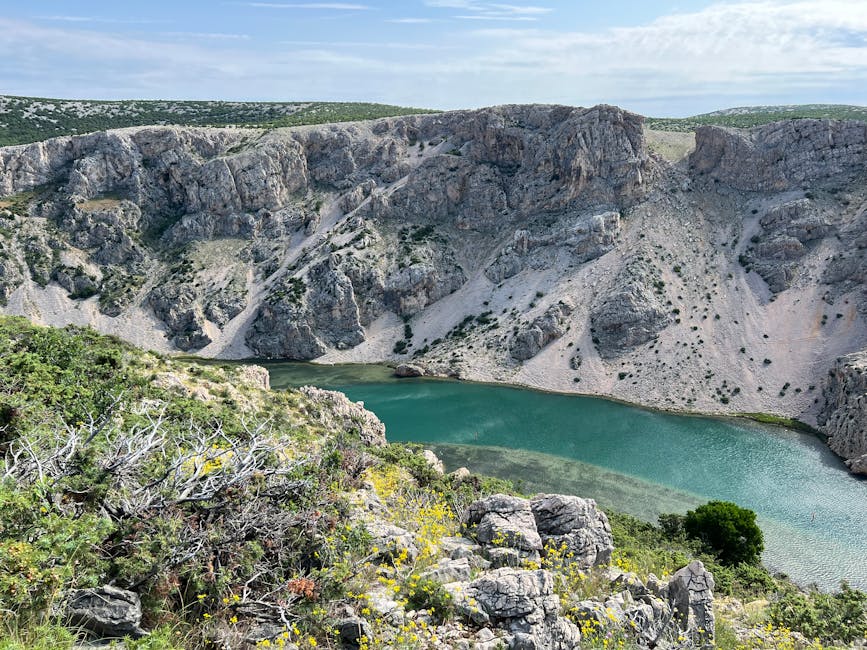
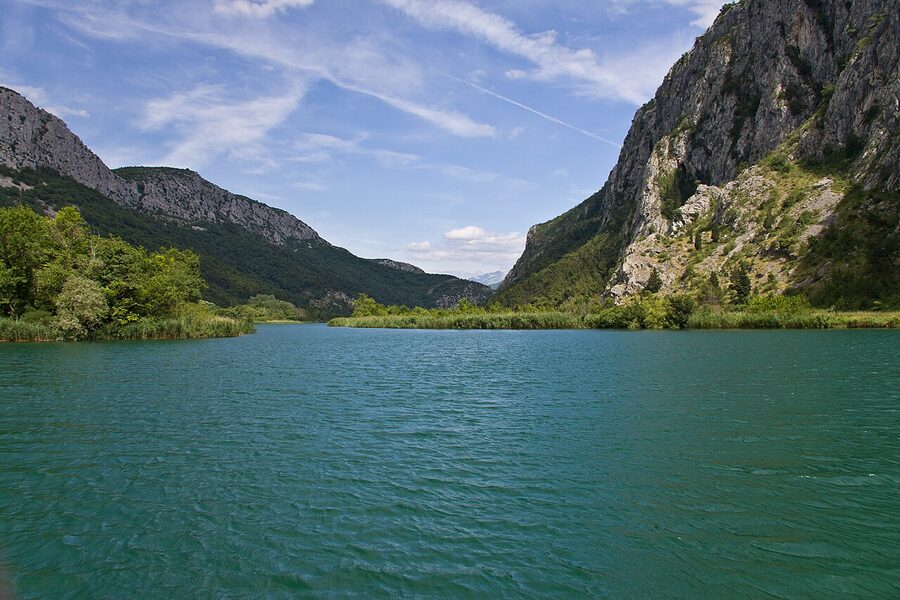
The first thing you notice about the Cetina is the cold. Not a polite, refreshing cold — the stop-your-breath kind that comes from water that was underground twenty minutes ago. The river emerges from a karst spring called Izvor Cetine at the base of Mount Dinara, and by the time you’re paddling it through the canyon below Omiš, it’s still sitting at about 12°C in the middle of August.
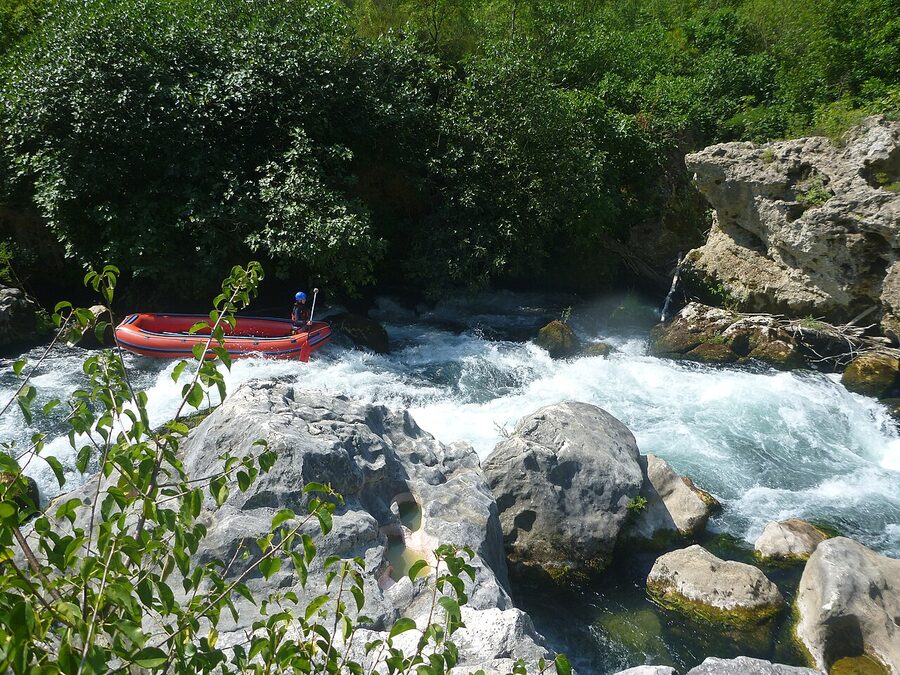
That cold is also why the rafting is good. Cetina rapids are gentle — mostly Class I and II with a couple of Class III drops — but the cold water, the limestone cliffs, and the option to jump off a 5-metre cave roof make this feel more adventurous than the rapids alone would. For travellers trying to balance a Dalmatia trip between city days and active days, our wider things to do in Split guide has the other side — museums, beaches, and the Diocletian’s Palace route.
This guide covers which rafting tour to book, what the day actually involves, and how to decide between the short trip and the longer cave version.
- In a Hurry? Here Are the Top Picks
- What the Rafting Actually Looks Like
- The Cave Section (Extra on the Premium Tour)
- The Best Tours to Book
- 1. Cetina River: Rafting and Cliff Jumping Tour —
- 2. Split/Omiš: Cetina River Rafting with Cliff Jump & Swimming —
- 3. Split: Cetina River Rafting with Cliff Jumping and Cave Tour —
- The Town of Omiš
- Is the Rafting Actually Dangerous?
- What to Wear and Bring
- Cost Breakdown: What You Actually Pay
- When to Raft
- How to Get to Omiš from Split
- Pairing This with Your Split Itinerary
- Worth Knowing Before You Book
- More Croatia Guides
In a Hurry? Here Are the Top Picks
Best all-rounder: Cetina River: Rafting and Cliff Jumping Tour — $53 per person. Three to six hours, cliff jump included. The most-booked version.
Best value: Split/Omiš: Cetina Rafting with Cliff Jump & Swimming — $44 per person. Three-hour version, no transport included from Split.
Best for adventure: Split: Cetina Rafting with Cliff Jumping and Cave Tour — $58 per person. Adds an underwater cave swim. Cold and dark. Worth it if you’re up for it.

What the Rafting Actually Looks Like
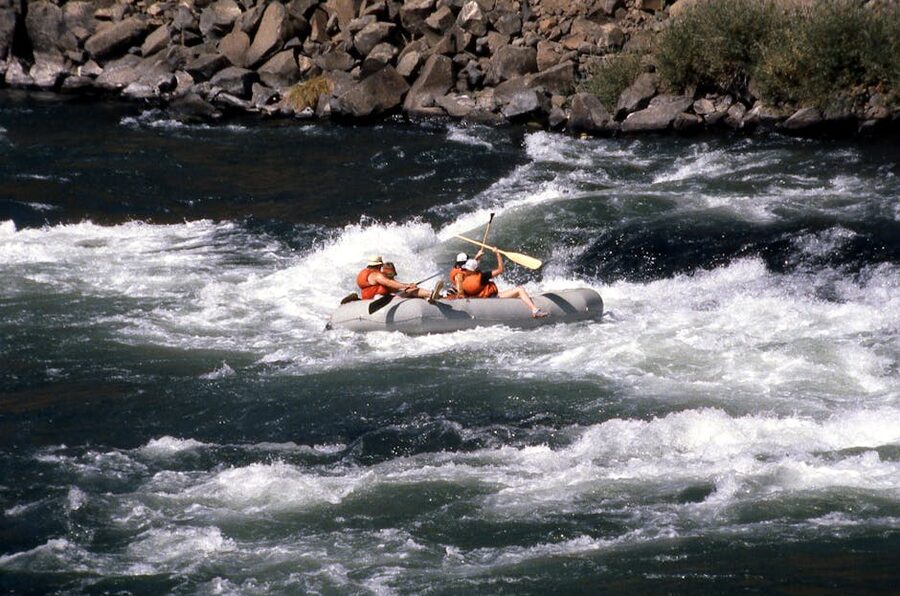
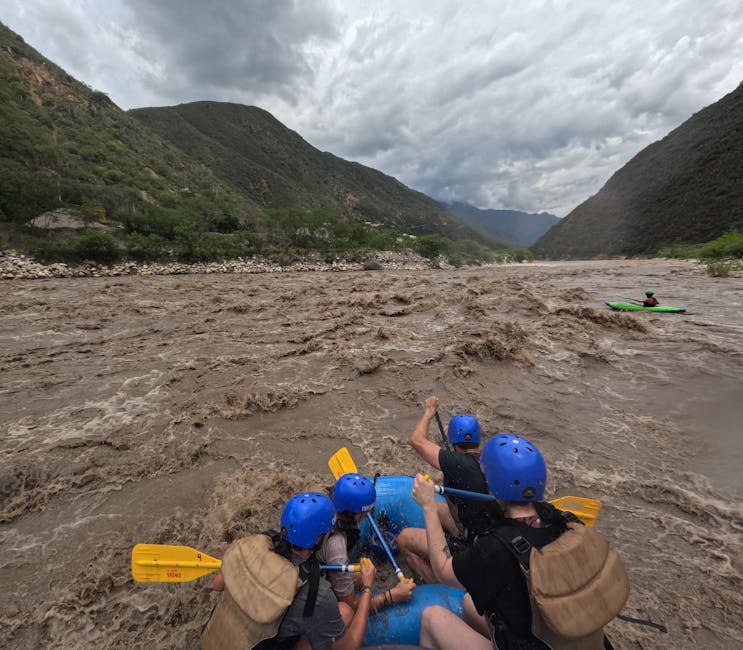
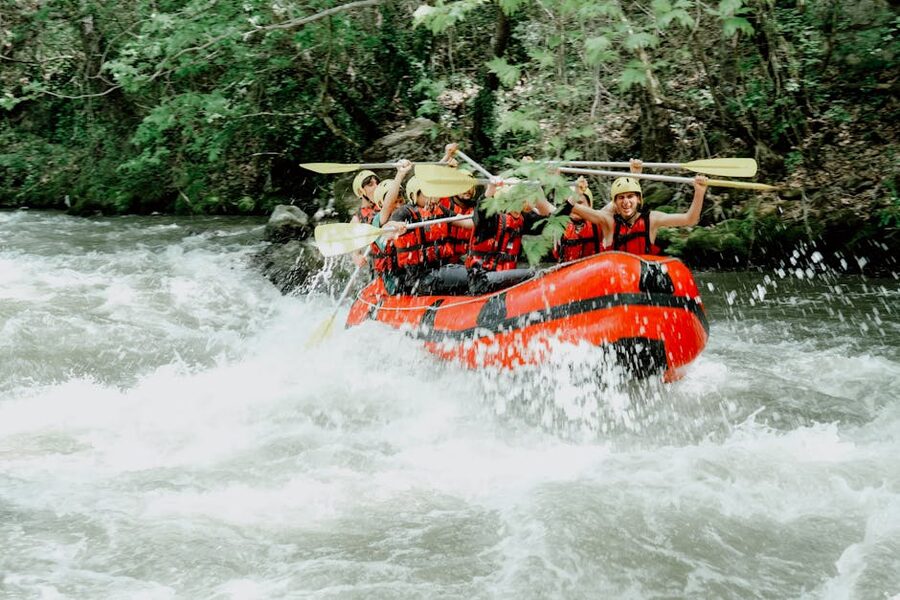
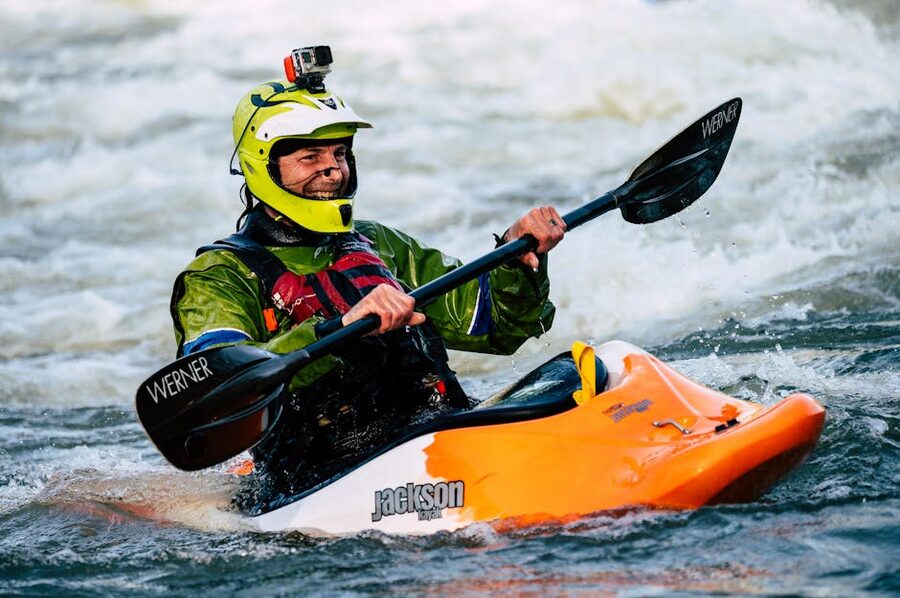
You launch somewhere above Omiš — usually at the village of Penšići, about 12 km upstream. Briefing takes ten minutes: paddle strokes, “get down in the boat” command, what to do if you fall out. Six people per raft plus one guide. Helmets, life jackets, and neoprene shoes included.
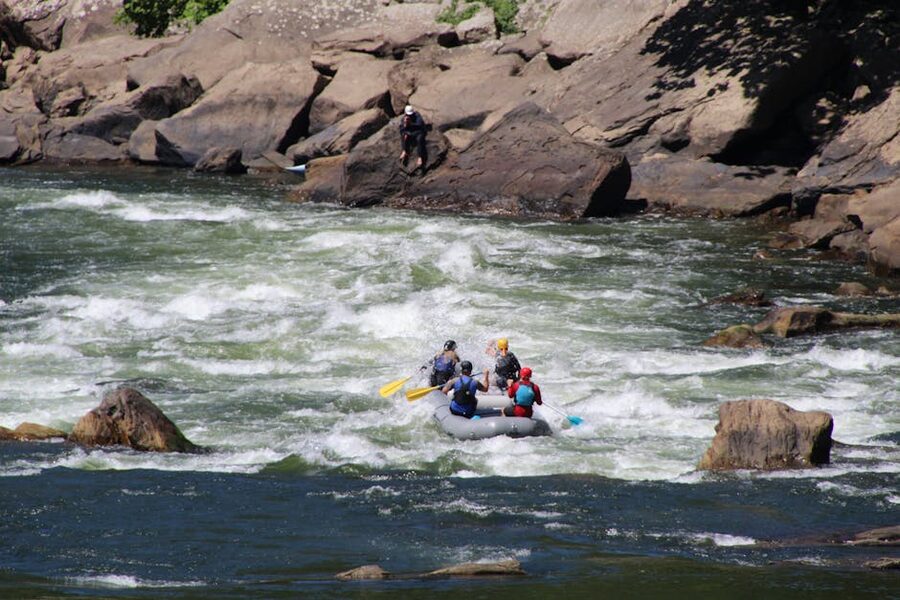
The first twenty minutes are easy — flat water, mild current, a chance to learn how the raft responds. Then you hit the first rapid. The river drops about 40 metres over the course of the rafting section, with the three main rapids (Kljucica, Studenci, and the Big One — Velika Gubavica) clustered in the middle third. Your guide shouts commands, you paddle like you mean it, someone gets soaked to the waist, you laugh, the guide laughs at you, and you glide back into calm water.
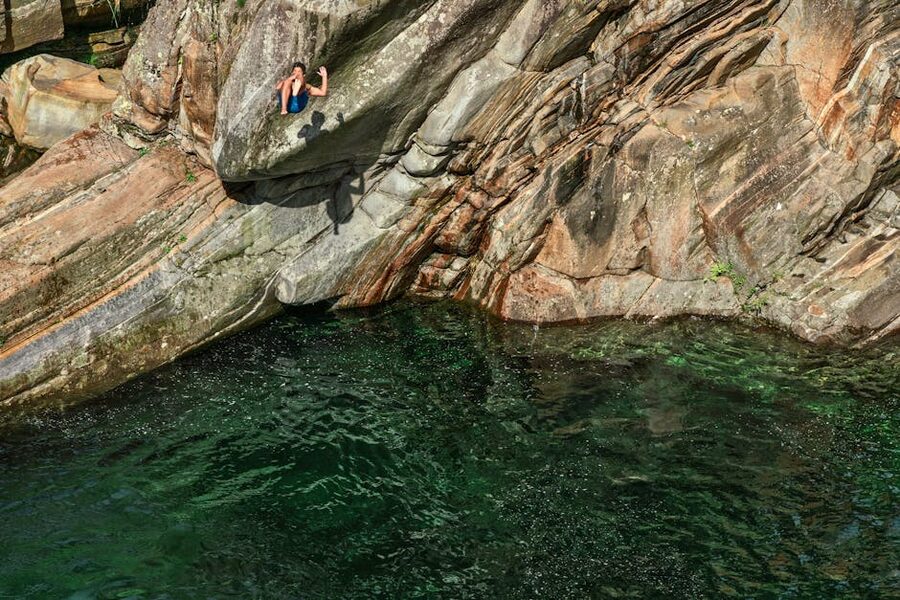
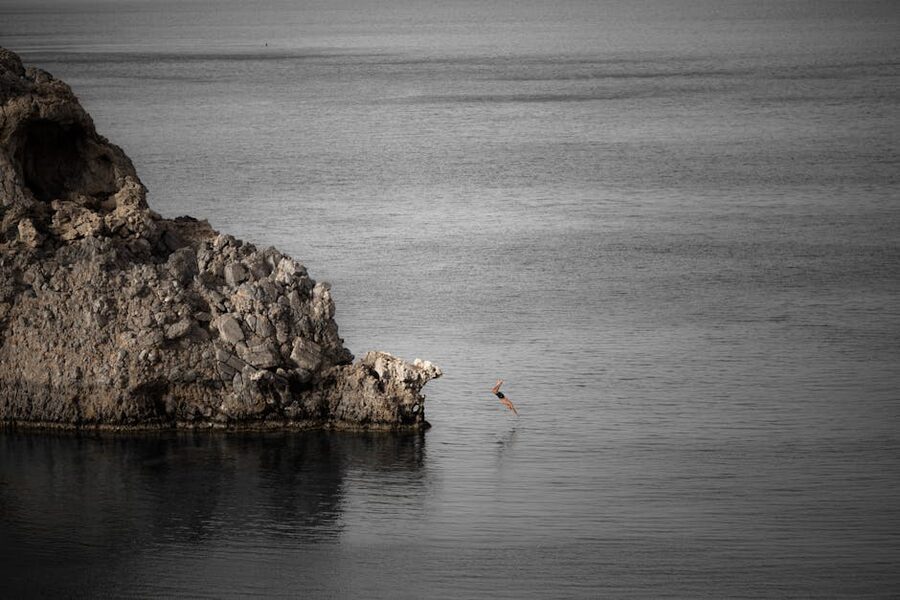
About halfway through, you stop for cliff jumping. This is the signature moment of the trip. There’s a cliff roughly 5 metres high over a deep pool — optional, but almost everyone does it at least once. The bolder ones climb to the 8-metre ledge above. A few times a year someone decides to try the 12-metre jump, which the guides will let you do but don’t particularly encourage.
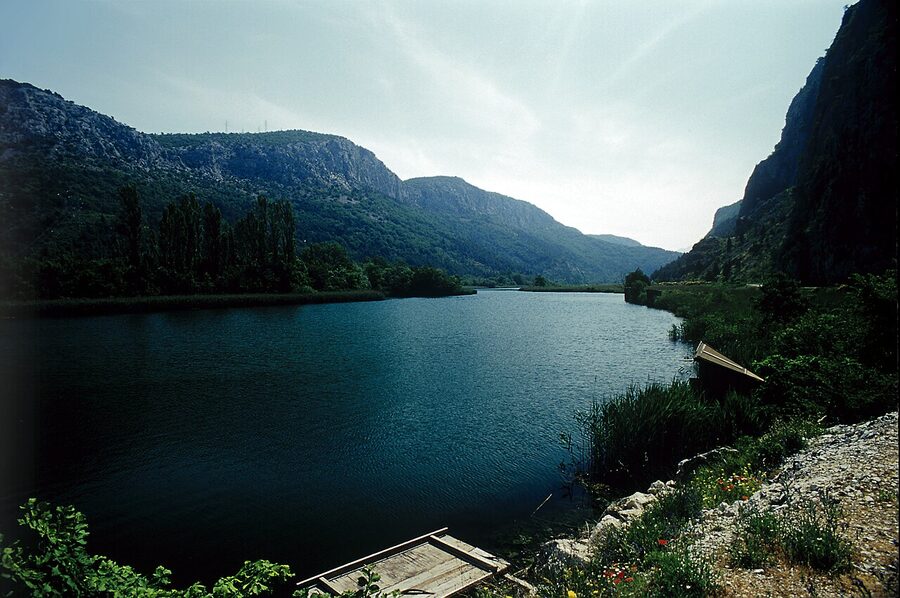
After the jump stop, there’s another rapid or two, a long calm stretch through the lower canyon, and then you float down into Radmanove Mlinice — a historic mill that’s now a restaurant where most tours finish. Total time on the water: 2.5 to 3 hours.
The Cave Section (Extra on the Premium Tour)
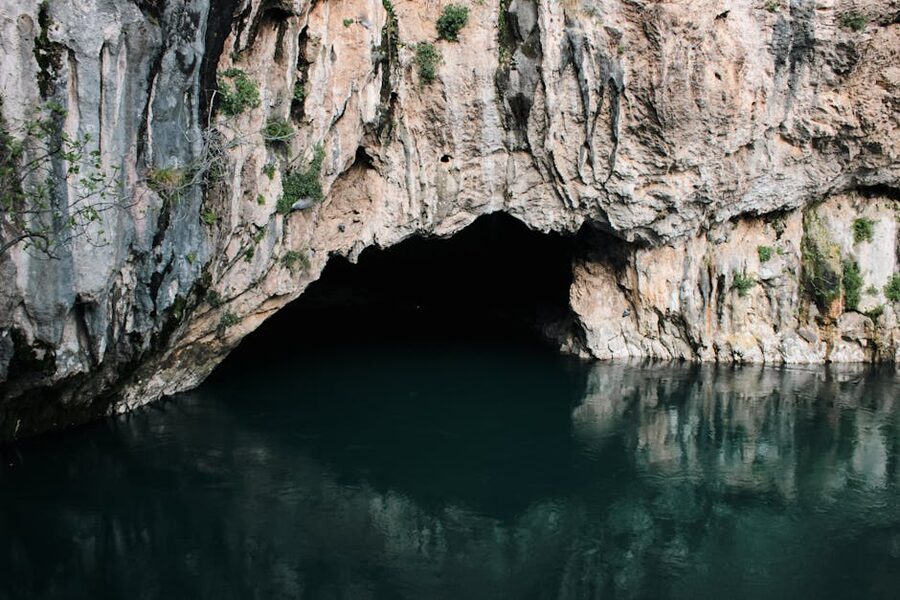
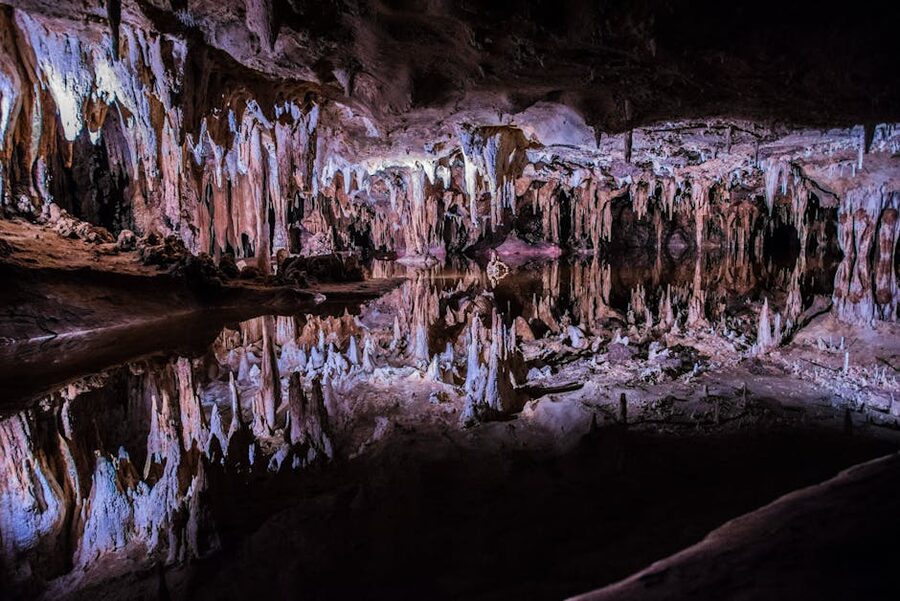
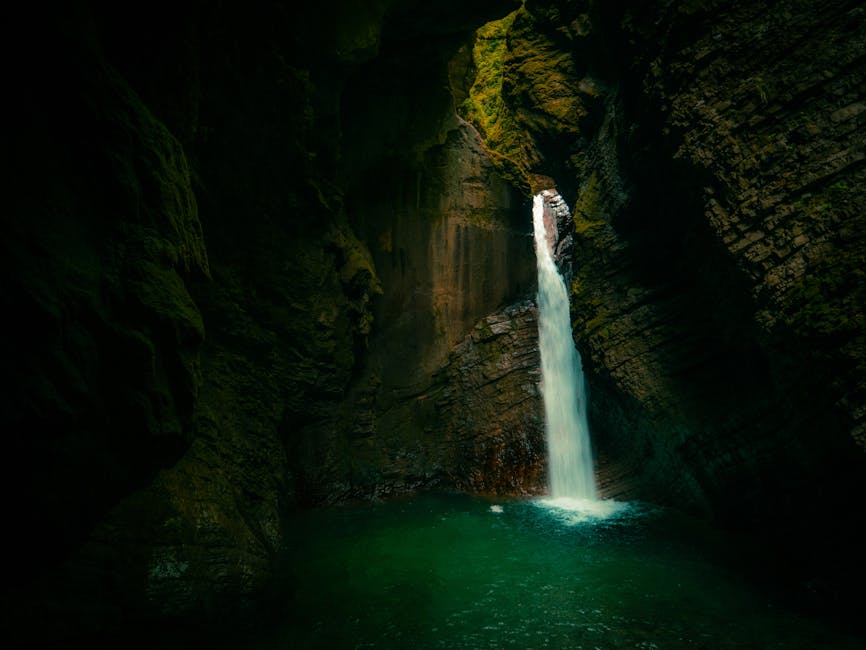
A few operators offer a cave add-on. This is where you stop mid-river, scramble up a bank, and swim through a small cave system for about 15 minutes before popping out downstream.

Here’s the truth about the cave: it is very cold, it is pitch dark, and you’ll be swimming through sections where you can’t see your hand in front of your face. Guides hand out head torches. There’s one section where you have to duck under a low ceiling with about 30cm of air space — not claustrophobic in theory, very claustrophobic in practice when you’re chest-deep in 10°C water.
I did it. I’d do it again. But it’s not for everyone, and the one-line disclaimer at booking significantly understates the intensity. Past visitors consistently describe it as fun but genuinely cold and not for the claustrophobic — that’s a fair assessment.
The Best Tours to Book
1. Cetina River: Rafting and Cliff Jumping Tour — $53
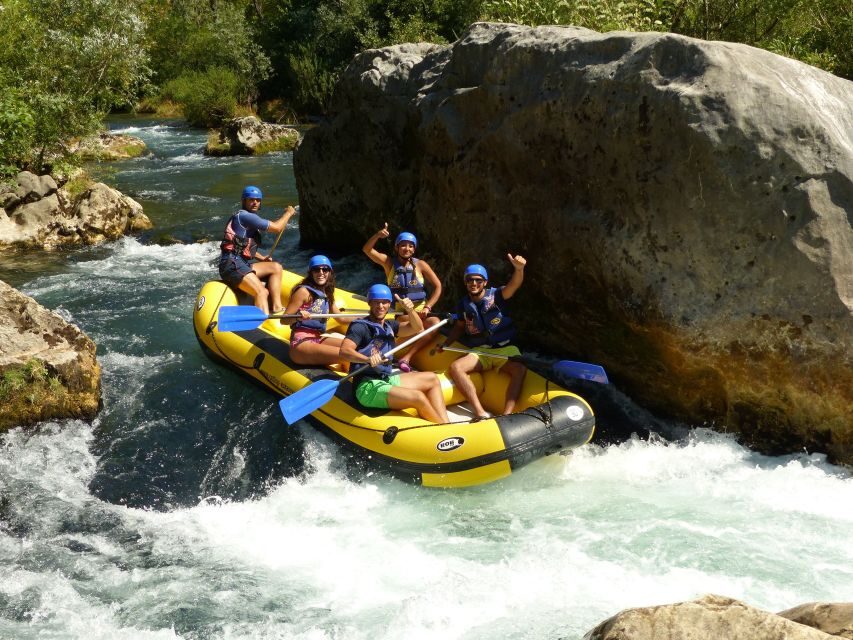
The standard version. Three-hour rafting trip with the cliff jumping stop built in, pickup from Split included in the price. Most bookings end up on this tour, which is why the reviews are consistent — they’ve done this thousands of times and the operation runs smoothly. Our review covers exactly what you get for the $53 and what costs extra at the end (photos, drinks). Solo travellers and small groups of two get slotted into mixed rafts, which usually works out fine.
2. Split/Omiš: Cetina River Rafting with Cliff Jump & Swimming — $44
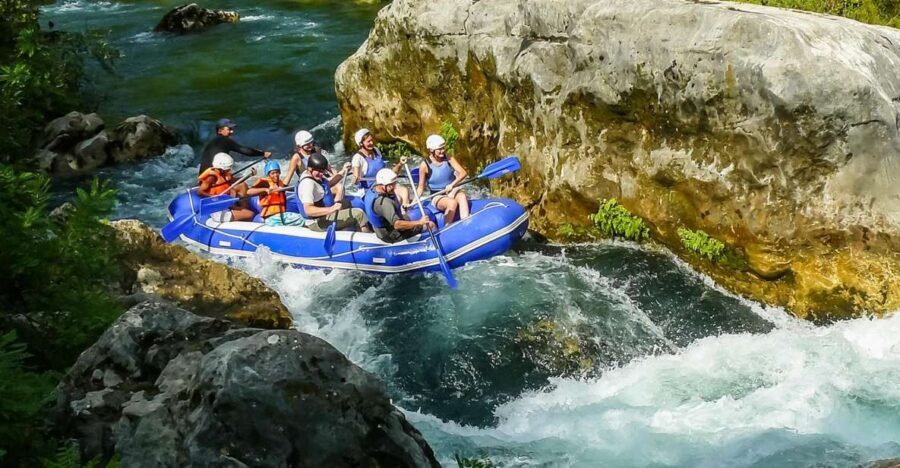
The cheapest way to raft the Cetina. Same guide pool, same boats, same cliff jump — the difference is they don’t pick you up from Split. If you’ve already rented a car or don’t mind the bus, this tour saves you $9 per person. Our review covers the meeting point and how to get to it without a car. Guides on this one get consistent five-star feedback for being funny and patient — the cheaper tour isn’t a worse tour, just less convenient.
3. Split: Cetina River Rafting with Cliff Jumping and Cave Tour — $58
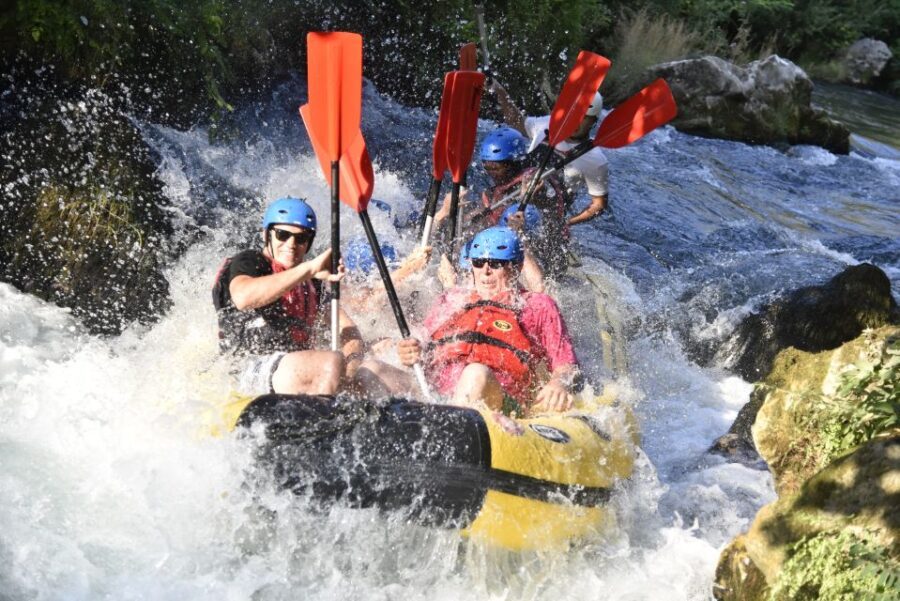
The adventurous option. Same rafting trip plus a detour into a limestone cave system where you’ll swim through partially flooded tunnels with a head torch. Four to six hours total. Fair warning from past rafters: the cave is fun but extremely cold, pitch-dark, and has sections that are slippery and enclosed — not ideal if heights, dark, or tight spaces bother you. Our review describes the cave section in detail so you can decide before booking. If you’re the kind of person who’d pay extra to crawl through a cold underground river for half an hour, this is $5 well spent.
The Town of Omiš
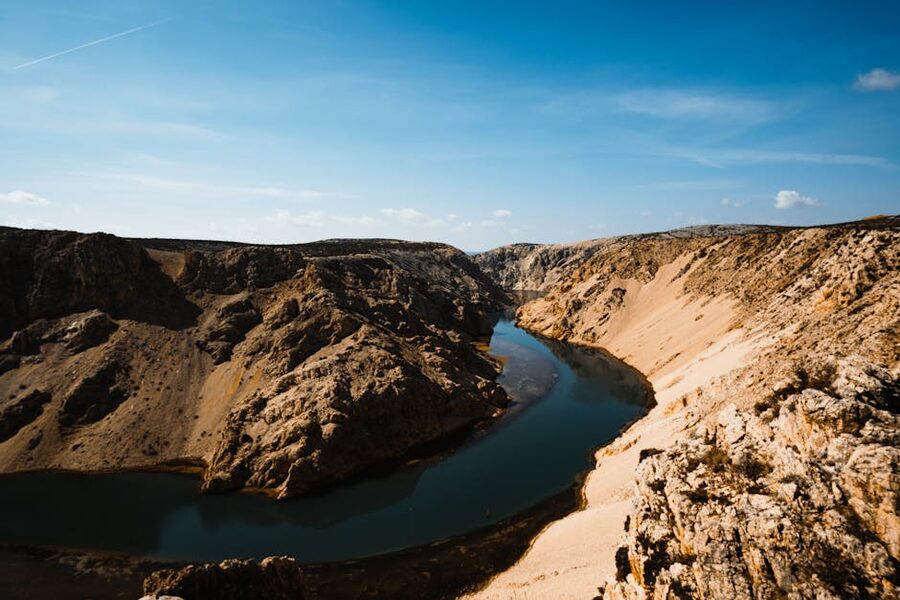
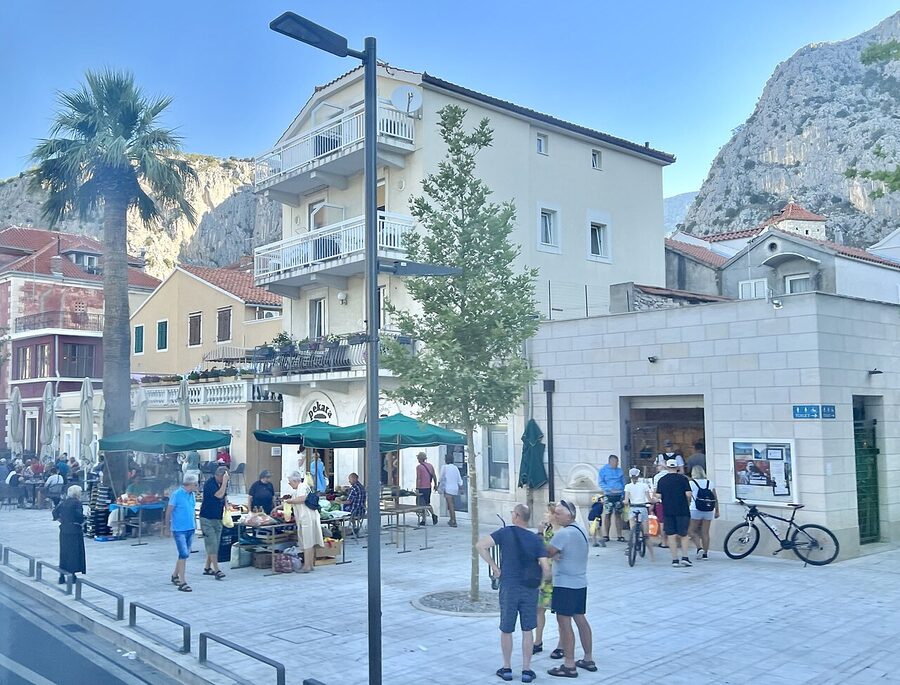
Omiš is the starting point for every Cetina tour, and it’s worth knowing about even if you’re just being driven through it. The town sits at the mouth of the Cetina where the river meets the Adriatic — a dramatic location with cliffs rising straight out of the water and a medieval fortress on top of the ridge.

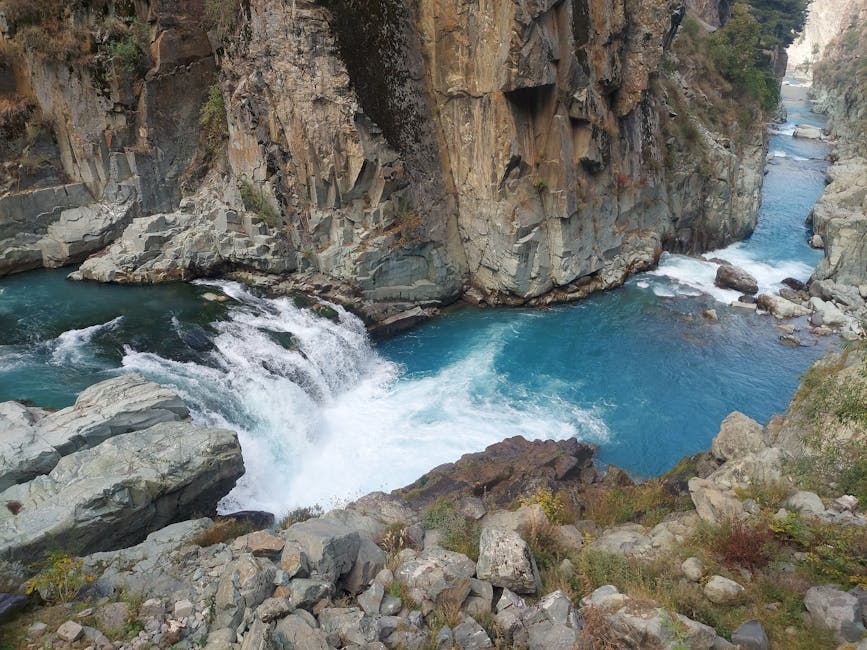
Medieval Omiš was a pirate town. The Omiški Gusari (Omiš Pirates) controlled this stretch of Dalmatian coast from the 12th to the 15th century, using the canyon as a hideout whenever Venetian or Byzantine ships came looking for revenge. The canyon you’re about to raft was their escape route — ships couldn’t follow them up the river, so they’d vanish upstream with their loot and wait it out.
If your tour includes a stop in Omiš town, there’s a small pirate museum near the river bank that’s worth ten minutes. Otherwise just look up at the Mirabella fortress — the climb takes 20 minutes and the view down the Cetina gorge is spectacular.
Is the Rafting Actually Dangerous?
No. Short answer. Long answer: the Cetina is one of the mildest commercially rafted rivers in Europe, specifically because it’s rated for beginners. You don’t need to know how to swim particularly well (life jackets are serious), you don’t need any rafting experience, and the rapids are never above Class III.
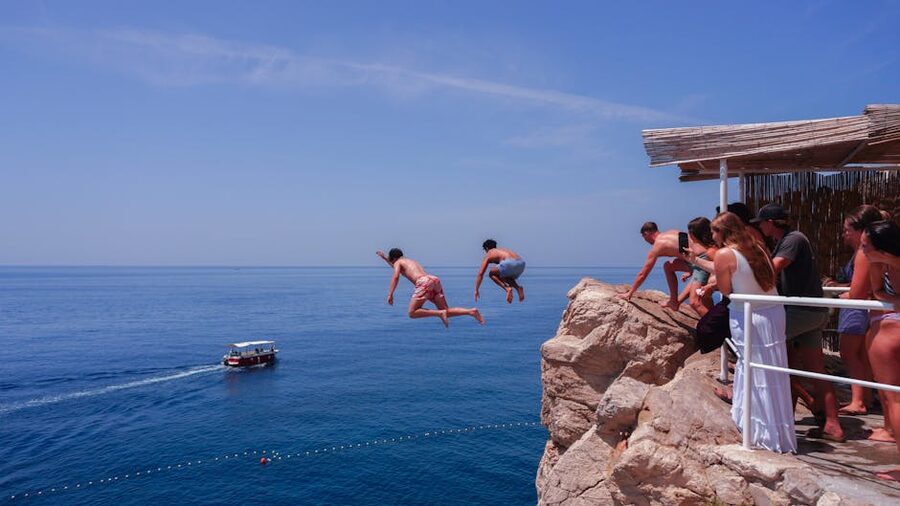
The real risks are sunburn and bruised shins from getting in and out of the raft. Cliff jumping is where people occasionally hurt themselves — the 8-metre ledge has claimed a few broken coccyx bones over the years from people entering the water at the wrong angle. If you jump, do the 5-metre one, keep your body straight, and enter feet first with your arms crossed.
Children as young as 8-10 usually can raft the standard route, depending on the operator. Under 8 is usually not allowed on rapid sections. Cave add-ons are usually 14+.
What to Wear and Bring
Swimsuit under everything. You will get wet. Not “a bit splashed” — soaked through. Wear the swimsuit for the whole drive out.
T-shirt and shorts you don’t mind being wet in. Some operators provide neoprene tops for cool days; ask when booking. In June or September the river water is cold enough that a thermal top helps.
Water shoes (provided by some tours, not all — ask). Flip-flops are not allowed; you’ll lose them in the first rapid. Secured water shoes or old trainers are what works.
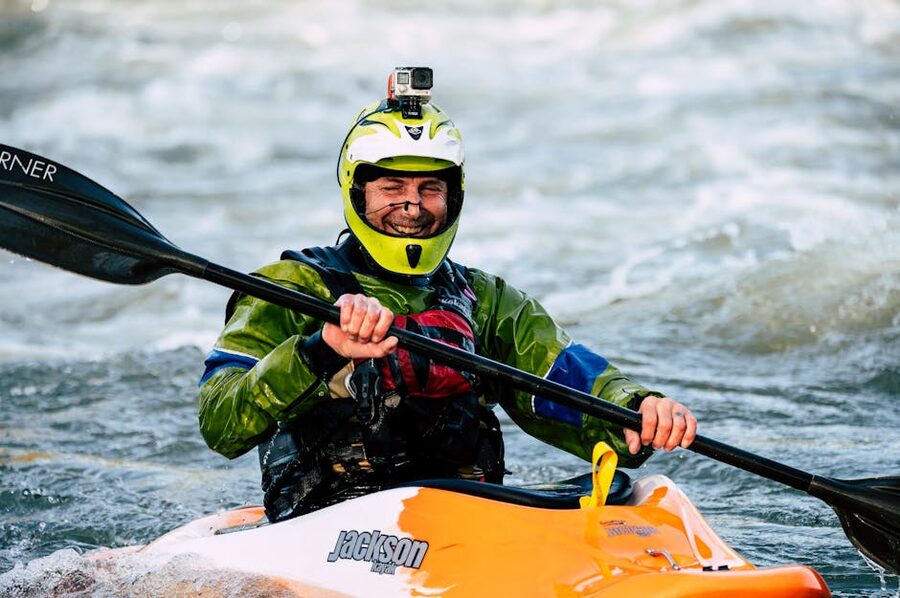
Waterproof phone case or just leave your phone in the bus. The operators lock your belongings in the vehicle during the raft. Take a camera if you have a GoPro; otherwise resign yourself to buying the tour’s photos at the end.
Sunscreen (applied before the raft). The canyon gives you shade 40% of the time and full sun the other 60%. Reapplication during the trip isn’t practical.
Cash for the restaurant stop at Radmanove Mlinice. The tour price usually doesn’t include lunch, and the restaurant is a proper Dalmatian tavern — €15-25 for a big plate of grilled meat or pasta. (If you’re trying Croatian dishes for the first time, our Croatian food guide explains what the menu is actually offering you.)
Cost Breakdown: What You Actually Pay
The advertised price is rarely the total price. Here’s what a realistic day costs.
Tour price: $44-58, depending on which version you book.
Lunch at Radmanove Mlinice or similar: €15-25 for a main plus drink. Not included in any tour I’m aware of.
Photos and video: €20-40 if you want the operator’s package. Skip if you have a GoPro; most operators will mount one to the raft for free if you provide it.
Cash tips for the guide: €5-10 per person is standard if the guide was good. Not mandatory.
Bus to Omiš (if you didn’t book pickup): €4 one way, €8 round trip.
All in, expect to spend $60-80 per person for the half-day. Paying more than $100 means something unusual (private raft, upgrade package, photos) — make sure you know what you’re getting.
When to Raft
The Cetina season runs April through October. Early season (April-May) has the most water and the biggest rapids but the coldest temperatures — bring thermals. Summer (June-September) is the sweet spot: warm enough to enjoy the cliff jump, still cold enough that the river feels refreshing. October is marginal; some operators close for the season by mid-month.
Morning tours are cooler and less crowded. Afternoon tours get more sun on the canyon walls but share the river with more groups. Our month-by-month Croatia weather guide covers what the rafting season actually looks like in each period. If you can book 9am, do. By 1pm there can be six or seven rafts leapfrogging down the same stretch.
Weather cancellations happen occasionally after heavy rain — the river rises and the rapids get genuinely dangerous for amateur paddlers. If you see a storm forecast, book flexible cancellation or pick a different day.
How to Get to Omiš from Split
Omiš is 30 minutes south of Split by car on the coastal highway. Three options:
Tour pickup — the most common. Most premium tours include Split pickup in the price. You’ll be collected from your hotel or a central meeting point around 9am and driven to Omiš in a minibus.
Local bus — Bus number 60 runs from Split’s main bus station to Omiš roughly every hour. Takes 40 minutes, costs about €4, drops you in the centre of Omiš within walking distance of most rafting operators’ meeting points.
Rental car — Easiest if you’re already driving. The coastal road is scenic and parking in Omiš is free along the river road. Allow 45 minutes door to door from central Split.
If you’re staying in a Split beach suburb (Stobreč, Podstrana), you’re already halfway there — the coastal road passes right through.
Pairing This with Your Split Itinerary
Rafting is a half-day activity. You’re usually back in Split by 1-2pm (3-4pm for the cave tour). That leaves the afternoon free for another activity or a beach — our best beaches in Croatia guide covers the closest swim spots, most of them within 20 minutes of Split’s old town.
The classic combo is rafting in the morning and a Diocletian’s Palace walking tour in the evening — one activity for adrenaline, one for culture, and both done in a single day. Another option is rafting plus a half-day at the beach; the beaches around Stobreč and Omiš are closer to the river than the ones in Split old town.
For a different kind of river day, the Krka Waterfalls tour gives you freshwater swimming without the rapids — a good contrast if you’ve got two days and want both. And for anyone balancing Split between water and sea experiences, the Blue Lagoon and 3 Islands cruise is the obvious other half-day option.
Worth Knowing Before You Book
Some of the things past visitors consistently raise that the booking pages don’t mention.
The briefing is serious but mostly safety theatre. Listen anyway. The “get down” command really does matter if you’re about to flip, and guides who shout it are doing their job.
Solo travellers sometimes get awkward mixes in the rafts. A single person joining a raft with a family of five can feel out of place. If you’re solo, ask the operator if they can put you with another small group.
The cliff jump is optional. You don’t have to do it. Guides will never pressure you. If the whole reason you booked was the jump and you chicken out when you see the height, that’s fine — plenty of people do, and the tour is still worth it for the rafting alone.
Your clothes will take six hours to dry. Plan for getting back to the hotel before going out for dinner, not straight to a restaurant with wet underwear.
Photo packages are expensive and not always good. Most operators use GoPros mounted on the raft and charge €20-40 for a USB stick of photos and video at the end. The footage is usually fine but not great. If you’re tempted, see the sample before paying.
Operators on smaller cheaper tours sometimes oversell the cliff jumps — “you’ll jump from a 10-metre cliff” when the actual jump is 4 metres. Read recent reviews if this matters.
More Croatia Guides
The Blue Lagoon and 3 Islands cruise guide is the sea-day counterpart to your rafting day — book them on consecutive days and you’ve had two completely different Croatian water experiences. The Krka Waterfalls guide is the quieter, greener freshwater option if you want to see more Croatian rivers without the paddling. For something slower-paced, the Diocletian’s Palace walking tour guide pairs well with a morning rafting session — a long historical walk is exactly what you need once you’re dried off. And if your trip goes further afield, the Hvar day trip guide and the Blue Cave tour guide are the two Split-based excursions most travellers regret skipping.
Affiliate disclosure: We may earn a small commission from bookings made through the links on this page. It doesn’t change the price you pay and helps keep the site running.