
Tito’s private zoo is one of the strangest small attractions in Europe. In the 1960s, world leaders would visit Yugoslavia and bring Marshal Tito exotic animals as gifts — an Indian elephant called Soni from Indira Gandhi, zebras and antelope from Haile Selassie of Ethiopia, a llama from someone in South America. Tito put them all on a private island off the Croatian coast called Brijuni and let them roam. Most of the originals are dead, but the descendants are still there, grazing peacefully alongside peacocks and Roman ruins.
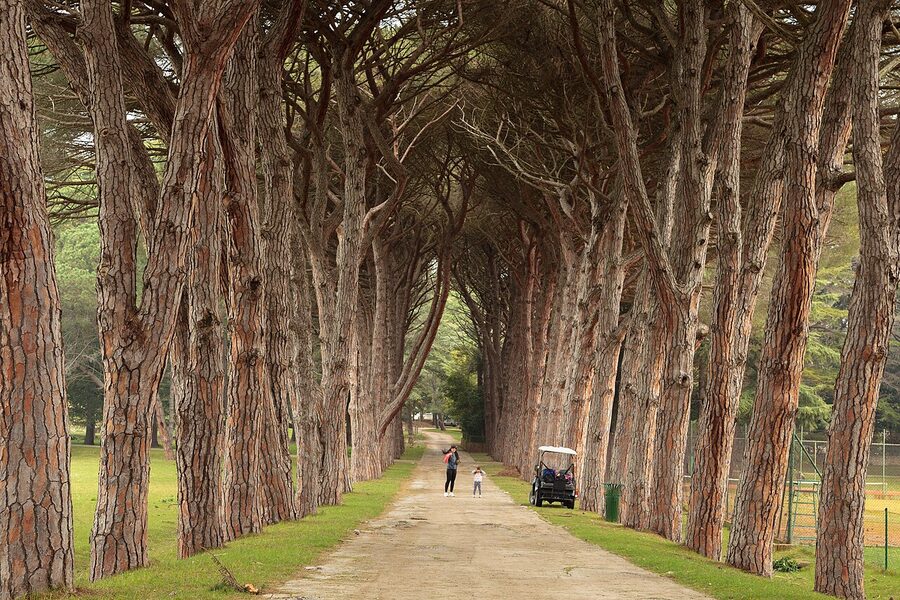

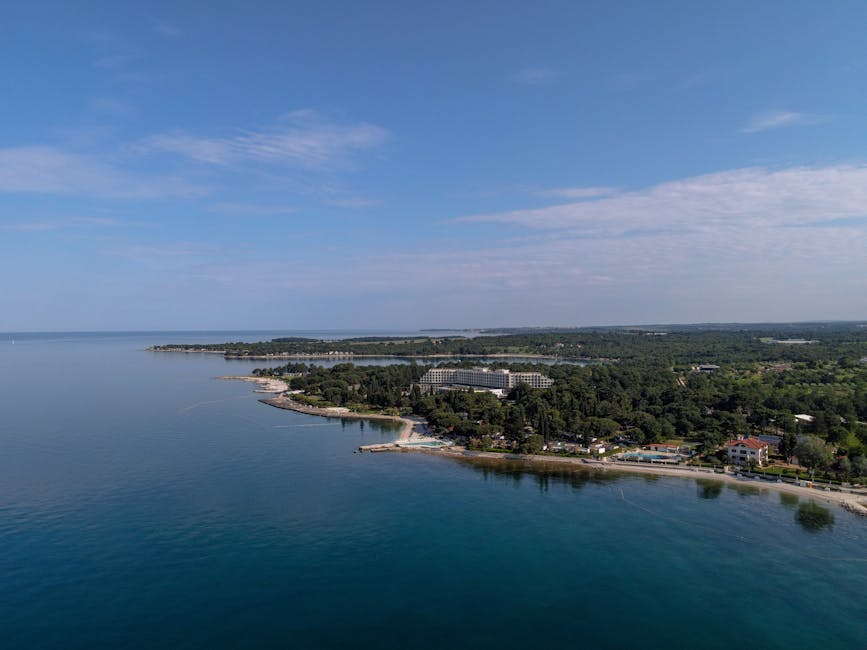
That’s Brijuni. It’s now a Croatian national park. You can visit on a day trip from Pula or Fažana, see the animals, tour the Roman ruins, and if you’re lucky catch dolphins on the boat ride over. The mix of Yugoslav nostalgia, natural history, and Adriatic wildlife makes it one of the weirdest, best day trips in Croatia — and if you’re trying to decide between national parks, our Croatia national parks guide ranks Brijuni against Plitvice, Krka, Mljet, and the five others.
.jpg)
This guide covers the different Brijuni tours, the difference between the daytime island visit and the evening dolphin cruise, and how to pick the right one.
- In a Hurry? Here Are the Top Picks
- Two Very Different Tours: Which to Pick
- What’s on the Island (Daytime Tours)
- The Safari Park
- The Roman Villa
- Tito’s Museum and Villa
- The Island Itself
- What a Dolphin Safari Looks Like (Evening Tours)
- The Best Tours to Book
- 1. Pula: Brijuni Island Visit & Dolphin Cruise —
- 2. Pula: Brijuni Sunset, Dolphins & Dinner Cruise —
- 3. Fažana: Dolphin Safari & Brijuni at Sunset —
- Dolphin Sighting Success Rates
- A Short History of Brijuni
- When to Go
- What to Bring
- Worth Knowing Before You Book
- Pairing Brijuni with a Pula Stay
- More Croatia Guides
In a Hurry? Here Are the Top Picks
Best full-day option: Pula: Brijuni Island Visit & Dolphin Cruise — $76 per person. Full 5.5-hour experience with island tour and dolphin watching on the boat.
Best for sunset: Pula: Brijuni Sunset, Dolphins & Dinner Cruise — $64 per person. Three-hour evening cruise with dinner and dolphin spotting. No island landing.
Best short version: Fažana: Dolphin Safari & Brijuni Sunset — $41 per person. Two-hour dolphin-focused evening cruise. Cheap and efficient.
Two Very Different Tours: Which to Pick
Brijuni tours split into two clear categories — and you need to understand the difference before booking.
Island visit tours (daytime) go to Brijuni, land on the main island, and tour it for 2-3 hours. You see the Roman villa ruins, the “safari park” with descendants of Tito’s exotic animals, the small museum, and the old church. These are 5-6 hour total experiences. You may see dolphins from the boat but that’s a bonus, not the main focus.
Dolphin safaris (evening) cruise the waters around Brijuni at sunset, with dolphin-spotting as the main goal. They don’t land on the island — you stay on the boat, sometimes with dinner and drinks included. These are 2-3 hour experiences and usually depart around 6-7pm.
Different tours. Different prices. Different expectations. Pick one clearly.
If you want the history and the animals, book the island visit. If you want a short, scenic evening cruise with a good chance of seeing dolphins, book one of the evening options.
What’s on the Island (Daytime Tours)
If you pick an island visit tour, here’s what you’ll see on Veliki Brijun.
The Safari Park
The main draw. A fenced area of about 9 hectares where the descendants of Tito’s exotic gifts still live. You’ll see zebras, llamas, holstein cattle, peacocks (roaming free across the whole island), the occasional exotic bird, and an old elephant called Lanka — the last survivor from the original diplomatic gifts. The holstein cattle are a quirk: Tito wanted to prove Yugoslavia could run a modern dairy operation, so he imported them. They stayed.
The safari tour is on a small tourist train. You ride it for about 45 minutes, stopping at the main animal enclosures. You don’t walk through on foot — the animals roam, and you’re the visitor in the cage (in a sense).
The Roman Villa
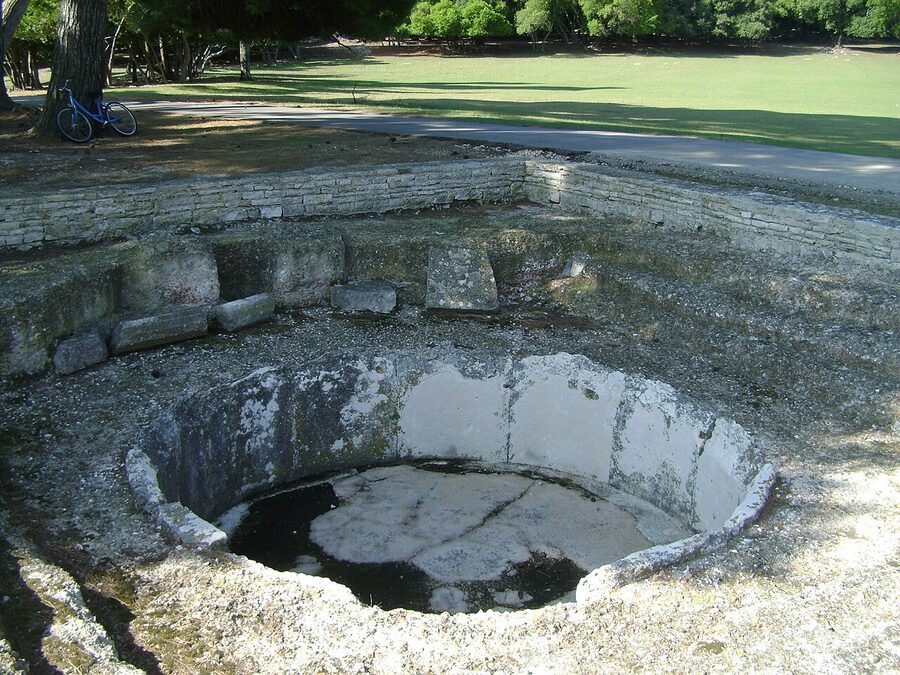
On the north side of the island there’s a 1st-century Roman villa — probably belonged to a wealthy family who came to the island for summer retreats. The layout is partially excavated and you can walk through the ruins with signs explaining what each room was (the most photogenic is the old olive-oil press). Takes about 20 minutes.
Tito’s Museum and Villa
Brijuni was Tito’s favourite summer residence from 1947 until his death in 1980. He hosted 60 heads of state here, including Indira Gandhi, Nasser, Nehru, Kwame Nkrumah, and dozens more. The museum on the island shows photos, gifts, and artefacts from these visits — including a famously awkward shot of Queen Elizabeth II feeding Tito’s zebras.
His private villa — the Jadranka — is visible from the outside but not open to the public. Still used occasionally for official Croatian government retreats.
The Island Itself
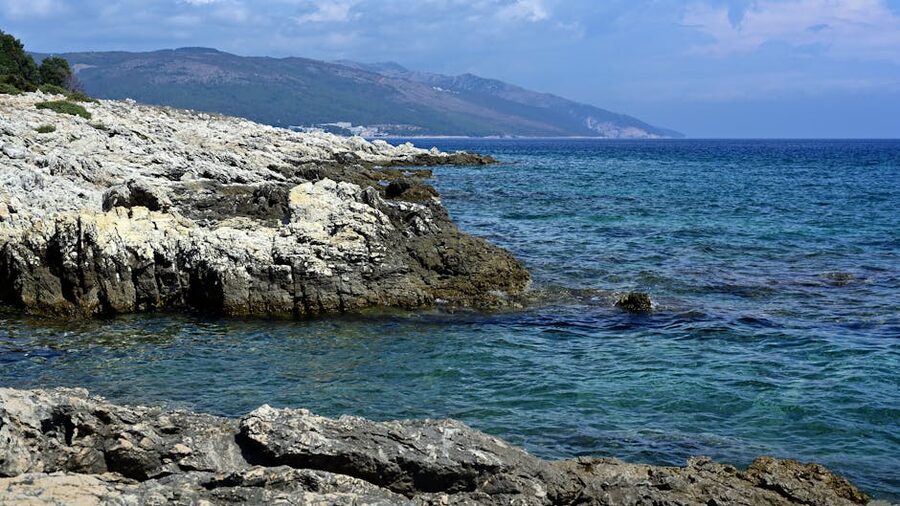
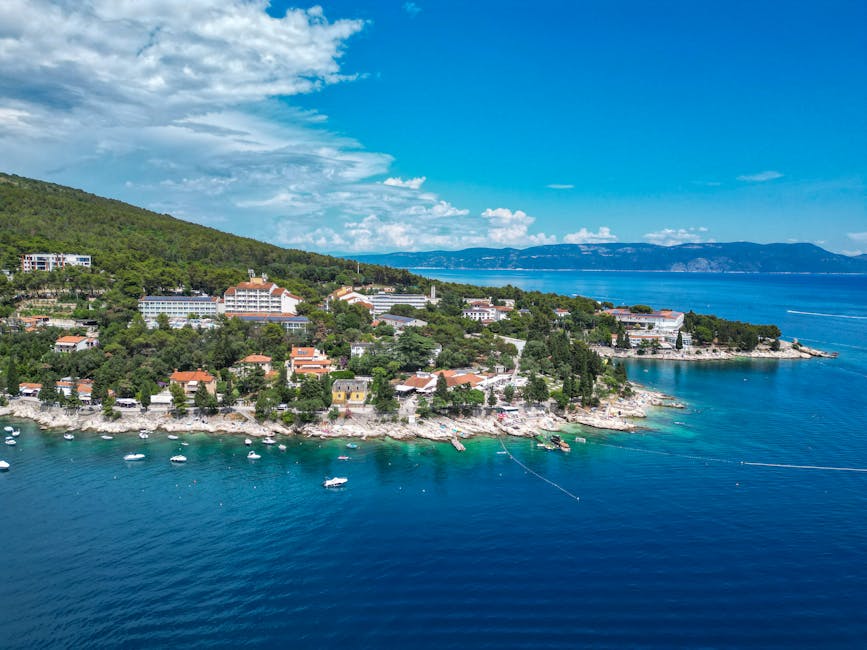
Beyond the attractions, Veliki Brijun is a pleasant 6 km² of Mediterranean forest, olive groves, and rocky coast. You can rent bicycles at the harbour and ride around the island in 2-3 hours at an easy pace. This is the best way to see the island if you have time.
What a Dolphin Safari Looks Like (Evening Tours)
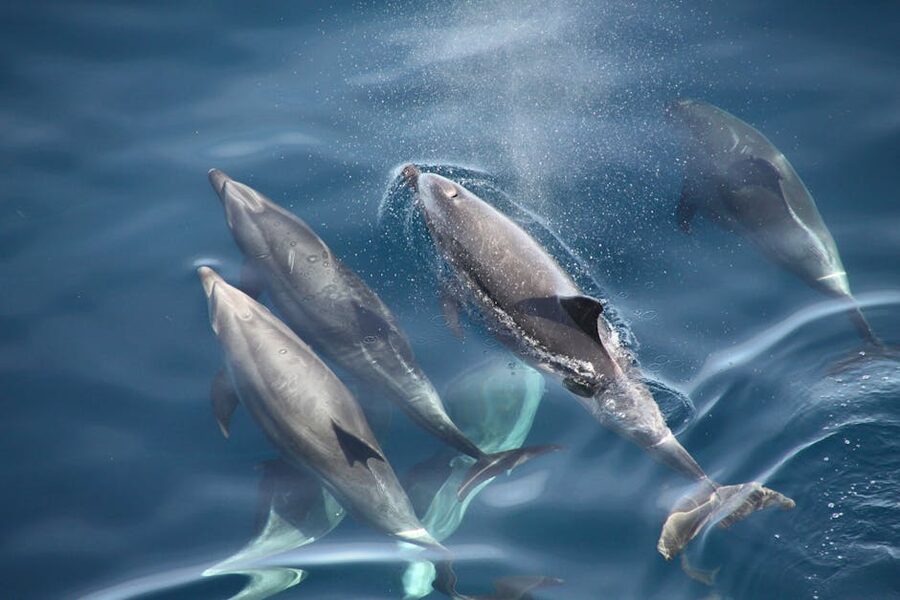
Evening dolphin tours are a different product entirely. You board a tour boat at Pula or Fažana, typically around 6-7pm depending on season. The boat heads out toward Brijuni and cruises slowly around the islands for 2-3 hours, with the captain and guide watching for dolphin pods.
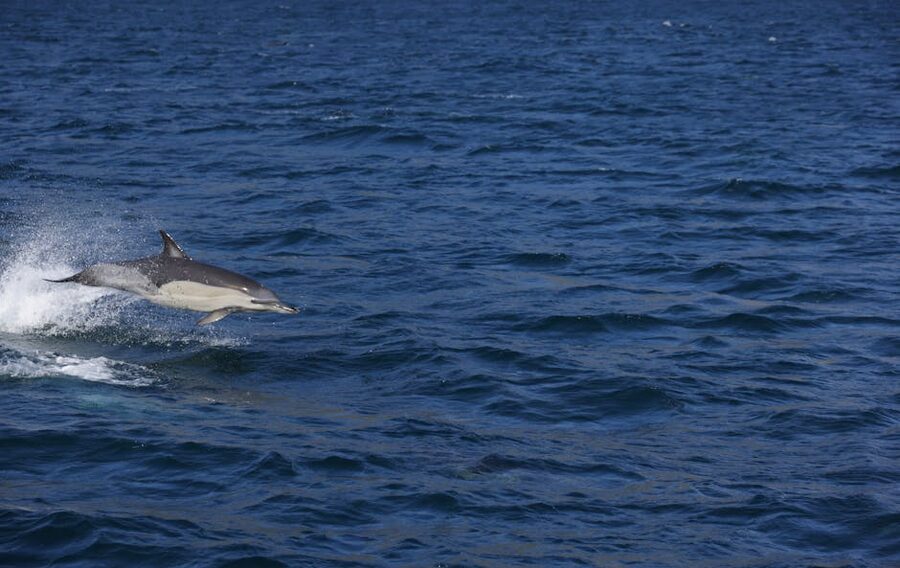
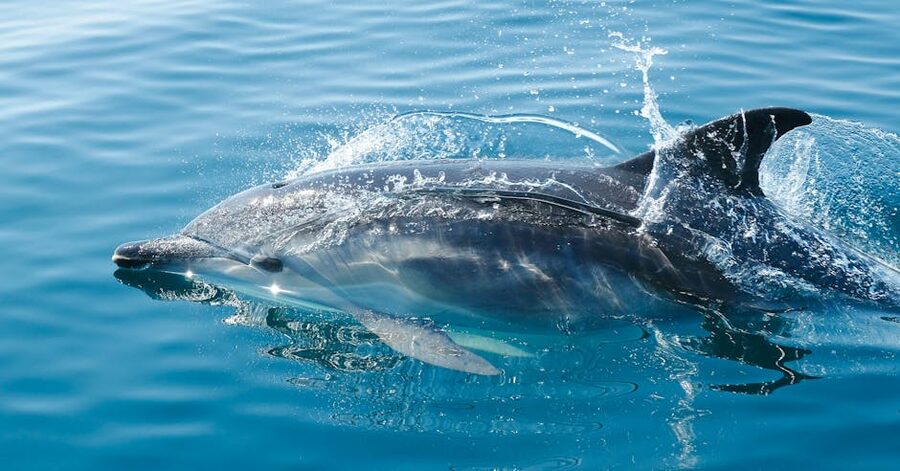
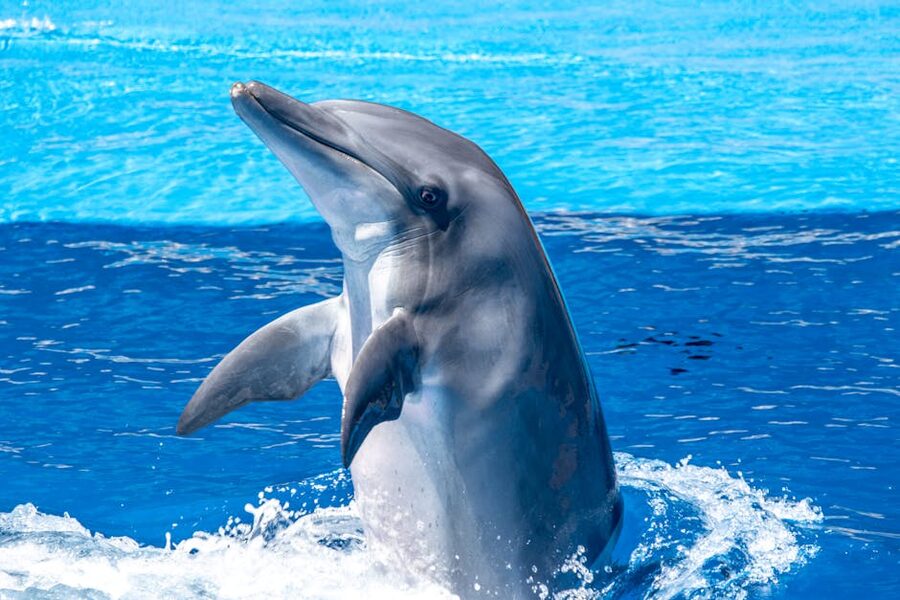
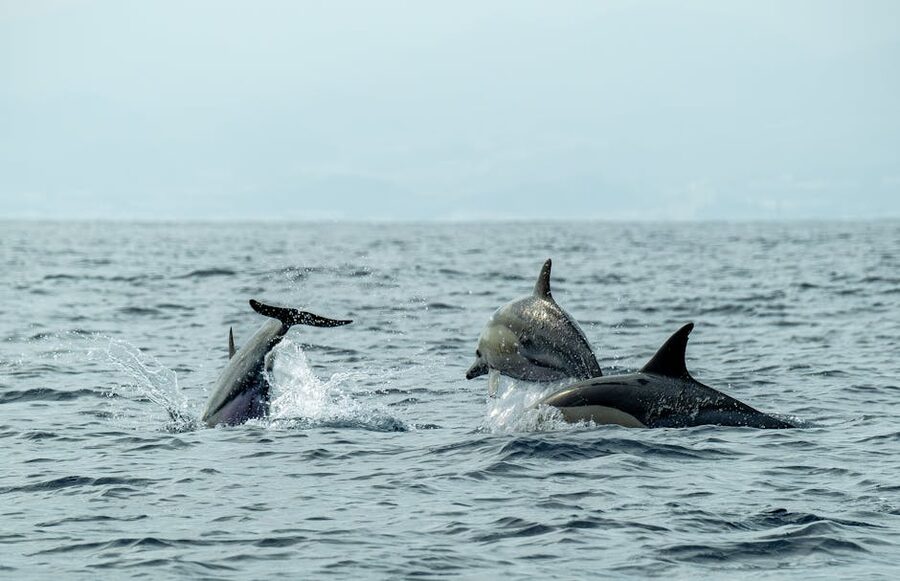
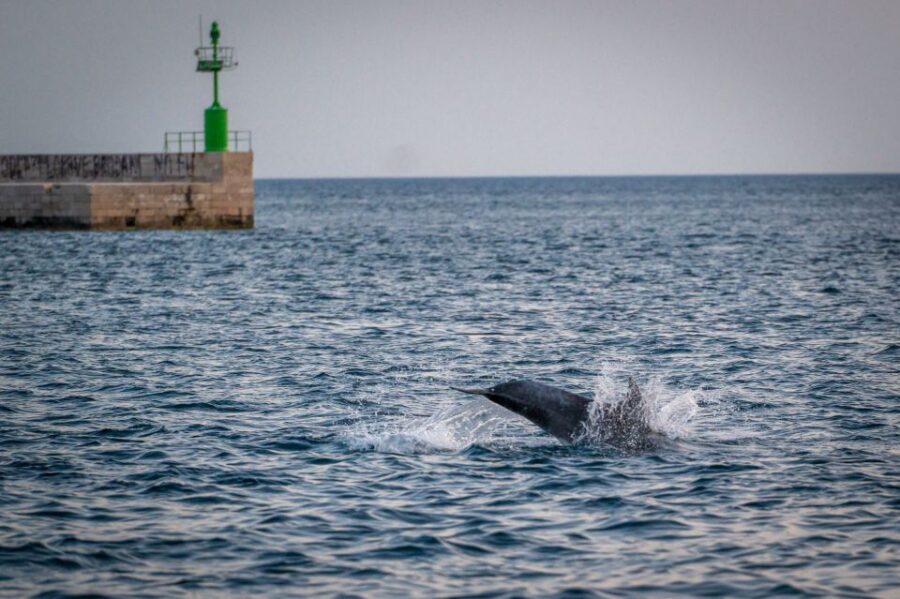
When dolphins appear, the boat slows or stops, and you get 10-20 minutes of watching them around the boat. Sometimes they surf the bow wave; sometimes they’re a quiet pod 200 metres off. It depends on the day and the mood of the animals — they’re wild, not trained.
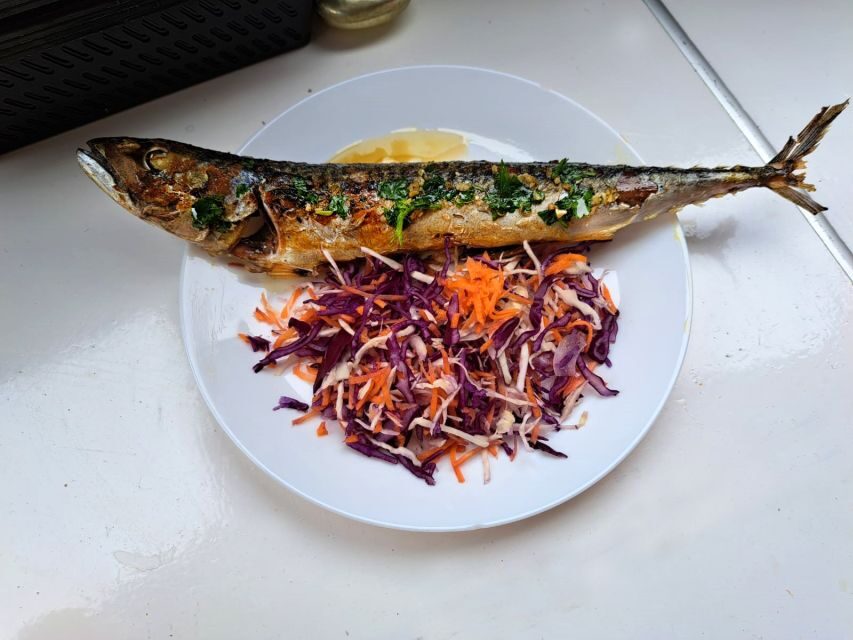
Most evening tours include drinks (a glass of wine or beer) and usually dinner — grilled fish, salad, bread, local wine. The “dinner cruise” versions are 3 hours and include a proper sit-down meal on deck as you cruise back at sunset.
The Best Tours to Book
1. Pula: Brijuni Island Visit & Dolphin Cruise — $76
The full daytime trip. Boat from Pula to Brijuni, guided safari train tour of the island, Roman villa visit, time for the museum and lunch, then the return cruise timed to catch dolphin activity. If you want the full experience — history, animals, and wildlife — this is the one. Our review covers exactly what the island portion includes and what’s extra. Past visitors note the boat/dolphin element is a real feature, not just marketing — most tours see dolphins on the return leg.
2. Pula: Brijuni Sunset, Dolphins & Dinner Cruise — $64
The best-value evening tour. A traditional wooden Croatian boat, three hours out on the Adriatic with the islands slowly turning orange at sunset, dinner included (grilled fish, salad, wine), and a solid chance of dolphins on the return leg. Our review describes the boat and food quality. At $64 it’s cheaper than the daytime tour and a fundamentally different experience — dinner cruise rather than sightseeing tour.
3. Fažana: Dolphin Safari & Brijuni at Sunset — $41
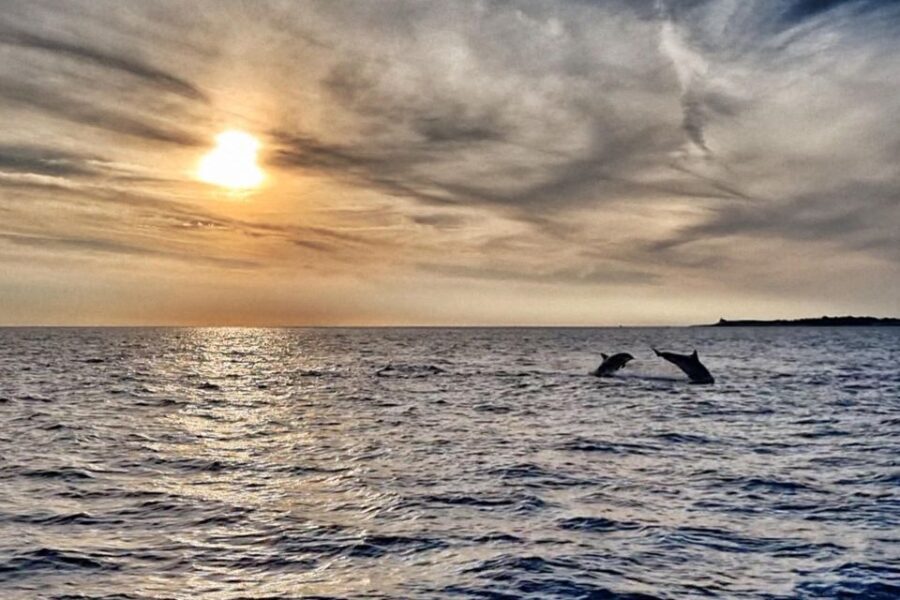
The short version. Two hours, departing from Fažana (10 minutes north of Pula), focused on dolphin watching around the Brijuni islands at sunset. No landing, no dinner, just a dedicated wildlife cruise. Our review covers the sighting success rate and the pickup logistics. At $41 this is the cheapest dolphin tour in Istria — ideal if you want to see dolphins but don’t need the full island experience.
Dolphin Sighting Success Rates
This is the question people ask first. Honest answer: it depends.
Summer (June-September) tours see dolphins on about 80% of evening trips. The pod of resident bottlenose dolphins is well-known to local captains and follows predictable feeding patterns. Early evening (6-8pm) tours have the best success rate.
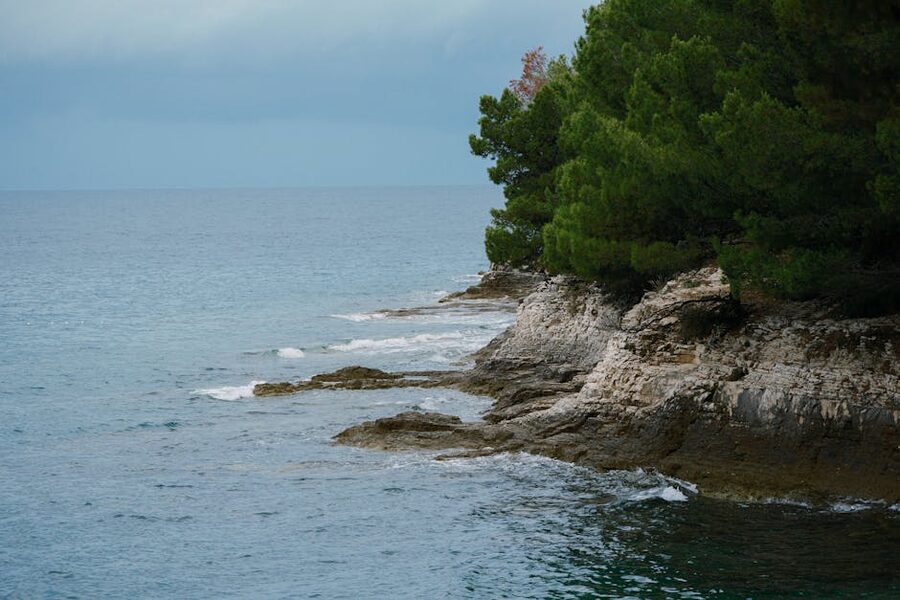
Shoulder season (April-May, October) tours see dolphins on about 50-60% of trips. Weather is more variable, dolphins range more widely.
Winter tours rarely see dolphins and often don’t run.
Daytime tours see dolphins less often than evening tours — about 30-40% of landings. Dolphins feed at dawn and dusk; midday is when they rest in deeper water.
None of this is a guarantee. On a bad day, you might cruise for three hours and see nothing. Most reputable operators are honest about this and offer a discount voucher for a second attempt if you see no dolphins. Ask about the “no dolphins, come back” policy when booking.
A Short History of Brijuni
The Brijuni islands have been continuously inhabited since Roman times. The Romans built villas here as rural escapes; later Venetians used them for olive cultivation. In the 1890s, an Austrian industrialist called Paul Kupelwieser bought the main island and turned it into a private resort for European royalty — in the 1900s it hosted Archduke Franz Ferdinand, Gustav Mahler, Thomas Mann, and George Bernard Shaw.
After WWII, Yugoslavia nationalized the island and Tito made it his summer residence. He lived there every summer for 33 years, received foreign leaders there, and built up the zoo that still exists today. After Tito’s death, Brijuni was opened to the public (1983) as a national park.
The Roman villa you’ll see on the tour predates all of this — it was lived in from about 50 BC to the 5th century AD. The Austro-Hungarian hotel is from 1900. The zoo is from the 1960s. It’s a layer cake of European history, and you can see all of it in about three hours.
When to Go
Peak season is June through September. This is when the dolphin sightings are most reliable, the weather is warmest, and all tours run on multiple daily schedules.
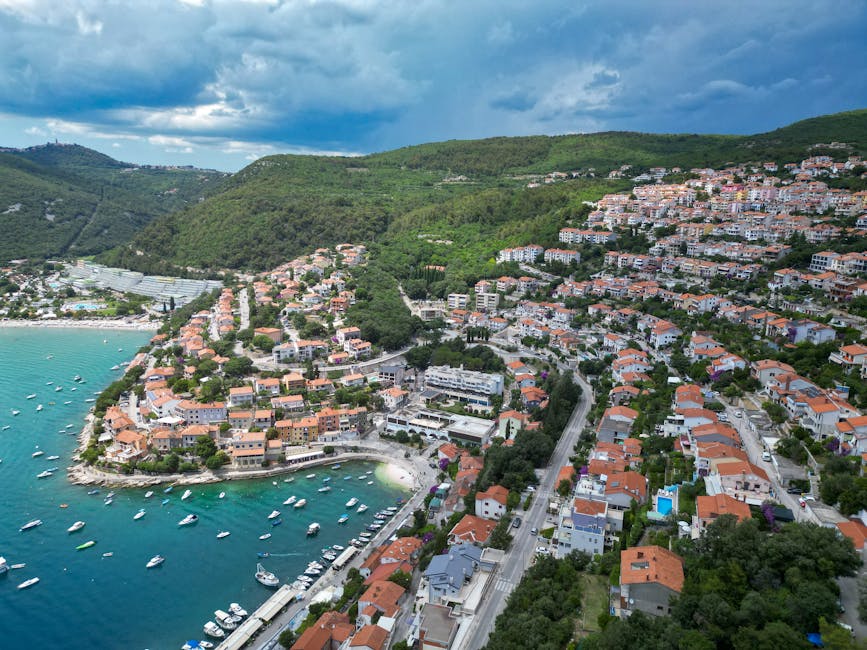
Shoulder season (April-May and October) is pleasant for daytime tours but less reliable for dolphin sightings. Some evening tours are suspended. Our Croatia weather month-by-month piece explains what the shoulder seasons actually feel like in Istria versus Dalmatia.
Winter (November-March) is mostly off-season. Daytime tours still run on limited schedules; dolphin cruises rarely.
For first-time visitors choosing between months, June or September are probably the best — tolerable crowds, reliable weather, good dolphin activity. August is the peak and should be avoided if you can.
What to Bring
Hat and sunscreen. Adriatic sun at noon is no joke — even on the boat you’re exposed.
Layers. The evening tours can get cool after sunset; bring a light jacket even in August.
Camera or phone with zoom. Dolphins don’t come close enough for wide-angle phone shots. A camera with 3-5x optical zoom gives you the best wildlife photos; a phone will struggle.
Cash for drinks and island extras. Drinks on the boat range €3-5 (beer) to €5-10 (wine by the glass). Cash is preferred; some operators don’t take cards.
Snack. The daytime tours typically include lunch at the island restaurant (€15-20 for a main). Evening dinner cruises include the meal. Short dolphin tours don’t include food — bring a bar or sandwich.
Binoculars if you have them. A pair of 8×32 binoculars makes dolphin spotting much easier. The boat captain will call sightings but you’ll see more with your own optics.
Worth Knowing Before You Book
Some specific things past travellers have called out:
The wine quality varies. On the budget tours, wine is sometimes described as “very poor” — one past review noted this specifically. If wine matters to you, book the premium dinner cruise or bring your own.
The safari tour on the island is on a small train with open sides. Rainy weather is manageable but unpleasant; sunny weather is perfect; very hot weather is uncomfortable. The train doesn’t have air conditioning.
Some tours list “dolphins” prominently but are fundamentally sunset dinner cruises where dolphins are a bonus. Others are genuine dolphin-focused safaris. Read the tour description carefully.
The island is relatively accessible — flat paths, the train for longer distances, and benches throughout. Visitors with mobility issues can do the main attractions, though the Roman villa has some uneven ground.
Time on Brijuni itself is limited. You have about 3 hours on the island on a 5.5-hour tour, and that’s not quite enough to cycle around and see everything. If you want more, book accommodation on the island (limited and expensive) or take two ferry trips.
The resident pod of dolphins is the reason sighting rates are high. Some tour operators are starting to run “guaranteed sightings” tours where they know where the pod feeds each evening. These cost more but make sense if dolphins are your main goal.
Pairing Brijuni with a Pula Stay
Brijuni works best as a day from a Pula base. Most travellers stay 2-3 nights in Pula and use one day for the Pula Arena, one day for Brijuni, and one for either kayaking or Rovinj.
If you’re doing a quick Pula visit (one night), Brijuni is the better day trip than the Arena because it takes a full day and you can do the Arena in 2 hours in the morning before leaving. If you have a full Istria week, Brijuni is one of several highlights.
For variety, pair a daytime Brijuni with a sunset drink in Pula’s old town, or do the evening dolphin cruise followed by dinner in Fažana (the small fishing village the boats leave from has excellent seafood restaurants on the waterfront). If you want to know what’s actually worth ordering, our Croatian food guide covers the regional specialties you’ll see on Istrian menus.
More Croatia Guides
If Brijuni is part of your Istria stop, the Pula Arena guide is the other essential read — these two are the main draws of Pula and both deserve their own day. Moving south to Dalmatia, the Blue Lagoon cruise from Split is the equivalent of the Brijuni day trip — a small-boat archipelago tour with swimming rather than wildlife. For Split-area culture, the Diocletian’s Palace walking tour is the must-do. In Dubrovnik, the Elaphiti Islands cruise is the southern equivalent of this Brijuni day — three islands, a full day, different kind of wildlife.
Affiliate disclosure: We may earn a small commission from bookings made through the links on this page. It doesn’t change the price you pay and helps keep the site running.