
Fado is Portugal’s national music, and Porto isn’t where it was born. Lisbon invented it in the 1820s — the Alfama sailors’ bars, the Mouraria neighbourhood, the whole Amália Rodrigues mythology. Porto’s fado scene came later, is smaller, and is arguably better for tourists because the venues cap at 30-40 people and you can genuinely hear the singer from anywhere in the room.
For €23 you get a 90-minute live fado show plus a glass of port wine. Here’s how the Porto fado tours work, which venue to pick, and why you should book even if you think you don’t like world music.
In a Hurry? The Three Porto Fado Options
- Best value: Live Fado Show + Port Wine — from €23. 90 minutes, intimate venue, glass of port included.
- With wine cellar: Cálem Cellar Tour + Fado Show — from €33. Adds a Vila Nova de Gaia wine cellar visit. 2.5 hours total.
- Educational version: What is Fado? Commented Concert + Port Wine — from €18. English commentary between songs explaining the music.
- In a Hurry? The Three Porto Fado Options
- What Fado Actually Is
- The Three Porto Fado Options Compared
- 1. Live Fado Show with Glass of Port Wine — from €23
- 2. Cálem Cellar Tour + Fado Show + Wine Tasting — from €33
- 3. What is Fado? Commented Live Concert — from €18
- What a Fado Show Actually Feels Like
- Why It Works for Non-Portuguese Speakers
- Porto vs Lisbon Fado
- When to Go
- What to Eat Before or After
- Getting to the Venue
- Dress Code
- Behaviour During the Show
- Who Fado Works For
- Fado Within a Portugal Trip
- Venue Recommendations
- Practical Questions
- Booking Tips
- Other Portuguese Music Contexts
- Fado Outside the Tour Venues
- A Short History of Amália Rodrigues
- The Short Version
- Common Fado Mistakes
- What You’ll Remember
- Combining with Other Porto Evenings
- Who Should Skip the Show
What Fado Actually Is
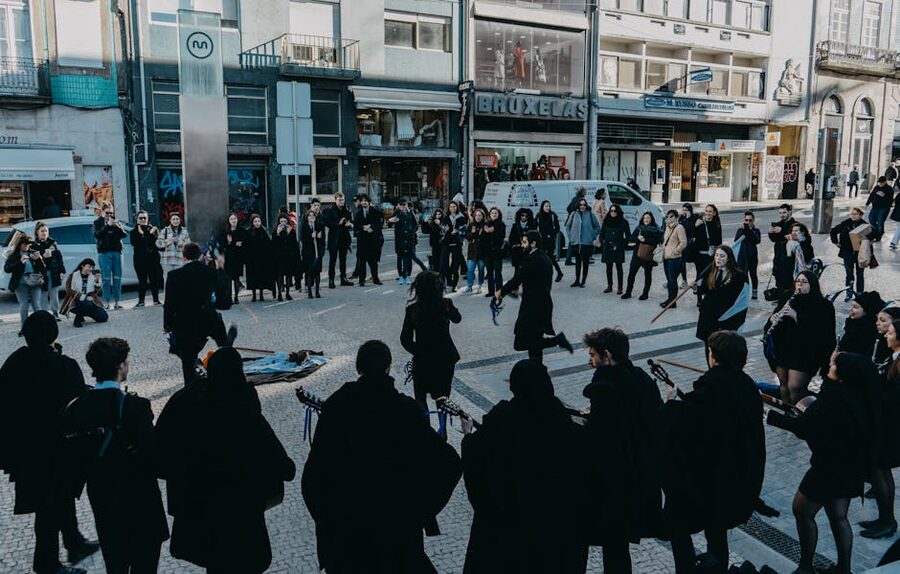
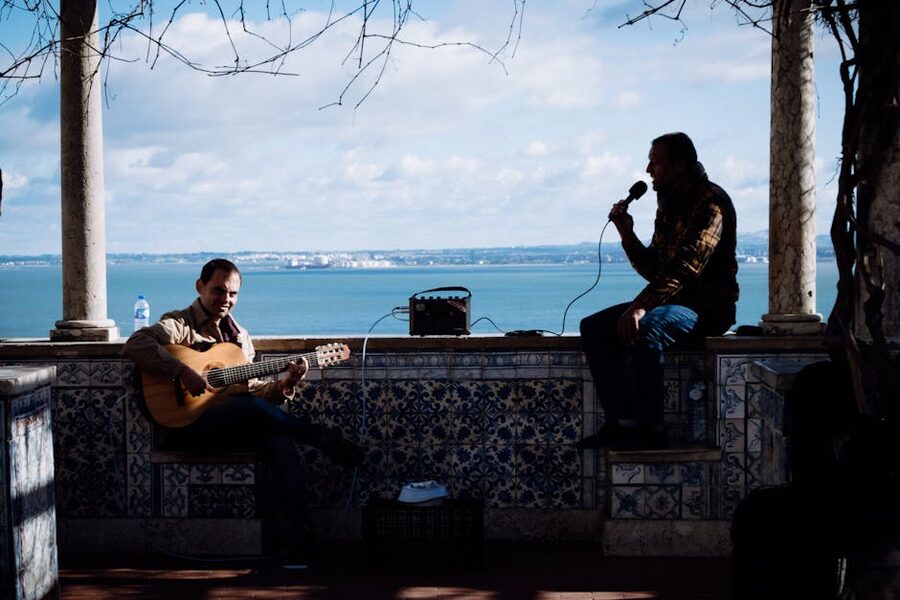
Fado is Portuguese urban folk music. Roots in the 1820s-1830s Lisbon. The typical setup: one female or male singer (the fadista) plus a 12-string Portuguese guitar plus a classical Spanish guitar. Sometimes a bass guitar added.
The songs are traditionally about loss, longing, and saudade — a Portuguese word that roughly translates to “melancholy nostalgia for something that is gone or will never return.” The emotional range is narrower than most musical traditions — fado is mostly sad, occasionally angry, rarely cheerful — but within that range the intensity is staggering.
Amália Rodrigues (1920-1999) defined the genre internationally. She performed fado worldwide, including at Carnegie Hall in 1966. Every Portuguese-speaking country has a cultural memory of her. Even in 2026, the most common fado tourist show will include at least one or two Amália-era classics.
UNESCO listed fado as Intangible Cultural Heritage of Humanity in 2011.
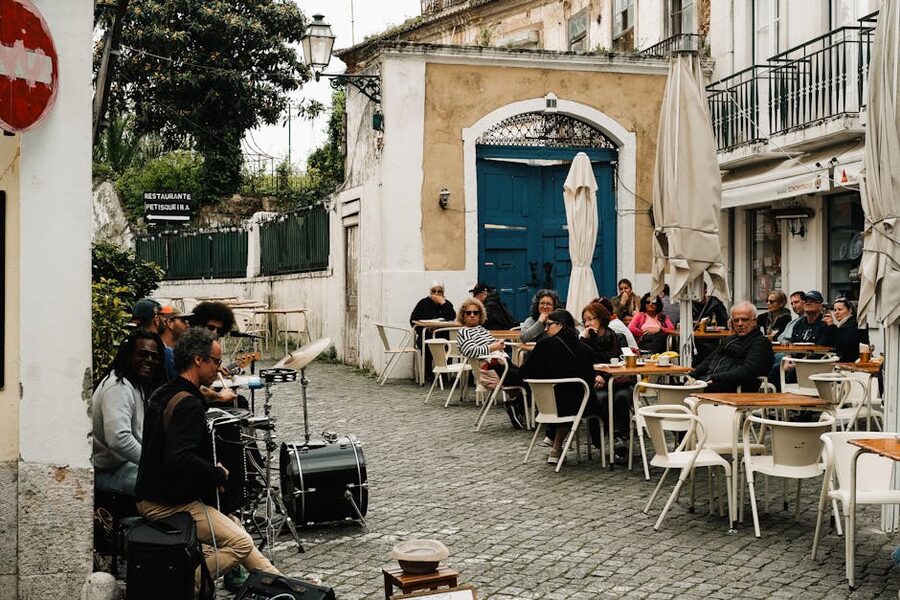
The Three Porto Fado Options Compared
1. Live Fado Show with Glass of Port Wine — from €23
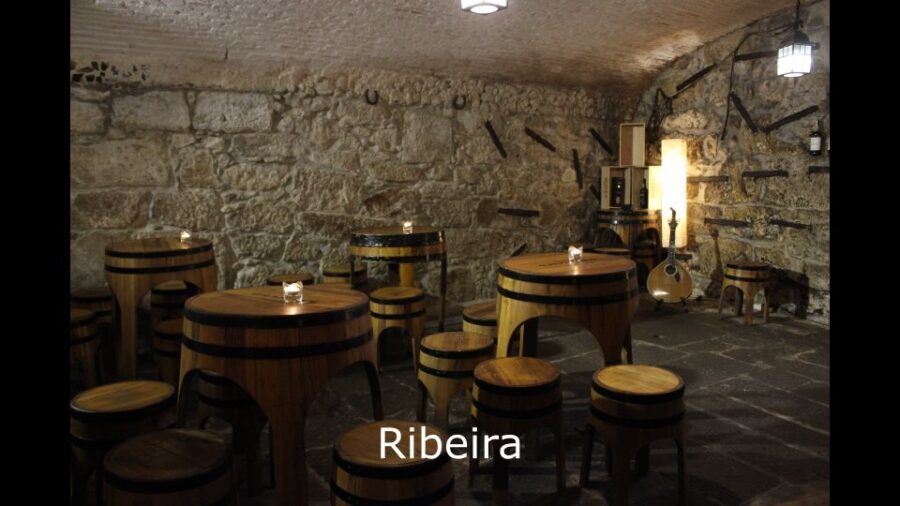
The highest-volume Porto fado option. Small tiled venue in the Ribeira district, authentic setting, 3-4 songs per performer with 2 performers rotating. €23 is excellent value. Our full review has the venue address and the port wine brand served.
2. Cálem Cellar Tour + Fado Show + Wine Tasting — from €33
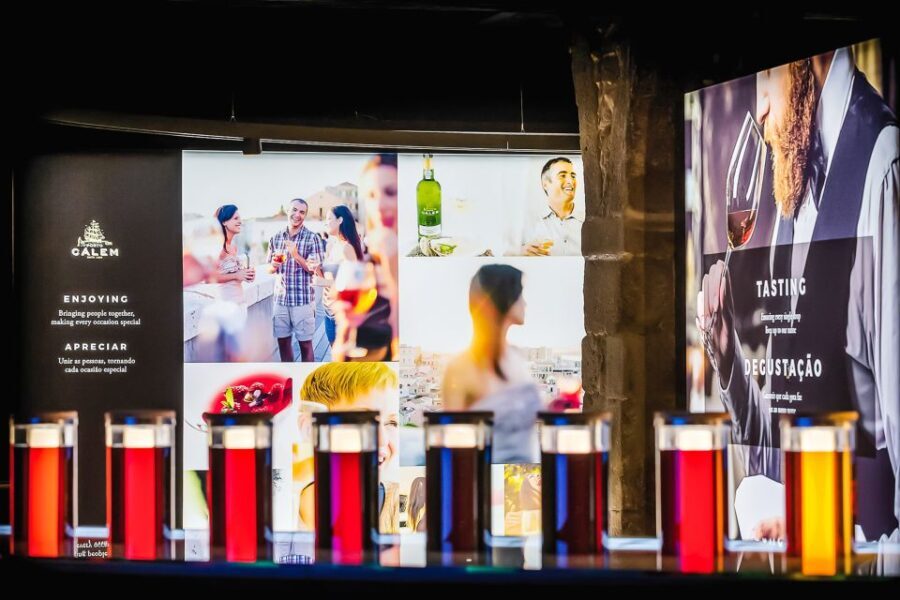
Fado plus the Cálem port wine cellar tour in Vila Nova de Gaia. You get the wine education plus the music. Longer (2.5 hours) and pricier (€33), but covers two bucket-list Porto activities. Our review has the exact cellar schedule.
3. What is Fado? Commented Live Concert — from €18
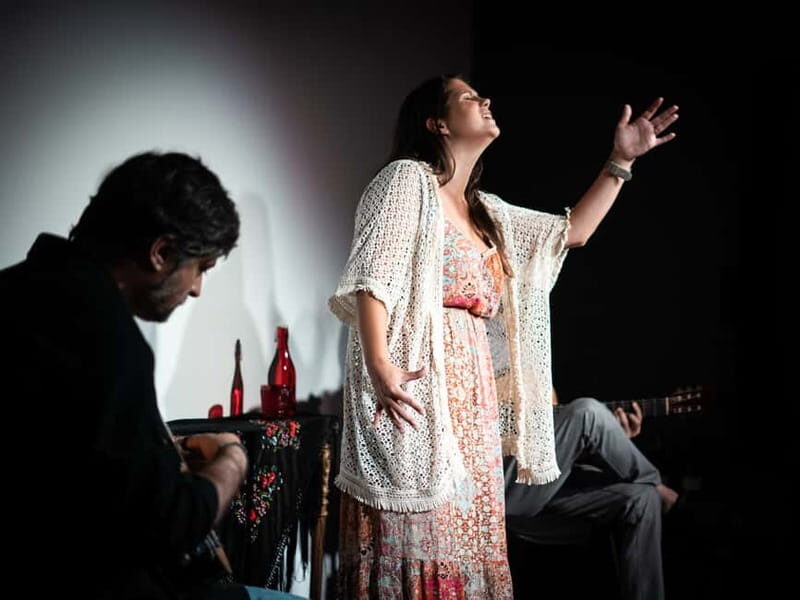
Pick this if you want the educational context. A guide introduces each song in English, translates the lyrics (fado lyrics are poetry in Portuguese), and explains fado’s history. €18 and shorter (60 min) but more informative for first-timers. Our review compares to the pure-performance option.
What a Fado Show Actually Feels Like
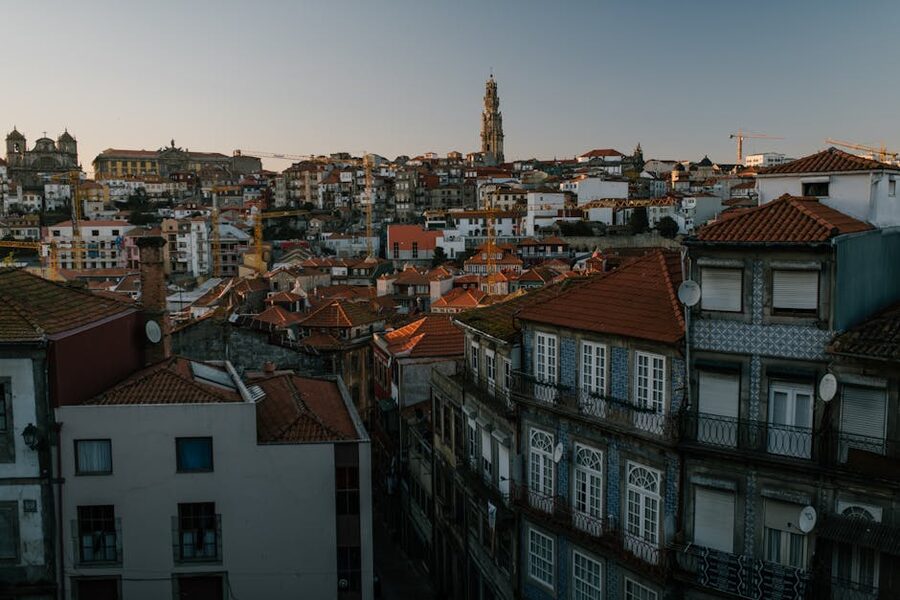
You arrive at the venue 10-15 minutes before the show. Staff seat you at a wooden table (or in chairs, depending on the venue). You get your glass of port. Lights dim. Two musicians walk in — one with the Portuguese guitar, one with the classical guitar. They play a 2-3 minute instrumental.
Then the singer enters. Almost always wearing a black shawl — the traditional fadista uniform. She (or occasionally he) sings a single song, 4-6 minutes. You listen in silence. Applause. Short pause. Next song. 6-8 songs in total, occasionally with a second singer alternating.
The entire show runs 60-90 minutes. No interval. No encore (usually). The emotional weight builds across the performance — by song 6 or 7, even travellers who don’t understand Portuguese are affected.
Why It Works for Non-Portuguese Speakers
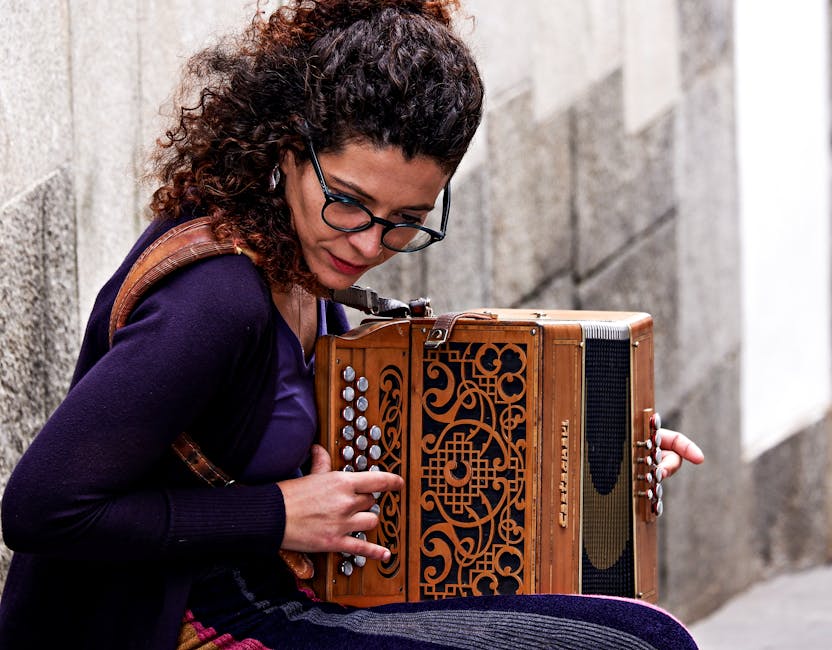
Fado is vocal-forward. The singer’s voice carries most of the emotion. Even if you don’t speak Portuguese, you’ll understand “this is sad,” “this is longing,” “this is intense.” The Commented version helps you know what specifically each song is about, which adds depth.
My take: for a first-time fado experience, the Commented version (€18) beats the pure performance (€23) because context matters. For a second fado experience (in Lisbon afterwards), the pure performance is better — you already know what you’re listening to.
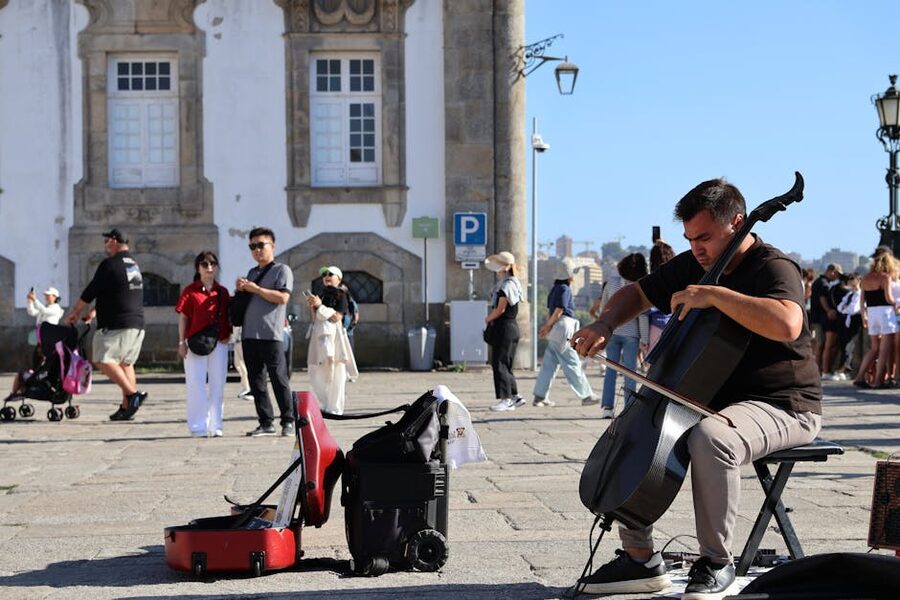
Porto vs Lisbon Fado
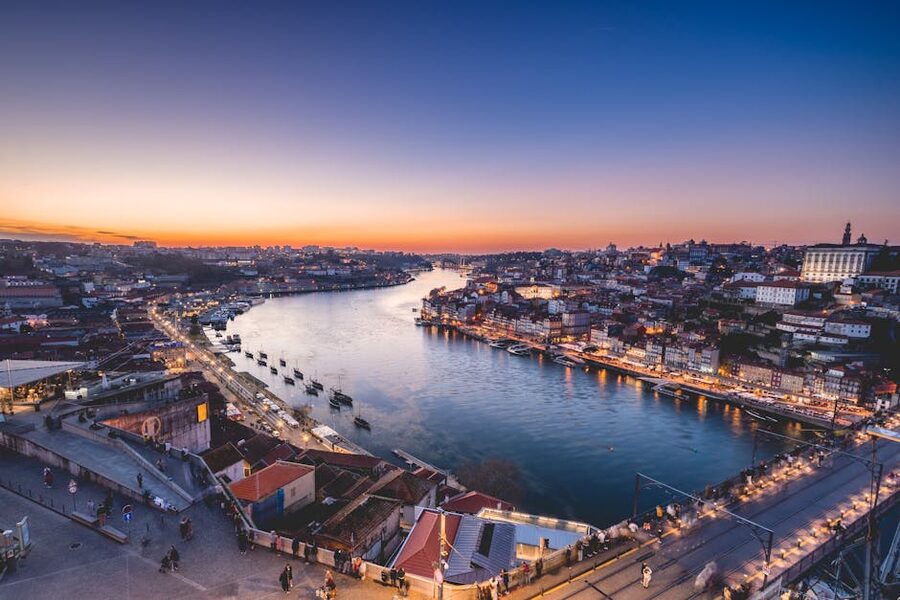
Lisbon is where fado was born. The Alfama district is the traditional home. Lisbon has maybe 50+ fado venues of varying authenticity. The scene is bigger, rougher, more exposed to tourism. Some Lisbon fado venues are genuinely legendary (Mesa de Frades, Clube de Fado). Others are tourist traps.
Porto has maybe 10 fado venues, all small, none as famous internationally. But for tourists, Porto’s smaller venues mean every show feels intimate. You’ll be within 5 metres of the singer. That’s not typical in Lisbon.
If you have time for both: Lisbon first (the historical context), Porto second (the intimate experience). Most travellers have time for one. If you have one, pick whichever city you’re in longer.
When to Go
Shows run year-round, typically starting at 7:30 or 9:30pm. The 7:30 show is less atmospheric but lets you eat dinner afterwards. The 9:30 show is more authentic (late nights are the traditional fado hour) but you’ll need dinner before.
Book 1-2 days ahead in summer. Thursday-Saturday evenings sell out. Monday-Wednesday usually has day-of availability.

What to Eat Before or After
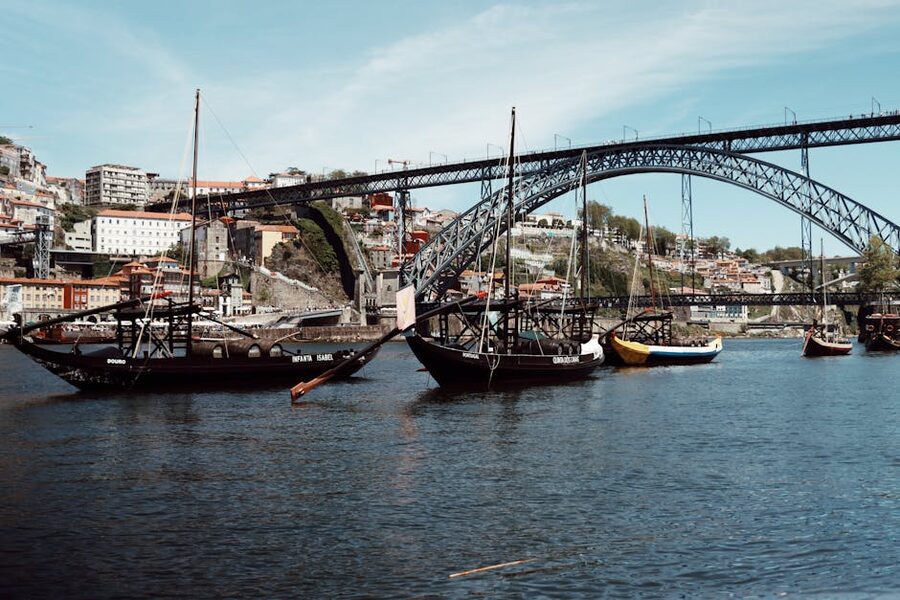
Traditional Porto food before the fado show:
- Francesinha — Porto’s signature sandwich. Layers of meat, melted cheese, beer sauce. Carnal and heavy.
- Tripas à moda do Porto — tripe stew, the traditional Porto dish. Not for everyone.
- Bacalhau à Gomes de Sá — salt cod with potatoes, onions, eggs. Classic.
- Sardinhas assadas — grilled sardines. Simple and perfect.
After the show: more port wine. Most venues have a bar. Otherwise, nearby Ribeira restaurants stay open until 11pm.
Getting to the Venue
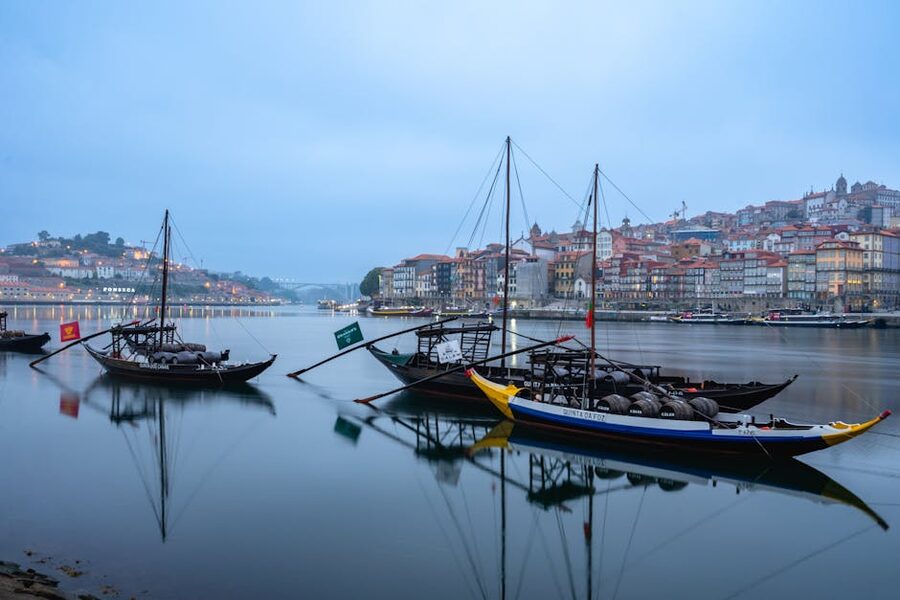
Most Porto fado venues are in the Ribeira or Sé districts of the old town. Walk from anywhere in central Porto in 10-15 minutes. Specific venue in your booking confirmation.
From the Gaia side (across the river): walk across the Dom Luís I lower deck, 10 minutes.
From outside Porto: metro or Uber to São Bento station, then 10 minutes walking.
Dress Code
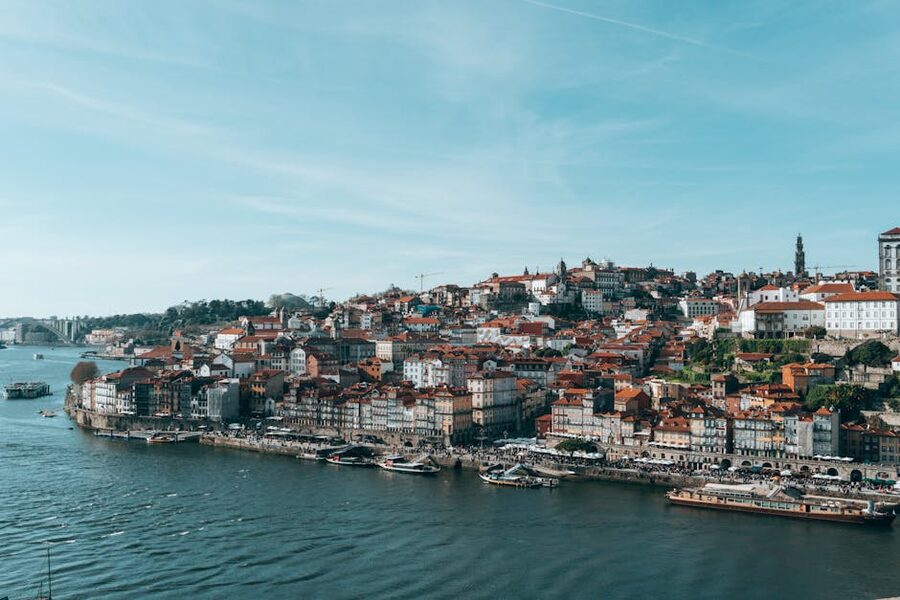
Smart casual. Jeans and a nice top is fine. Shorts and beach wear feel wrong. Nothing too formal — these aren’t opera houses.
Cameras: most venues allow photos but ask you not to use flash during performances. Phones on silent, obviously.
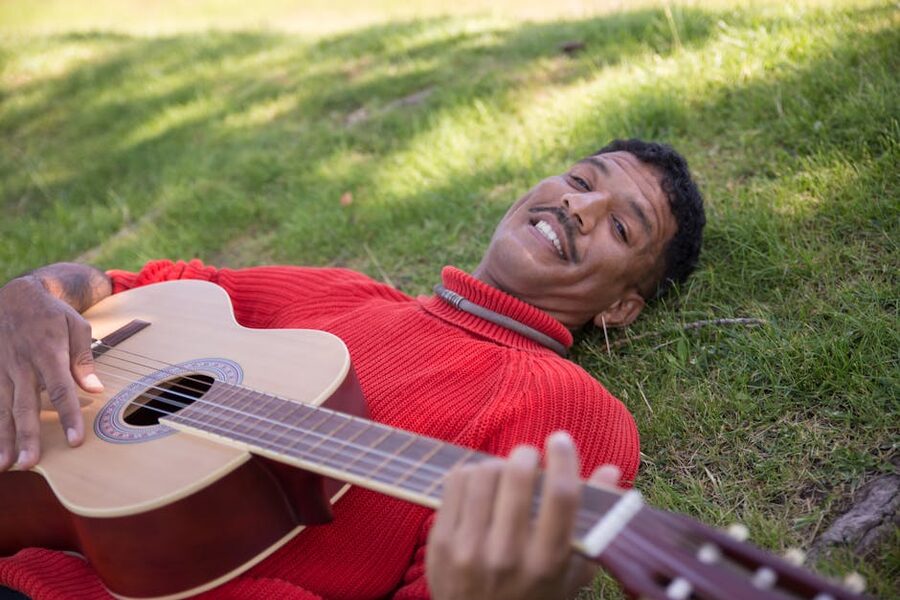
Behaviour During the Show
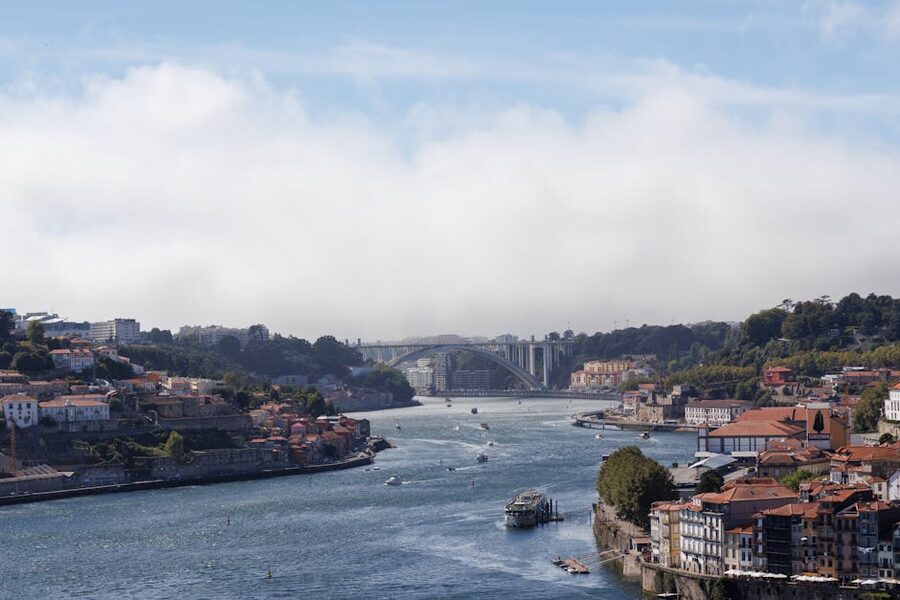
Basic rules:
- Silence during songs. No talking, no whispers, no clinking glasses.
- Applause between songs.
- Don’t get up during a song. If you really need the bathroom, wait for an interval.
- Phones off or silent. No flash.
- If you order food/drinks at tables, do so at the start or during breaks.
Portuguese audiences will occasionally shout “Fado!” in approval during a song — that’s the one exception to the silence rule. You don’t need to join in.
Who Fado Works For
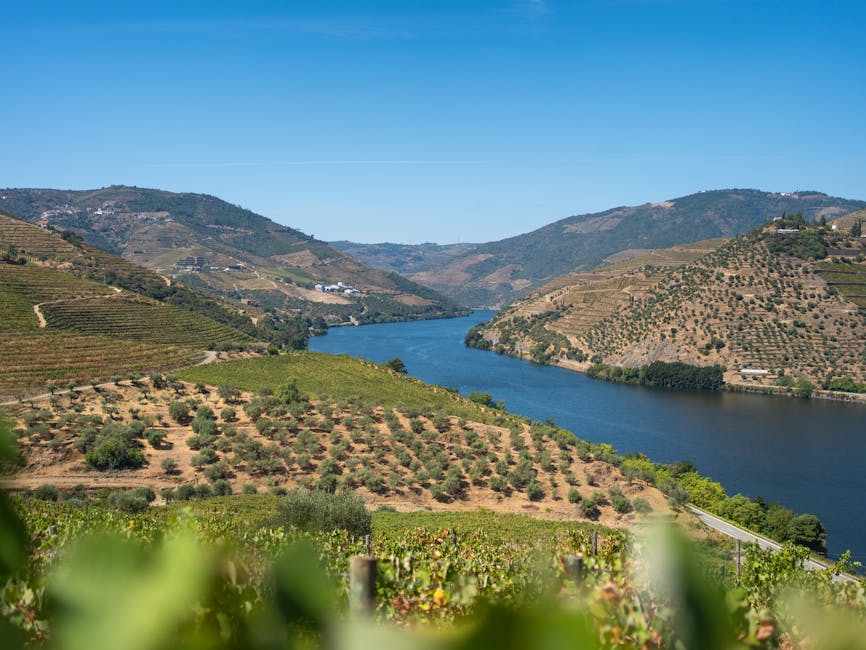
Works well for:
- Music fans (any genre)
- Couples on a quiet evening
- Solo travellers wanting cultural depth
- Travellers who’ve done the tourist basics and want something more Portuguese
Doesn’t work for:
- Kids (under 12 often not admitted; under 16 will be bored)
- Travellers who want upbeat music
- Travellers who want to drink lots (most venues serve one glass, not open bar)
Fado Within a Portugal Trip
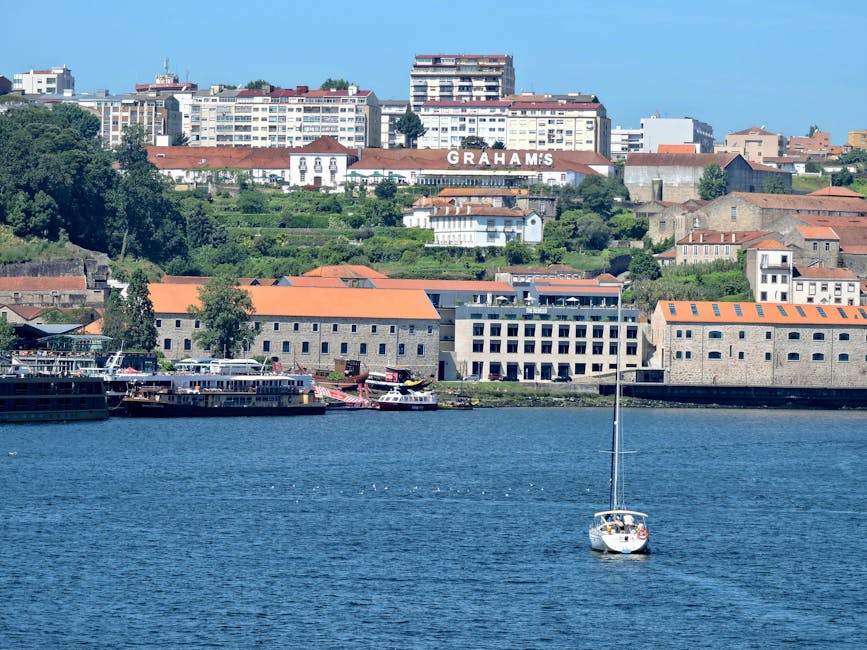
The fado show is an evening activity. Natural pairings:
- Morning Porto walking tour
- Afternoon Port wine cellar visit
- Late afternoon Six Bridges Cruise
- Evening Fado show
- Dinner after
That’s a full Porto day. Tight but achievable.
Venue Recommendations
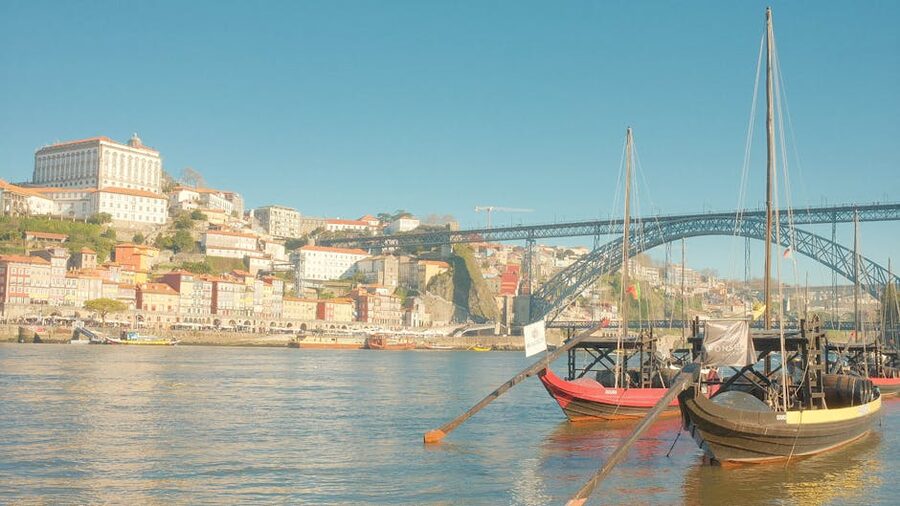
The specific venue depends on which tour you book. Popular Porto fado venues:
- Casa da Mariquinhas — small tiled room, classic setting
- O Fado — upstairs venue near São Bento station
- Real Companhia Velha (Cálem) wine cellar — the combo tour venue
- Casa da Guitarra — also a music shop, hosts What is Fado? concerts
Booking through GetYourGuide or Viator usually means the operator assigns the venue. You won’t know the exact location until after booking.
Practical Questions
Kids? Some venues allow over-12s; others are over-16. Ask the operator before booking.
Accessibility? Venues vary. Most have steps to enter. Contact operator if mobility is an issue.
Drinks beyond the included glass? Usually available for €4-8 each.
Photography? Allowed but no flash during performances.
Dress code? Smart casual. No strict enforcement.
Booking Tips
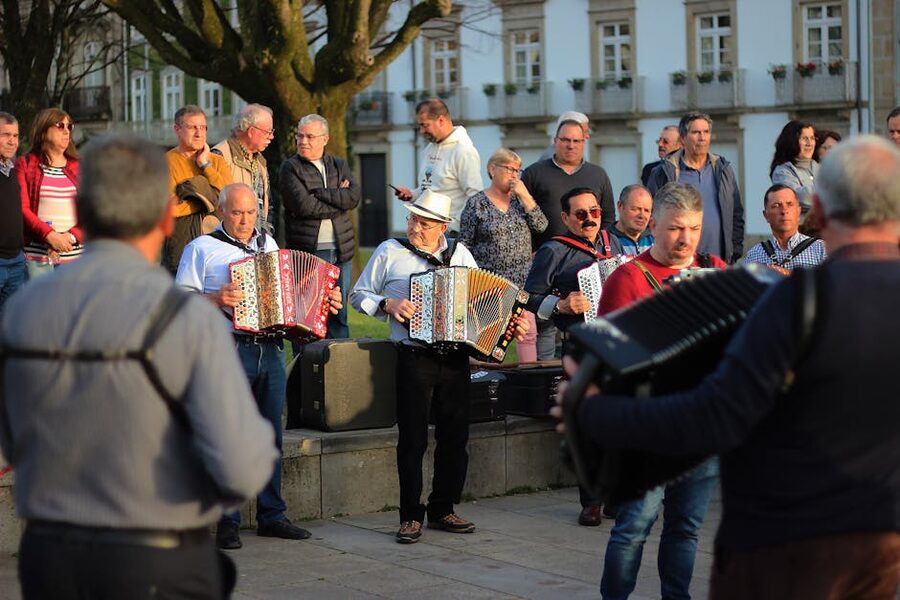
Book ahead — these venues are small. Check which venue you’re going to before you pay.
Email confirmation usually includes the exact address. If it doesn’t, contact the operator.
Arrive 15-20 minutes early to get good seats. First-come-first-served within the booking.
Other Portuguese Music Contexts
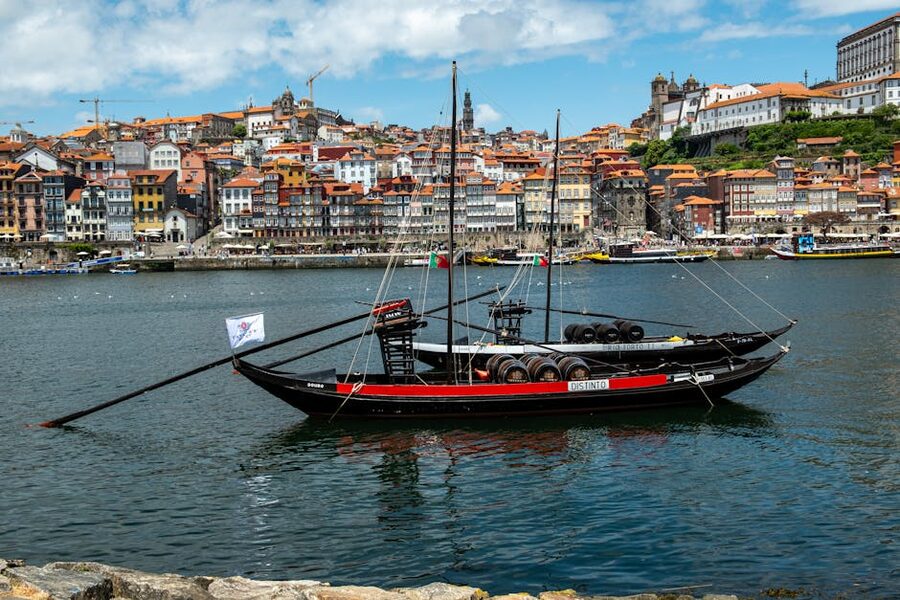
If fado works for you, there’s a broader Portuguese musical landscape to explore:
- Kizomba — Angolan-Portuguese romantic dance music
- Pimba — popular folk/folk-pop
- Portuguese guitar concerts — instrumental, no singing
- Coimbra fado — academic university tradition, male-only, distinct from Lisbon/Porto fado
Fado Outside the Tour Venues
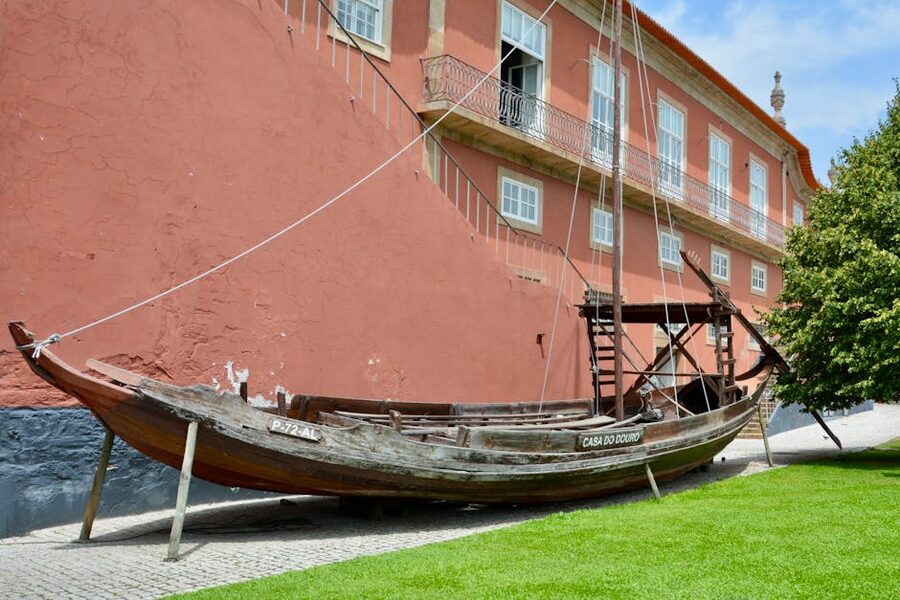
If you don’t book a fado show, you’ll still encounter fado in Porto. Several Ribeira waterfront restaurants have singers performing informally during dinner. Quality varies wildly. Some are legitimate; many are tourist-performance-level.
For proper immersion, book the show. For ambient background fado, any Ribeira restaurant on a weekend evening will probably have some.
A Short History of Amália Rodrigues
Amália Rodrigues is to fado what Ella Fitzgerald is to jazz — the single most important performer in the genre’s history. Born 1920 in Lisbon, she started singing in cafés at 19, recorded her first album in 1945, and spent the next 50 years making fado a global genre. She performed in 40 countries, including Carnegie Hall and the Olympia in Paris. When she died in 1999, Portugal declared three days of national mourning and the parliament suspended session. Every contemporary fadista in Porto and Lisbon cites her as their central influence.
Every fado show you see will include at least one Amália classic — usually “Uma Casa Portuguesa,” “Barco Negro,” or “Lisboa Antiga.” Listen for them; they’re the emotional centre of any performance.
The Short Version
Book the €23 Live Fado Show with Port Wine for a weekday evening at 7:30pm or 9:30pm, arrive 15 minutes early, dress smart casual, listen silently during songs, applaud between. 90 minutes, one of the most culturally specific experiences you can have in Portugal. If you’ve never heard fado, the €18 Commented version is slightly better for a first-timer.
Common Fado Mistakes
Three mistakes first-time visitors make at fado shows: (1) Talking during songs. Some foreign tourists don’t realise the silence expectation. Even whispering during a song is rude. (2) Ordering food mid-performance. Order at the start or during breaks — the waitstaff won’t serve during songs anyway, but trying disrupts the vibe. (3) Leaving before the finale. Most shows have a climactic final song that’s the peak of the evening. Don’t slip out at song 5 to save 10 minutes.
What You’ll Remember
Ask anyone who’s seen a proper fado show what they remember a year later and the answer is almost always the same: the voice. The specific song usually isn’t recalled. The venue isn’t recalled. But the feeling of the fadista’s voice cutting through the small room with this incredible intensity — that stays. It’s a physical experience as much as a musical one.
If that sounds overclaim-y: it’s the Portuguese national music for a reason. There’s a specific emotional register that fado accesses better than any other genre in Western music. Worth €23 to find out whether it works on you.
Combining with Other Porto Evenings
Porto has two other distinct evening experiences worth weaving around a fado show: the Six Bridges sunset cruise (late afternoon into sunset, 50 minutes) and a dinner at one of the Ribeira waterfront tascas. The classic arc: sunset cruise 5-6pm → dinner 7-8:30pm → fado show 9:30pm → late drinks in Clérigos district. That’s a full Porto Friday or Saturday. Pace yourself on the port wine — each stop pours more, and it adds up.
Who Should Skip the Show
Skip fado if you actively dislike slow, emotional music. Skip it if you want evening energy (book the sunset boat party instead). Skip it if you’re an experience-collector racing through Porto in 24 hours — fado needs 90 minutes of attention to work. And skip it if you’re in Porto during major festivals (São João in June) when the streets themselves are louder and more interesting than any indoor venue.
For everyone else: the Porto fado show is one of the few remaining genuinely traditional European music experiences that haven’t been entirely flattened into tourist product. Book one and hold judgement until the final song — the cumulative effect is the point.
Affiliate disclosure: Some links in this article are affiliate links. If you book through them we may earn a small commission at no cost to you. All recommendations are based on my own visit.