
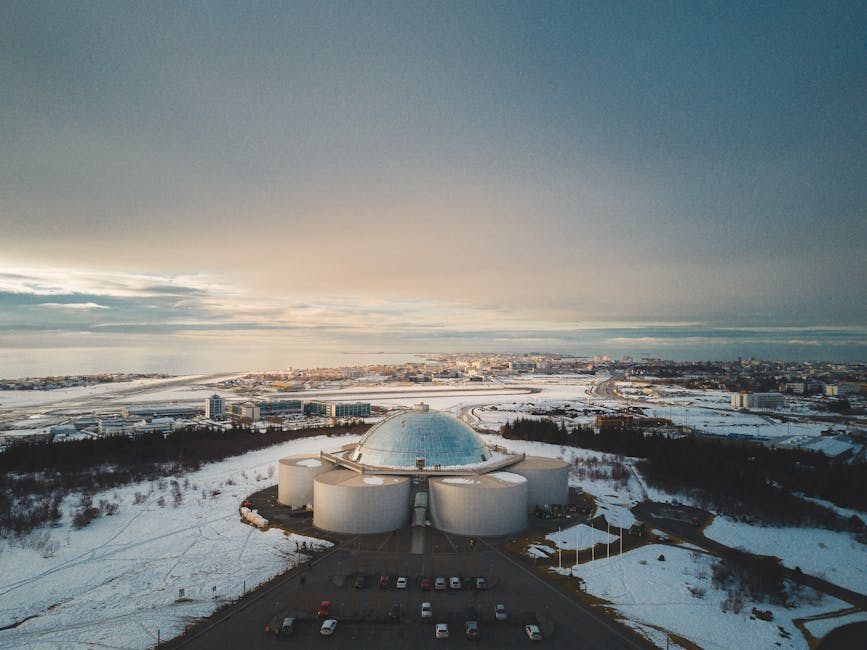
The Perlan Museum sits on top of six 24-million-litre hot water tanks that supply Reykjavík’s southern half with geothermal heating. The whole building is functioning civic infrastructure — when the city built the tanks in the 1980s, they essentially capped them with a glass dome, added a small art space, and got on with the business of heating houses. The museum part you book a ticket for came much later. The original visitor draw was always the observation deck, and the observation deck is — and remains — completely free.
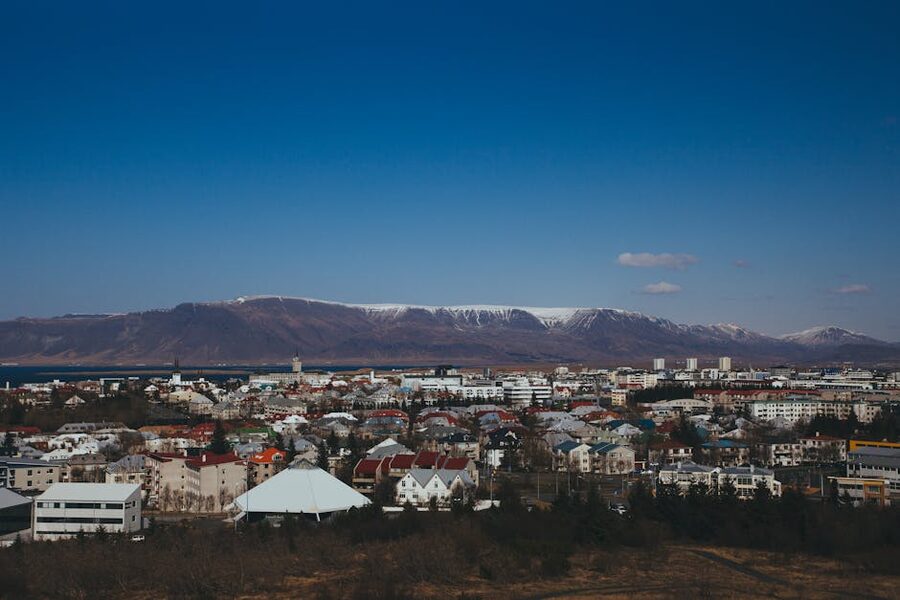
That last point is worth stopping on. You can take the bus or walk up Öskjuhlíð hill, ride the elevator to the deck, get the 360° view of the city and the bay and Mount Esja in the distance, and walk out without paying anything. Most travel guides bury this. The exhibitions inside are the paid part, and they are good, but you should know what you are choosing before you choose.
In a Hurry? The Three Tickets Worth Booking
- Most reviewed pick: Perlan Wonders of Iceland Experience — around $55, 2 hours, the standard exhibition ticket.
- Best with planetarium: Wonders of Iceland + Áróra Northern Lights Planetarium Show — around $57, 2-3 hours, includes the dome show.
- Combo with city bus: Hop-On Hop-Off Bus + Perlan Entry — around $88 for 24 hours of city transport plus the museum.
- In a Hurry? The Three Tickets Worth Booking
- Which Ticket to Buy
- 1. Reykjavik: Perlan Wonders of Iceland Experience — from
- 2. Wonders of Iceland + Áróra Planetarium Show — from
- 3. Hop-On Hop-Off Bus + Perlan Entry — from
- The Building, and What It Sits On
- The Free Observation Deck (Yes, Free)
- Wonders of Iceland — What’s in the Exhibition
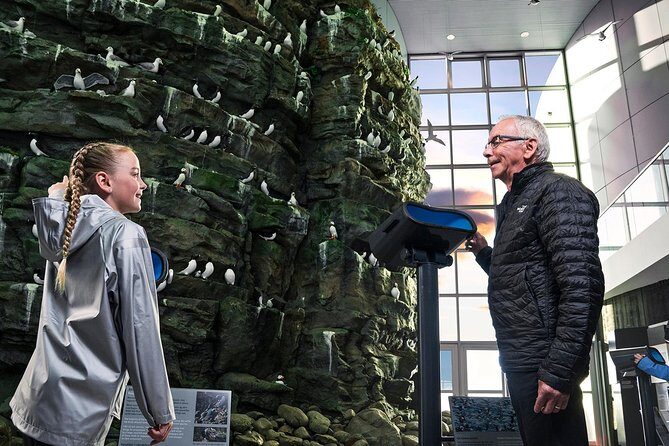
- The Indoor Ice Cave
- The Áróra Planetarium Show
- Getting There and Practical Stuff
- The Restaurant — Skip It
- Pairing Perlan with the Rest of Your Reykjavík Day
Which Ticket to Buy
The honest call is the planetarium combo. The exhibitions plus the Áróra show is the version of Perlan most people enjoy most, and the price difference between the basic ticket and the combo is essentially the cost of a coffee. The single ticket without the planetarium leaves you 25 minutes short on what you are paying for.
1. Reykjavik: Perlan Wonders of Iceland Experience — from $55
This is the standard ticket, and it is the most-booked Perlan option. You get into the Wonders of Iceland exhibition, the indoor ice cave, the planetarium foyer, and the deck. Audio guide included. Our full review goes through what each gallery actually contains and whether the included audio guide is worth using.
2. Wonders of Iceland + Áróra Planetarium Show — from $57
The combo most people should buy. Adds the Áróra show — a 25-minute planetarium piece about the northern lights, projected onto the inside of the dome above you. Reclining chairs, surround sound, and far better than my expectations were going in. Our full review covers what to expect from the show and the trick of fully reclining the chairs.
3. Hop-On Hop-Off Bus + Perlan Entry — from $88
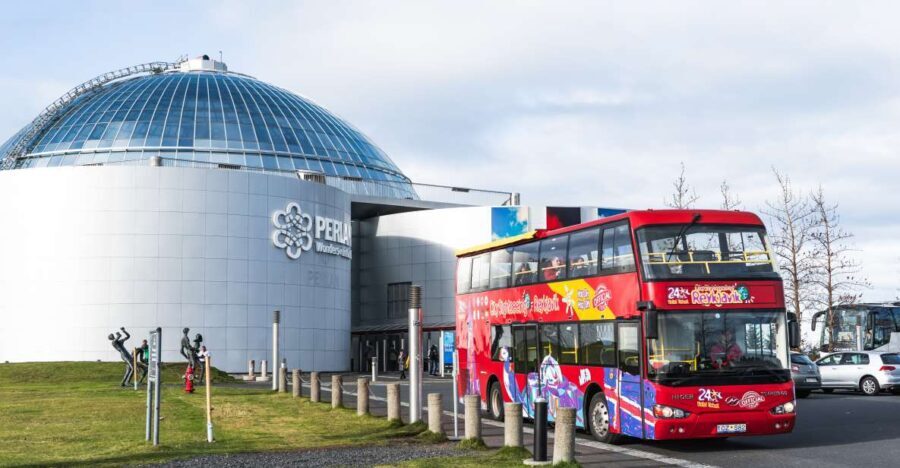
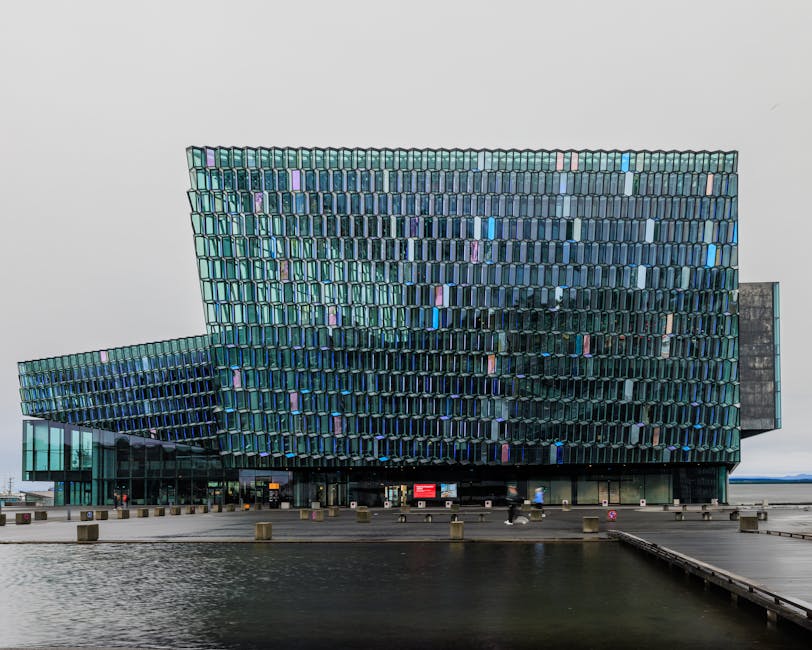
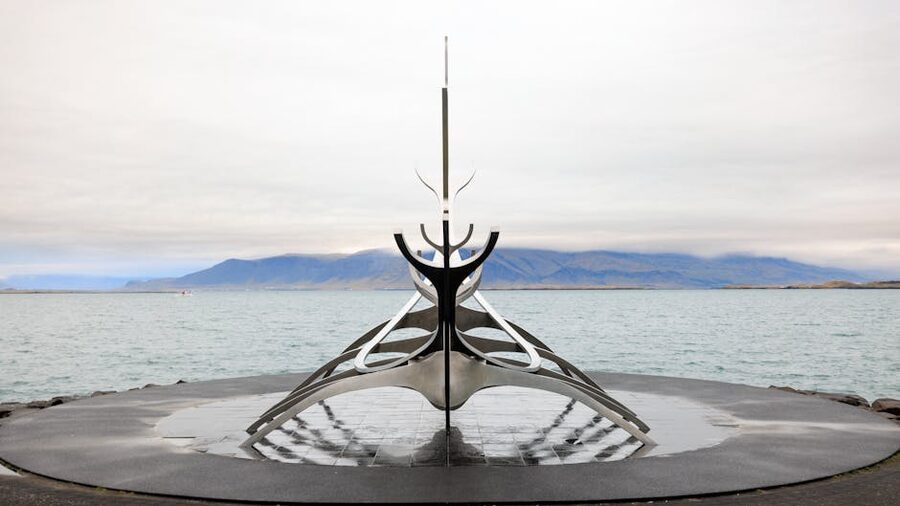
The hop-on bus runs a 24-hour ticket that loops the city centre and stops outside Perlan. If you are doing two or three other landmarks the same day (Hallgrímskirkja, Harpa, Sun Voyager, Old Harbour) and not driving yourself, this works out cheaper than individual taxis plus the museum ticket. Our full review covers the bus route and whether the combo math actually works for your itinerary.
The Building, and What It Sits On

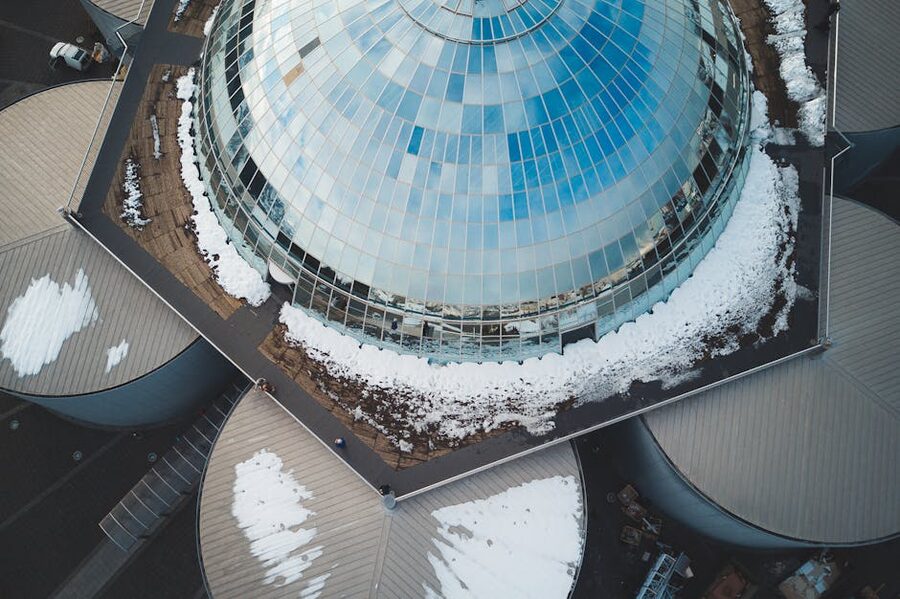
Perlan (“the Pearl” in Icelandic) opened in 1991 as a glass dome over Reykjavík’s existing municipal hot water tanks. The architect, Ingimundur Sveinsson, basically made the dome decoratively functional — it covers a public space, a restaurant, an art gallery, and now the museum, all wrapped around the cylinders that were already there. It’s the kind of building that could only exist in a country with cheap geothermal energy. There are six tanks total. Five are still active and still hold near-boiling water. The sixth has been hollowed out and turned into the planetarium.
I tell people this because once you know it, you notice. Walking through the museum interior you can feel the tanks behind certain walls — the temperature is slightly higher in some corridors, the acoustics are odd in others. It is a rare museum where the building itself is part of the exhibit, even though no signs draw your attention to it.
The Free Observation Deck (Yes, Free)
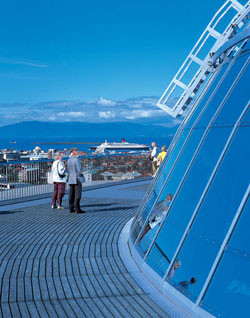

The 360° walkway around the outside of the dome is open to anyone, with no ticket. Take the elevator inside up to the fourth floor, push through the door at the back of the gift shop, and you are on the deck. Most casual visitors do not realise this and either pay for a museum ticket they did not want, or skip Perlan entirely thinking it is a paid attraction.
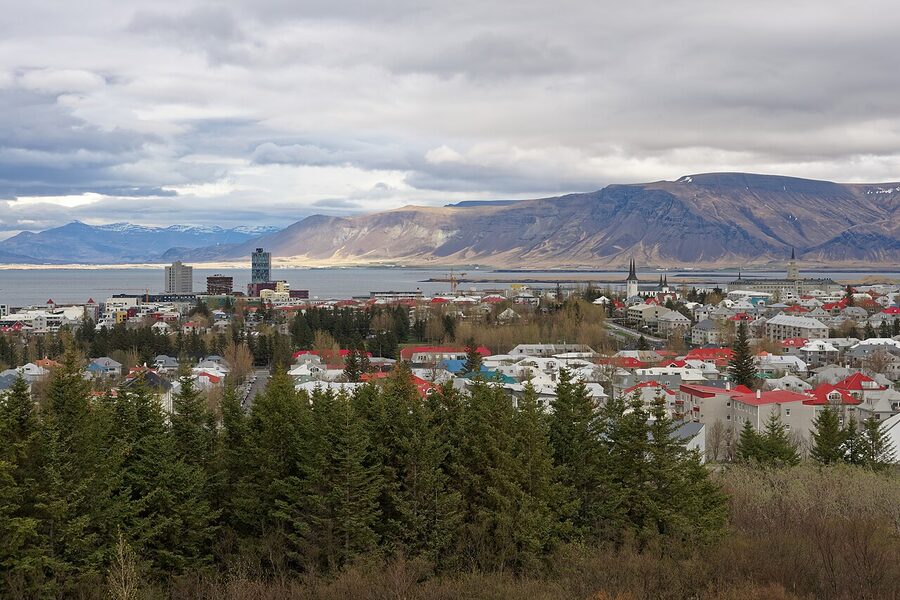


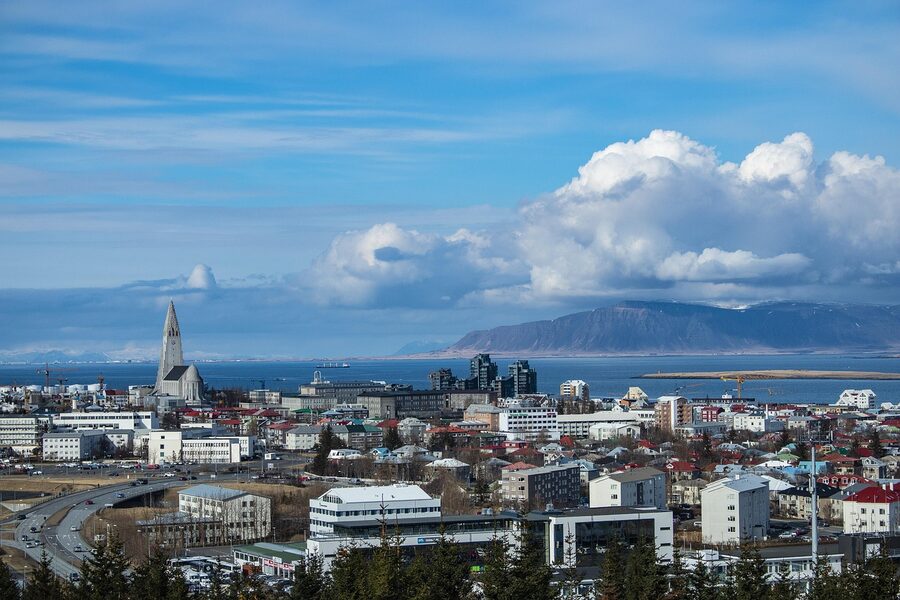
What you see: directly north is Hallgrímskirkja’s church tower at the highest point of central Reykjavík. Beyond that, Faxaflói Bay and Mount Esja. East gets you the Bláfjöll mountains. South is the suburb of Kópavogur and the international airport at Keflavík (visible on a clear day). West is the Old Harbour, the Harpa Concert Hall, and the open Atlantic. The deck is exposed to the wind, so even in summer you want a jacket.
Wonders of Iceland — What’s in the Exhibition
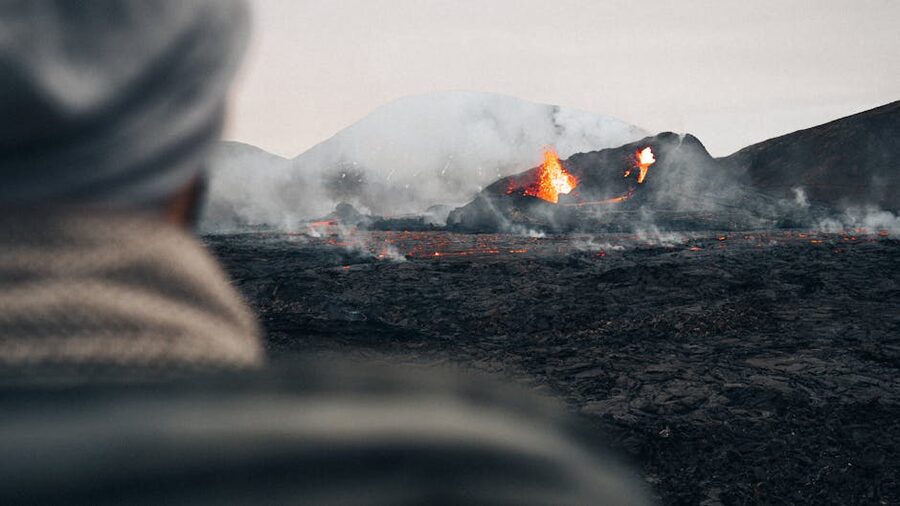
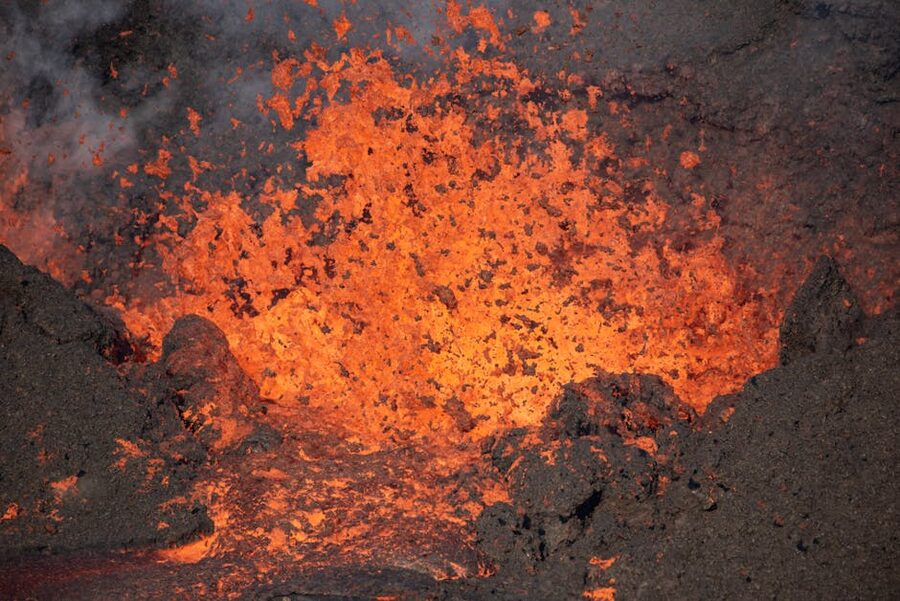
The Wonders of Iceland is divided into six galleries. They are uneven. Volcanos is the strongest — a live model of Iceland’s currently active volcanoes with up-to-date data, including the Reykjanes peninsula eruptions that have been ongoing since 2021. They update the model in near real-time when there is active volcanic activity, which is most of the year now.
Glaciers covers Vatnajökull and Mýrdalsjökull, with footage and a real glacier ice block you can touch. Oceans has a video wall that wraps around the room with submerged camera footage from around Iceland’s coast — the puffin underwater section is unexpectedly mesmerising. Birds and Mammals is the weakest of the six and feels like a school exhibit. Earthquakes includes a small physical simulator that gives you a 5.0 magnitude shake; kids love it. Northern Lights has a few interactive displays before pushing you toward the planetarium.
The Indoor Ice Cave
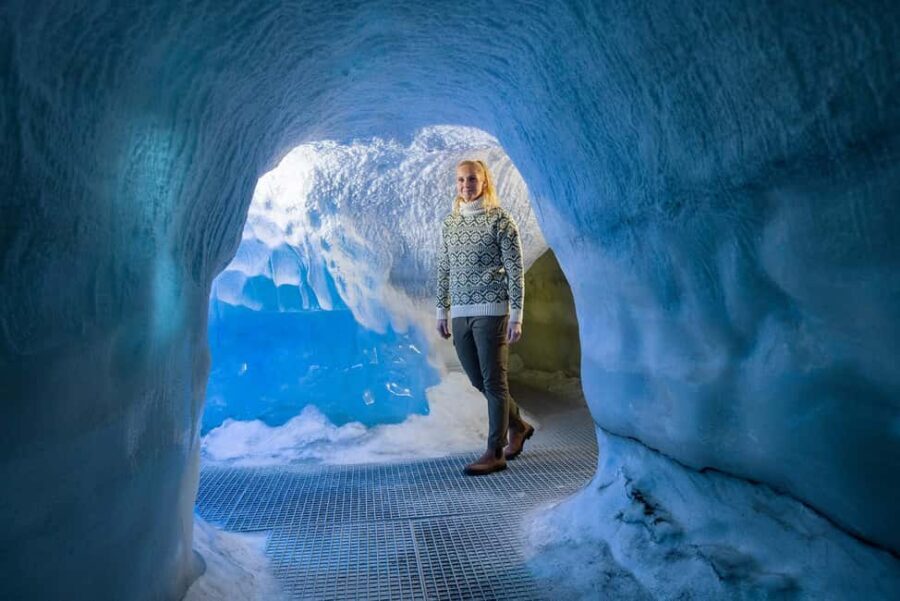
Inside Wonders of Iceland is a 100-metre walk-through ice cave — the only indoor one in Iceland. They built it from real glacier ice trucked in from Mýrdalsjökull, refrozen and shaped to look like a natural cave passage. Temperature inside is a constant -10°C; they hand you a thermal cape at the entrance.
The cave is good but it is not a substitute for the real thing. The naturally formed caves under Mýrdalsjökull or Vatnajökull are bigger, weirder, and have texture you cannot replicate. If your trip includes a real ice cave tour, the Perlan version is a curiosity. If your trip is only Reykjavík and you have no other chance to see ice up close, this is a reasonable proxy. Reviews complaining about its size mostly come from people who did not realise the natural option existed.
The Áróra Planetarium Show


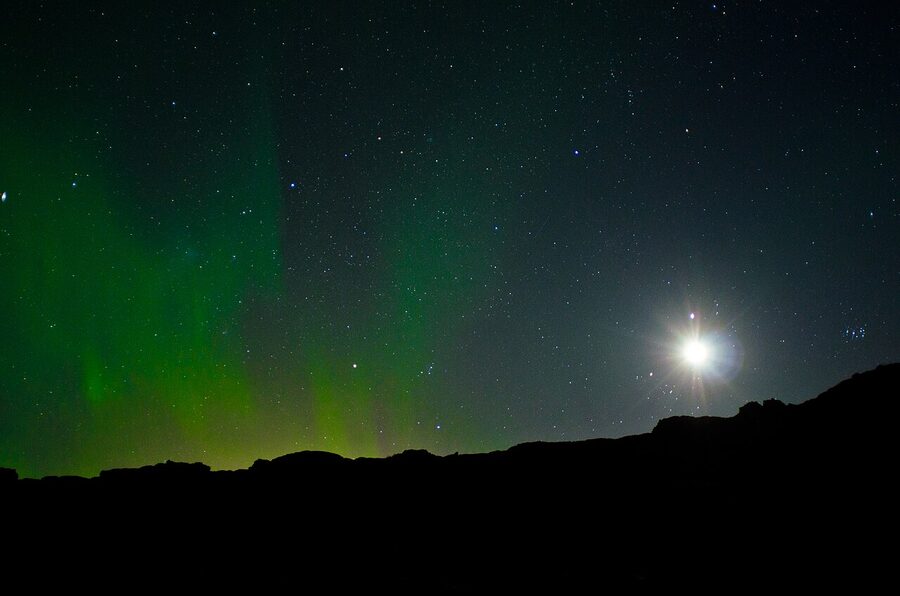
The Áróra show runs every 25 minutes during opening hours. You go in, sit down, and the 8-projector dome system overhead plays a 25-minute piece about the science and mythology of the aurora borealis, with footage from real Iceland nights set to a score. It is one of the better planetarium shows I have seen anywhere — the seamless dome projection sells the illusion in a way a regular IMAX cannot.

The trick most first-timers miss is the seat backs fold all the way down. The chairs look like normal cinema seats; they are not. There is a small lever on the side that drops the back into a near-horizontal recline. Most people sit upright through the whole show, look up the whole time, and complain afterwards about a sore neck. Pull the lever first.
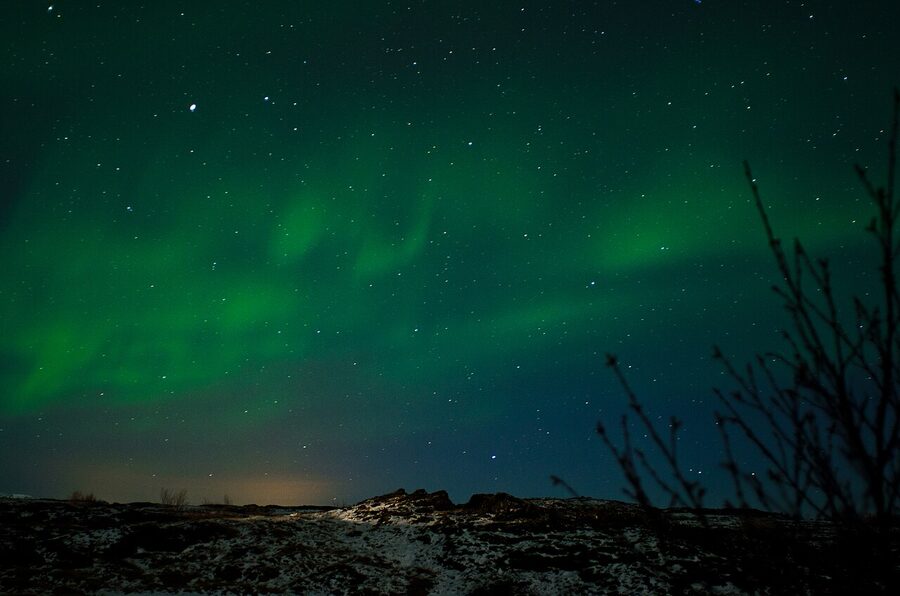
An honest use case I have seen multiple times: people who book a real northern lights tour from Reykjavík and have it cancelled because of cloud cover, then come to the Áróra show as a substitute the next morning. It is not really a substitute — the real experience is unmatched — but it is a decent consolation prize, and Perlan operates rain or shine. I have heard several people walking out say they were happy they got something out of their northern lights night.
Getting There and Practical Stuff
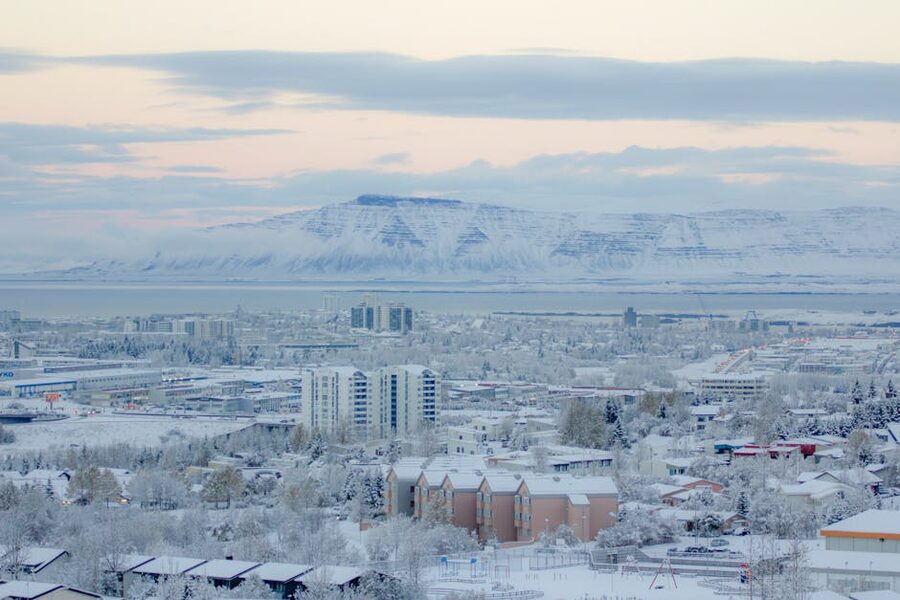
Perlan sits on Öskjuhlíð, a forested hill about 2 km southeast of central Reykjavík. From Hallgrímskirkja you can walk it in 25 minutes — flat for the first 1.5 km, then a steady uphill through the trees. In winter the path can be icy and the walk is harder than the distance suggests. From the city’s main bus terminal at Hlemmur, route 18 stops directly at the museum every 20 minutes.
Free shuttle: Perlan also runs a free shuttle bus from outside the Saga Museum on the Old Harbour. It runs roughly hourly during opening hours; check the schedule on the museum website the morning of your visit.
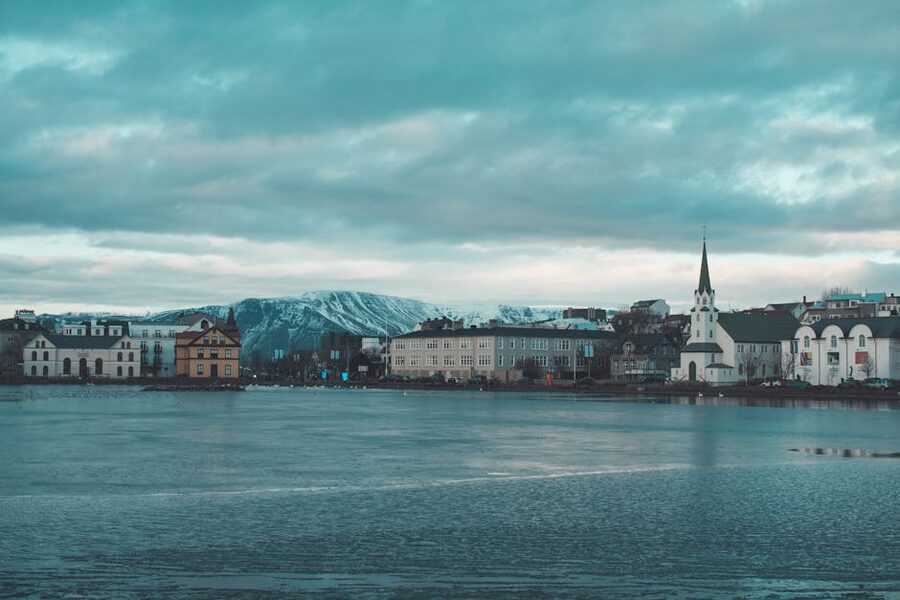
Opening hours: 9am to 9pm in summer, shorter in winter (usually 10am to 6pm). The Áróra show runs every 30-40 minutes through the day, with the last one usually 90 minutes before close. The museum is at its quietest mid-morning and at its busiest from 2pm onward when day-tour buses dump groups in for an afternoon stop.
The Restaurant — Skip It
The Perlan restaurant rotates slowly so the view from your table changes through the meal. That is the marketing pitch and it is technically true. The food is overpriced for what it is — expect $35-45 for a basic plate that would cost $20 at any of the city centre restaurants. Service is fine, the room is striking, but you are paying for the rotation and the height. If you want the views, do the deck (free) and eat in town.
The casual ground-floor café is a different story. Soup, sandwiches, coffee, all reasonably priced. If you need lunch on the way through the museum, that is the right stop.
Pairing Perlan with the Rest of Your Reykjavík Day
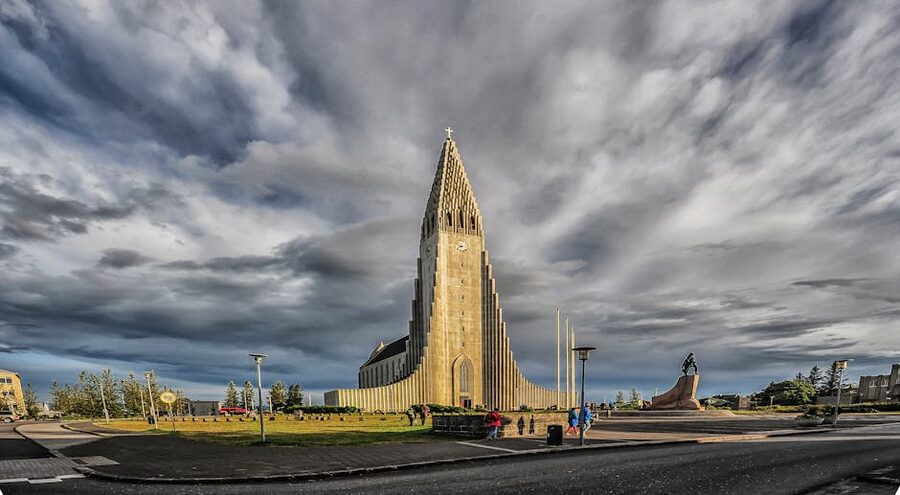
Two hours is the sweet spot for Perlan including the planetarium. That leaves room in a half-day Reykjavík plan to do something else — Hallgrímskirkja, Harpa Concert Hall, the Old Harbour, a quick visit to the National Museum. The hop-on bus combo makes the most sense if you are doing four or five things in one day.
If your trip is bigger than just Reykjavík, Perlan fits naturally into a buffer day between bigger excursions. Use it as your “easy half-day” between the brutal Jökulsárlón day trip and a Snaefellsnes Peninsula run, or after a long whale watching trip up north.

Easy add-on for the rest of your Reykjavík day: do Perlan in the morning, then a walking tour of the old town in the afternoon, then end at the Lava Show for the evening. Three completely different angles on Iceland’s geology in one day. Soak at Sky Lagoon after if you have the energy. Or save the lagoon for your last morning before the airport — it pairs naturally with a stop at the Blue Lagoon on the way to Keflavík.
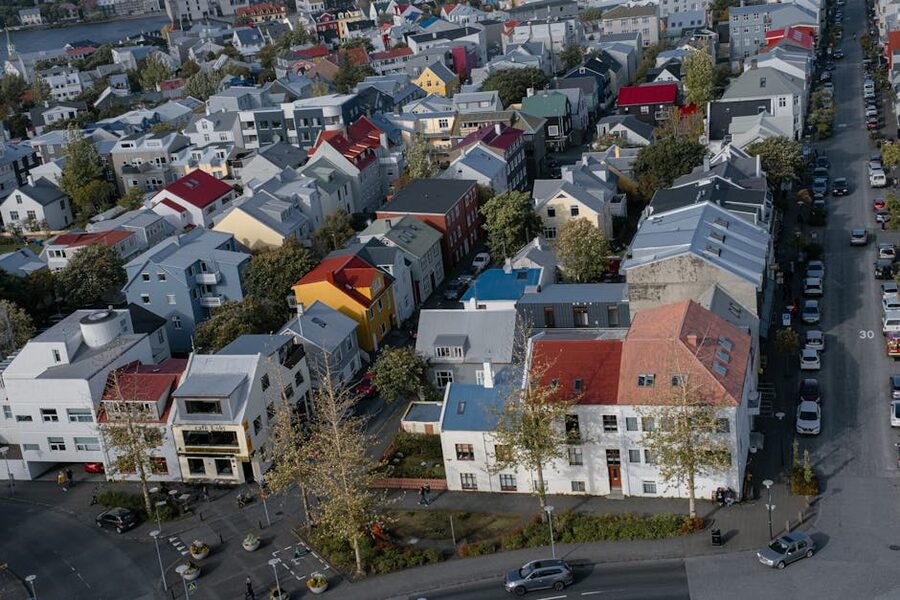
One genuine reason to come back to Perlan in the evening: at 9pm in summer the deck has the best sunset view in Reykjavík. The sun does not actually set in June — it dips just below the horizon and pops back up — but the colour through the long midnight hours is extraordinary, and the deck is empty after about 8.30pm because the museum is closing. You can drop in for 20 minutes, get the photo, and be back in town for dinner.
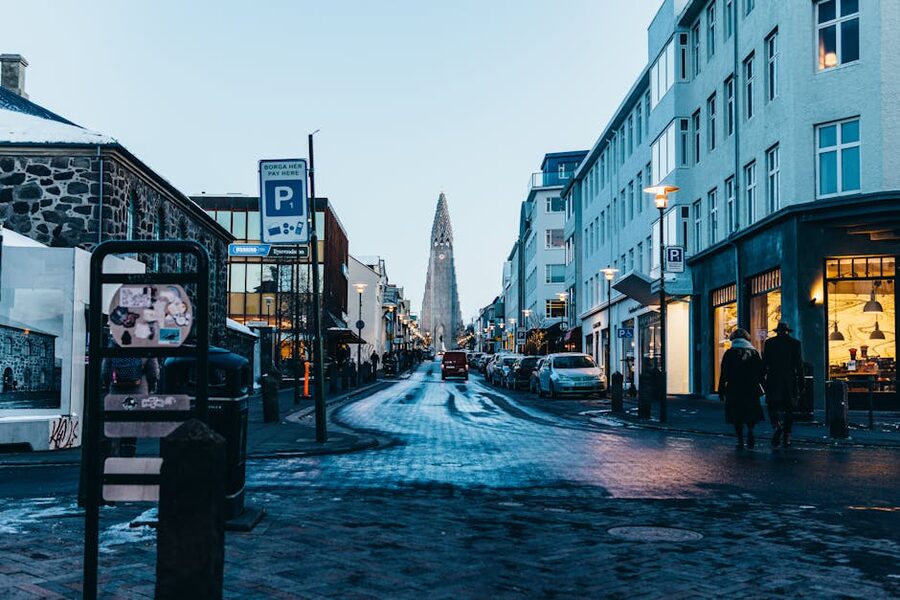
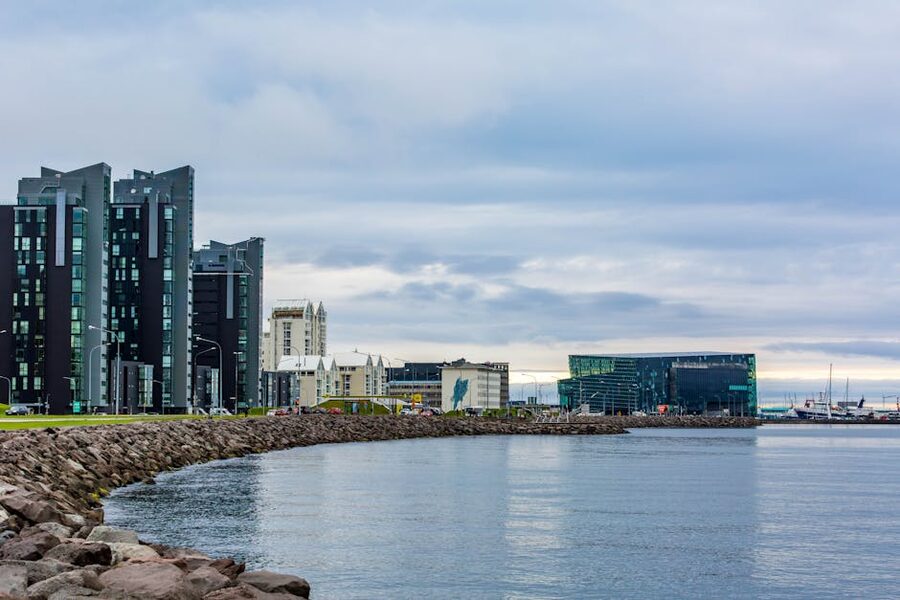
One last thing. Do not book Perlan on a clear-sky day if you have time flexibility. The whole point of going up to a 360° deck is the view, and the view is not as compelling on a foggy day. If you have a five-day Reykjavík stay and you can pick when to go, save Perlan for one of the clearer afternoons.
This article contains affiliate links. If you book through our links, we may earn a small commission at no extra cost to you. This helps us keep producing detailed travel guides.