
I had been on the horse for about ten minutes when she changed gait, and that was the first time I understood what people meant by tölt. The bouncing of the trot stopped. The forward speed picked up. The ride became smooth in a way that horses are not supposed to be smooth — like the front and back halves of the horse had agreed to stop synchronising. The guide called it tölt. I called it the strangest thing I had felt on a horse in twenty years.
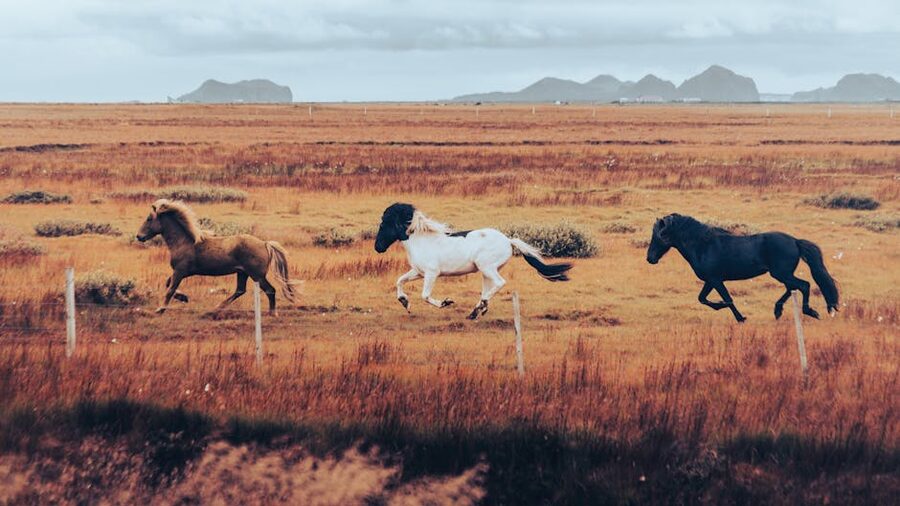
This guide covers how to book an Icelandic horse riding tour: which one to pick (the lava field rides near Reykjavík versus the black sand beach rides from Vík), what tölt actually is, what to do if you have never been on a horse before, and which tour matches your experience level.
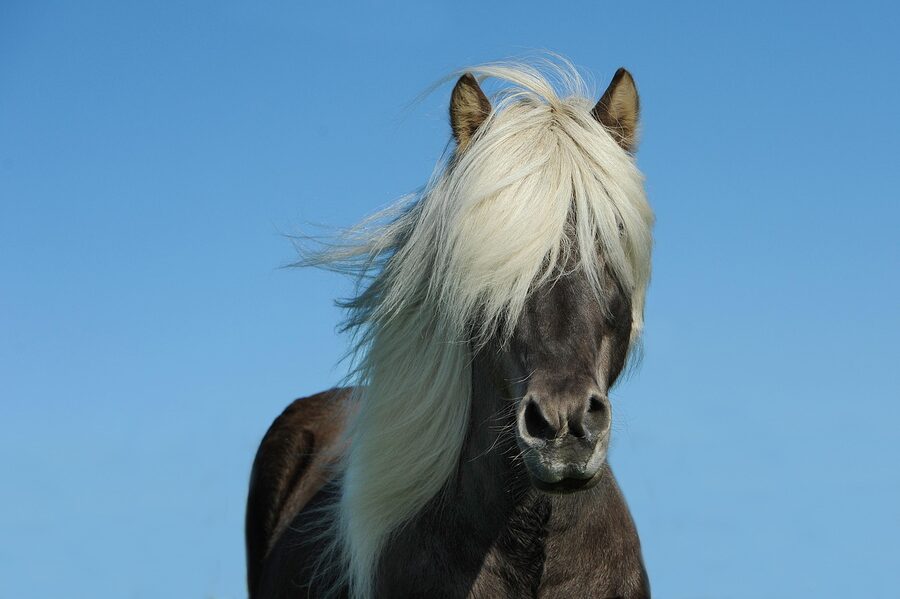
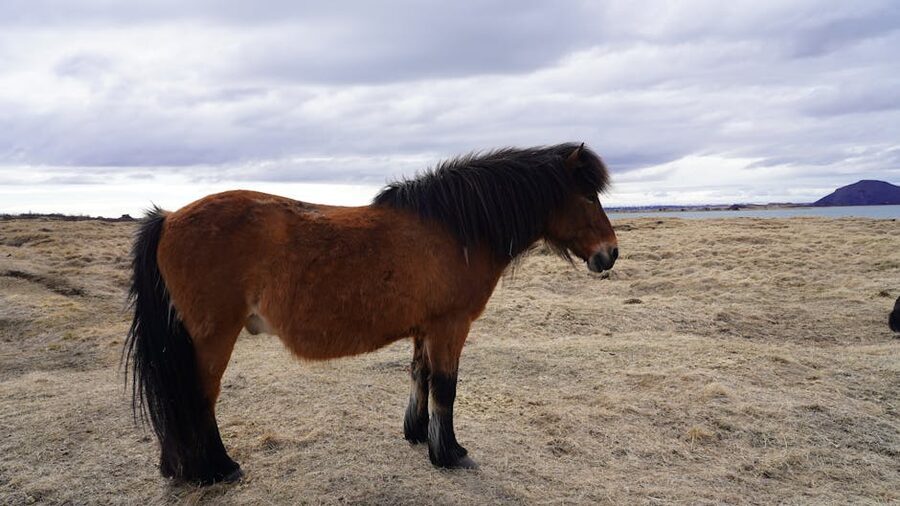
The Icelandic horse is small. Smaller than you expect — about 132 cm at the withers, which makes it pony-sized to anyone used to thoroughbreds. Locals will correct you if you call it a pony. They are horses, just compact horses. Bred down to size by the harshness of the Icelandic climate over a thousand years, they have a thick double coat in winter, a wide stance, and a stamina that completely outclasses their size.
In a Hurry? The Three Rides Worth Booking
- Most reviewed pick: Red Lava Horse Riding Tour from Reykjavík — around $142, 2.5 hours, lava fields ride for beginners and intermediate.
- Longer lava ride: Icelandic Horse Riding in Lava Fields — around $135, 2-4 hours, more time on the horse.
- Black sand from Vík: Black Sand Beach Horse Riding from Vík — around $133, 1 hour, the most photogenic ride if you happen to be staying in Vík.
- In a Hurry? The Three Rides Worth Booking
- Which Ride to Book
- 1. Red Lava Horse Riding Tour from Reykjavík — from 2
- 2. Icelandic Horse Riding in Lava Fields — from 5
- 3. Black Sand Beach Horse Riding from Vík — from 3
- The Tölt — and Why It Matters
- What If You Have Never Been on a Horse
- What to Wear and Expect
- The Lava Fields vs The Black Sand Beach
- Best Time of Year
- One Thing About the Horse Breed That Matters
- Getting to the Stables
- What to Pair the Ride With
Which Ride to Book
The right tour depends on where you are. From Reykjavík, the lava field rides are the obvious pick. From Vík (or anywhere on the south coast), the black sand beach ride is dramatically more photogenic but only available on the south coast. If you have never been on a horse before, both options work — Icelandic horses are bred to be patient and the guides match you with the right animal for your experience.
1. Red Lava Horse Riding Tour from Reykjavík — from $142
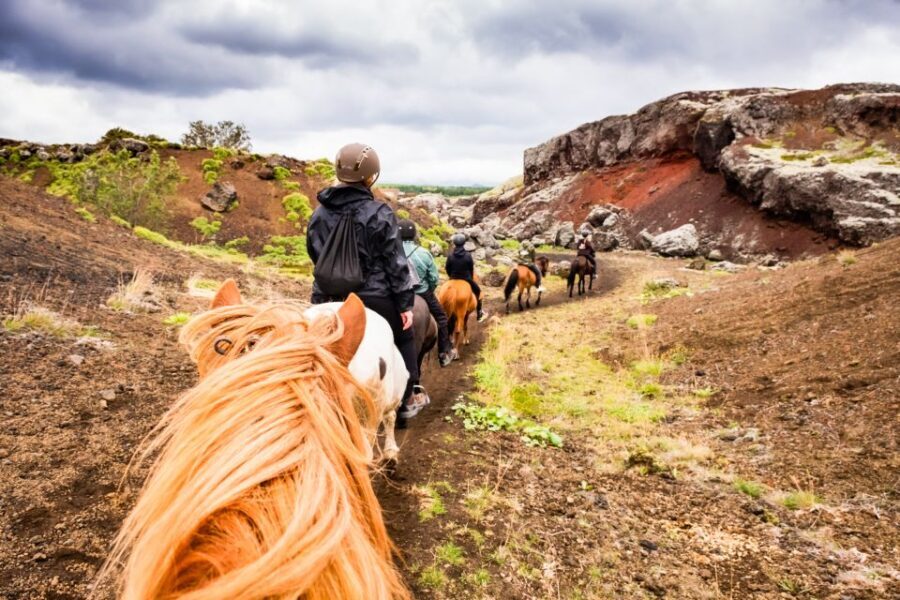
The classic ride — 2.5 hours including pickup, with about 90 minutes actually on the horse. The route loops through the Hólmsheiði lava fields east of Reykjavík. Group sizes around 12, riders split by experience level. Our full review covers the actual riding section, the gait demonstrations, and what the guides do with absolute beginners.
2. Icelandic Horse Riding in Lava Fields — from $135
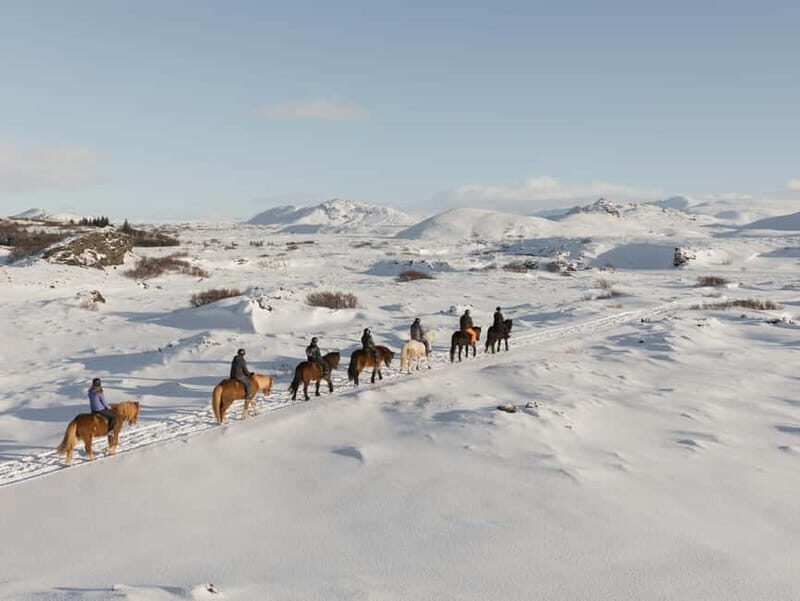
The longer alternative. 2-4 hour duration depending on which slot you book, with options for more confident riders to do the longer rides. Slightly cheaper than option 1 because the pickup arrangement is leaner. Our full review compares the longer ride against the standard 2.5-hour version.
3. Black Sand Beach Horse Riding from Vík — from $133
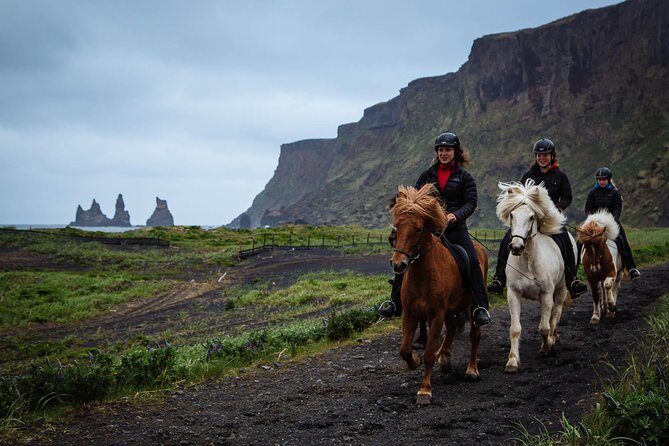
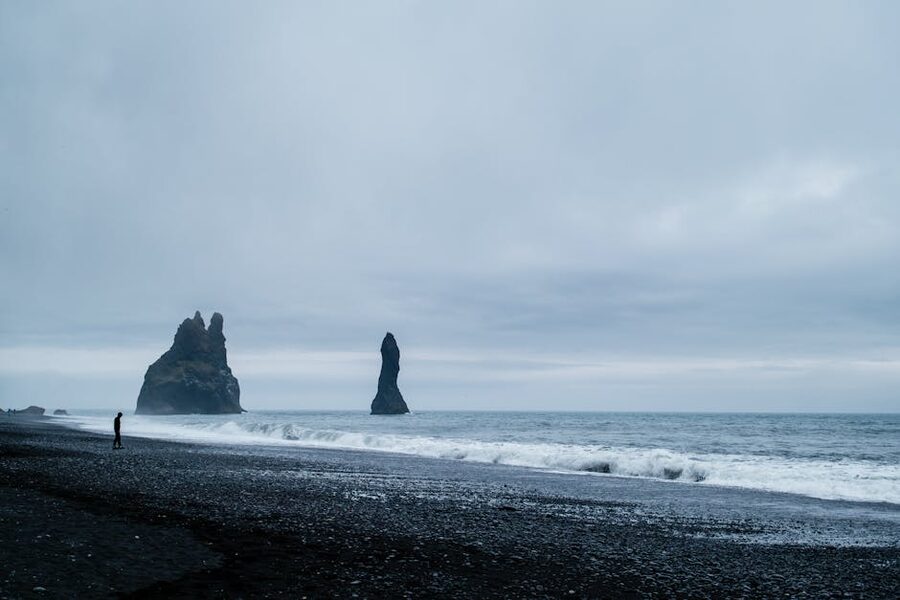
The dramatic-photograph ride. You ride along Reynisfjara beach with the surf on one side, the basalt cliffs on the other. One hour total which feels short but the photographs justify the brevity. Only sensible if you are already staying in Vík or doing a south coast trip. Our full review covers the safety considerations of riding on the beach (the surf can be unpredictable).
The Tölt — and Why It Matters
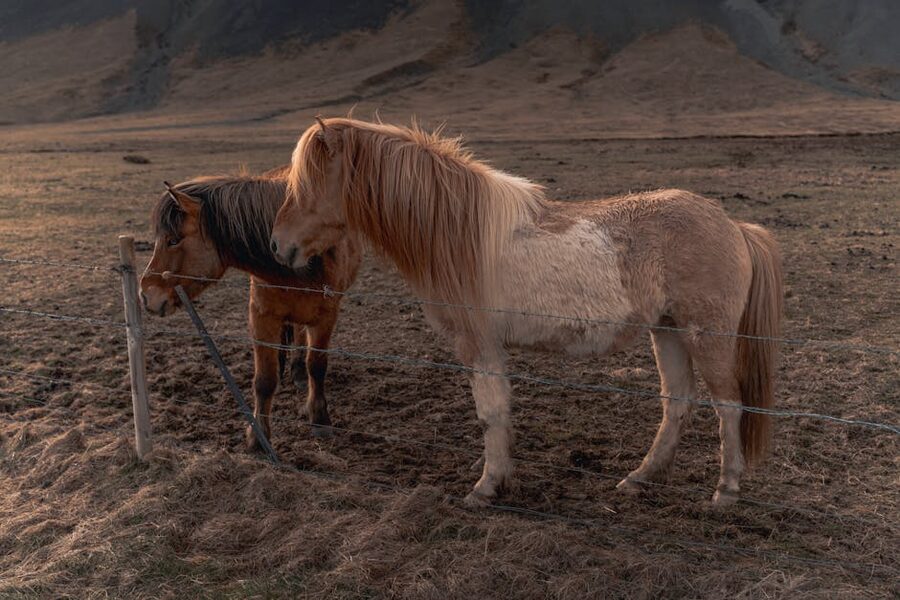
Most horse breeds have four gaits: walk, trot, canter, gallop. Icelandic horses have a fifth, the tölt — a four-beat lateral gait where two feet are always on the ground and the back stays level. The result is a smooth, fast pace that you can sit through with your hands on a coffee cup. There is also a sixth gait called the flying pace (skeið) which is essentially a horse running at sprint speed, but most tour rides do not get into that.
Why this matters for your tour: when your horse switches into tölt, you do not have to do anything. You sit. The motion that would have been a bouncing trot is just a forward glide. People who have never ridden anywhere else come back from an Icelandic ride saying it was easier than they thought. People who have ridden lots of horses come back saying it was unlike anything they have done before. Both are correct. The tölt is the thing.
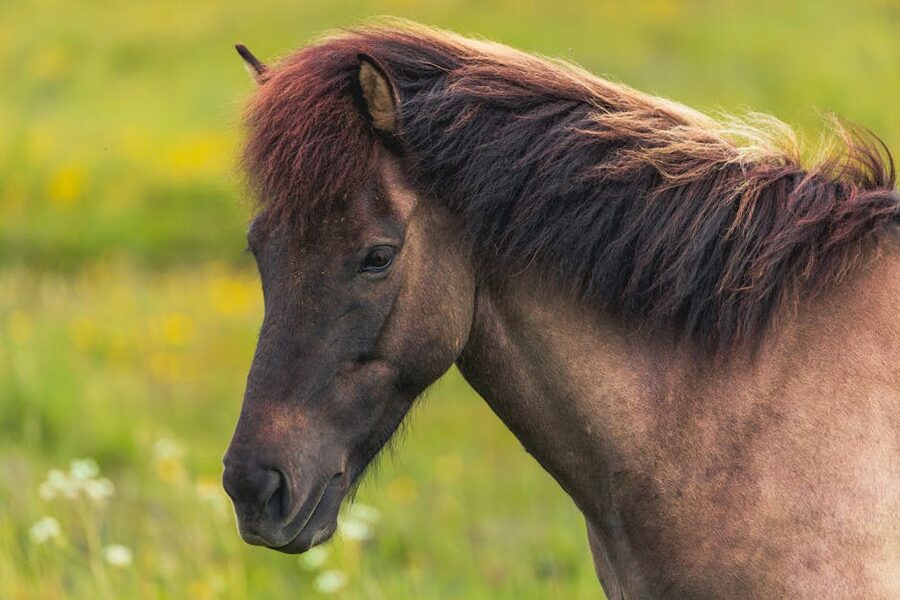
One thing worth knowing: not every horse on every tour will give you a tölt. Some of the older or larger riding-school horses prefer to walk. If you are hoping to feel the gait, ask the guide for a horse known to tölt naturally — they know which ones do and they will pair you accordingly. The smaller, sprightlier horses are usually the best tölters.
What If You Have Never Been on a Horse
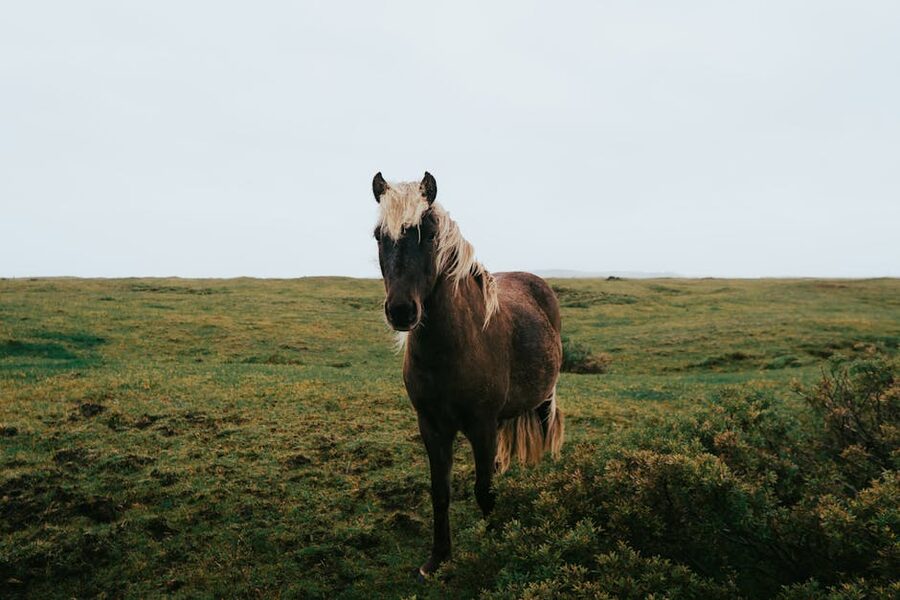
The Icelandic horse is one of the most beginner-friendly horses in the world. They are short (so the fall is not far if you do come off, which is rare on a guided ride), calm by breed disposition, and the tour operators specifically run beginner-friendly trips. The standard tour assumes most participants have never been on a horse before. Most of the lava-field rides have a “no experience needed” rating in their description and they are not lying.
The first 30 minutes of any tour is spent in a small enclosed paddock. The guide shows you how to mount, how to hold the reins, how to stop, how to turn. They walk alongside you while you get comfortable. Only once everyone in the group is steady do they leave the paddock for the trail. The trail itself is not technical — flat lava paths, no jumps, no obstacles. Walking-pace for the parts that need it.
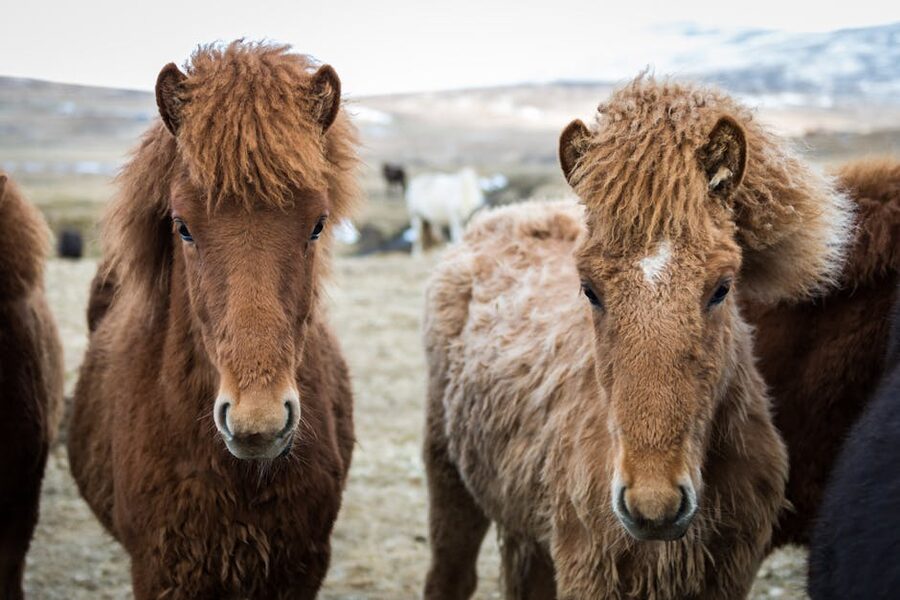
If you are still nervous, here is the honest truth from someone who has done both: it is much less scary than it looks. The horses are unflappable. The guides are patient. Riders fall off Icelandic horses at vanishingly low rates compared to most other horse experiences. If you can sit down, you can ride one of these.
What to Wear and Expect
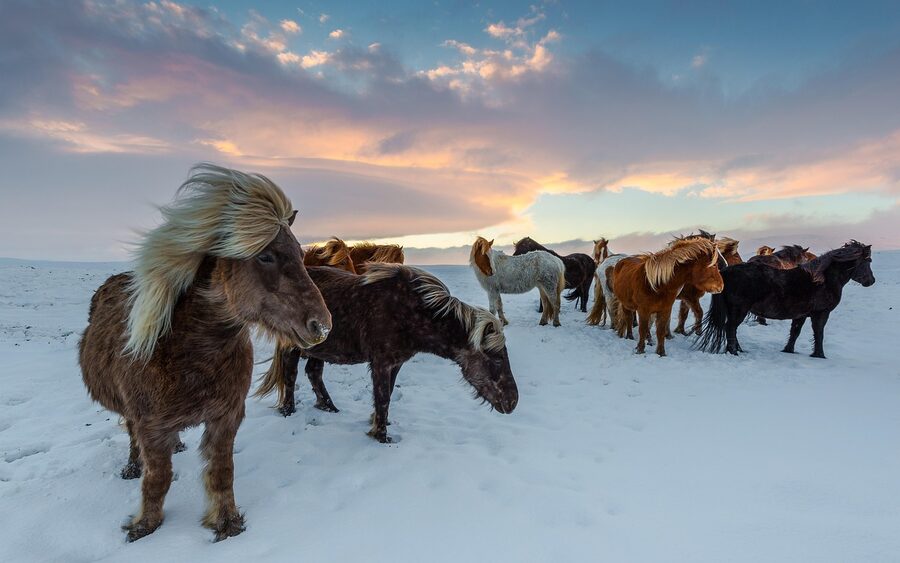
Layers are essential. The wind on a horse cuts harder than the wind walking — you are higher up, more exposed. Even in summer, you want a windproof outer shell. In winter, multiple layers including thermal base, fleece mid-layer, waterproof shell, hat, and gloves. The operators provide a helmet (mandatory) and overalls if needed, but they do not generally provide gloves.
Wear long trousers. Jeans work but they get uncomfortable on a long ride; hiking trousers are better. Closed shoes with a small heel are ideal — fully flat shoes can slip in the stirrups. Boots if you have them. Most operators have spare loaner boots if you arrive in completely wrong footwear.
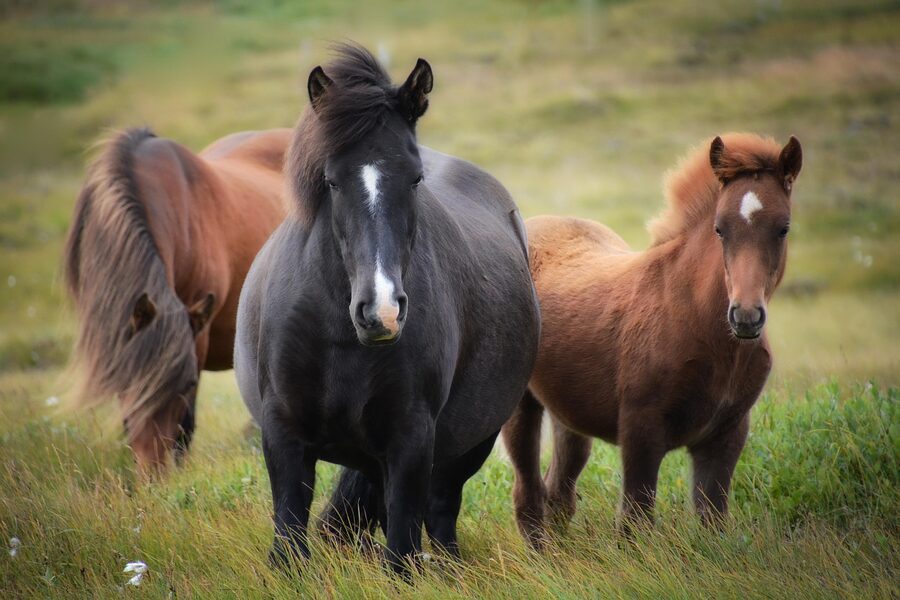
Bring a small bottle of water. Most tours stop midway for a few minutes to give the horses a rest, and you will want to drink. Bring sunglasses on a clear day — the glare off the lava can be intense. Skip the camera unless you are confident — taking photographs from the saddle while a horse is moving is harder than it sounds, and you cannot stop the group to set up shots.
The Lava Fields vs The Black Sand Beach
The two ride locations are completely different experiences and the choice depends on what you want from the day.
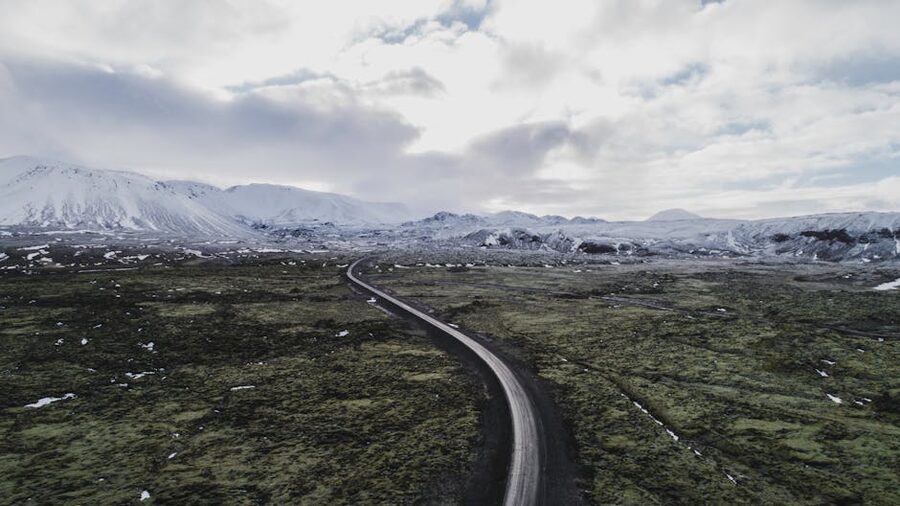
Lava fields (from Reykjavík) give you the actual Icelandic horse experience. You ride across volcanic rock, through moss fields, sometimes alongside small lava tubes. The terrain is what the breed evolved on. Visually it is stark and grey, with the colour coming from the moss and the mountains in the distance. Better for understanding the horse-and-landscape pairing. Worse for photographs because the colour palette is muted.
Black sand beach (from Vík) gives you the most photogenic horse ride anywhere in Iceland. You ride along Reynisfjara with the basalt cliffs on one side and the surf on the other. The contrast of black sand, white horse, and white surf is the kind of shot that makes Iceland horse-riding ads. The downside is shorter saddle time (1 hour total versus 1.5+ on lava field rides) and weather sensitivity — the operators cancel beach rides in surf-heavy conditions, which is more often than you would think.
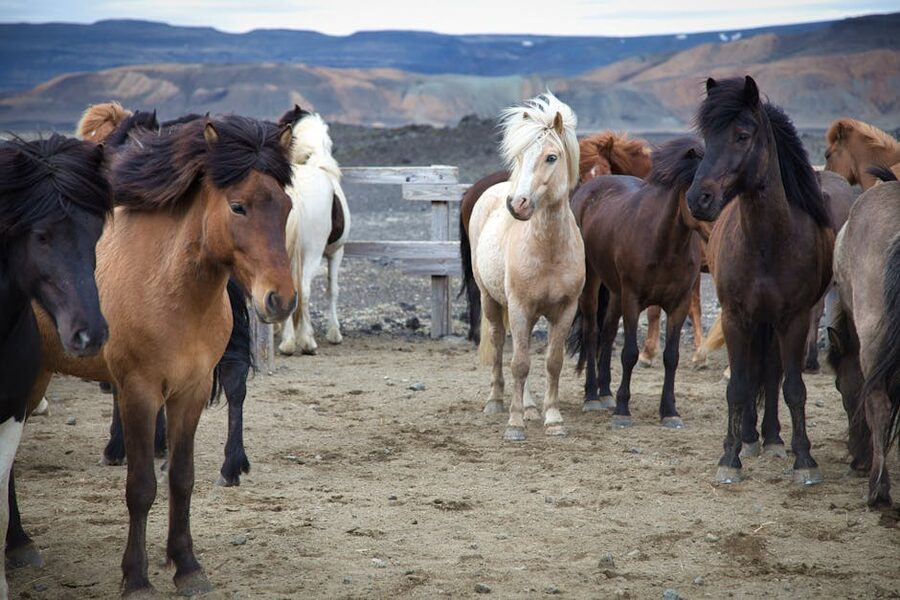
If you have to pick: lava field for the experience, beach for the photo. If you can do both on different days of a longer Iceland trip, that is the right answer.
Best Time of Year
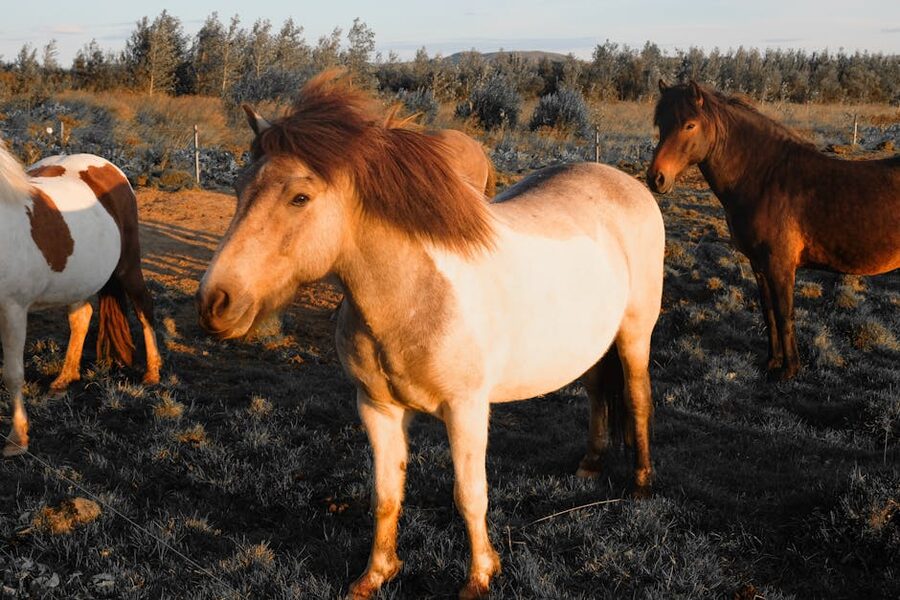
Summer (June-August) gives the most reliable conditions, the longest daylight, and the most evening tour slots. The horses are in summer coat which means less fuzzy but better for warm weather. Foals are in the fields, which is a quiet bonus.
Autumn (September-October) is my honest favourite. The grass turns rust colour, the horses start putting on their winter coat, and tour numbers drop. Cooler riding conditions are actually easier for the horse and rider both. Northern lights become possible from late September onward.
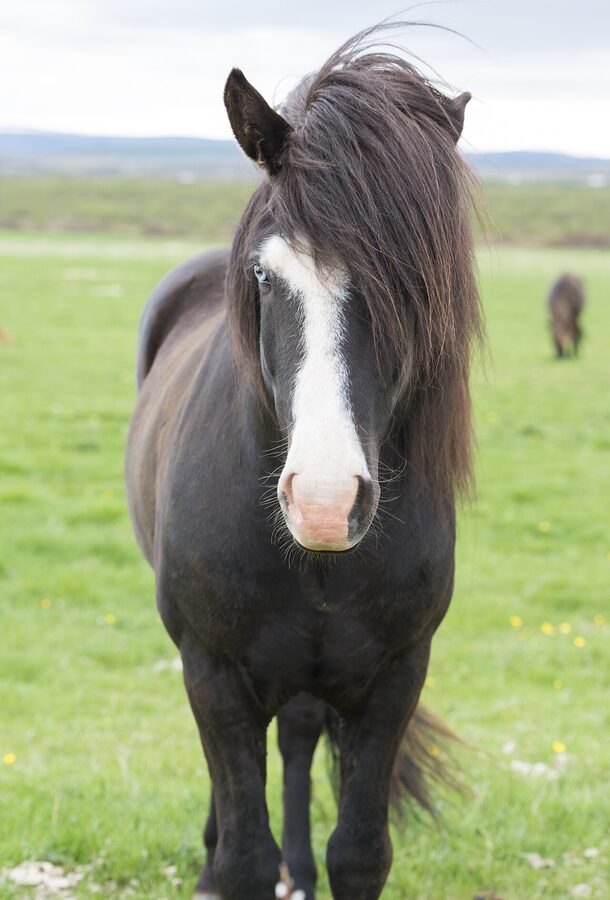

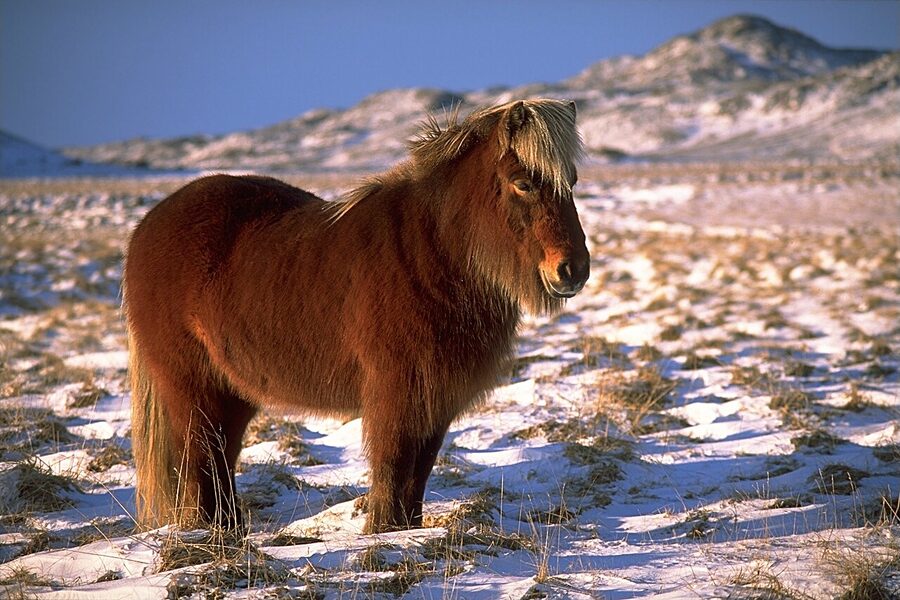
Winter (November-March) is for serious cold-weather riders only. The horses are stunning in their full winter coat, the landscape is white instead of grey, and a clear winter ride can be one of the most beautiful experiences in Iceland. The cost is the cold — riding in -10°C is a different physical experience to riding in 5°C, even with all the right layers.

Spring (April-May) is shoulder season — green starts coming back, foals start arriving, but the weather is unstable. Tour cancellations are most common in spring as operators wait for clear days.
One Thing About the Horse Breed That Matters
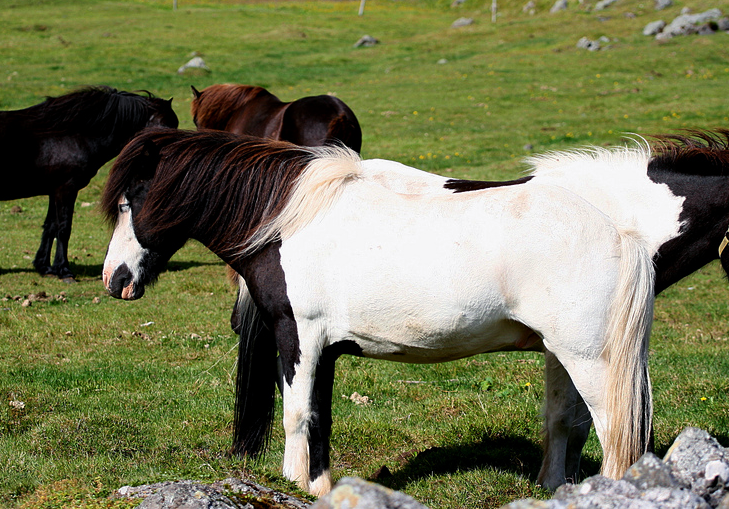

Iceland banned imported horses in the year 982. Any horse that leaves the country is not allowed back. This is why the Icelandic horse breed has stayed genetically pure for over a thousand years — and also why Icelandic horses born abroad live different lives than the ones born here. The horses you ride on tour have been here for generations, are vaccine-free (the country has no horse diseases), and have an immune system that has not faced any foreign pathogens in a millennium. If anyone ever lets a foreign horse in, the herd would be in serious trouble.
Practical implication: when you visit a horse stable, do not bring any horse-related items from home — gloves you have used at a different stable, your own riding helmet, anything that has touched a non-Icelandic horse. The operators will check, sometimes politely, sometimes not. Disposable rentals are provided.
Getting to the Stables
The lava-field stables sit east of Reykjavík, mostly in the Hólmsheiði area or the slightly further-out Hafnarfjörður lava fields. The drive from central Reykjavík takes 25-35 minutes depending on which operator you book. Most of the tours include hotel pickup in their price — meaning you do not need a rental car. The minibus picks you up at your hotel, drives you to the stable, returns you when the ride finishes.
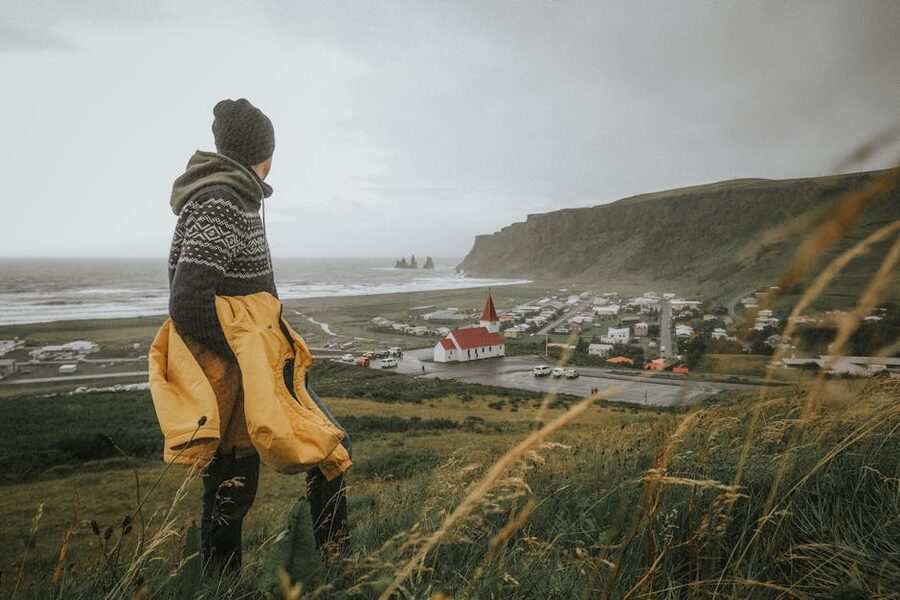
The Vík tour is different. The stable is in the village itself — about a 5-minute walk from any of the Vík hotels. No transport needed; you just turn up at the agreed time. They are usually flexible if you are running 10 minutes late, but they will not hold the horse for you indefinitely. Aim to arrive 15 minutes before your ride.
If you are self-driving in Iceland, you can also book most lava-field tours without the included pickup at a small discount (usually $15-20 less). The stables have parking and a small reception cabin where you check in. Worth it only if you are already driving the day’s plans.
What to Pair the Ride With
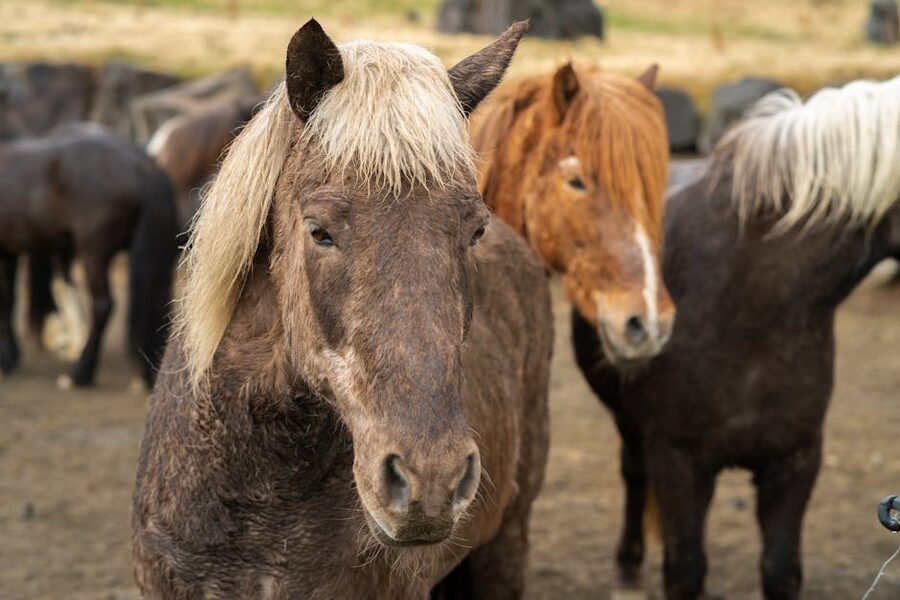
A 2.5-hour horse ride leaves most of the day open. The natural pairing is a soak afterwards — your legs and back will be sore in ways you do not expect. The Sky Lagoon is on the same side of Reykjavík as most of the lava-field stables and works as a natural post-ride stop. The Blue Lagoon is further south but works if you are heading back toward the airport.
If you are riding from Vík, the natural pairing is the Katla ice cave tour in winter (same town, different half-day) or a Jökulsárlón push east in summer. The Vík horse ride is short enough to fit in a morning before something else.
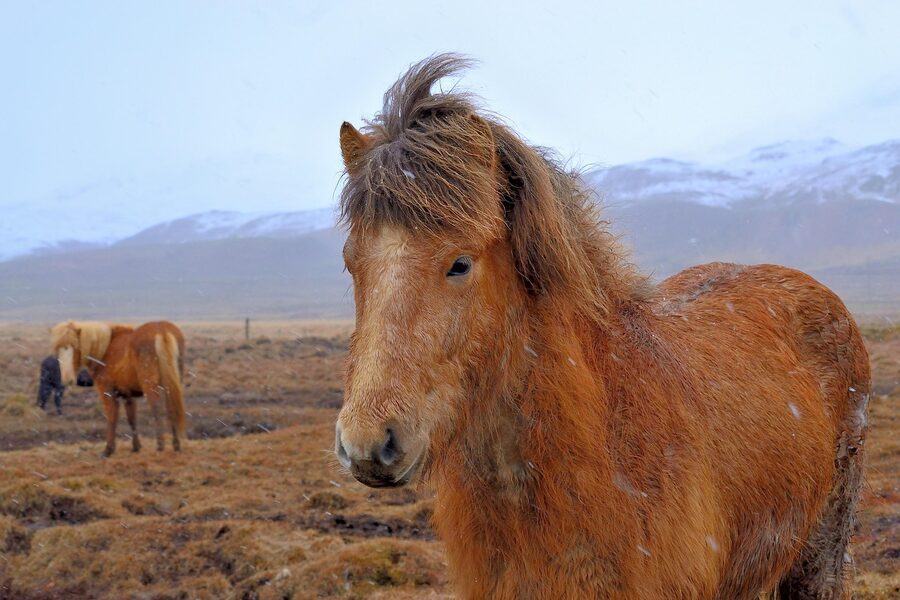
If your Iceland trip is bigger than just a horse ride, slot it on a buffer day between the harder excursions. After a day of Snaefellsnes driving or a brutal Jokulsárlón day trip, a 2.5-hour ride and a soak makes for the right kind of soft day. Pair it with a Reykjavík walking tour in the morning if you have energy left after, or the Lava Show in town that evening.
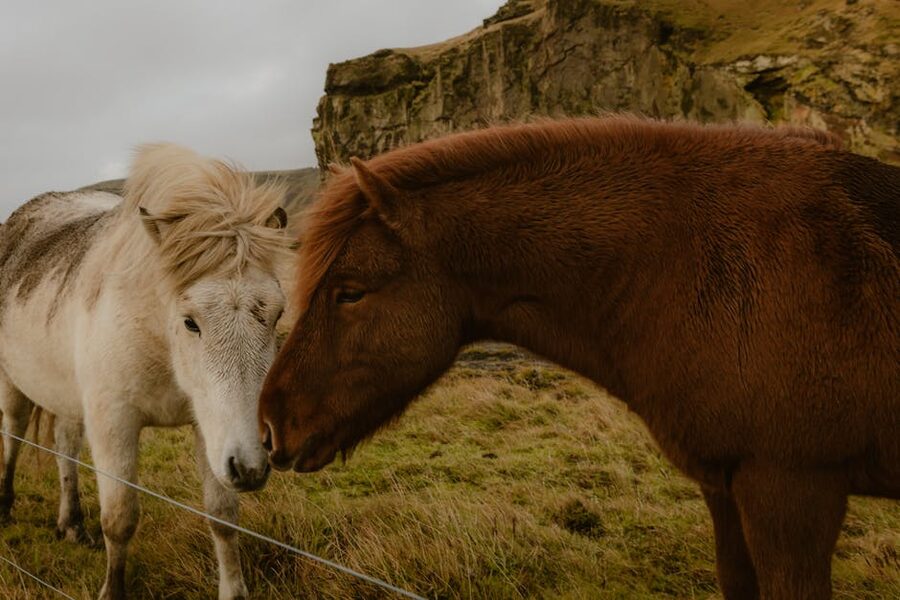
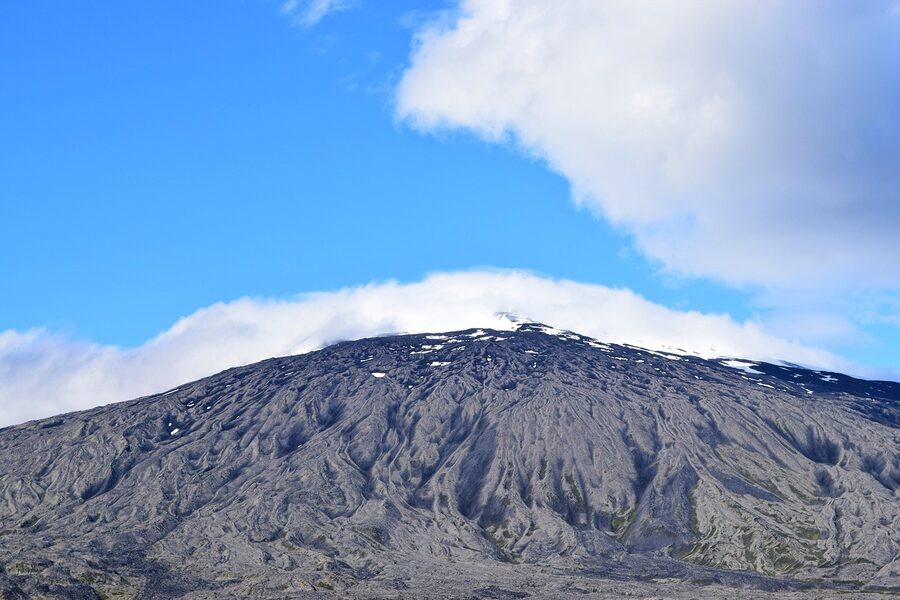
One last thing. If you finish the ride and discover you have loved it, the operators sometimes run multi-day rides through the highlands — usually 4-7 days, $1,500-3,000, camping in mountain huts and riding 6-8 hours a day. Not for first-timers but a remarkable trip if you have a few rides under your belt and want a real Iceland horseback experience. Most of the lava-field tour operators advertise these as well.
This article contains affiliate links. If you book through our links, we may earn a small commission at no extra cost to you. This helps us keep producing detailed travel guides.