
Stepping onto the deck of a Lake Geneva sightseeing boat in summer, the wind off the water hits you about 5°C colder than the city you just left, even on a bright day. That temperature drop is part of the appeal — Geneva in July gets uncomfortably hot, the lake stays glacier-cold, and a 50-minute cruise gives you the city’s headline sights from the water plus a ventilated escape from the heat. For $24 it is the cheapest tourist experience in Geneva and the easiest way to say you have seen the place.
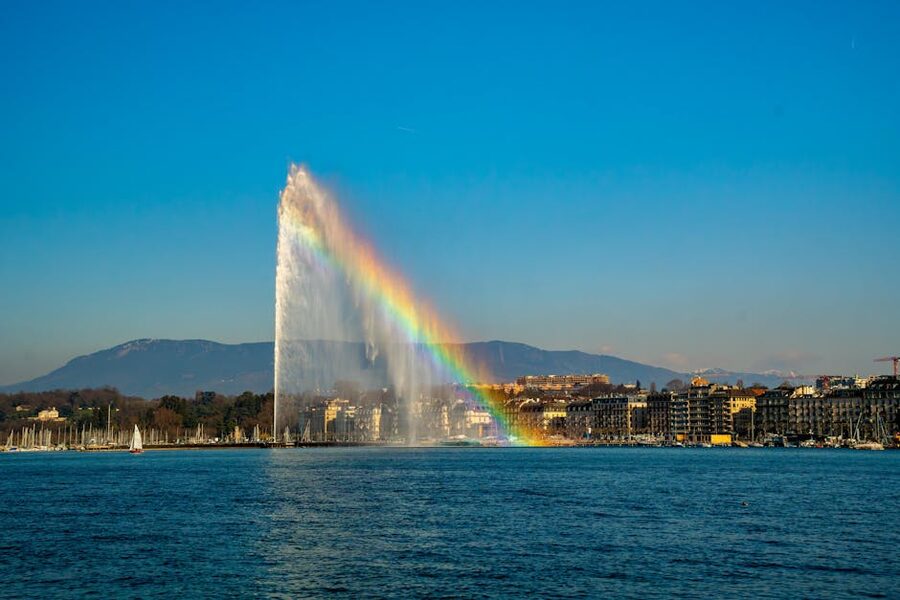
This guide covers how to book a Lake Geneva cruise: which length to pick, when the cheap 50-minute trip beats the longer wine-and-snacks version, and what you actually see between Pâquis and Eaux-Vives.
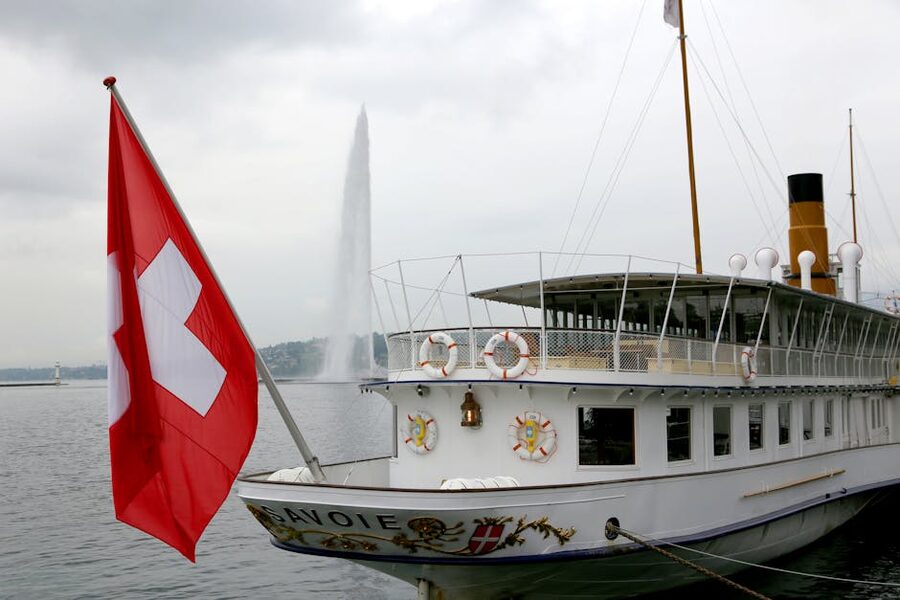
The Geneva sightseeing cruises sail from the south side of the lake, near the Jardin Anglais and the giant flower clock that everyone photographs without quite knowing why. The boats are smaller than the lake’s working ferries — purpose-built for tourists, with open upper decks and enclosed lower lounges. Sailings run every 30-45 minutes from late March through October, with reduced winter schedules.
In a Hurry? The Three Cruises Worth Booking
- Cheapest pick: Geneva 50-Minute Lake Cruise — around $24, 50 minutes, the standard sightseeing loop.
- With wine and snacks: Geneva Scenic Lake Cruise with Snacks and Wine — around $37, 1 hour, evening departure with a wine pairing.
- Audio-guided alternative: Audioguided Sightseeing Cruise — around $25, 1 hour, with multilingual audio commentary.
- In a Hurry? The Three Cruises Worth Booking
- Which Cruise to Book
- 1. Geneva 50-Minute Lake Geneva Cruise — from
- 2. Geneva Scenic Lake Cruise with Snacks and Wine — from
- 3. Audioguided Sightseeing Cruise of Geneva — from
- What You Actually See in 50 Minutes
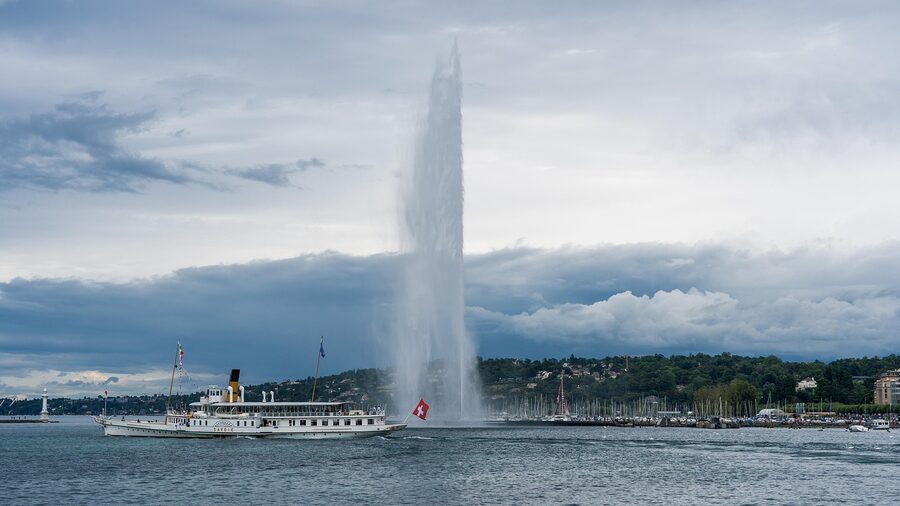
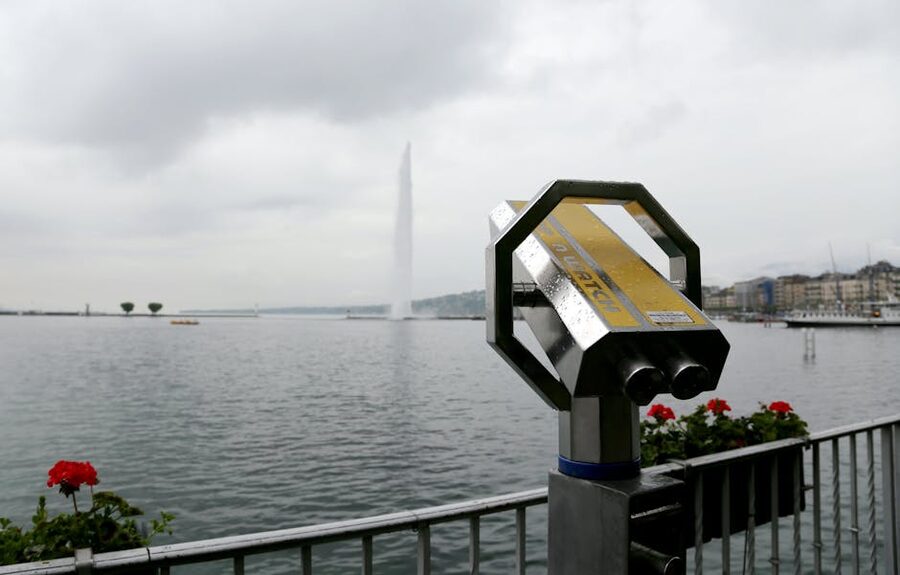
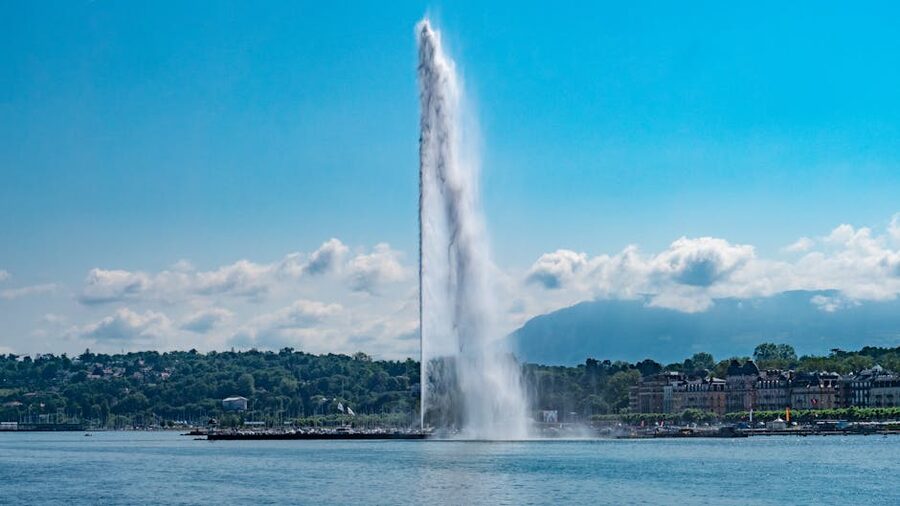
- The Jet d’Eau — More Interesting Than It Looks
- Geneva from the Water vs Geneva from Land
- Sunset Cruise vs Daytime Cruise
- What to Combine With the Cruise
- Practical Stuff — Tickets, Departures, Weather
- Pairing With the Rest of Your Switzerland Trip
- The CGN Heritage Steamers
Which Cruise to Book
The 50-minute cruise covers everything worth seeing from the water and costs the least — it is the right default for almost everyone. Upgrade to the wine-and-snacks version if you want a slower evening sail with a glass of Swiss white in your hand. Take the audioguided version if you specifically want commentary and the live guide on the cheap version is not your thing.
1. Geneva 50-Minute Lake Geneva Cruise — from $24
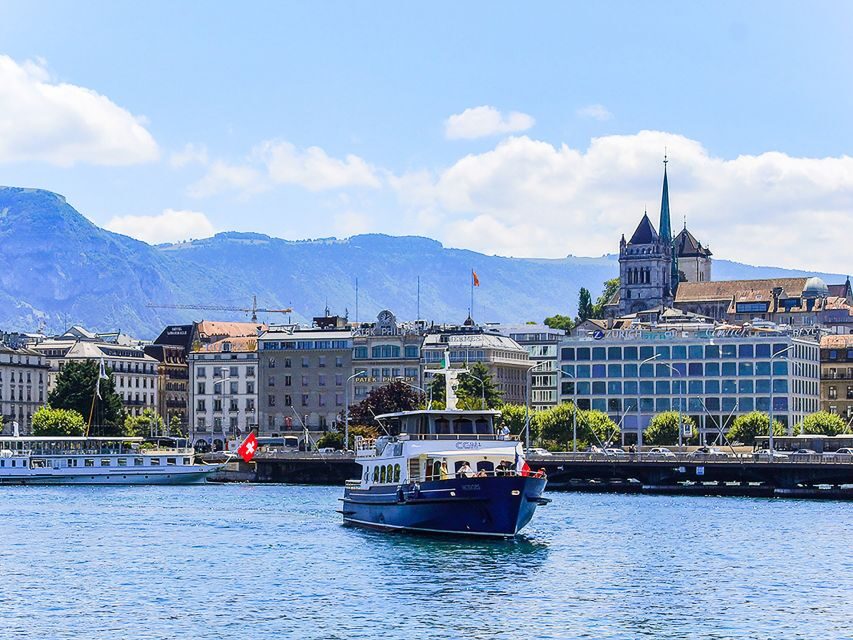
The most-booked cruise on the lake by some distance — over 4,000 reviews. The route covers the Geneva inner basin: out from Pâquis, around the Jet d’Eau, past the Mont-Blanc Bridge, along the Eaux-Vives waterfront, and back. Live commentary in English, French, and German. Departures every 30-45 minutes. Our full review covers the actual route and what each landmark looks like from the water.
2. Geneva Scenic Lake Cruise with Snacks and Wine — from $37
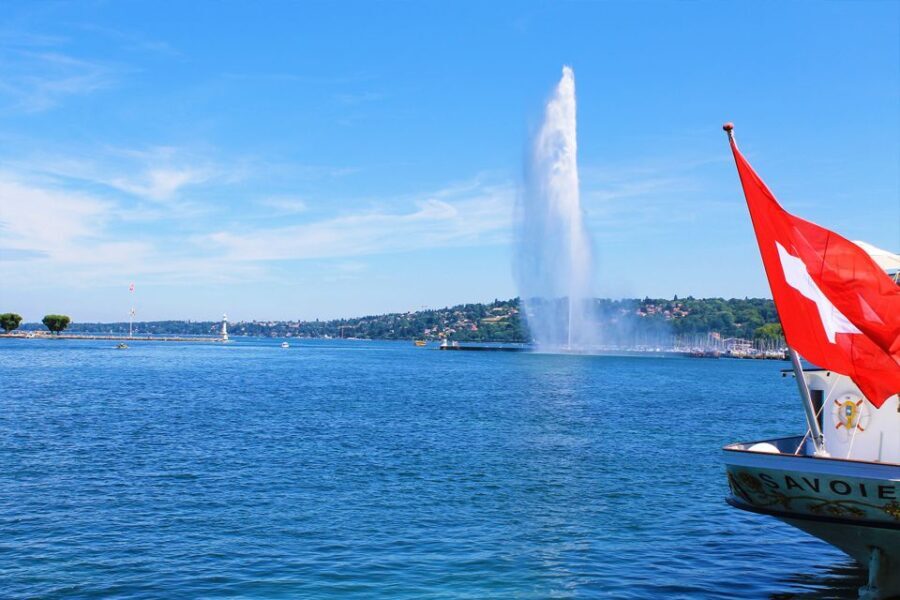
The version that adds wine and a charcuterie board to the standard route. Slightly longer (1 hour) and slightly slower-paced. The wine is a regional white from the Lavaux vineyards on the lake’s eastern shore — appropriate, drinkable, not life-changing. The cruise is more relaxing than the cheap version because the boat is less full and the captain takes things slowly. Our full review covers the wine pairing and how it differs from the standard cruise.
3. Audioguided Sightseeing Cruise of Geneva — from $25
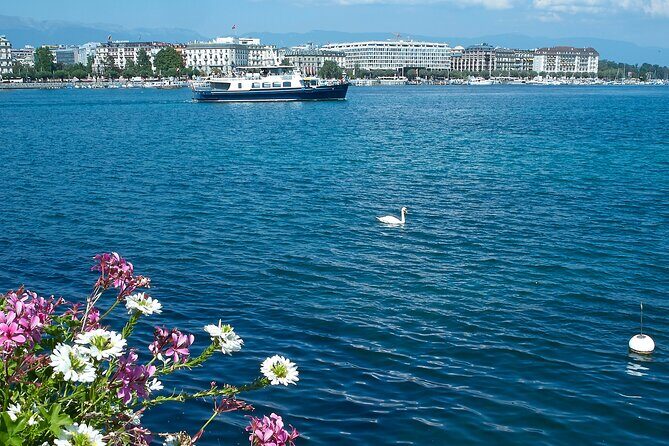
Same route as option 1 but with audio commentary delivered through headphones in 7 languages. Useful if you do not want to deal with a live guide who is alternating between three languages, or if you want to hear the commentary at your own pace. The boat itself is similar but typically smaller and quieter. Our full review compares the audio-guide experience to the live commentary version.
What You Actually See in 50 Minutes
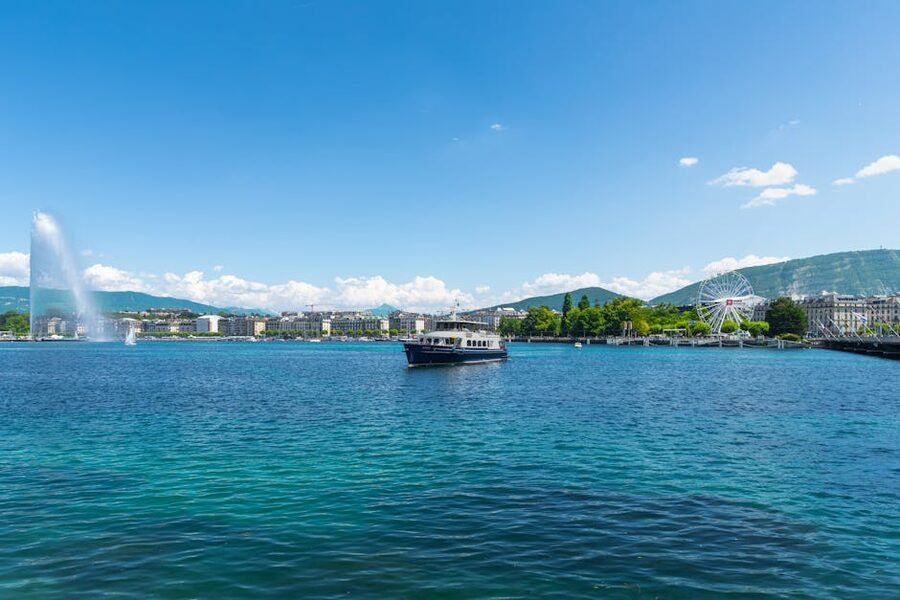
The boat leaves the Pâquis dock heading east into the inner basin of Lake Geneva. The first thing you see in detail is the Jet d’Eau itself, from below. Up close the fountain is much more impressive than from the shore — you can hear it as a low rumble, see the spray cloud forming above the cone, and on a windy day the boat passes through some of the spray drift. The captain usually slows down for a minute here so people can photograph it.
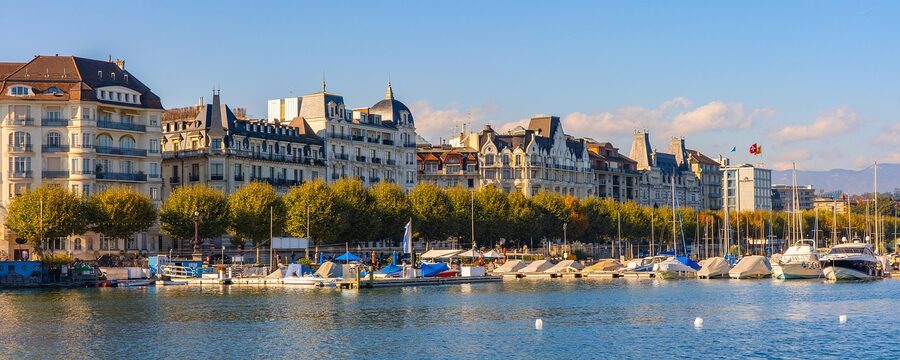
Past the fountain, the boat tracks east along the Eaux-Vives waterfront, where you see the Bains des Pâquis baths complex on your left (a swimming spot for locals) and the chain of luxury hotels along the quai on your right — Beau-Rivage, Hotel d’Angleterre, the Four Seasons. These are the hotels diplomats and minor royalty have used for over a century. From the water you see the lake-facing facades, which are more beautiful than the street side.
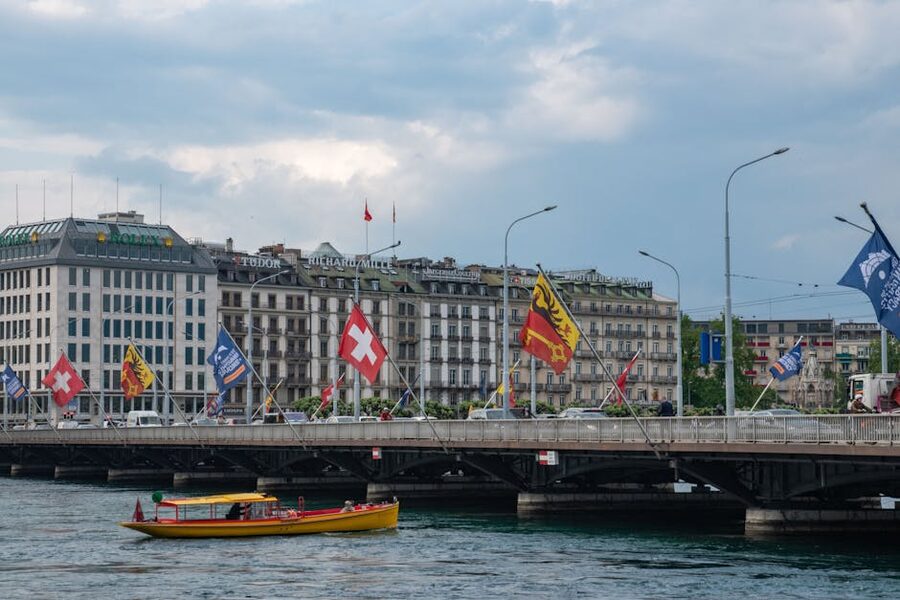
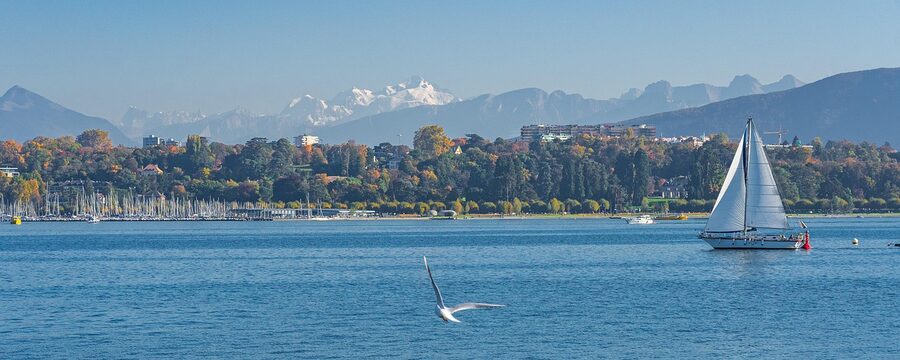
The boat then turns and runs back along the southern shore — past the Jardin Anglais (and its famous flower clock, which is harder to see from the water than from land), the Mont-Blanc Bridge, the city’s old town climbing up the hill behind, and St. Pierre’s Cathedral at the top of the old town. On a clear day Mont Blanc itself is visible 80 km to the south, dominating the horizon. On a hazy day you see haze.
The Jet d’Eau — More Interesting Than It Looks
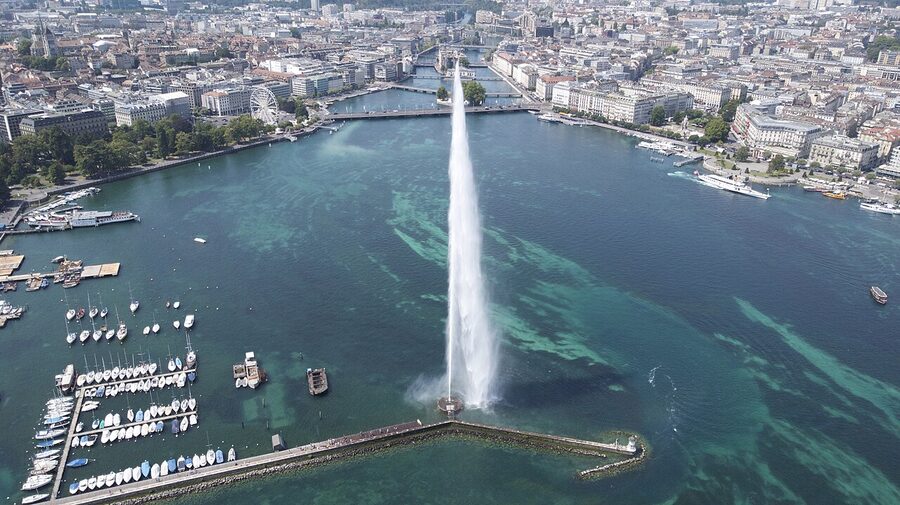

The Jet d’Eau started life in 1886 as an industrial pressure release for the city’s water network. Engineers needed somewhere for surplus pressure to escape when factories closed at the end of each shift. They built a vertical pipe at the end of the Rhône, surplus water shot 30 metres into the air, and people started photographing it. By 1891 the city had moved the pipe to its current location and re-engineered it as a tourist feature. The fountain has been running ever since.
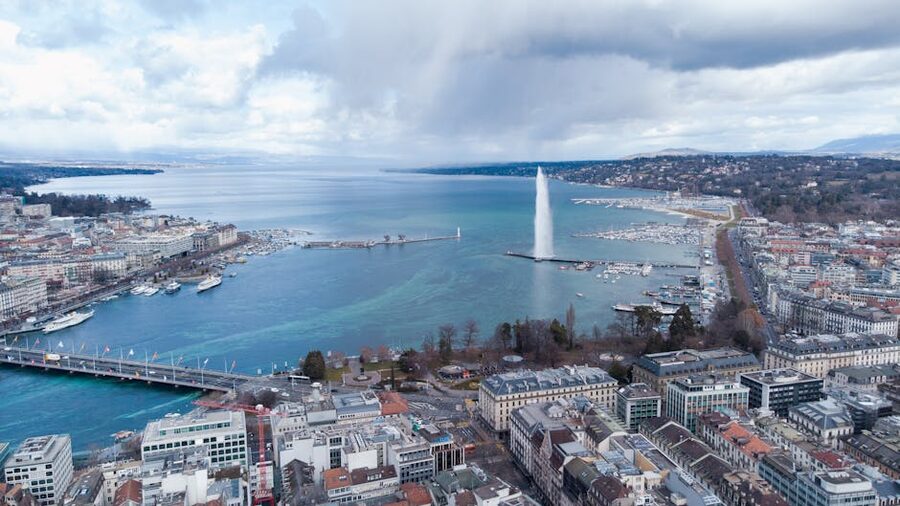
The current fountain is much bigger than the original — 140 metres high, 500 litres per second, requiring two specially-designed pumps that each draw 500 kilowatts when operating. The plume is illuminated at night with white floodlights. On Swiss national holidays they change the lights to red. The fountain shuts off automatically in winds over 60 km/h to prevent the spray from falling onto the city, but otherwise runs daily from March through October.

Geneva from the Water vs Geneva from Land
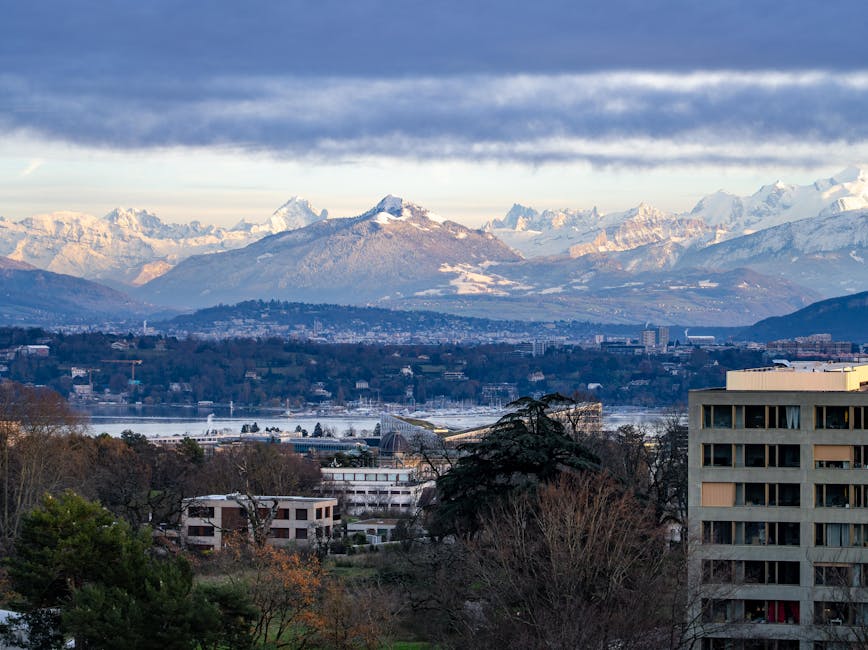
Worth being honest: Geneva is more interesting from the water than from the streets. The city itself is wealthy, clean, walkable, but not particularly beautiful at street level — the architecture is mostly 19th-century banking-era heavy stone, the shopping is expensive, the old town is small. The lakefront is what gives Geneva its identity, and you only see the lakefront properly from a boat.
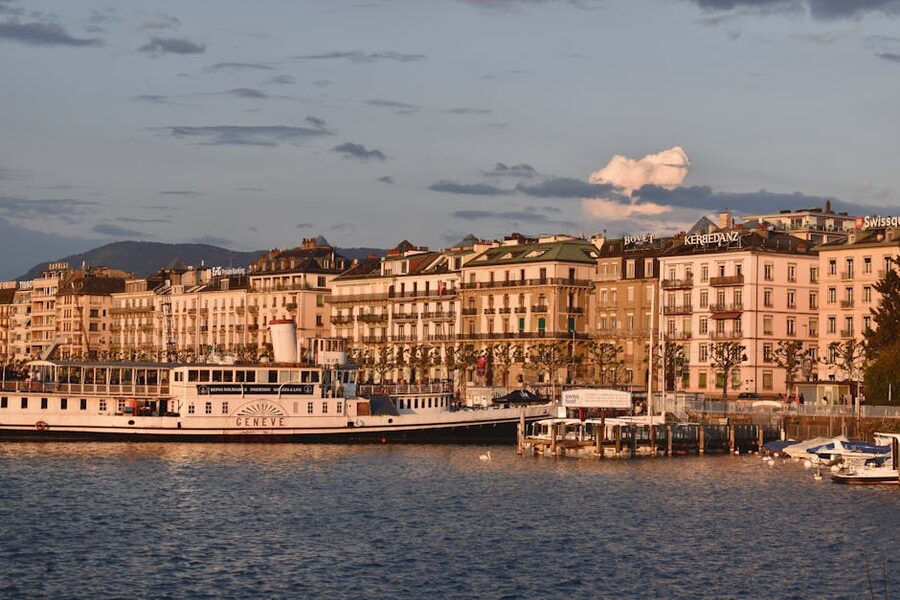
This is also why the cheap 50-minute cruise is enough for most travellers. You see Geneva’s actual face. You do not need to do it twice. If you want more lake time, the longer routes from CGN go to Yvoire, Lausanne, or Montreux — proper day trips by boat that actually take you somewhere different. The sightseeing cruises are not those routes; they are city tours.
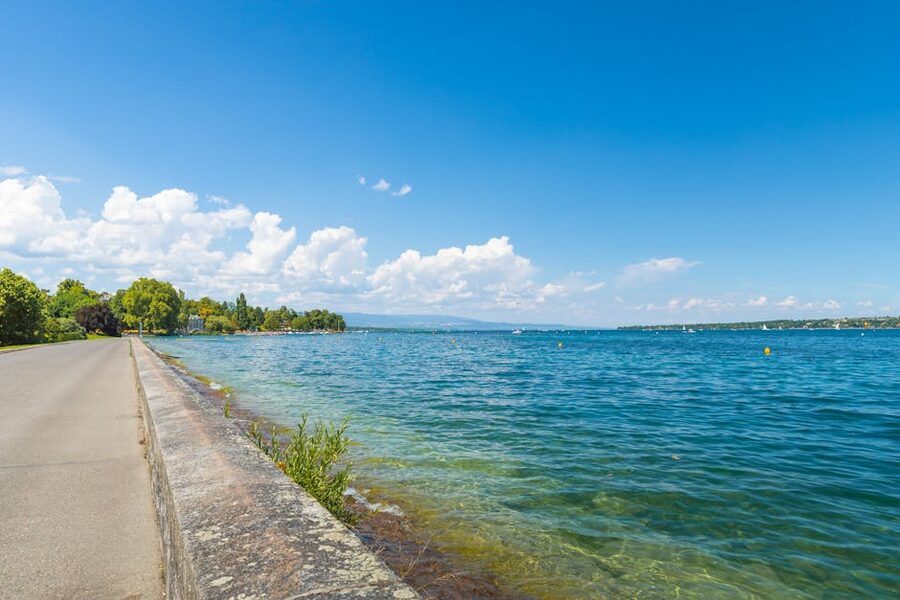
Sunset Cruise vs Daytime Cruise
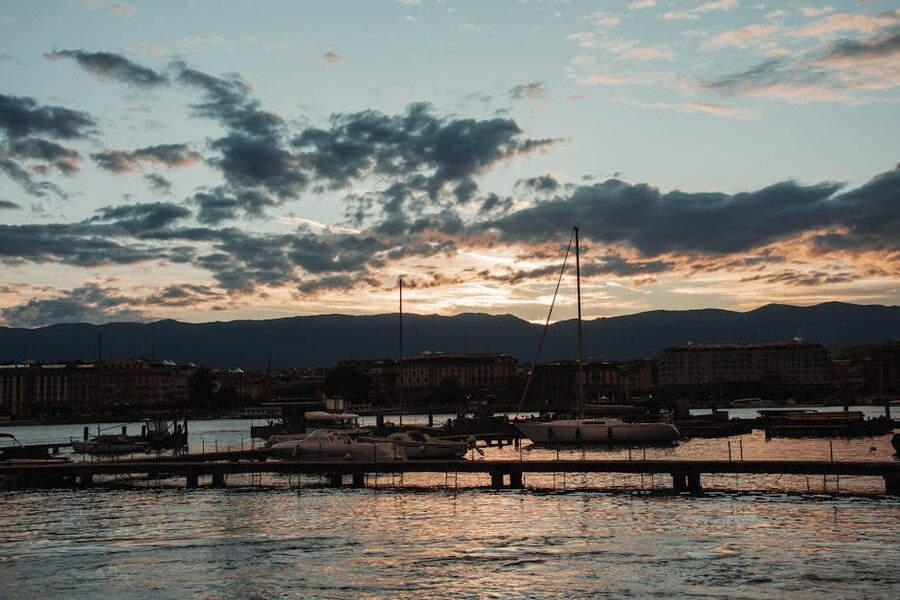
If you can pick the time, take an evening cruise rather than a midday one. Reasons: cooler temperature on deck, better light for photographs (especially of the Jet d’Eau and the old town facing west), often less crowded, and the lake itself flattens as the wind drops at sunset, giving cleaner reflections. The standard cheap cruise has 6pm and 7pm departures in summer that are noticeably better than the 11am or 2pm ones.
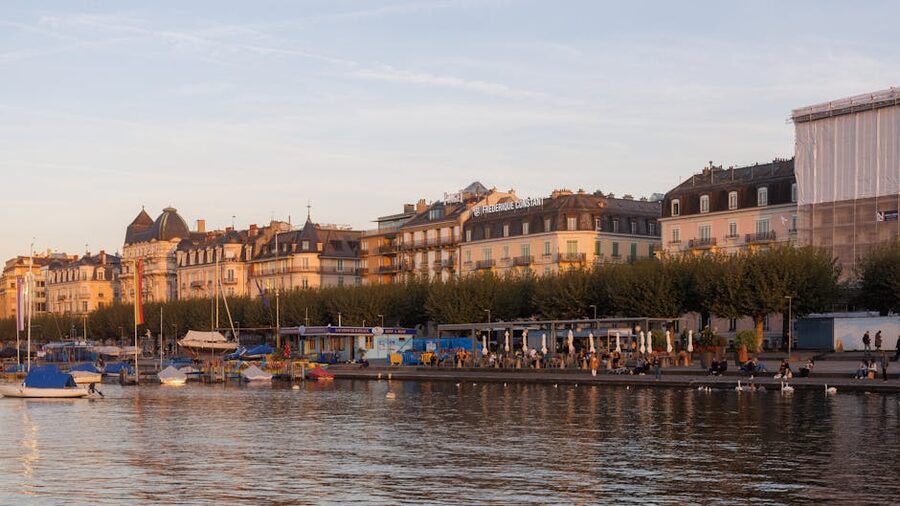
The wine-and-snacks cruise is built around evening departures. The standard cruise also runs evening slots but does not bundle anything with them. If you want the wine experience specifically because it is sunset, take the wine cruise. If you want the cheaper option but at sunset, take a 7pm standard departure. Both work.
What to Combine With the Cruise
A 50-minute lake cruise is short enough to be one part of a half-day in Geneva. The natural pairing is a walk through the Old Town (Vieille Ville) afterwards — the cathedral of St. Pierre at the top has a tower you can climb for $7, with the best free city view in Geneva. Allow 60-90 minutes to walk up, climb the tower, and walk back down through the cobbled side streets.
If you have a full day in Geneva, add a morning museum visit before the afternoon cruise. The Patek Philippe Museum (watchmaking history) is the unique-to-Geneva pick. The International Red Cross Museum is the heavier emotional pick. The Reformation Wall in Bastions Park is free and takes 20 minutes. The Botanical Gardens are pleasant if the weather is good.
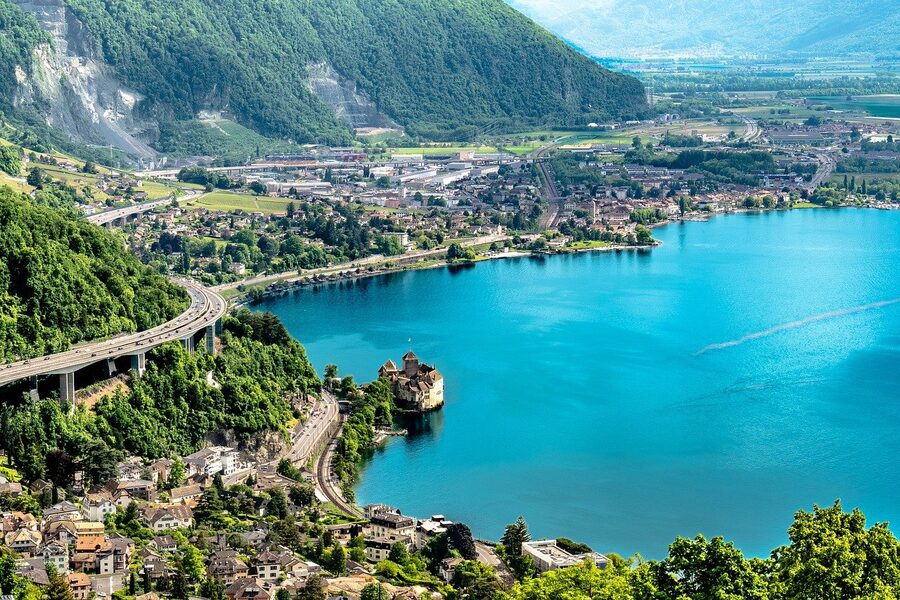
If you have multiple Geneva days, take the longer CGN ferry routes east toward Lausanne and Montreux. The day-pass for the CGN paddle steamers is about $80 and lets you hop on and off at any of the lake’s 30+ stops. Pair with a vineyard visit in the Lavaux UNESCO terraces between Lausanne and Montreux for a long, unhurried day.
Practical Stuff — Tickets, Departures, Weather
Booking: buy your ticket online before you arrive at the dock. The 50-minute cruise is sold by both Swissboat and CGN, and both have online booking systems that hold your seat for the next available departure. In peak summer (July-August) the most popular timeslots — sunset and the 11am post-breakfast slot — sell out 2-3 hours in advance. Off-season you can almost always walk up.
Departure point: most cruises leave from the Quai du Mont-Blanc on the north side of the lake, near Pâquis. The dock is a 5-minute walk from the Cornavin train station. If you are coming from the south side of the city (Old Town, Plainpalais), the Mont-Blanc Bridge brings you straight to the dock area. There is no public parking immediately at the dock — drivers should park at one of the central garages and walk in.
Weather contingency: cruises run year-round, with reduced winter schedules. The fountain shuts off in heavy wind (60 km/h+), which means a peak-summer storm day is the only time the cruise is materially worse than usual — you still see Geneva but you do not see the Jet d’Eau in operation. If your trip is short and the wind is forecast above 50 km/h on your only Geneva day, push the cruise to a different time slot if you can.
Pairing With the Rest of Your Switzerland Trip
Geneva is most often the first or last stop on a Switzerland trip because the airport is one of the country’s main international gateways. A natural pattern: arrive Geneva, take the cruise the same evening to orient yourself, train east the next day to Lucerne for Mount Titlis, then on to Interlaken for Jungfraujoch and Grindelwald, finishing in Zurich. Or the same loop in reverse.
If your trip is shorter and you only have Geneva, build a 2-day plan. Day one: arrive, walk the Old Town, take the late afternoon cruise, dinner on the lakefront. Day two: morning museum (Patek Philippe or Red Cross), afternoon trip to Chamonix for Mont Blanc views (a separate day-trip — covered in our Chamonix guide), evening flight out.
The CGN Heritage Steamers
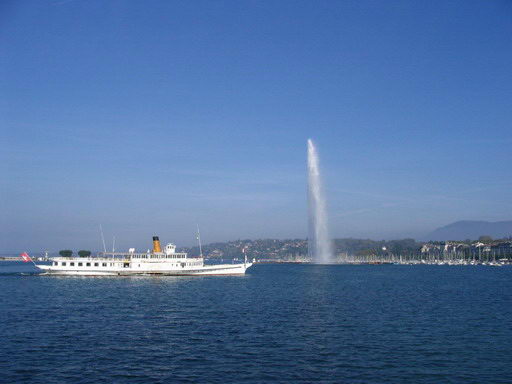
Worth knowing about even if you do not book one: the CGN paddle steamer fleet on Lake Geneva is the largest collection of working Belle Époque vessels in the world. Eight ships built between 1904 and 1927, all still in service, all running on regular ferry routes between Geneva, Lausanne, Évian, Yvoire, Nyon, and Montreux. They are real historic working boats, not floating museums — they carry commuters and tourists on the same schedules.
If you want a longer day-on-the-water experience than the 50-minute sightseeing cruise gives you, take a CGN day-pass and ride a paddle steamer to Yvoire (a medieval village on the French side, 90 minutes each way) or to Nyon (the next big Swiss town east, 75 minutes each way). The day-pass costs about $80 in second class, $120 in first class, and includes unlimited hop-on hop-off across the whole fleet for the day.
The paddle steamers themselves are beautifully preserved — original brass fittings, restored salons, working steam engines you can see through glass panels in the engine room. The contrast with the small modern sightseeing boats is stark; both are valid Lake Geneva experiences, but they are completely different days out. The steamers are also the only practical way to reach some of the smaller lakeside villages, since the road system on the lake’s northern French shore is patchier than the Swiss side.
One last note. The cruise boats run rain or shine — they only cancel for genuinely dangerous weather like extreme wind. A rainy Geneva day is not a reason to skip the cruise; the boats have covered lower decks and the Jet d’Eau looks more dramatic against grey clouds anyway. If anything, an overcast day gives you better photographs of the fountain because the spray reads more clearly without harsh shadows.
This article contains affiliate links. If you book through our links, we may earn a small commission at no extra cost to you. This helps us keep producing detailed travel guides.