
I made the mistake of eating lunch before my first Prague food tour. By stop three — a plate of svíčková at a pub I’d never have found alone — I was already full. By stop seven I was defeated. Every good Prague food tour is six or seven tastings across four hours, and six tastings equals one proper Czech dinner and a half.
This guide covers how to book a Prague food tour: the three most-reviewed options, what you’ll actually eat (and drink, because Czech food tours include a lot of beer), and the practical detail of how to arrive hungry enough to enjoy it.
In a Hurry? The Three Best Food Tours
- Highest reviews, full experience: Prague Eat, Sip and Make New Friends Food and Drink Tour — around $179, 4 hours, 7 tastings plus Czech drinks.
- Eating Europe’s classic: Eating Prague Food & Beer Tour — around $108, 3.5 hours, 6 tastings, excellent guides.
- Short street-food option: Prague Guided Street Food Walking Tour — around $80, 2 hours, casual street-level tastings.
- In a Hurry? The Three Best Food Tours
- What a Prague Food Tour Actually Is
- The Food — What You’ll Actually Eat
- Klobása (sausage)
- Chlebíček (open sandwich)
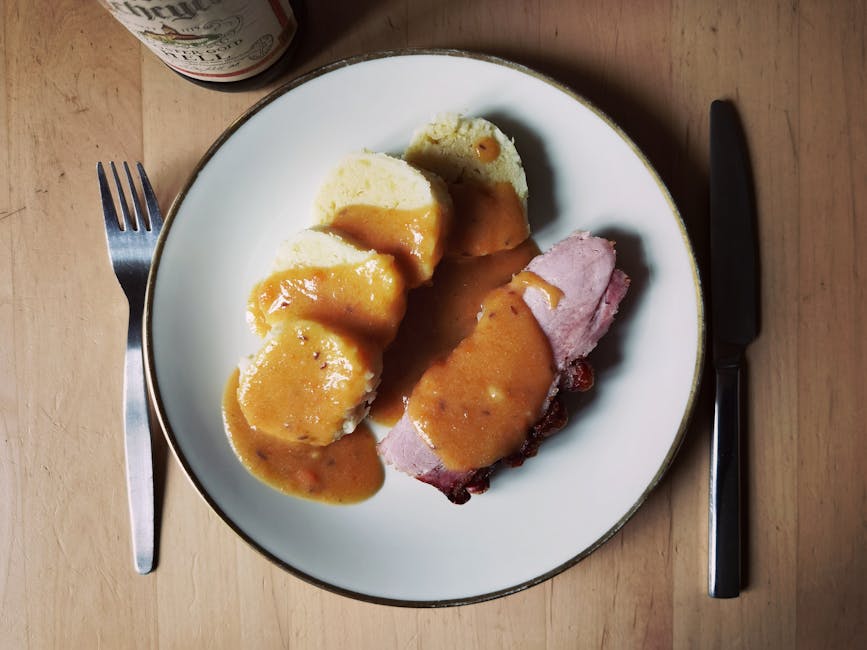
- Svíčková (beef sirloin in cream sauce)
- Vepřo-knedlo-zelo (roast pork, dumplings, cabbage)
- Utopenci (pickled sausages)
- Trdelník (chimney cake)
- Medovník (honey cake)
- The Three Best Food Tours
- 1. Prague Eat, Sip and Make New Friends Food Tour — 9
- 2. Eating Prague Food & Beer Tour — 8
- 3. Prague Street Food Walking Tour —
- How Much Food You’ll Actually Get
- Beer on the Tour
- When to Book
- Where the Tours Actually Go
- What Makes a Great Czech Food Tour Guide
- Czech Beer on Food Tours — A Few Facts
- Getting to the Meeting Point
- What to Wear
- The Seasonal Question
- Practical Details
- Food Culture Beyond the Tour
- What You’ll Want to Drink After the Tour
- Other Prague Guides You Might Like
What a Prague Food Tour Actually Is
Three to four hours of walking, six to eight food stops, a guide who knows the owners and has the routine down. The food is Czech — no sushi, no ramen, no trendy fusion — and it’s usually served by the specific pubs or stalls the guide has worked with for years. You’ll have more food than you expect, more beer than you’d plan, and you’ll walk roughly 2.5 kilometres between stops.
Most Prague food tours follow a loose circuit that hits 3-4 pubs, a bakery, a butcher or deli, and a dessert stop. The route varies by guide but the formula doesn’t: Czech pub food, Czech beer, Czech sausage, Czech bread, Czech cheese, Czech dessert.
The Food — What You’ll Actually Eat
A typical tour menu, roughly in order:
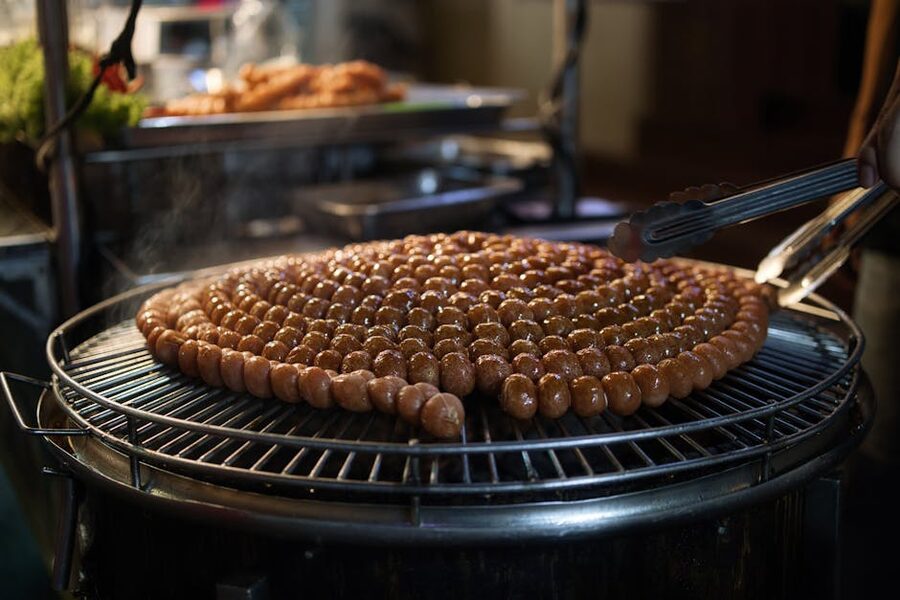
Klobása (sausage)
Grilled or smoked Czech sausage, served with rye bread, mustard, and horseradish. Often the first tasting because it sets the tone — substantial, meaty, no surprises.
Chlebíček (open sandwich)
A small open-faced sandwich on rye or wheat with a topping of ham, egg, cheese, and pickle. The Czech equivalent of Danish smørrebrød — popular at delis and tour stops for being both photogenic and manageable in the hand.
Svíčková (beef sirloin in cream sauce)
Slow-cooked beef with a rich vegetable cream sauce, served over bread dumplings with a dollop of whipped cream and a slice of lemon. A proper sit-down dish and usually the midpoint stop of longer tours.
Vepřo-knedlo-zelo (roast pork, dumplings, cabbage)
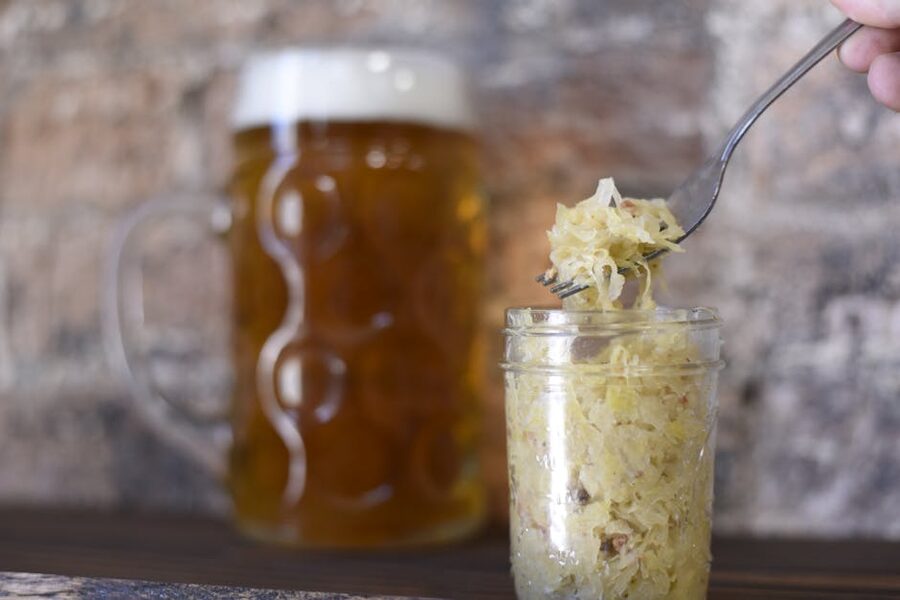
The unofficial Czech national dish. Slow-roasted pork with bread dumplings and braised sauerkraut. Some tours choose this over svíčková; some include both and you pick one per person at the stop. The bread dumplings are the distinctive bit — sliced from a steamed log, spongy texture, used to mop up the sauce.
Utopenci (pickled sausages)
Sausages pickled in vinegar with onions, peppers, and chillies. Called “drowned men” in Czech. Served cold as a bar snack. An acquired taste — sometimes the first moment on a tour where half the group tries it and looks at the other half.
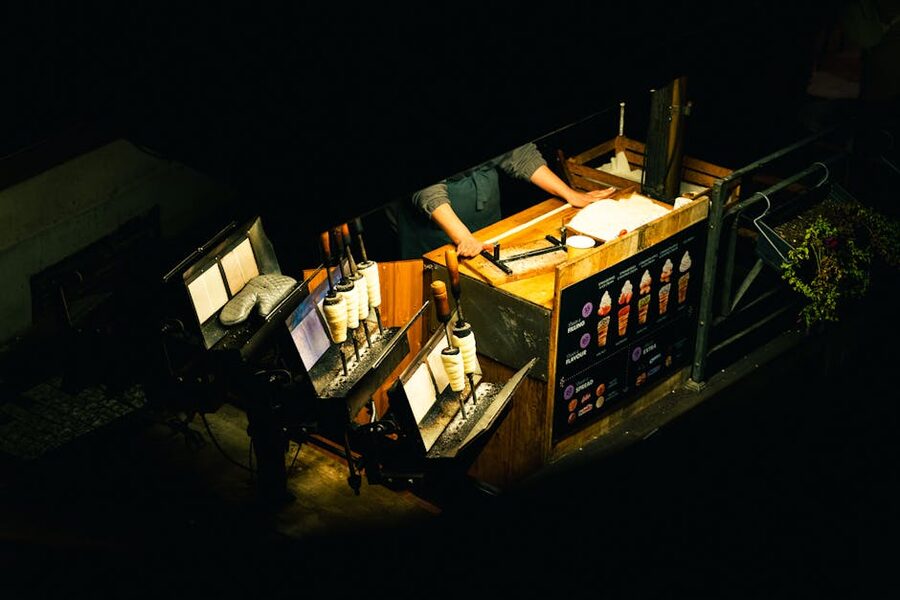
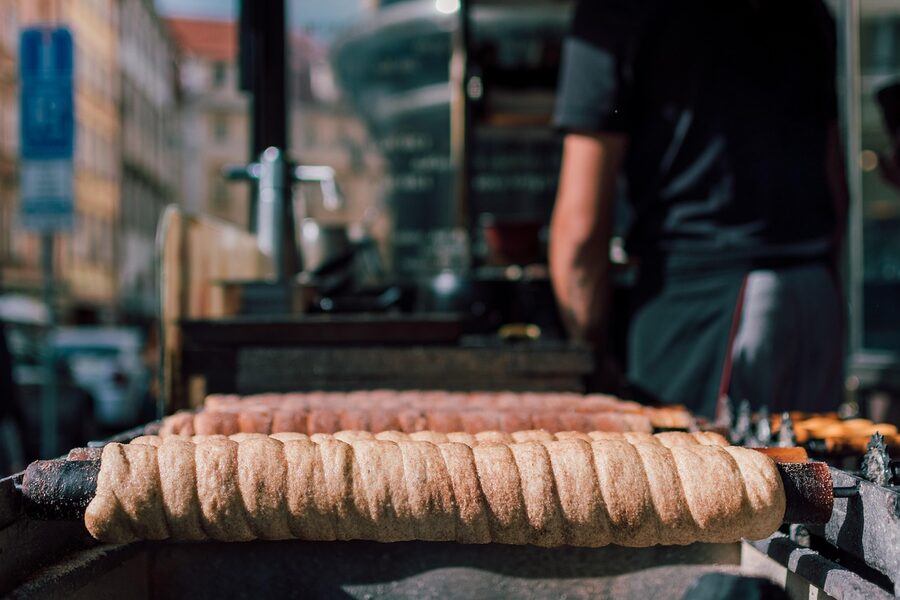
Trdelník (chimney cake)
The most visible Prague dessert — a spiral pastry baked on a rotating spit, rolled in sugar and cinnamon. Controversy note: trdelník is not actually Czech in origin (it’s from Transylvanian Hungary, arrived in Prague only in the 2000s) but it’s been so thoroughly adopted by Prague’s tourist economy that it’s now treated as local. Ask your guide whether they include it in the tour and what they think of it.
Medovník (honey cake)
Layered honey cake with walnut cream — this is the dessert stop worth taking seriously. Dense, rich, and actually Czech. If your tour ends on medovník rather than trdelník, it’s probably a better-put-together tour.
The Three Best Food Tours
1. Prague Eat, Sip and Make New Friends Food Tour — $179
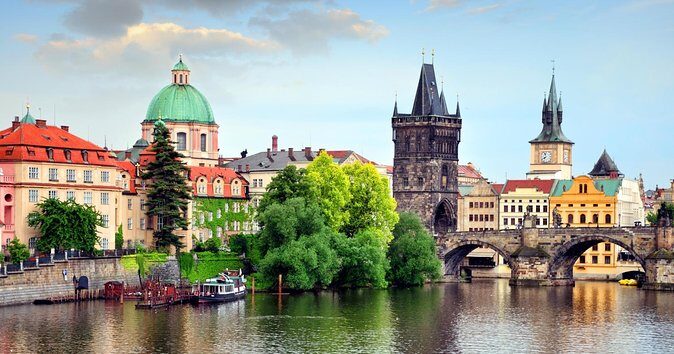
The most comprehensive option. Four hours, 7 tastings, every stop paired with a Czech drink (beer, slivovitz, Becherovka, mead). The guides on this tour are consistently rated the best in the city. More expensive than the alternatives, but you leave genuinely educated on Czech food culture, not just fed. Our full review covers the specific stops and why this one is worth the higher price.
2. Eating Prague Food & Beer Tour — $108
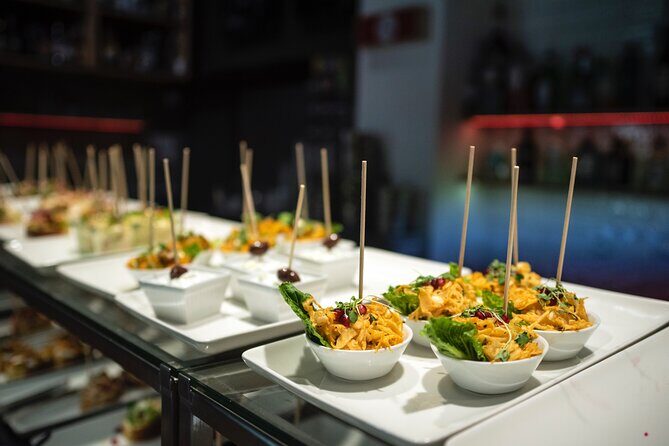
Eating Europe is the UK-based chain that runs food tours in 12 European cities. Their Prague version is well-put-together, smaller groups than the top option, cheaper by about $70. Fewer tastings but arguably more depth per stop — the guides spend more time explaining each dish. Our review covers how it compares to the top option and when the price difference matters.
3. Prague Street Food Walking Tour — $80
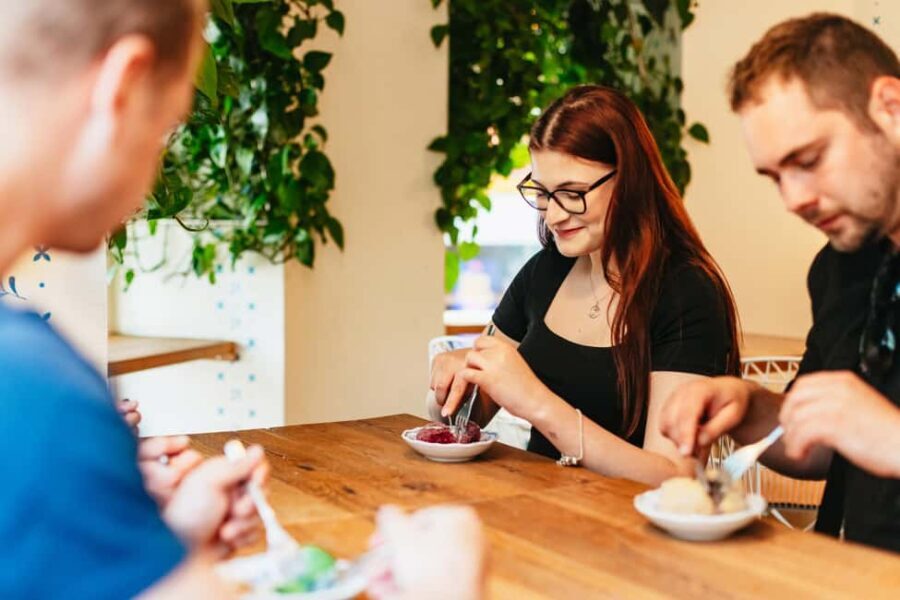
The cheapest and shortest of the three. 2 hours, focused on Prague’s street-food scene rather than sit-down pubs. Several beer stalls, a market stop, a bakery, a quick dessert. The format is less substantial but also less committing — if you want a food tour that doesn’t eat your whole afternoon, this is the one. Our review covers what you give up at the lower price.
How Much Food You’ll Actually Get
A common misconception is that “tasting” means a small portion. On Czech food tours it often doesn’t. Svíčková is served as a proper plate with two full bread dumplings and meat. Vepřo-knedlo-zelo is a half-portion that’s still most of what you’d get as a standalone meal. The sausages are full-size. By stop 5 you’re struggling.
Practical rule: skip breakfast, eat only a small coffee-and-pastry in the morning, drink plenty of water, and arrive hungry. The tour will feed you until it hurts if you let it.
Vegetarians should flag dietary requirements when booking — Czech cuisine is meat-heavy but most tour operators can substitute. Vegans have a harder time; book only tours that explicitly advertise vegan menus.
Beer on the Tour
Expect 3-4 beers across the tour. Czech pubs serve beer in half-litre glasses by default, which means 3 stops = 1.5 litres. At 4.5% ABV that’s substantial. Every tour I’ve been on has had at least one person who didn’t want a beer at every stop — it’s fine to skip, the guides are used to it. Czech pubs also serve non-alcoholic beer (Birell is the local brand) if you want to taste without the alcohol load.
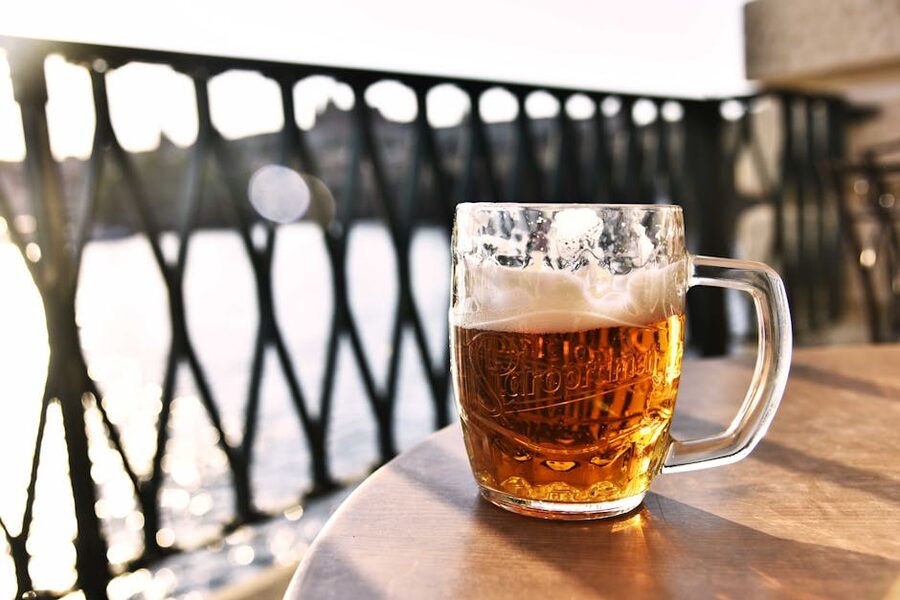
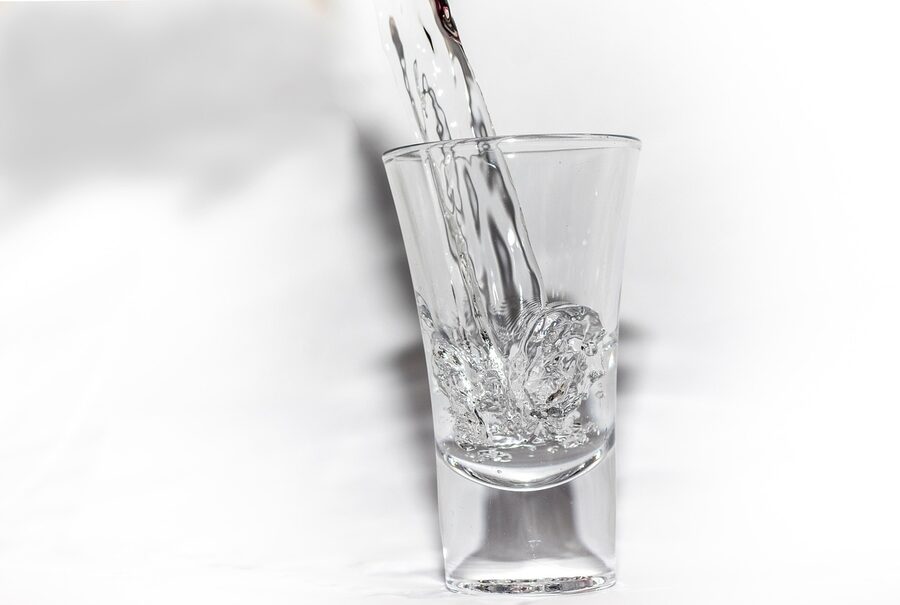
The longer tours also include spirit tastings: slivovitz (plum brandy), Becherovka (Czech herbal liqueur), and sometimes mead. Small pours, but they add up. Pace yourself.
When to Book
Tours run daily year-round. The most popular slots are 4pm-8pm (turns into dinner naturally) — those sell out 3-4 days in advance in summer. Morning tours (10am-2pm) are easier to get into and have the advantage of Prague’s pubs being almost empty at that hour, which means more intimate stops.
Where the Tours Actually Go
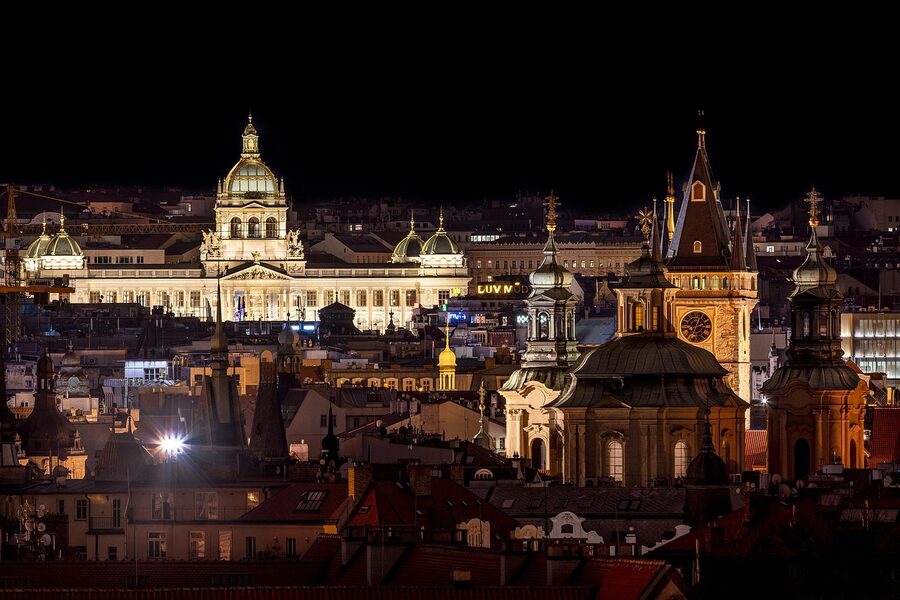
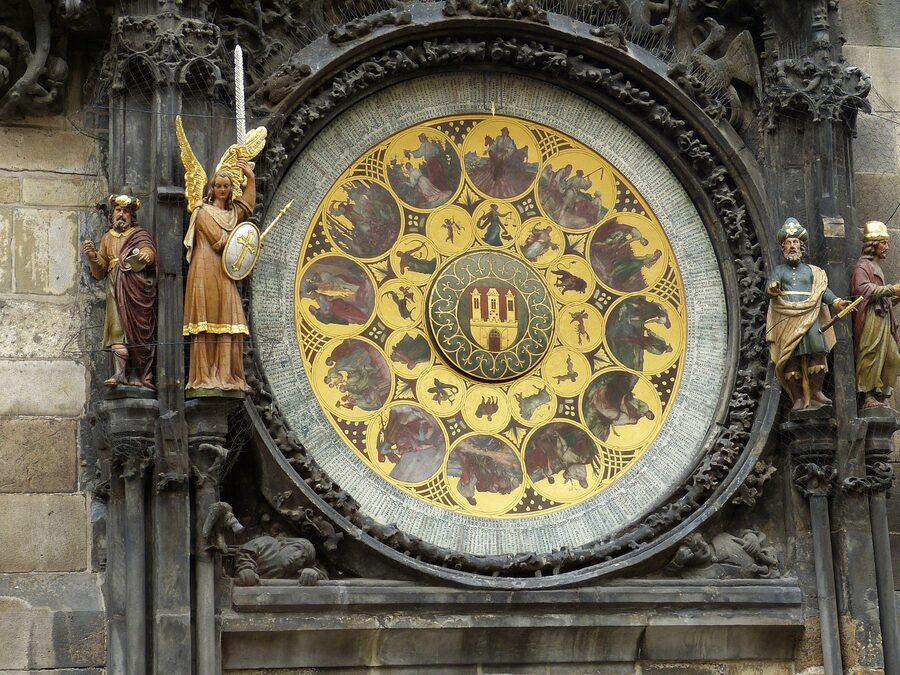
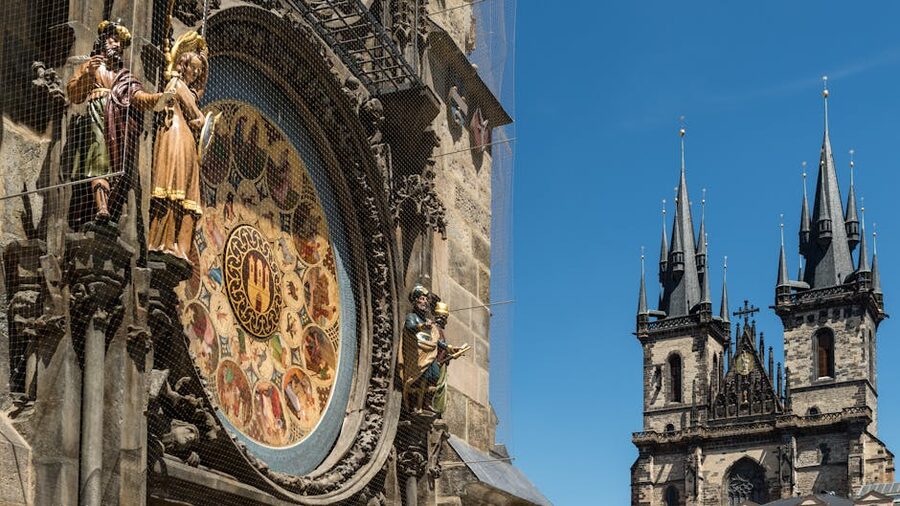
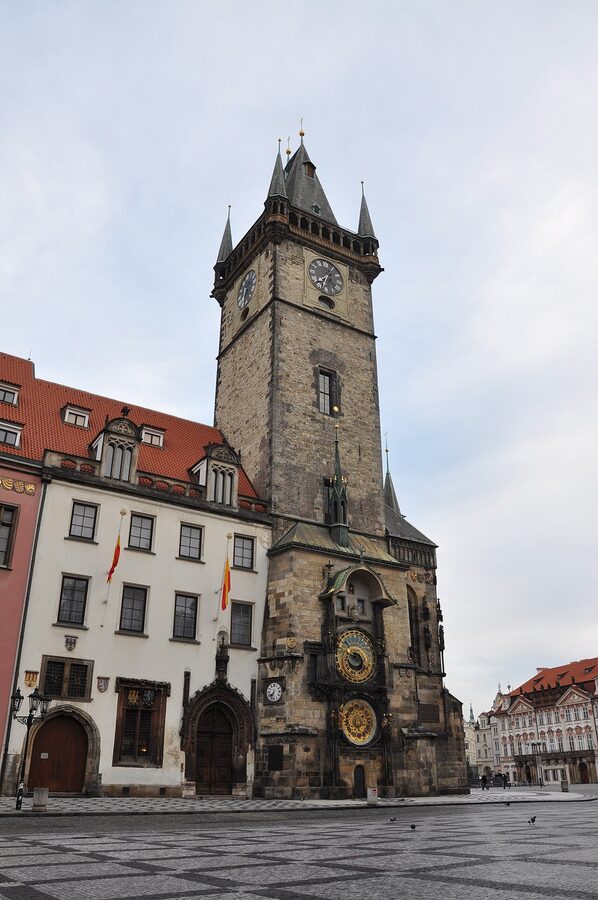
The good Prague food tours don’t follow the Old Town Square main drag. They peel off into smaller neighbourhoods — Nusle, Vinohrady, Malá Strana, parts of Žižkov — where the pubs actually cater to locals. You can tell a tour is curated-for-tourists when all the stops are within 200 metres of the Astronomical Clock. The better operators walk you 10-15 minutes between stops.
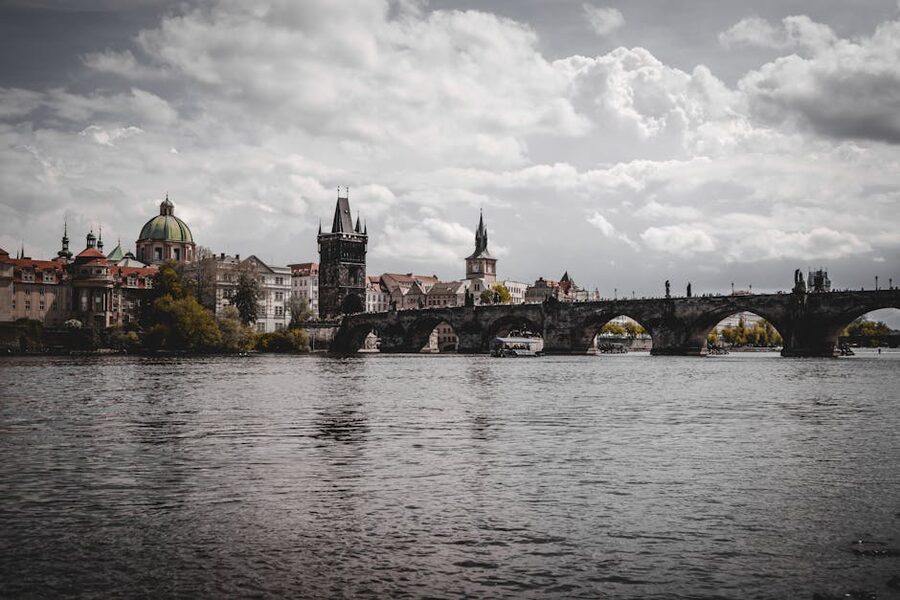
A specific detail to ask about when booking: how many stops are sit-down versus stand-up. A tour with 3 sit-down pubs and 3 standing food stands paces differently than one with 6 sit-downs. The former is more energetic, the latter is more relaxed. Both work; know which you’re buying.
What Makes a Great Czech Food Tour Guide
The guide is everything on these tours. A good food tour guide knows the owners of the pubs personally — you can tell within 30 seconds because they’re greeted by name at every stop. The kitchen sends out specific dishes for the tour; nothing comes off the standard menu. This kind of relationship takes years to build and it’s the reason the top tours cost more.
Signs of a great guide in the first 15 minutes: they correct common misconceptions (trdelník is not Czech, Budweiser is), they name specific ingredient origins, they pour the beer themselves at one stop, and they know why the dumplings are sliced the way they are. Book the top-reviewed tour precisely to get this level of guide.
Czech Beer on Food Tours — A Few Facts
Czech Republic has the highest per-capita beer consumption in the world. About 135 litres per person per year; roughly double the UK’s. The three beers you’ll probably encounter on a tour:
- Pilsner Urquell. The original pilsner style, brewed since 1842. Unpasteurised on draft in Prague.
- Budvar. The Czech Budweiser, brewed in České Budějovice. Different recipe from the American Budweiser (and the subject of a century-long trademark dispute).
- Staropramen. Prague’s own brewery, in operation since 1869. Milder than Pilsner, more common in local pubs.
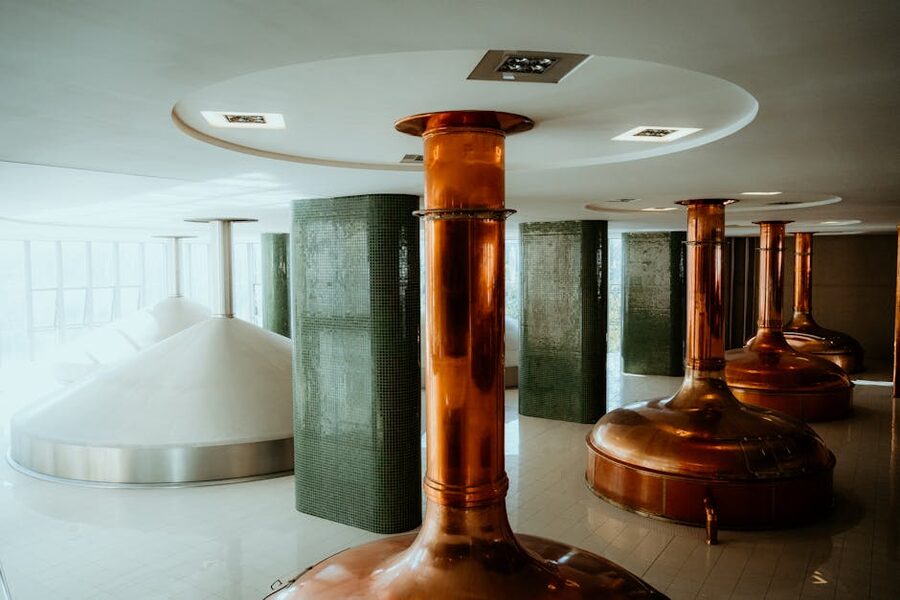
Tour guides will pour them differently. The classic Czech pour is called “hladinka” — medium foam head, poured in one continuous motion. Ask your guide to show you the other styles: “šnyt” (half foam, half beer) and “mlíko” (all foam, served as a dessert drink). These are demonstrations most tourists never see.
Getting to the Meeting Point
All three of the top tours meet in the Old Town. The exact starting points vary by operator, but all are within a 5-minute walk of Old Town Square. The specific address is on your booking confirmation — arrive 10 minutes early to be safe.
Metro: Staroměstská (Line A, green) is closest. From there, 4 minutes on foot to Old Town Square. Trams 17 and 18 also stop at Staroměstská.
What to Wear
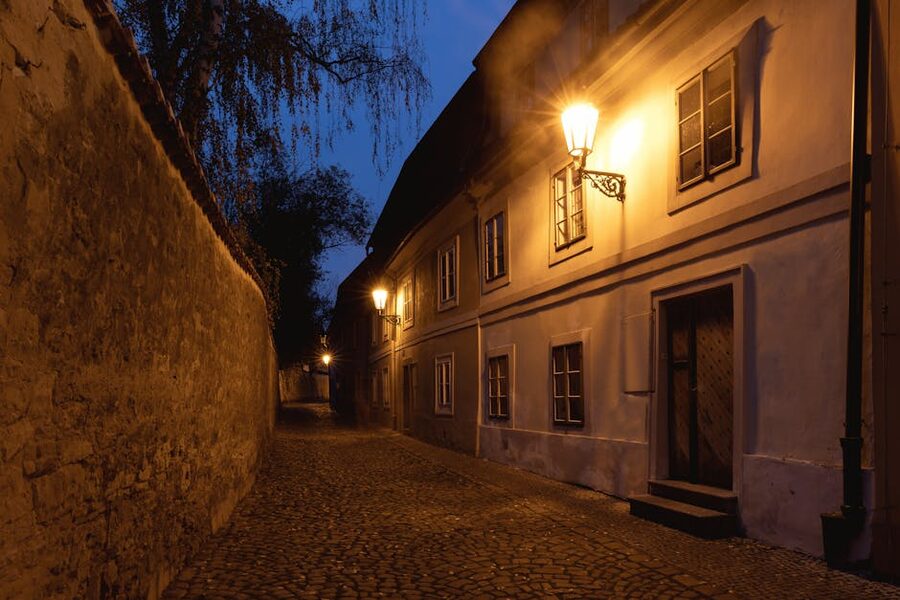
- Flat shoes with grip. Non-negotiable. Cobblestones are slippery when wet.
- Layers. You’ll be moving between heated pubs and cold streets. Easy to overheat.
- A light coat. Prague weather shifts quickly, even in summer.
- No heels. Really.
The Seasonal Question
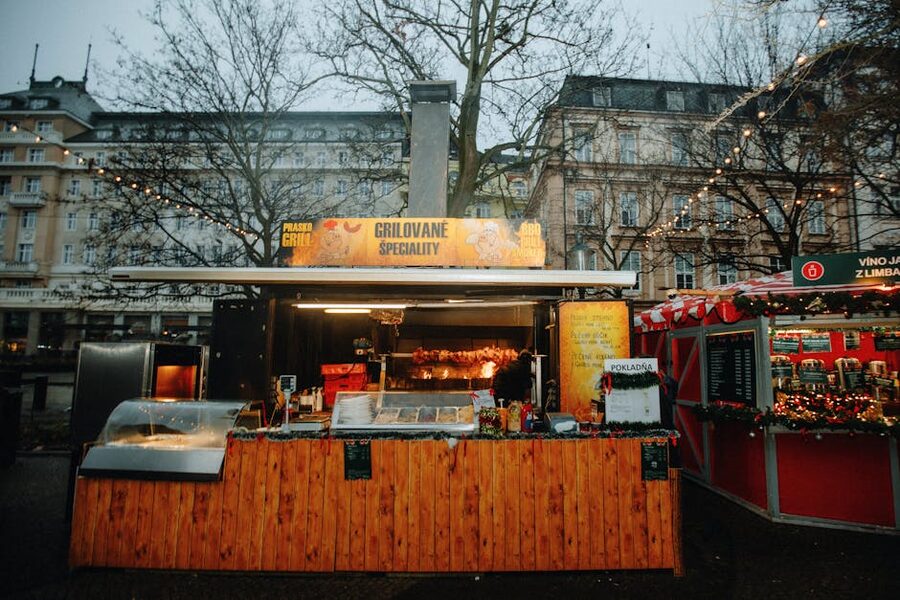
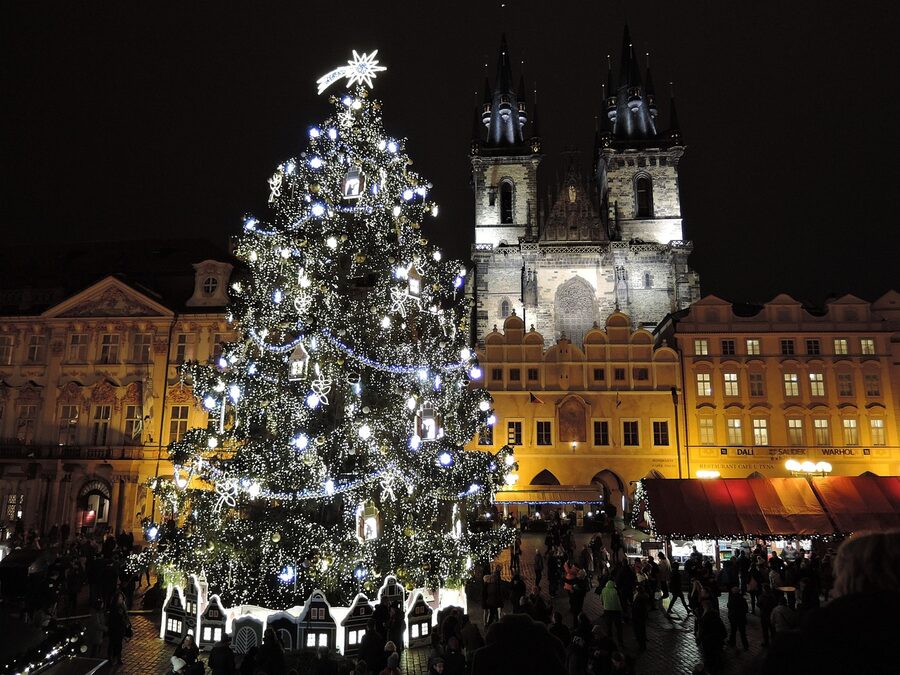
Food tours work year-round. Winter is arguably the best season — cold weather outside, warm pubs inside, and hearty food hits differently in January than in July. The Christmas markets (late November to early January) are also integrated into some winter-specific tours, which adds mulled wine and grilled sausages to the menu.
Summer tours are lighter and earlier — nobody wants heavy Czech food in 28°C heat. The summer menus lean on salads, lighter beers, and cold starters.
Practical Details
Duration. 2-4 hours depending on tour.
Group size. 6-15 usually. The top-priced option runs smaller groups.
Price. $80-$179 per person, all food and drink included.
Tipping. 10% of the tour price to the guide is standard if the service was good.
Dietary. Flag restrictions 48 hours before. Vegetarian is easy; vegan and gluten-free are harder but possible.
Cancellation. 24-hour free cancellation on all three tours above.
Food Culture Beyond the Tour
A good food tour is a starter, not the whole meal. Once you know the names of the dishes — svíčková, vepřo-knedlo-zelo, guláš, klobása, trdelník — you can read Prague menus on your own and make informed orders at pubs the guides didn’t take you to. Most tours deliberately give you this vocabulary so the rest of your Prague eating is better.
Some unmissable Prague pubs your tour won’t take you to but are worth finding on your own: U Medvídků (brewed on site, Týnská 32), Lokál (several branches, the U Bílé Kuželky location is central), and U Vejvodů (large historic pub in the Old Town). All have the classic menu at prices that locals still pay.
_and_Astronomical_Clock_(Orloj)_(4501597341).jpg)
What You’ll Want to Drink After the Tour
Most visitors finish a Prague food tour at 7:30pm or 8pm with enough beer in them to be pleasant company but not enough for a proper bar night. The tours time this deliberately — the guides know a post-tour drink is often where the group actually bonds. Standard post-tour moves:
- One more beer at a late-closing pub. The guide often suggests a specific place near the final stop.
- A slivovitz in a small bar. For the adventurous.
- Straight to the hotel. For the sensibly full.
Other Prague Guides You Might Like
A food tour pairs well with any wellness activity after — all that Czech food deserves a walk or a beer spa session to digest. If you want to drink more beer after the tour, a Prague pub crawl is the natural continuation — several tours literally end where pub crawls begin. For something different the next day, the Klementinum tour is a quieter cultural contrast, and the medieval dinner shows let you experience another version of Czech cuisine in a very different setting.
Disclosure: This site earns a commission on bookings made through the links above, at no extra cost to you. We only recommend tours we’ve researched and would book ourselves.