
Why does a Czech town of 175,000 people have a brewery with its own private railway network? Pilsner Urquell is the answer — 20 kilometres of dedicated track inside the brewery grounds, grain trains that never leave the site, and a beer that’s been made here since 1842. The town is called Plzeň. The beer’s name is the town’s.
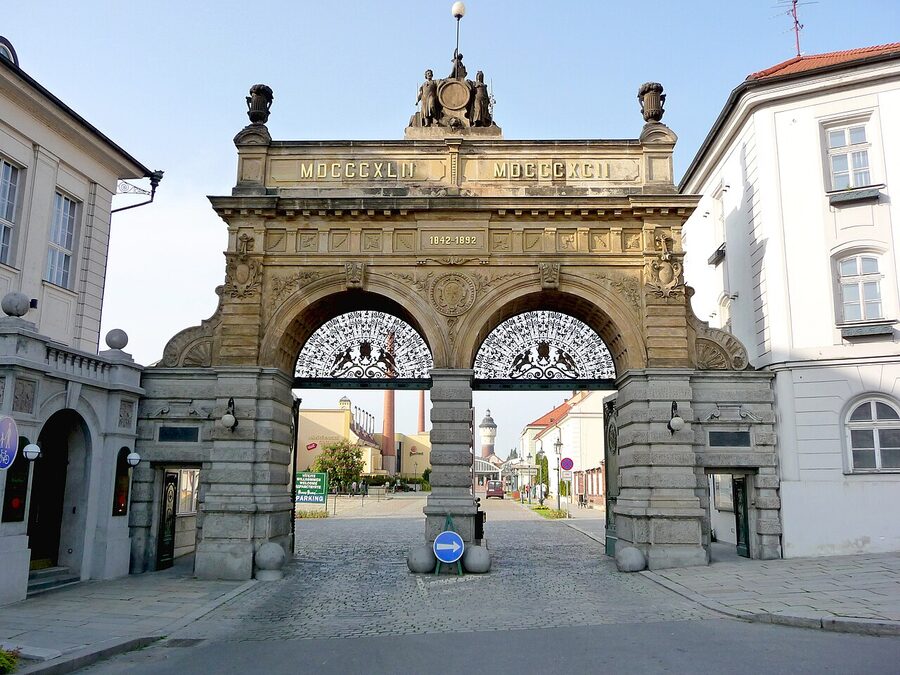

This guide covers how to book a Pilsner Urquell brewery tour: the full on-site visit in Plzeň (100 minutes at the brewery itself), the Prague-based “Experience” centre (a shorter version without the train), and the day-trip logistics of getting from Prague to Plzeň — which is 90 minutes by direct train and worth planning properly, not least because the Prague food tour guides will keep mentioning this brewery until you go.
In a Hurry? The Three Ways to Do This
- The real thing, in Plzeň: Pilsen Pilsner Urquell Brewery Tour with Beer Tasting — around $21, 100 minutes on site, includes the cellars and unpasteurised beer tasting.
- The Prague-based version: Prague Pilsner Urquell Experience and Tasting — around $25, 1-2.5 hours, museum-style exhibit plus tasting.
- Prague with 3 tastings: Prague Pilsner Urquell with 3 Beer Tastings — around $29, 1.5 hours, samples three pour styles (hladinka, šnyt, mlíko).

- In a Hurry? The Three Ways to Do This
- Why Pilsen Matters in Beer History
- What the On-Site Tour Includes
- The Three Tours Compared
- 1. Pilsen Pilsner Urquell Brewery Tour —
- 2. Prague Pilsner Urquell Experience —
- 3. Prague Pilsner Urquell with 3 Beer Tastings —
- Getting from Prague to Plzeň
- The Private Railway Network
- The Famous Czech Pour Styles
- The Water — An Underrated Factor
- If You’re Drinking Czech Beer in Prague Anyway
- What to Do in Plzeň Beyond the Brewery
- Lunch in Plzeň
- When to Book the Tour
- Practical Details
- Other Prague and Czech Guides Worth Reading
Why Pilsen Matters in Beer History
Until 1842, most European beer was top-fermented ale — cloudy, often sour, and variable in quality. In October 1842, a Bavarian brewmaster named Josef Groll brewed the first batch of a new bottom-fermented, cold-conditioned, pale golden lager using English-style pale malt and Czech Saaz hops at the Burghers’ Brewery in Plzeň. The result was clearer, hoppier, more consistent, and more pourable than anything on the market. Within 30 years, every commercial beer in the world was being reformulated to try to copy it. The style is now called pilsner. The original is Pilsner Urquell — literally “pilsner from the original source.”
About 10% of all beer brewed worldwide today is technically a pilsner descendant. Heineken, Budweiser (American), Stella Artois, and roughly every generic European lager trace directly back to this 1842 Plzeň recipe. The brewery itself knows this and the tour doesn’t miss the opportunity to remind you.
What the On-Site Tour Includes
The 100-minute Plzeň tour covers, roughly in order:
Introduction film (10 min). A short history of the brewery and of pilsner as a style. Adequate, not exciting. Sit through it.
Malt house (15 min). The former malt-kilning building, now partly museum, partly still operational. You see the grain floors where barley is still floor-germinated the old way.
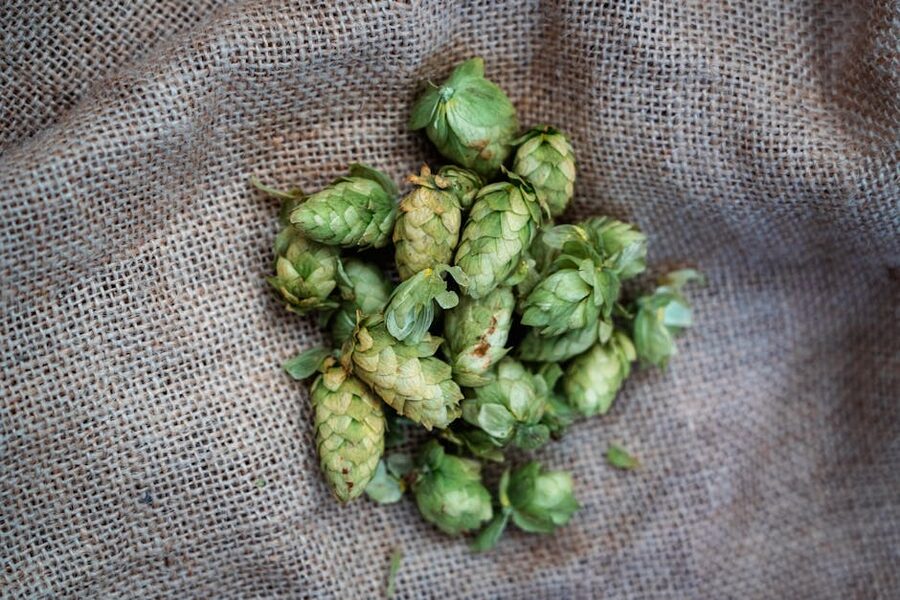
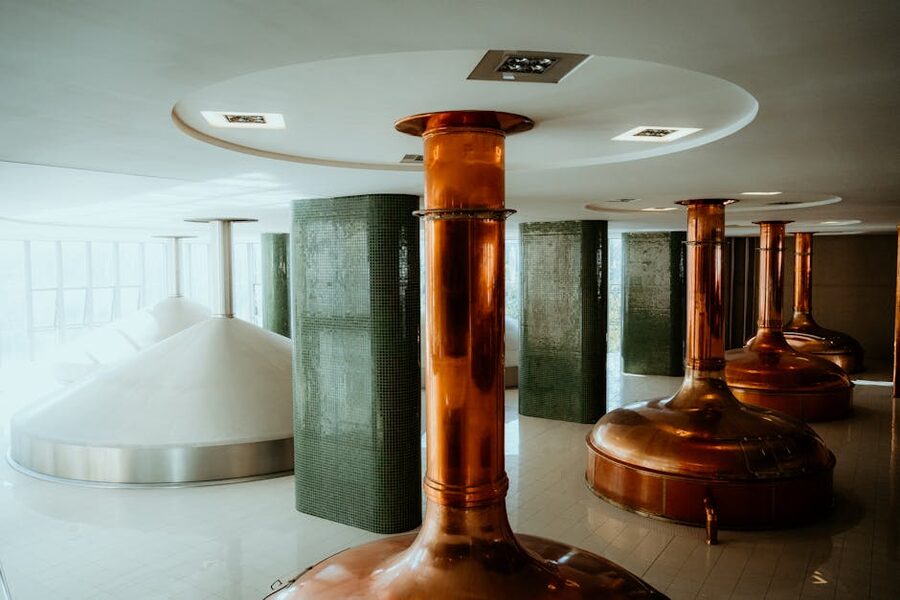
Brewhouse (20 min). Where the wort is actually boiled with hops. The brewery operates both a modern stainless-steel line and a traditional copper-vessel demonstration line. You see both. The guide explains the “decoction mashing” process — a Bohemian technique where part of the mash is removed, boiled separately, then added back. It’s the single technical detail that distinguishes Pilsner Urquell from modern industrial pilsners.
Packaging line (15 min). The bottling and kegging lines, seen through observation windows. Noisier than you expect. The Plzeň brewery bottles 2 million bottles a day.
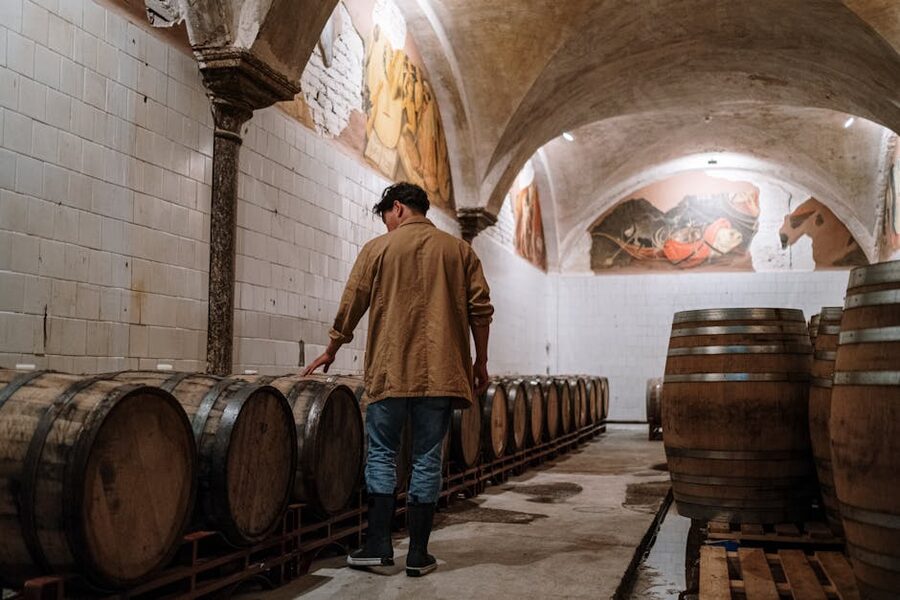
Cellar (25 min). The highlight. You descend into the sandstone cellar system — temperature 7°C year-round, air thick with yeast smell — and walk along vaulted tunnels lined with oak casks. Near the end you’re given a glass of unpasteurised, unfiltered beer tapped directly from one of the wooden casks. Different from the bottled export version; softer, rounder, slightly sweeter. This moment alone justifies the tour — the beer hasn’t been pasteurised (removes some yeast) or filtered (removes sediment), so it’s the closest thing to the original 1842 pour you can drink.
Tasting and merch (15 min). End of tour. You can buy bottled beer, glassware, branded merch. Skip unless you specifically want something — the prices are tourist-tier.
The Three Tours Compared
1. Pilsen Pilsner Urquell Brewery Tour — $21
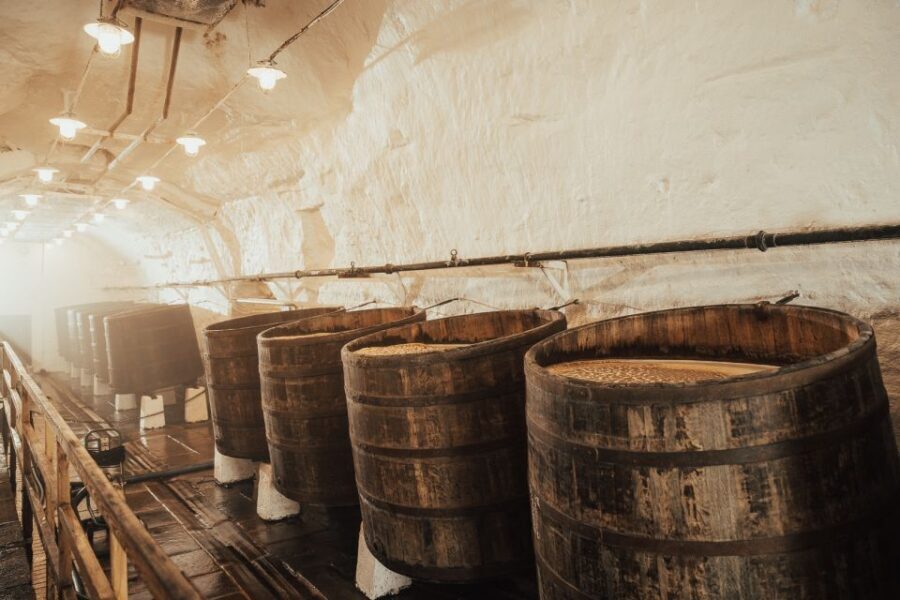
The one to book if you’re willing to make the trip to Plzeň. The on-site tour covers the full brewery plus the cellar tasting, which is an experience you can’t replicate anywhere else. The $21 price is local and fair. Factor in the train from Prague ($11 return) and you’ve spent $32 for a full half-day. Our full review covers the Plzeň trip end-to-end — when to book, which train to take, and what else is worth doing in Plzeň after the tour.
2. Prague Pilsner Urquell Experience — $25
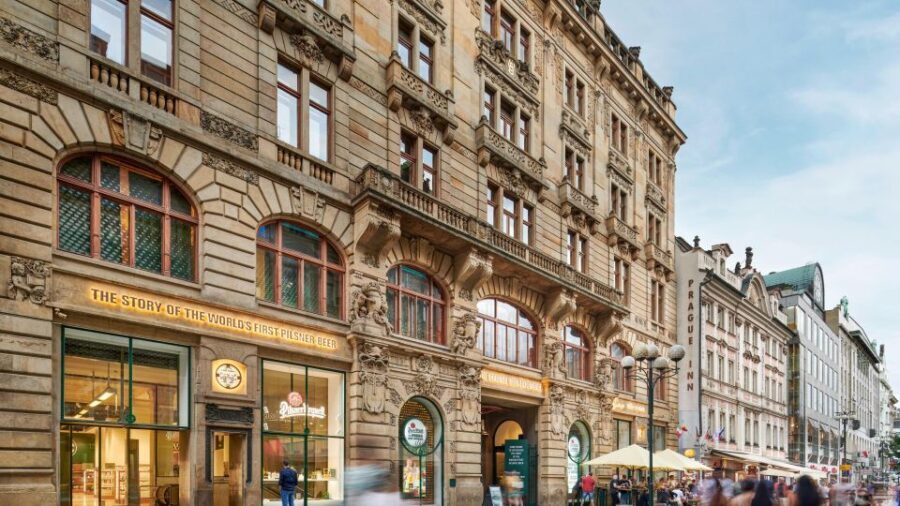
The Prague version for people who can’t or won’t make the Plzeň trip. Located in central Prague, it’s a museum-style exhibit with interactive displays about the brewing process, then a tasting at the end. You don’t see a functioning brewery — the entire experience is narrative rather than operational. Worth doing if you’re tight on time and still want the beer context. Less interesting than the real thing. Our review covers whether it’s worth $25 compared to the actual brewery.
3. Prague Pilsner Urquell with 3 Beer Tastings — $29

Same Prague venue as option 2, with an expanded tasting flight. You try three different Czech pour styles: hladinka (the standard head pour), šnyt (half foam, half beer — the midday worker pour), and mlíko (all foam, traditionally sipped as dessert). This is a genuinely educational addition if you’re into the beer itself. Our review explains what the three styles actually taste like and which one you’ll want to order at your next Czech pub.
Getting from Prague to Plzeň
Direct train, 90 minutes. Leaves from Prague’s Hlavní nádraží (main station) every hour during the day. Return ticket costs about $11. Book same-day at the station or in the ČD mobile app — no advance booking needed.
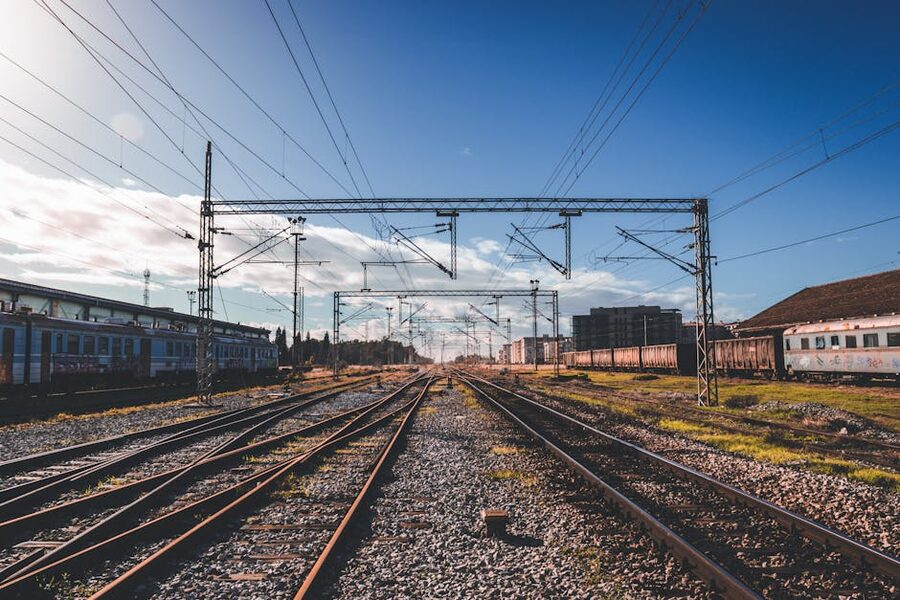
From Plzeň’s main station to the brewery is a 10-minute walk. The brewery has a pedestrian gate on the east side of the rail station — literally across the street.
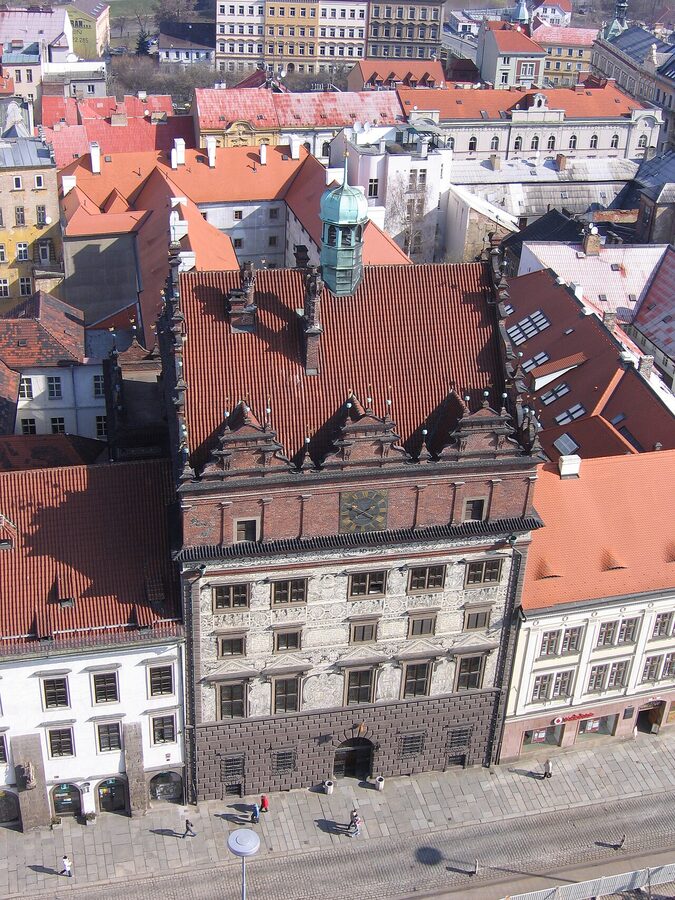

Plan for the round-trip day: leave Prague at 8am, arrive Plzeň 9:30, brewery tour 10:30-12:10, lunch at one of the brewery-adjacent pubs (U Salzmannů is the classic, about $15 per head), afternoon walk in Plzeň old town, back on a 4pm train, Prague by 5:30pm. A full and satisfying day.
The Private Railway Network
A footnote that the tours don’t always emphasise: the Pilsner Urquell brewery operates its own private rail network inside the site. About 20km of track — more than the city of Plzeň’s entire municipal tram system — connects the malt houses, brewhouses, packaging lines, cellars, and the main gate. Grain cars roll in, empty glass cars roll out, full cargo trains leave for the mainline. The network has its own locomotives, its own shunting yards, and employs a small staff of full-time railwaymen. You don’t walk on it during the tour but you see tracks crossing every courtyard, and cargo trains with raw materials still roll in most mornings through the main gate.
This is a brewery that produces 11 million hectolitres of beer a year — the infrastructure to support that is genuinely staggering, and seeing even a glimpse of it in person is part of what makes the Plzeň trip worthwhile beyond the tasting at the end.
The Famous Czech Pour Styles
Pilsner Urquell is poured in three different ways in Czech pubs. Each is a different drinking experience from the same beer. The tour’s 3-tasting option walks you through all three; a good Prague pub will do any of them on request.
Hladinka — “smooth surface.” The default pour. About two fingers of foam head, straw-gold beer below. Served in a half-litre straight-sided glass. The standard beer with a meal.
Šnyt — “slice.” Half foam, half beer. Traditionally the pour for a worker on a short lunch break — the larger foam head meant less alcohol per glass so you could have one at midday and go back to work. Still ordered that way in industrial-town pubs.
Mlíko — “milk.” Almost entirely foam, poured slowly to trap CO2. Served in a small glass, sipped rather than drunk. It’s sweeter than regular beer because the trapped CO2 has concentrated the sugars. Treated as dessert or a nightcap.
Order any of these in a Prague pub by name. The response tells you a lot about the pub — proper pubs will light up when you order a mlíko, tourist pubs will stare at you.
The Water — An Underrated Factor
Plzeň sits on a soft-water aquifer. The water supplying the brewery has extremely low mineral content — fewer dissolved salts than almost any other brewing water in Europe. This matters because it lets the hops taste more distinct; hard water masks hop bitterness. The specific mineral profile of Plzeň water is why the pilsner style works with its particular Saaz hops and pale malt combination. Replicate the hops and malt without the water and the beer tastes different. Every other “pilsner” in the world brewing with different water is technically making a regional variant — the original works because of this water.
This is the kind of detail the tour guide mentions once, quickly, and most visitors miss. It’s arguably the single most important fact about the beer.
If You’re Drinking Czech Beer in Prague Anyway
You’ll encounter Pilsner Urquell on every Prague pub menu regardless of whether you take the tour. The Prague food tours always include at least one Urquell pour. The Prague pub crawls pour it by the hundred. Even the beer spas use Bernard rather than Urquell for their baths but have Urquell on the drink tap.
Visiting the brewery itself is the moment you close the loop — you’ve been drinking the stuff for days; seeing where it comes from and tasting the unpasteurised cellar version at the end gives you context for every pour afterwards.
What to Do in Plzeň Beyond the Brewery
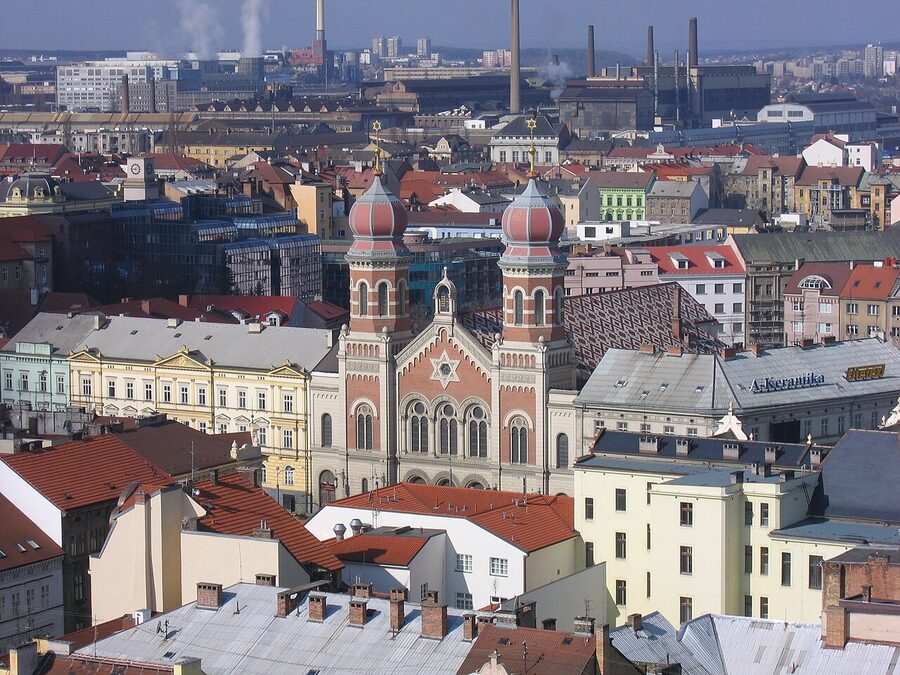
Plzeň is a proper small Czech city, not just a brewery. The old town is compact and walkable, the main square (náměstí Republiky) has two Renaissance-era buildings worth 15 minutes each, and the Great Synagogue is the third-largest in the world (after Jerusalem and Budapest) and one of the best-preserved in central Europe. If you have a couple of extra hours before your train back:
- Great Synagogue. 20 minutes. 1893 Moorish-revival building, still in use.
- Brewery Museum. Different from the brewery tour — this is a standalone history museum of Czech brewing. Worth an hour.
- Plzeň Historical Underground. A guided walk through the medieval cellars beneath the town, similar to the Prague underground tour but smaller and quieter.
- Puppet Museum. Niche and charming. The puppet tradition is central to Czech culture.
Lunch in Plzeň
Two solid options near the brewery:
Na Spilce — the brewery’s own on-site restaurant, located inside the complex. Hearty Czech food, unpasteurised Urquell on tap, prices reasonable by tourist-site standards. About $15-20 per person.
U Salzmannů — the oldest pub in Plzeň, dating to 1637. Ten-minute walk from the brewery into town. Traditional menu, excellent beer pour. This is where Plzeň locals take their out-of-town friends.
When to Book the Tour
The on-site Plzeň tour runs multiple times a day in English, German, and Russian. English slots are at 10am, 12:45pm, and 2:45pm — book in advance in summer (the 12:45 slot especially). Winter has fewer English slots; book a week ahead.
The Prague Experience venue runs continuous entries throughout the day — less need to pre-book unless you want a specific time slot with the 3-tasting upgrade.
Practical Details
Duration. 100 minutes (Plzeň) or 60-90 minutes (Prague Experience).
Age. All ages can enter, but beer tastings are 18+. Under-18s get a soft drink alternative.
Accessibility. Plzeň tour has stairs in the cellar — no wheelchair route. Prague Experience is fully step-free.
Walking. You walk about 2km on the Plzeň tour — the brewery site is large.
Photography. Allowed everywhere, no flash in the cellar.
Language. Tours run in English, German, Russian. Check schedule.
.jpg)
Other Prague and Czech Guides Worth Reading
A Plzeň brewery day pairs well with a Prague pub day either side of it. After the Plzeň trip, the Prague pub crawl will feel completely different — you’ll actually know what you’re drinking. If you want to taste the beers you learned about on the tour in proper food context, the Prague food tour is the natural follow-up. For something entirely different, the Bohemian Switzerland day trip is the other great Prague-based day excursion — nature instead of industry.
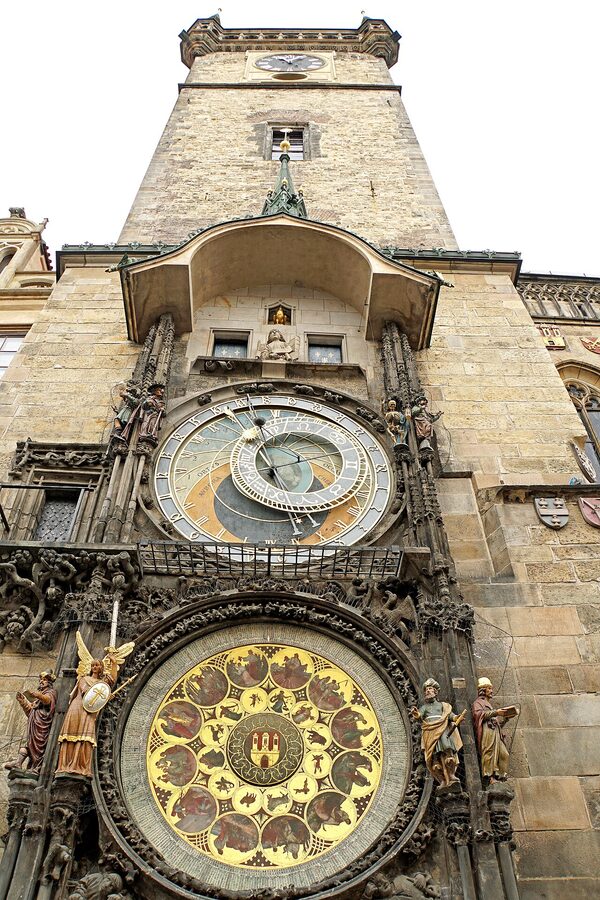
And back inside Prague itself, the Astronomical Clock tower, the Klementinum, and a beer spa — these three together make a full Prague weekend once the brewery trip is ticked off.
Disclosure: This site earns a commission on bookings made through the links above, at no extra cost to you. We only recommend tours we’ve researched and would book ourselves.