
Standing on top of Pulpit Rock takes four hours of switchbacks, sweat, and a final scramble across a cliff that drops 604 metres straight into the fjord. Cruising past Pulpit Rock from the water takes three hours, costs about the same, and you do it sitting down with a coffee in your hand. Same rock, same fjord, completely different experience, and most first-time Stavanger visitors don’t realise the cruise even exists until they’ve already booked the hike.
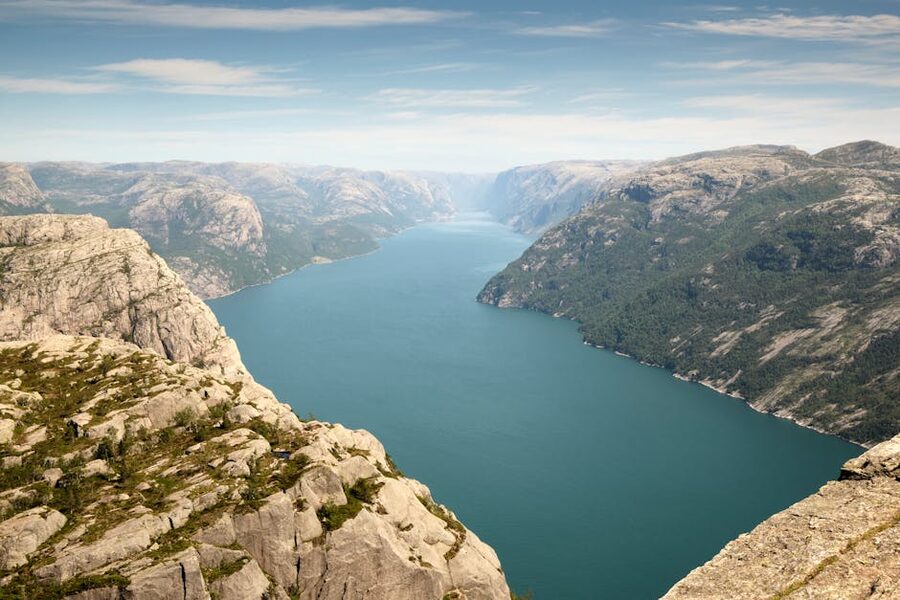
The Lysefjord cruise is the easy way to see Norway’s most photographed fjord. Boats leave from Stavanger’s main harbour, run for about three hours, and take you up the 42km fjord as far as the Hengjanefossen waterfall before turning back. Pulpit Rock looks completely different from below, the goat colony at the cliff base will eat from your hand, and the waterfall spray actually reaches the boat. This guide covers the three best operators, what to expect on board, when to go, and the question I get asked most: cruise or hike.
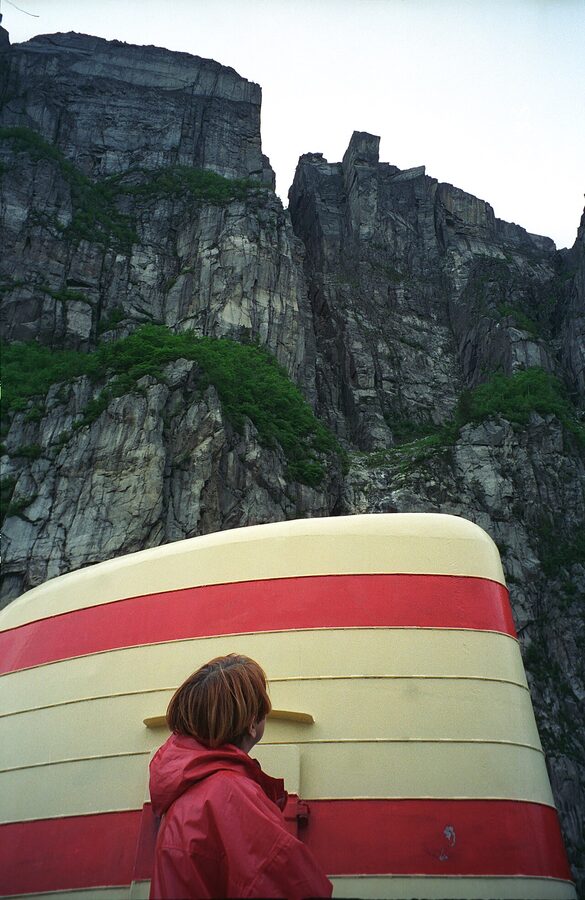
Best overall: Stavanger to Lysefjord Scenic Cruise. About $82, three hours on a comfortable electric vessel, the most-booked option for a reason.
Cheapest pick: Lysefjord and Pulpit Rock Cruise. About $89, 2.5 hours, slightly shorter route but hits every major sight.
Best for adventure: Lysefjord RIB Safari. About $131, two hours of fast open-boat thrills with full safety suits.
- Cruise from below versus hiking from above
- What you actually see on the cruise
- Three Lysefjord cruises worth booking
- 1. Stavanger to Lysefjord Scenic Fjord Cruise:
- 2. Stavanger Lysefjord and Pulpit Rock Cruise:
- 3. Stavanger Lysefjord RIB Safari: 1
- How to book and what each ticket includes
- Booking timeline by season
- What to bring on the boat
- Best time of year for the cruise
- Best time of day
- How the cruise compares to a RIB tour
- What it’s like at Vagabond’s Cave
- Hengjanefossen waterfall up close
- Practical tips most travellers don’t get told
- Getting to Stavanger
- Where to stay near the cruise pier
- A bit of history of the Lysefjord
- Common questions about the cruise
- Do you actually see Pulpit Rock from the boat?
- Is the cruise wheelchair accessible?
- Can you see the Northern Lights?
- Does the cruise run if it’s raining?
- Is three hours too long for kids?
- Can you combine the cruise with the Pulpit Rock hike?
- Combining the cruise with other Stavanger experiences
- Other Norway boat experiences worth knowing
Cruise from below versus hiking from above
This is the call most travellers don’t realise they’re making. Both routes show you Pulpit Rock. They show you completely different things.
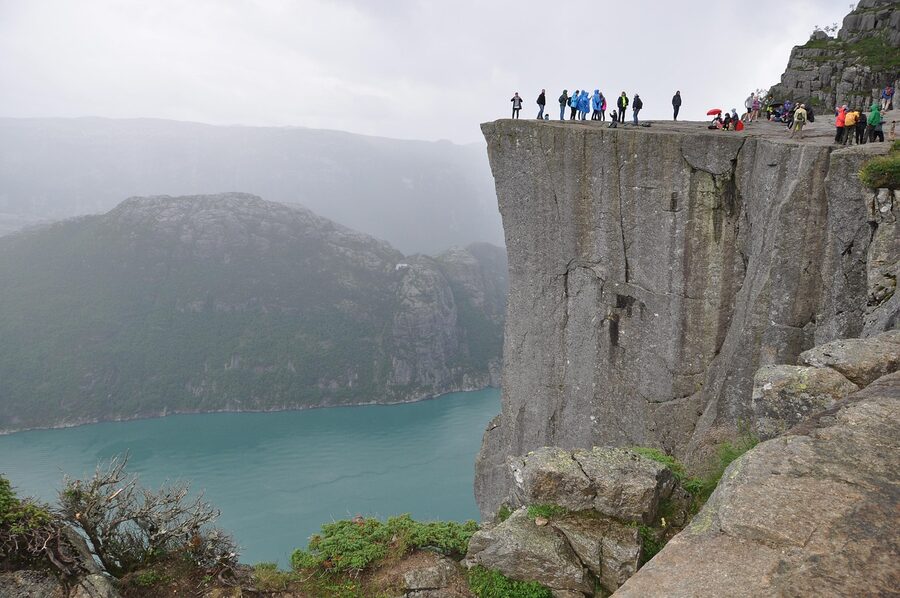
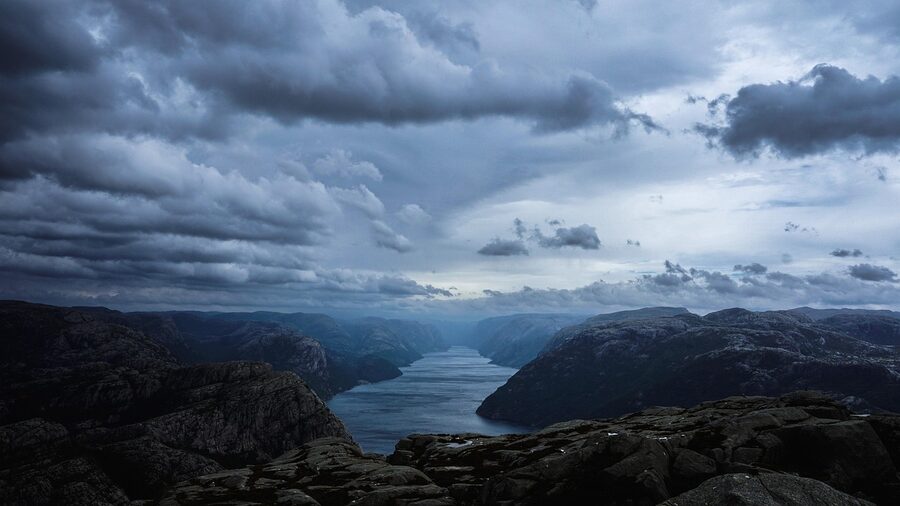
The hike is a 4-hour round trip on a popular trail, with a 500-metre vertical climb and a final stretch that crosses bare granite slabs. You earn the view but you only see one view: looking down from the platform itself, you can’t really see Pulpit Rock because you’re standing on it. Most hikers I know took maybe two photos of the actual rock and a hundred selfies of themselves. The route is exposed in bad weather and the parking and toll add up. Our full Pulpit Rock guide covers the hike in detail.
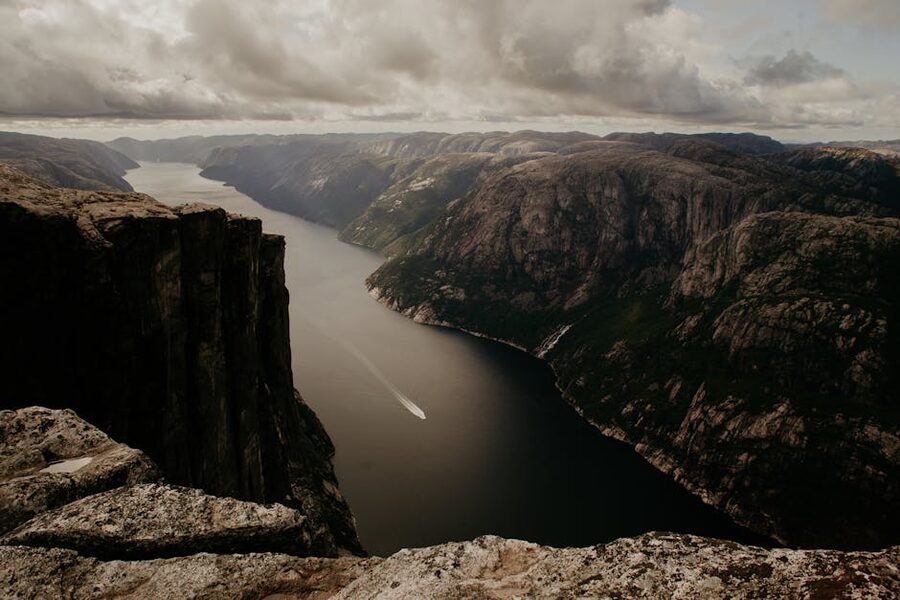
The cruise is the opposite. You see Pulpit Rock from below, the way photographers shoot it. You see it from across the fjord, where the platform reads as a clean rectangular cut against the cliff. You see the eight other waterfalls between Stavanger and the rock, the goat colony at Vagabond’s Cave, and the deep silence of a fjord that’s a kilometre deep in places. You don’t earn it the same way. But you see more.
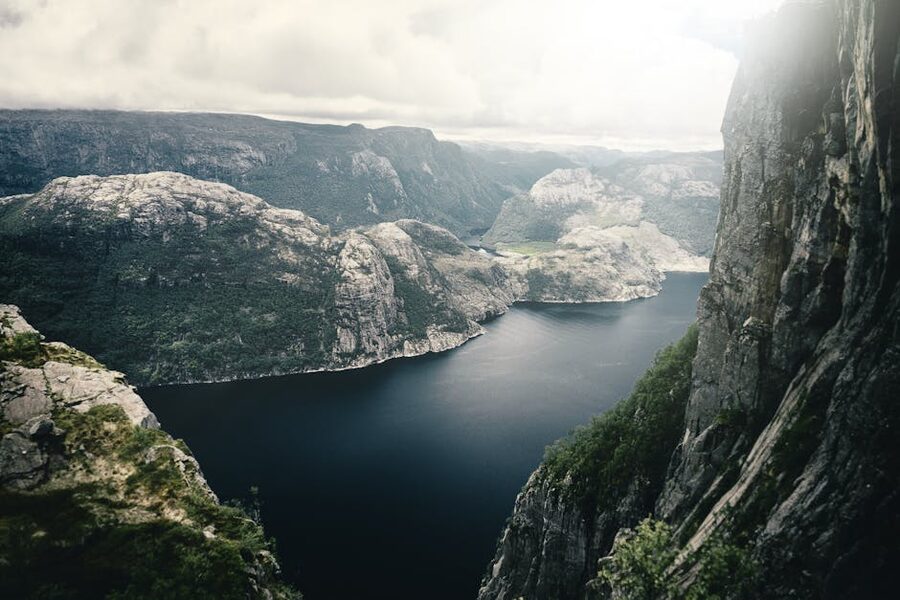
If you have two days in Stavanger, do both. Hike one day, cruise the next. If you only have one day or you’re with kids, older travellers, or anyone with a dodgy knee, the cruise wins. If the weather’s grim, the cruise wins again because the view doesn’t depend on cloud cover at altitude.
What you actually see on the cruise
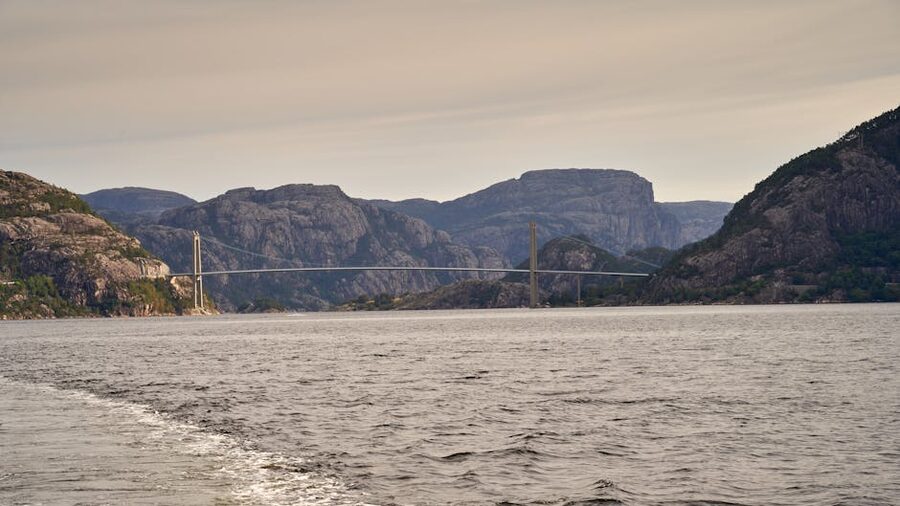
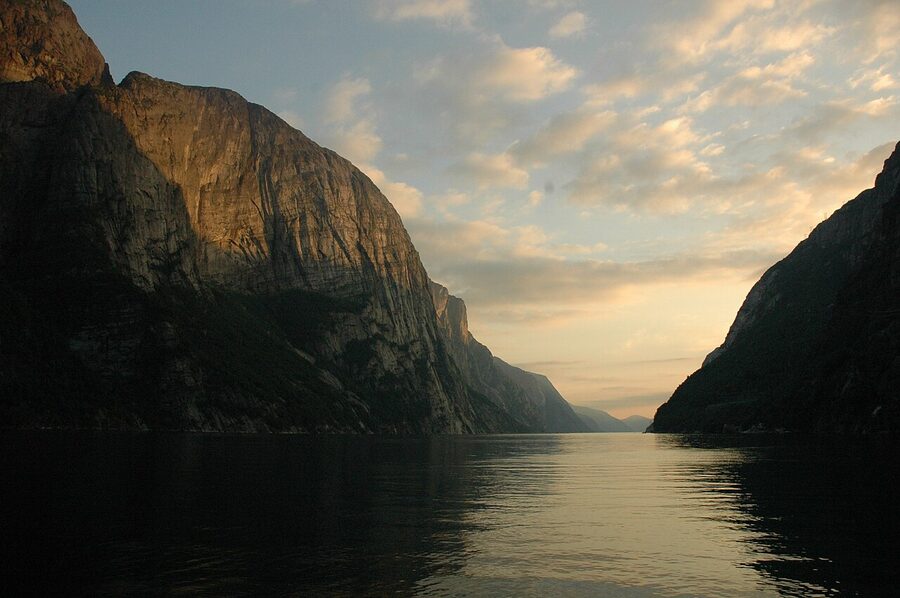
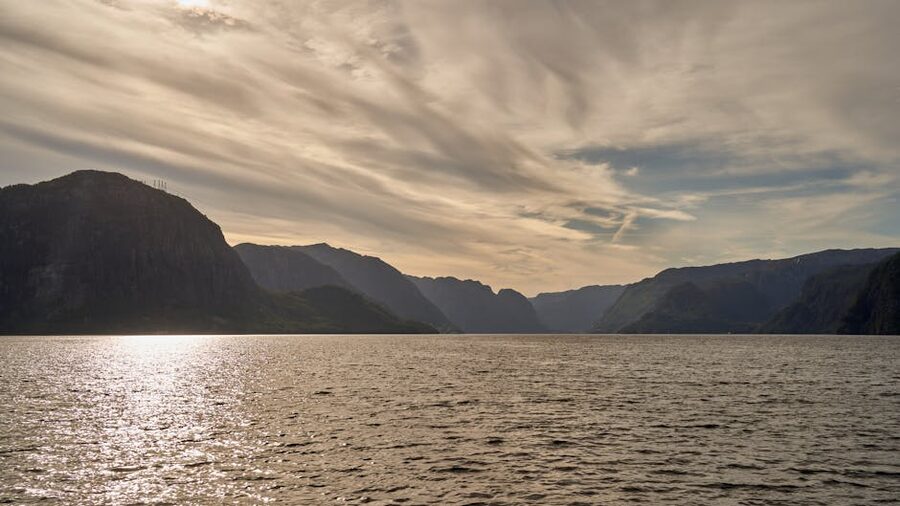
The boat leaves Stavanger’s main harbour and crosses Gandsfjord first, which is a wide stretch of water that doesn’t feel particularly dramatic. Don’t worry. The drama starts after about 30 minutes when you pass under the Lysefjord Bridge at Oanes and the cliffs close in. The fjord narrows from kilometres wide to a few hundred metres, and the walls go up.
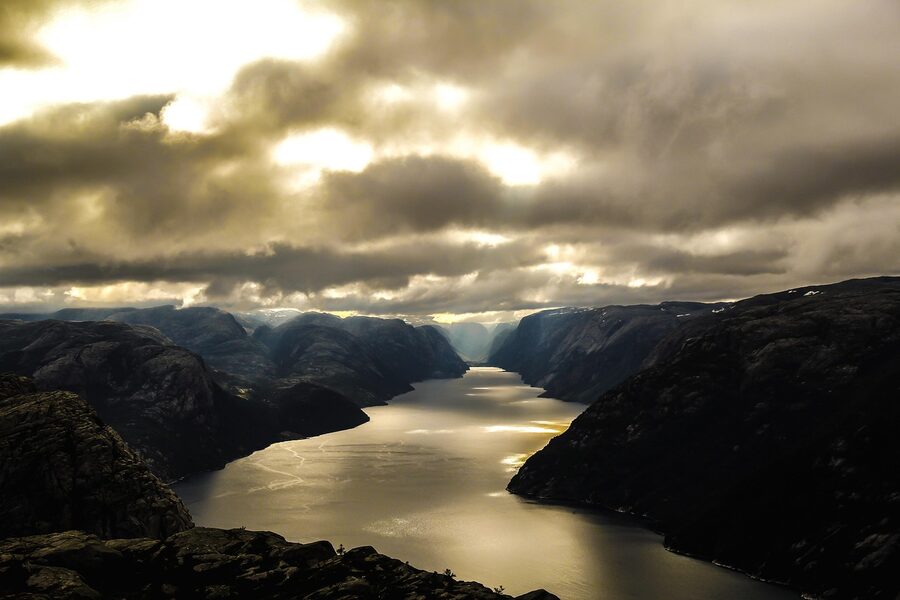
From the bridge to Hengjanefossen waterfall is the heart of the trip. The captain narrates from the bridge, in English plus usually Norwegian and German, pointing out:
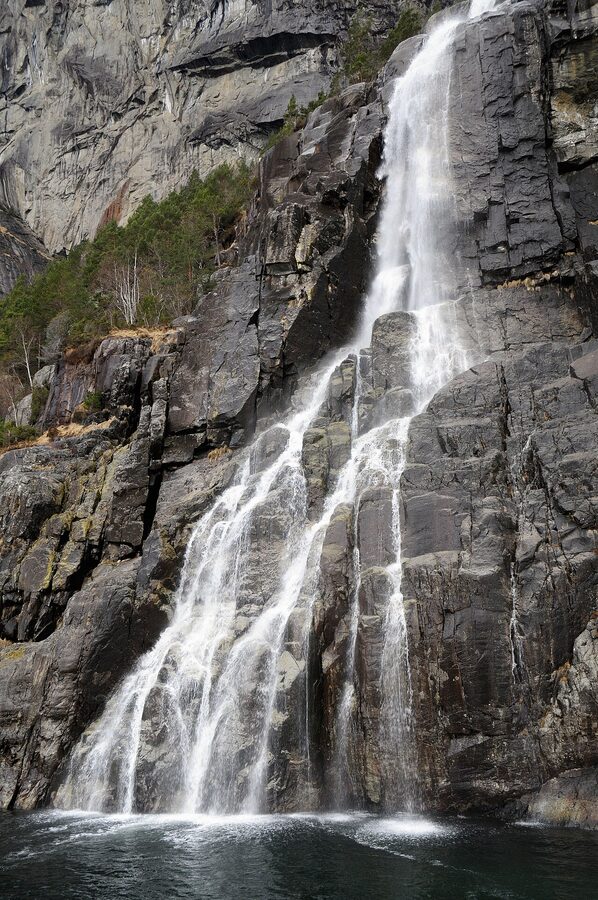
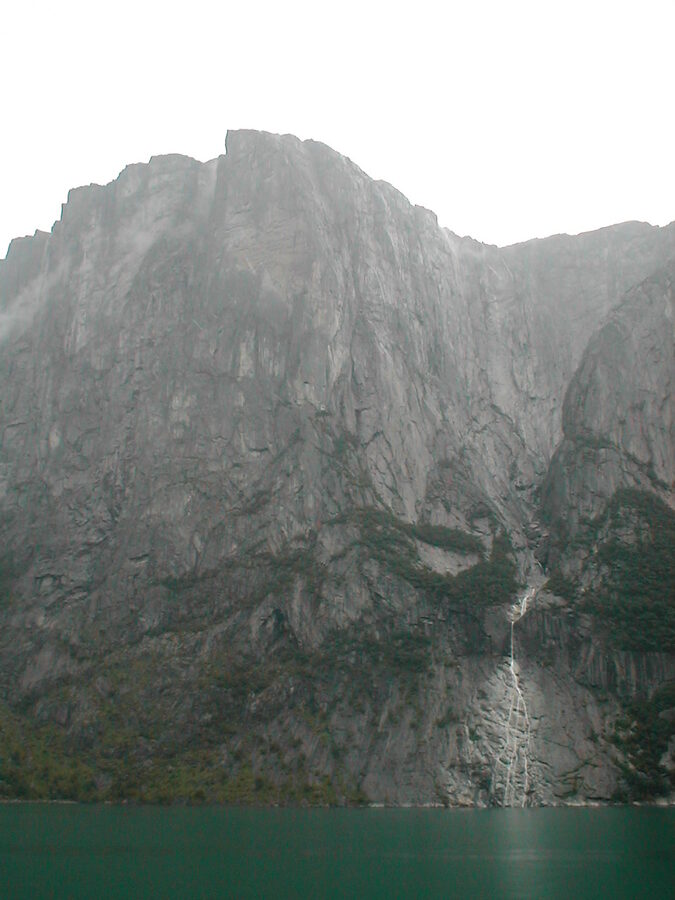
- Hengjanefossen waterfall: a 100-metre drop on the south side, the boat noses in close enough that the spray reaches the deck. Bring a thin shell jacket if you don’t want to get damp.
- Vagabond’s Cave: a wide, shallow cave at the base of the cliff where wild mountain goats come down to be fed bread by passing boats. The captain throws a few slices and the goats appear within seconds. It looks staged but it’s the actual goat behaviour now.
- Preikestolen from below: the cliff face under Pulpit Rock is mostly smooth granite for 600 metres straight up. The platform is barely visible from directly underneath. The boat backs off a few hundred metres so you can frame it properly for photos.
- Florli: a tiny village at the head of the fjord with the world’s longest wooden staircase, 4,444 steps, that climbs from sea level to 740 metres. Most cruises turn around before reaching it but it’s visible from the water.
.jpg)
The return leg is faster. The captain holds at Pulpit Rock for ten minutes, runs the commentary again from a different angle, then heads back. By the time you dock you’ll have done about 70km of fjord water in three hours.
Three Lysefjord cruises worth booking
Stavanger’s small enough that the entire cruise market runs out of two adjacent piers in the main harbour. Three operators do most of the volume. Here’s how I’d pick between them.
1. Stavanger to Lysefjord Scenic Fjord Cruise: $82
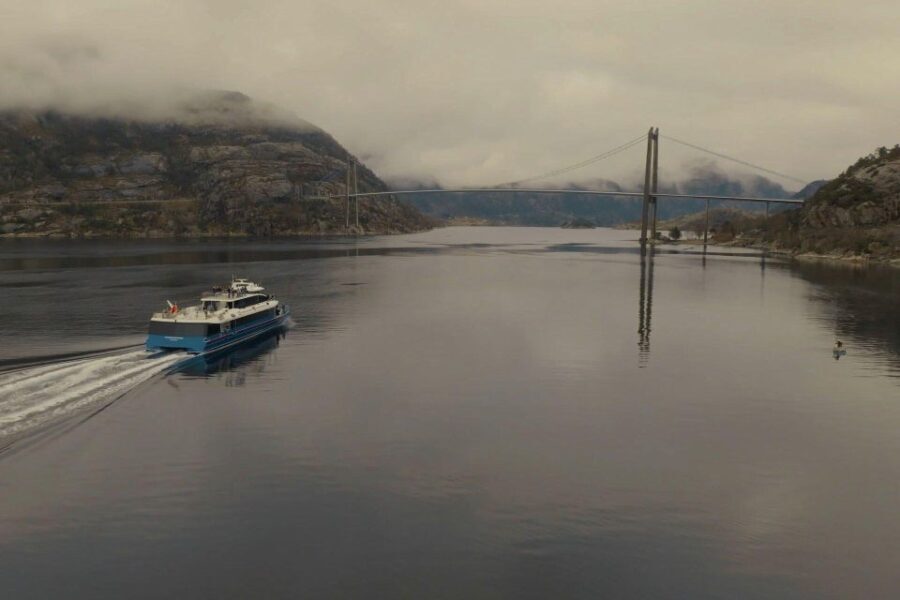
This is the one I send most people to. It’s the most-booked Lysefjord cruise out of Stavanger and runs on modern hybrid vessels with covered seating, an outside deck, and a small café on board. The 3-hour route covers everything I described above: bridge, Hengjanefossen, Vagabond’s Cave, and Pulpit Rock. Our full review of the scenic fjord cruise goes deeper on the daily schedule and what’s served on board.
2. Stavanger Lysefjord and Pulpit Rock Cruise: $89
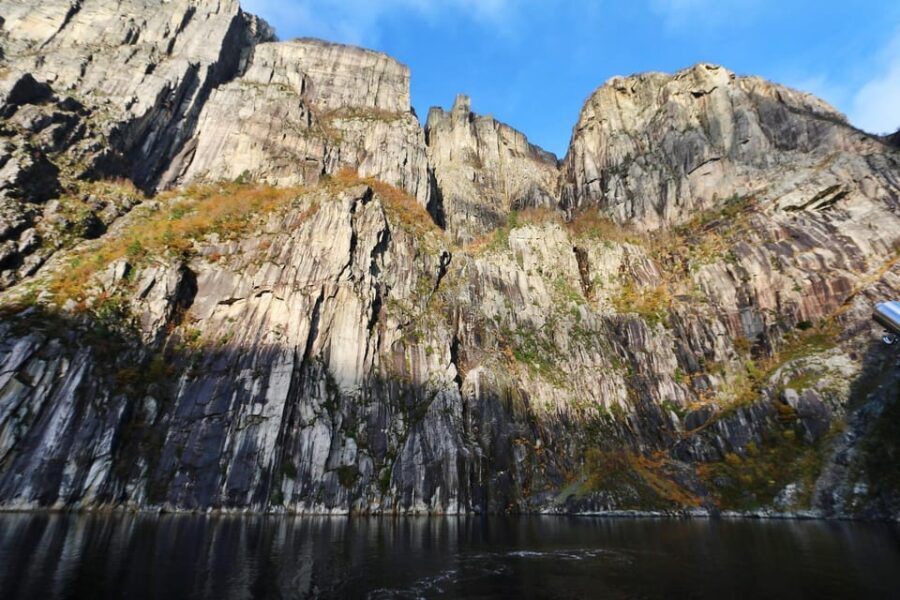
Pick this one if you want a cruise but you’ve also got dinner reservations or a flight to catch. It’s 30 minutes shorter than the standard scenic cruise and skips the slowest narration sections, but you still get every major stop. Our review notes the daytime departures sell out faster than the longer cruise in summer, so book a few days ahead in July and August.
3. Stavanger Lysefjord RIB Safari: $131
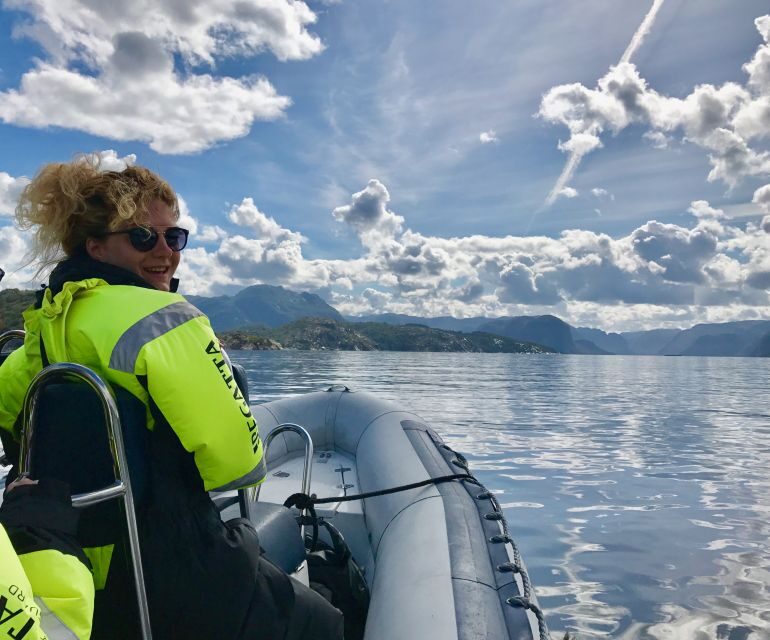
This one’s a different experience. The RIB is a 12-person rigid inflatable that gets to Pulpit Rock in 30 minutes flat and gives you twice as much time at each stop. You wear a heated suit and goggles and you sit in a saddle seat. Our RIB review is honest about the trade-off: faster, more thrilling, harder on bad backs and not great if you’re prone to seasickness.
How to book and what each ticket includes
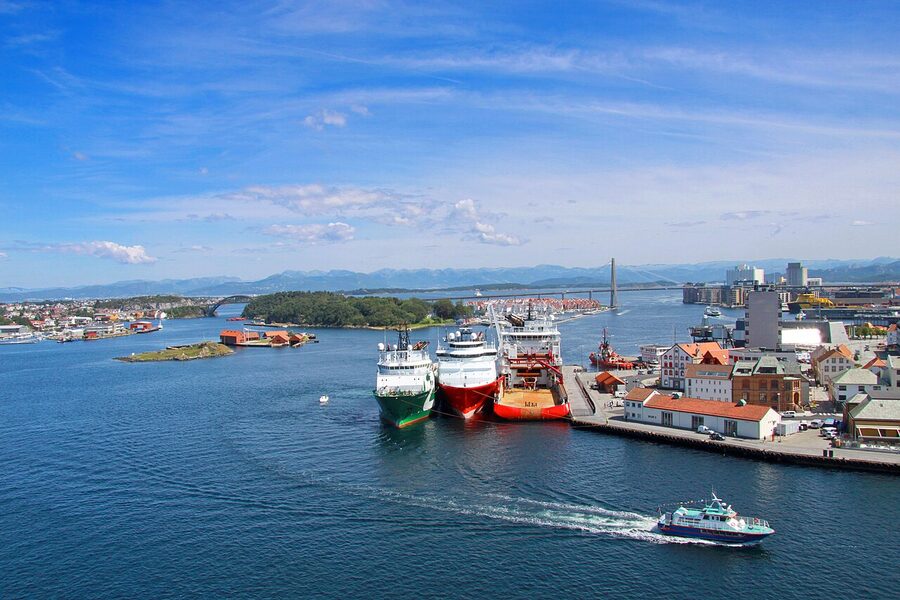

All three operators sell tickets online through GetYourGuide or directly on their own sites. The GetYourGuide price often matches the operator’s site or beats it during sales, and you get free cancellation up to 24 hours out. The standard cruise ticket includes:
- The 3-hour return cruise from Stavanger harbour
- Onboard captain narration in English (and usually Norwegian, German, and one or two others depending on bookings)
- Access to indoor seating and an outdoor open deck
- Cafe on board (extra charge: coffee about NOK 35, sandwich about NOK 80)
Tickets do not include food or drinks beyond what you buy on board, hotel pickup, or any guarantee of weather. The cruise runs in light rain. Heavy weather is rare but the operators reserve the right to cancel and refund.
Booking timeline by season
Summer (June through mid-August) is busy. The 11am and 1pm sailings sell out 1-3 days ahead in July. Book before you arrive in Stavanger if you’re set on a specific day. Outside peak summer you can usually walk up to the pier 30 minutes before departure and get a ticket. The cruise runs year-round but winter sailings (November to March) are once or twice daily versus 4-6 times daily in summer.
What to bring on the boat
The boats run year-round. Norwegian fjord weather doesn’t read the calendar. A few things that make the difference between a good trip and a damp one:
- A windproof shell: even in July at 25C in Stavanger town, the open deck on the fjord is 5-10C cooler with wind chill
- Sunglasses: cliff glare and water reflection are brutal on bright days
- A real camera or a clean phone lens: you’ll want to shoot everything and the wide cliffs eat the dynamic range on a dirty lens
- A small bag of bread or fruit if your operator allows it, for the goats at Vagabond’s Cave. Some boats hand out bread for free, others don’t bother
- Seasickness tablets if you’re prone. The fjord itself is glass-smooth on most days but the open Gandsfjord crossing at the start can roll a bit in wind
You don’t need hiking boots, trekking poles, or any of the gear the Pulpit Rock hike requires. Trainers are fine. Most of the time you’re sitting indoors or standing on a flat deck.
Best time of year for the cruise
I’ve cruised Lysefjord in May, July, and October and they were three different experiences.
May: snowmelt season. Every cliff has water running off it. Every gully is a waterfall. The fjord is the most dramatic it gets all year. Cool weather though, so bring a fleece. Tourist crowds are thin.
June through August: peak. Long daylight hours mean you can take a 6pm departure and still get golden light. Warmest weather. Fullest boats. Best for kids because the sun is up forever and motivation stays high.
September and October: my secret pick. Autumn colours up the cliff sides, fewer tourists, the air is sharp and clear. Some operators wind down to 1-2 sailings a day in October. Bring proper layers.
November to March: limited sailings, often only at midday, but you might be the only people on the boat. The fjord with snow on the cliff tops is properly dramatic. Cold, though. Genuinely cold.
Best time of day
I’d go for the 11am or 1pm sailing if you have the choice. Morning light is sharper for photos at Pulpit Rock, the sun is high enough that the south wall is properly lit, and you’re back in Stavanger by 4pm with a full evening ahead. Evening cruises in summer have their own charm but the photo angles aren’t as good once the sun drops behind the western cliffs.
How the cruise compares to a RIB tour
The standard cruise and the RIB safari are not the same product. They overlap in the fjord they cover but the experience is genuinely different.
The cruise is comfort and information. You’re warm, dry, you can buy a coffee, the captain narrates over a PA system, and you mostly stay seated. It works for kids, it works for grandparents, it works if you want to see the fjord without thinking about it.
The RIB is exhilaration. You wear a thermal suit, you sit in a saddle, you take spray in the face on the open Gandsfjord stretch, and you go fast. At each stop you actually stop, sometimes nose right into a waterfall. The downside: it’s harder on backs and necks, it costs more, and small kids and seasickness-prone passengers struggle. If you’re young, fit, and want adventure, RIB. If you want to relax, cruise.
What it’s like at Vagabond’s Cave
Vagabond’s Cave is the moment kids remember. About halfway up the fjord, the captain pulls the boat in close to a wide horizontal rock shelf at the cliff base. There’s no jetty, no platform, just rock and a shallow recess in the cliff. Within seconds, two or three wild mountain goats appear at the cave mouth, looking down expectantly.
The captain throws bread overhead. The goats catch it or pick it off the rock. Someone usually leans out with a hand and a goat will jump down to grab a piece directly. It’s the only time on the cruise the boat goes silent because everyone’s filming.
The cave is named for a wandering monk or hermit (versions vary depending on which captain you ask) who supposedly lived there for some period. The historical record is thin and the operators clearly don’t worry about it. The point is the goats and the cave is a good 5-minute pause in the middle of the cruise.
Hengjanefossen waterfall up close
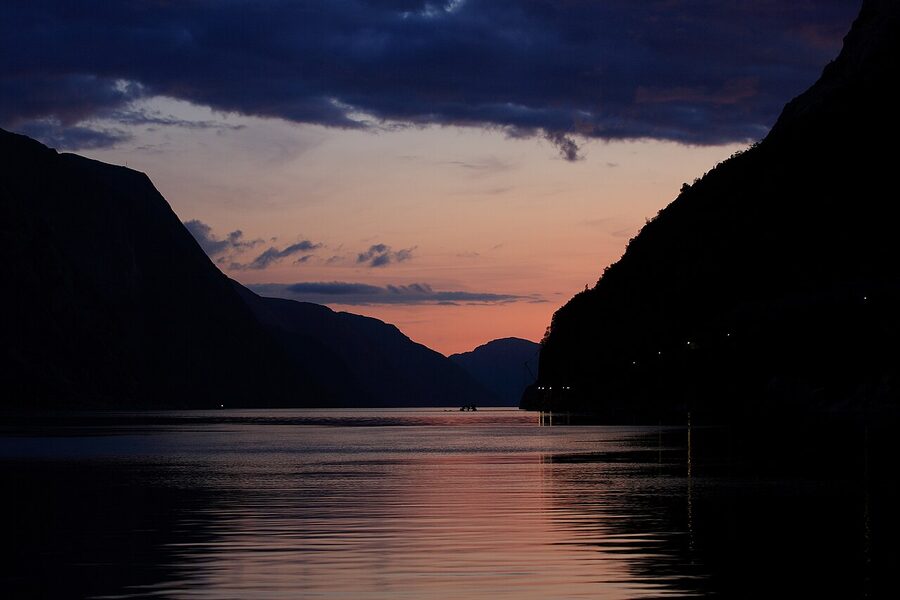
The boat noses into Hengjanefossen waterfall at the deepest point of the fjord. The water column drops about 100 metres straight down the cliff face into the fjord. From the deck the spray reaches you. Not a soft mist. Proper droplets. People standing at the bow get wet.
The captain holds the boat in place for 5-10 minutes here. It’s the loudest moment of the cruise: the engine cut, the waterfall roaring, no other sound for a kilometre in any direction. Bring a microfibre cloth for your phone lens.
In dry weather (rare) Hengjanefossen can shrink to a thin trickle. Even then it’s worth the stop because the cliff acoustics are extraordinary. Talk and your voice bounces back from the opposite wall a second later.
Practical tips most travellers don’t get told
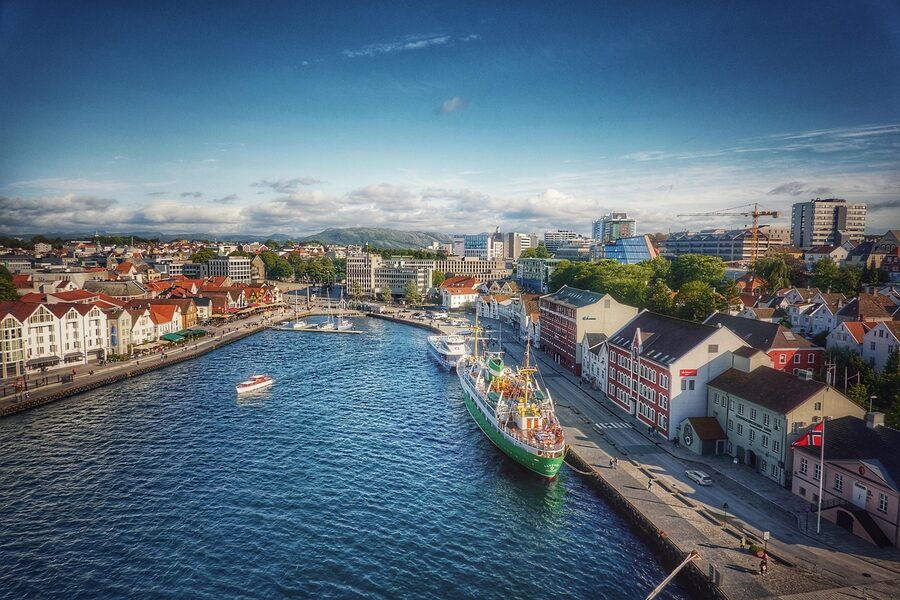
A few things I learned the hard way that nobody warns you about.
Sit on the right side going out, left side coming back. The most dramatic cliff faces and Pulpit Rock are on the south side of the fjord. Outbound, that’s your right (starboard). Return leg, left (port). On a sunny day this also keeps you out of the sun’s direct glare for most of the trip.
The first 30 minutes are slow. Crossing Gandsfjord is open water and not particularly scenic. Use this time to sit indoors, get coffee, work out where the cleanest viewing spots are. The wow moment starts right after Lysefjord Bridge.
The cafe runs cash and card. Norwegian cafes are mostly card-only now but the cruise cafes accept both. NOK 35 for a coffee is normal Norwegian pricing, so don’t be shocked.
Toilets exist on board but they’re tight. Use the harbour toilets before boarding. The onboard ones are airline-cabin small and there’s usually a queue at the halfway point.
The captain announces over the PA but the indoor cabin’s PA is louder than the outside. If you want to hear the narration, sit indoors when the captain starts speaking, then go back outside for the visual. Or stay outside and pick up the broad strokes from context.
Photos: turn off auto-HDR. The dynamic range between bright sky and shadowed cliffs confuses HDR algorithms. Single exposures look better. Bracket if your phone has it.
Getting to Stavanger
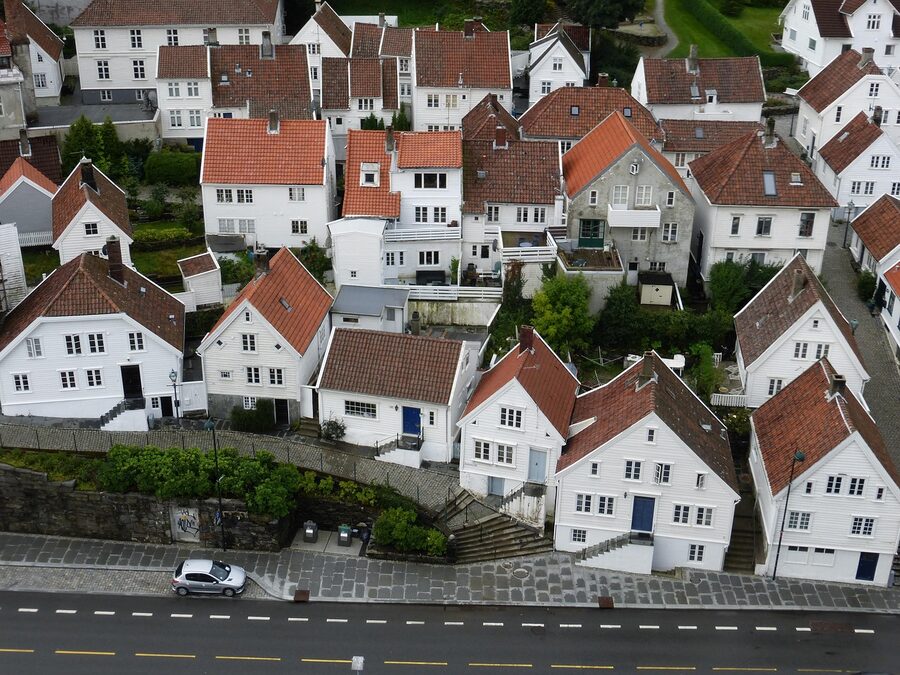
Stavanger is in southwestern Norway and easier to reach than most Norwegian destinations.
- By air: Stavanger Airport (Sola, SVG) has direct flights from London, Amsterdam, Copenhagen, Oslo, and a handful of European cities. From the airport, the Flybussen takes 25 minutes to the cruise pier (NOK 130 one way). Taxis run NOK 350-450.
- By ferry from Bergen: the Hurtigruten coastal route stops at Stavanger. The 4-hour Norled fast ferry from Bergen costs NOK 700-900 and is itself a fjord cruise.
- By train: from Oslo it’s an 8-hour scenic ride. NOK 800-1,200 depending on advance booking. Doable as part of a wider Norway loop but not for a quick weekend.
- By car: from Bergen is 5-6 hours including the ferry across Boknafjord. Not the most efficient route.
Most international visitors fly in for the cruise, do it in one day, and fly out the next morning. If you have more time, our Bergen fjord cruise guide covers Norway’s other big cruise hub three hours up the coast.
Where to stay near the cruise pier
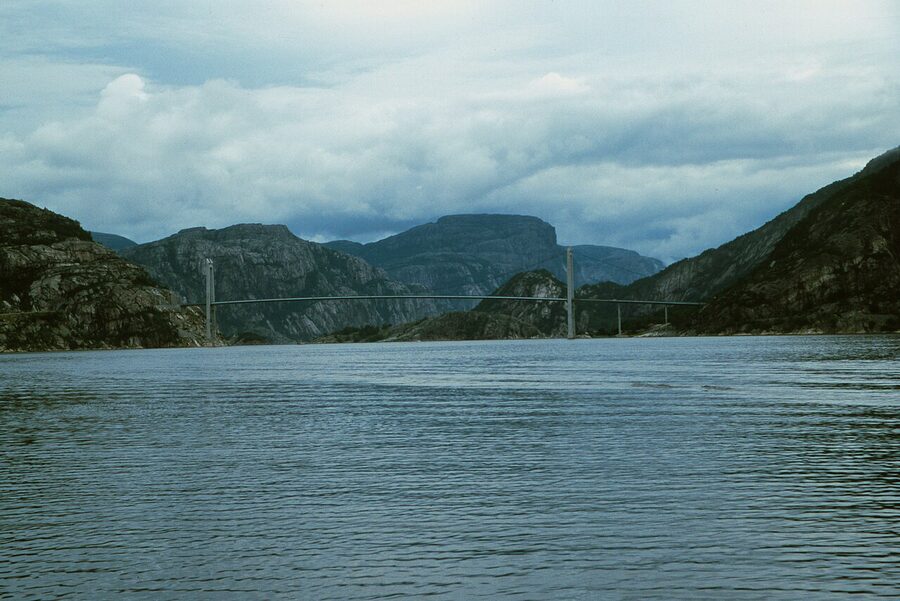
Stavanger’s a small city. Anywhere in the centre is a 5-10 minute walk to the cruise pier. The neighbourhoods worth knowing:
- The harbour: most expensive but you wake up looking at the water. Clarion Hotel Stavanger sits literally above the cruise pier.
- Old Stavanger (Gamle Stavanger): the white wooden house district up the hill. Quieter, cheaper, 8 minutes’ walk down to the pier.
- By the cathedral: middle ground. Walking distance to everything, restaurants on your doorstep.
If you’re booking same-day for the cruise, stay central. Don’t be tempted by an Airbnb 20 minutes out of town. The cruise is enough of a logistical event that you don’t want to also be hunting for the bus.
A bit of history of the Lysefjord
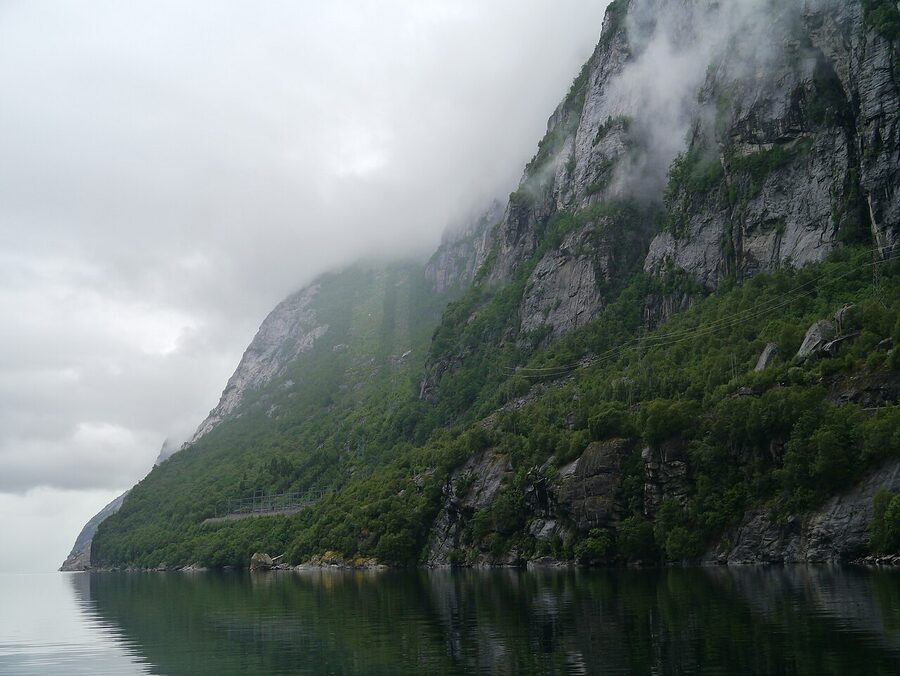
Lysefjord, Norwegian for “light fjord” and named for the pale grey granite that catches the sun, was carved by glaciers over the last million years. The fjord is 42km long and 422 metres deep at its deepest, which means the cliffs continue almost as far below the water as they rise above it. From sea bottom to clifftop is over a kilometre of vertical rock in places.
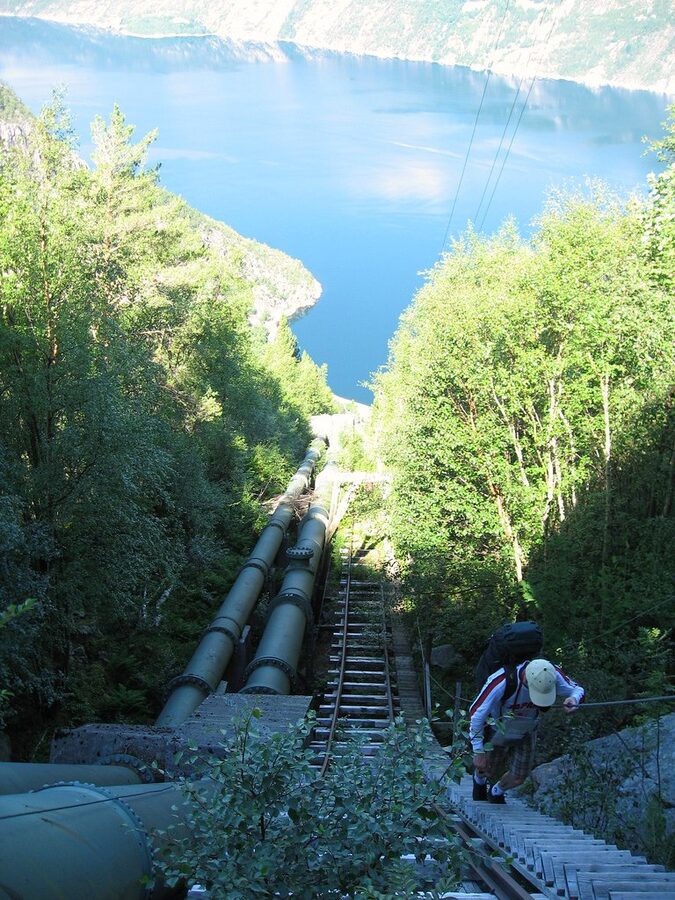
The fjord was sparsely populated for most of recorded history. Tiny farming hamlets clung to the few flat patches at the cliff base. Florli, at the head of the fjord, was a hydroelectric station from 1918 until the 1990s. Workers hauled supplies up the 4,444-step wooden staircase that still stands today, the longest wooden stairs in the world. You can climb them as a separate excursion but it’s brutal: 740 vertical metres on uneven wood.
Pulpit Rock itself is a flat platform of granite, roughly 25 by 25 metres, sitting 604 metres above the fjord. Geologists believe it was sheared off the cliff face by glacial action somewhere around 10,000 years ago. The rock is criss-crossed by fissures and there are persistent (probably overstated) predictions that one day the whole platform will fall into the fjord. Don’t worry about this on the cruise. You’re below it, not on it.
Common questions about the cruise
Do you actually see Pulpit Rock from the boat?
Yes, clearly. The boat positions itself a few hundred metres off the cliff face so you can take in the whole rock from below. Most photos you’ve seen of “Pulpit Rock from below” were taken from one of these cruises.
Is the cruise wheelchair accessible?
The standard scenic cruise is. The vessels have ramps to the indoor cabins and accessible toilets. The RIB safari is not, since it requires getting in and out of saddle seats. Call the operator if mobility is a concern, they’re used to the question.
Can you see the Northern Lights?
Not really. Stavanger is too far south for reliable aurora. For Northern Lights, head to Tromsø or Lofoten. Our Tromsø guide covers what’s actually realistic.
Does the cruise run if it’s raining?
Yes. Light to moderate rain doesn’t cancel the cruise. The indoor cabin keeps you dry. Some passengers swear the fjord is more atmospheric in mist anyway. Heavy storms or strong winds are the only weather that cancels, and you’re refunded if so.
Is three hours too long for kids?
Depends on the kid. Mine were fine at 7 and 9 because the goats and the waterfall break up the middle. Under 5 it can drag, so bring tablets, snacks, and a tolerance for fidgeting. The RIB safari is faster but louder and bumpier; not a clear win for younger kids.
Can you combine the cruise with the Pulpit Rock hike?
Not easily in one day. The hike alone takes 4-5 hours plus 90 minutes of driving each way from Stavanger. The cruise is 3 hours plus 15 minutes’ walk to the pier. Doing both means an extremely long day starting at 5am and you’ll be too tired to enjoy the second one. Spread them across two days if you want both.
Combining the cruise with other Stavanger experiences
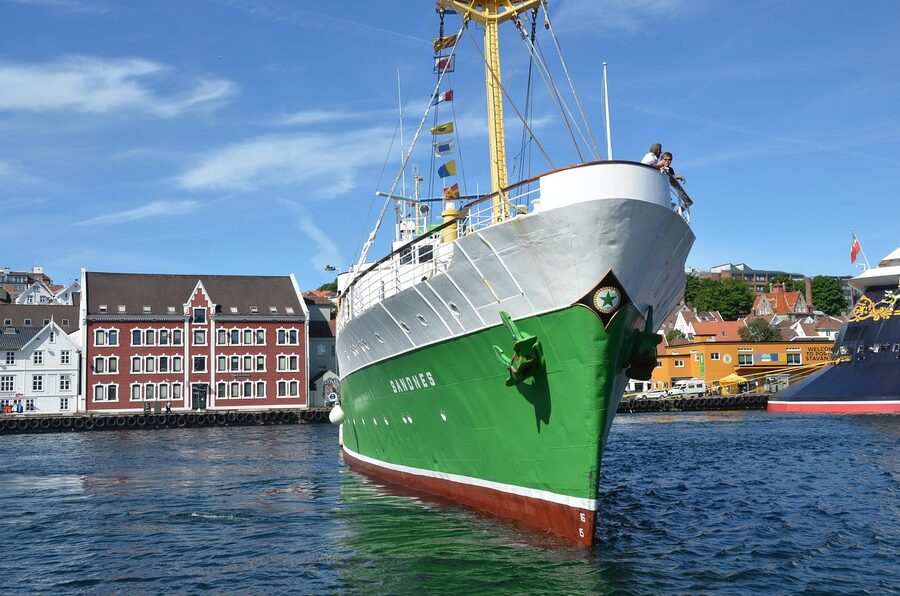
The cruise leaves you with a free afternoon if you take the morning sailing, or a free morning if you go in the afternoon. Worth filling with one of these:
- Old Stavanger walking tour: 173 white wooden houses dating from the 18th century. Self-guided is fine, takes about 90 minutes.
- Norwegian Petroleum Museum: better than it sounds. Stavanger built itself on North Sea oil and the museum is honest about the trade-off.
- Stavanger Cathedral: oldest cathedral in Norway, 12th century, two minutes from the cruise pier.
- The pulpit rock hike: the other side of the same coin, if you have a second day. Read our Pulpit Rock hiking guide first.
If Stavanger is one stop on a wider Norway trip, the natural next move is Bergen or Oslo. A Bergen fjord cruise covers different fjords (Sognefjord and Nærøyfjord) so you don’t get cliff fatigue. The Flåm Railway from Bergen is the most-photographed train ride in Norway and pairs well with a cruise day.
Other Norway boat experiences worth knowing
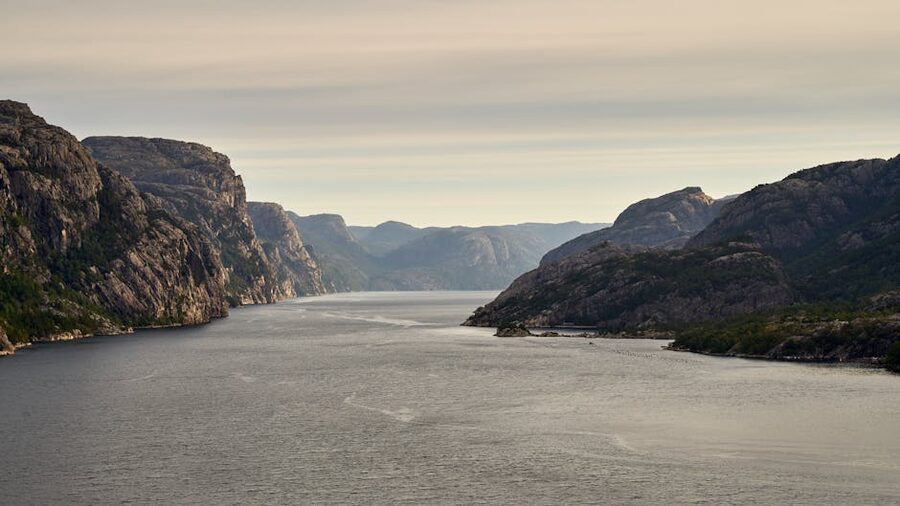
Norway’s coast has more good fjord cruises than I’ve been able to do in a decade of visiting. The ones I’d recommend after Lysefjord depend on where you’re going next. Up north in Tromsø, a fishing cruise swaps cliff scenery for arctic light and the chance of catching dinner. Further north still in Lofoten, a silent electric Trollfjord cruise is what Lysefjord might feel like if you removed the engine noise. A different version of the same idea. Oslo’s fjord cruise is the city option, more about scattered islands than dramatic cliffs. And if you’re heading west into the heart of the fjord country, a Geiranger day tour covers the UNESCO World Heritage cousin of Lysefjord. Lysefjord is the most accessible entry point. Once you’ve done it, the rest of the country starts making sense.
Affiliate disclosure: this article contains affiliate links to GetYourGuide. If you book through them we earn a small commission at no extra cost to you. We only recommend tours we’d genuinely book ourselves.