
About an hour out of Tromsø, the engine cut and the boat drifted. Lars, our skipper, leaned over the rail with a hand line wound around a wooden frame and said, almost to himself, “My grandfather sat right here in March of 1962, and the cod were so thick he just lowered the line and pulled them up like washing.” He grinned at us. “Then he sold the lot to a buyer in Vestlandet, who put them on a boat to Italy. They turned them into bacalà alla vicentina. Same fish you’ll see drying on the racks today, going to the same buyers in Genoa and Naples. Eight hundred years and counting.” He handed me the line. “Your turn.”
That’s a fjord and fishing cruise out of Tromsø in one paragraph. Calm Arctic water, a hand line over the side, a guide who treats the cod trade like it’s still 1300, and lunch made from whatever you pulled up an hour earlier. It’s one of the few tours up here where the locals aren’t performing. They’re just doing what their families have always done, with you as a paying passenger.
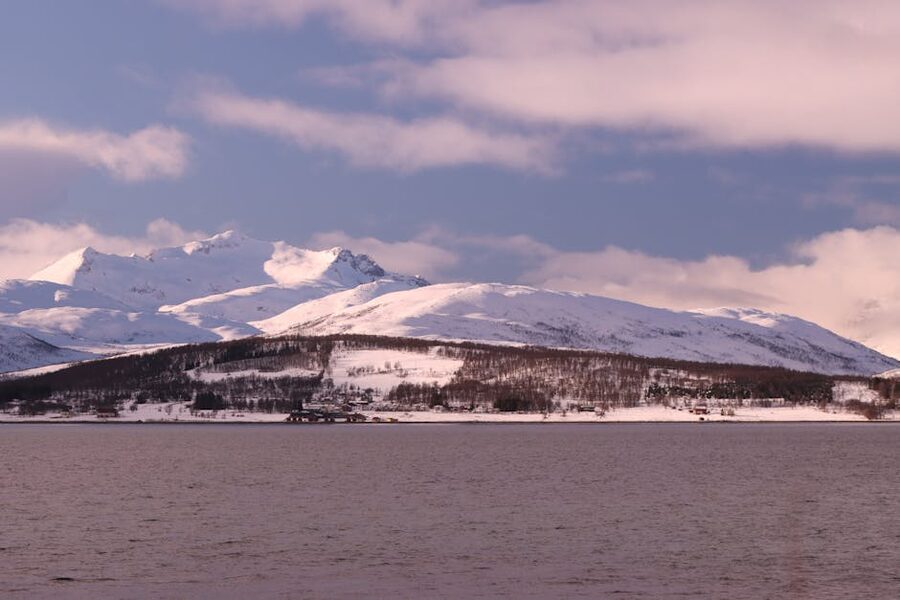
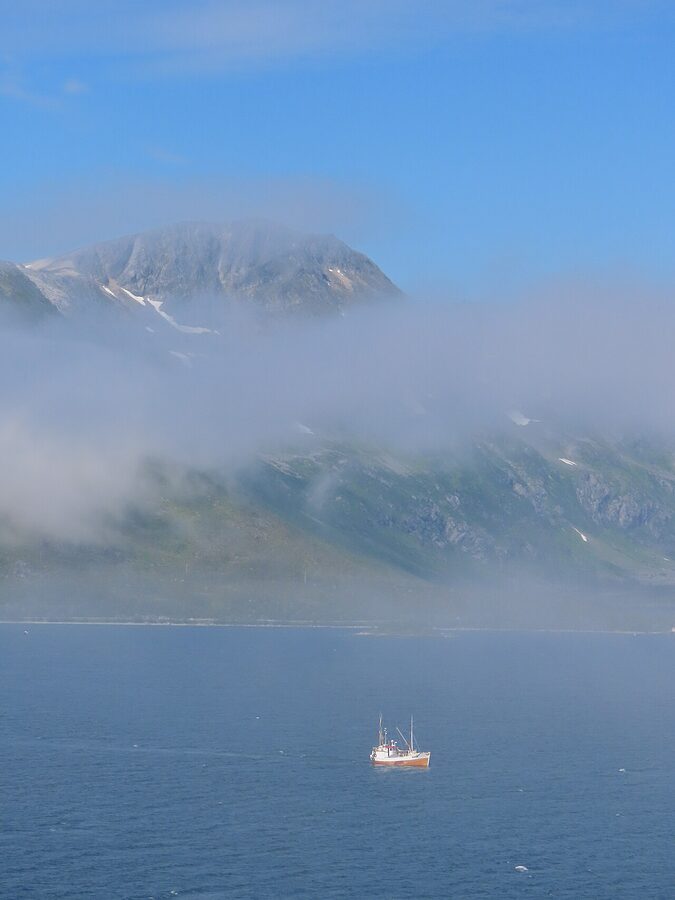

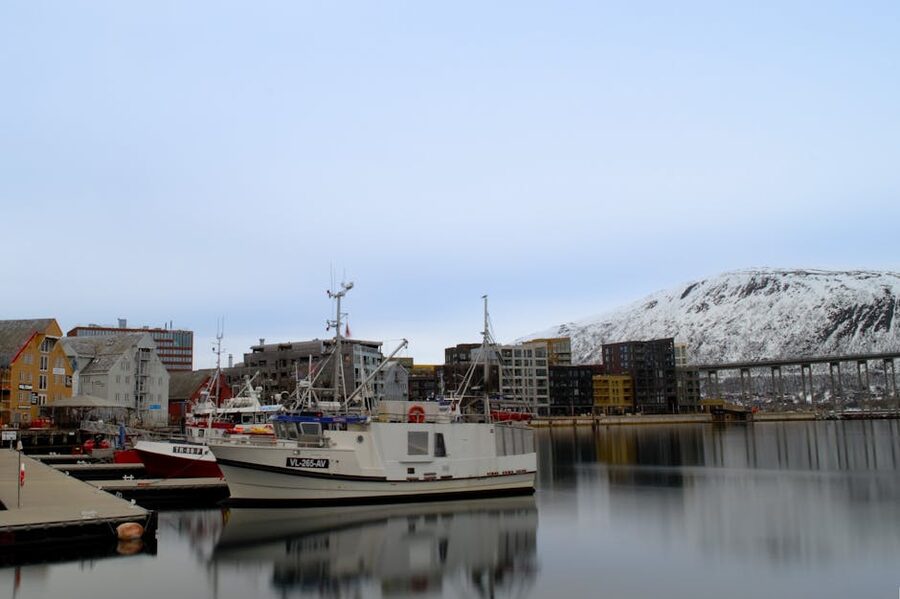
In a Hurry? Three Quick Picks
Best overall: Top-Rated Fjord and Fishing Cruise with Lunch. 5 hours, fish soup made from the catch, around $146 per person. Family-run, the warmest crew you’ll find on the water.
For the stockfish stop: Arctic Fjord Cruise with Stop at Fish Racks. 4 hours, hybrid-electric catamaran, lands at a working fish farm. Around $124.
If you want sleek and modern: Arctic Fjord Cruise in Polar Landscapes. 3.5 hours on a luxury catamaran with a free photography lesson. Around $120.
- In a Hurry? Three Quick Picks
- What This Trip Actually Is
- The Three Tours Worth Booking
- 1. Top-Rated Fjord and Fishing Cruise with Lunch: around 6
- 2. Arctic Fjord Cruise with Stop at Fish Racks: around 4
- 3. Arctic Fjord Cruise in Polar Landscapes: around 0
- How the Fishing Actually Works
- The Stockfish Story Lars Was Talking About
- Wildlife You’ll Probably See
- Lunch on the Boat
- Best Time to Book
- What to Pack
- Where the Boats Actually Go
- Combining With Other Tromsø Activities
- Booking Practicalities
- What This Costs Compared to Elsewhere
- Common Mistakes Worth Avoiding
- If You Only Have Half a Day
- Why This Trip Is the Real Tromsø
- One More Tromsø Trip Worth Stacking
What This Trip Actually Is
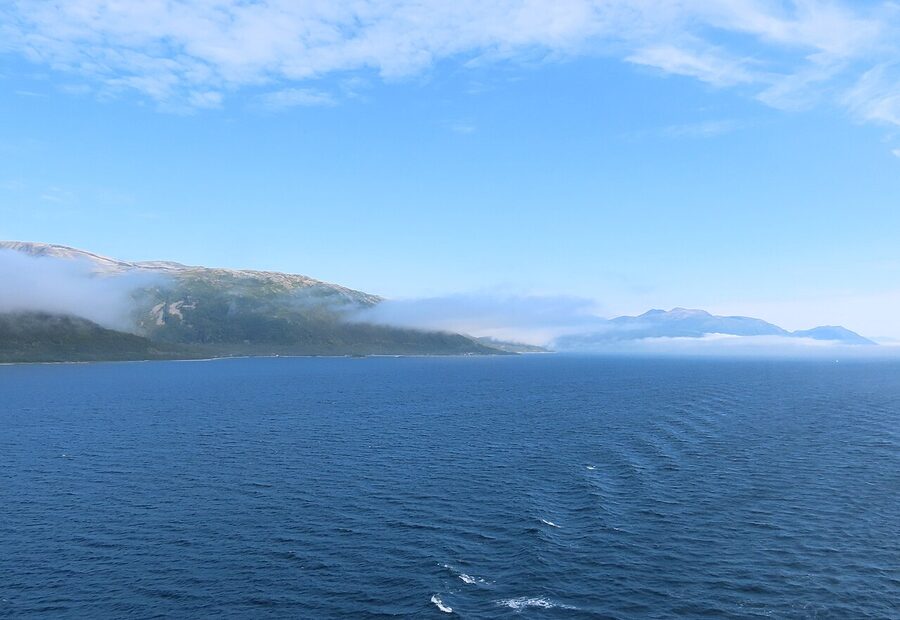

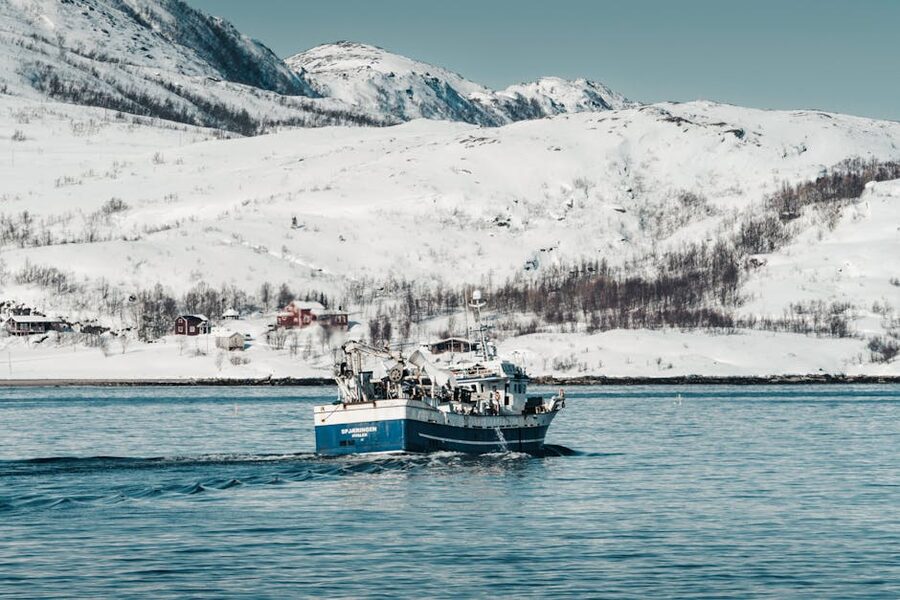
A fjord and fishing cruise from Tromsø is a hybrid trip. Half of it is sightseeing. The boat winds through narrow fjord arms, hugging cliffs, looking for white-tailed eagles. The other half is hands-on. The skipper drops anchor in a sheltered cove, hands you a hand line wound around a wooden frame (no rod, no reel, just a line with a weighted lure), and tells you which depth to drop to.
You jig the line. You feel the bottom. You wait. If the fish are running, you’ll have a cod on within ten minutes. If they’re not, the guide moves the boat. On most trips the catch goes straight into a galley pot, and within an hour you’re eating fish soup or pan-fried cod fillets at a fold-out table on deck.
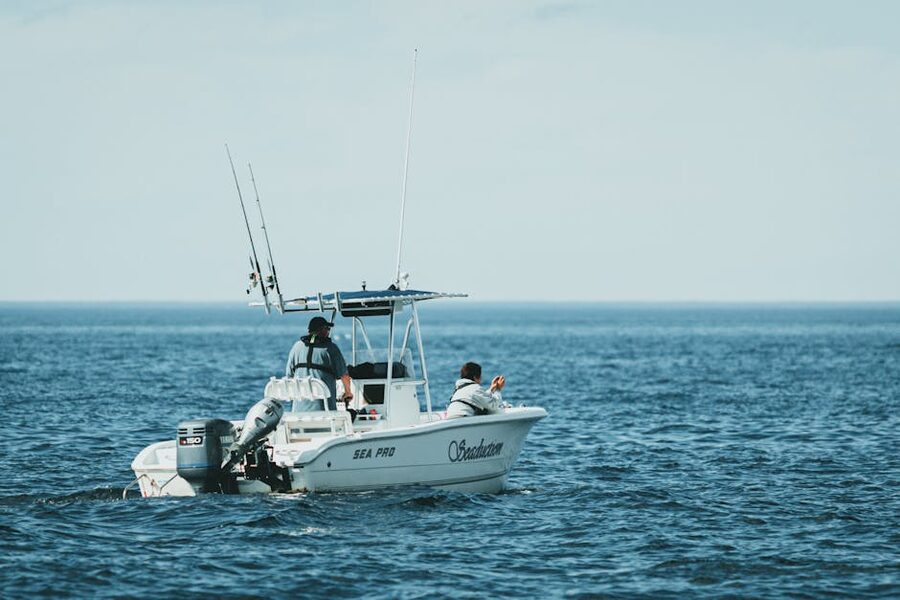
The trip takes three to five hours depending on operator. Boats range from converted historic fishing vessels (Capella, Hermes II) to sleek hybrid-electric catamarans. The fishing experience is the same. The difference is whether you want a wood-and-diesel feel or a modern panoramic-window cruise.
Worth knowing: from late November through January, several operators suspend the fishing portion. The light is gone, the cod move offshore, and weather makes it unsafe to anchor. You can still book a fjord cruise in those months, but it’ll be sightseeing only. If fishing is the point, aim for February through October. February and March are the absolute peak. That’s when the migrating skrei (winter cod) push into the fjords from the open sea.
The Three Tours Worth Booking
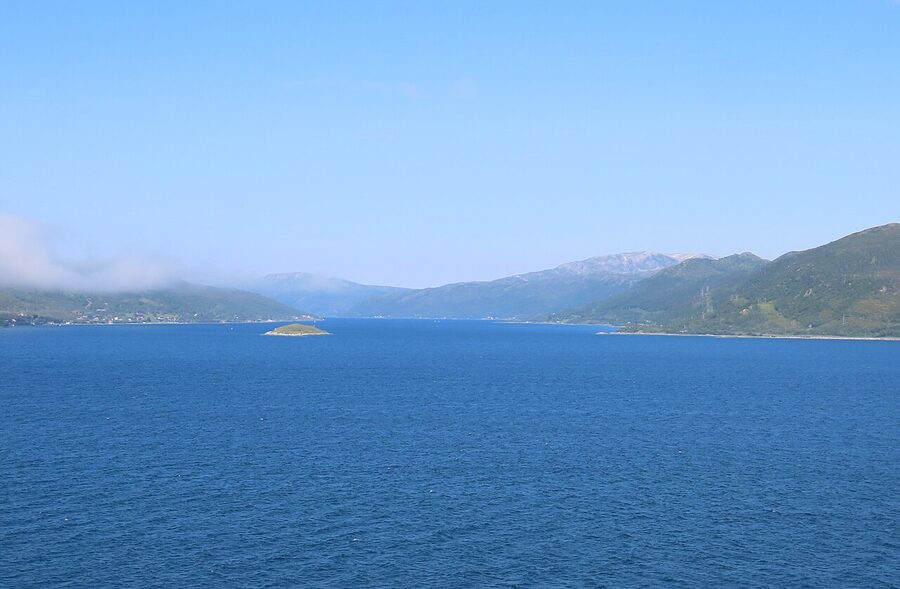

Tromsø has maybe a dozen operators running fjord-and-fishing trips. Most are small family outfits with one or two boats. The three below are the ones I’d actually recommend, ranked by which I’d book first if I had a single afternoon in town.
1. Top-Rated Fjord and Fishing Cruise with Lunch: around $146
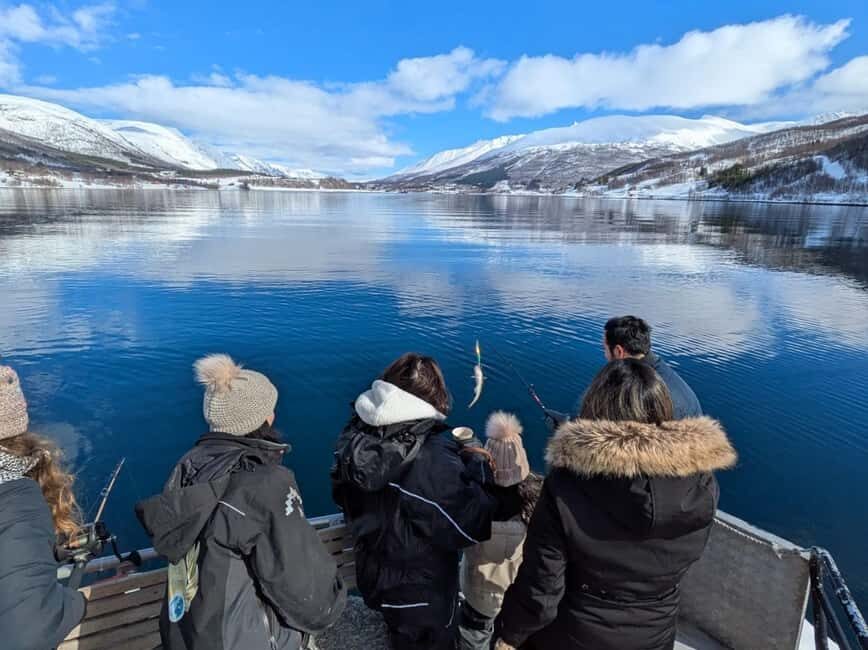
This is Polar Adventures’ flagship five-hour trip on the Capella, and it’s the one I’d book if you only do one fjord trip in Tromsø. The boat is a 1950s wooden fishing vessel, the crew calls themselves “pirates” without a hint of irony, and the fish soup made from the day’s catch is genuinely worth the price on its own. Our full review covers what’s included and what isn’t in detail. Family-run, all-inclusive, and the prime fishing spot at Ramfjord rarely disappoints.
2. Arctic Fjord Cruise with Stop at Fish Racks: around $124
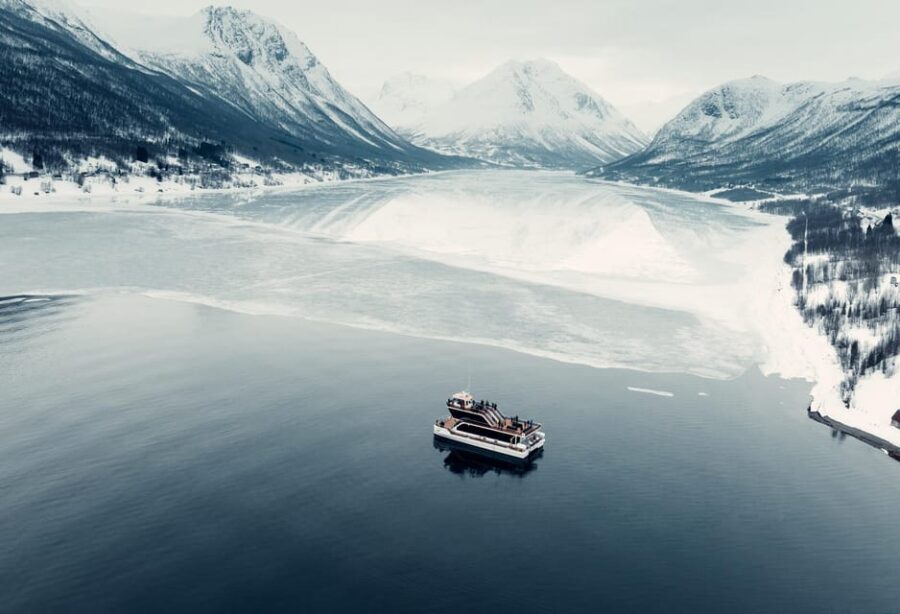
The pick if you’re more interested in seeing the stockfish trade than catching anything yourself. This 4-hour cruise lands at a working fish farm, lets you walk among the drying racks, and includes an underwater drone segment that’s genuinely surprising. Kelp forests you’d otherwise never see. The guides do a great job explaining how the racks work, and our review walks through the route, the boat, and what to expect on land. Best for travelers who want the cultural side of the cod trade more than the rod-in-hand part.
3. Arctic Fjord Cruise in Polar Landscapes: around $120
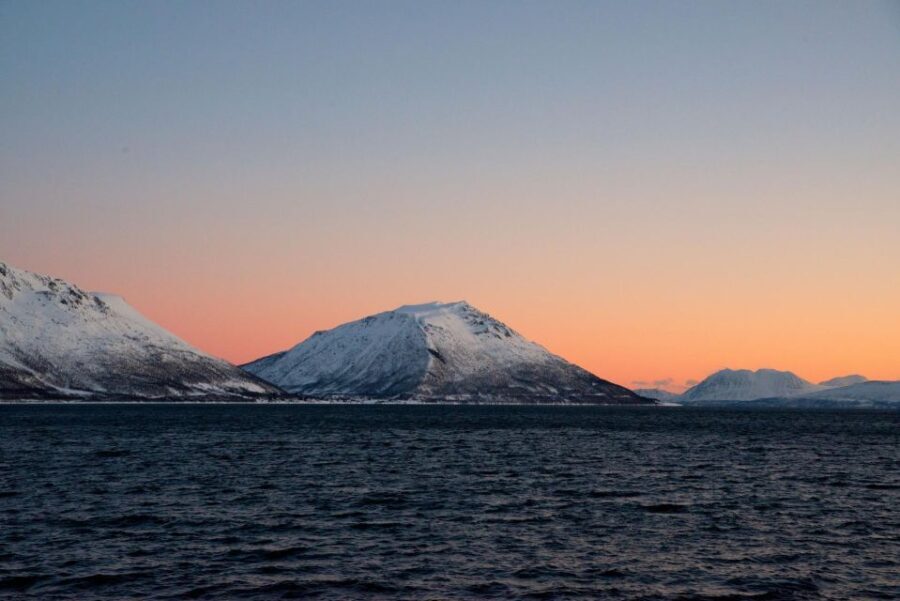
The shortest of the three at 3.5 hours, and the most polished. Less fishing focus, more scenery, and they include a free photography lesson which sounds gimmicky but actually delivers if you’ve never shot in flat winter light before. The catamaran is eco-friendly and seriously fast, so you cover more ground than the slower wooden boats. Our full take goes into who this trip suits and who’ll be disappointed. Best for non-fishers who still want to be on the water.
How the Fishing Actually Works
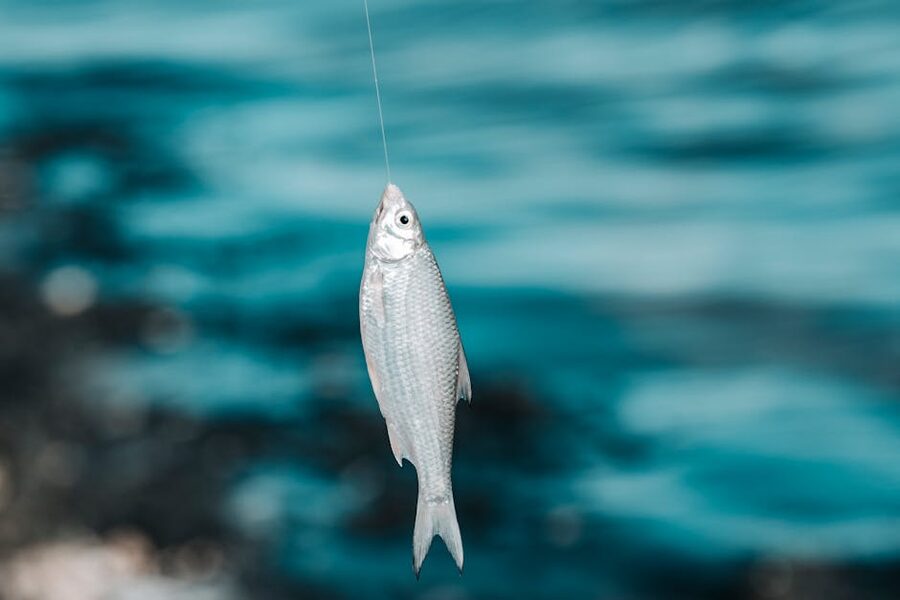
If you’ve fished before, forget half of what you know. There’s no rod, no reel, no fly tying. The Tromsø method is hand-line jigging, the same technique cod fishermen have used in northern Norway since at least the Viking era.
The line is wound around a flat wooden frame about the size of a paperback. You unwind it, drop a weighted three-hook lure to the bottom (anywhere from 30 to 80 meters depending on where the boat anchors), then pull up about a meter so the lure hangs above the seafloor. Then you jig: short, sharp lifts of the line, every two seconds or so. The motion mimics a wounded baitfish.

When a cod hits, you’ll feel it as a sudden weight, not a sharp pull. More like the lure suddenly got heavy. Don’t yank. Just start hauling the line up hand over hand, keeping tension on it. A 4-kilo cod takes about two minutes to bring up from 60 meters. A 10-kilo one will leave your forearms shaking.
You don’t need to know any of this in advance. The crew will show you the moment the line goes down. Most first-timers catch a cod within their first thirty minutes. The fish you don’t keep go back over the side; the fish you keep go to the galley.
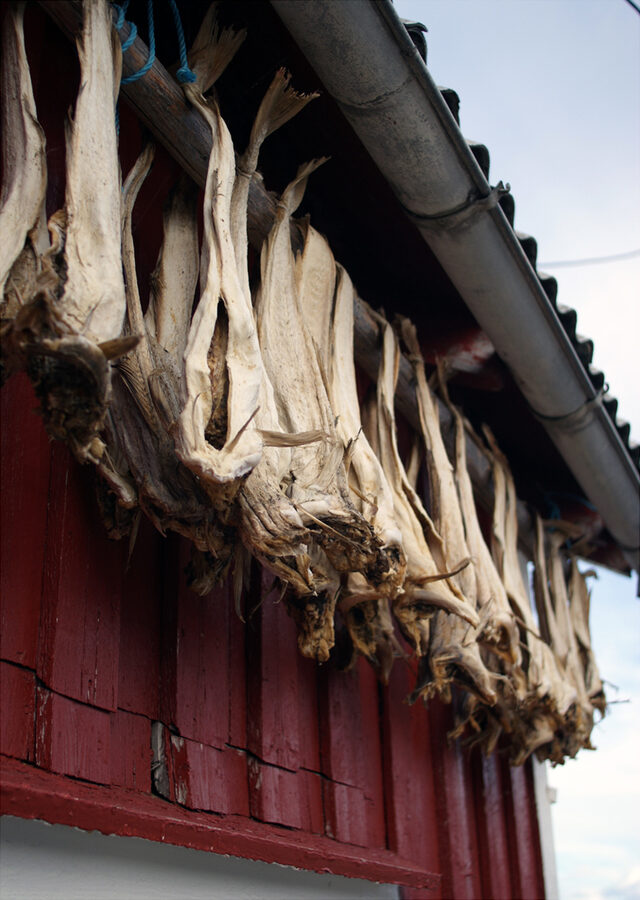

The Stockfish Story Lars Was Talking About
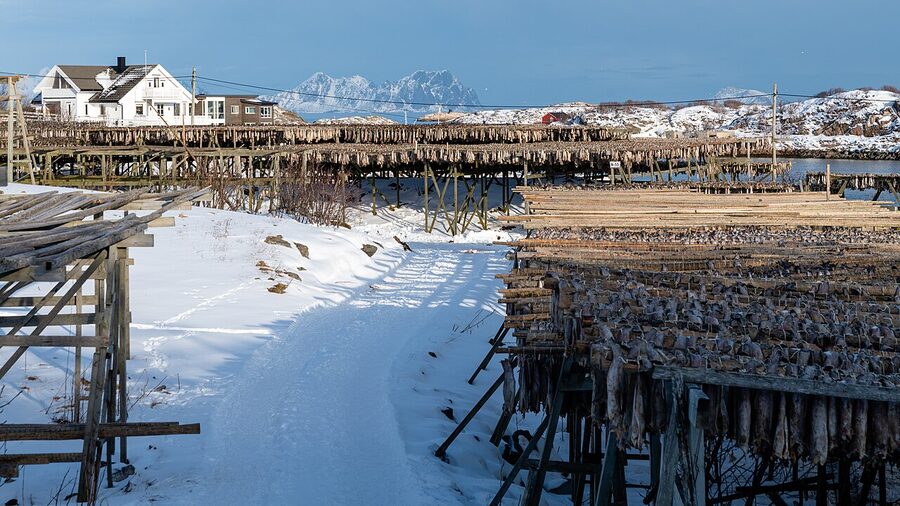

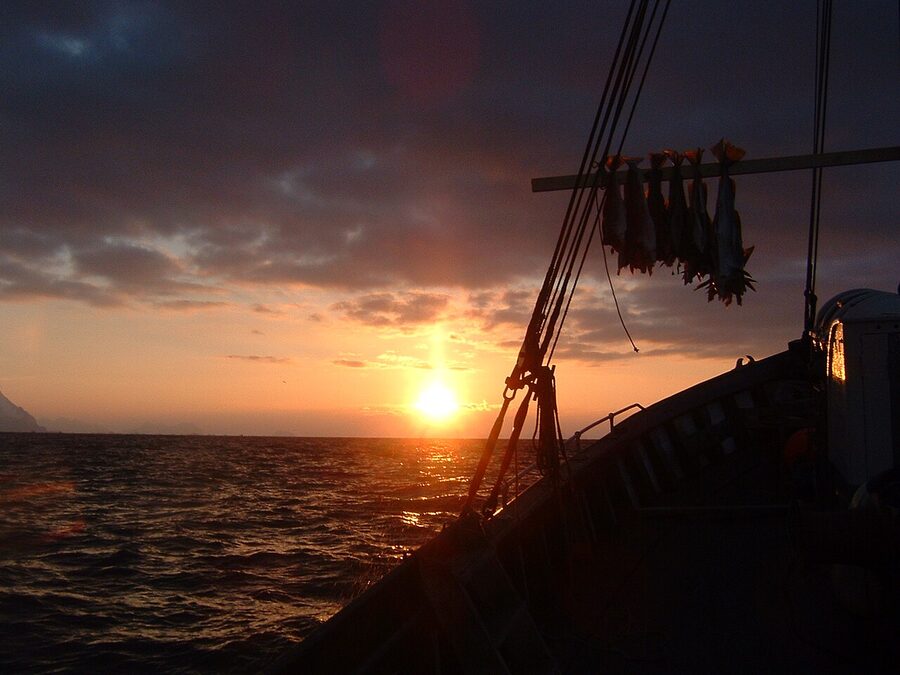
Some of the cruises stop at a working fish rack, a hjell in Norwegian. From the water it looks like a wooden A-frame the size of a barn, draped in what looks like grey laundry. Up close, the laundry is cod. Thousands of them, gutted, beheaded, hung in pairs by the tail to dry in the cold dry Arctic air.
That’s stockfish. Tørrfisk. The end product of an industry that built northern Norway and made Tromsø a town worth having in the first place. Norwegian cod has been hung on these racks since the 1100s. By 1300 it was Europe’s first transcontinental food trade. Hanseatic merchants in Bergen bought it by the ton, packed it in barrels, and shipped it south.
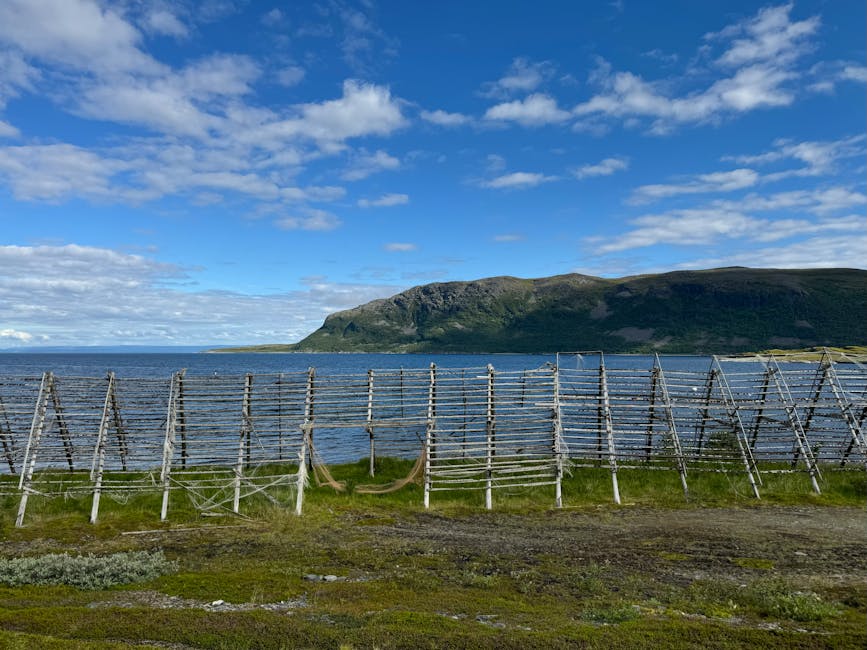
The biggest market by far is, and has always been, Italy. Specifically the area around Vicenza, where stockfish (called baccalà) is the foundation of half a dozen regional dishes. The link goes back to a single shipwreck in 1431, when a Venetian merchant named Pietro Querini ran aground in Lofoten, was rescued by stockfish fishermen, and brought the dried cod home to Italy. Italians have been eating Norwegian cod ever since.
Today around 80% of Norwegian stockfish exports still go to Italy. The price has gone up (premium-grade tørrfisk runs $50 a kilo wholesale), but the supply chain hasn’t fundamentally changed since the Hanseatic era. The fish you see on the racks during your cruise will, statistically, be eaten in Naples or Genoa within the year.
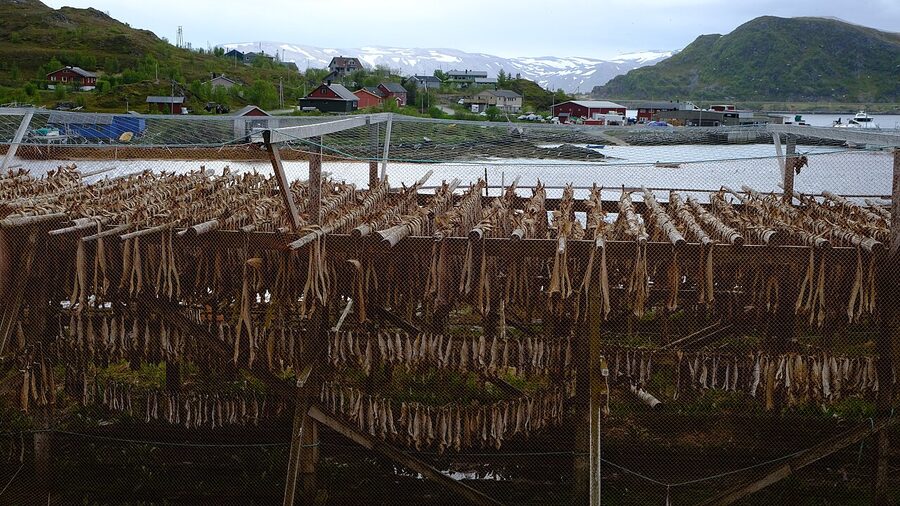

If your cruise stops at a rack, take a moment to actually smell the fish. There’s no salt, no smoke, no chemical. Just dry sea air and very, very faintly fishy wood. Nothing else in food preservation works quite like it. The cod loses 80% of its weight but keeps for years.
Wildlife You’ll Probably See
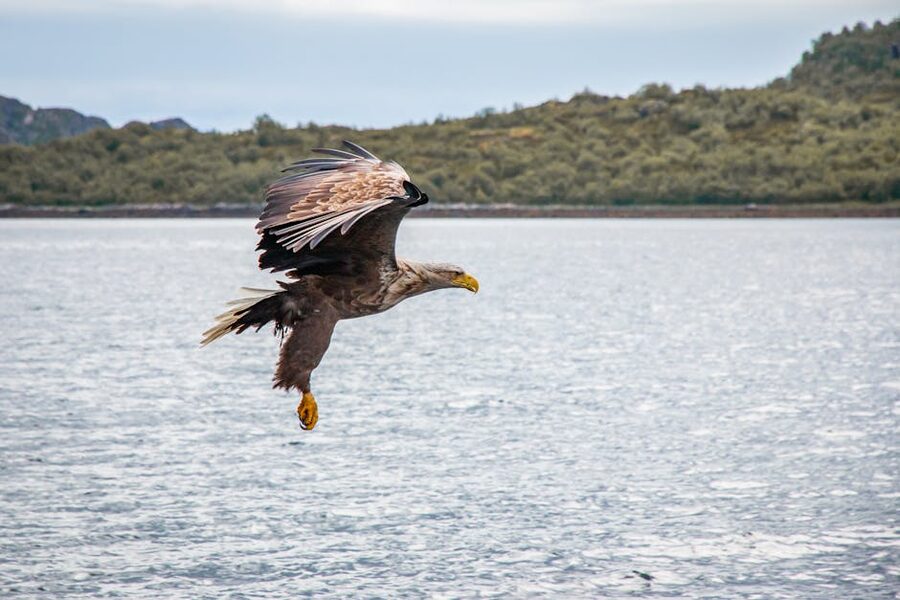
The wildlife sightings on these trips are actually pretty good, though guides will hedge. Here’s what’s realistic:
- White-tailed sea eagles: almost guaranteed. The Tromsø-area fjords have one of the densest populations in Europe. Skippers know which cliffs hold nests and will detour to get you close.
- Harbour porpoises and harbour seals: common, often in the same coves where the boat anchors to fish.
- Reindeer on shore: surprisingly often, especially on the Kvaløya side. Sami reindeer herds graze right down to the waterline in winter.
- Orcas and humpbacks: only November through January, when they follow the herring runs into the fjords. If your trip happens to be in those months, you might see them. Outside that window, no.

What you won’t see: polar bears (they’re 1,500 km north on Svalbard, not here), and probably not whales unless your trip is in the herring season. If whale watching is your main goal, book a dedicated whale safari instead. The fjord cruise is not a substitute.
Lunch on the Boat

Most cruises include a hot meal made from the day’s catch. Format varies:
Polar Adventures does fresh fish soup with coconut milk, tomatoes, white wine, paprika, plus chunks of cod cleaned and cubed within the past hour. Fish soup is non-negotiably the best thing they cook. Even self-described non-fish people finish the bowl. Vegan version available.
Catamaran operators tend toward pan-fried cod fillets with potatoes and a small salad, plated rather than served buffet-style. The fish is the same quality, but the experience is more “restaurant on a boat” than “campfire on a deck.”
Hermes II (Chasing Lights) goes more traditional. Fish stew with root vegetables, served in metal bowls below deck. Closer to what a working crew would eat.
Drinks are typically included: hot chocolate, coffee, tea, sometimes a small shot of aquavit at the end if the skipper is in a generous mood. Allergies are usually accommodated if you flag them at booking. There’s no alcohol licence on most of these boats, so don’t expect a bar.
Best Time to Book
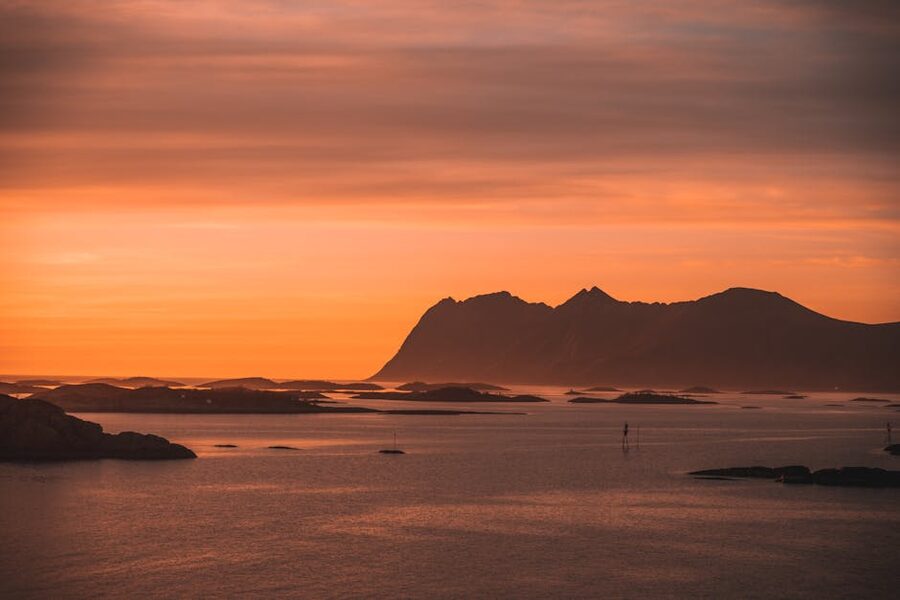
The seasonal breakdown:
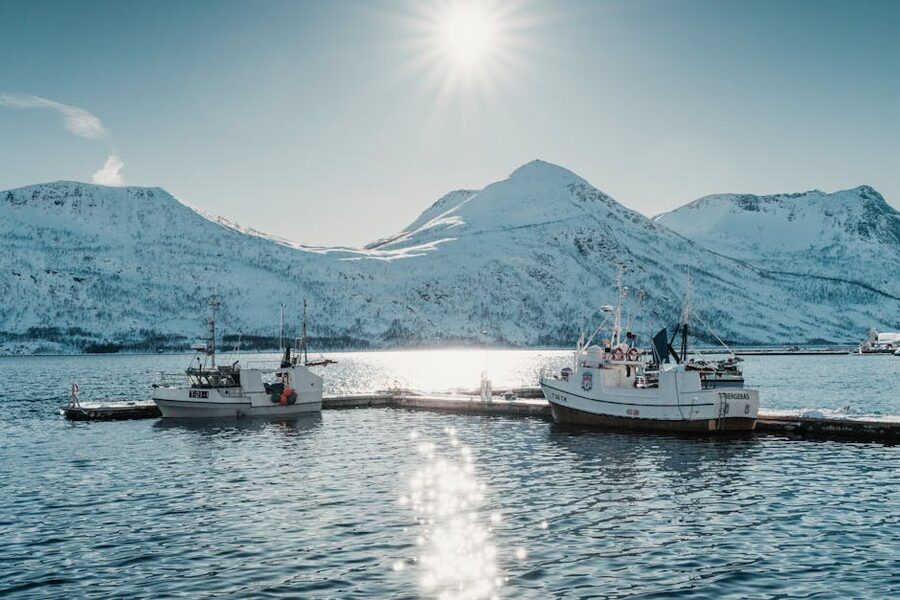
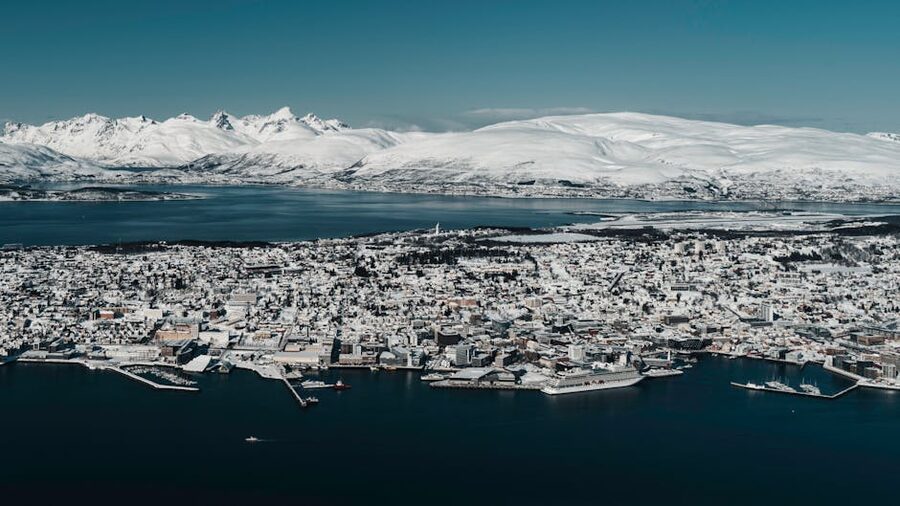
February to April: peak skrei (winter cod) season. The migrating fish push into the fjords by the millions and the catch rate is extraordinary. Days are short but lengthening fast. You’ll have 4-8 hours of useable light. This is when the stockfish trade is most visible: every rack along the coast is full. Pack hard for cold; the boats provide thermal suits but it’s still genuinely Arctic. Expect $130-160 for a 4-5 hour trip.
May to September: midnight sun season. From late May through July you have 24-hour daylight. The fish are different (not skrei but coastal cod, plus mackerel, pollock, halibut), but the catch rate is still good. Crowds are at their peak in July. Expect $120-150.
October: shoulder season. Fewer tourists, decent weather, full fishing program still running. Probably the best month if you want quiet boats. Sunset is around 4 pm, sunrise around 8.
November to January: several operators stop fishing. Polar Adventures, for example, runs the same boat as a Northern Lights and fjord cruise without the rod element. Book this only if scenery and aurora-spotting are your goals, not catching fish. The upside: this is whale season, and some boats add humpback and orca spotting to the route.
If you’re combining this with chasing the aurora, see how to see the Northern Lights in Tromsø. Most travelers do a fjord trip in the day and hunt aurora at night, which works as long as you’ve factored in dinner and recovery time.
What to Pack
The operators all provide thermal flotation suits. They go on over your normal clothes. What you bring underneath matters more than people expect:
- Base layer: wool or synthetic, never cotton. Wool socks especially.
- Mid layer: a fleece or light down jacket.
- Hat and gloves: the boats have these in a basket but they’re often damp from the previous trip. Bring your own.
- Boots: waterproof if possible. Hiking boots are fine. Sneakers will get wet.
- Sunglasses: the glare off snow and water is brutal even in winter. Polarised lenses are best.
- Camera with a long lens: if you have one. The eagles are far enough away that phones won’t capture much.
- Cash for tips: the crew works hard. 100-200 NOK at the end is standard if you enjoyed it.
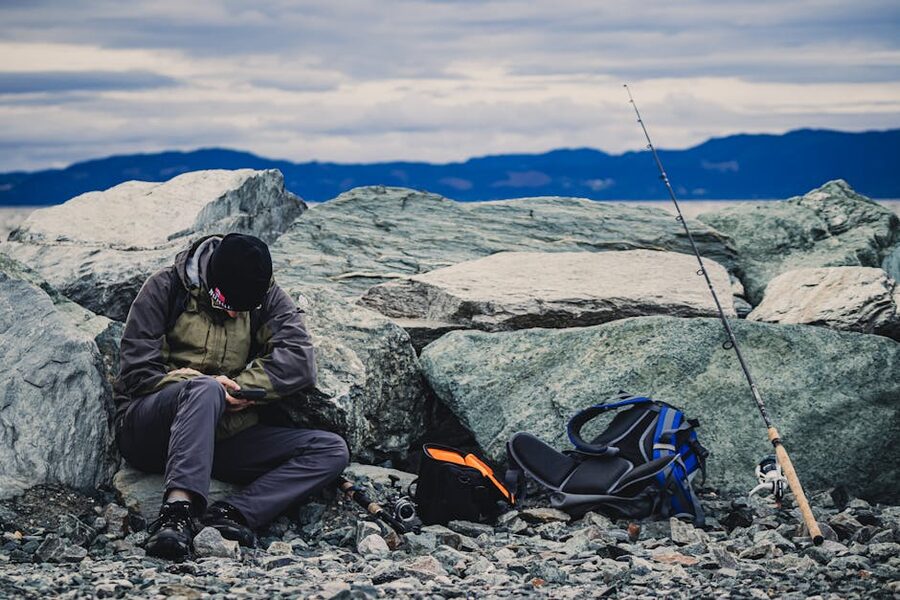
Don’t bother with a fishing licence. Tour operators have commercial licences that cover guests. You’re allowed to take home up to 10 kg of fish per person from Norway by air, but most travelers just eat the catch onboard and don’t bother with the export rules.
Where the Boats Actually Go
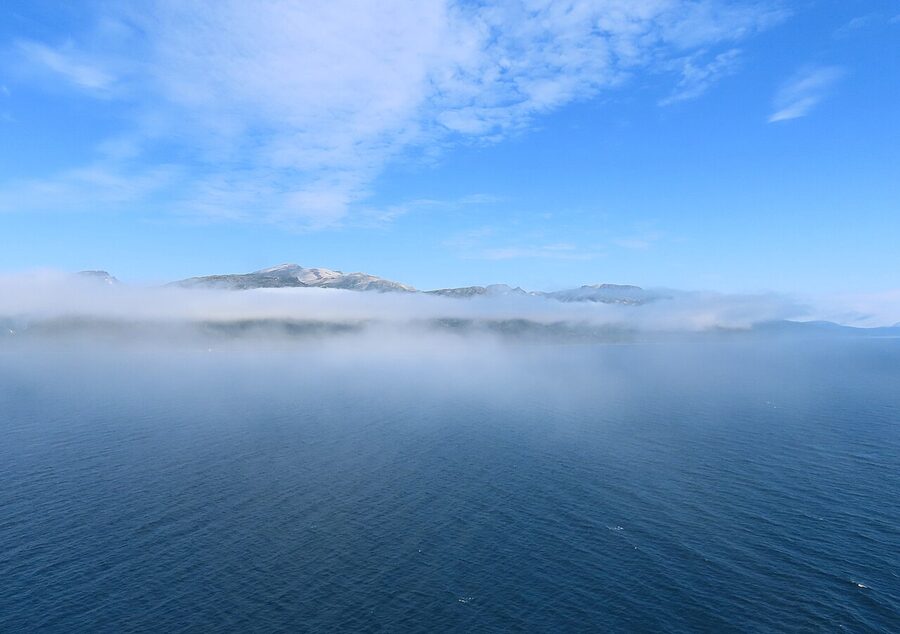

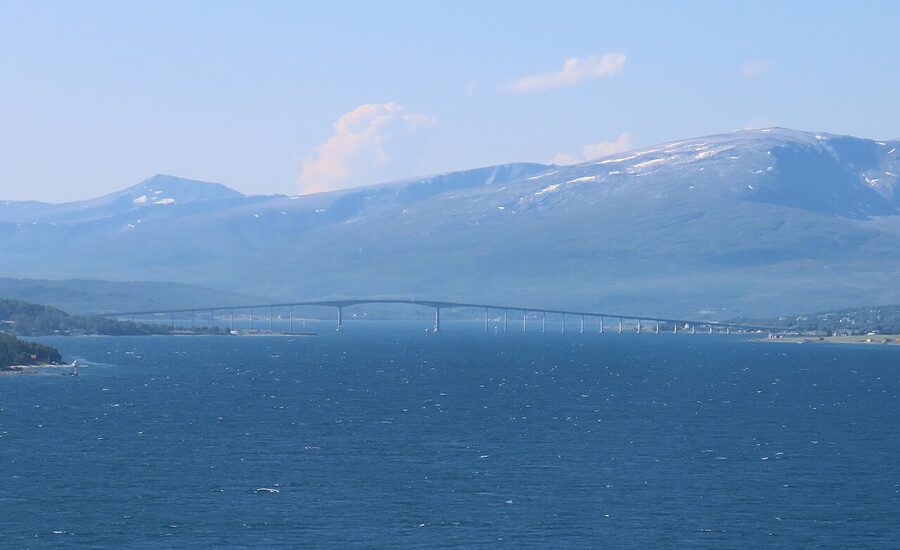
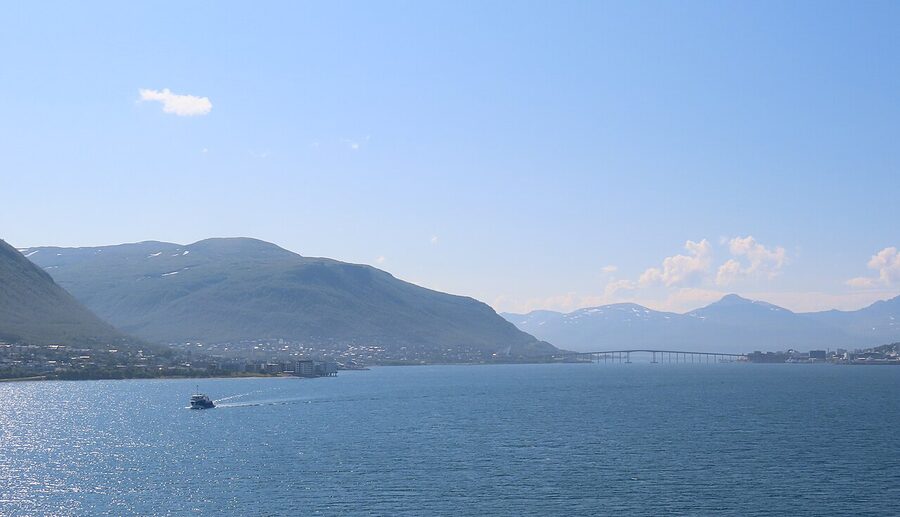
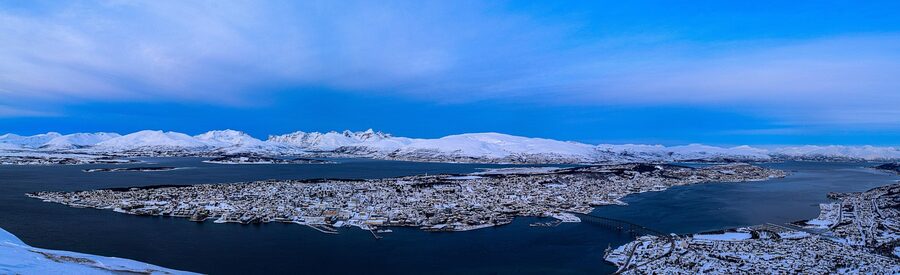
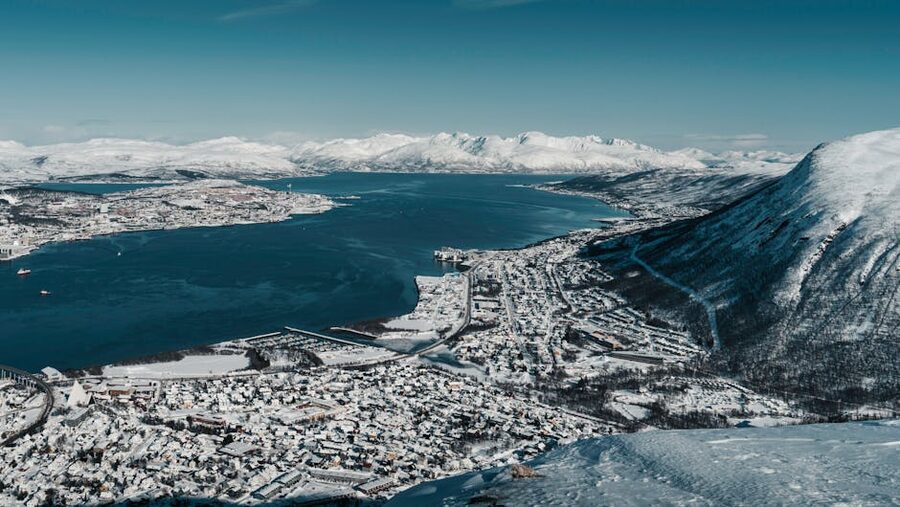
Tromsø sits on a small island in the middle of an enormous fjord system. Routes vary, but most cruises hit one of three areas:
Ramfjord: south-east of the city, narrow and deep. Polar Adventures’ standard fishing spot. Famously good for cod and the easiest waters in any weather. About 30 minutes’ run from port.
Kvaløya (Whale Island): west of the city, larger and more open. More dramatic scenery, better eagle sightings, slightly choppier water. Used by the catamaran operators and chasing-lights crews.
Malangen: south-west, deeper into the mainland fjord system. Less common because it’s a longer transit. If your trip lists Malangen, expect more time on the water and better wildlife.
The skipper picks based on conditions. You won’t normally know which fjord you’re going to until you’re underway.
Combining With Other Tromsø Activities
A fjord and fishing cruise pairs naturally with the other big Tromsø experiences. A sensible 3-day itinerary looks like:
Day 1: arrive, walk Tromsø town, dinner at a fish restaurant downtown. Late: aurora chase. See our Northern Lights guide for chase tour options.
Day 2: morning is the fjord and fishing cruise. Afternoon recover, maybe the Polaria aquarium. Evening: dog sledding or aurora again. We cover the dog options in how to book husky sledding in Tromsø.
Day 3: Sami reindeer experience or a Sommarøy day trip. Both are out-of-town half-days that combine well with a morning fjord trip. Our reindeer sledding in Tromsø guide covers the lavvu lunch and Sami cultural component, and how to book a Sommarøy islands tour from Tromsø walks through the Caribbean-looking-beach circuit.
Most fjord and fishing trips depart between 9 and 11 am, so they don’t conflict with any evening activity. The morning slot is the catch sweet spot anyway.
Booking Practicalities
A few things worth knowing before you click book:
Cancellation: most operators allow free cancellation up to 24 hours before. After that, refund is at the operator’s discretion. If the captain cancels for weather, you get a full refund or reschedule. Check the policy before you book. GetYourGuide is consistent on this, smaller direct-booking sites less so.
Weather cancellations: rare but possible. Tromsø skippers are conservative. If they cancel, the wind is genuinely too strong to fish, and you’d have hated being out anyway. Take the refund and reschedule.
Group size: Polar Adventures’ Capella holds 25 to 110 depending on season; you’ll be with a crowd in July, with a small group in March. Catamaran operators tend toward smaller groups (max 30). Hermes II runs as a private charter often.
Ages: kids from about age 6 onwards are fine. Younger than that and they’ll be cold and bored. Pregnant travelers should skip. Fjord water can be choppy.
Sea sickness: the inner fjords are usually glass-flat. Open water past Kvaløya can chop up. If you know you get seasick, take meds an hour before boarding. The crew will have spares but won’t push them on you.
Pickup: direct from the main piers downtown. No transfers needed. Hotels in central Tromsø are all within 15 minutes’ walk. If you’re staying outside the centre, factor in the bus or a taxi.
What This Costs Compared to Elsewhere
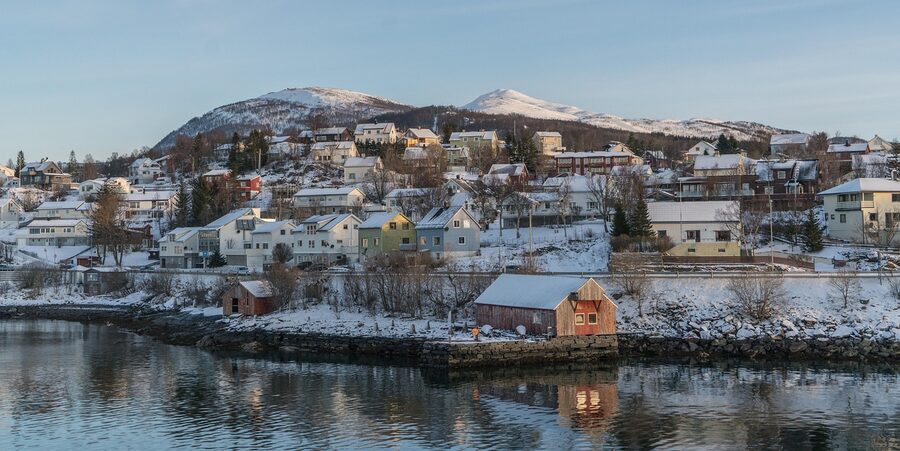
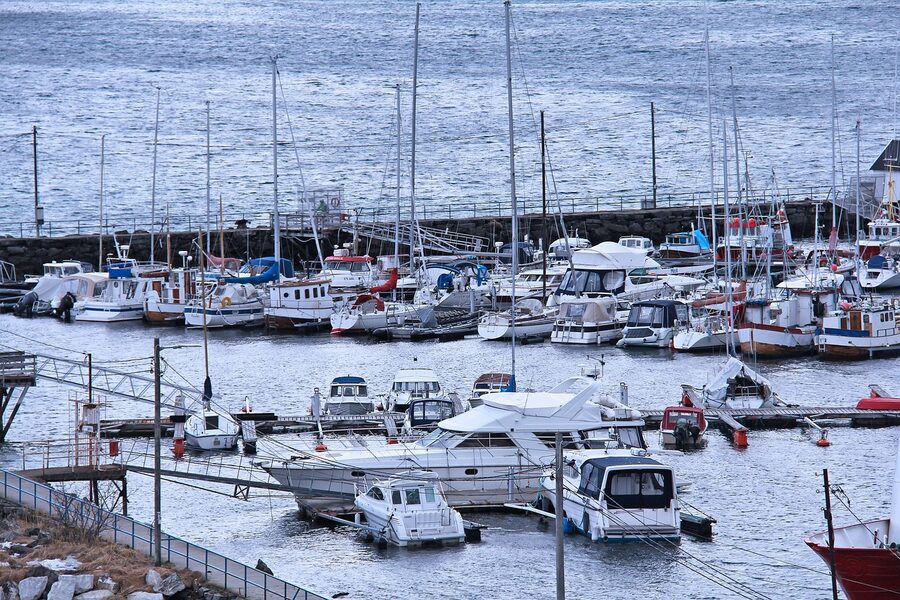
Tromsø isn’t cheap. A full-day fjord and fishing cruise runs $120-160. For comparison: a Bergen fjord cruise to Mostraumen costs about $90 for 3.5 hours, and an Oslo fjord cruise can be had for $40 for 1.5 hours. Neither includes hands-on fishing or a meal made from your catch. The Tromsø trip is in a different category. You’re paying for the Arctic location, the small-boat experience, the food, and crew time.
Elsewhere in Norway, the Flåm railway is the other classic Norway day-trip and runs around the same price. Fjord cruises from Stavanger to Pulpit Rock are scenic-only and cost less.
If the price feels high, remember Tromsø’s economy. A pint of beer here is $13. Lunch at a sit-down restaurant is $35. Five hours on a small boat with a hot meal at $146 is actually decent value by local standards.
Common Mistakes Worth Avoiding
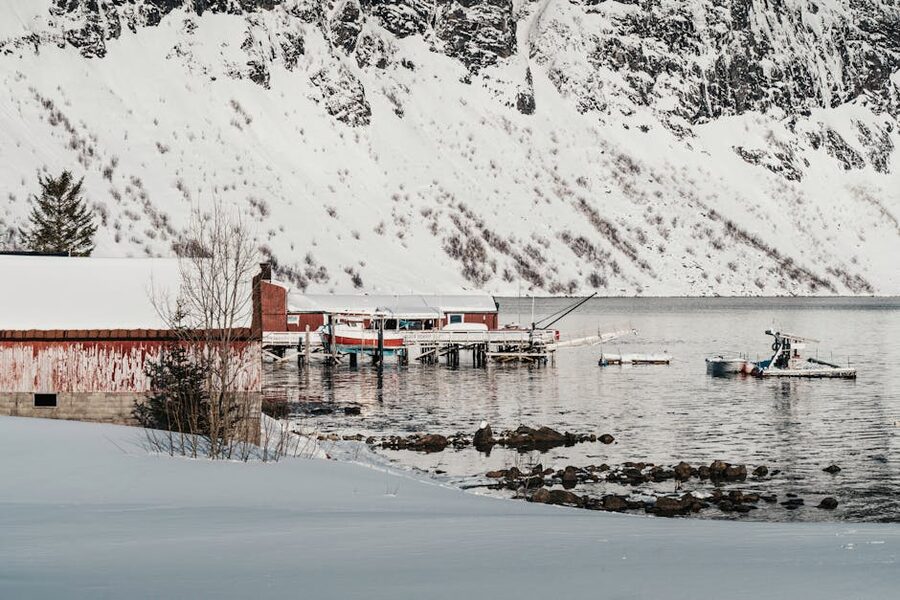
Things travelers regularly get wrong:
- Booking the cheapest option without checking what’s included. Some sub-$80 fjord cruises don’t include fishing, hot food, or a thermal suit. You’ll be cold and disappointed.
- Wearing the wrong shoes. Fashion sneakers will get soaked the moment you step from the dock to the deck. Boots only.
- Skipping breakfast. The lunch on a five-hour cruise is around 1 pm. If you boarded at 10 am on an empty stomach you’ll be miserable.
- Forgetting motion-sickness meds. Even calm fjord water has some movement. Take a tablet an hour ahead just in case.
- Trying to do this on a cruise-ship excursion day. If you’re on a Hurtigruten or Norwegian cruise that calls Tromsø, the ship excursions are mass-tourism versions of these trips on bigger boats. Better to book directly with a small operator and budget your own time.
Lars, our skipper, said something else worth repeating: “Tourists ask if they’ll catch a fish. Locals ask if the wind will hold.” If the wind is right, you’ll catch fish. If it isn’t, you’ll have spent a day on a beautiful boat watching eagles and eating soup. Both outcomes are worth the price.
If You Only Have Half a Day
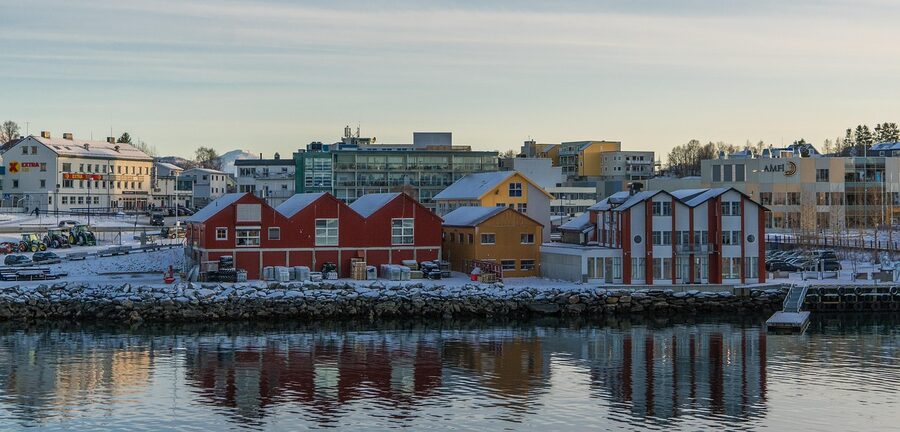
Pick the 3.5-hour catamaran cruise, not the five-hour wooden-boat option. You won’t have time for the full fishing-and-soup ritual on the longer trip. The shorter cruise covers the highlights (eagle spotting, fjord scenery, a bit of casting) and gets you back to town in time for dinner. The trade-off is less catch and a slightly more polished experience. For most one-day Tromsø stops, that’s the right call.
If you have a full day, do the wooden-boat option and don’t try to fit anything else in afterward. You’ll be tired, sea-pleased, and full of cod. Anything extra is gilding the lily.
Why This Trip Is the Real Tromsø
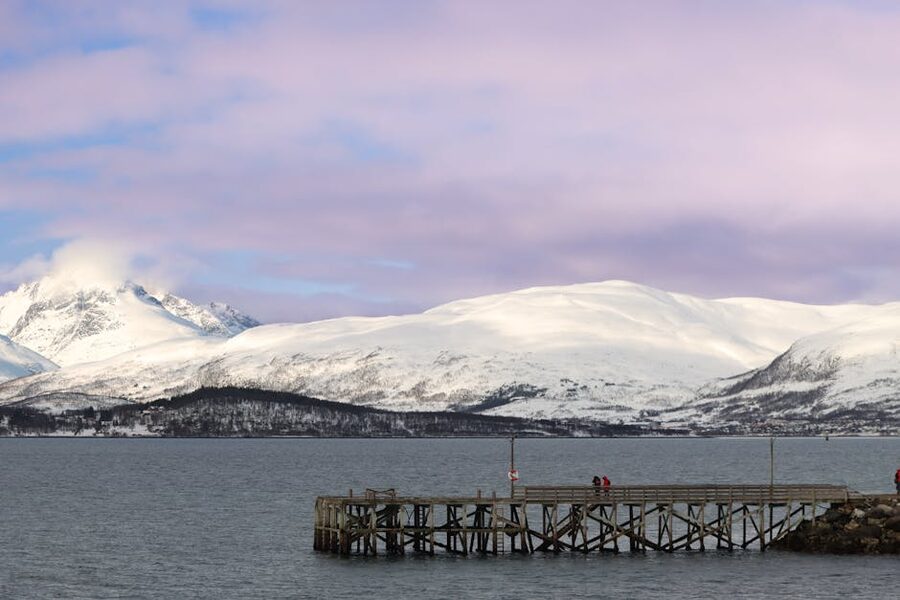
The Northern Lights tours are spectacular and the dog sledding is a riot, but neither is something Tromsø actually does for a living. Cod is. Tromsø was a fishing town for 600 years before it was a tourist destination, and most of the working boats in the harbor still go out every morning to catch fish that get sold in Bergen, processed in Ålesund, and eaten in Italy by Christmas.
The fjord and fishing cruise lets you ride in on the back of that. The skipper is usually a third-generation fisherman who took a tourism licence twenty years ago because the catch quotas dropped. The boat is the same boat his father used. The technique is the same technique, the bait is the same bait, the cod are the same cod.
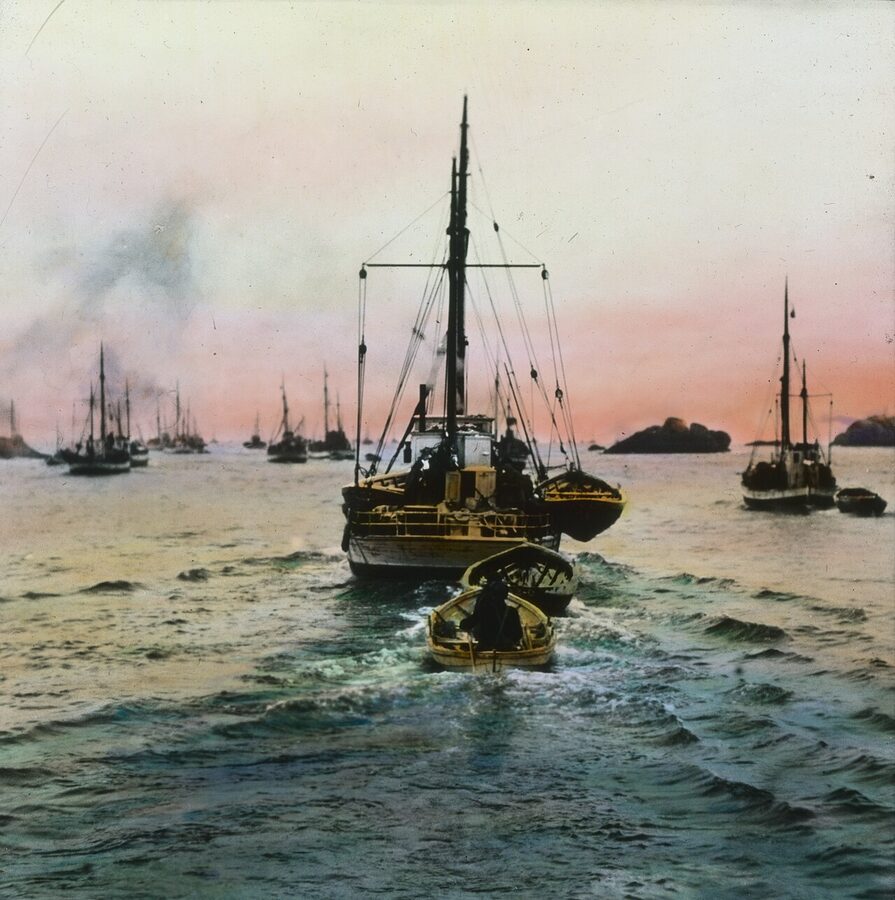

That’s the line Lars handed me on my first cruise. It’s the same line his grandfather used. And in 2062, when his grandson hands a hand-line to whoever’s stepped out of the airport that morning, it’ll still be the same line. That’s worth a few hours of your trip.
One More Tromsø Trip Worth Stacking
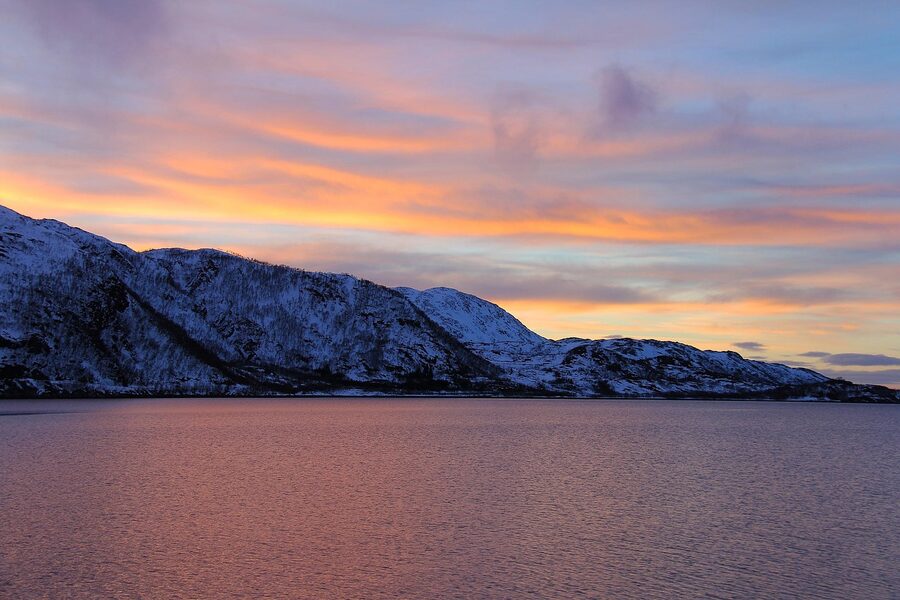
If you’re working out a Tromsø itinerary, pair this fjord trip with one inland activity and one purely scenic one. The husky sledding gets you on the snow and uses different muscles after a day on the boat. Our husky sledding guide walks through self-drive vs passenger options. The reindeer sledding option is gentler, includes Sami cultural depth, and ends with a lavvu lunch. See how to book reindeer sledding in Tromsø. And if you’d rather stay coastal, the Sommarøy day trip is the one to do (small islands, white-sand beaches at 70°N, the famous “abolition of time” stunt), covered in how to book a Sommarøy islands tour from Tromsø. And of course, no Tromsø trip is complete without the aurora. Our Northern Lights guide covers chase tours, free spots, and what to expect.
Affiliate disclosure: this article contains affiliate links to GetYourGuide. If you book through them we earn a small commission at no extra cost to you. We only recommend tours we’d happily book ourselves.