
What does the Disgusting Food Museum actually have you put in your mouth? That is the question almost everyone asks before they buy a ticket, and the answer takes a paragraph or two to unpack properly. So we will get there. First, though, the practical stuff.
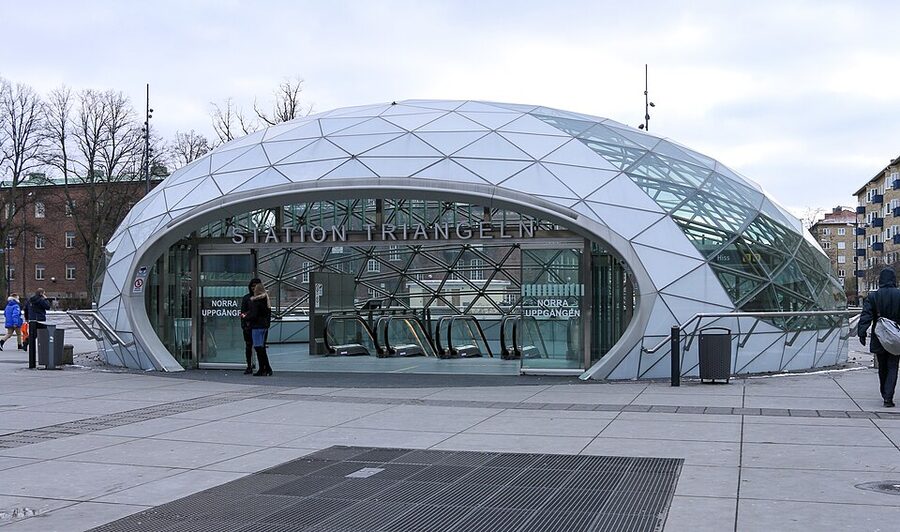
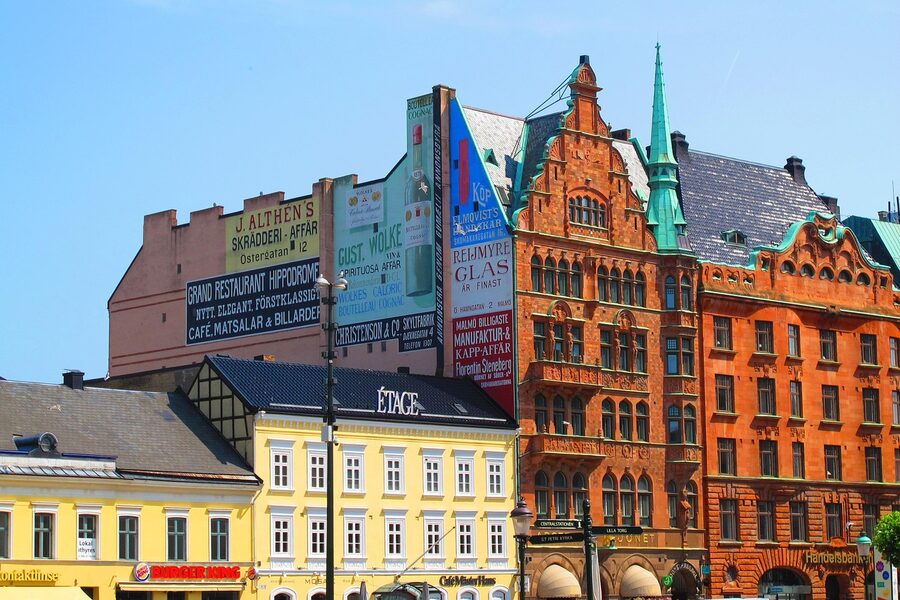
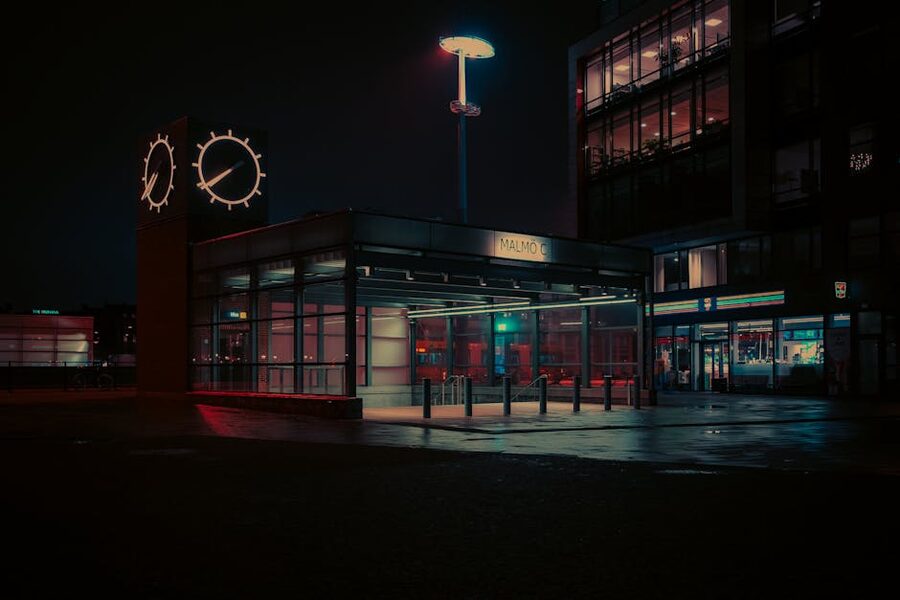
The museum sits on Södra Förstadsgatan in central Malmö, ten minutes’ walk from Triangeln station and thirteen from Malmö C. Tickets are around 285 SEK (roughly $24-25 USD) for adults, and they are printed on actual airline-style sick bags that you keep. Allow 60 to 90 minutes inside.
The whole experience is built around two interactive moments: the smell stations partway through, and the tasting bar at the end. Both of those are where the question above gets answered, and both are why a museum that on paper sounds like a one-joke gag has 700-plus glowing TripAdvisor reviews and is now spawning Berlin and LA spinoffs.
If you book on GYG already: Malmö: Disgusting Food Museum Entrance Ticket, $24. Same access, same flexible cancellation, picks up your existing GYG account credit if you have any.
For families: kids under 6 get in free with a paying adult (max two free per parent). Just walk up at the door for that, no online ticket needed for the under-sixes.




- So, what do you actually taste?
- Picking your ticket: GYG vs Viator vs door
- 1. Skip the Line: Disgusting Food Museum Entrance Ticket:
- 2. Malmö: Disgusting Food Museum Entrance Ticket (GetYourGuide):
- The smell stations: the actual centrepiece
- Why this museum exists at all
- The “dangerous foods” temporary exhibit
- How long it actually takes
- Best time to go
- Eating before, during, after
- Should kids go?
- Getting there from Copenhagen, Lund, the airport
- What it is, what it is not
- The Berlin and LA spinoffs (because people ask)
- Practical odds and ends
- If you are heading north to Stockholm next
So, what do you actually taste?
Back to the question. The tasting bar at the end of the exhibit is small, intentionally so. There is a long counter with little paper cups laid out, and a host stands behind it explaining what each thing is before you commit. The lineup rotates by season and by what they have just received from suppliers, but a typical day will include two or three things in this set:
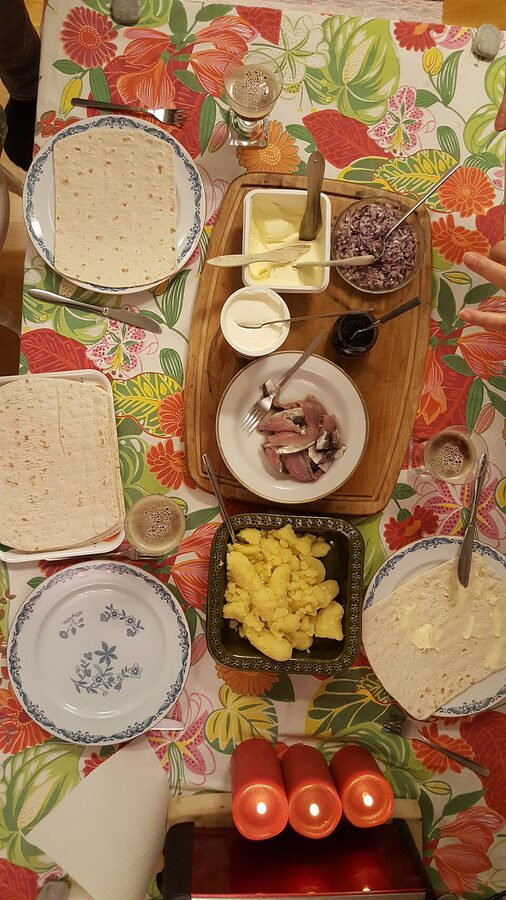
Surströmming. The big one. Fermented Baltic herring, opened from a tin that has been pressurised by months of bacterial action. The smell is what surströmming is famous for, and you will smell the open tin from across the room. The taste is sharp, salty, deeply acidic, more like a strong cheese than a fish. Most people manage one bite and remember it for years.
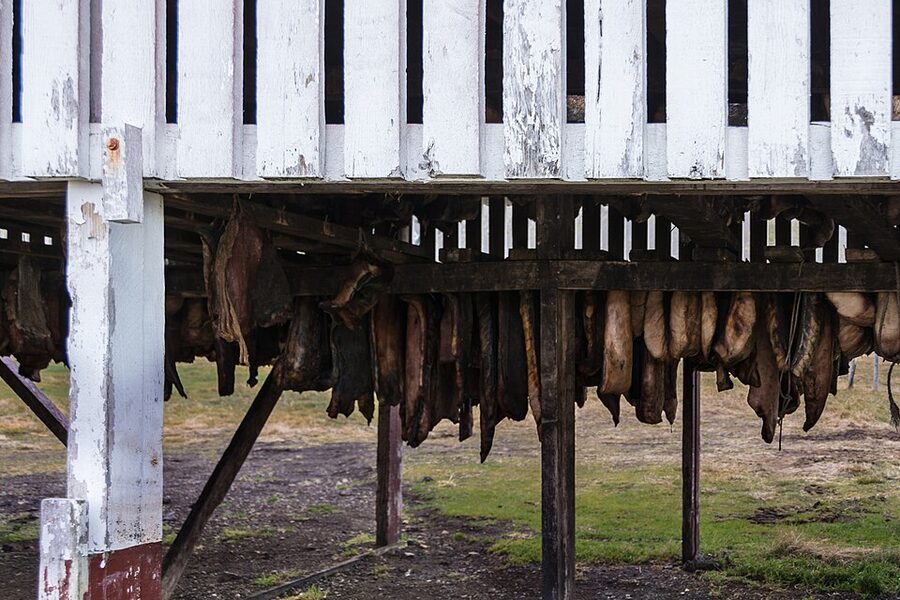
Hákarl. Icelandic fermented shark, cured by burying greenland shark in gravel for months and then hanging it to dry. The flavour is ammonia first, then a slow fish-stew finish. Anthony Bourdain once called it the worst thing he had ever put in his mouth, and that gets quoted on the museum’s wall, which is a nice touch.
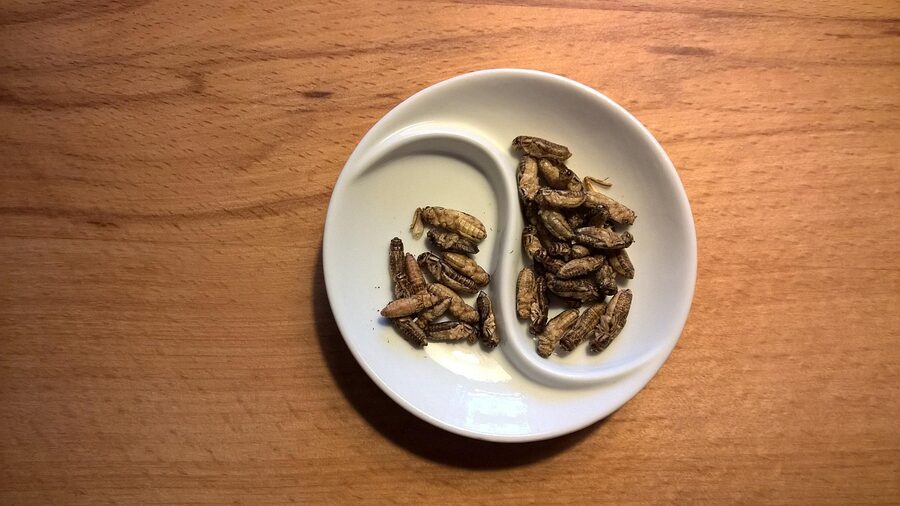
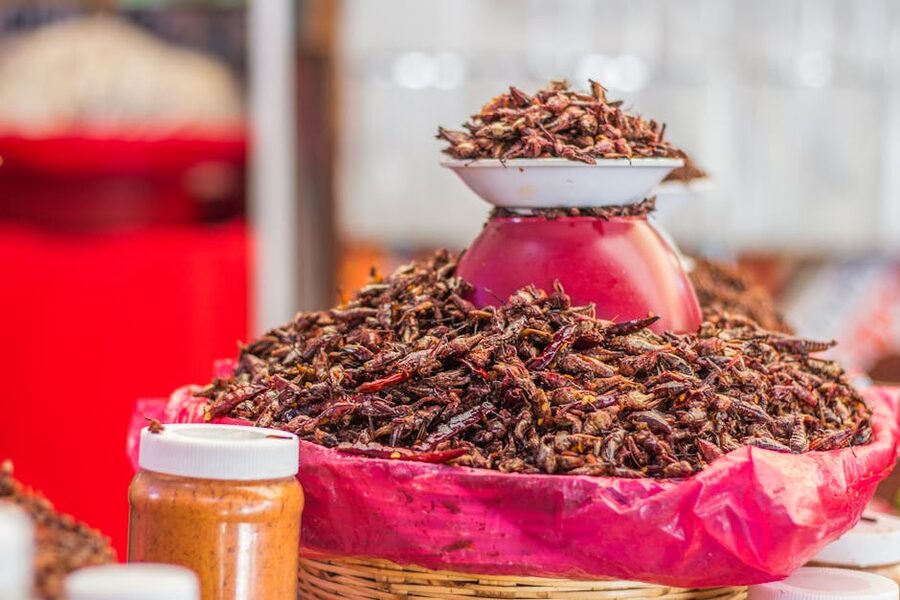
Chocolate-covered crickets or mealworms. The compromise option. Crunchy, mostly chocolate, the cricket itself tastes like burnt popcorn. Genuinely fine. Kids almost always pick this one and report back that it is “not bad.”
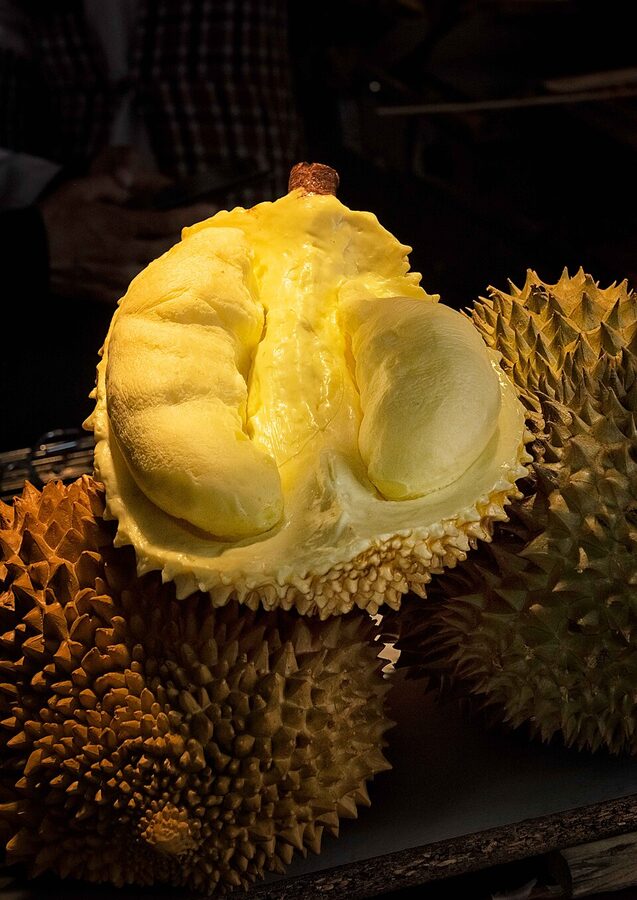
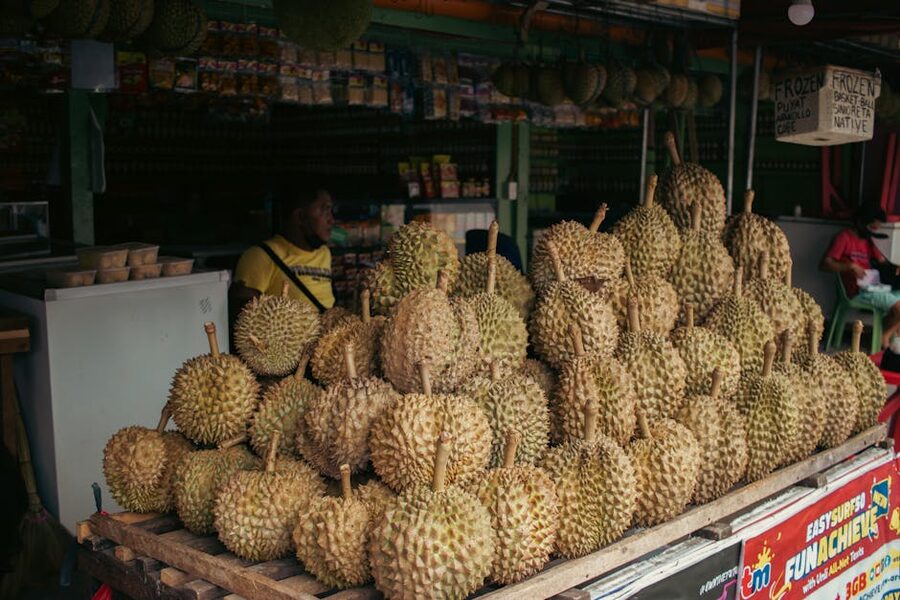
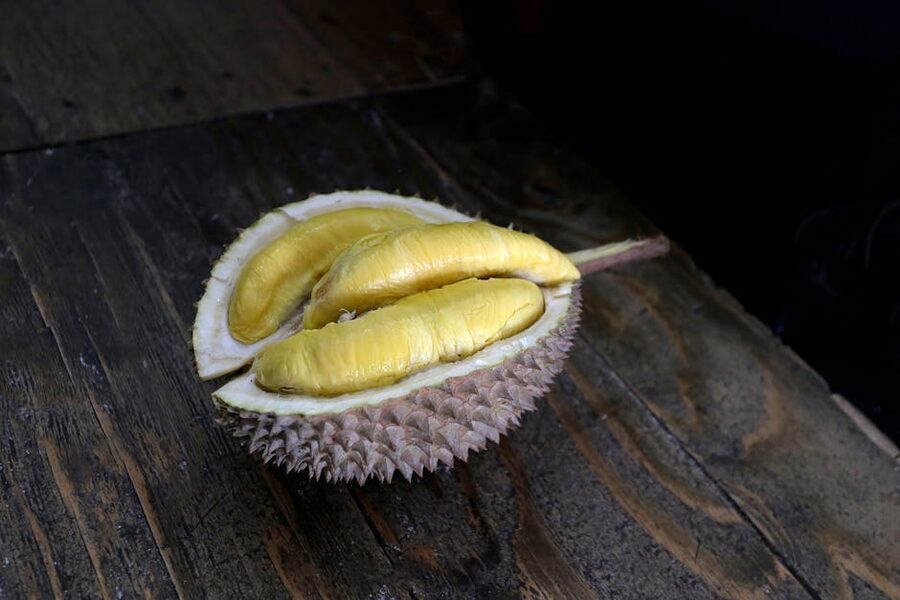
Durian. Sometimes fresh, more often dried in chips. The famous tropical fruit that is banned from hotels and trains across Southeast Asia. The smell is the controversial part (sweet, oniony, a bit like old gym socks); the taste is custardy and almond-sweet, and most westerners are surprised by how mild it actually is.

.jpg)
You are not forced to taste any of it. Plenty of people walk through, listen to the host’s spiel, sniff politely, and pass. The host has clearly done this enough times to read the room. Two or three tastes is plenty for most people, and the social part (watching your friend’s face go through five different emotions in three seconds) is half the fun.
Picking your ticket: GYG vs Viator vs door
There are three ways to get in, and the differences matter less than you might think. The walk-up door price is essentially the same as the online price. Online booking is worth it for two reasons only: skip-the-line on busy weekend afternoons (which can mean a 20 minute wait), and free 24-hour cancellation if you change plans.
If you have an existing GetYourGuide account with credit on it, use the GetYourGuide listing. If you have a Viator account or are using Tripadvisor’s “save trip” tools, use Viator. They are the same product, sold by the same supplier, with effectively identical terms.
1. Skip the Line: Disgusting Food Museum Entrance Ticket: $25
This is the most-booked DFM Malmö ticket on Viator, and the one we cover in our full review. Same exhibit, same tasting bar, same sick-bag souvenir as the door ticket. The reason to pre-book is the cancellation flexibility, not really the line.
Check Availability
Read our full review
2. Malmö: Disgusting Food Museum Entrance Ticket (GetYourGuide): $24
Functionally identical to the Viator ticket above and detailed in our GYG review. The cancellation policy is the same 24-hour window. Pick this one if GYG is already your preferred booking platform.
Check Availability
Read our full review
One thing worth flagging: there is no combo ticket that pairs the museum with anything else in Malmö. It does not appear on the Stockholm Pass for the obvious reason that it is in Malmö, not Stockholm, and the city of Malmö does not run a tourist pass that includes it either. So you will be buying a single-attraction ticket and that is it.
The smell stations: the actual centrepiece
Most coverage of the museum focuses on the tasting bar, which is the dramatic finale. But the genuinely clever bit, the part you will tell your friends about, is the row of smell stations partway through.
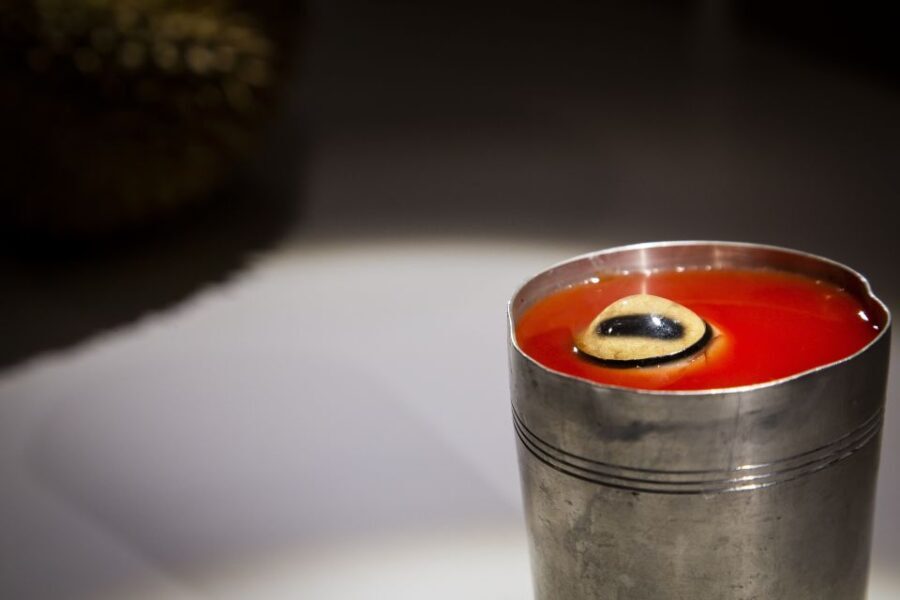
You will see them first as a wall of about ten cabinets, each with a fabric tube poking out at face height. You lean in, sniff the tube, and the cabinet has a card next to it telling you what you just smelled. Surströmming. Hákarl. Durian. Stinky tofu. Vieux Boulogne (the cheese officially declared the world’s smelliest in a 2004 study). And a few wild cards.
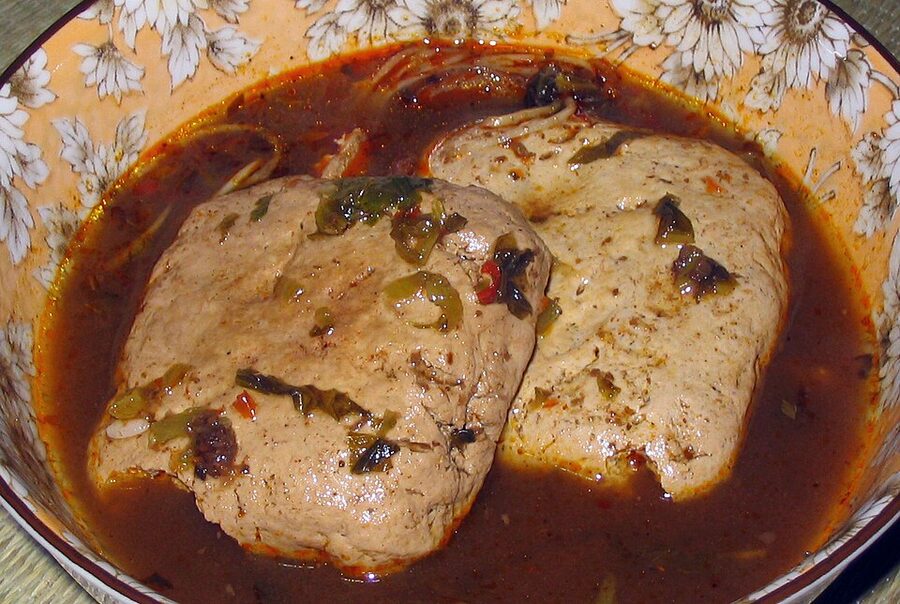
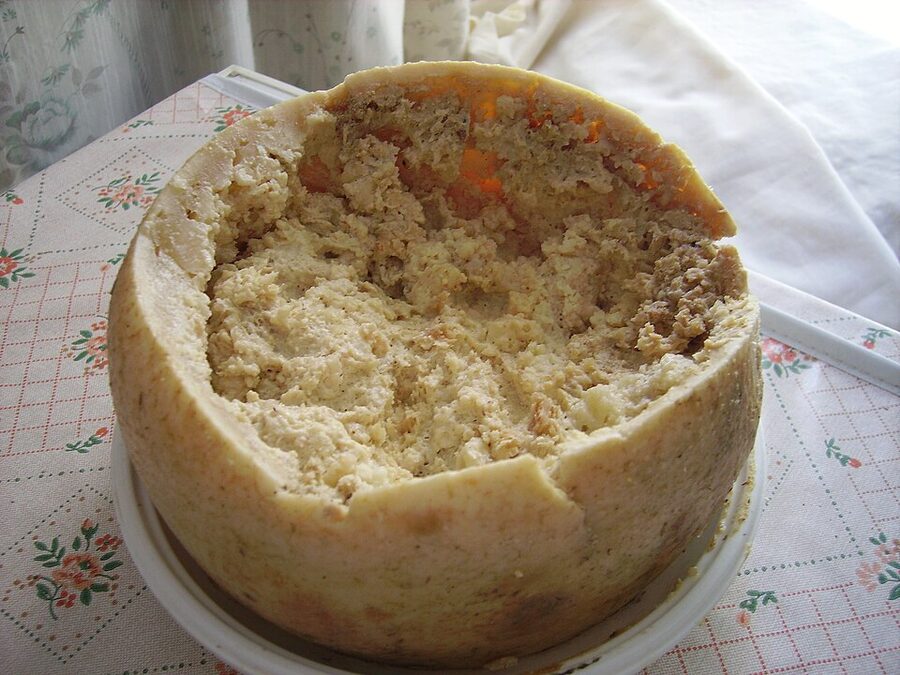

The point of the smell stations is not just shock value. They run in roughly increasing order of smell intensity, and the ones that make you flinch hardest tend to be the ones you have never heard of, not the famous ones. Durian, for example, has a reputation; in person, sniffed from a tube, it is mostly sweet. Vieux Boulogne is the one that stops you mid-step.
There is also a photo booth at the end of the smell row designed to capture the moment of the worst sniff. It prints a strip you can take home, which is a nicer souvenir than the sick bag (which you also keep). If you are travelling with kids old enough to find this funny, the photo strip is the bit they will frame.
Why this museum exists at all
The museum opened in October 2018, founded by Samuel West (a Texan-Swedish psychologist who also founded the Museum of Failure) and Andreas Ahrens. The thesis, stamped on the wall as you walk in, is that disgust is one of the six basic emotions and is almost entirely cultural. What revolts you is taught.
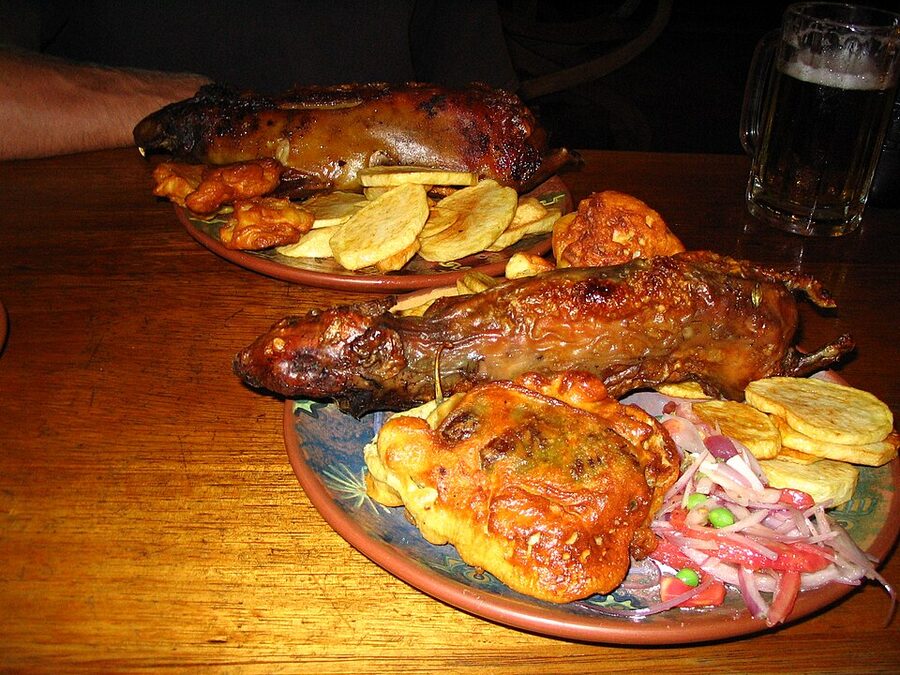
The exhibits make that thesis work in a low-key way. A roasted guinea pig (cuy) is the national dish of Peru and Ecuador, eaten with the head still on. To Europeans it reads as keeping a pet. To Andean cooks it reads as Sunday lunch. The museum does not lecture you about it; it just puts the cuy on a plate next to a label.

The American exhibits are the funniest, partly because Americans do not expect to be in this room. Pop-Tarts, Twinkies, root beer, jello salad, peanut butter and jelly. The international visitors who find these “disgusting” are doing so for cultural reasons (root beer, in particular, tastes like medicine to most non-Americans, because the dominant flavour is wintergreen, which medicine in their country uses). Standing in front of a Pop-Tart and thinking about why other cultures find it foul is genuinely useful brain exercise.

About 80 foods are on display in total. The rotation does change (a dangerous-foods exhibit was added in 2024 and is still running as of this year), but the core 60 or so are stable.
The “dangerous foods” temporary exhibit
Worth flagging because it is currently in place: about a quarter of the floor space is now given to foods that have actually killed people. Fugu (Japanese pufferfish), ackee (Jamaica’s national fruit, lethal if eaten before fully ripe), elderberries, ortolan (the songbird French chefs ate under napkins to hide from God), and a few specific mushroom species.
This is the part of the museum where the tone shifts. You stop laughing and start reading. The fugu display in particular, with the labelled organs and the explanation of the licensing system Japan requires of chefs, is genuinely educational. If your only previous exposure to fugu was the Simpsons episode, you will leave better-informed.
The dangerous-foods exhibit was designed as temporary but the museum has been quiet about a takedown date. If it is gone by the time you visit, expect a different rotating exhibit in its place; the museum tends to swap out a quarter of its floor every 12 to 18 months.
How long it actually takes
An hour is the absolute minimum. Ninety minutes is more comfortable. Two hours is generous, and you would only need that if you were reading every label in detail or you were the type who lingers at every smell station to sniff a second time.
The flow is roughly: intro signs and the disgust-as-emotion thesis (5 minutes), the European section (20 minutes if you read everything), the American section (10 minutes), the Asian and African sections (15 minutes), the smell stations (10 minutes if you do all of them), the dangerous-foods exhibit (15 minutes), the tasting bar (5 to 10 minutes), gift shop on the way out (as long as you want).
The gift shop is small and surprisingly good. Sick-bag postcards (clean ones, you keep your soiled-bag ticket separately), a copy of the museum’s hardback catalogue book, and small jars of some of the less-dangerous featured products including durian candy and salted licorice (which is on the list as the most-disliked food in international polls outside Scandinavia, despite being beloved here). The licorice makes a cheap, packable, divisive gift.
Best time to go
Weekday mornings are the easiest. The museum opens at 11am most days (check the current hours on the museum’s site, they have shifted a few times since 2023). First slot through the door at 11am gives you a quiet building, the host’s full attention at the tasting bar, and zero queue at the photo booth.
Saturday afternoons get genuinely busy. Two and three o’clock on a Saturday in July, you will queue 15 to 20 minutes for a ticket at the door (which is the only thing the skip-the-line ticket actually saves you). The smell stations also bottleneck on busy days, because each one only fits one or two sniffers at a time.
Sunday is calmer than Saturday and a good shout if your weekend has flexibility. Avoid Mondays in shoulder season (April-May, October-November), when the museum sometimes closes for staff training; check ahead.
Eating before, during, after
Do not go hungry. Counterintuitively, going on an empty stomach makes everything in the smell row feel worse, and a few of the tasting samples (specifically the high-acid ones like surströmming) hit harder when there is nothing in your stomach to buffer them.
Do not go full either. A heavy lunch immediately before is a bad call for obvious reasons. The middle ground is a small breakfast or coffee-and-pastry an hour or two before, with a proper meal planned afterwards. Lilla Torg is twelve minutes’ walk and packed with restaurants if you want a sit-down lunch after.
Inside the museum there is no café or food service, which is a deliberate choice. (You can imagine why.) Water is available at the front desk for free if you need a palate cleanser. Bring gum if you find that helps; some of the smell-station residue can hang around in your nose for a good half hour after you leave.


Should kids go?
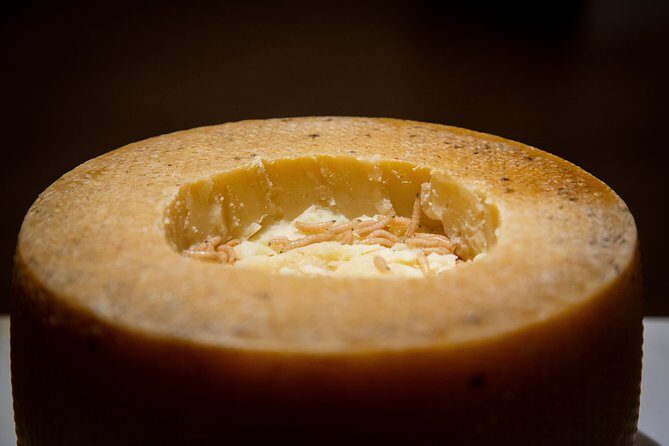
Children under six get in free, but the museum’s recommended minimum is around eight or nine. Younger kids will find some of the visual displays unsettling (the cuy and the casu marzu specifically), and the smell stations are pitched at adult head height and do not work as well for shorter visitors. The tasting bar is fine for kids who want to try; the host always offers an opt-out, and chocolate-covered crickets are usually the introduction.
Eight-to-twelve-year-olds tend to love it. The mix of “ew gross” and “wait, why?” is exactly the right cognitive level for that age. Teenagers are split: it depends entirely on the teenager, and you know which kind yours is.
Strollers fit through the museum but it is tight. There is a small step at the entrance and the smell-station row is narrow. If you are travelling with an under-two, the museum is not really designed for that visit; one parent waits outside is a common solution.
Getting there from Copenhagen, Lund, the airport
Malmö is genuinely well-connected, more than its size suggests. The Öresund train from Copenhagen Central runs every 20 minutes and takes 35 minutes to Malmö C, plus a 13-minute walk to the museum. Most Copenhagen day-trippers can do the museum and lunch and be home for dinner.


From Lund, the train is 15 minutes to Triangeln (which is closer to the museum than Malmö C). From Copenhagen Airport (CPH) the same Öresund train comes straight from the airport’s underground platform; total airport-to-museum is about 50 minutes including the walk. From Stockholm, the high-speed train is 4 hours 30 to Malmö C; you would not do this as a day trip but as part of a southern Sweden loop, yes.
If you are driving, there is paid parking around Triangeln in the P-Triangeln garage and at Caroli City to the north. Sundays are easier than weekdays for street parking. The museum does not have its own lot.
What it is, what it is not
It is not, despite the name, mostly disgusting. About two-thirds of the exhibits are foods that are normal somewhere in the world and surprising-to-foreign somewhere else. Maybe a quarter is genuinely confronting. The remainder is the dangerous-foods stuff and the smell stations, which are the dramatic bits.
It also is not a giant museum. The footprint is roughly that of a large boutique shop. The exhibits are dense rather than spread out, and the design (low lighting, painted backdrops, hand-drawn signage) is good rather than slick. If you are coming from the Vasa Museum or the Nobel Prize Museum in Stockholm and expecting that scale of build-out, recalibrate.
What it actually is, on a good visit, is a smart, funny, slightly confronting hour and a half that gets you thinking about why your stomach decides what is food. That is more than most museums of any size manage. The 700-plus glowing TripAdvisor reviews are not nonsense. People come out of this place delighted, and the only ones who do not are the ones who came in expecting a hundred-room national museum.
The Berlin and LA spinoffs (because people ask)
Yes, there are now two spinoff museums: Disgusting Food Museum Berlin (opened 2022, in Kreuzberg) and Disgusting Food Museum Los Angeles (opened 2018, in Hollywood). The Malmö museum is the original and still the largest, and the only one with the founder Samuel West actively involved in the curation.
The exhibits at the spinoffs overlap with Malmö’s about 70%. The famous foods (surströmming, hákarl, durian, casu marzu) are at all three. Some of the country-specific exhibits differ: Berlin has more on Wurst-related “disgusting” German foods, LA has a bigger insect-protein and “future of food” section. If you have done one and are considering another, the differences are worth doing, but the smell stations are similar enough that you will recognise the order.
If you are travelling specifically for this kind of museum, Malmö is the one to do. It is the original, the curators are most attached to it, and it is the easiest day trip from a major city (Copenhagen) of the three.
Practical odds and ends
Cash and card both work; the gift shop and ticket desk take all major cards including Apple Pay. Public toilets are inside, free, clean. There is a small cloakroom at the front desk; coats hang for free, larger bags get a locker for a 10 SEK refundable deposit.
The museum is wheelchair accessible at the front but the layout is tight in places (the smell-station row in particular is narrow). If you use a chair, the staff is helpful and will rearrange access to the tasting bar to make sure you can comfortably participate.
Photography is allowed throughout, no flash. The casu marzu and the cuy displays are the social-media stars; expect mild crowds around those two specifically on busy days.


If you are heading north to Stockholm next
Most people who do the Disgusting Food Museum on a Sweden trip then carry on to Stockholm or Copenhagen. If Stockholm is the next stop, the city’s own museums sit in a different register. The Vasa Museum is the must-do: a 17th-century warship raised whole from the harbour, the most-visited museum in Scandinavia. The Viking Museum on Djurgården is the family-friendly cousin (combines a museum walk-through with a small dark-ride saga). For the heavier cultural visits, the Nobel Prize Museum on Stortorget pairs nicely with a guided Old Town walk.
If you have a few days in Stockholm and want to stitch them together cheaply, the Stockholm Pass covers most of the big museums (though not, for the avoidance of doubt, the Disgusting Food Museum, which is in Malmö only). Day-trippers from Stockholm should also look at the Sigtuna and Uppsala day trip for the historical opposite of DFM (Sweden’s oldest town and the cathedral city) or the Moose Safari to Tiveden for an evening in the forest. For another quirky niche-museum on a similar emotional register, the Cat Museum in Budapest is the closest cousin in our cluster.
For a sit-down food experience that is the opposite of what the DFM does to you, a Stockholm food tour is the recovery meal. Three hours of cinnamon buns, fika, herring you actually want to eat, and a glass of something sensible.
Affiliate disclosure: some links in this article go to GetYourGuide and Viator, our booking partners. If you book through them we earn a small commission at no extra cost to you. It helps us keep writing guides like this one. Prices and availability shown are current at the time of writing and may change.