
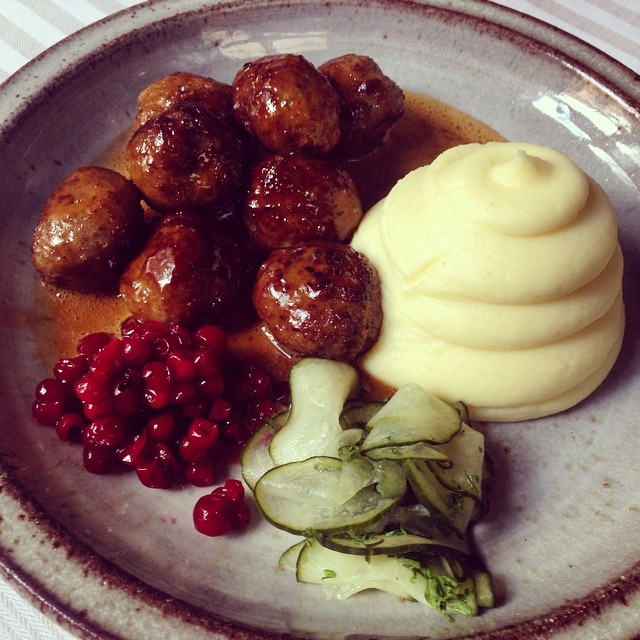
My friend Kate flew home from Stockholm last spring with three things she hadn’t expected: a stomach full of food she’d never have ordered on her own, the recipe for a pickled herring she’d hated four hours earlier, and a quiet conviction that IKEA had been lying to her for twenty years. The tour she’d booked was a four-hour walking food tour. The moment she described, with the kind of look people get when they’ve had a small religious experience, was biting into a real Swedish meatball at a cellar bar in Gamla Stan. Cream sauce, lingonberry jam on the side, mashed potato underneath, the meat dense and herbed and nothing like the freezer-aisle version. “I’d been eating fakes,” she said. Then she sent me the booking link.
If you’re reading this, you’re probably Googling the same thing she did. Below is what to expect, what to actually book, and a few things she wished she’d known going in.


- In a Hurry? Three Quick Picks
- What a Stockholm food tour actually is
- What it costs and how long it takes
- Three tours worth booking
- 1. Stockholm: Swedish Food Guided Walking Tour: 1,150 SEK
- 2. The Nordic Food Walk Stockholm: 1,250 SEK
- 3. The Stockholm Food Tour: 1,300 SEK
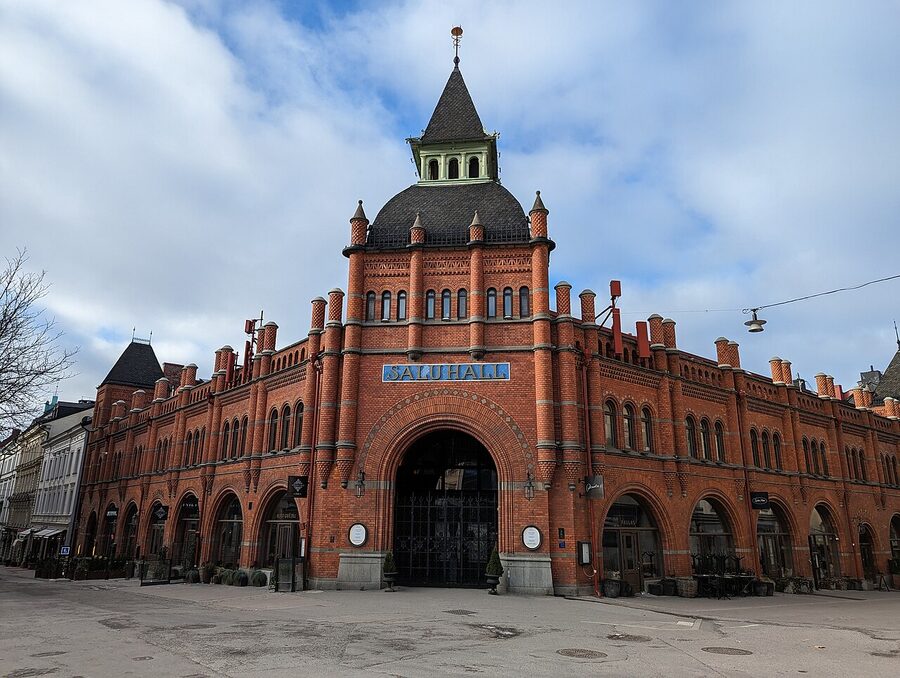
- Östermalmshallen, in detail
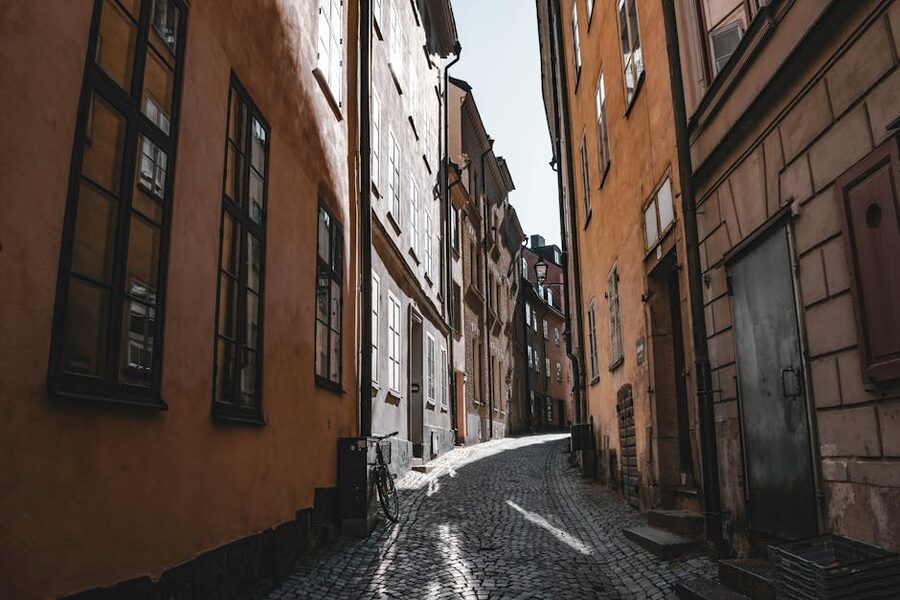
- The Gamla Stan stops
- The Södermalm stop, if your tour goes there
- Fika is not a coffee break
- What to ask before you book
- When to do it (and when not to)
- Pairing the food tour with the rest of your Stockholm
- Where the food tours actually start and end
- Mistakes Kate flagged for me
- How Stockholm compares to other Nordic food tours
- If you only do one thing
- Mixing food with the rest of Stockholm
In a Hurry? Three Quick Picks
Best overall: Stockholm Swedish Food Guided Walking Tour, about 1,150 SEK, four hours, seven tasting stops including Östermalms Saluhall and Gamla Stan. Our pick if you want the full canon.
Smallest group: The Nordic Food Walk, around 1,250 SEK, max 12 people, leaning Nordic-game (cured reindeer, moose) over classic café.
Most adventurous: The Stockholm Food Tour, around 1,300 SEK, the one to book if you actually want to try bear, moose and reindeer in the same afternoon.
What a Stockholm food tour actually is
It’s a guided walk, not a sit-down dinner. You move between three to four hours, on foot, between five and seven food stops. At each one a guide hands you a portion the size of a generous appetiser and tells you what it is, where it comes from, and why a Swede would eat it. By the end you’ve walked roughly two miles and eaten what amounts to a full meal in pieces.
The route depends on the operator but the bones are usually the same. Start somewhere central, often Östermalms Saluhall, the gilded 1888 indoor market in Östermalm. Cross into Gamla Stan for a couple of cellar stops. Finish on Södermalm, the more residential and less gilded island south of the Old Town, where the bakeries and craft places live.
.jpg)
Tastings vary, but you’ll almost certainly run into:
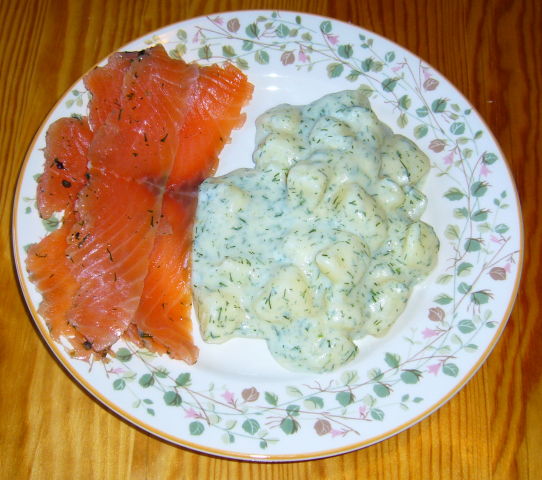
- Gravad lax. Cured salmon, dill, mustard sauce on rye. The original cure was buried in the ground, hence “gravlax”, which roughly means “buried salmon”.
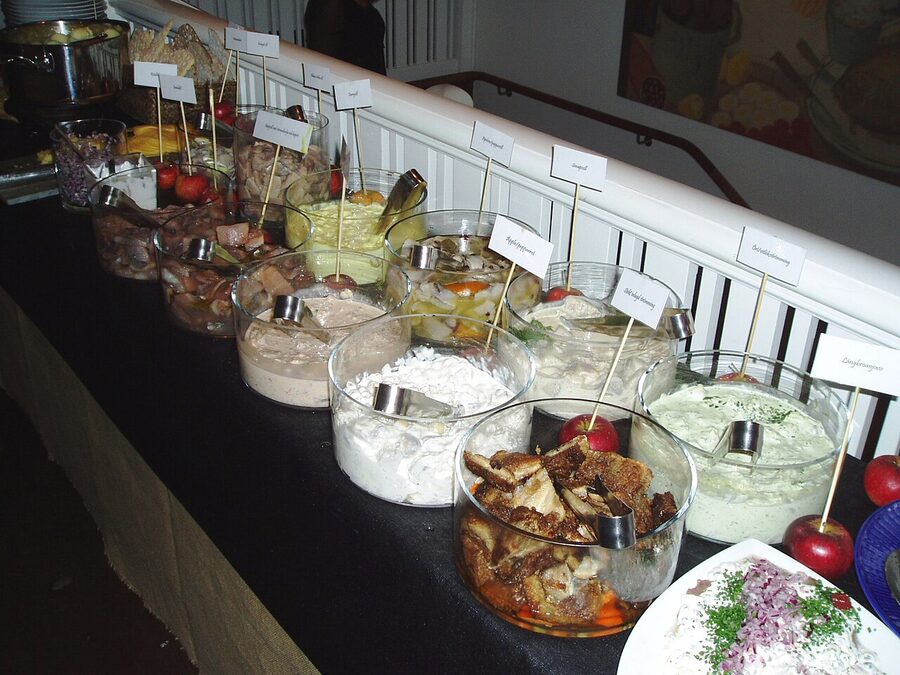
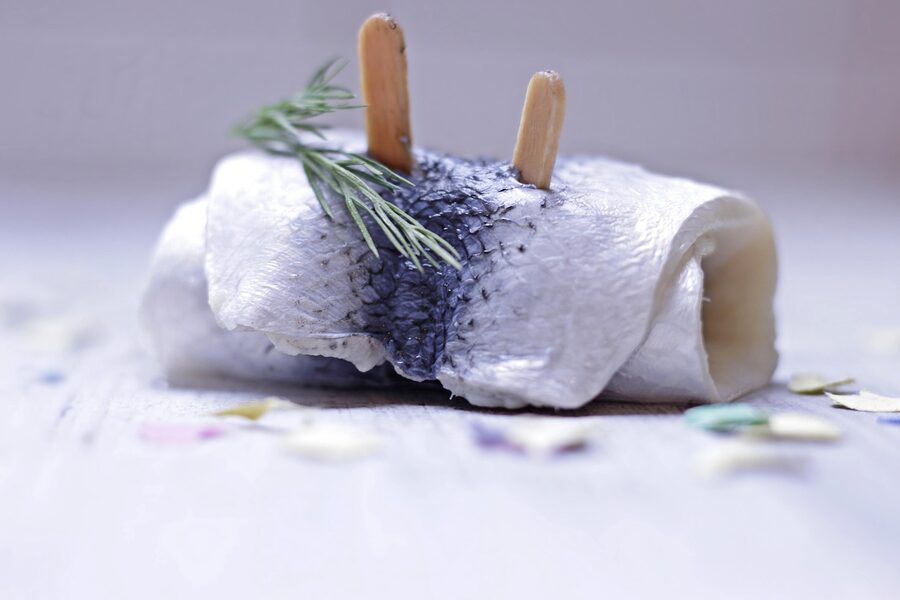
- Pickled herring. Multiple varieties at one stop: mustard, dill, onion, sherry. Try them in the order the guide suggests; the order matters.
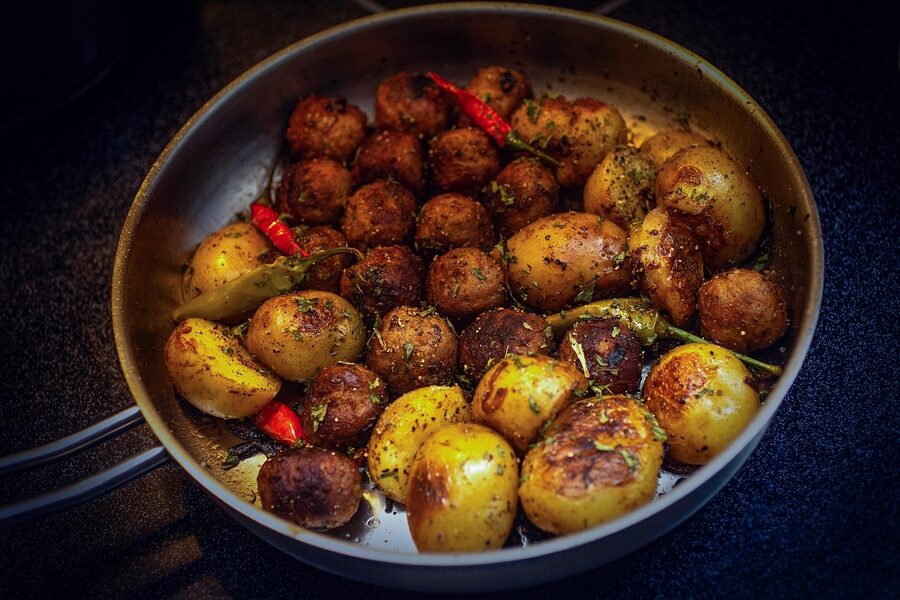
- Köttbullar. The real Swedish meatballs, which is to say not the IKEA ones. Cream sauce, lingonberry, mash.
- Cured cheeses. Aged Västerbotten is sharp and crumbly, somewhere between parmesan and aged cheddar. Prästost is milder.
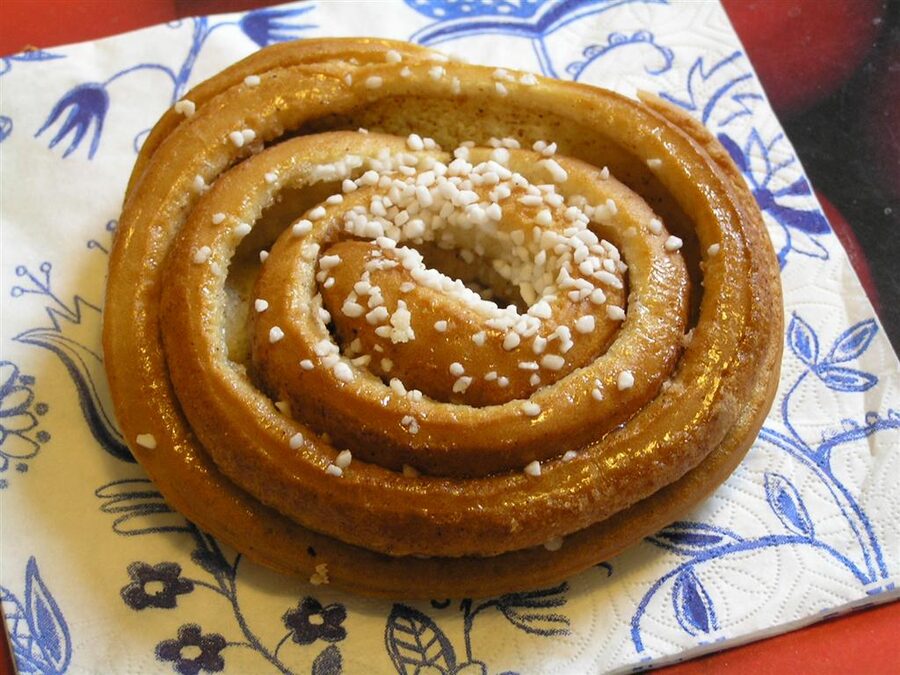
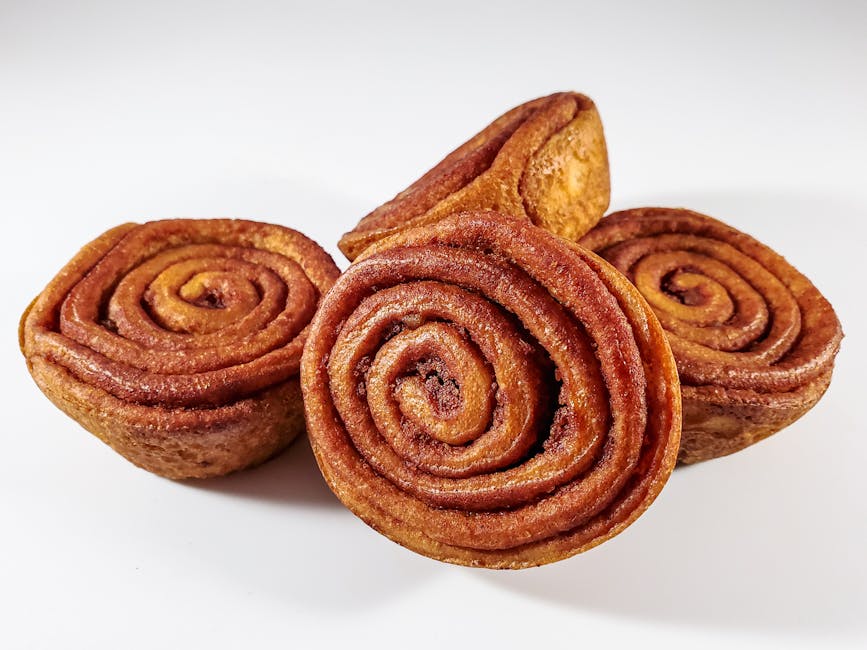
- Kanelbullar. The cinnamon bun. Sweden’s national pastry. October 4th is officially Cinnamon Bun Day in this country.
- Snaps. A small ice-cold shot of aquavit, sometimes flavoured with caraway or dill. Drunk at a single go, with a song if your guide is feeling it.
The good operators slip in things you’d never order on your own: Janssons frestelse, a potato-anchovy gratin that sounds wrong and tastes wonderful, or cloudberry jam on a slice of leipäjuusto-style cheese. The very good operators know which seasonal item to add: semla buns in winter and Lent, fresh strawberries in summer, surströmming in late August if you have a guide with a sense of humour.


What it costs and how long it takes
Plan on 700 to 1,300 SEK per person, with most of the well-rated tours clustering between 1,000 and 1,200. That’s roughly 65 to 120 USD. Tours run three to four hours. Food and drink are included, so the price you see is the price you pay; you don’t need to budget for lunch on top.
A few things that aren’t always obvious from the booking page:
- Tipping. Not expected in Sweden in the way it is in the US, but most guides on the food walks rely on tips for a chunk of their income. Round up 10 to 15 percent if the tour was good.
- Drinks. Tours include one or two tastings of beer, wine, or aquavit. If you want a full pour with the meatballs, you’ll usually pay extra at the venue.
- Group size. Look for max twelve. Twenty-person groups don’t fit in the cellar bars in Gamla Stan, and you spend half the time waiting for the back of the line to be served.

Three tours worth booking
Below are the three tours I’d actually pick from, having read through the post-tour write-ups in our review database and matched them against the route maps. They’re not the only options in Stockholm but they’re the ones consistently delivering on the promise.
1. Stockholm: Swedish Food Guided Walking Tour: 1,150 SEK
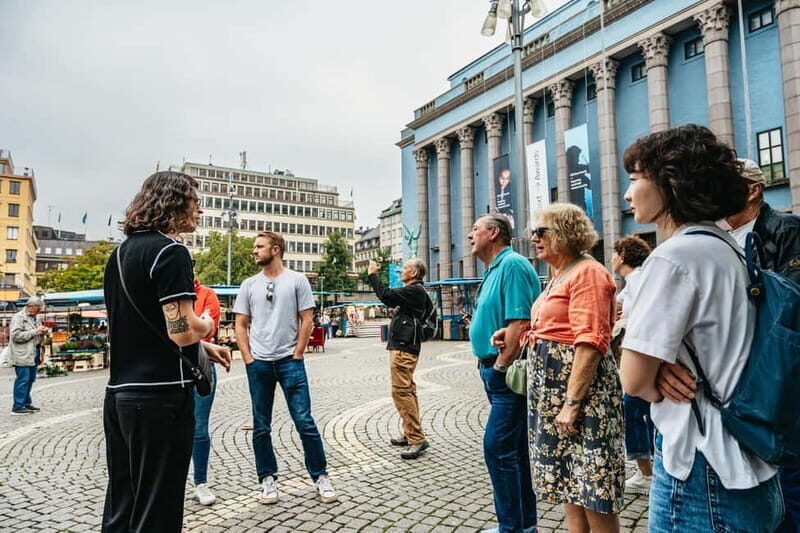
This is the one we’d send a first-timer on. The route hits Östermalms Saluhall, Gamla Stan, and a quieter stretch past the Royal Opera, with the obligatory cheese-fish-meatballs progression and a kanelbulle stop. Our full review covers what the seven tastings actually amount to (it’s a full meal, you don’t need dinner after). Guides Cotton and Theresa get repeat shouts in our notes for being warm rather than performative.
2. The Nordic Food Walk Stockholm: 1,250 SEK
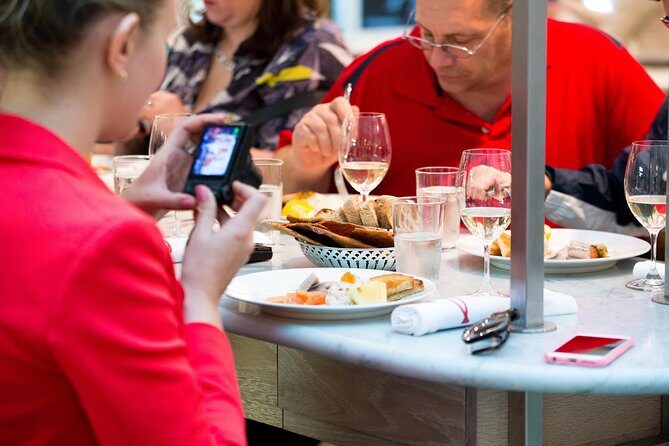
Smaller cap (twelve people) and a tighter focus on Nordic ingredients. Cured reindeer, fresh seafood, and a stop at a cosy local café in our full review read more like a chef’s tasting menu than a sampler. Guides skew toward native Stockholmers (one regular, Cotton, runs both this and the GetYourGuide tour above), so quality tends to be steady. Pick this one if you’ve already had Swedish meatballs back home and want the ingredients you can’t get anywhere else.
3. The Stockholm Food Tour: 1,300 SEK
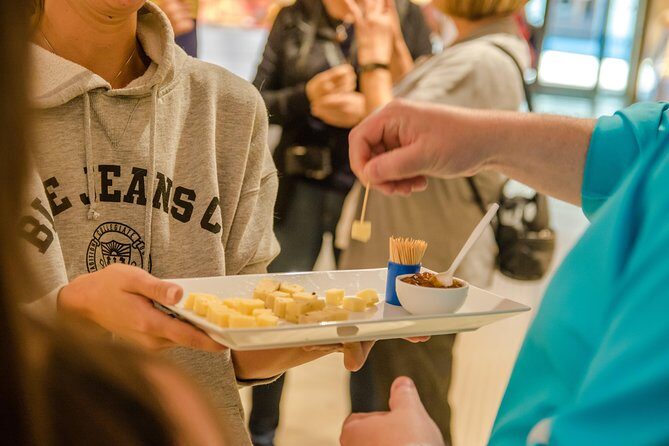
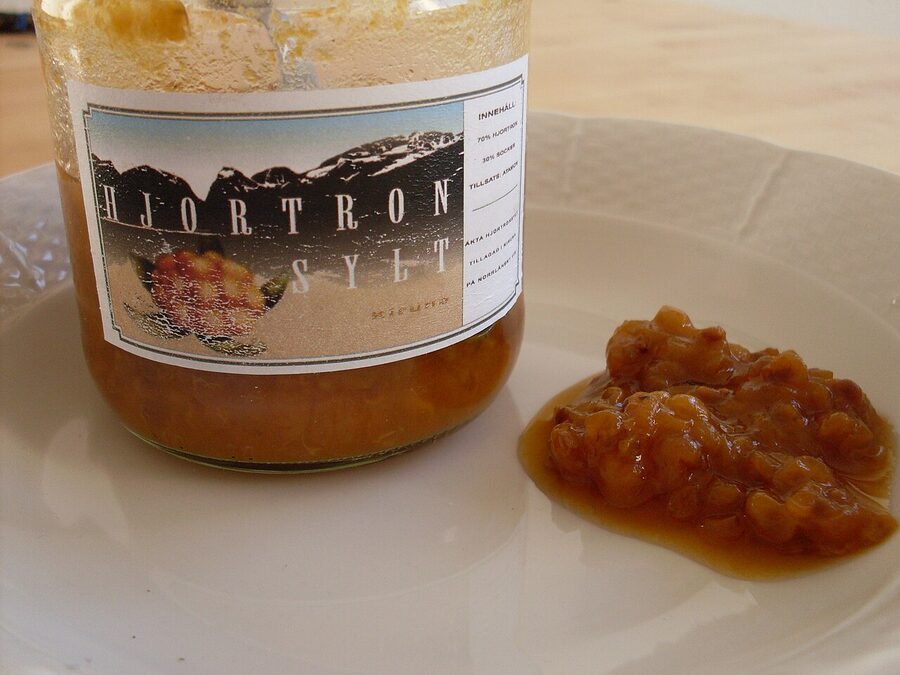
Four hours, seven stops, the broadest stretch from Östermalm into Gamla Stan, and the most adventurous tasting list of the three. Bear, moose, reindeer, salt liquorice, and a cured-fish moment that splits opinion. Our full review notes the relaxed pace, which is welcome; you’re not being rushed between bites. The guide knows when to lecture and when to step back, which is rarer than you’d think.
Östermalmshallen, in detail
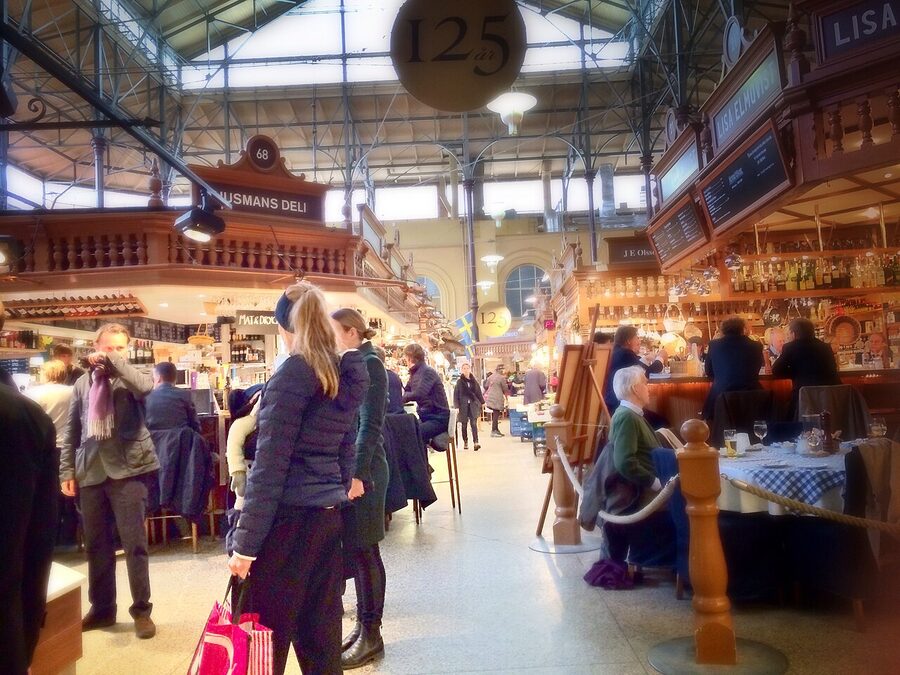
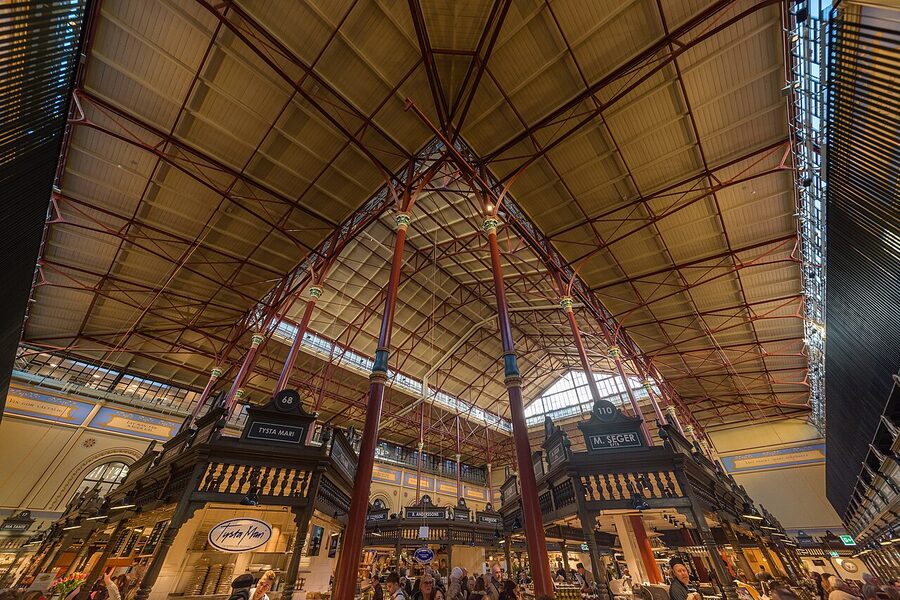
If your tour doesn’t include Östermalms Saluhall, pick a different tour. The market has been working continuously since 1888, and the brick-and-iron interior is a feature in itself: dark wood panelling, gilded signage, a shallow gallery upstairs, and a low ceiling that traps the smell of cured fish and fresh bread in a way that hits you the moment you walk in. Kate told me she stood in the doorway for a minute before her guide could move her on.
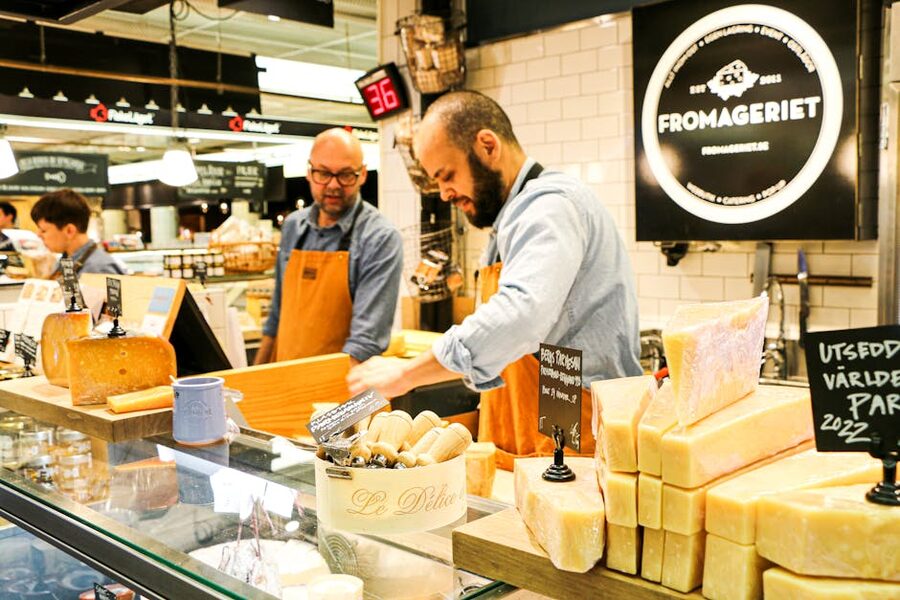
The market reopened in 2020 after a five-year refurbishment that, mercifully, kept the bones intact. About twenty stalls remain: Lisa Elmqvist for fish (the family has been there since 1926), Tysta Mari for prepared foods, Melanders for cured salmon, Fromageriet for cheese. There are two sit-down restaurants tucked among the stalls, but a food tour will keep you on your feet so the guide can show you specific counters rather than hold a table.
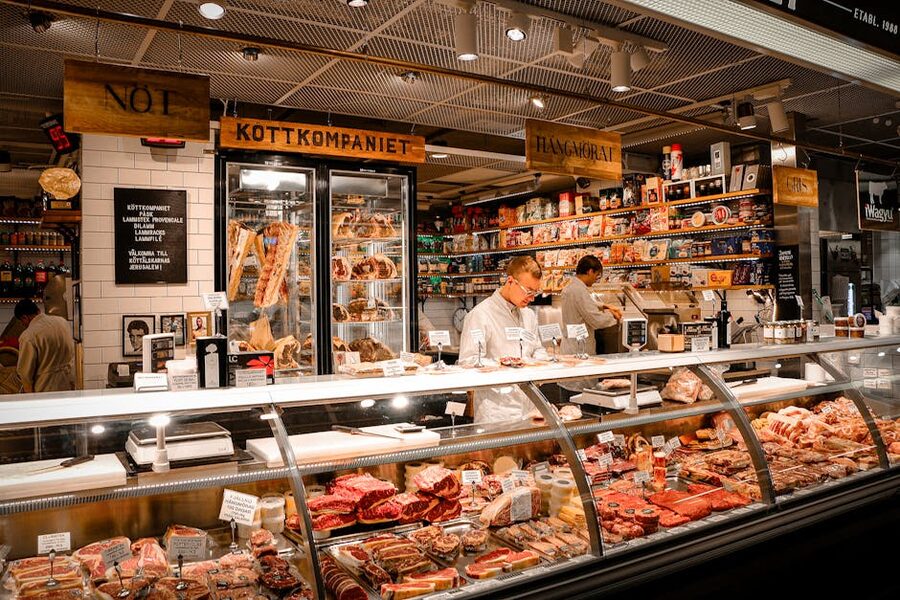
If you want to come back without a guide, the market opens at 9.30am Monday to Friday and at 9.30am on Saturdays, with most counters running until 6pm weekdays and 4pm Saturdays. Closed Sundays. Cash works but everyone takes card, including the small fish counters. There’s a small charge for the toilets at the back of the building; bring a 5 or 10 kronor coin.
The Gamla Stan stops
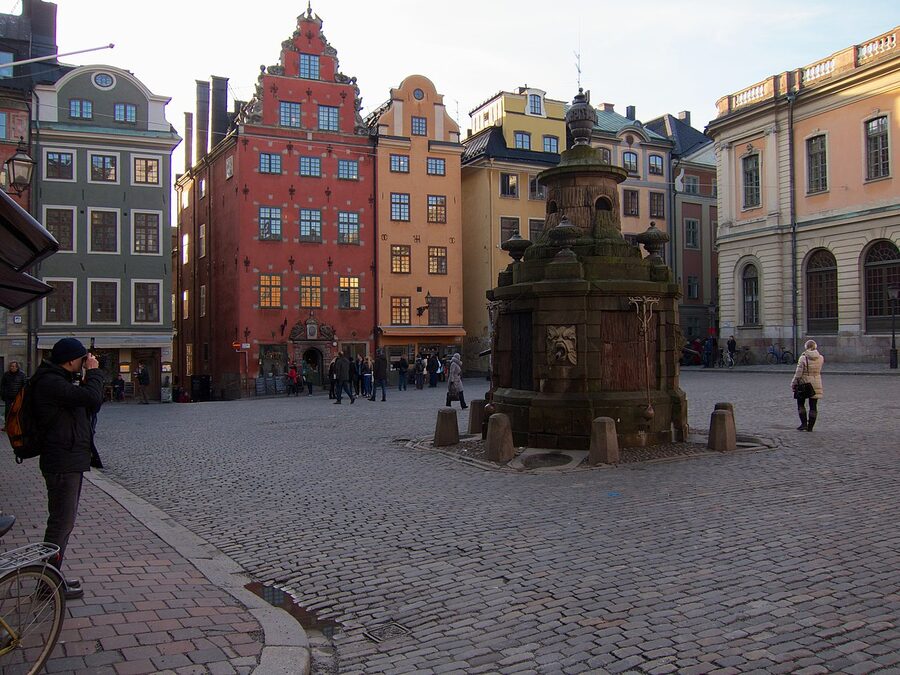
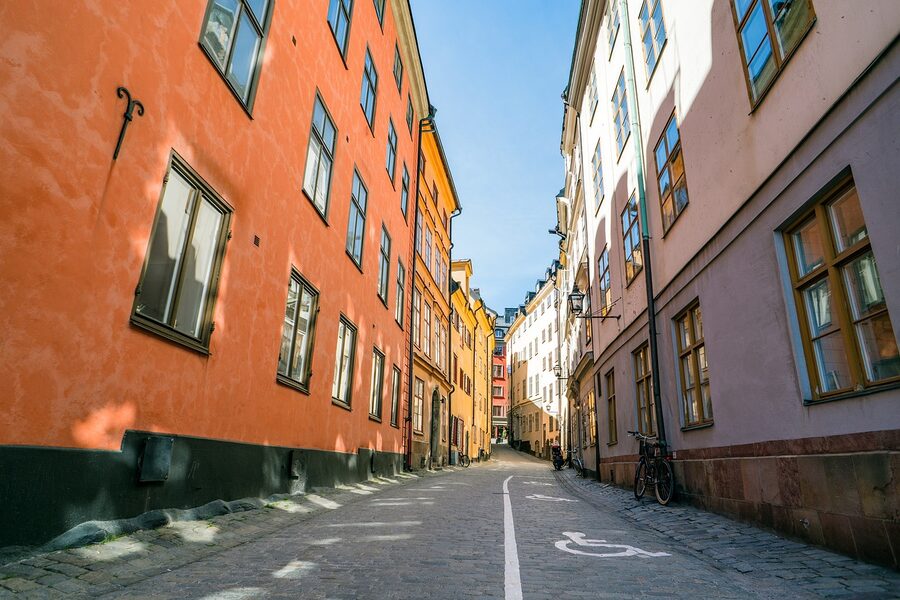
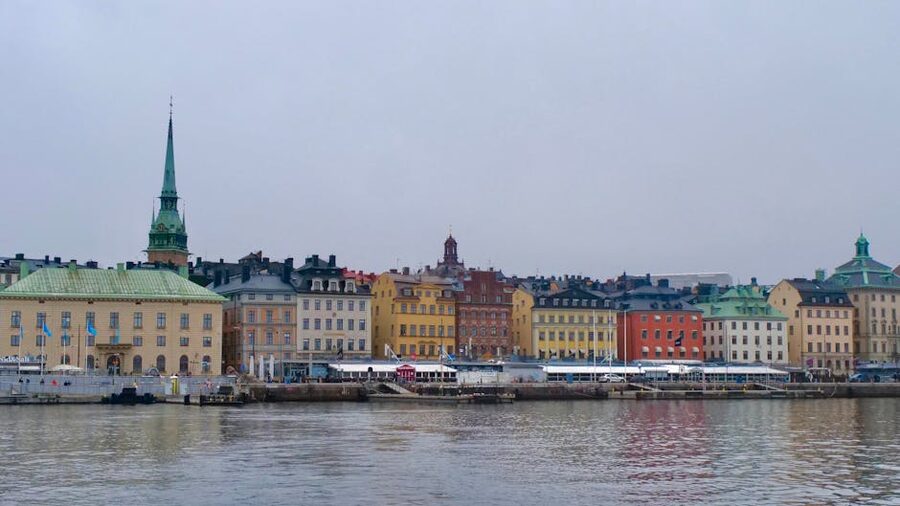
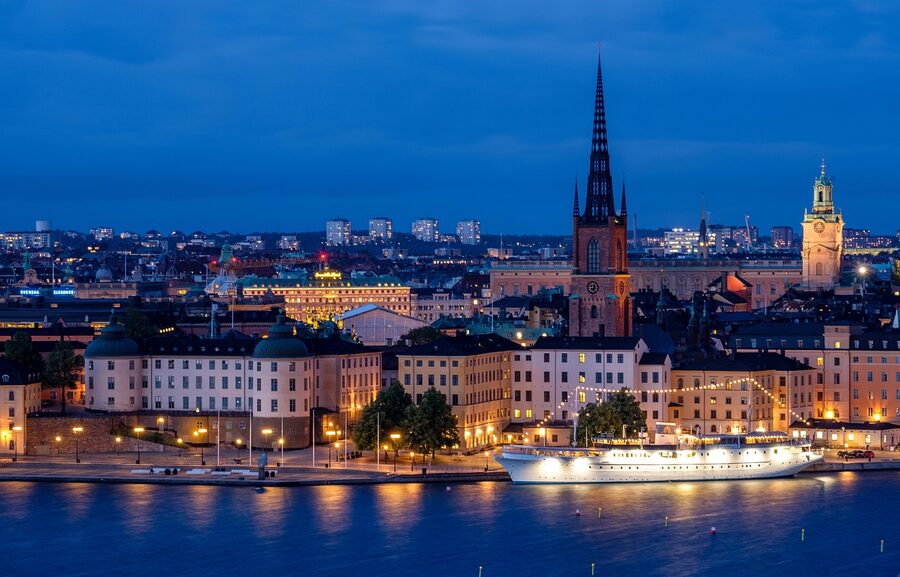
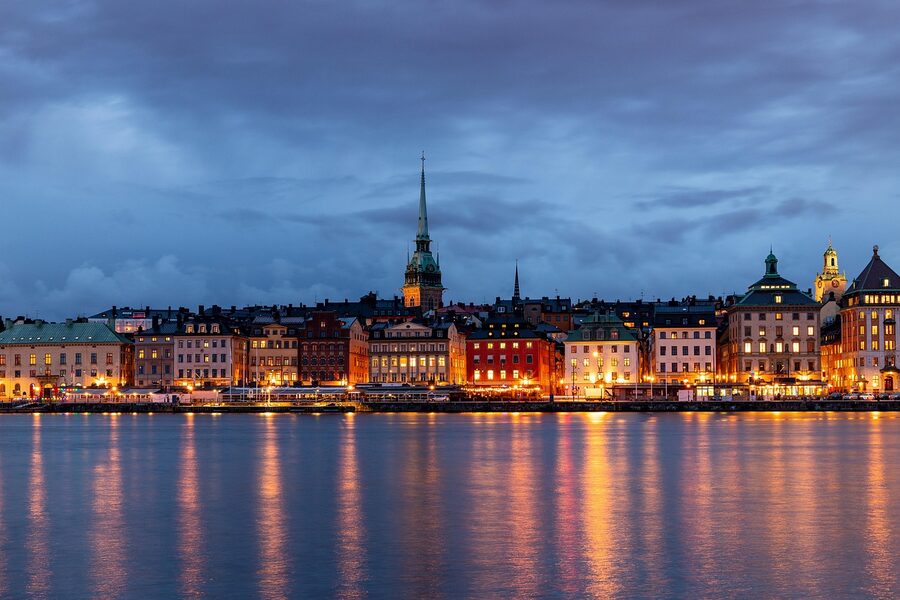
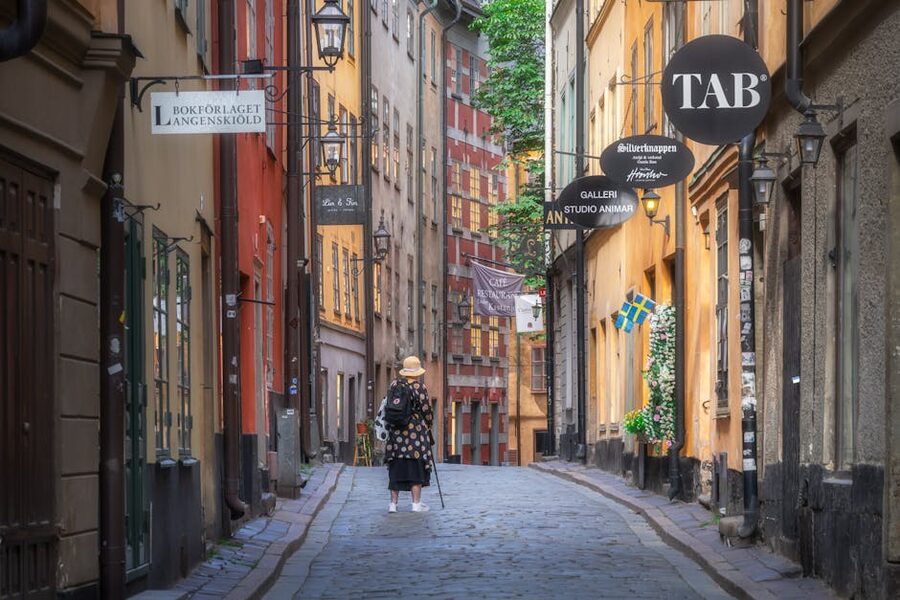
From the Saluhall, most tours walk south through Norrmalm, cross Norrbro bridge with a quick stop for a view of the Royal Palace, and drop into Gamla Stan. The cellar bars and small kitchens here are where the meatball stop usually happens. Look for places that aren’t on the main drag of Västerlånggatan; the worthwhile cellars sit one street back, on Prästgatan and Stora Nygatan, where the rents are slightly less brutal and the food is consequently better.
.jpg)
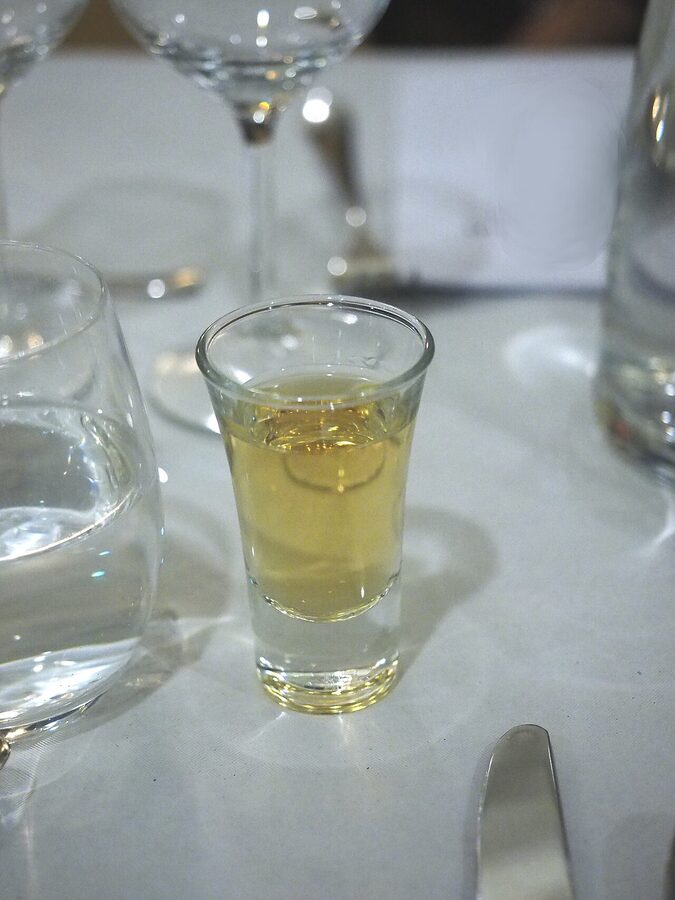
This is also where the snaps tradition usually appears. A small frosted glass, served ice cold, sometimes flavoured with caraway and dill, sometimes with St John’s wort. The guide will hand you the glass, sing a short verse (the most famous is “Helan går”), and then you tip it back in one go. If you don’t want it, swap with someone in the group; it’s a sensible offer in Sweden, where the alcohol licensing is strict and the operator has built the shot into the price.
Worth pairing with: a daylight tour of Gamla Stan if you want the orientation. Our cluster walking tour guide covers the operators and the route in detail, and is the natural sister piece to this one.
The Södermalm stop, if your tour goes there
Not every food tour crosses Slussen onto Södermalm, but the better ones do. The neighbourhood is where Stockholm’s modern food scene actually lives: small bakeries, third-wave coffee, a heavy concentration of independent restaurants and the city’s best sourdough kanelbulle, depending on who you ask.
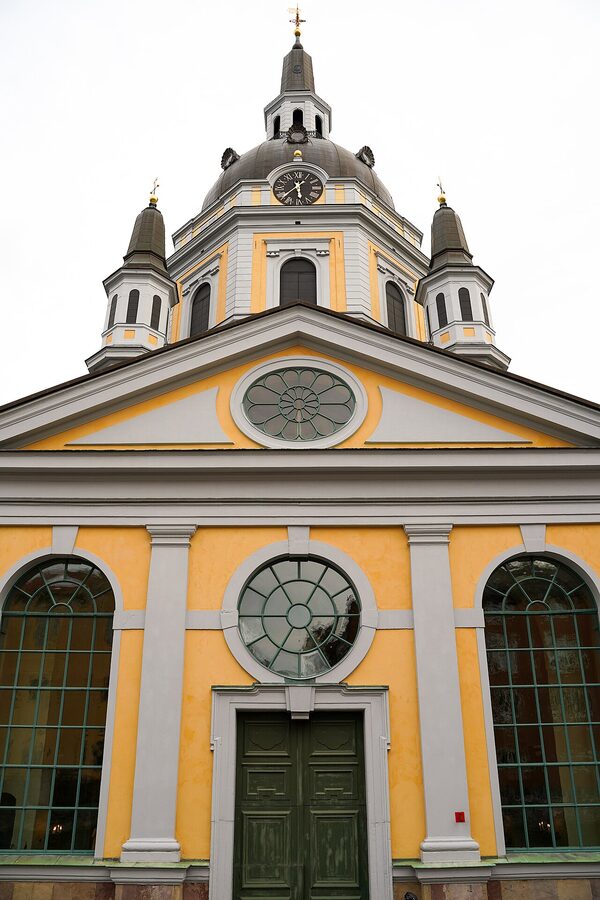

The Södermalm leg tends to feature the kanelbulle stop, the modern Nordic-fusion taster, and (if you’re lucky) a craft brewery pour. Stockholms Bryggeri on Södermalm is the one that occasionally features in tour itineraries; if your tour skips it, walk back another day and try their stout.
Fika is not a coffee break
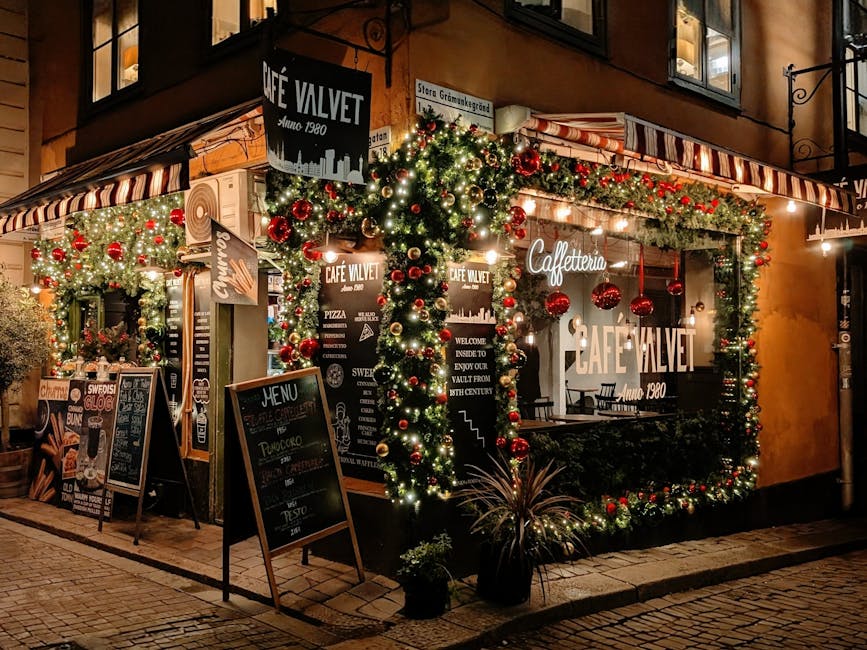
You’ll hear the word fika a lot, sometimes folded into the tour itinerary as if it were just a coffee stop. It isn’t. Fika is the Swedish ritual of pausing, for fifteen minutes or two hours, with a coworker or alone, over a coffee and something baked. The bun matters less than the pause. The good food tours take this seriously: they’ll stop, sit, and let you eat the bun without pulling you forward to the next stop the moment you’ve finished.
If your tour doesn’t include a real fika, factor twenty minutes into your walk back to your hotel afterwards. Sit in any café, order a coffee and a kanelbulle, refuse to look at your phone. That’s fika. The food tour explains the food; the fika afterwards is what makes the food stick.
What to ask before you book
The booking page rarely tells you everything. A short checklist that’s saved me twice:
- Group size cap. Twelve is the upper limit you want. More than that and the cellar stops run long.
- Dietary options. Most operators accommodate vegetarian and gluten-free, but the herring stop and the meatball stop are central to the experience; flag in advance and ask what the substitutes are. “Cheese” is a thin substitute for half the tour.
- Walking distance. Around two miles total over four hours. If that’s not your gear, look at a sit-down food experience instead. The walking is part of why you can keep eating.
- Drinks included or extra. One or two tastings included is the norm; everything beyond is at the venue’s prices, which in Sweden is not cheap.
- Language. Almost all are English. A few private operators run them in German, French, or Spanish; ask.
- Cancellation window. Most are 24 hours for a full refund. Check, especially for high-season summer dates that fill weeks ahead.
When to do it (and when not to)
Stockholm food tours run year round, but the experience changes a lot by season.
Summer (June through August) is the easiest. Long daylight, comfortable temperatures, and the city’s terrace cafés are open. The downside is that the tours fill up two to four weeks in advance and feel busier; Östermalms Saluhall on a July Saturday is genuinely packed. Book ahead. If you hit Stockholm in this window, also weave in a half-day on the water, see the boat tour piece in our cluster, or, if you’ve got a full day, a trip out to the islands via the Stockholm Archipelago.
Autumn (September and October) is the sleeper pick. Game season starts, which means moose and reindeer tasters are at their best, and the cinnamon bun sees a small renaissance around October 4th (Cinnamon Bun Day). Tours are easier to book on shorter notice. Bring a light coat and rainproof shoes; Stockholm rains often in October.
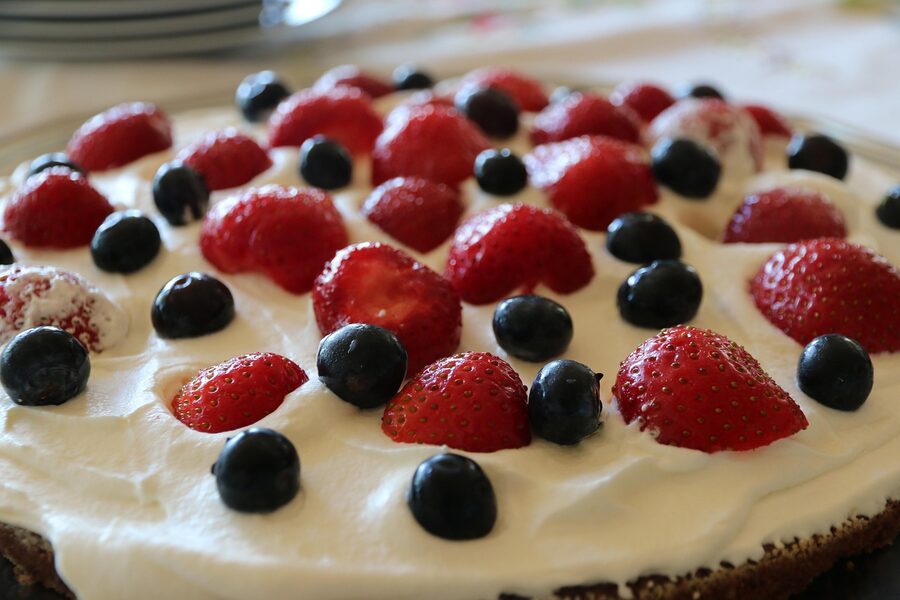
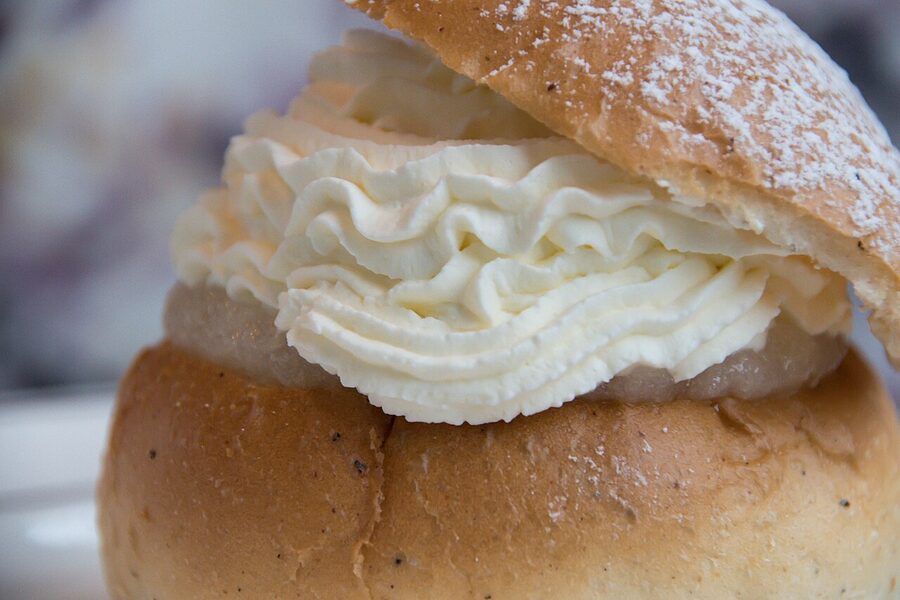
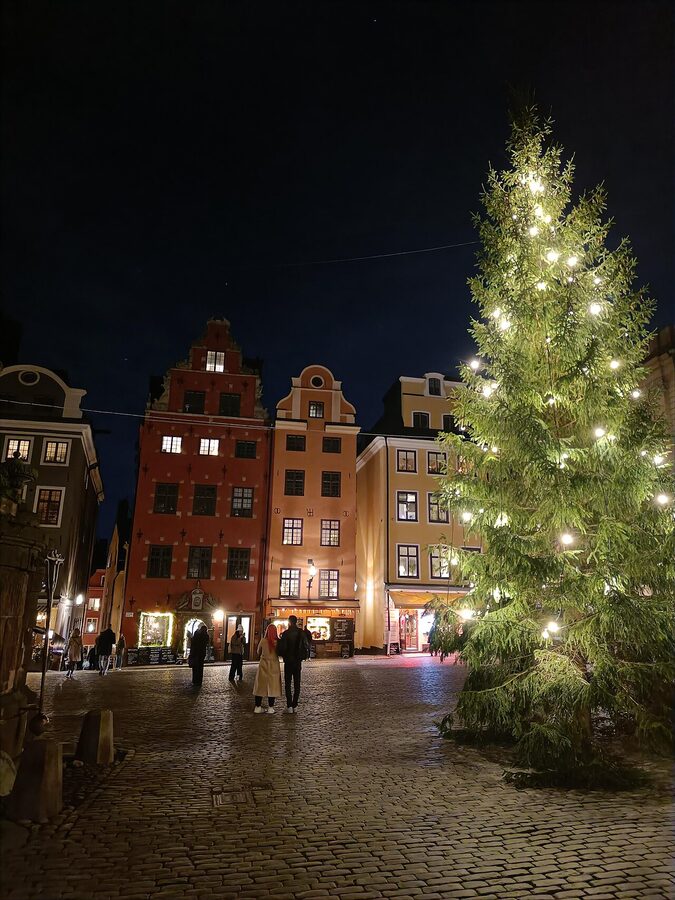
Winter (November through February) is dark and cold but quietly the best season for the food itself. The tours are quieter, the cellar bars feel warmer, and you’ll catch semla season, the cardamom-and-cream Lent buns that get more attention here than the cinnamon ones, in their two-month window from January to February. Layered up properly, the walk is fine. The Christmas market on Stortorget runs through December and a few tour operators add a glögg stop for the season.
_-_whipping_cream_and_almond_paste_in_between.jpg)
Spring (March through May) is variable. Late March can still be raw and grey; May warms up fast and the sunny terraces start opening. Booking-wise, May is the right balance between price (low season prices still in effect) and weather (tolerable to good).
Pairing the food tour with the rest of your Stockholm
A four-hour food tour eats a morning or an afternoon. If you’ve got two days in Stockholm, here’s how the locals I’ve talked to suggest you fold it in.
Start day one with the food tour in the morning, then walk it off through Djurgården. The island holds the Vasa Museum and Skansen open-air museum, both worth half a day. Skansen has its own food angle: the historic Stockholm farms with their preserved peasant-cooking demonstrations are quietly the best free supplement to the food tour.
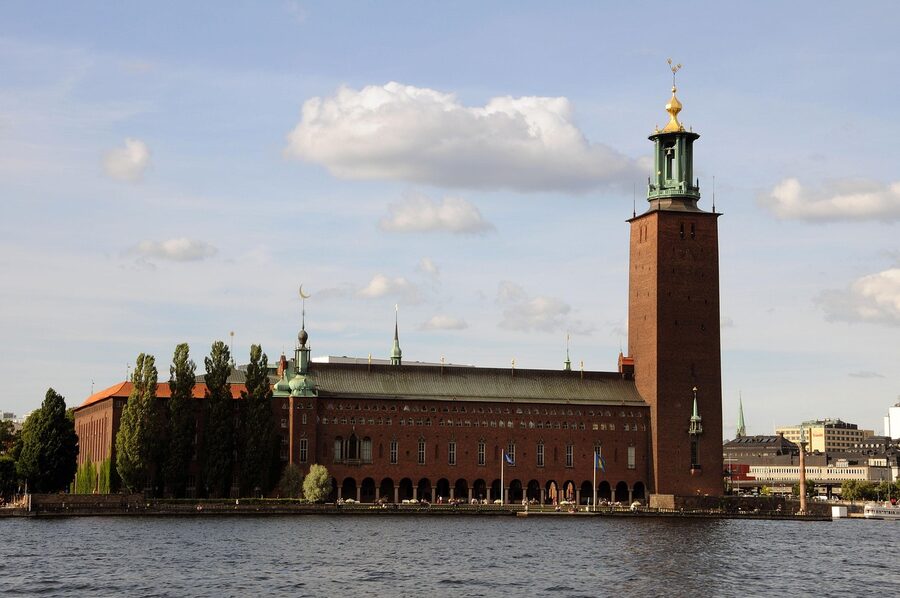
Day two: a morning at the ABBA Museum if that’s your thing, otherwise the Stockholm City Hall tour for the Blue Hall and the Golden Hall. Then drift across to Söder for an unguided afternoon, coffee, a second kanelbulle, and a slow walk back through Slussen at sunset. If you’ve still got energy, the city’s hop-on hop-off bus stops at most of the day-two landmarks if you’re not in a walking mood.
Three days or more and you’ve got room for the Gamla Stan ghost walk after dark (good after a heavy tasting lunch, you walk it off), and a separate biking afternoon. Our bike tour piece in this same batch covers the route options on Djurgården and Långholmen, and is the obvious second-day pairing if the food tour ate your morning.
Where the food tours actually start and end
Most start at Östermalmstorg (the square outside Östermalms Saluhall, T-bana red line, 4 minutes from Stockholm Central). End points vary: some finish on Söder, which is a 15-minute walk back to Slussen and the metro; others wrap up in Gamla Stan, where you’re already on the metro.
If you’re staying in Östermalm or Norrmalm, you can walk to the start. From Södermalm hotels, take the green line to T-Centralen and change to the red line. From Gamla Stan itself, walk; it’s about fifteen minutes north over Strömbron bridge, and the walk is the better option than the metro for that stretch. If you’d rather not work out the metro on day one, a Stockholm Pass bundles the public transport with most attractions and saves the maths.
Mistakes Kate flagged for me
A few things she wishes she’d known before her own tour:
- Don’t have breakfast. The tour is a full meal in pieces. Coffee in the morning is fine. A hotel buffet is not.
- Wear layered clothes. Half the experience is indoor markets and warm cellars; the other half is outdoor walks. A jumper that comes off easily helps.
- Don’t drink the snaps if you don’t drink. The guide isn’t going to be offended. Pass it sideways or skip.
- Take photos sparingly. The guides hate it when half the group is on their phone for the whole stop. Eat first, photograph second.
- Tip in cash. Most guides take cards via Swish, but a 50 or 100 kronor note tucked into a handshake reads as a thank you in a way the card doesn’t.
.jpg)
How Stockholm compares to other Nordic food tours
If you’ve already done food tours elsewhere, Stockholm sits closer to the rich-cellar end of the Nordic spectrum. The Copenhagen food tour leans more new-Nordic and smørrebrød-heavy; Stockholm gives you more cured fish and game meat. Compared to the Lisbon food tour, the calories per stop are higher in Stockholm: fewer small pastéis, more meatball-and-mash. The Porto food tour is closer in feel because both lean on big plates and a more sit-down pace, though the Porto wine angle is harder to match in Stockholm. The closest cousin is probably the Krakow food tour, where the cured-meat-and-pickle thread runs in parallel.

If you only do one thing
Book the four-hour Saluhall plus Gamla Stan tour with a max-twelve group. Don’t eat breakfast. Tip the guide. If your trip lands in late January or February, build in a stop at any bakery for a semla afterwards; it’s the one Stockholm food the tour might not cover but absolutely should.
Kate finished the tour at a small Söder bakery and bought four extra kanelbullar for the train back to her hotel. She also bought a jar of mustard sill at the Saluhall on the way past. She’s still talking about both, which is the highest compliment a food tour gets.
Mixing food with the rest of Stockholm
If you’re plotting two or three days, the food tour pairs naturally with the bigger Stockholm classics. The general Old Town walking tour covers the same Gamla Stan ground but with the architectural lens; if you’ve done the food tour first, the walking tour locks in the geography you ate through. Consider also our amphibious bus tour guide if you want a fast overview of the harbour and Djurgården side, which the food tour barely touches; it makes a good pre-dinner activity on day one. Spread across a long weekend, the food tour, a walking tour, and a boat or bus tour together cover the central city without much overlap.
Affiliate disclosure: when you book through the links in this article we may earn a small commission at no cost to you. We only link to tours we’ve reviewed and would actually recommend. The price you see at the booking page is the price you pay.