
Picture two boats heading out of Palma Bay on the same morning. One is a 25-metre catamaran with a buffet table being set up on the rear deck, fifty passengers in swim shorts, a DJ wiring up a speaker on the upper level. The other is a smaller dual-hull boat, maybe forty seats, no music, a guide in a uniform tapping a clipboard against her hip. Both will probably see dolphins. Only one is actually trying to.
That is the choice you are making when you book a Mallorca dolphin watching cruise versus a regular catamaran day out. Same animals, same coast, two completely different days. This guide is about picking the right one.
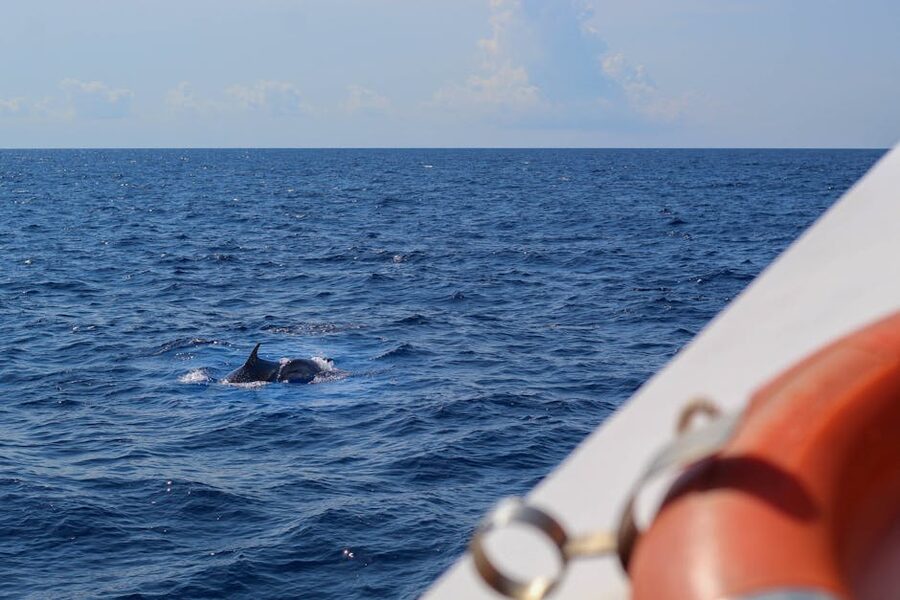
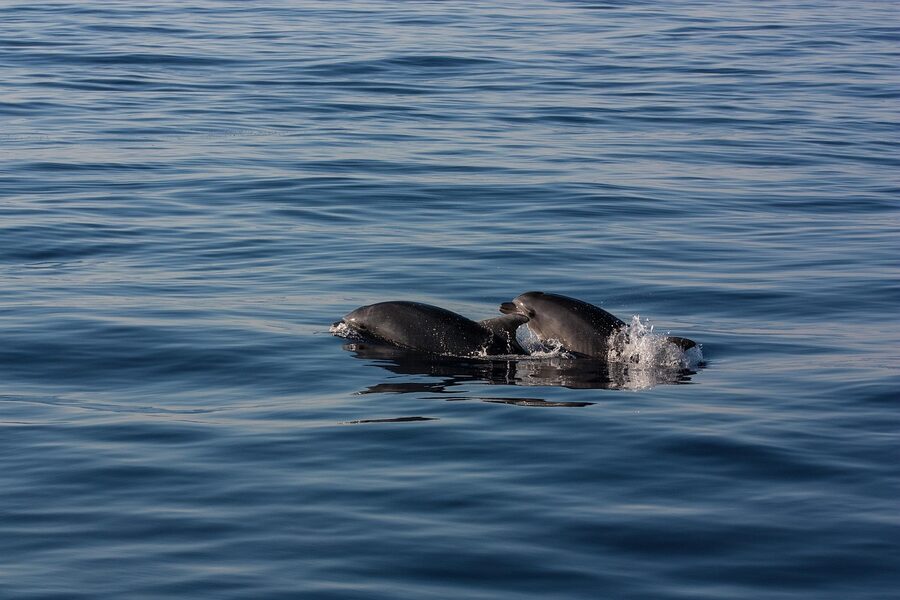
Best for budget: 2-Hour Dolphin Watching Cruise & Glass-Bottom Boat, $37. Half the price, half the time, glass-bottom panel for the kids while you wait.
Best for a full day: Dolphin Watching Cruise with Lunch, $54. Includes a paella-style lunch and a swim stop. You eat and watch.
- The catamaran-versus-dolphin-tour question, settled
- What sightings actually look like off Mallorca
- The tours worth booking
- 1. 3-Hour Afternoon Dolphin Watching Boat Tour:
- 2. 2-Hour Dolphin Watching Cruise & Glass-Bottom Boat:
- 3. Mallorca Dolphin Watching Cruise with Lunch:
- Where the boats actually leave from
- When to go: month, time of day, sea state
- How likely you are to see dolphins (the real numbers)
- Ethics: the bit nobody mentions on the booking page
- What to bring on the boat
- How dolphins ended up here in the first place
- Combining a dolphin tour with the rest of your week
- The catamaran question, one more time
- Other Mallorca tickets worth grabbing
The catamaran-versus-dolphin-tour question, settled
This is the bit that confuses everyone. Mallorca has two boat experiences that look almost identical from the marketing photos: a catamaran cruise and a dolphin watching cruise. They use similar boats, leave from similar ports, and both promise “dolphins if we’re lucky.” They are not the same product.
A catamaran cruise is a sailing day out. The boat is the destination. You get a swim stop in a quiet cove, lunch served on deck, sometimes paddleboards or snorkel gear, and the route is built around the prettiest anchorage of the day. If a pod of dolphins crosses the bow, the captain might slow down and let you watch for ten minutes. If they don’t, no one mentions it.
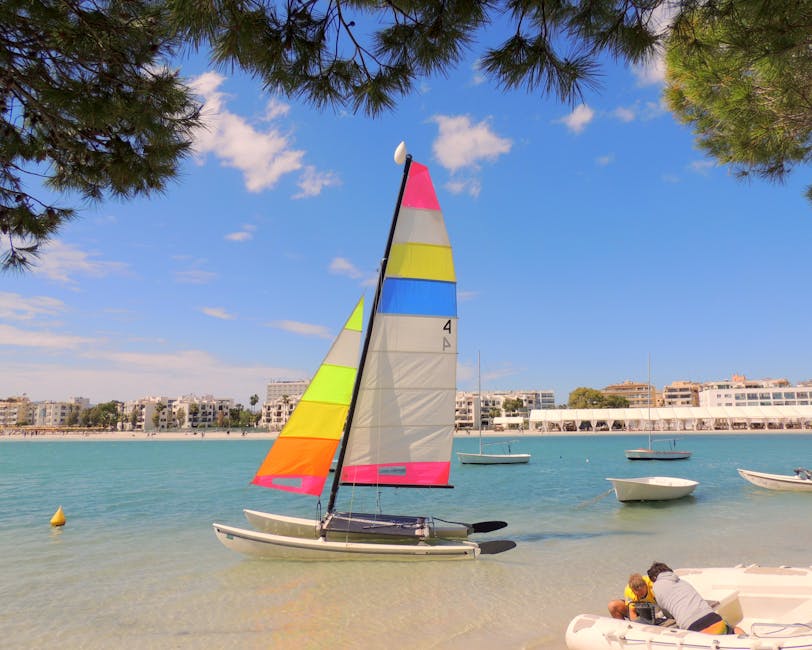
A dolphin watching cruise is built the other way around. The boat is the tool. The route changes based on where dolphins were spotted yesterday and where the on-board naturalist or skipper expects them to feed today. You stop when there’s wildlife in the water, not when the cove looks pretty. There is usually no buffet, sometimes no swim, and the day is structured around increasing your odds of an actual pod encounter, not just a one-off fly-by.
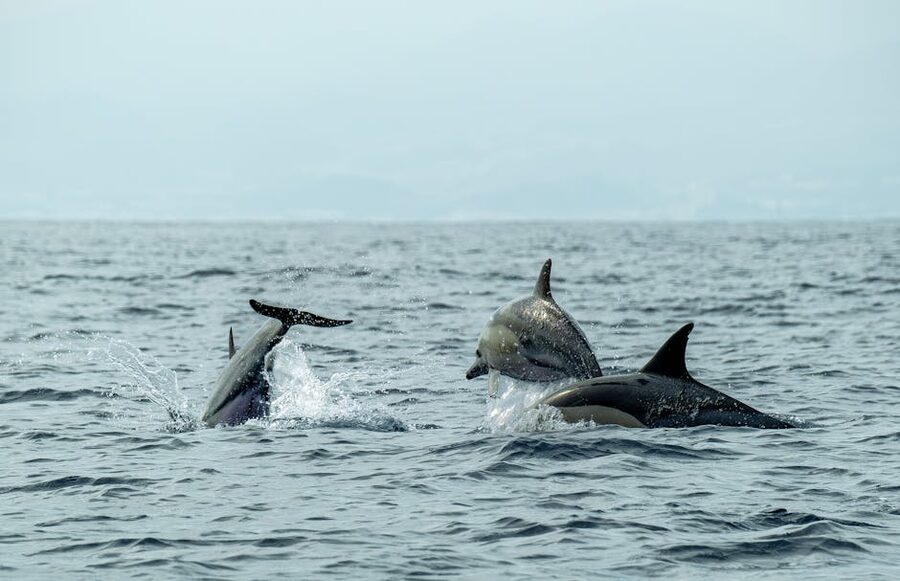
The short version: most people booking a “Mallorca boat trip” actually want the catamaran. They want a day in the sun with food and a swim, and dolphins are a bonus. If that’s you, book the catamaran and stop reading. If you specifically want to see wild cetaceans and you’d rather not eat off a paper plate while you do it, keep going.
What sightings actually look like off Mallorca
You probably will see something. Operators on the south-west coast quote rough success rates of 80-90% in summer, dropping noticeably in spring and autumn when the water is colder and the schools of small fish that dolphins follow have moved deeper. Nobody who runs these trips will tell you the success rate is 100%, and the ones that do tend to count “sighting” very loosely (a single dorsal fin three hundred metres away counts).
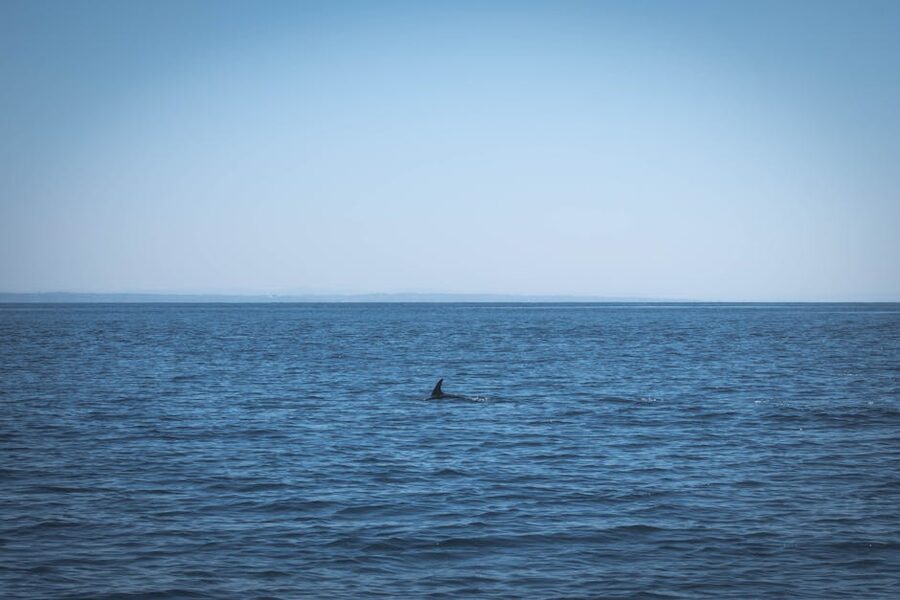
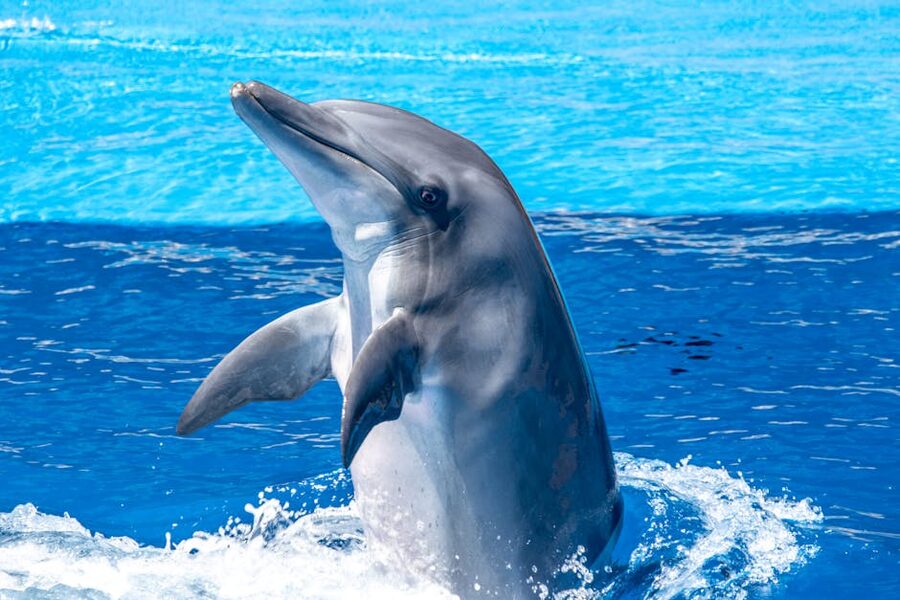
The two species you’re most likely to spot are the common dolphin (Delphinus delphis), which travels in fast, tight pods of 15-50 animals and tends to bow-ride, and the bottlenose dolphin (Tursiops truncatus), which is bigger, slower, and more solitary. Common dolphins put on the better show. Bottlenose are the ones that occasionally come close enough that you can hear them breathe.
You may also see Risso’s dolphins, striped dolphins, and rarely a small pod of pilot whales. Larger whale sightings (fin whales pass through the Balearics on migration) are vanishingly rare on tourist boats and you should not book hoping for one.
The tours worth booking
Three operators handle most of the dolphin-specific traffic on the south and west coasts. They overlap on route but differ on price, length, and what comes with the ticket. Here is the order I would book them in.
1. 3-Hour Afternoon Dolphin Watching Boat Tour: $48
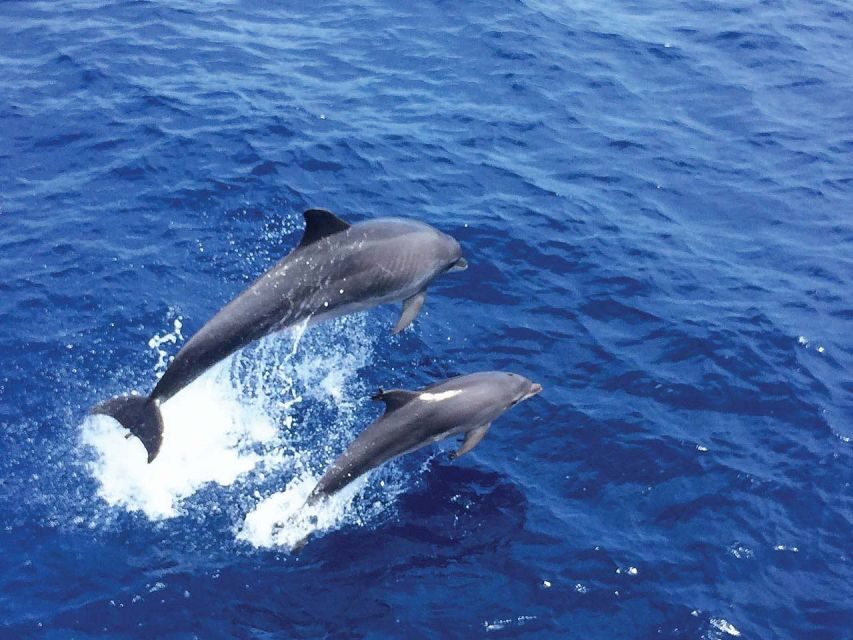
This is the one I’d book first. Three hours is the sweet spot for actually finding a pod rather than getting one rushed sighting on the way back. The boat departs from Santa Ponsa or Paguera (you pick when you book), runs along the south-west coast, and includes a short swim stop. Our full review goes into the semi-submerged viewing windows, which sound gimmicky but are genuinely the best on-board feature for kids who lose interest in scanning the surface.
Check Availability
Read our full review
2. 2-Hour Dolphin Watching Cruise & Glass-Bottom Boat: $37
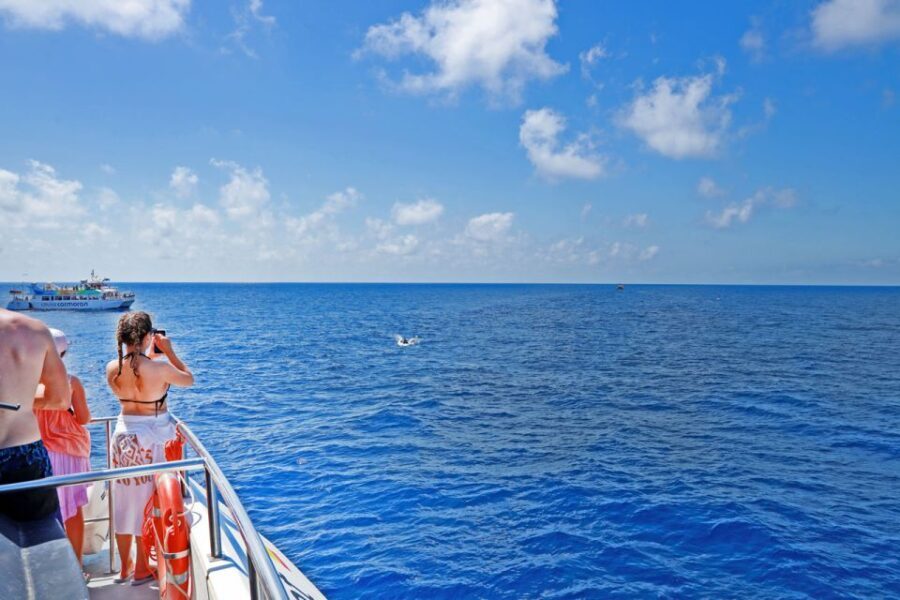
Cheaper, shorter, and the family-friendly default. Two hours is really tight for finding a pod if the first leg comes up empty, but Cruise Cormoran know the local feeding zones well enough that the early-morning slots tend to deliver. Our review covers the glass-bottom-deck quirk: it works in shallow water, less so once you’re out in the open Mediterranean. Drinks and snacks on board are reasonable, a couple of euros each, no overpriced bar trap.
Check Availability
Read our full review
3. Mallorca Dolphin Watching Cruise with Lunch: $54

This sits between the dolphin tour and the catamaran day out. You get a guided wildlife brief, the swim stop, and a paella-style lunch served on board. Our full review notes that the boat is on the bigger side, so it’s less nimble at chasing a pod, but the trade-off is comfort and food. If you’re travelling with grandparents or anyone who would rather not lose three hours without a real meal, book this one.
Check Availability
Read our full review
Where the boats actually leave from
The marketing pages are sloppy about this, so be specific when you book. The dolphin tours that show up most often on GetYourGuide leave from one of three places, all on the south or south-west coast.
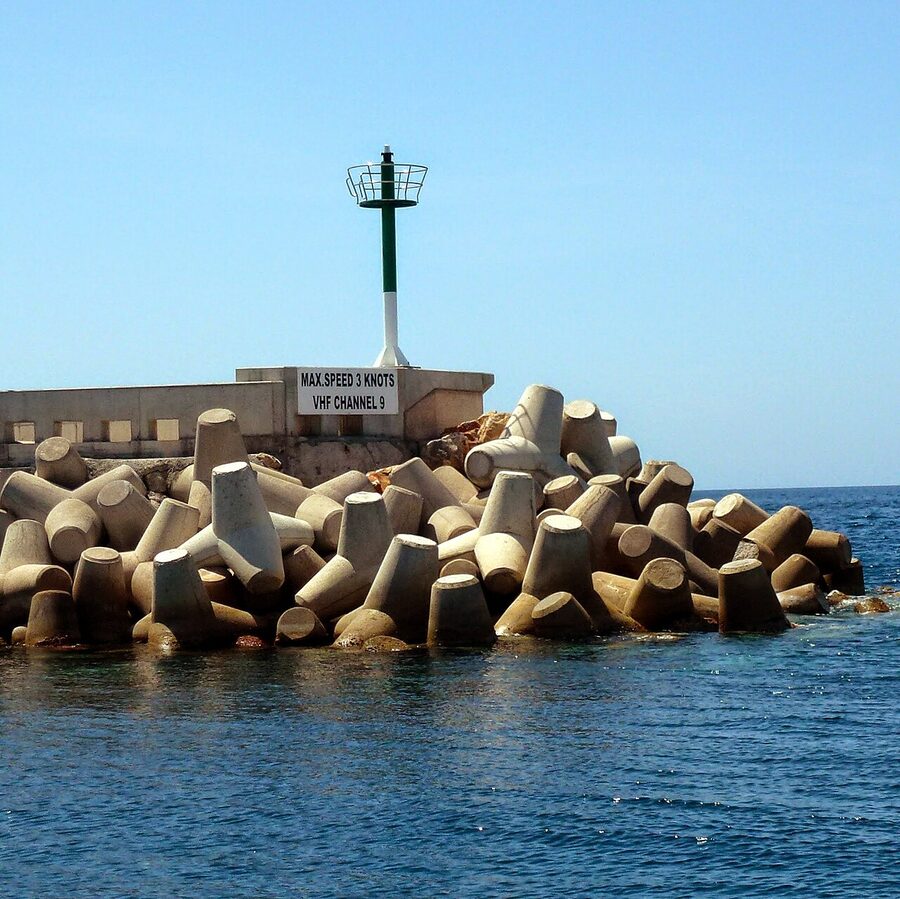

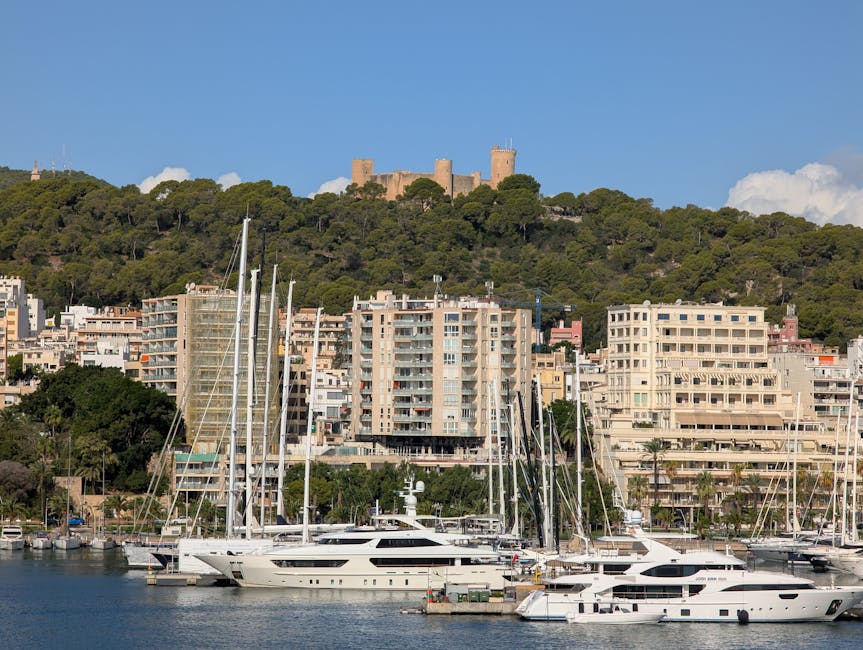
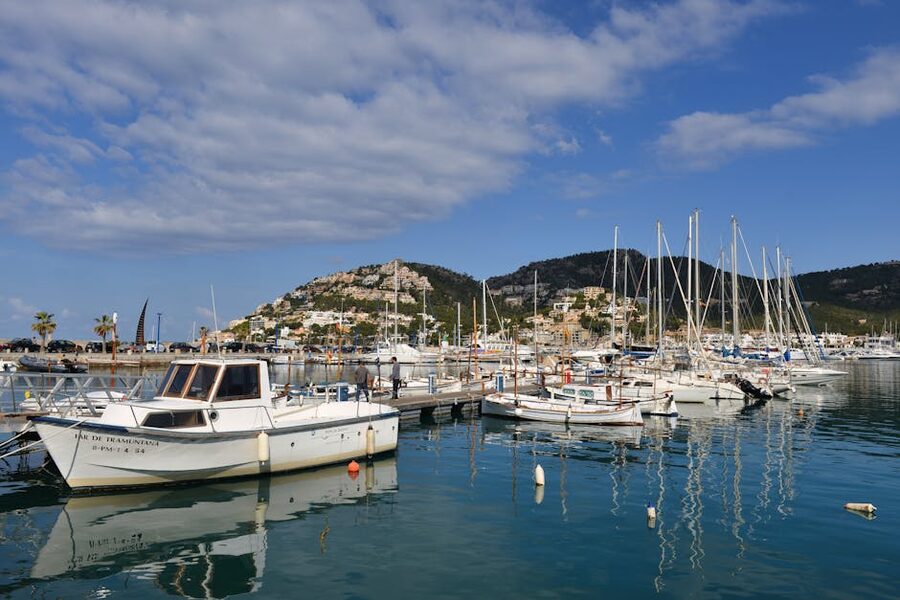
Santa Ponsa. About 25 minutes by car from Palma, easy by public bus too. Most of the 3-hour tours leave from here. Free parking near the marina is rare in July and August. Use the paid car park behind the Club Náutico and budget around €15 for the day.
Paguera (Peguera). Five minutes further along the same coast. Some tours collect from both ports on the same day, picking up Santa Ponsa first then Paguera. If your hotel is in Paguera, ask the operator before you book; some routes only work in one direction.
Palma Bay (Can Pastilla / Magaluf area). Cruise Cormoran’s budget cruise leaves from this stretch. Closer to the airport and the bigger resorts, slightly busier water, and the run out to where the dolphins actually are takes longer than from Santa Ponsa.
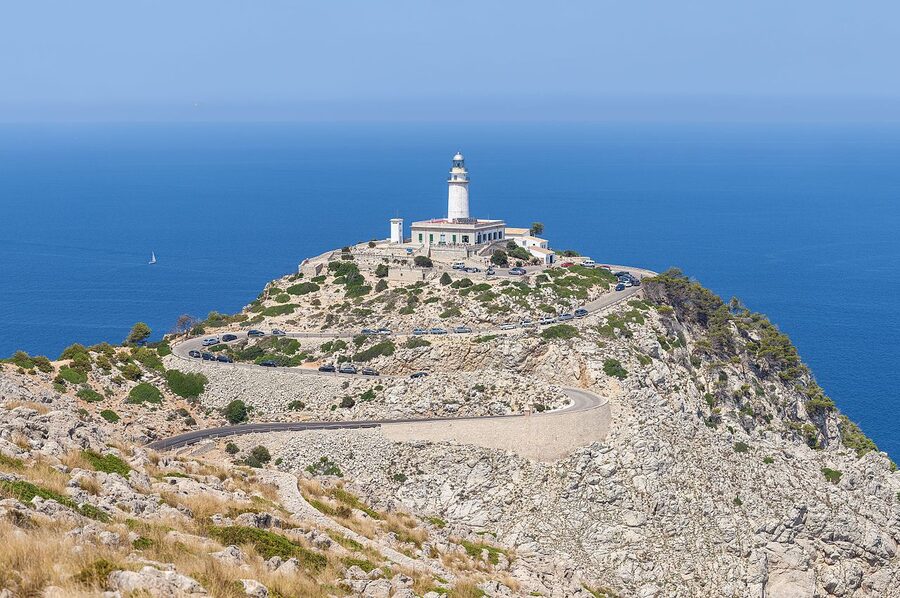
What about the north coast? Port d’Alcúdia and Port de Pollença do have dolphin tours, and the water around Cap de Formentor is genuinely good for sightings, but the operators there run smaller fleets with fewer English-language departures. If you’re staying on the north coast specifically, ask your hotel reception; the local boats often do not show up on the international booking platforms.

.jpg)
When to go: month, time of day, sea state
The season is May to October. Outside that window, dolphin tours either don’t run at all or run on a much-reduced schedule with weather cancellations every few days. Inside the season, it is not all equal.
May and early June. Best month for serious watchers. The water is calm, the boats are not full, and the dolphins are feeding actively after the spring fish bloom. Downside: water is still too cold for most people to enjoy the swim stop.
July and August. Peak crowds, peak heat, choppier afternoons. Sightings are still good but the boats are full and you compete for the rail spots. Book the earliest morning departure (most operators run a 9am or 10am slot) when the water is glass-flat and the dorsal fins are easy to spot.
September and early October. The other sweet spot. Water is still warm enough to swim, schools have come back to feed, and the boats are noticeably emptier than in August.
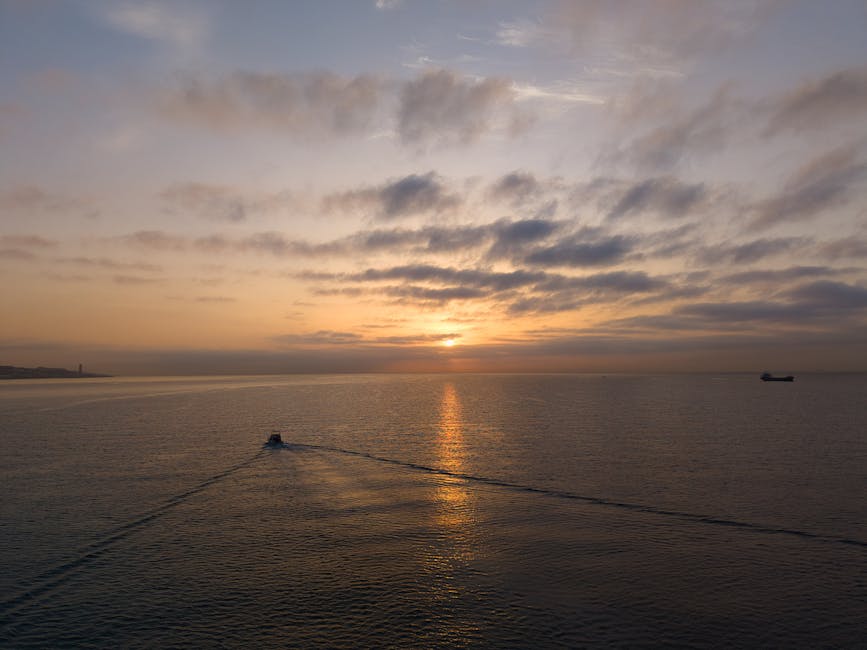
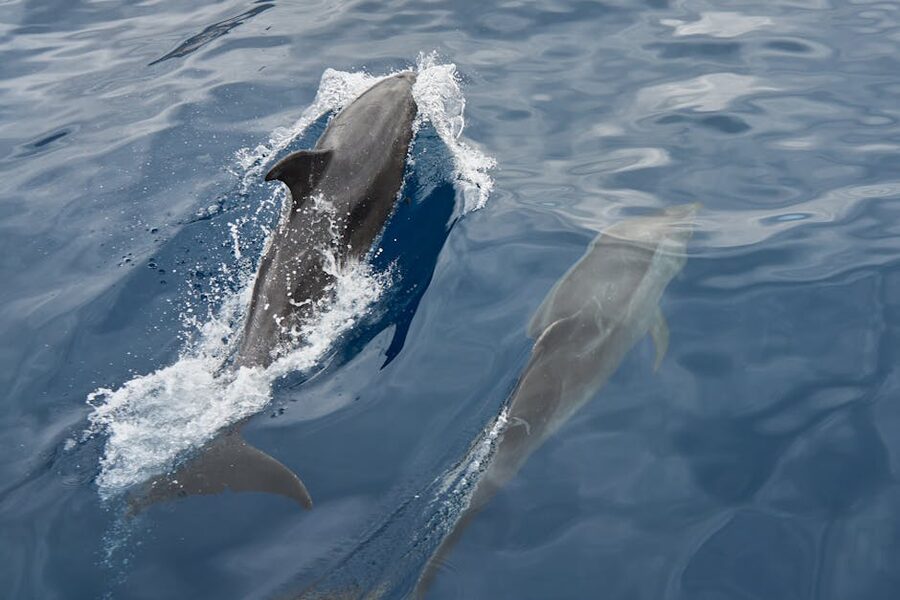
Time of day matters more than month. Dolphins are easiest to spot in the first three hours after sunrise and the last two before sunset. They feed in the cooler edges of the day and rest in the middle. A midday tour is the worst time to go, even though it’s the most popular slot.
Sea state is the silent factor nobody mentions on the booking page. A Beaufort force 3 (a moderate breeze with small wavelets) is fine for the boat but already tough for spotting fins. Force 4 and up, you’ll see the boat’s wake, the wind chop, and not much else. If your morning is windy, switch to an afternoon slot or change days. Most operators allow free reschedules within 24 hours; the booking platforms usually allow free cancellation up to 24 hours out.
How likely you are to see dolphins (the real numbers)
Roughly 80%. That is the rounded average across the operators I trust to give straight numbers. It rises to about 90% on early-morning May or September trips on the south-west coast, drops to maybe 60% on a windy August afternoon out of Palma Bay.
What does “sighting” mean in those numbers? Most operators count any verified cetacean encounter, even a fast pass-by, as a sighting. Roughly half of confirmed sightings are quick (a fin or two, twenty seconds, then the pod is gone). About a quarter are decent (the boat slows, you watch the pod for two or three minutes). The remaining quarter is what people remember: extended encounters where the dolphins bow-ride, sometimes circle the boat, sometimes leap. Those are the photos that end up on Instagram. They are also why people book the longer tours, because more time on the water means more rolls of the dice.
Ethics: the bit nobody mentions on the booking page
Wild dolphin watching off Mallorca is regulated by Spanish law and the Pelagos sanctuary code. The relevant rules: boats must approach from behind or from the side, not head-on; must keep more than 60 metres from the pod (the rule used to be 100 metres); must not stay with the same pod for more than 30 minutes; and must not feed, touch, or swim with the animals.
The good operators follow this. The not-so-good ones cut close, gun the engine to herd the pod toward the boat, and tell the kids to lean over and try to touch the dorsal fins. Avoid those. You can usually tell from the briefing: if the guide opens with rules and limits, the operator takes the regulation seriously. If the guide opens with “we’re going to get really close,” book a different boat next time.
You will also occasionally see boats anchored above pods that are clearly resting (a tight, slow group on the surface, no playing). Resting pods should be left alone. If your boat does not move on after a few minutes, that is a flag. The three operators I’ve linked above are the ones I’ve seen handle this correctly, but operator behaviour varies by skipper, so it’s worth keeping your own eyes on.
What to bring on the boat
Less than you think. The standard list:
- A hat that won’t fly off. The wind on the south-west coast picks up around 11am.
- Polarised sunglasses. Cuts the surface glare and is genuinely the difference between spotting a fin and missing one.
- Reef-safe sunscreen. There is shade on the upper deck of most boats, but you’ll be in direct sun for chunks of the trip.
- A light layer. Wet decks plus 25-knot apparent wind plus shade equals cold even in August.
- Seasickness tablets if you’re prone. Take one an hour before departure, not on the boat.
- A real camera or a phone with a 3x optical zoom minimum. Digital zoom on dolphins is a waste of pixels.
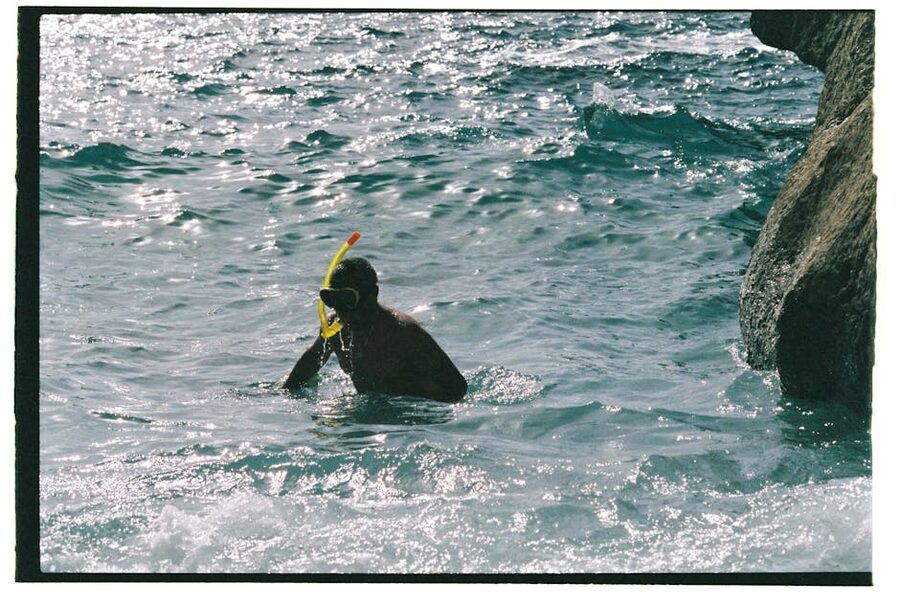
The boats provide drinking water and usually have a paid bar. The lunch tour includes food. Snorkel gear is provided when there’s a swim stop, but it’s shared and not always great quality. If you have your own mask and you’re bringing it for a beach day anyway, throw it in the bag.
How dolphins ended up here in the first place
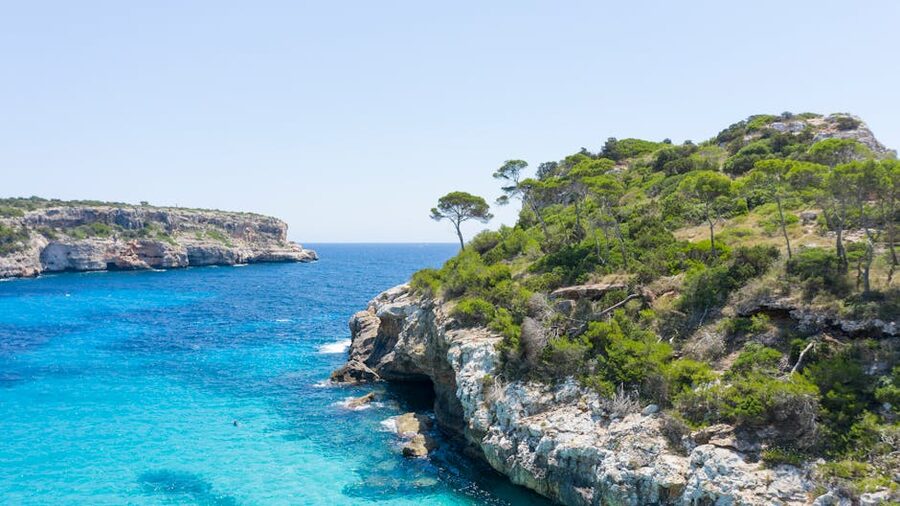
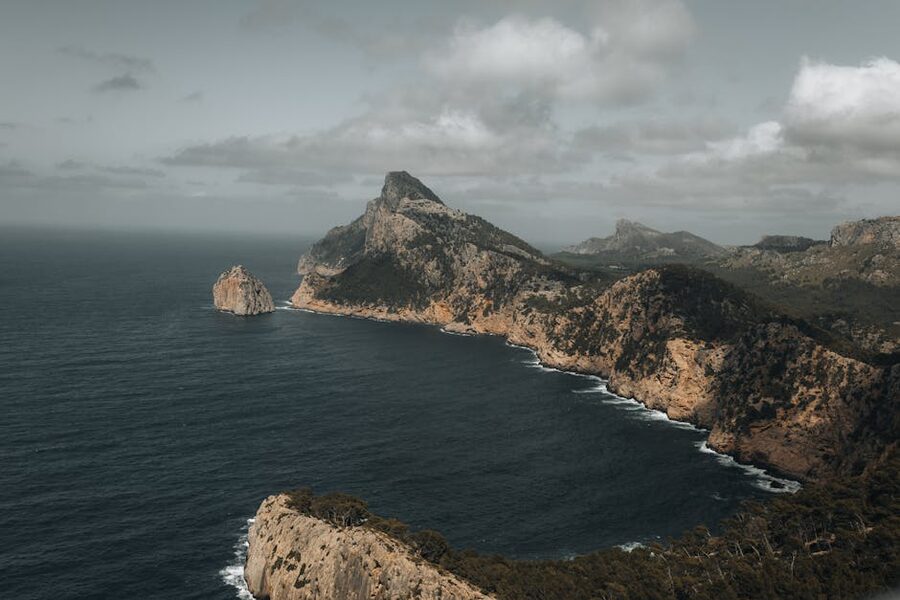
Mallorca’s coastal waters sit on the northern edge of the western Mediterranean basin, where the relatively shallow continental shelf drops away into deeper water within a couple of nautical miles of the coast. That shelf edge is where small fish like sardines and anchovies school in summer, and where dolphins follow them. The same geography is why the south-west and north-east coasts produce more sightings than the heavily developed Bay of Palma centre.
The Pelagos sanctuary covers a chunk of sea further east, between Italy and Sardinia, but the western Balearics are part of an extended “Cetacean Migratory Corridor” protected under Spanish law since 2018. That status means stricter rules on shipping, fishing, and tourist boats in the corridor. It also means the population off Mallorca has been relatively stable rather than declining, which is rare for the Mediterranean as a whole.
.jpg)
Combining a dolphin tour with the rest of your week
A dolphin tour is a half-day commitment at most, so it slots into a Mallorca week without much rearranging. A few combinations that work well:
If you’re basing in Palma: book the Cormoran budget tour for an early morning, then spend the afternoon doing the Palma Cathedral visit and the old town. Both are walking distance from the harbour. If you have kids who want a sea-life follow-up, the Palma Aquarium in Playa de Palma has the deepest shark tank in Europe and pairs naturally with a dolphin morning.
If you’re basing in Magaluf or Santa Ponsa: the 3-hour afternoon tour pairs well with a morning of low-effort beach. Or, if you want a high-adrenaline opposite, do the dolphin tour on day one and a quad bike, snorkel and cliff jumping tour on day two; one is about quiet observation, the other is about throwing yourself off rocks.
If you’re combining sea and caves: book the dolphin tour for an early morning, then drive across the island to the east coast for the Caves of Drach in the afternoon. The underground lake and the open Mediterranean make a strange but memorable double feature. The smaller Caves of Hams are five minutes further down the same road if you’ve got the energy.
If you want a slow-travel day on land: the hop-on hop-off bus covers the Palma neighbourhoods that you can’t easily walk to from the cruise port, and the Mallorca island tour handles the inland villages and Tramuntana viewpoints in one go.
The catamaran question, one more time
If you’ve read this far and still aren’t sure, here’s the short version. Pick the dolphin tour if you genuinely want to see wild cetaceans and a one-in-five chance of not seeing any is acceptable to you. Pick the catamaran if you want a guaranteed good day on a boat with food, a swim, and a maybe-bonus of a fin sighting on the way back. Both are fine. They are different products and the operators charge accordingly.
The hybrid (Card 3, the lunch cruise) is the right call if you’re genuinely torn. It costs the most of the three but you don’t end the trip wondering if you should have booked the other one.
Other Mallorca tickets worth grabbing
Once your dolphin morning is sorted, the rest of the island fills out quickly. The Caves of Drach is the headline cave on the east coast, with a classical concert performed live on the underground lake; the Caves of Hams nearby are quieter and worth pairing if you’re already on that side. The Palma Aquarium and the Palma Cathedral bookend a wet-and-dry sightseeing day in the city. And if your Mallorca week sits inside a wider Spanish island-hopping plan, the dolphin tours on Fuerteventura and Gran Canaria are similar in format but the Atlantic species mix is different (more pilot whales, fewer bottlenose). For a high-energy alternative on Mallorca itself, the quad bike, snorkel and cliff jumping combo is the noisy opposite of a dolphin morning, and a fair counterweight if you’ve got days to fill.
Affiliate disclosure: some of the booking links above are affiliate links. We earn a small commission on bookings made through them, at no extra cost to you. The opinions and rankings are ours and do not change based on commission.