
The chamber lights drop without warning. You’re sitting on a stone tier above an underground lake the size of a football pitch, the air thirty metres below ground floor, and somewhere out on the black water a single violin starts the opening of Pachelbel’s Canon. Then you see it. Two illuminated rowing boats gliding across Lake Martel from the far shore, a string quartet on the lead boat, the sound bouncing off limestone formations 200,000 years older than human hearing. That ten minutes is what you came for. Everything else, including the hour-long walk through the chambers and the cypress-lined drive to Porto Cristo, is a setup.

This guide covers how to actually book a Caves of Drach visit, which tour matches your travel style, and the practical stuff (timing, transport, what to skip) that the official site won’t tell you. The cave is on the east coast near Porto Cristo, about an hour from Palma by car. It’s a different cave system from the Caves of Hams a few minutes down the road, and yes, you can do both in a day if you’re efficient.
Skip the planning: Palma: Caves of Drach Entrance, Concert and Boat Trip, $64. Entry plus the optional rowing-boat ride across Lake Martel after the concert, no pearl-factory detour.
Coming from the north: Alcudia: Caves of Drach Tour from the North, $63. The only mainstream option that picks up from Alcudia, Pollensa and the north-coast resorts.
- What you actually do at the Caves of Drach
- Booking direct vs booking a tour
- Best Caves of Drach tours
- 1. Caves of Drach Day Trip with Optional Caves of Hams:
- 2. Palma: Caves of Drach Entrance, Concert and Boat Trip:
- 3. Alcudia: Caves of Drach Tour from the North with Boat Trip:
- How to time the visit
- Getting there from Palma without a tour
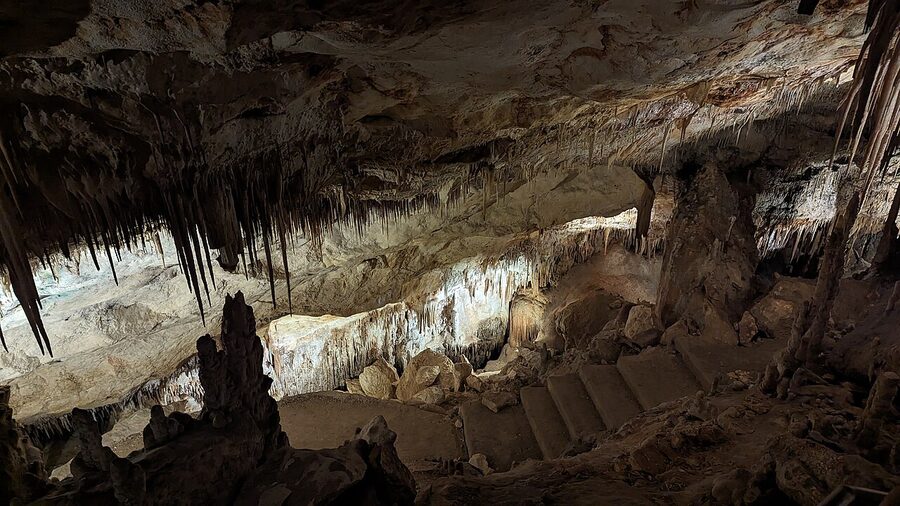
- Inside the cave: what to expect on the walk
- The Lake Martel concert: what to expect
- The history bit (skip if you don’t care)
- Practical tips before you go
- What else to do near Porto Cristo
- Common mistakes I see people make
- Other Mallorca essentials
What you actually do at the Caves of Drach
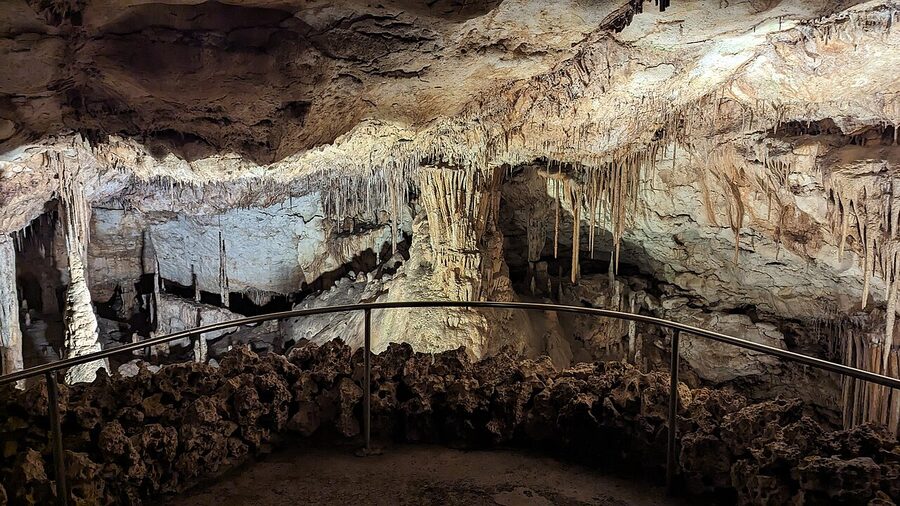

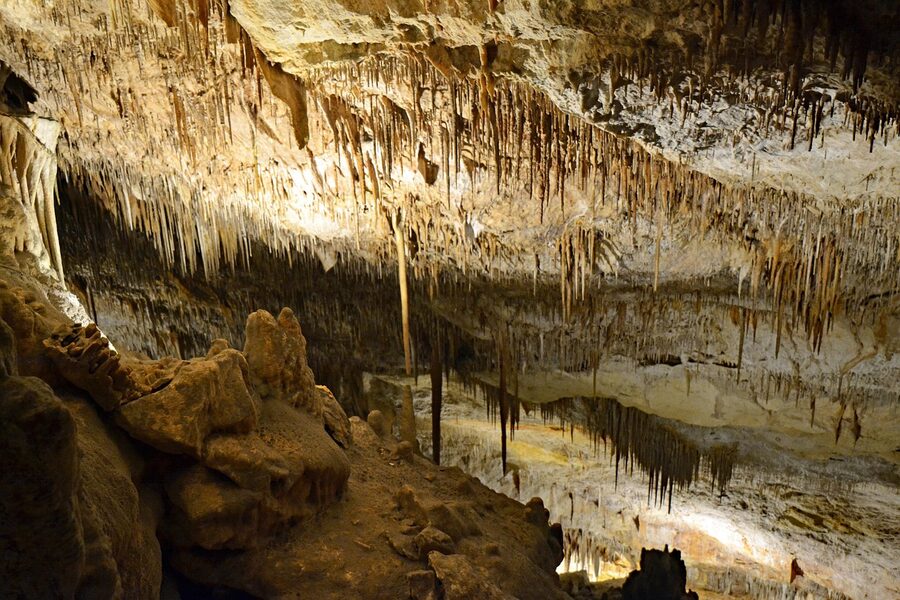
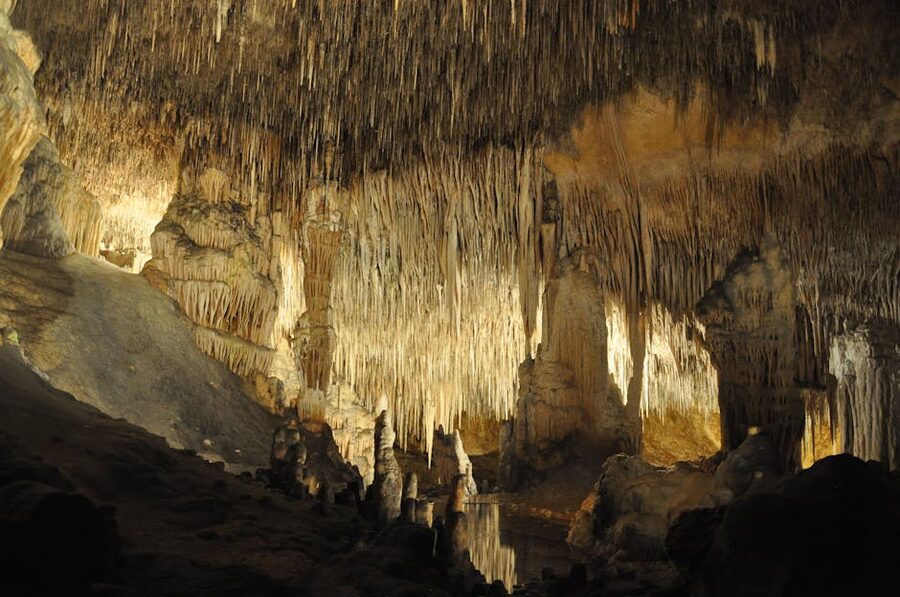
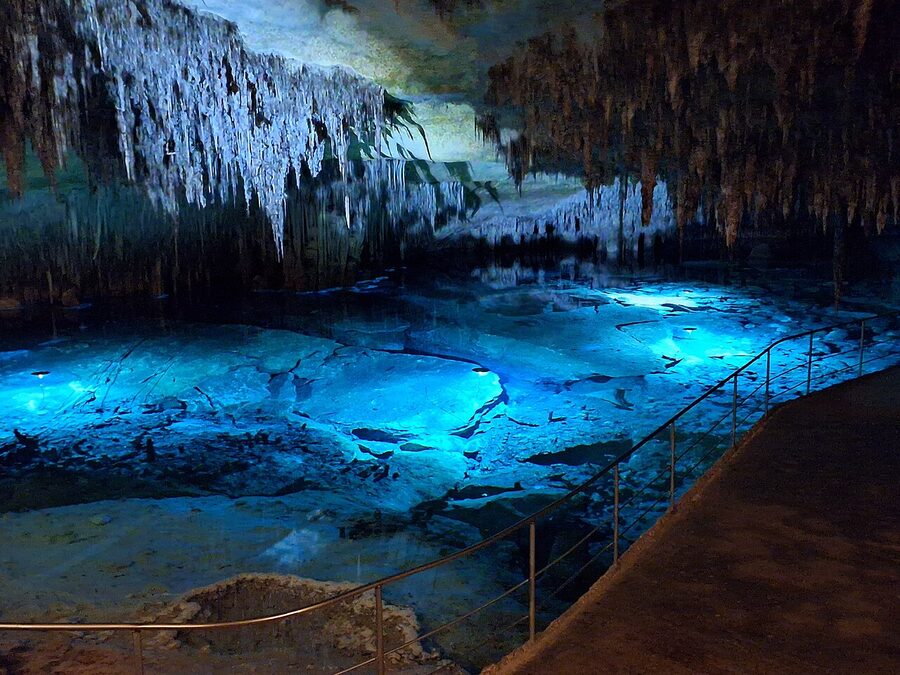
The visit has a fixed structure and no one deviates from it. You arrive at the entrance building above the cliffs near Porto Cristo, wait until your scheduled session starts, then descend into the cave with whichever group is going at that hour. From the entrance you walk roughly 1.2 kilometres through the chambers, all on lit pathways with handrails, taking around 30 minutes. You pass through four named sections (Black Cave, White Cave, Cave of Luis Salvador, and Cave of the French) with stalactite curtains, columns where stalactites and stalagmites have met, and reflective shallow pools that double everything overhead.
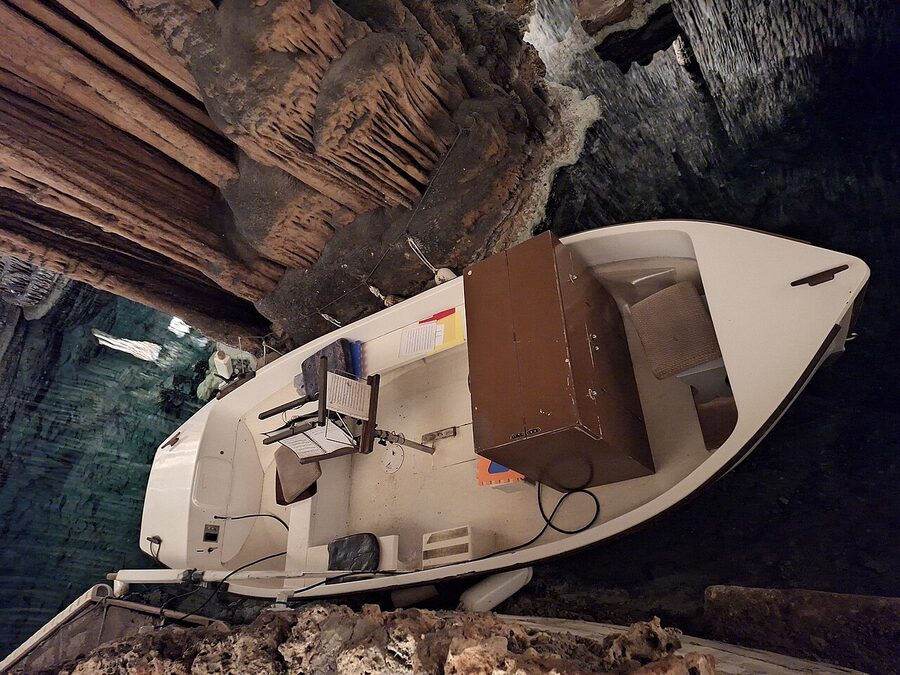
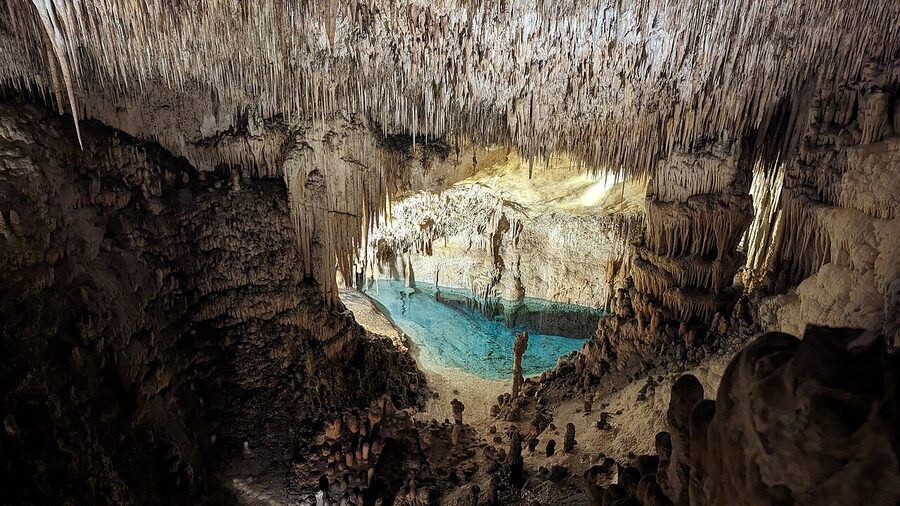
You end at Lake Martel, the underground lake at the bottom. The amphitheatre seats around 1,100 people in stone tiers facing the water. Once everyone’s seated and the lights drop, the concert starts. The musicians play live from two illuminated rowing boats that move slowly across the lake, lit so you can see the bows moving. The set is short, around ten minutes, usually four pieces (Pachelbel, Caccini, Offenbach, Chopin in various combinations). Then a third boat picks up volunteers from the crowd for a short ride across the lake to the exit, while everyone else walks. If you want to be on a boat rather than walking, queue at the front of the amphitheatre as the concert ends. The boat ride is included.

Total time at the cave including the post-concert boat exit, around an hour. If you’ve booked a coach tour from Palma, expect another five to seven hours of travel, photo stops and bonus extras (a pearl factory, Porto Cristo lunch break, often the Caves of Hams as well). The Lake Martel concert is what 95 percent of people remember; the rest is filler.
Booking direct vs booking a tour
Both work. Pick based on whether you have a car and how much you want to think about logistics.
Buying entry tickets directly through the official Drach Caves website costs around €18 per adult and gives you a fixed entry slot. You pick the time, you turn up, you walk in. This is the cheapest way and it’s a fair option if you’re staying near Porto Cristo or Cala Millor and you’ve got a rental car. The catch is that everything around the cave (parking, the walk to the entrance, the wait for your slot, lunch options) is on you, and the slots fill up days in advance from June through September. If you’re going in peak summer, book online at least a week ahead. The site doesn’t accept walk-ins reliably between 10 July and the end of August.
Booking a tour from Palma or Alcudia bundles transport, a guide on the coach, the cave entry, and usually a couple of extras. You’ll pay around €55 to €70 instead of €18, but the difference covers the transport. If you’re hotel-based in Palma, the south-west resorts, or the north coast and you don’t want to drive on Sunday-busy roads, the tour route is genuinely easier. The trade-off is a longer day (six to eight hours door to door) and a forced pearl-factory stop on most coach trips. The pearl factory is a polite shopping detour where you watch one demo of the bead-coating process and then walk through a showroom; nobody pressures you to buy, but you’ll lose 30 to 45 minutes there.
Honest verdict: if you have a car and you’re already on the east coast, buy entry direct and skip the tour. If you’re tied to Palma without a car, the coach tour is worth the markup. The Alcudia option is the only mainstream pickup from the north, so if you’re staying in Pollensa or Puerto Pollensa it’s pretty much the only sensible coach choice.
Best Caves of Drach tours
1. Caves of Drach Day Trip with Optional Caves of Hams: $62
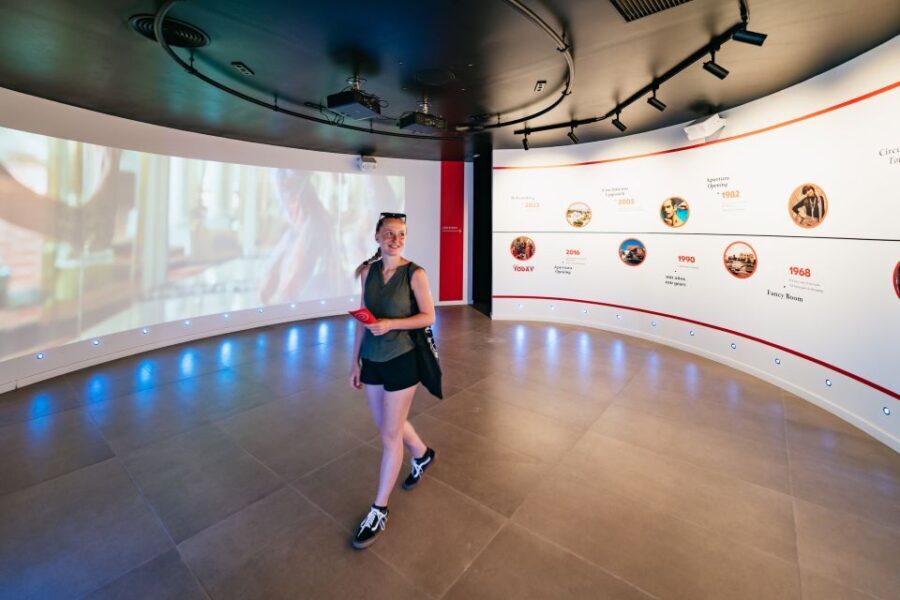
The most-booked Caves of Drach product from Palma, and the only mainstream tour that lets you bolt the second cave system onto the same coach. Our full review covers the full versus half-day choice and how to time the pearl-factory stop so you can skip it. Pick the half-day if you only care about Drach; pick the full-day if you want both caves and a Porto Cristo lunch break. Multilingual guide on the coach.
Check Availability
Read our full review
2. Palma: Caves of Drach Entrance, Concert and Boat Trip: $64
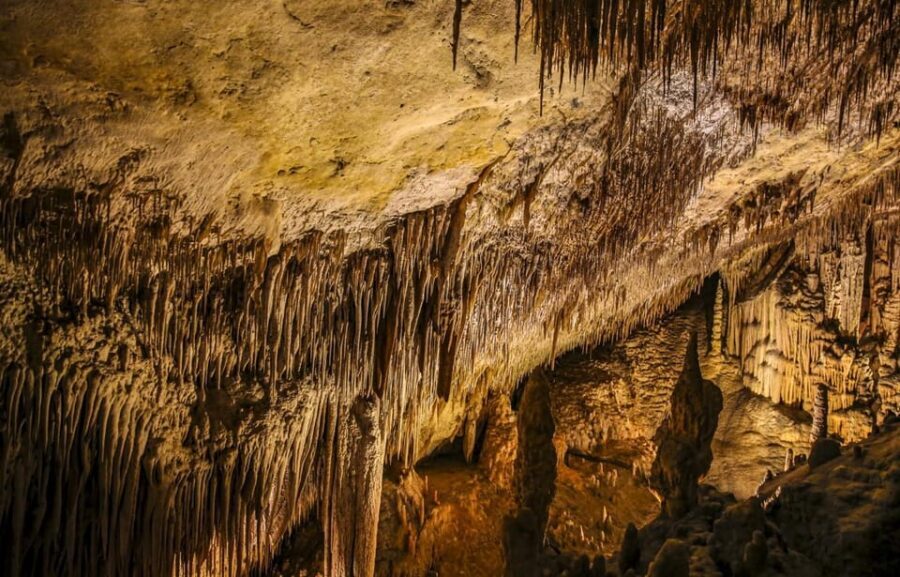
This is the trip to book if the pearl factory annoys you and you don’t care about the second cave. Our full review walks through the boat-ride logistics; basically, queue at the front of the amphitheatre as the concert ends and you’ll get on a boat across Lake Martel. Five hours total from Palma, multilingual guide. Cleaner trip than the combo tours.
Check Availability
Read our full review
3. Alcudia: Caves of Drach Tour from the North with Boat Trip: $63
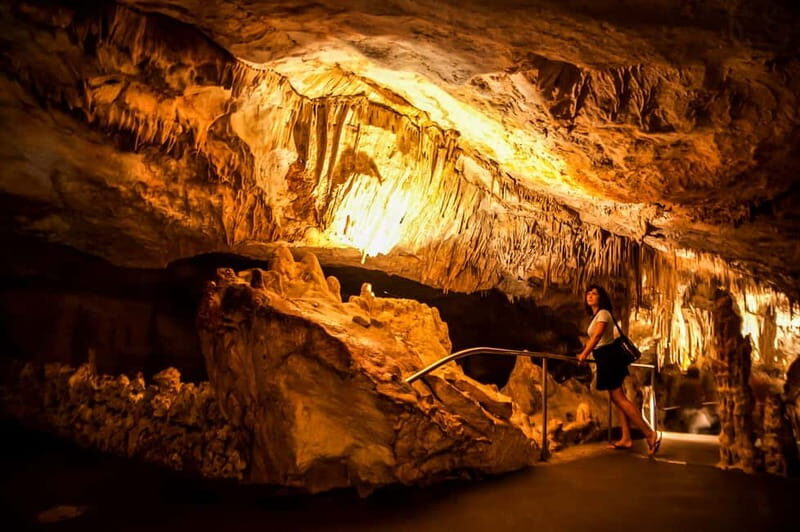
If you’re hotel-based on the north coast you don’t have many options, and this is the one that runs reliably. Our full review covers the pickup-route logistics. Cross-island drive is around 90 minutes each way, so this turns into a five-hour day overall. The boat trip across Lake Martel is included after the concert.
Check Availability
Read our full review
How to time the visit
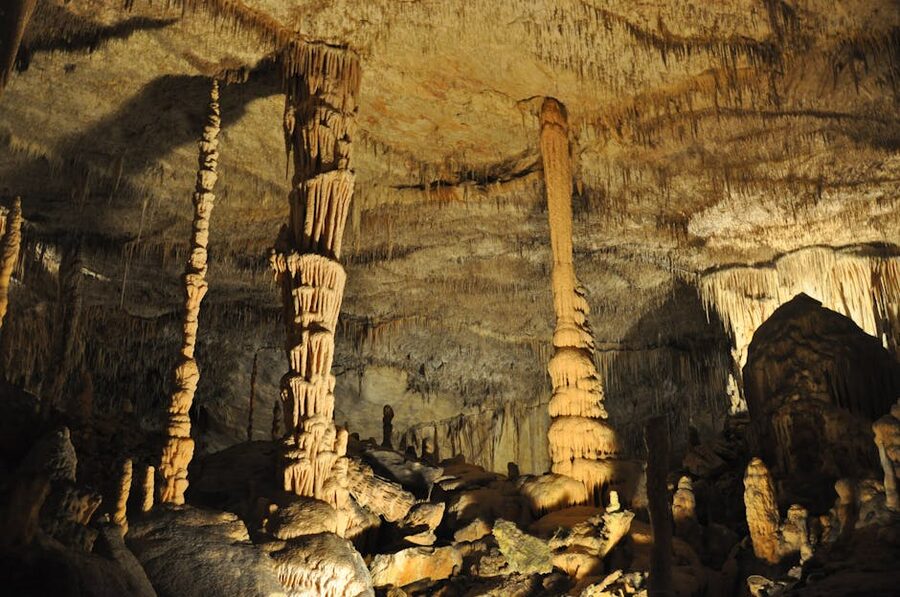
The cave runs five concert sessions a day from April through October, fewer in winter. Sessions usually run at 10am, 11am, 12pm, 2pm and 3:30pm in summer, but check the official schedule before you book because the off-peak months drop the early and late slots. The afternoon sessions tend to be busier with tour groups; the 10am and 11am slots are quieter and the cooler temperature is more pleasant after a half-hour of walking.
If you’re going in July or August, book at least a week ahead, ideally two. The cave hits capacity (1,100 per concert) on most peak-summer afternoons, and walk-ups get turned away. May, June and September are the sweet-spot months: sessions less full, weather still warm, queue times at the entrance under ten minutes.
Inside the cave it’s around 18 to 20 degrees Celsius year-round. That’s noticeably cool when you’ve come in from a 32-degree afternoon, so a light layer (cardigan, thin jacket, hooded sweatshirt) saves you from shivering through the concert. Don’t bring a heavy jumper; you’ll roast on the way in and out.
Getting there from Palma without a tour
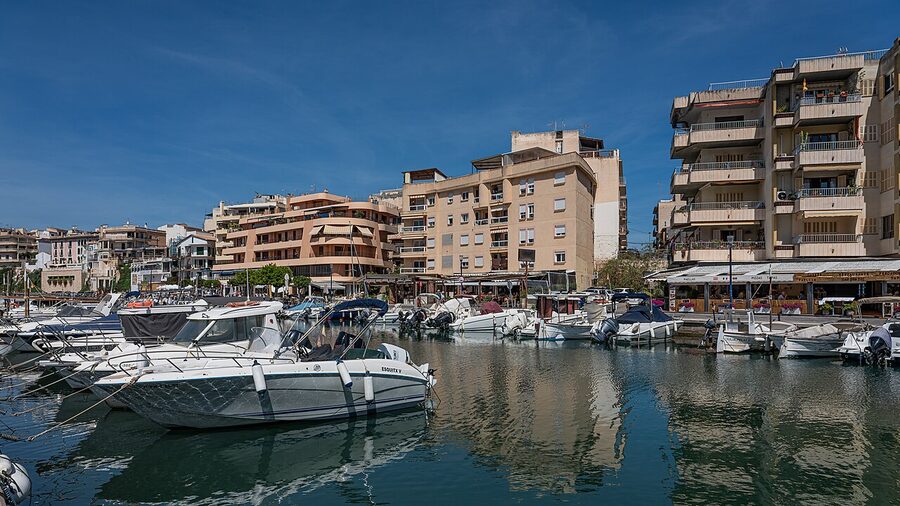

Self-driving from Palma takes around 60 to 70 minutes via the Ma-15 motorway. There’s free parking at the cave (signposted, big lot, fills up fast on summer weekends). Aim to arrive 30 minutes before your booked slot. The walk from the parking lot to the entrance is about three minutes flat. Petrol on the island is around €1.65 per litre at writing.
By public transport it’s a longer slog. Take TIB bus 411 from Palma’s intermodal station to Manacor (around 60 minutes), then bus 412 onwards to Porto Cristo (around 25 minutes), then walk roughly 15 minutes to the cave. Total trip around two hours each way, and the bus connections aren’t tight; in practice you’ll lose a full day to the round trip with limited cave-time flexibility. Worth it only if you’re staying overnight in Porto Cristo.
From Cala Millor or S’Illot it’s much closer, around 15 minutes by car. From Cala Bona, 20 minutes. The east-coast resorts are genuinely close; if you’re staying there, just buy the entry ticket and drive over.
Inside the cave: what to expect on the walk
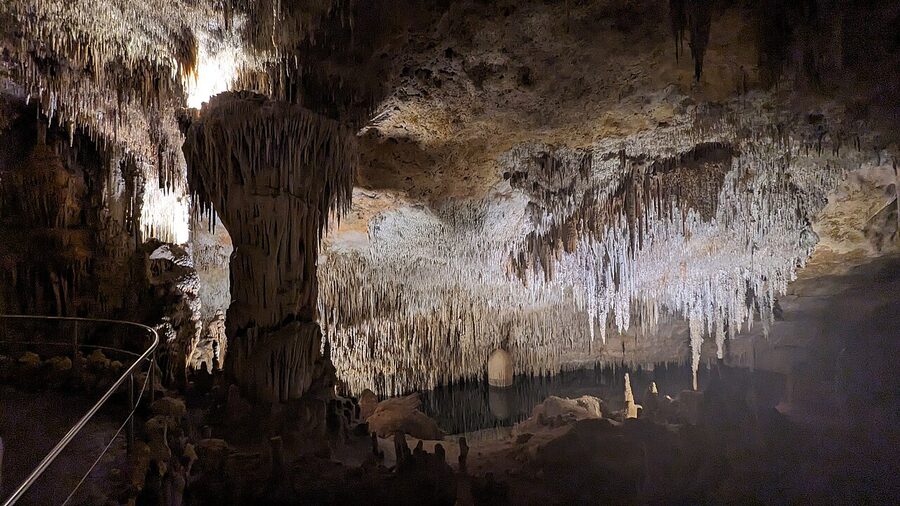

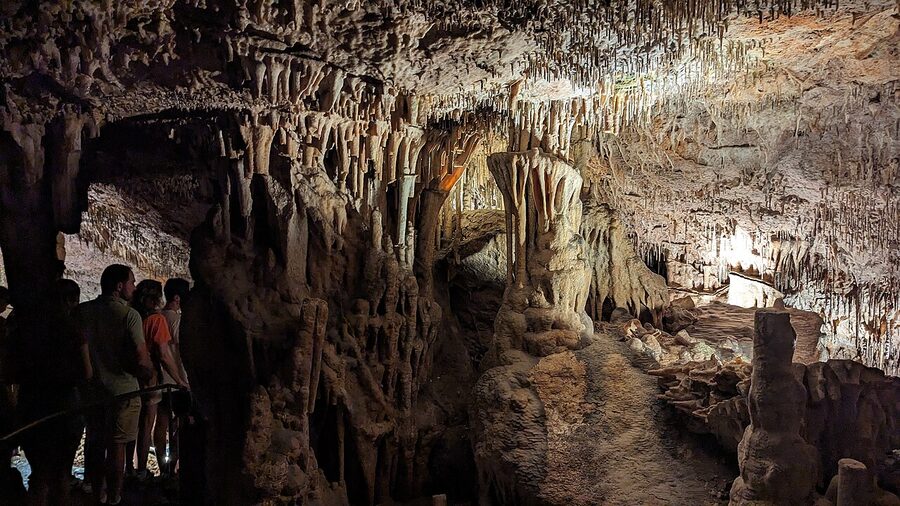
The walk is genuinely impressive even before you reach the lake. The pathways are concrete and lit, with handrails on the steeper sections and side passages cordoned off. Width varies from comfortable to narrow (you’ll occasionally squeeze past someone going the other way), and the floor is wet from cave drip in places. The lighting is theatrical, mostly warm whites with some coloured uplights on the bigger formations, which makes it photogenic but also fairly dim; phone cameras work fine, SLR users will need to push their ISO.
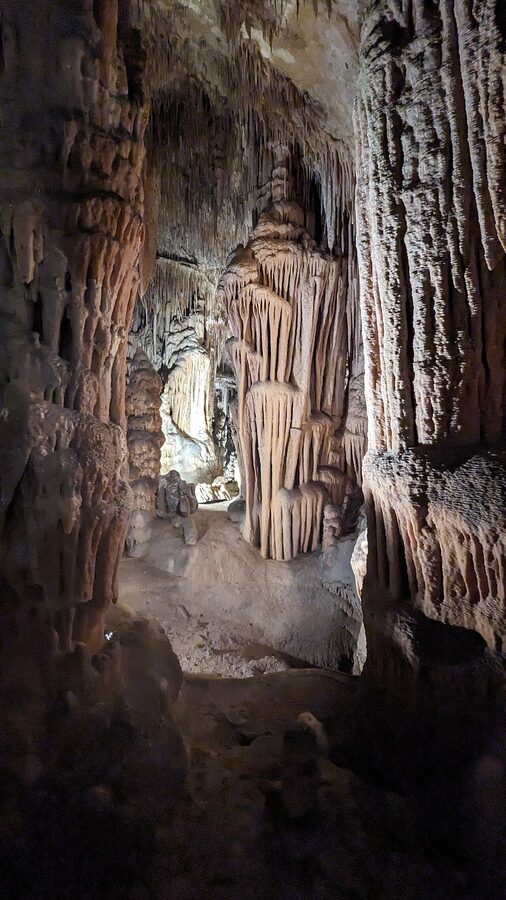

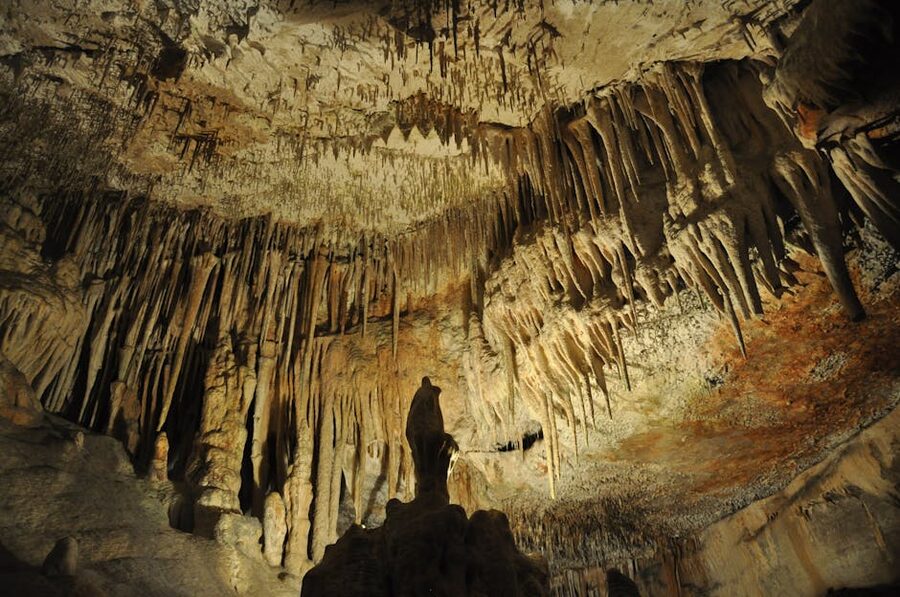
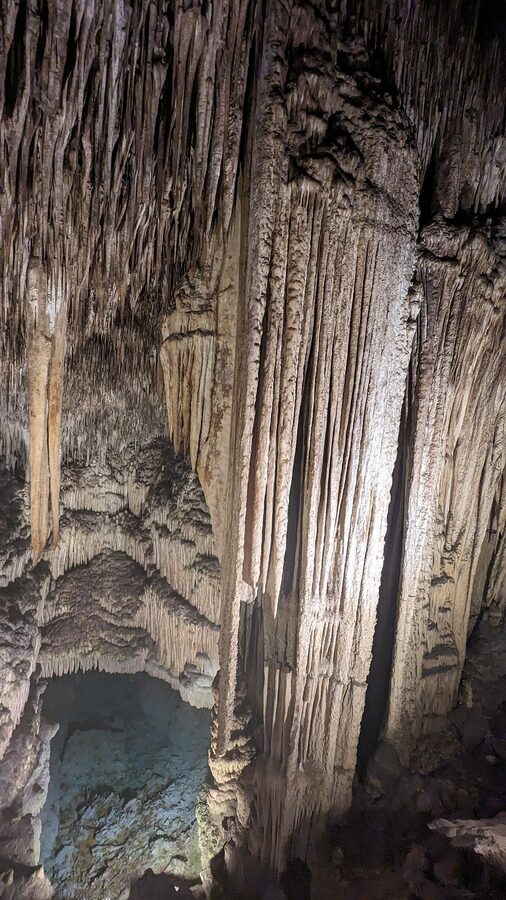
Highlights along the way include a chamber where stalactite curtains hang in sheets across the ceiling, a column nicknamed the “Diana’s Bath” reflective pool, and a section called the “Theatre of the Fairies” where the formations cluster densely on both walls. Take your time on the descent; the queue moves at the pace of the slowest group, and stopping for photos doesn’t hold anyone up.

The Lake Martel concert: what to expect

This is the moment the cave is famous for. Lake Martel is roughly 115 metres long and 30 metres wide at its broadest, around 12 metres deep at its deepest, and lit only by the boats during the concert. Once you’re seated and the lights drop, you sit in pitch darkness for about 30 seconds before the first chord. Then you see the boat shapes glide in from your left, lit warmly enough that you can make out the musicians’ silhouettes and the bow movements. The acoustics are decent (cave physics, lots of soft surfaces, less harshness than you’d expect) and the sound carries well to the back rows.
The concert runs around ten minutes and includes typically four pieces. Pachelbel’s Canon is the consistent opener. Caccini’s Ave Maria comes next, then a couple of pieces that rotate (Offenbach’s Barcarolle, Chopin nocturnes, occasionally a Bach cello suite excerpt for the cellist). It’s not a virtuoso showcase; it’s mood music chosen to fit the room. That’s the right call. A Paganini caprice would feel ridiculous bouncing off limestone.
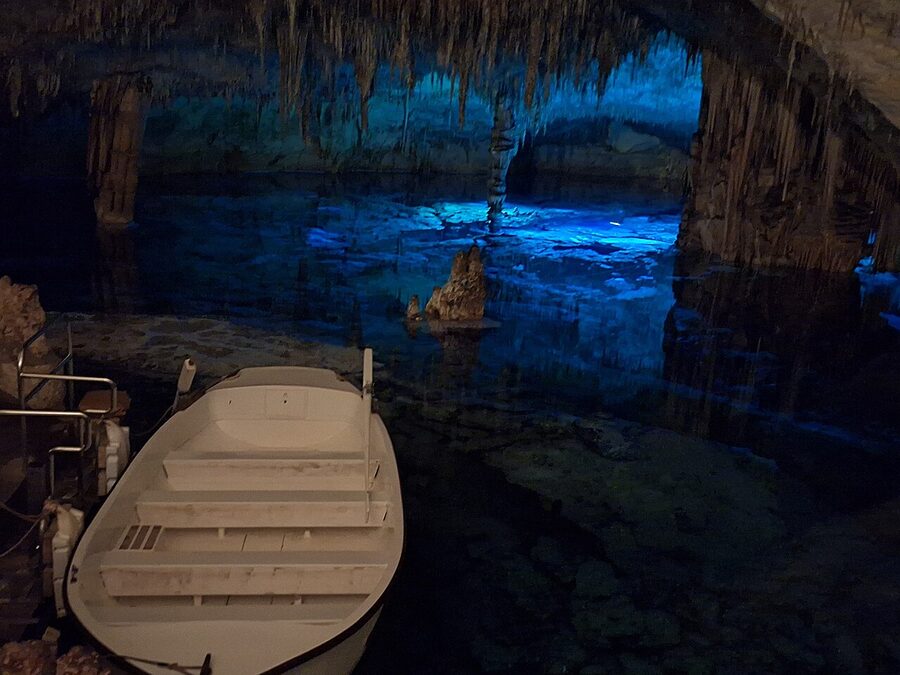

After the concert, the lights come up and the third boat (without musicians) starts ferrying volunteers across the lake. The boat ride takes around two minutes; you sit, you cross, you walk out the other side. If you don’t get a boat, you walk around the lake to the same exit; it’s not far, maybe three minutes on the path. Either way you end up at the same staircase out.
One practical thing the official site never mentions: the seating is graded stone and the rows are narrow. If you’ve got long legs, the front-row seats are cramped; aim for the middle rows where the slope steepens. The acoustics are also better there.
The history bit (skip if you don’t care)
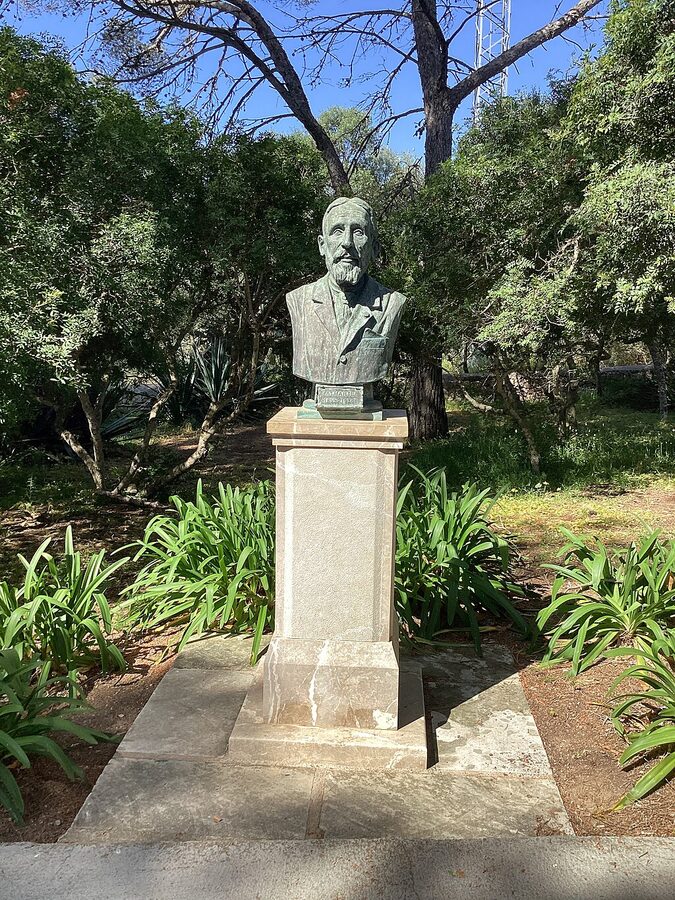

The cave was known locally for centuries; medieval texts mention it as a hiding place during pirate raids. The first proper exploration didn’t happen until 1880, when a German naturalist named Hermann von Maier surveyed the chambers. The big breakthrough came in 1896 when the French speleologist Edouard-Alfred Martel was hired by Mallorcan archduke Luis Salvador (a Habsburg with money and an obsession for the Balearics) to map the system. Martel discovered and measured the underground lake, which now carries his name.
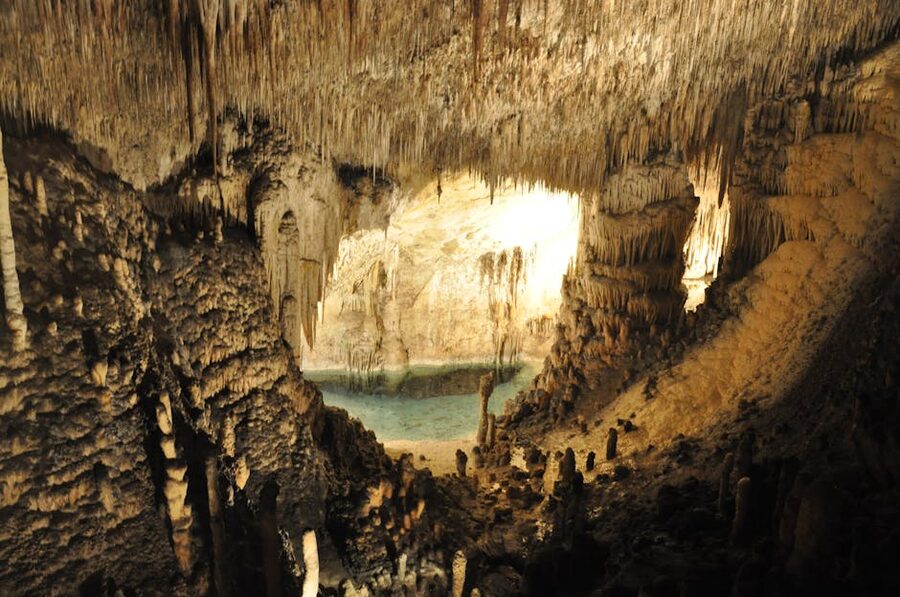
The visitor route as we know it took shape in the 1920s. Concrete pathways were laid, electric lighting replaced kerosene lamps, and the amphitheatre was carved out of the existing rock to seat audiences for the concerts (which started in 1935 with a single violinist). The light show that goes with the music was added in the 1950s. The format hasn’t changed much in 70 years, which is part of why it feels timeless rather than gimmicky.
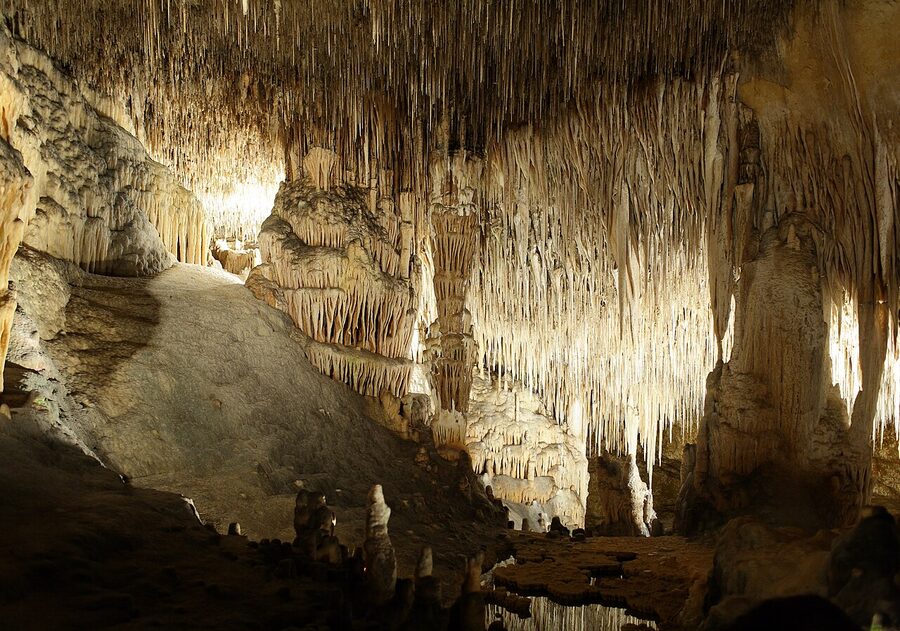

Geologically the chambers are around two million years old, formed when slightly acidic groundwater dissolved horizontal layers of Miocene limestone. The stalactites grow at roughly 1cm per century, so the bigger ones (some are over two metres long) are tens of thousands of years old. Lake Martel is fed by a freshwater table that sits on top of denser saltwater; the water is brackish, slightly more saline near the bottom, and the surface temperature stays around 21 degrees year-round.
Practical tips before you go

Wear shoes with grip. The pathway is wet in places and the slope on the descent isn’t trivial. Trainers, walking sandals or anything with a rubber sole. Avoid leather-soled shoes, heels, or slick flip-flops; people slip every day.
Buggies and large strollers are a problem. There’s no lift between the entrance and the chambers, around 100 stairs in each direction, and the path is too narrow for full-size strollers. Carry small babies in a baby carrier instead. Toddlers who can walk are fine; just be ready to carry them on the steps. The cave staff will tell you the same thing if you turn up with a stroller, so save yourself the argument and leave it in the car.
Wheelchair access is limited. The official site lists the cave as not accessible due to the staircases. There’s no way around this, sorry.
Bring a phone, not a camera. Flash photography is forbidden during the concert (correctly so), and during the walk a phone with decent low-light performance does as well as an SLR. Tripods aren’t allowed in the chambers. Video on phones works too if you keep the lens steady against a railing.
Refreshments inside the cave: nothing. Water bottles are fine to carry but there’s no shop or fountain inside. The entrance building has a basic café with cold drinks and a few sandwiches, plus toilets. Use the toilets before you go in. There are none inside the cave and the visit takes around an hour.
What else to do near Porto Cristo
If you’ve come all the way from Palma, don’t make it just a cave trip. The east coast deserves the day. Porto Cristo itself is a 15-minute walk from the cave: small harbour, decent paella places along Avinguda dels Pinars, a usable swimming beach. It’s quieter and more local-feeling than Palma’s tourist strip. Lunch at one of the seafront restaurants is around €15 to €25 a head and the seafood is reliable.

The Caves of Hams are five minutes by car from Drach and form an obvious double-cave day. They’re smaller, no concert, and the formations are genuinely different (more delicate, less theatrical). The Hams ticket is separate (around €17 entry); see our Caves of Hams guide for the full breakdown. If you’ve got cave fatigue after Drach, skip Hams and go to the beach instead.
Cala Millor and Sa Coma, the bigger east-coast resort beaches, are 15 minutes north. Cala Magraner, a small unspoiled cove, is 10 minutes south. Both work as a beach swap-out for the second half of the day if you’re driving yourself.
For something completely different from a cave, the Mallorca catamaran scene runs along this coast too. Catamaran cruises in Mallorca typically depart from Cala Bona and Cala Ratjada, both within 30 minutes of Porto Cristo, and a half-day sail is a different kind of memory than a cave concert. If you’d rather see dolphins than stalactites, dolphin watching cruises in Mallorca run from Alcudia in the north and the Bay of Palma; the Alcudia trips have better odds because the Cap de Formentor waters are sheltered.

Common mistakes I see people make
Booking a tour that includes Caves of Hams when you don’t actually care. The combo tours add around €15 and a 90-minute extension to the day. Hams is fine, but if you’re already underwhelmed by guided coach days, Drach alone is a tighter trip.
Showing up in flip-flops. The path is wet, there are stairs, and people slip every day. Bring proper shoes. The staff don’t enforce a footwear rule but you’ll regret your choice.
Trying to photograph the concert with flash. You’ll be told off, and you’ll annoy everyone around you. Phone cameras handle the warm boat-light fine without flash; just steady your phone on a knee or the seat in front.
Skipping the boat ride at the end. A lot of people leave the amphitheatre and walk straight out, missing the actual boat trip across the lake. The queue forms at the front of the seating area as the concert ends. Get there fast and you’ll get on a boat.
Booking a coach tour from a Palma hotel that’s actually just down the road from the cave. If you’re staying in Cala d’Or, S’Illot, Cala Millor or anywhere east-coast, you do not need a Palma-departing coach. Buy entry direct, drive over.
Believing the pearl factory is “an interesting cultural stop”. It’s a shopping showroom with one demonstration. If your tour includes it, fine, you’ll spend 30 minutes there; if you can pick a tour without it, you’ll save the time.
Other Mallorca essentials
If Drach is your only cave but you’ve still got Mallorca days to fill, a few worth-it picks. The other major Mallorca cave system, the smaller and stranger Caves of Hams, is right next door and works as a half-day combo. Palma Cathedral (La Seu) is the obvious one in the capital, an hour’s drive west, especially if you can time it for the November or February light-spectacle dates when the rose window projects coloured discs onto the opposite wall. A full Mallorca island tour covers the loop in a single coach day if you want a sampler. The Mallorca hop-on hop-off bus works for Palma-only days. And if you fancy switching from caves to adrenaline, the Mallorca quad bike, snorkel and cliff-jumping tour is the pick for a half-day adventure combo from the south-west, while Palma Aquarium is the family-day default near the airport. For cave-adjacent attractions on other Spanish islands, the Lanzarote island highlights tour covers Cueva de los Verdes and Jameos del Agua, the volcanic-tube version of the Drach experience.

Affiliate disclosure: some of the booking links above are affiliate links. We may earn a small commission if you book through them, at no extra cost to you. The recommendations are based on our own research and the verified review data from each operator’s listings.