Fukuyama’s story comes into focus on this day tour: first in the castle built when the city was founded in 1619, then in Tomonoura’s old port streets, and finally on a small island reached by ferry. It is a satisfying mix of city history and time outdoors, with an English-speaking guide to connect the stops.
I like two things in particular: the route pairs Fukuyama Castle with Tomonoura, so you see both a formal seat of power and a working port town, and Sensui-jima adds a short, scenic ferry crossing plus beaches and viewpoints. The day is sensibly ordered, and its guide is described as professional and well prepared.
The main consideration is the walking. You’ll cover several hours outdoors, climb stairs, and hike on Sensui-jima, so this is not a relaxed, sit-and-see bus tour. The ferry can also be affected by tides and weather, which means the island visit is not guaranteed.
- What makes this Fukuyama day distinctive
- Fukuyama Castle sets the day in motion
- Tomonoura’s port streets tell a different story
- A five-minute ferry ride leads to Sensui-jima
- What the price includes, and what it doesn’t
- Who will get the most from this day
- Should you book the Fukuyama tour?
- FAQ
- Where does the tour start and end?
- Is lunch included?
- Is the tour conducted in English?
- How much walking is involved?
- Is the Sensui-jima visit guaranteed?
- What is included in the tour price?
- The Best Of Fukuyama!
- More 1-Day Tours in Fukuyama
- More Tours in Fukuyama
- More Tour Reviews in Fukuyama
What makes this Fukuyama day distinctive
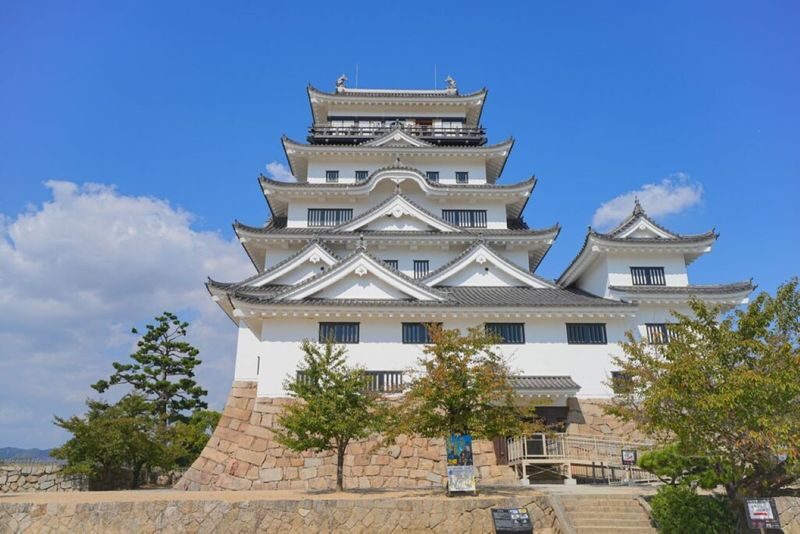
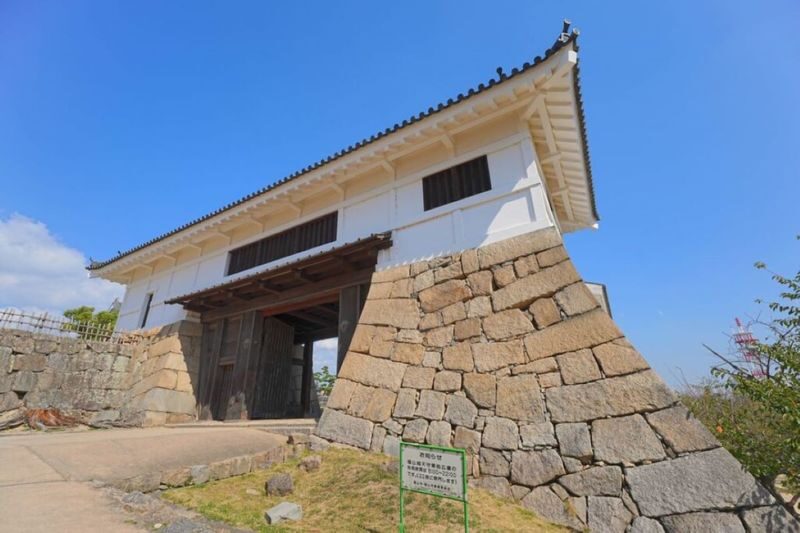
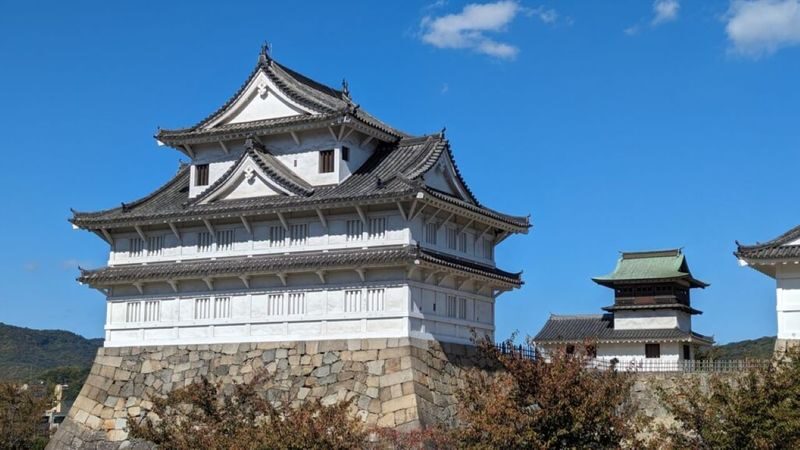
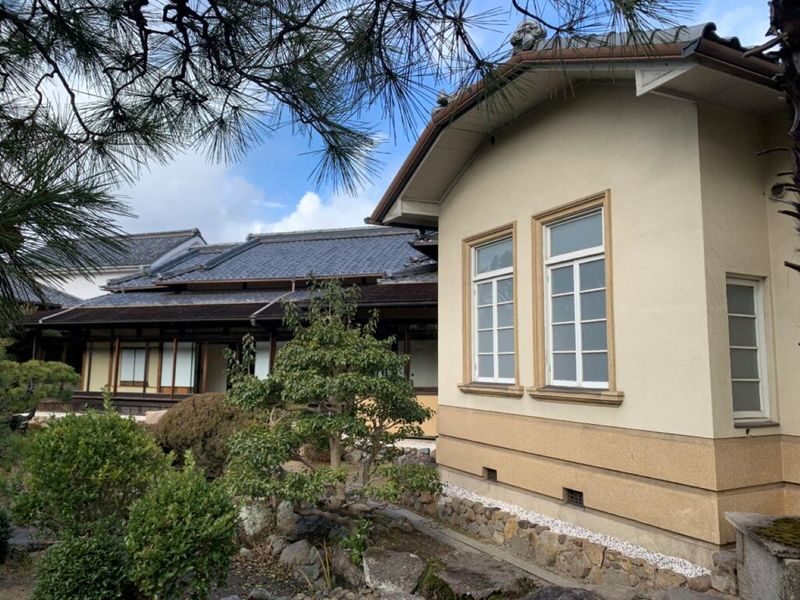
- Fukuyama Castle was built in 1619, when the city began as a castle town. Its grounds, turrets, Fukuju Kaikan Hall, and museum give you several ways to approach the city’s past.
- The castle museum mixes exhibits with videos and interactive activities, making the morning more than a walk around old walls.
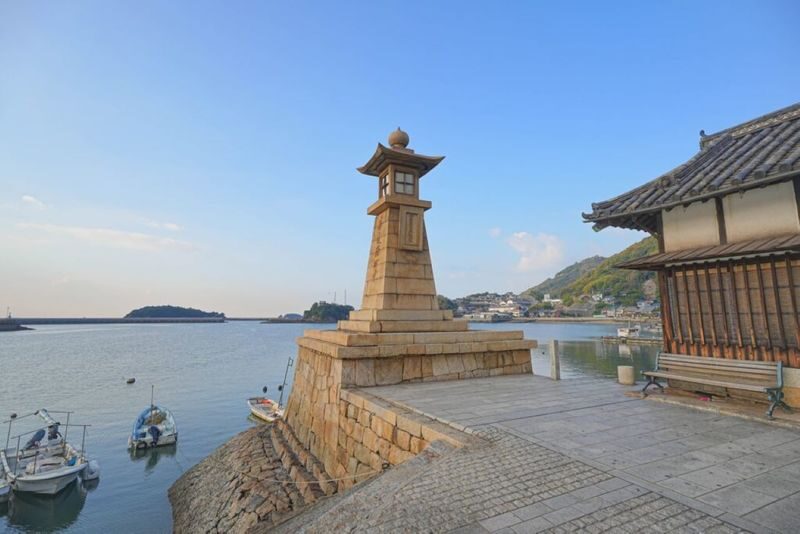
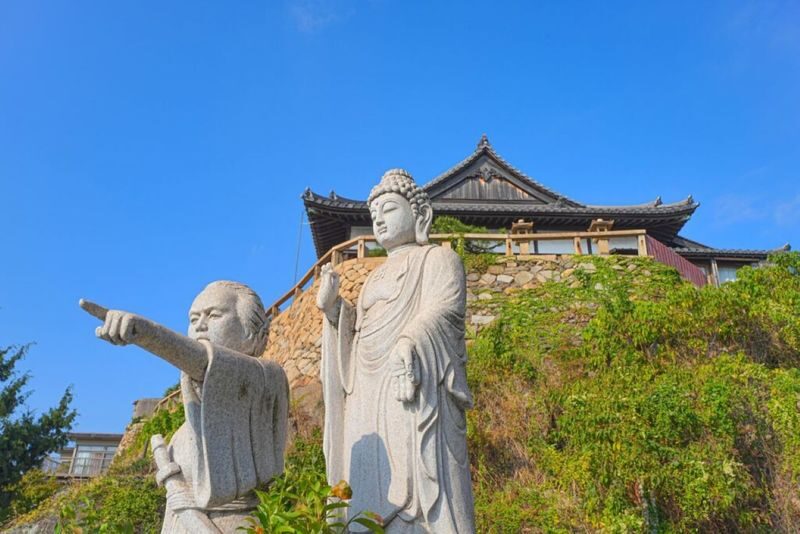
- Tomonoura still has the feel of a historic port town, with stops at Nunakuma Shrine, the Joyato lighthouse, and Fukuzen-ji.
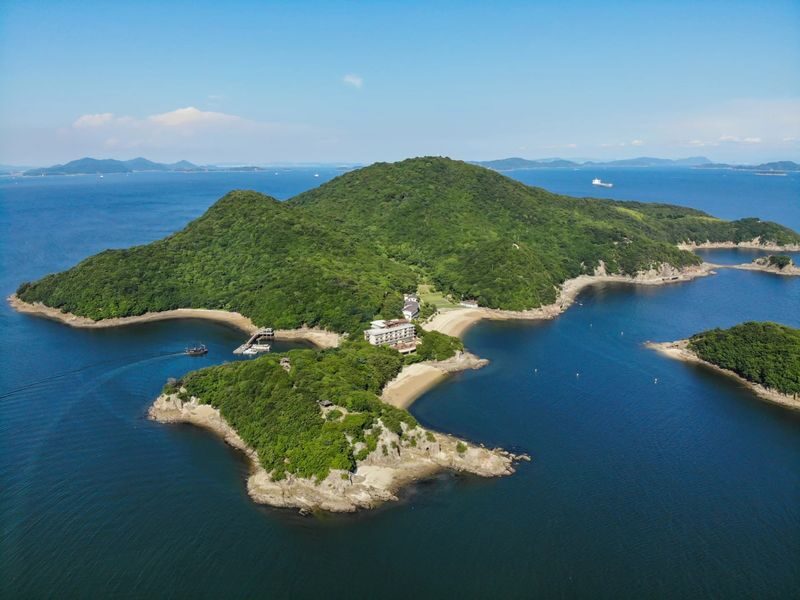
- Sensui-jima is just a five-minute ferry ride away, followed by a guided island walk to beaches and observation points.
- The tour runs about eight hours, from a 9:30 AM meeting at Fukuyama Station to a planned 5:30 PM return.
- The guide, transport, and attraction admission are included, but lunch, drinks, and personal expenses are not.

👉 See our pick of the 3 Top Canoe & Kayak Experiences In Fukuyama (With Reviews & Prices)
Fukuyama Castle sets the day in motion
Meet your English-speaking guide at 9:30 AM in front of the JR Ticket Office at Fukuyama Station. Arrive ten minutes early; the meeting point is outside the ticket gates at 2 Chome-2-12 Nishimachi. From there, the morning starts at Fukuyama Castle, the clearest place to understand how this city began.
Fukuyama was established as a castle town in 1619 and is now the second-largest city in Hiroshima Prefecture. The city was badly damaged in an air raid near the end of the Second World War, when about 80 percent of it was burned. Visiting the castle gives the history a local focus: you see both the city’s early foundations and the effort made to restore and preserve its landmarks.
The guided visit takes in the castle grounds, sizeable turrets, and Fukuju Kaikan Hall, as well as the castle tower and museum. The museum uses detailed exhibits, informative videos, and interactive activities to explain Fukuyama’s history. That mix should help if you want context rather than only a quick photo stop, though your time at each feature will be shaped by the group’s schedule.
There is walking and stair climbing here, so wear shoes you trust on steps and uneven paths. The tour then allows time for lunch near Fukuyama Station. Meals and drinks are not included, so bring money for lunch and plan to choose and pay for it yourself. The break is practical, but it is not a hosted meal or a chance to linger indefinitely.
You can also read our reviews of more tours and experiences in Fukuyama

Tomonoura’s port streets tell a different story
At 1:15 PM, the tour reaches Tomonoura, a historic port town whose appeal lies in its streets and waterfront character rather than a single grand attraction. The guide leads you to Nunakuma Shrine, the Joyato lighthouse, and Fukuzen-ji, with some free time afterward.
These stops offer different ways to read the town. Nunakuma Shrine brings a religious site into the walk; the Joyato lighthouse connects directly to Tomonoura’s maritime life; and Fukuzen-ji adds a historic residence to the picture. Together, they make the visit more grounded than simply wandering through an old-looking street without knowing what you are seeing.
The free time is useful if you want to pause, look around, or take a few photos at your own pace. It is also limited by the need to reach the ferry later in the afternoon, so don’t count on a long, unstructured visit. The itinerary puts the guided sites first, then gives you a little room to explore on your own.
Tomonoura is a good middle chapter in this day. The castle introduces Fukuyama as a place built around political power; the port town shifts attention to the sea and the historic townscape. If you’re especially interested in shopping or spending hours in one neighborhood, the set schedule may feel brisk. If you value having the main sights linked by a guide, the structure is helpful.
A five-minute ferry ride leads to Sensui-jima
At 3:15 PM, the tour heads to Sensui-jima by ferry. The crossing takes about five minutes, but it changes the pace of the afternoon: you leave the town behind and spend time on an island with beaches, nature trails, and viewpoints over the Seto Inland Sea.
Once ashore, your guide leads a short hike that includes Senningaoka and Aikawa Observation points, as well as Tanoura and Hikoura Beaches. The viewpoints are the payoff for the uphill walking, with sea views from more than one spot. The beaches and trails offer a contrast to the museum rooms and town streets earlier in the day.
Short does not mean effortless. The route involves outdoor walking, and the overall tour includes a considerable amount of walking and stairs. Wear comfortable shoes, dress for the forecast, and carry water. In summer, temperatures can reach 32°C or higher with heavy humidity, so light clothing, sun protection, and drinking water matter. Winter temperatures in Hiroshima average from 1°C to 10°C, so warm layers and suitable footwear are sensible.
The ferry is the part of the plan most exposed to changing conditions. Tides or unfavorable weather can interrupt service, sometimes with little notice. The guide will adjust the itinerary to available ferry times, but Sensui-jima may not be possible if the ferry stops running. If the island is the main reason you’re booking, be aware that this is a real limitation, not just a minor scheduling detail.
The planned return to Fukuyama Station is 5:30 PM. Traffic, weather, and ferry changes can affect the schedule, so avoid making tight onward plans if a delay would cause trouble.
What the price includes, and what it doesn’t
The tour includes an English-speaking guide, transport, and admission to attractions. Those inclusions make the price easier to assess: you’re paying for a full day that links three different places, with local guidance and the practical work of moving between them handled as part of the experience.
The supplied pricing shows a starting price of US$104.95, while the named one-day package from Fukuyama Station is shown from US$124.95. Check the price for your date and package before booking, since those figures differ. Either way, remember that lunch, drinks, accommodation, hotel pickup and drop-off, tips, and personal expenses are extra.
The tour’s value depends on how you like to travel. If you want to connect the castle, port town, and island in one day without planning each transfer yourself, the guided format saves effort and adds context. If you prefer long stops, independent wandering, or a slower lunch, you may find the schedule too structured for the price.
The day’s strongest qualities are its sensible sequence and a guide described as professional and well prepared. That matters on a route with several transitions and a ferry, where clear direction can make the day feel orderly rather than rushed. Still, no group size is specified, so you should not book on the assumption that it will be a private or small-group tour.
Who will get the most from this day
I’d choose this tour if you’re staying in Fukuyama and want to see more than the castle, especially if you value a guide who can place the sites in context. It suits people who enjoy a mix of museum time, historic streets, and outdoor scenery, and who are comfortable spending most of the day on their feet.
It is less suited to anyone who needs a very low-walking day or wants hotel pickup. You must meet at Fukuyama Station, and luggage storage or delivery is not provided. Children aged five and under join free; children aged 13 and older pay the adult rate. The tour requires walking and stairs, so consider the route carefully if anyone in your group has limited stamina.
Weather preparation is part of the deal. Check the forecast before leaving, bring an umbrella or raincoat if needed, and dress for the season. If you are prone to seasickness, take precautions for the short ferry crossing. The ride is brief, but the operator specifically advises care for anyone susceptible.

Should you book the Fukuyama tour?
Book it if you want a well-organized introduction to Fukuyama’s castle history, Tomonoura’s port heritage, and Sensui-jima’s coastal scenery in one full day. The professional, well-prepared guide and logical order are useful strengths, and the mix of indoor history and outdoor walking keeps the day varied.
Think twice if you want to move at your own pace, avoid stairs, or need the island visit to be certain. The ferry may be disrupted by tides or weather, and the walking is substantial. For an active day that links three distinct sides of the region, though, this is a practical way to see more than you could comfortably piece together on your own.
1-Day Fukuyama Tour: Castle, Tomonoura Port Town, and Sensui-jima
“Reasonable schedule, professional and well prepared tour guide”
FAQ
Where does the tour start and end?
Meet at 9:30 AM in front of the JR Ticket Office at Fukuyama Station, at 2 Chome-2-12 Nishimachi. The planned return is to Fukuyama Station at 5:30 PM. Arrive at the meeting point ten minutes early.
Is lunch included?
No. The schedule includes time for lunch near Fukuyama Station, but meals and beverages are not included. Bring money to buy your own food and drinks.
Is the tour conducted in English?
Yes. An English-speaking guide is included.
How much walking is involved?
The tour involves considerable walking and stairs, including several hours outdoors and a short hike on Sensui-jima. Wear comfortable walking shoes and clothing suited to the weather.
Is the Sensui-jima visit guaranteed?
No. The ferry crossing takes about five minutes, but tides or unfavorable weather can interrupt ferry service. The guide will adjust the schedule where possible, but the island visit may not happen if the ferry cannot operate.
What is included in the tour price?
Admission to attractions, an English-speaking guide, and transport are included. Meals and drinks, hotel pickup and drop-off, accommodation, tips, and personal expenses are not included.