
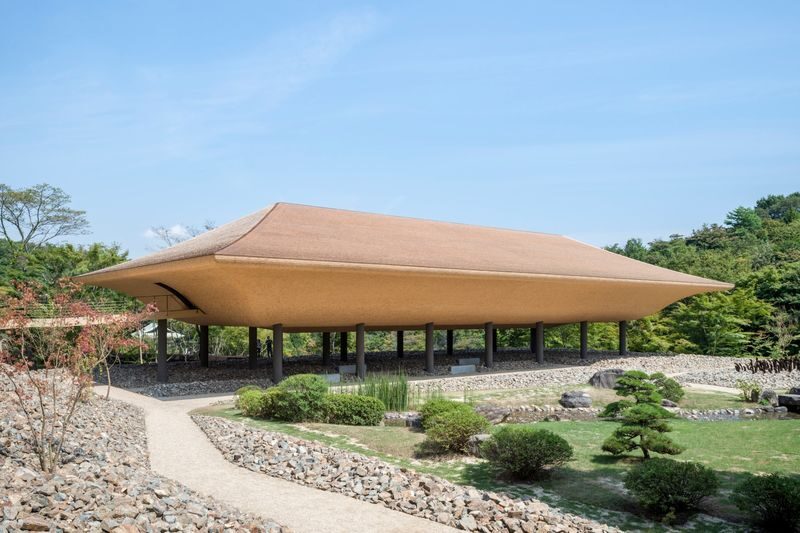
Shinshoji’s appeal is the way it brings very different forms of Zen art together. You can look closely at ink paintings by Hakuin, then step into Koutei, a boat-shaped pavilion by sculptor Kohei Nawa and creative platform Sandwich, where light plays across the interior. I like that contrast, and I like how the garden links buildings from different eras rather than treating them as separate sights.
The grounds also offer a thoughtful mix of temple architecture and landscape, from a 17th-century hall moved from Shiga Prefecture to a tea room associated with Sen no Rikyu and a temple office designed by Terunobu Fujimori. One practical catch: Shinshoji is outside central Fukuyama, and the bus can leave you with a 15-minute walk, so getting there takes more planning than the short visit itself.
- Hakuin’s art: See works from a collection of about 200 Zen paintings and ink writings, displayed in the permanent Shogendo exhibition hall.
- Koutei’s light installation: Enter a boat-shaped pavilion where reflected light evokes waves. Photography is not allowed inside.
- A garden of architectural contrasts: Walk among a 17th-century hall, a restored tea room, and a modern temple office by Terunobu Fujimori.
- A short but unhurried visit: Allow one to two hours for the grounds, buildings, and exhibitions.
- A little extra travel planning: The bus from Fukuyama Station takes you to the Tenjinyama stop, followed by a walk of about 15 minutes.
- A Zen museum built around contrasts
- Start with Hakuin’s ink paintings
- Step into Koutei, the boat-shaped pavilion
- Follow the garden between old and new buildings
- Make time for the sensory side of Zen
- Budget one to two hours, plus the journey
- Getting there from Fukuyama
- Who will enjoy Shinshoji most?
- Should you book Shinshoji?
- FAQ
- How long should I plan for Shinshoji?
- What are the opening hours?
- How do I get to Shinshoji from Fukuyama Station?
- Is there parking at Shinshoji?
- What does the admission ticket include?
- Can I take photographs inside?
- Are meals available at the site?
- Are children admitted free?
- Are the baths open every day?
- The Best Of Fukuyama!
- More Tours in Fukuyama
- More Tour Reviews in Fukuyama
A Zen museum built around contrasts
 1 / 9
 2 / 9
 3 / 9
 4 / 9
 5 / 9
 6 / 9
 7 / 9
 8 / 9
 9 / 9
Shinshoji is not a conventional temple visit where you look at one main hall, take a few photos, and move on. It is a large site designed to let you encounter Zen through art, architecture, food, tea, and a garden walk. The admission ticket covers entry to the attractions, but it does not include transport, meals, or drinks. Think of it as access to the setting and exhibits, not a package of guided activities.
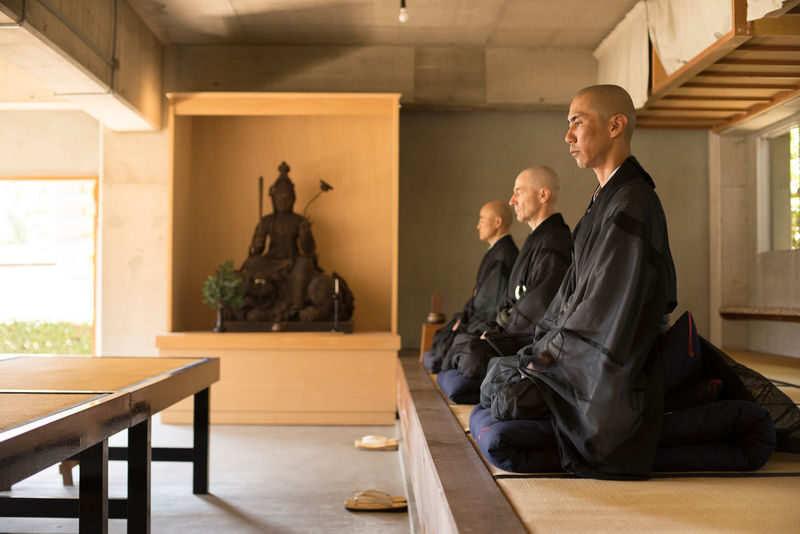
The temple was founded in 1965 by Hideo Kambara, who invited Zen Master Sojin, the seventh chief priest of the Kenchoji school of the Rinzai sect, to serve as its founder. Its principal image is Miroku Bosatsu, or Maitreya. Shinshoji serves as a place for memorial services, while also welcoming people who want to engage with Rinzai Zen and tea culture.
That purpose helps explain the site’s range. A quiet garden stroll sits alongside traditional religious art and a contemporary light installation. You do not need to know much about Zen to appreciate the setting, but a little patience helps: the interest here is in looking, noticing, and letting each space feel different.

👉 See our pick of the 3 Top Canoe & Kayak Experiences In Fukuyama (With Reviews & Prices)
Start with Hakuin’s ink paintings
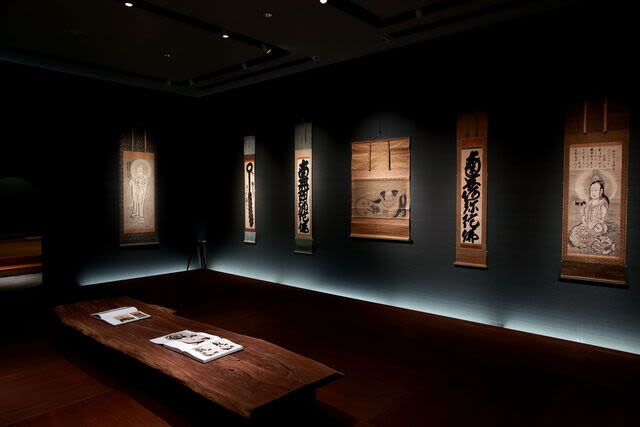
Shogendo houses a collection of about 200 paintings and ink writings by Hakuin Zenji, one of Japan’s major Zen artists. The works are shown in a permanent exhibition hall, with displays changed from time to time. That means the selection can vary, but Hakuin’s art remains one of the site’s central reasons to visit.
Ink paintings can look spare at first glance. Give them a moment. Hakuin’s work is closely tied to Zen teaching, and the brushwork, figures, and written characters are not simply decoration. You can take in the lines and gestures without needing to read every inscription or know the background of each piece.
Photography is permitted in the Hakuin Gallery without flash. That is a useful distinction to remember, since photography is prohibited inside the Koutei garden. If you are interested in both art and architecture, the shift from the focused gallery to the more sensory pavilion makes for a satisfying change of pace.
You can also read our reviews of more tours and experiences in Fukuyama.


Step into Koutei, the boat-shaped pavilion
Koutei, also called the Garden of Limpid Sound, is the site’s most distinctive contemporary space. Designed by sculptor Kohei Nawa and Sandwich, the creative platform he leads, it is shaped like a boat and wrapped in wood. Inside, an installation uses reflected light to suggest the shimmer of waves.
The work interprets Zen through contemporary art rather than explaining it with labels or a lecture. You are asked to notice the light and the way the space changes your perception. If that sounds more atmospheric than practical, that is the point: this is a place to pause and observe, not a gallery to rush through on the way to the next checklist item.
Entry to Koutei may be time-restricted, so check the available visiting time when you arrive and plan around it. Photography is not allowed inside. That rule protects the experience from a room full of phone screens, but it also means you should enjoy the installation in the moment rather than expect a photo to remember it by.
Follow the garden between old and new buildings
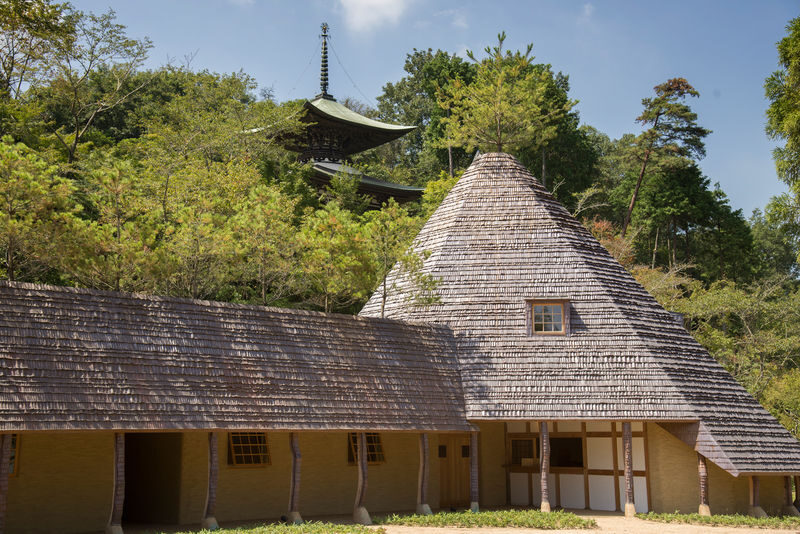
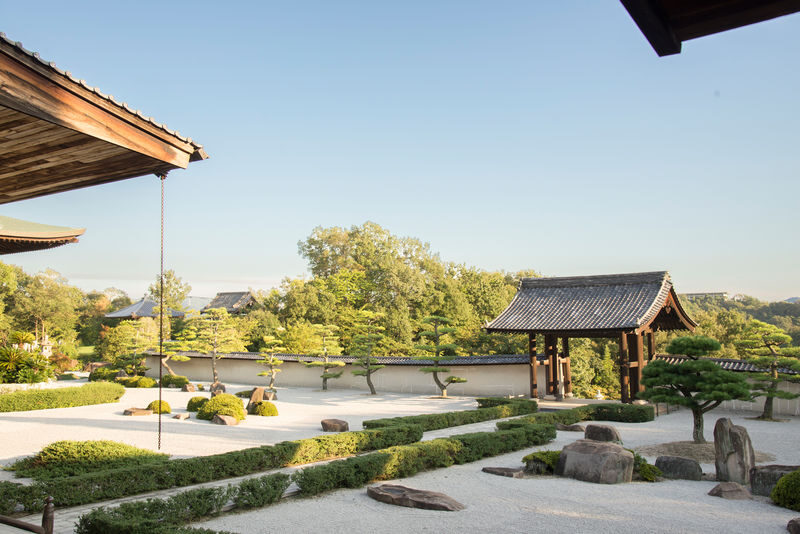
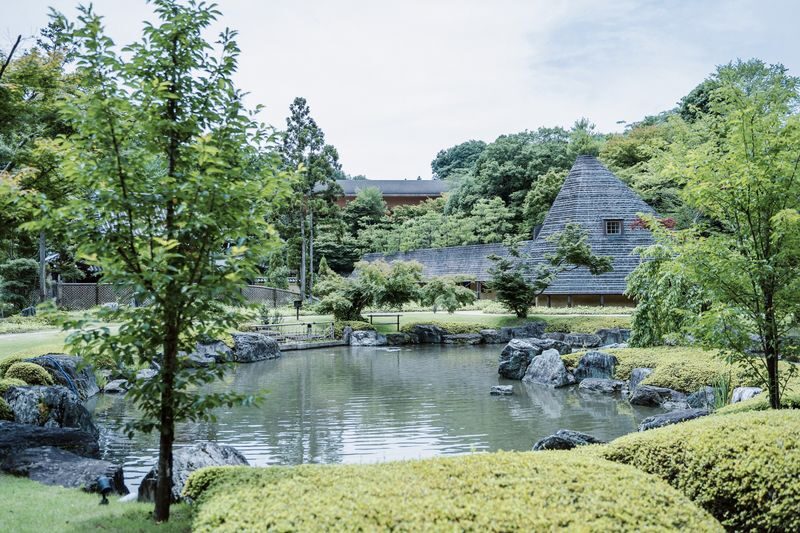
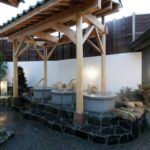
The grounds bring together buildings with different histories and styles. One hall dates to the 17th century and was moved to Shinshoji from Shiga Prefecture. The site also includes a restored tea room associated with Sen no Rikyu, the celebrated tea master, and a temple office designed by architect and architectural historian Terunobu Fujimori.
Fujimori’s office makes extensive use of pine trees and plants associated with the Sanyo Road and Setouchi region. Its presence gives the grounds a more modern architectural note without making the older structures feel like museum pieces. The garden connects the buildings, so the walk itself is part of the visit rather than merely the route between indoor exhibits.
Allow time to look at the buildings from more than one angle. Shinshoji is spread across a large site, and its appeal comes from moving between spaces at an easy pace. The grounds are reported to be especially pleasant in different seasons: winter can still be beautiful, while spring flowers may add another layer of color. Seasonal conditions will affect what you see, so there is no single best time for everyone.
Some indoor areas have shorter hours than the overall site. Shinshoji’s general opening hours are 9 a.m. to 5 p.m., with last entry at 4:30 p.m. The Main Hall, Ganku-in Temple, and Shuroken are open from 10 a.m. to 4 p.m. If those buildings matter to you, arrive early enough to fit them in.
Make time for the sensory side of Zen
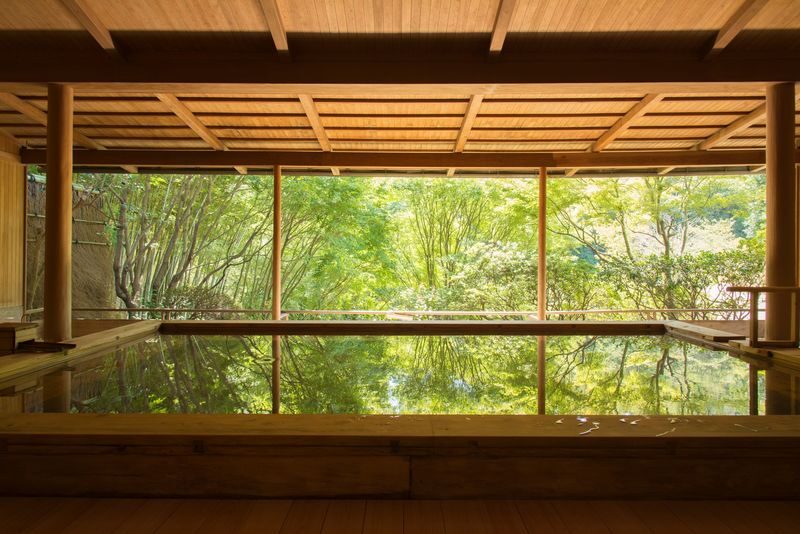
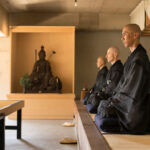
Shinshoji describes Zen as something to approach through the senses: tea, food, ink paintings, cleansing, and a garden walk. That broader idea is valuable even if you only have the admission ticket. It encourages you to treat the visit as more than a sequence of buildings, and to pay attention to how quiet, light, and space affect your pace.
Do not assume every activity is included in the basic admission. The ticket information specifies admission to attractions, while meals and beverages are excluded. If a tea or food experience is important to you, check the official site before you go for current details and availability.
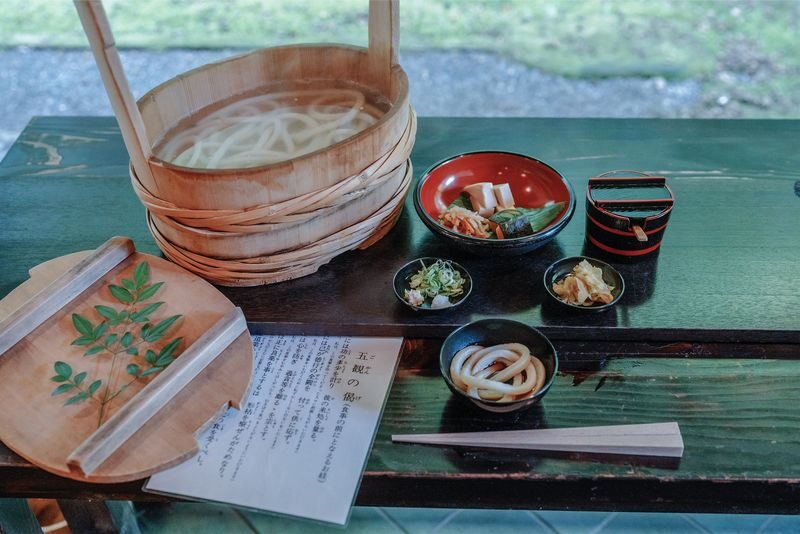
Food deserves particular attention. Udon has been unavailable at times, and there are no eateries in the surrounding area according to a recent visit report. Outside food and drinks are not allowed inside the venue, so do not count on bringing a picnic through the gate. Eat beforehand or make a plan for after your visit, and check current food options rather than relying on an old menu.
The baths are closed on Mondays. The available information does not establish that bathing is part of this admission ticket, so treat the baths as a separate detail to verify if they are a priority.
Budget one to two hours, plus the journey
The grounds and exhibits usually call for about one to two hours. That is enough for a relaxed look at the Hakuin Gallery, Koutei, and the garden buildings, though architecture enthusiasts may want longer. If you are working to a tight schedule, remember that the site’s separate opening times and Koutei entry slots can affect your route.
The ticket starts at $11.35, a modest price for access to a site with several distinct architectural and artistic stops. One visitor reported that on-site admission cost 1,800 yen, while online booking offered immediate use and was convenient. Prices can change, so compare the current online price with the gate price before booking. The value is strongest if you will take time to see more than one part of the grounds.
The ticket is valid only for the selected date, and you redeem it by showing your mobile voucher. Children aged five and under enter free. Booking changes are allowed until 24 hours before the activity starts, subject to the stated exceptions, and cancellation is free with at least 24 hours’ notice. Check the booking conditions that apply to your specific purchase.

Getting there from Fukuyama
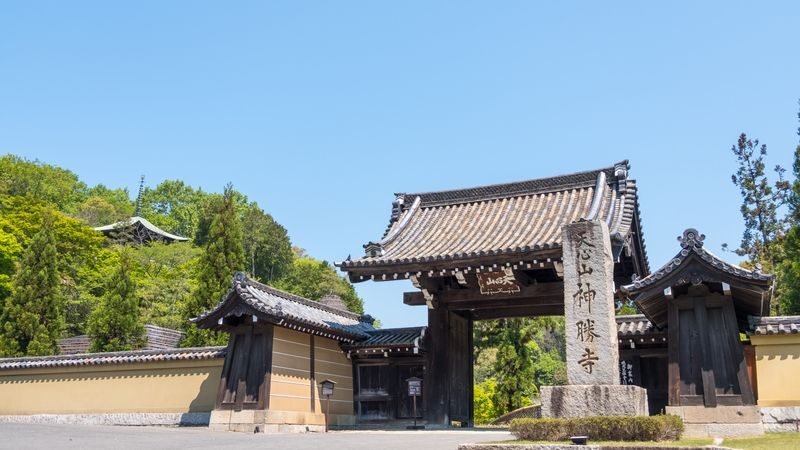
Shinshoji is at Kamisanna-91 Numakumacho, Fukuyama, Hiroshima Prefecture. From Fukuyama Station, take the Tomotetsu Bus from stop 6 toward Miroku no Sato and get off at Tenjinyama. The walk from that stop is about 15 minutes, along a mountain road, so wear shoes you are comfortable walking in.
Bus arrangements can vary by day. A direct bus to the temple gate has been available on weekends, while weekday visits may involve the walk from Tenjinyama. Confirm the current timetable and stop before setting out. A missed stop can add an unexpected walk, and the approach is not just a few steps from the bus.
If you are driving, the site is about 25 minutes from Fukuyama Nishi Interchange on the Sanyo Expressway. Free parking has been reported, which makes a car a practical option if you are already exploring the wider Fukuyama area. Transport is not included in the ticket.
Who will enjoy Shinshoji most?
I would put Shinshoji high on the list for anyone interested in Japanese temple architecture, Zen art, gardens, or contemporary installations. The mix is unusual: Hakuin’s traditional ink work and Nawa’s light-based pavilion offer two very different ways of thinking about Zen, while the garden makes room for both.
It also suits visitors who prefer a quieter, self-guided stop to a tightly scheduled group tour. The site is described as peaceful and not heavily crowded, though conditions can change. You will get more from the visit if you enjoy taking time with a painting or building rather than racing from one attraction to the next.
It may be less appealing if your Fukuyama schedule is already packed, you do not want to arrange a bus or car, or you expect a meal to be part of the ticket. The distance from the station and the limited nearby food options are real considerations. For a short outing centered on art, architecture, and quiet, though, Shinshoji offers a thoughtful use of a few hours.
Should you book Shinshoji?
Book it if you are drawn to the meeting of traditional Zen art, modern architecture, and garden design, and can spare time for the trip out of central Fukuyama. The best practical approach is to check the bus schedule, note Koutei’s time restrictions, and eat before you arrive. If those pieces fit your day, the admission price buys access to a distinctive set of spaces rather than just one temple hall.
Shinshoji Temple Zen & Garden Museum Admission Ticket
“The voucher is ready to use upon purchase. Simply present the QR code at the entrance, and the temple will provide a receipt and an informational p…”
FAQ
How long should I plan for Shinshoji?
Allow about one to two hours for the visit. Add extra time for the bus journey and the walk from Tenjinyama if you are using public transport.
What are the opening hours?
The museum is open daily from 9 a.m. to 5 p.m., with last entry at 4:30 p.m. The Main Hall, Ganku-in Temple, and Shuroken are open from 10 a.m. to 4 p.m.
How do I get to Shinshoji from Fukuyama Station?
Take the Tomotetsu Bus from stop 6 toward Miroku no Sato and get off at Tenjinyama. From there, the walk to the site is about 15 minutes. Check the current timetable, as bus arrangements can vary.
Is there parking at Shinshoji?
The site is about 25 minutes by car from Fukuyama Nishi Interchange on the Sanyo Expressway. Free parking has been reported.
What does the admission ticket include?
The ticket includes admission to the attractions. Transport, meals, beverages, and other personal expenses are not included.
Can I take photographs inside?
Photography is allowed in the Hakuin Gallery without flash. Photography is prohibited within the Koutei garden.
Are meals available at the site?
Food options can change, and udon has been unavailable at times. There are no eateries in the surrounding area according to a recent visit report, so plan to eat before or after your visit. Outside food and drinks are not allowed inside.
Are children admitted free?
Yes. Children aged 0 to 5 can enter free.
Are the baths open every day?
No. The baths are closed on Mondays. Check the official website for current details about facilities and operating hours.


