Sankeien is more than a pretty stroll: its ponds, hills and carefully placed historic buildings make the garden feel like a small journey through different eras of Japan. I like the contrast between the old pagoda on the hill and its reflection in the water, and the fact that flowers change the mood from season to season.
I also like how much room there is to wander at your own pace. You can make a quiet loop, pause at a pond, or spend longer with the buildings and museum. The main drawback is the location: Sankeien sits outside central Yokohama, so reaching it means taking a bus and walking a little.
- Seventeen historic buildings sit among ponds, slopes and garden paths. Ten are Important Cultural Properties of Japan.
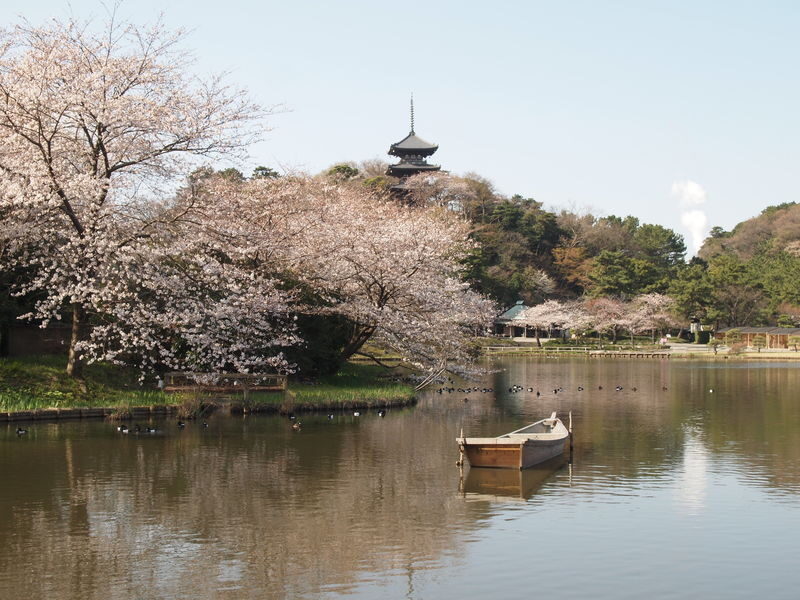
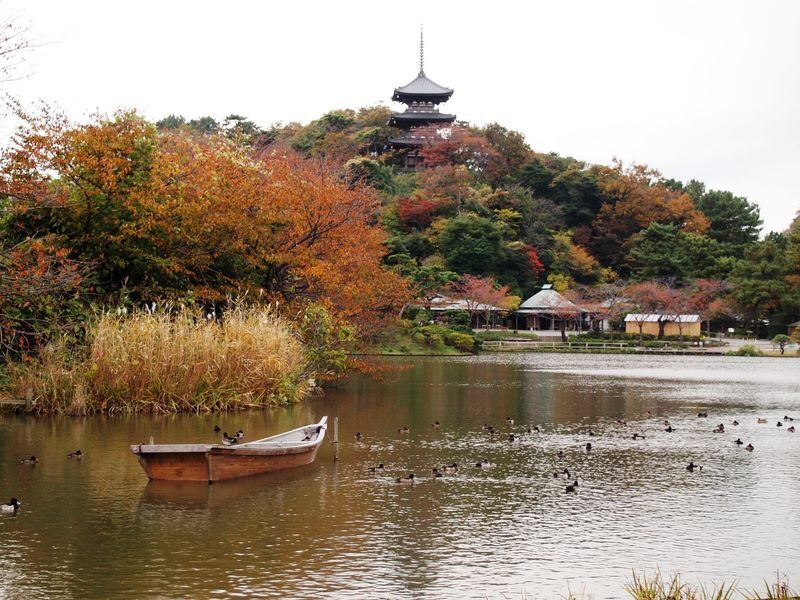
- The pagoda and pond are the garden’s signature view, especially when the water is still enough to reflect the old structure.
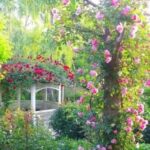
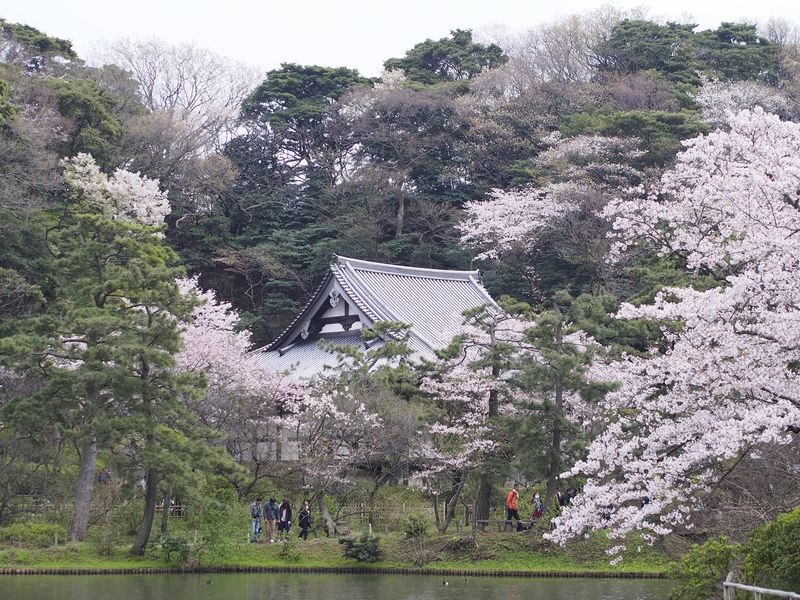
- Seasonal flowers shape the visit: cherry blossoms usually bloom from late March to early April; lotus flowers appear in July and August.
- It is a self-guided walk, not a guided tour. Some buildings may be viewed only from outside, and facilities can close depending on the season.
- The digital ticket needs internet access. Open the voucher on your phone and let the staff operate it at the entrance.
- Plan for a bus ride and a short walk. The garden is about five to ten minutes on foot from two listed bus stops.
- A garden built around old buildings
- Start at the pond, then follow the garden’s quieter paths
- Look up to the pagoda and back down to its reflection
- Time your visit around flowers, not just the calendar
- Add the museum or a tea stop if it is open
- Give yourself one to three hours
- Getting there takes a little planning
- Is the admission worth the price?
- Who should make the trip?
- FAQ
- How much does admission cost?
- How long should I spend at Sankeien Garden?
- What are the garden’s opening hours?
- How do I use the e-ticket?
- How long is the voucher valid?
- Can I cancel the ticket or get a refund?
- How do I get to Sankeien Garden by bus?
- When can I see the flowers?
- Are children charged admission?
- Are food, pets and bicycles allowed?
- The Best Of Yokohama!
- More Tours in Yokohama
- More Tour Reviews in Yokohama
A garden built around old buildings
 1 / 9
 2 / 9
 3 / 9
 4 / 9
 5 / 9
 6 / 9
 7 / 9
 8 / 9
 9 / 9
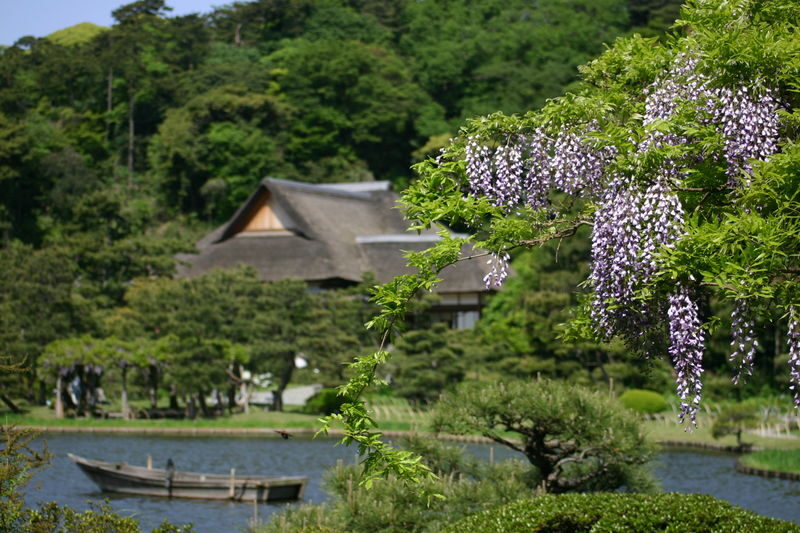
Sankeien began as the private home and garden of Tomitaro Hara, an industrialist and tea master known by the name Sankei. He shaped the grounds to work with the natural terrain, using rolling hills, ponds and plantings to frame historic buildings brought together in one place.
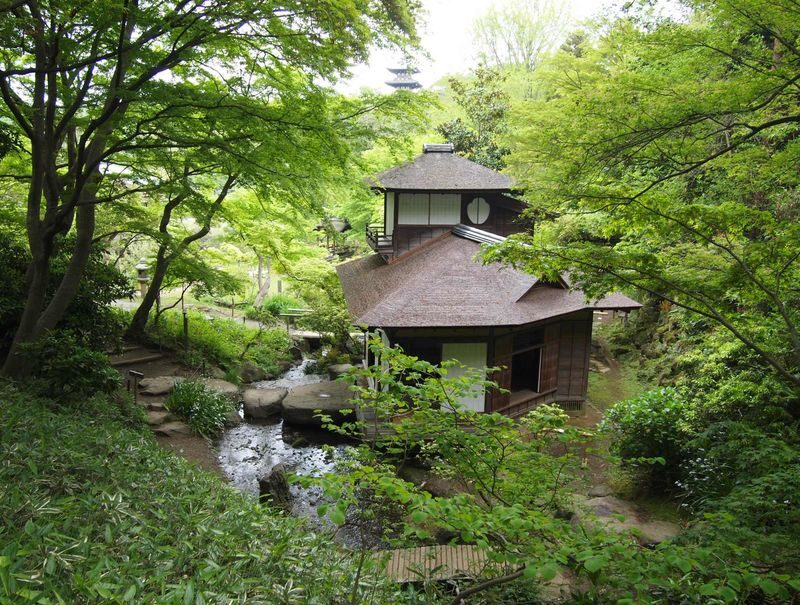
That history matters when you walk here. The buildings are not just decorative backdrops; they are the heart of the garden’s character. Sankeien has 17 historic structures, including 10 designated as Important Cultural Properties of Japan and three recognized as Tangible Cultural Properties of Yokohama.
Do not expect a museum where every room is open for inspection. Many structures are best appreciated from the garden paths, and access inside can be limited. One residence may be open to enter, with shoes removed, but openings can vary. The buildings still reward a slow look from outside: notice how they sit against the trees and water rather than dominating the scene.

👉 See our pick of the 6 Fantastic Workshops & Classes In Yokohama
Start at the pond, then follow the garden’s quieter paths
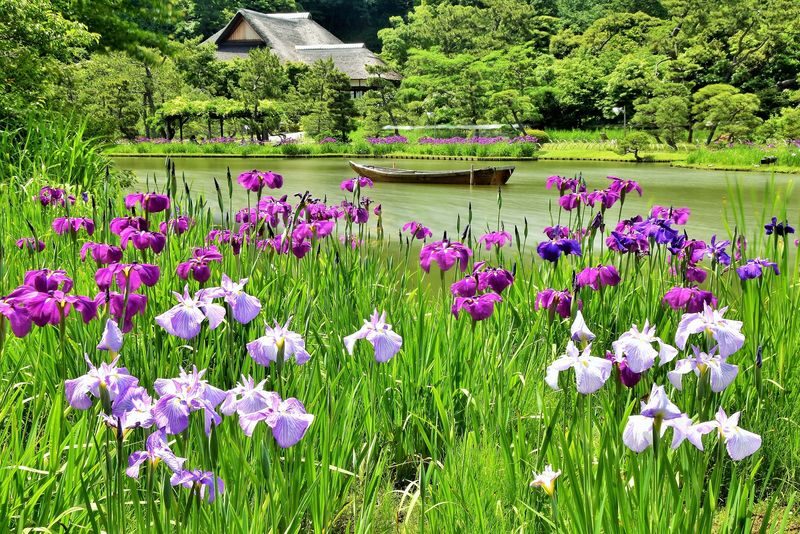
Once inside, give yourself time to settle into the place. The pond near the entrance is an easy first stop, and it sets the pace: this is a garden for walking slowly, not checking off a string of attractions. You may see fish and ducks around the water, and food for feeding them has been available in the garden.
From there, paths lead through planted areas and along the ponds, with the historic buildings appearing at different points along the way. The grounds are spacious enough that you can usually find a quieter stretch, though the garden can draw more people during peak blossom seasons and when tour groups arrive. If quiet is your priority, getting there near opening time is a sensible plan.
The paths include slopes and some climbing. That is part of what gives the garden its changing views, but it is worth keeping in mind if you are travelling with someone who finds hills difficult. The walk is self-guided, so you can take breaks, shorten your route or spend extra time wherever the scenery appeals.
You can also read our reviews of more tours and experiences in Yokohama.


Look up to the pagoda and back down to its reflection
The old pagoda on the hill is the garden’s most memorable landmark. It gives the grounds a strong focal point, and the view back toward the pond can be especially lovely when the building is reflected in the water. Take a moment to look both ways: up toward the structure and down across the pond.
Some paths climb toward elevated viewpoints. Shofukaku is one place where, on a clear day, you may have a chance of seeing Mount Fuji. It is not a sure thing, and cloud can block the view. The route up can also be difficult for older visitors or anyone who would rather avoid a steep climb, so treat it as an optional detour rather than a must-do.
The best approach is to enjoy the view you have, not to plan the visit around Fuji. Even without a distant mountain, the pagoda, wooded slope and water make a satisfying scene.
Time your visit around flowers, not just the calendar
Sankeien changes with the seasons, and that gives you a good reason to choose your timing with care. Cherry blossoms are usually in full bloom from late March to early April, though the exact timing shifts with the weather. If you arrive during this period, expect the garden to feel more festive and potentially busier than it does in quieter months.
Summer brings another distinct display. In July and August, thousands of pink lotus blossoms can fill the pond just inside the entrance. The greenery is also at its fullest, though summer heat can make a long walk less comfortable. Bring water for the journey to the garden and take the visit at an easy pace.
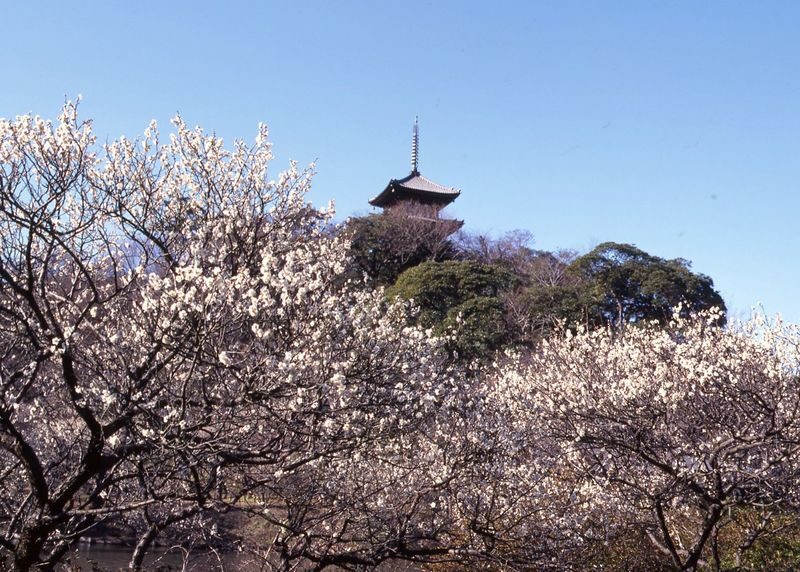
Late autumn brings changing leaf color, while plum blossoms begin opening in mid to late February. The timing of autumn color can vary from year to year, so a date on the calendar is no guarantee of peak foliage. In a less showy season, the appeal shifts toward the preserved buildings, the open paths and the quiet.
Add the museum or a tea stop if it is open
The Sankei Memorial Museum gives context to the garden and its founder. It holds materials and artworks related to Tomitaro Hara and Sankeien, with exhibits rotated about once a month. That changing display can add something new if you return, but the museum is a complement to the garden rather than a reason to rush through the grounds.
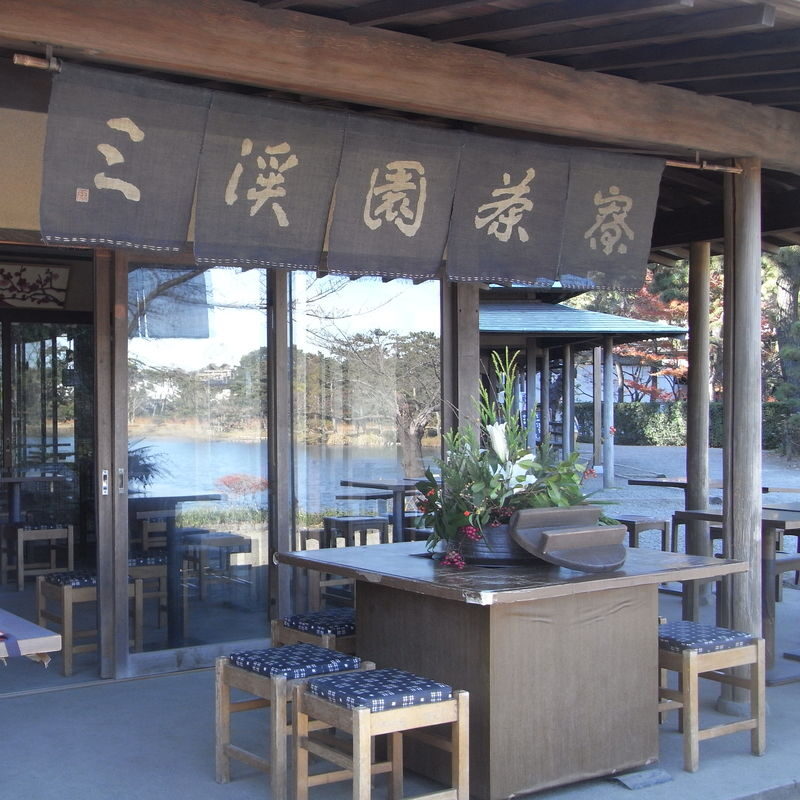
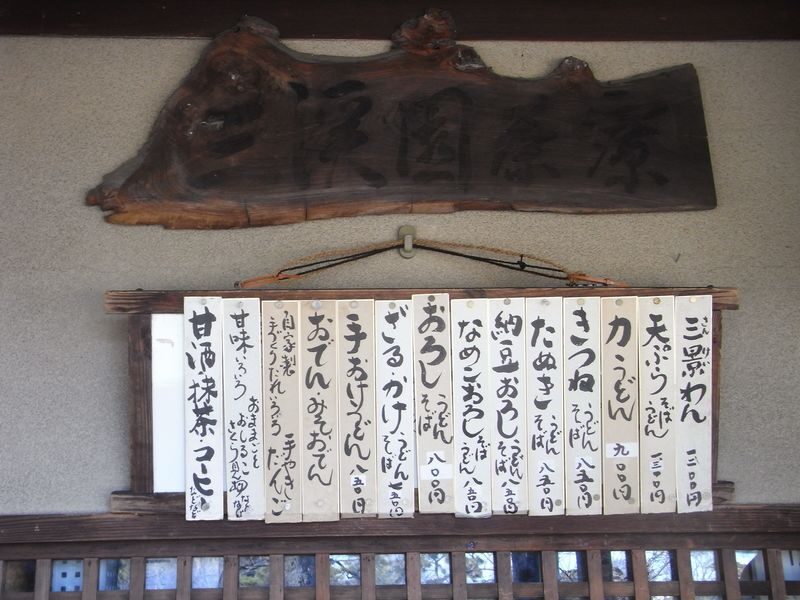
Inside the museum is a traditional tea room where you can have matcha and Japanese sweets. There are also three tea houses in the garden, where you may find Sankei soba noodles and sweets associated with Hara. These stops can turn a garden walk into a more relaxed half-day outing, but do not count on every tea venue being open on your date. Seasonal closures happen.
There are food options in the grounds, including a restaurant area beyond the stalls near the main pond. If you want a meal, check what is open when you arrive. Eating and drinking are not allowed in the inner garden or inside the Former Yanohara Residence, so keep snacks to permitted areas.
Give yourself one to three hours
The advertised visit length is one to three hours, and that range makes sense. If you want a quick look at the pond, pagoda and a few buildings, about an hour may do. To follow more paths, visit the museum and pause for tea or food, allow closer to half a day.
This is a self-guided admission ticket, not a tour with a named guide or a set route. Signs help you find your way, and an audio guide may be available through your phone. The sign for it is just past the entrance gate, before the ticket gate, so look for it as you arrive if you want extra context.
For an unhurried visit, arrive earlier rather than trying to squeeze the garden in just before closing. Sankeien is open daily from 9:00 a.m. to 5:00 p.m., with last admission at 4:30 p.m. Hours may shift slightly with the season, and some facilities or activities may close.
Getting there takes a little planning
Sankeien is at 58-1 Honmokusannotani, Naka Ward, Yokohama. The listed bus stops are Honmoku, served by city buses 58 and 101, about a 10-minute walk away, and Sakuramichi, served by buses 8 and 168, about a five-minute walk away.
The garden is not right beside Yokohama’s central sights, so allow time for the bus journey and the walk from the stop. If you are visiting from Tokyo, it can feel like a long trip for a garden visit alone. It makes more sense as part of a Yokohama day, especially if you want a peaceful change of pace from the city’s busier areas.
The e-ticket is valid for 180 days from booking confirmation, expiring at 5:00 p.m. on the final day. That gives you some date flexibility, but the ticket is nonrefundable. You need internet access to open the Klook voucher on your phone, and staff must operate the ticket. Do not mark it as used yourself.
Is the admission worth the price?
The listed price starts at $5.69, while a recent adult price noted at the garden was ¥900. The actual amount can vary, so check the price shown when booking. For a large, well-kept garden with historic architecture, ponds and seasonal flowers, admission is reasonable if you enjoy walking and scenery.
The value depends on what you expect. If you want interactive exhibits or access inside every building, this may feel thin: many structures are viewed from outside, and the experience is mainly a stroll. If you like gardens, photography, old architecture and a quiet hour or two, the ticket buys a lot of room to slow down.
Buying online is straightforward, but it does not remove the main practical risk: the no-refund rule. Bad weather can make the walk less pleasant, and a closed tea house can change your plans. Since you can use the voucher within its validity period, check the forecast and current opening details before setting out.
Who should make the trip?
I would choose Sankeien if I had time in Yokohama and wanted a calm, spacious outing with more history than a standard city park. It suits garden lovers, photographers, families with children old enough to enjoy a walk, and anyone who appreciates Japanese architecture. Children aged six and under enter free; children aged 16 and older pay the adult rate.
It is less suitable if you are short on time, dislike slopes, or need every part of an attraction to be open and active. The grounds are large, but the visit is quiet by design. You make your own route, pause when you like and accept that some buildings are there to admire from the outside.
My practical plan would be to go in a season that interests you, arrive early, check that the garden is open, and keep the day flexible enough for the bus ride. Bring a charged phone with internet access for the voucher, then leave room to wander. For the right kind of day, Sankeien offers a graceful break from Yokohama’s city streets without asking much of your wallet.
Sankeien Garden Admission
“It was a great place though we didnt know that the tea place for the day we visited was closed. Still, we enjoyed the place and had fun together.”
FAQ
How much does admission cost?
The ticket is advertised from $5.69. A recent adult price noted at the garden was ¥900, but the price shown when you book may vary.
How long should I spend at Sankeien Garden?
Plan for one to three hours. A shorter visit can cover the main pond and pagoda, while a longer stay leaves time for more paths, the museum or a tea stop.
What are the garden’s opening hours?
Sankeien Garden is listed as open daily from 9:00 a.m. to 5:00 p.m. Last admission is at 4:30 p.m. Hours may be adjusted slightly by season.
How do I use the e-ticket?
Open your Klook booking and voucher on a phone with internet access, then present it to staff at the garden. Staff must operate the ticket.
How long is the voucher valid?
It is valid for 180 days from the booking confirmation date and expires at 5:00 p.m. on the final day.
Can I cancel the ticket or get a refund?
No. The ticket cannot be cancelled, and refunds are not available.
How do I get to Sankeien Garden by bus?
The garden is about a 10-minute walk from Honmoku Bus Stop, served by city buses 58 and 101, or about a five-minute walk from Sakuramichi Bus Stop, served by buses 8 and 168.
When can I see the flowers?
Cherry blossoms usually bloom from late March to early April. Lotus flowers bloom in July and August, autumn leaves change color in late autumn, and plum blossoms begin in mid to late February.
Are children charged admission?
Children aged 0 to 6 enter free. Children aged 16 and older pay the same rate as adults.
Are food, pets and bicycles allowed?
Eating and drinking are not allowed in the inner garden or Former Yanohara Residence. Pets are not allowed except service animals with valid identification, and bicycles and skateboards cannot be brought into the venue.