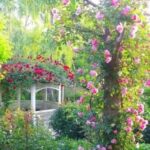
Yokohama English Garden is a compact, carefully tended garden where the main event changes with the season. Roses are a major draw, but you can also find seasonal flower displays and decorations, from a June umbrella installation to Halloween details in autumn.
I like two things in particular: the changing displays give you a reason to visit beyond rose season, and the garden is small enough to fit into a Yokohama day without taking it over. At roughly US$3.15 for admission, it can be a pleasant, low-cost pause between bigger city sights.
The main consideration is timing. Flowers do not bloom on a fixed schedule, and a visit booked too far ahead may land between peak displays. The garden is also modest in size, so it suits a focused hour among flowers more than a full-day outing.
- What to Know Before You Go
- A Small Garden With Seasonal Character
- Roses, Flowers, and Displays That Change by Month
- What Your Visit Looks Like
- Getting There and Planning Your Time
- Practical Rules for a Smooth Visit
- Is Yokohama English Garden Worth Your Time?
- FAQ
- How long should I plan to spend at Yokohama English Garden?
- What are the garden’s opening hours?
- How do I get to Yokohama English Garden?
- Is the garden suitable for children?
- Can I bring a pet?
- Can I take photos inside the garden?
- Can I cancel or change a booked ticket?
- The Best Of Yokohama!
- More Tours in Yokohama
- More Tour Reviews in Yokohama
What to Know Before You Go
 1 / 7
 2 / 7
 3 / 7
 4 / 7
 5 / 7
 6 / 7
 7 / 7
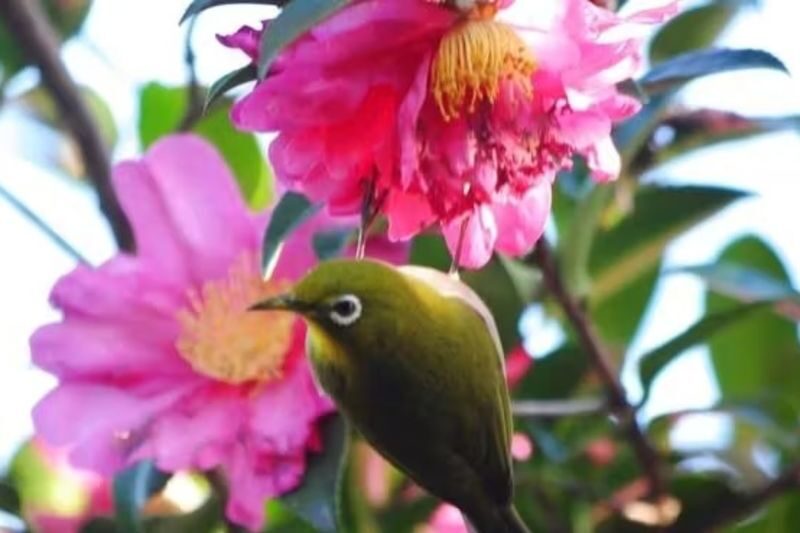
- Seasonal displays change the feel of the garden: Spring through autumn brings different flowers and decorations. Check the garden’s website for current event dates and plant conditions.
- Roses are a signature feature: The garden received the World Federation of Rose Societies’ Award of Garden Excellence in 2018.
- Plan on about an hour: The grounds are not very large, though you can spend longer taking pictures or sitting quietly with a book.
- The displays make good photo backdrops: Flower-focused photos are a strong reason to visit, but crowds can affect how easily you find a clear view.
- Hiranumabashi Station is the nearest stated rail access: Take the Sotetsu line, then walk about 10 minutes to the garden.
- Admission is inexpensive, but date-specific: The voucher is valid only on the selected date, and purchases are nonrefundable.

👉 See our pick of the 6 Fantastic Workshops & Classes In Yokohama
A Small Garden With Seasonal Character
Yokohama English Garden is in tvk e-com park, in Nishi Ward, not far from the city’s transport links. It is a deliberately focused stop: you come for flowers, garden paths, seasonal touches, and a slower pace, not for a sprawling park that will occupy half a day.
That compact scale is useful if your Yokohama schedule is tight. Give yourself about an hour to browse at an easy pace. If you enjoy photographing flowers or want to sit and read, allow more time. One visitor found an hour sufficient, while another described the garden as peaceful enough to enjoy with a book even when the roses were not in bloom.
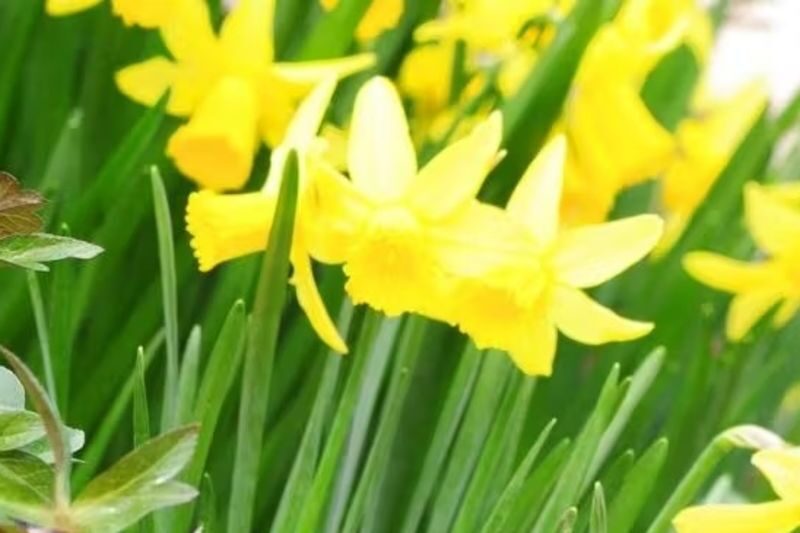
The garden is also a good reminder that a flower visit is partly a matter of timing. Its displays run from spring into autumn, but the best time to see each plant varies. A garden can still be worth a visit outside peak rose season, yet the particular flowers you have in mind may not be at their best on your chosen day.
I would treat this as a seasonal attraction rather than a fixed spectacle. Check the official website before you go, especially if you have a specific flower or event in mind. The garden’s seasonal schedule is part of the experience, but it also means that a date chosen months in advance carries some uncertainty.
You can also read our reviews of more tours and experiences in Yokohama.


Roses, Flowers, and Displays That Change by Month
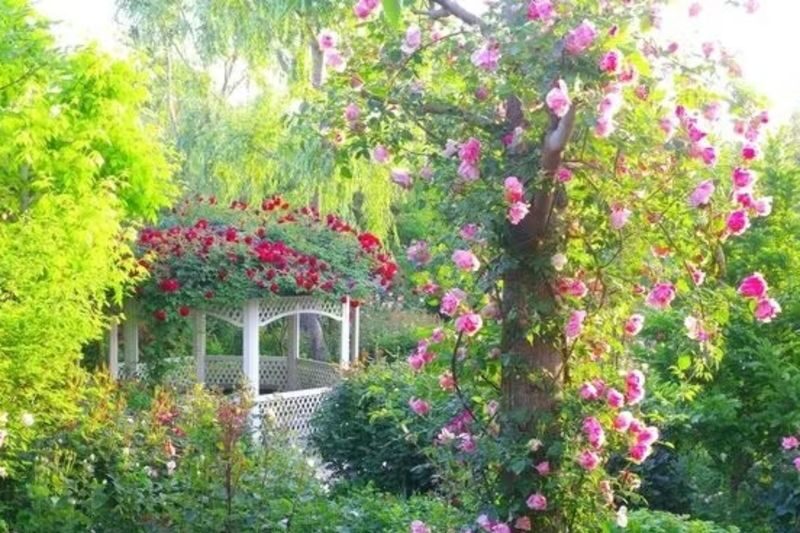
Roses are central to the garden’s reputation. Its 2018 Award of Garden Excellence from the World Federation of Rose Societies gives the rose displays a clear point of distinction, and the garden’s carefully maintained appearance is part of its appeal. Still, roses are not the whole story. The seasonal plantings mean that a visit outside their peak can have its own interest.
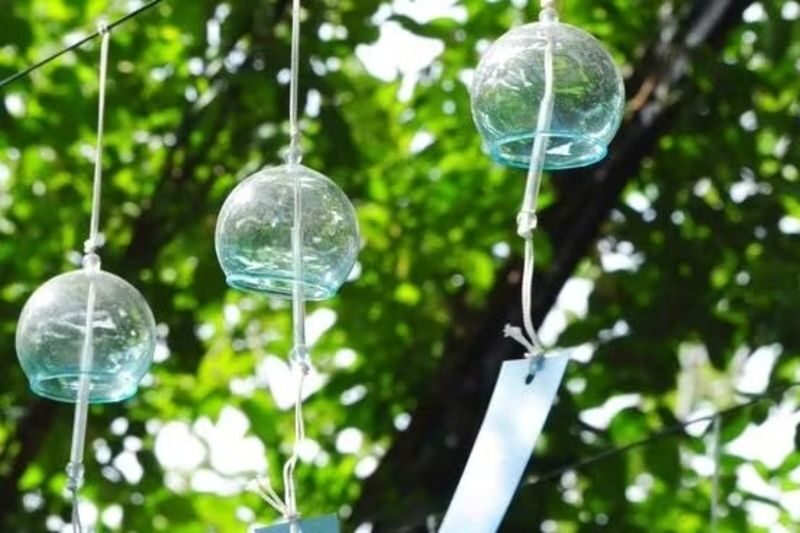
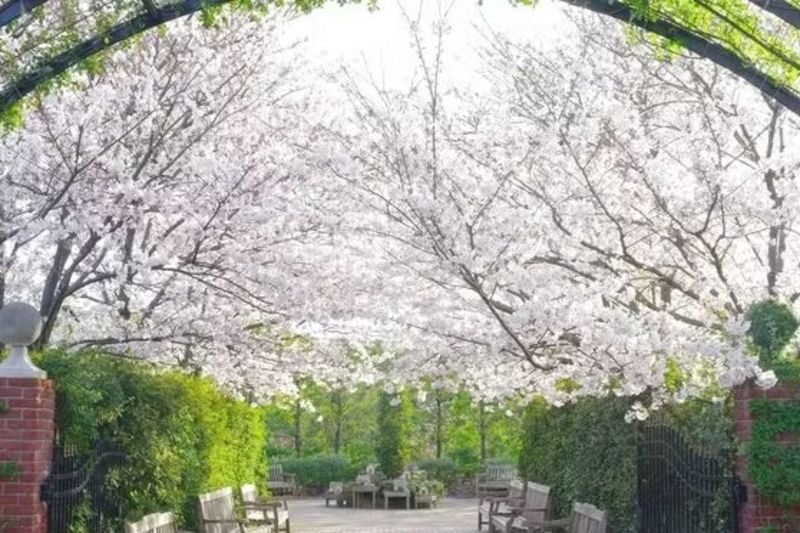
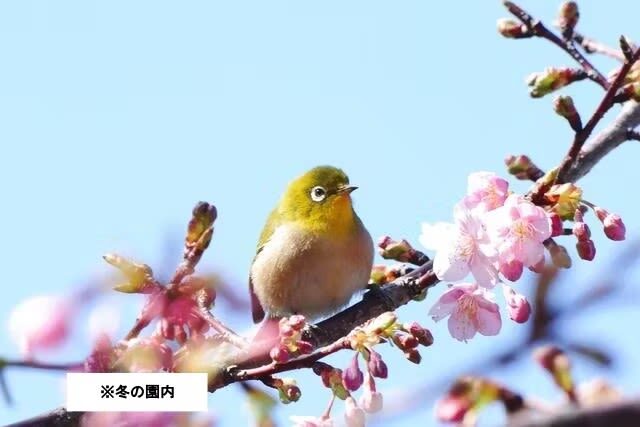
The month-by-month details matter. In late March, the garden can look attractive even when roses are not flowering. June has featured an umbrella installation, which adds a decorative element alongside the flowers. In autumn, Halloween decorations have appeared among the displays. These are examples of seasonal features, not guarantees for every year, so check the garden’s current event information before making a special trip.
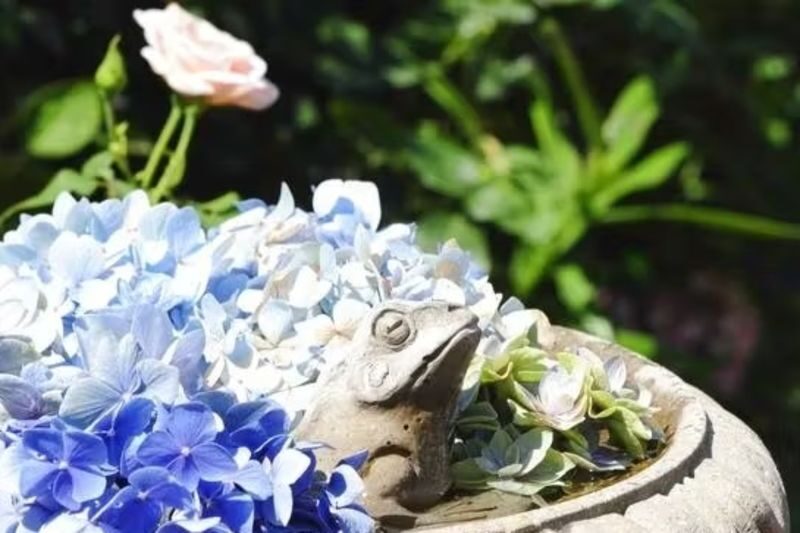
Flower timing can disappoint if you arrive with a narrow expectation. A June visit, for example, may be early for hydrangeas, depending on conditions. Weather can also affect business hours, and the garden notes that opening times may be adjusted slightly by season. If flowers are your priority, go with some flexibility: enjoy what is in bloom rather than measuring the visit against one exact plant.
The grounds are small enough that you can take in the overall display without rushing. That works particularly well for photography. You can frame flowers as the focus, or use them as a backdrop for portraits. The garden asks visitors not to occupy one filming spot for a long time and does not allow tripods, so plan for quick, considerate shots rather than a full photo setup.
What Your Visit Looks Like
This is an admission visit, not a guided tour. The experience is shaped by your pace: enter, follow the garden paths, look closely at the seasonal planting, and pause where a display catches your eye. No guide names or scheduled tour stops are provided, so you should not expect a narrated program or a fixed route.
That freedom is part of the appeal. You can move quickly through the grounds if you are fitting the garden into a busy day, or slow down to take photographs and enjoy the quiet. If you like gardens but do not want to commit to a large estate or a long walk, the compact scale is a practical advantage.
It is also worth setting expectations. This is not a large botanical garden with hours of separate zones to explore. A visitor who wants a full-day excursion may find the grounds too small; someone looking for a calm, flower-filled break may find the size just right. The garden’s value lies in a focused, well-kept visit rather than sheer acreage.
For the best chance of a more relaxed visit, consider going in the morning. The garden can draw crowds, and a quieter early visit makes it easier to take photos and enjoy the paths at your own pace. Entry may also be restricted depending on crowd conditions, so busy periods can affect the experience.
Getting There and Planning Your Time
The stated route is straightforward: take the Sagami Railway, also called the Sotetsu line, to Hiranumabashi Station, then walk about 10 minutes to the garden at tvk e-com park, 6-1 Nishihiranumacho, Nishi Ward, Yokohama. A free shuttle bus from Yokohama Station has also been noted, but its schedule should be checked in advance. Do not assume it runs at the time you need.
Opening hours vary by season:
- March through November: 10:00 a.m. to 6:00 p.m., with last entry at 5:30 p.m.
- December through February: 10:00 a.m. to 5:00 p.m., with last entry at 4:30 p.m.
The garden lists a winter closure from December 26, 2025, through January 3, 2026, at noon. Since hours and closures may change, check the official website for the latest details before setting out. Plan around the last-entry time, not just the closing time, especially if you are arriving late in the day.
You can book for the same day, and mobile vouchers are accepted at the ticket counter. The voucher is valid only for the date selected, and it cannot be cancelled or refunded. That makes a prepaid ticket convenient if your plans are firm, but less attractive if you are deciding based on weather or uncertain flower timing. If your schedule allows, check conditions first and choose a date with care.
The listed admission price starts at US$3.15. At that level, the garden offers good value as a short, specialized stop, particularly if you enjoy flowers or want a calm break from city sightseeing. It is less compelling if you expect a major attraction that will fill several hours. The low ticket price softens that trade-off, but transport and time still matter.
Practical Rules for a Smooth Visit
There is no luggage storage facility at the venue. Large bags may be checked at the ticket counter, but strollers cannot be checked and must be left in the designated area. If you are carrying a suitcase, ask the counter staff about options before relying on storage.
Food and drink are not allowed inside, except food for infants and children or special food for allergies. Bottles and cans are also prohibited. There are no included personal expenses beyond admission, so plan any other needs before entering.
Children aged zero to five, including preschoolers, enter free. The garden’s pet rules are more specific: assistance dogs are permitted, while other pets are generally not. Pets may enter only after 2:00 p.m. and must remain in a carrier, bag, or pet cart. They are not allowed before 2:00 p.m., even if contained.
Photography is welcome within limits. Commercial filming, photo sessions, and workshops are not permitted without authorization. Avoid staying in one spot for a long time, and leave tripods at home. These rules help keep the narrow garden paths usable for everyone.
Is Yokohama English Garden Worth Your Time?
I would put Yokohama English Garden on the list if you enjoy flowers, want a peaceful stop, or are looking for a photogenic activity that does not require a full day. Its seasonal displays, thoughtful upkeep, and modest admission price make it an easy addition to a Yokohama itinerary, especially if you are already nearby.
I would be more cautious if you are making a long trip solely to see one flower at its peak. Bloom timing varies, weather can affect hours, and the garden is small. Check the current display schedule, aim for a morning visit if you want fewer people in your photos, and treat the garden as a pleasant hour rather than a major day out. That is the best way to get good value from it.
Yokohama English Garden
“nice garden, lovely Haloween decoration.”
FAQ
How long should I plan to spend at Yokohama English Garden?
About an hour is enough to browse the compact garden. Allow more time if you want to take photos or linger.
What are the garden’s opening hours?
From March through November, it is open from 10:00 a.m. to 6:00 p.m., with last entry at 5:30 p.m. From December through February, it is open from 10:00 a.m. to 5:00 p.m., with last entry at 4:30 p.m. Hours may change slightly by season or weather.
How do I get to Yokohama English Garden?
Take the Sotetsu line to Hiranumabashi Station, then walk about 10 minutes. A free shuttle bus from Yokohama Station has also been noted; check its schedule before relying on it.
Is the garden suitable for children?
Children aged zero to five enter free, and preschoolers are free all year. Food for infants and children is allowed, although other food and drink are not.
Can I bring a pet?
Assistance dogs are permitted. Other pets may enter only from 2:00 p.m. until closing, and must be in a carrier case, bag, or pet cart.
Can I take photos inside the garden?
Yes, but tripods are not allowed, and you should not film from the same spot for a long time. Commercial filming, photo sessions, and workshops are not permitted.
Can I cancel or change a booked ticket?
No. The voucher is valid only for the selected date, and cancellations and refunds are not available.