In Kamakura, this 60-minute tea ceremony offers a close look at Japanese hospitality without asking you to set aside half a day. You’ll hear about Sado from a certified tea master, watch a live demonstration, and taste two servings of matcha with seasonal sweets.
I like two things in particular: the small-group setting, which suits a quiet cultural activity, and the focus on why the ceremony matters, not just what to do. One consideration: the address can be a little hard to find, so leave time to walk from Kita-Kamakura Station and check your route before setting out.
- What to know before you book
- A quiet hour in Kamakura
- Learning the meaning behind Sado
- Watching tea being prepared
- Two matcha servings and seasonal wagashi
- Finding chikusuian near Kita-Kamakura Station
- Is US.09 good value?
- Who will enjoy this ceremony
- Should you book the Kamakura tea ceremony?
- FAQ
- How long is the tea ceremony?
- Where does the activity take place?
- How do I get to the meeting point?
- Is the instruction in English?
- What food and drink are included?
- Can children take part?
- Can the activity accommodate allergies or vegetarian or vegan diets?
- The Best Of Kamakura!
- More Tours in Kamakura
- More Tour Reviews in Kamakura
What to know before you book
 1 / 4
 2 / 4
 3 / 4
 4 / 4
- A traditional tea room: The setting is a sukiya-zukuri-style tea room at Matcha tea ceremony Experience chikusuian.
- One hour, with a clear plan: Learn about the ceremony, watch tea being made, and enjoy two servings of matcha with seasonal wagashi.
- An English-speaking instructor: English-language guidance makes the history and meaning easier to follow.
- A small-group atmosphere: Limited group size is intended to keep the room calm and personal.
- A short walk from the station: The venue is listed as an eight-minute walk from the West Exit of Kita-Kamakura Station. Its location may take a little effort to spot.
👉 See our pick of the 10 Best Walking Tours In Kamakura
A quiet hour in Kamakura
Kamakura is about an hour from central Tokyo, making this a practical cultural stop if you’re already visiting the town or want a change of pace from city sightseeing. The ceremony lasts one hour, so it can fit into a day without taking over your schedule.
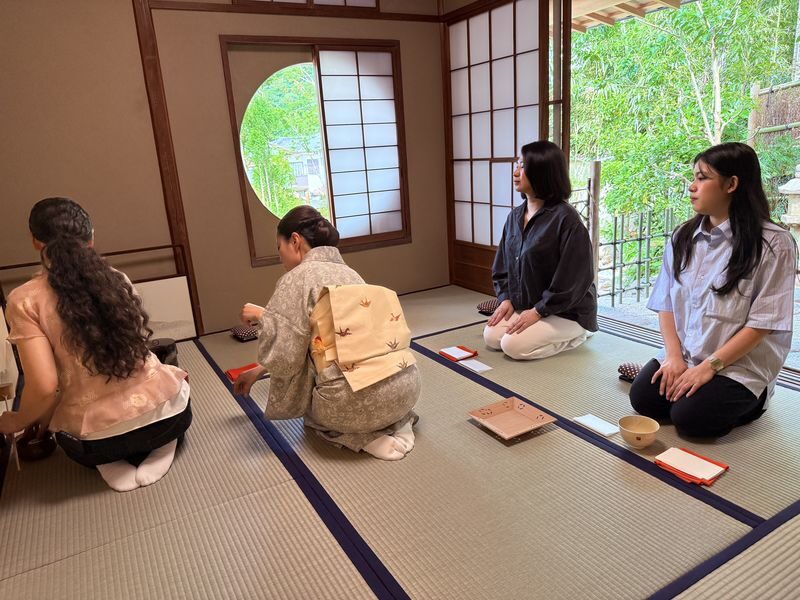
The setting is part of the appeal. You’ll enter a tea room designed in the sukiya-zukuri style, a traditional architectural style associated with tea rooms. The experience is meant to be intimate rather than showy. If you’re looking for a large performance or a long, formal lesson, this is not that. Think of it as a compact introduction, with time to listen, watch and taste.
The small-group format also matters in a setting like this. A quieter room gives you a better chance to follow the instructor and notice the details of the tea preparation. The exact group size isn’t specified, so don’t assume you’ll have a private session. But the format is designed to avoid the feel of a crowded, high-volume attraction.
You can also read our reviews of more tours and experiences in Kamakura.


Learning the meaning behind Sado
The tea ceremony, known as Sado, is more than a way to serve a drink. The session introduces its history and meaning, including the links to Zen philosophy, mindfulness and the spirit of omotenashi, or thoughtful hospitality. That context helps you understand why a ceremony gives so much attention to each movement.
You’ll have an English-speaking instructor, and the session is led by a certified tea master. That’s a useful combination for a first visit: you can ask questions in English while learning from someone trained in the tea tradition. The available details don’t name the instructor, so there’s no particular guide to request.
I like that the teaching includes both the how and the why. A demonstration can be beautiful to watch, but without context it’s easy to see only a series of gestures. Here, the explanation helps connect the ritual to ideas of attention and hospitality. You don’t need prior knowledge of tea or Zen to follow along.
The activity is described as casual, which should make it approachable for newcomers. At the same time, it takes place in a traditional room and focuses on a ritual with its own values and customs. You can arrive curious and relaxed, while still treating the setting with care.
Watching tea being prepared
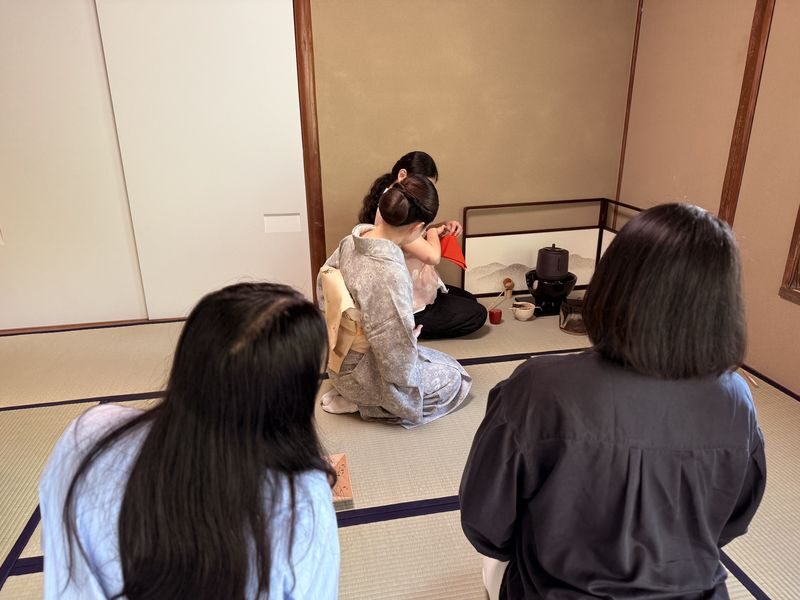
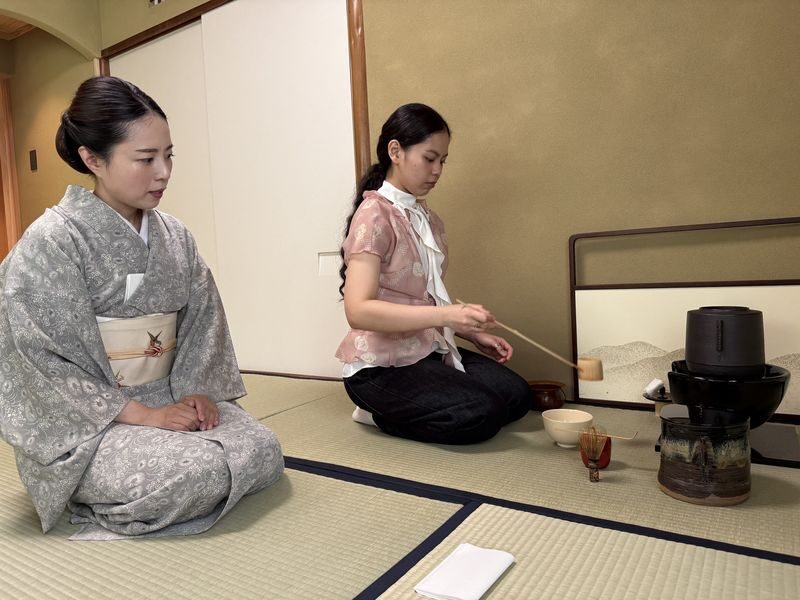
A live demonstration gives you the chance to watch the tea-making ritual rather than simply hear about it. The emphasis is on the omotenashi spirit: hospitality expressed through careful preparation and service. You’ll see how the act of making tea can be treated as an intentional exchange between host and guest.
The details provided don’t spell out every step or say that you’ll prepare the tea yourself. Go in expecting to observe the demonstration and learn from it, rather than assuming you’ll take part in a hands-on workshop. If making matcha is your main goal, check with the operator before booking.
That distinction is worth knowing. A demonstration suits you if you want a guided introduction without having to remember a set of movements or perform in front of a group. It also leaves room to focus on the atmosphere and explanation. If you prefer a practical class where you do each step yourself, this may feel more like a cultural introduction than a lesson.
Two matcha servings and seasonal wagashi
The tasting is part of the experience, not an afterthought. You’ll receive two servings of freshly whisked matcha, paired with seasonal Japanese sweets called wagashi. The pairing gives you a simple way to connect the tea ritual with its flavors and the custom of serving sweets alongside matcha.
The sweets are seasonal, so the exact wagashi may vary. No specific flavors or menu are listed. That flexibility is part of the appeal, but it also means you shouldn’t book expecting a particular sweet or a full meal. The included food and drink are refreshments within a one-hour cultural activity.
Dietary needs are an important limitation. The activity cannot accommodate allergies, vegetarian diets or vegan diets. If any of those apply to you, this is not a safe choice to assume will work. Contact the operator before booking if you need clarification, and don’t rely on being able to request a substitute on the day.
Finding chikusuian near Kita-Kamakura Station
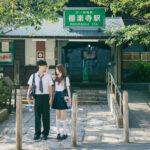
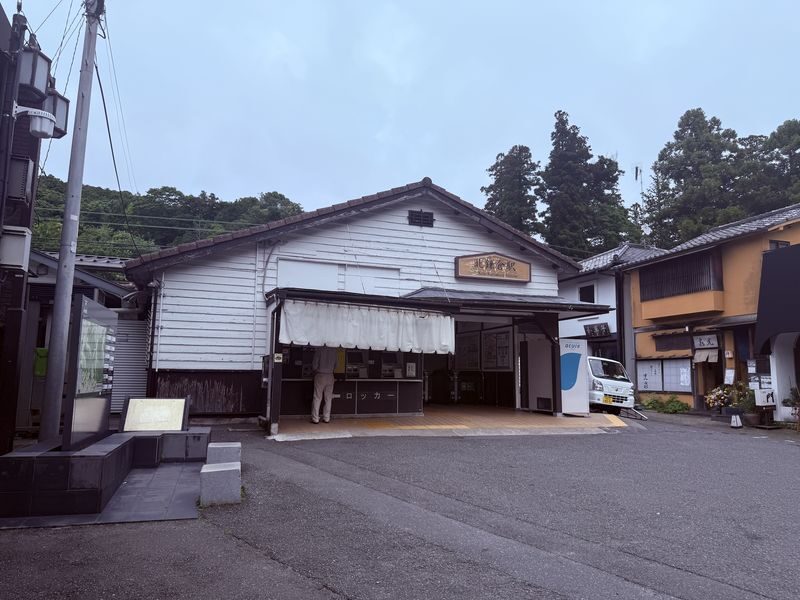
The meeting point is Matcha tea ceremony Experience chikusuian, at 857-1 Yamanouchi, Kamakura City, Kanagawa Prefecture. The venue is listed as an eight-minute walk from the West Exit of Kita-Kamakura Station.
That’s a manageable walk, but don’t treat the address as a guarantee that the entrance will be obvious. Finding the location was a little difficult for one person who attended, though they did work it out. I’d save the address, check the map before leaving the station and give yourself a little extra time. There’s no need to make a short walk the most stressful part of a calm activity.
The supplied directions refer to the station’s West Exit, so use that as your starting point. If you’re already in central Kamakura, keep in mind that the venue is in the Kita-Kamakura area, not at the town’s central station. Plan your route accordingly rather than assuming the activity begins near Kamakura Station.
Is US$36.09 good value?
The experience starts at US$36.09 for the one-hour tea ceremony package. The price includes English-speaking staff, the ceremony and its food and drink. You’re paying for a guided cultural introduction in a traditional room, not simply for two cups of matcha.
That makes the value strongest if you’re curious about Japanese tea culture and want an explanation alongside the tasting. The certified tea master, small-group format and focus on Sado’s meaning give the hour more substance than a quick café stop. It can also be a useful way to add a quieter activity to a day of exploring Kamakura.
The value is less clear if you mainly want a hands-on class, a long ceremony or a meal. The session is short, and the stated format centers on learning and watching a demonstration. There are no details about extra activities or extended instruction, so compare it on that basis rather than expecting a broader workshop.
A full refund is available if you cancel at least 24 hours before the activity date, using destination local time. The voucher is valid only for the specified date and time, and you can present it on your mobile. Confirmation is expected within minutes; if it doesn’t arrive, contact customer support.
Who will enjoy this ceremony
This is a good fit for first-time visitors who want a friendly introduction to tea culture, as well as cultural enthusiasts who want to understand the ideas behind the ritual. Couples and families with older children may appreciate the calm setting and one-hour length. Children under seven are not permitted.
The activity is not recommended for pregnant women or infants. It also cannot accommodate allergies or vegetarian or vegan diets, so those restrictions deserve serious thought before you book. The provided information doesn’t describe other access needs or accommodations, so ask the operator directly if you need details.
Bring socks, as requested, and a change of clothes. No reason is given for the change of clothes, so check with the operator if you’re unsure what you’ll need. You don’t need to arrive with knowledge of matcha or tea ceremony customs; the English-language introduction is designed to make the session accessible.
Should you book the Kamakura tea ceremony?
Book this if you want a small-scale cultural activity with real context, a traditional room and a chance to taste matcha with seasonal wagashi. Its strongest points are the personal atmosphere and the explanation of the ceremony’s meaning. At an hour, it’s an easy addition to a Kamakura visit.
Skip it if you need dietary accommodations, are traveling with a child under seven, or want a hands-on tea-making class. And plan your route carefully: the venue is close to Kita-Kamakura Station, but the entrance may take a moment to find. If those limits suit you, this is a thoughtful way to spend an hour learning about Japanese hospitality.
Authentic Tea Ceremony Experience in Kamakura (60 Minutes)
“The tea ceremony felt very authentic and real. We loved that it was smaller and not so commerical and touristy. it was a little hard to find the lo…”
FAQ
How long is the tea ceremony?
The experience lasts one hour.
Where does the activity take place?
It takes place at Matcha tea ceremony Experience chikusuian, at 857-1 Yamanouchi, Kamakura City, Kanagawa Prefecture.
How do I get to the meeting point?
The venue is listed as an eight-minute walk from the West Exit of Kita-Kamakura Station.
Is the instruction in English?
Yes. The experience includes English-speaking staff and an English-speaking instructor.
What food and drink are included?
You’ll have two servings of freshly whisked matcha paired with seasonal Japanese sweets called wagashi.
Can children take part?
Children under seven are not permitted to participate.
Can the activity accommodate allergies or vegetarian or vegan diets?
No. The activity is unable to accommodate allergies, vegetarian diets or vegan diets.