Kamakura’s Enoden train squeezes past homes and streets before reaching the Shonan coast, then the day ends among Yokohama’s harbor lights. I like this tour’s mix of shrine-town history and seaside scenery, and the guided transfers make a complicated day trip from Tokyo much easier to manage.
The trade-off is pace. Ten hours cover several destinations, but traffic, crowds and weather can cut into time at individual stops. Come for a sampler, not a slow, thorough visit to every sight.
- Ride the Enoden: A short, included train trip adds a memorable local touch to the route.
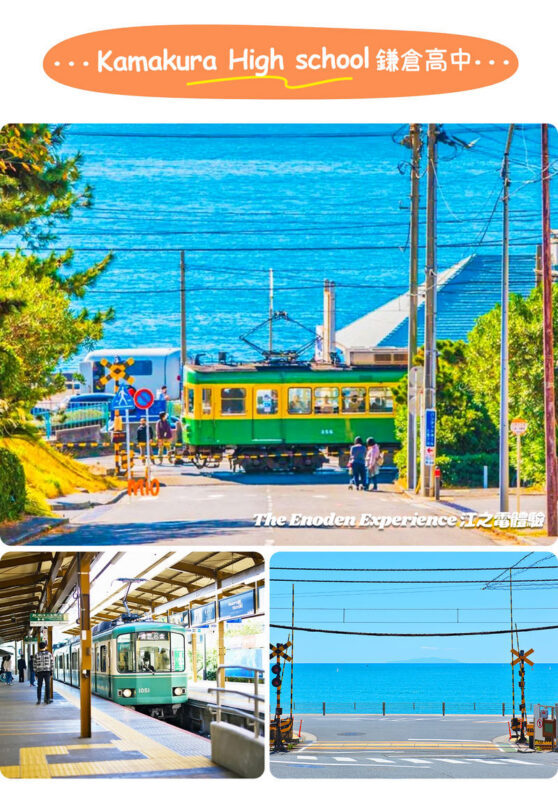
- Pause at Kamakura High School: The nearby crossing is linked to the classic Slam Dunk scene.
- Walk through Enoshima: Shrine grounds, sea views and local legends reward a bit of uphill walking.
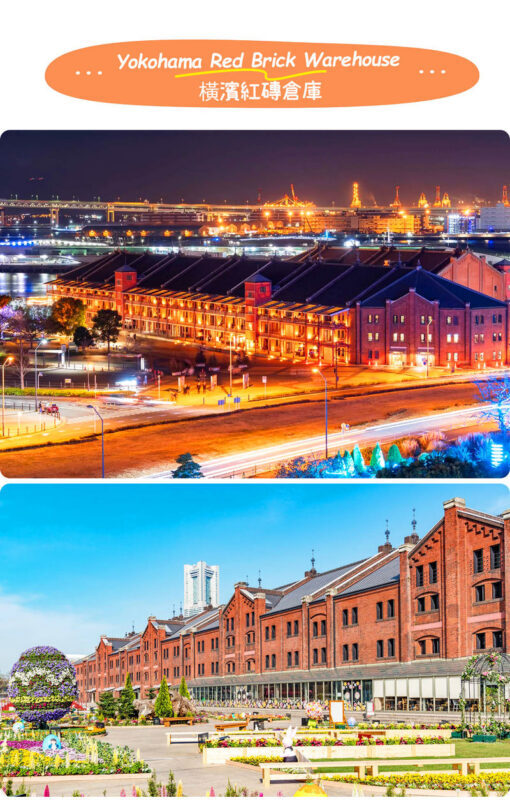
- End in Yokohama: Free time lets you choose the Air Cabin, Ferris wheel, Red Brick Warehouse or a relaxed harbor stroll.
- Leave room for changes: Crowds, traffic and weather can shift the order or shorten stops.
- One day from Shinjuku to the Shonan coast
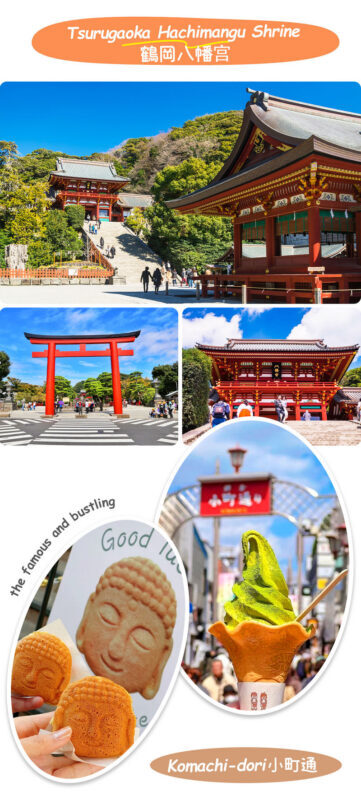
- Tsurugaoka Hachimangu: Kamakura’s ceremonial heart
- The Enoden: a brief ride with a big sense of place
- Kamakura Koko-mae: a railway crossing for manga fans
- Enoshima: shrine paths, sea air and uphill steps
- Yokohama after sunset: choose your own harbor view
- What the price covers, and what it does not
- The guide can make a packed schedule work
- Practical details before you book
- Should you book this Kamakura and Yokohama day trip?
- FAQ
- Where does the tour depart from?
- When should I arrive at the meeting point?
- How long is the tour?
- Is the Enoden train ride included?
- Which languages are available?
- Are Yokohama’s Air Cabin and Ferris wheel included?
- Are meals and drinks included?
- Can children join the tour?
- Can I bring luggage?
- What happens if bad weather or traffic changes the schedule?
- The Best Of Kamakura!
- More Full-Day in Kamakura
- More Tours in Kamakura
- More Tour Reviews in Kamakura
One day from Shinjuku to the Shonan coast
 1 / 10
 2 / 10
 3 / 10
 4 / 10
 5 / 10
 6 / 10
 7 / 10
 8 / 10
 9 / 10
 10 / 10
This tour is built around contrasts. Kamakura brings shrine paths, an old shopping street and a local train ride; Enoshima adds island scenery and religious lore; Yokohama supplies a more modern port-city finish. The range is the point. You get a broad introduction to this stretch of Kanagawa without having to work out each train connection yourself.
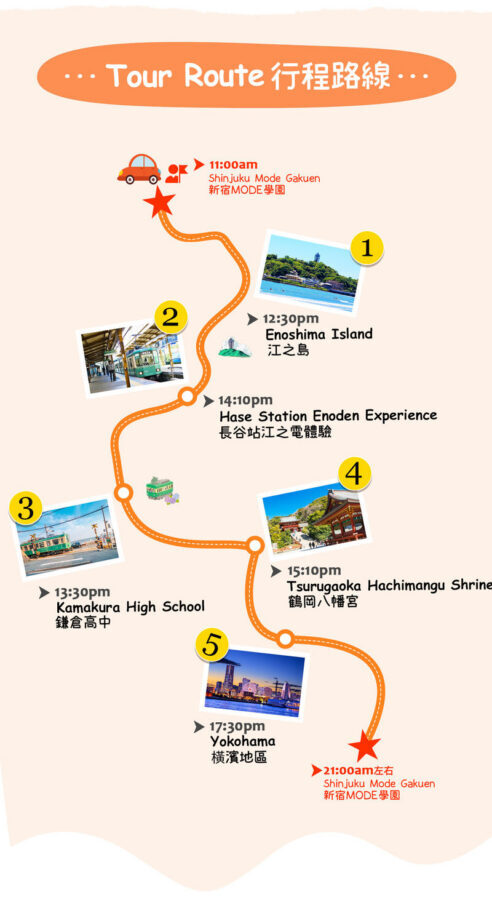
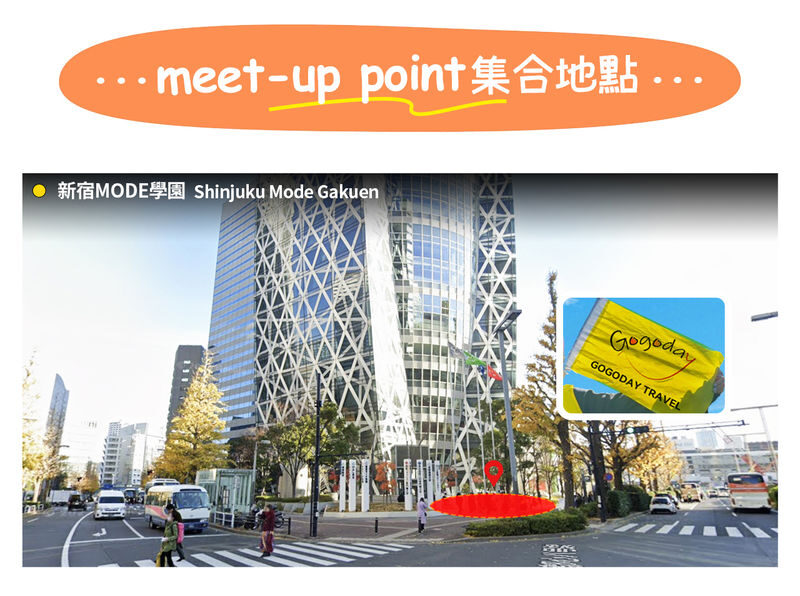
Departure is listed for 11:00 from the Tokyo Mode Gakuen area in Shinjuku, with the return estimated between 21:10 and 21:40. Check the night-before email carefully for the exact meeting instructions, guide and vehicle details. The stated meeting information also gives a nearby Shinjuku address, so follow the latest message rather than relying on an old map pin. Arrive at least ten minutes early. Late arrivals and no-shows are not refundable.
The group can range from four to 48 people, and the operator uses different vehicle types depending on the day’s numbers. You share the ride, and seating is generally assigned on a first-come basis. The guide may lead in Chinese or English, depending on the package you book; the group may include people using other languages.
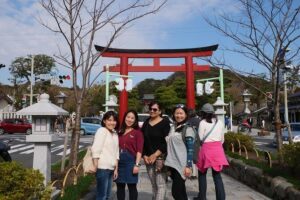
👉 See our pick of the 10 Best Walking Tours In Kamakura
Tsurugaoka Hachimangu: Kamakura’s ceremonial heart
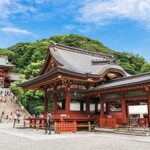
The first scheduled stop is Tsurugaoka Hachimangu, with about 80 minutes for a self-guided visit. The shrine is closely tied to the Kamakura shogunate and its first shogun, Minamoto no Yoritomo. Its long approach and broad grounds make a strong first introduction to the city’s samurai-era role.
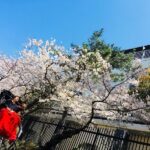
This is more than a quick photo stop. Take time to notice the scale of the approach and the way the shrine sits within the city’s everyday rhythms. Seasonal plants and trees add another layer, though the exact view depends on the time of year. You are free to explore at your own pace, but keep the meeting time firmly in mind.
The stop is generous compared with some later visits, yet the day has several more destinations to fit in. If shrine architecture is your main interest, you may wish you had longer. For a first visit, though, this gives you a useful sense of Kamakura’s religious and political past before the itinerary shifts to trains, coast and island paths.
You can also read our reviews of more tours and experiences in Kamakura


The Enoden: a brief ride with a big sense of place
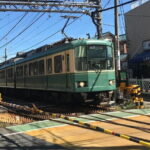
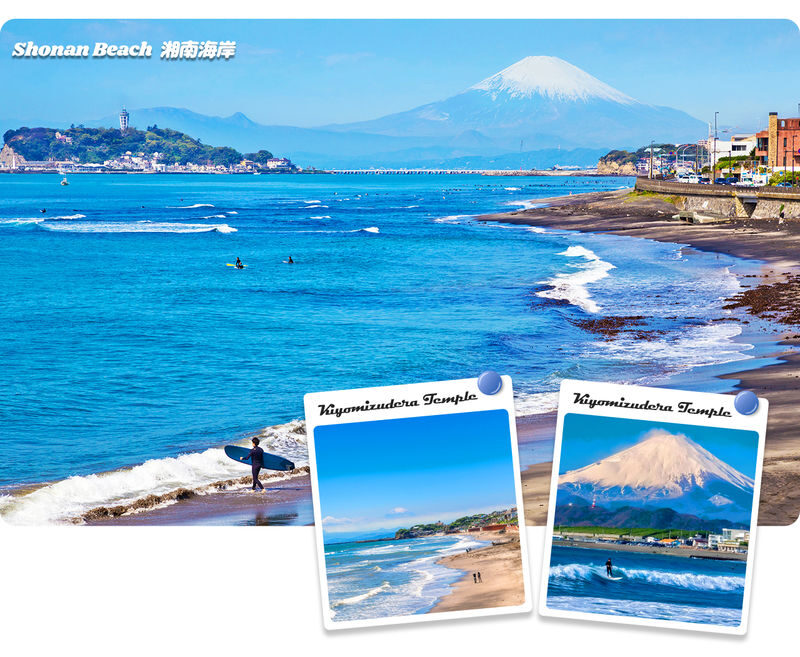
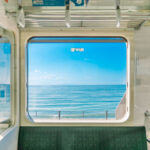
Around 14:00, the group heads to Kamakura Station and boards the Enoden for the ride toward Kamakura Koko-mae. The included train experience is short, about 15 minutes, but it is one of the day’s defining moments. The line runs through lived-in streets and along the Shonan coast, giving you a close-up view of how this railway fits into the area rather than simply whisking you between stations.
Stay close to the guide while boarding and transferring. The tour warns that if you fall behind, you are responsible for the consequences. The Enoden ride is described as a complimentary inclusion, and its fee is not refunded if force majeure prevents the group from taking it. Crowds can also affect how the route runs, so treat the ride as a welcome feature, not a guaranteed long scenic excursion.
Kamakura Koko-mae: a railway crossing for manga fans
At Kamakura Koko-mae Station, the group has about 20 minutes. The nearby crossing is associated with the scene in Slam Dunk where Sakuragi Hanamichi greets Akagi Haruko, and Kamakura High School is cited as the model for Ryonan High School. For fans, the crossing is a small pilgrimage. For everyone else, it is still a striking place to see the Enoden meet the coast and ordinary neighborhood streets.
This is a short stop, and the crossing can draw crowds. Keep expectations sensible: you have time to take in the location and a few photos, not to linger for an extended coastal walk. The anime connection gives the stop its special pull, but its appeal is easy to understand even if you have never watched the series.
Enoshima: shrine paths, sea air and uphill steps
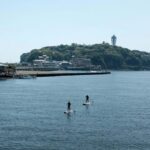
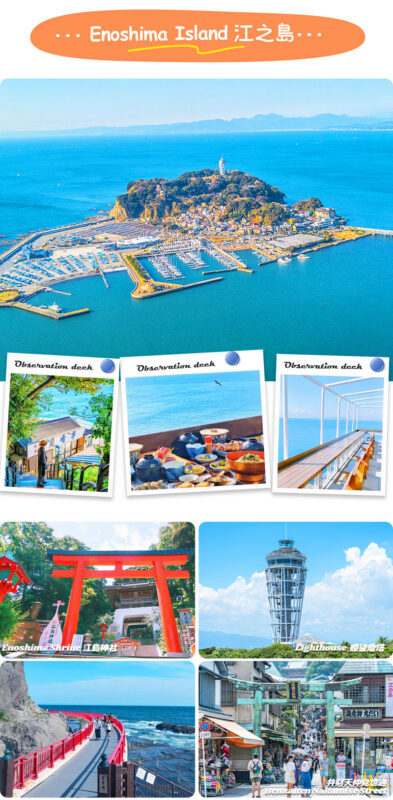
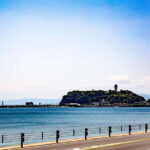
The route continues on foot from Enoshima Station to Enoshima Benzaiten Bridge, then gives you roughly 20 minutes at the bridge and around 100 minutes on the island. Enoshima is associated with the goddess Benzaiten and the legend of a five-headed dragon. The island’s religious sites and folklore give the walk more character than a simple seaside break.
Expect some uphill walking. One practical option mentioned by a guide is the paid escalator, listed at about 300 yen, which can save effort on the climb. The island’s Iwaya Cave may be of interest, but the schedule does not promise time to reach or visit it. If you want to see the cave, keep an eye on the clock and ask your guide how much time is actually available that day.
The Money Washing Benzaiten is another notable stop, associated with hopes for good fortune and wealth. You may also find local snacks along the route. One guide tip is the octopus cracker, listed at about 600 yen. These purchases, like meals and drinks, are on your own tab.
Enoshima is one of the day’s richest stops for atmosphere, but it is also where pace matters. The island’s slopes, crowds and range of sights can make 100 minutes feel short. If you prefer to take your time at religious sites or walk all the way to the far end, a separate visit may suit you better.
Yokohama after sunset: choose your own harbor view
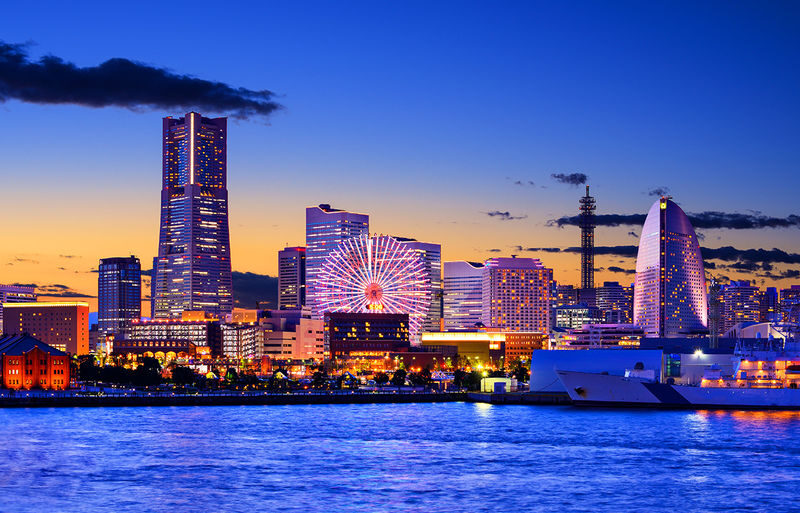
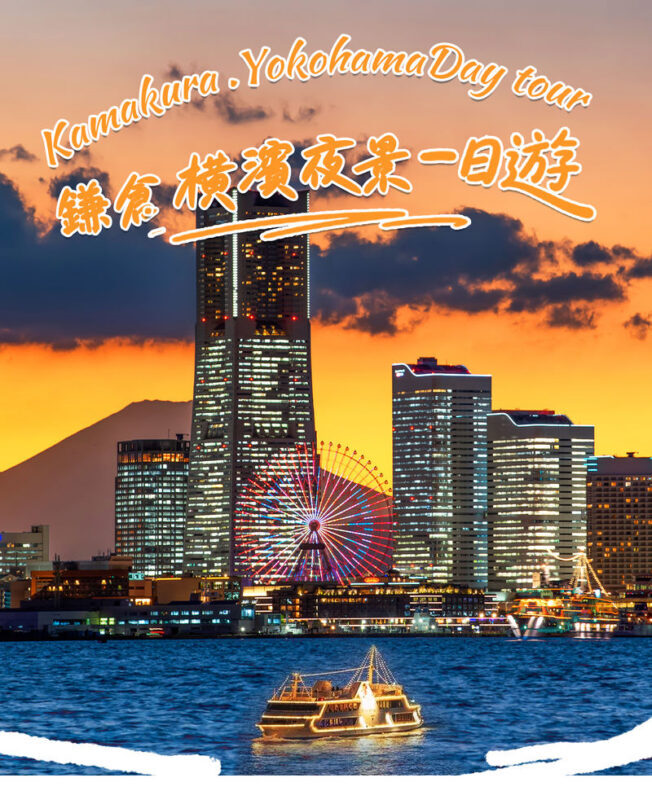
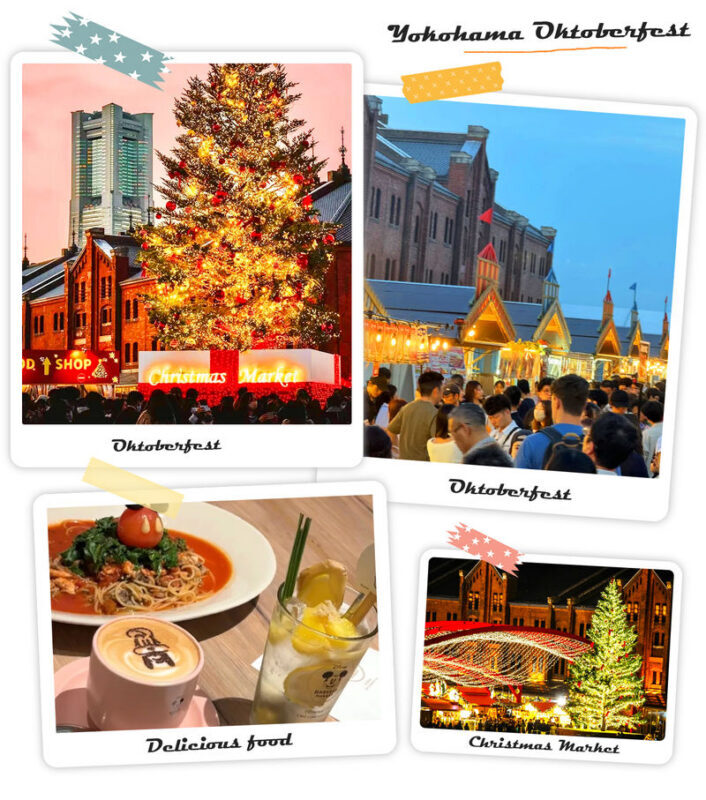
The tour reaches Yokohama at about 17:55 and allows around two and a half hours for independent exploration. The Red Brick Warehouse is the main suggested stop, with its historic brick buildings set beside the harbor. In the evening, the port’s lights and waterfront give the day a clear change of mood from Kamakura’s shrines and small streets.
You can walk around the warehouse area, or spend part of your free time on optional attractions. The Yokohama Air Cabin is listed at about 1,000 yen per person, with a child fare of 500 yen for ages three through elementary school. The ride offers an elevated view over the city and a convenient connection toward the Red Brick Warehouse. The Cosmo Clock 21 Ferris wheel is also listed at about 1,000 yen, with an experience of roughly 30 minutes.
Neither attraction is included in the tour price. You’ll need to choose based on your interests and the time available. If night views are your priority, the Air Cabin or Ferris wheel can make a fitting final stop. If you would rather keep costs down, the Red Brick Warehouse and harbor-side walk still give you a pleasant evening setting.
The free-time format has a real advantage: you are not locked into one paid activity. The drawback is that you must watch the clock and find your way back to the group’s meeting point. Confirm the return instructions before setting off, especially if you plan to ride the Air Cabin or Ferris wheel.
What the price covers, and what it does not
The starting price is $55.25. For that, you get round-trip transfers from the Shinjuku meeting point, a guide and the Enoden experience. The value lies chiefly in having the day’s transport and transitions organized. Kamakura and Yokohama are reachable independently, but coordinating the train, island and evening stops in one day takes planning. A shared vehicle lets you spend less energy navigating and more time looking around.
The price does not cover food, drinks, personal purchases, the Yokohama Air Cabin or the Cosmo Clock 21 Ferris wheel. Add those costs if they matter to your plans. The Enoshima escalator and snacks are also optional expenses. If you are careful with spending, you can stick to the included transport and explore the main public areas on foot.
The tour is most useful for a first visit, a short stay in Tokyo, or anyone who values convenience over a slow pace. It also works well for families who want transport handled, though there are no child seats. Children aged three and older pay the adult rate; children aged zero to two can travel free if they do not need a separate seat.
The guide can make a packed schedule work
The guide’s role matters on a day with several transfers and fixed meeting times. Recent guides named for the tour include Jack, Ko, Yaya, Alex, Peter and Shu. English and Chinese options are offered, and some guides have been described as switching between the two. Individual assignments vary, so you cannot count on a particular guide when booking.
The most important practical work is keeping the group informed: explaining where to meet, reminding everyone of departure times and helping the day run on schedule. Several named guides have been praised for clear communication, patience and care with group timing. That is especially useful when boarding the Enoden or navigating crowded stops.
Still, a helpful guide cannot control traffic or crowds. The itinerary may be reordered, some stops may be shortened, and attractions may be skipped because of capacity or weather. Japanese law limits vehicle use to ten hours, another reason the guide may adjust the day. If you want full control over how long you spend at each site, self-guided travel is the better fit.
Practical details before you book
Wear comfortable shoes. Enoshima involves walking and slopes, and the tour includes several stops where you will be on your feet. Bring water and sun protection for clear days, and allow for changing weather. Outdoor plans can be adjusted for safety in severe conditions.
The operator sends guide and vehicle information by email between 20:00 and 21:00 the day before departure. Check your spam folder, and use the latest message if more than one arrives. Seating requests can be noted when booking, but arrangements are not guaranteed. One piece of luggage per person is allowed if you tell the operator in advance; unannounced luggage may be refused.
A full refund is available if you cancel at least 24 hours before the activity date. If fewer than four people sign up, the tour may be cancelled, with a rescheduled time or refund offered. Delays are possible, so do not plan another activity for later that evening. The return estimate is not a promise, and the operator does not cover losses caused by late arrival.
Should you book this Kamakura and Yokohama day trip?
Book it if you want a broad, low-hassle introduction to Kamakura, Enoshima and Yokohama in one outing. The Enoden ride, Slam Dunk crossing and evening harbor time give the schedule memorable moments, while the guide and shared transfers remove much of the transport work. At $55.25 to start, it can be strong value if you would otherwise spend time and money arranging these connections yourself.
Skip it if you want long visits at every shrine, a relaxed island walk or full freedom to change plans. This is a fast-moving sampler, and traffic or crowds can make it faster still. For the best fit, go with flexible expectations, keep optional spending in mind and treat the day as an introduction that may point you toward places worth revisiting.
Kamakura & Yokohama Full-Day Sightseeing Tour
“Mr. Kun guided through well and controlled the time for the group so all stops went on time.”
FAQ
Where does the tour depart from?
The departure is listed for 11:00 in the Shinjuku area, at Tokyo Mode Gakuen. Check the email sent the night before for the precise meeting instructions and vehicle details.
When should I arrive at the meeting point?
Arrive at least ten minutes before departure. Late arrivals and no-shows are not refundable.
How long is the tour?
The scheduled day runs from 11:00 to an estimated return between 21:10 and 21:40. Traffic and weather can affect the actual arrival time.
Is the Enoden train ride included?
Yes. The Enoden experience is included. The operator notes that its fee is not refunded if force majeure prevents the group from taking the ride.
Which languages are available?
You can book a Chinese-speaking or English-speaking guide package. Other language groups may also be travelling in the same vehicle.
Are Yokohama’s Air Cabin and Ferris wheel included?
No. The Air Cabin is listed at about 1,000 yen per person, and the Cosmo Clock 21 Ferris wheel at about 1,000 yen. These costs are paid separately.
Are meals and drinks included?
No. Meals, beverages and personal expenses are not included.
Can children join the tour?
Yes. Children aged three and older pay the adult rate. Children aged zero to two can join free if they do not occupy a separate seat. Child seats are not available.
Can I bring luggage?
Each person may bring one piece of luggage free of charge, but you must note it when booking. Unannounced luggage may cause boarding to be refused.
What happens if bad weather or traffic changes the schedule?
The guide may change the order of stops or reduce time at some attractions. Severe weather can also affect outdoor activities and operating hours, and the return time may be delayed.