
Itoshima’s sea-facing rocks and Yanagawa’s slow canal ride make an unusual pair: one stop is all open coast and photo views, the other is a quiet drift through old town waterways. I like that the day links these far-flung places by bus, and that guides such as Eiichi, Lily and Hedy have been praised for clear explanations and helping with photos.
I also like the chance to see a different side of Fukuoka beyond the city, from a mountain temple or waterfall to a seaside swing. The main caution is important: the advertised highlights mention Ichiran Ramen and Dazaifu Tenmangu, but the supplied timed route lists an oyster cabin and Miyajidake Shrine instead. Confirm the actual route before paying.
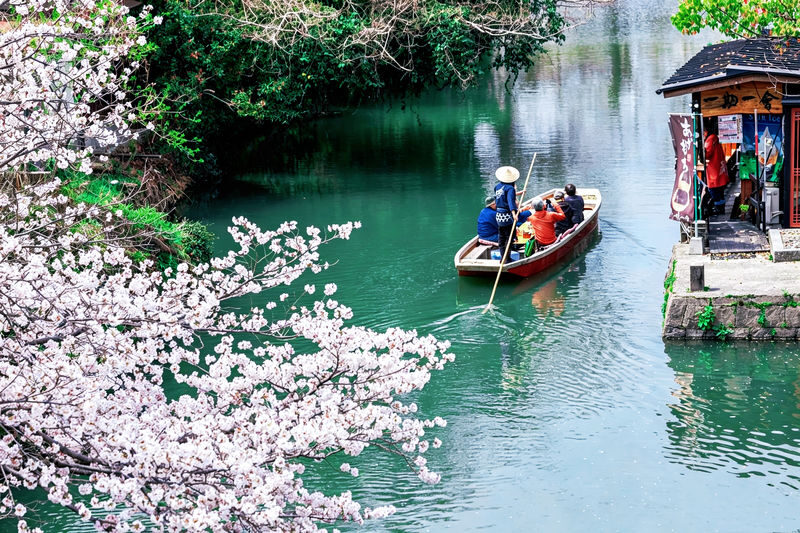
- Yanagawa’s canal ride is the most distinctive stop, but the 2,000-yen boat fare is extra.
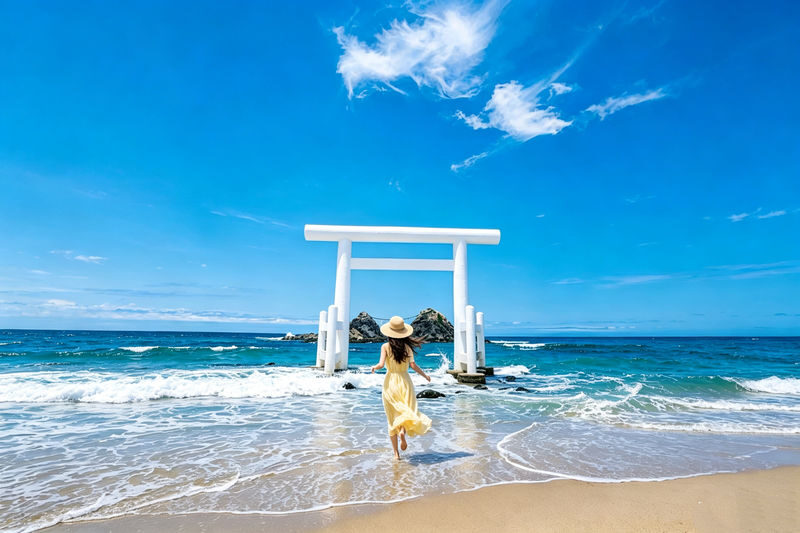
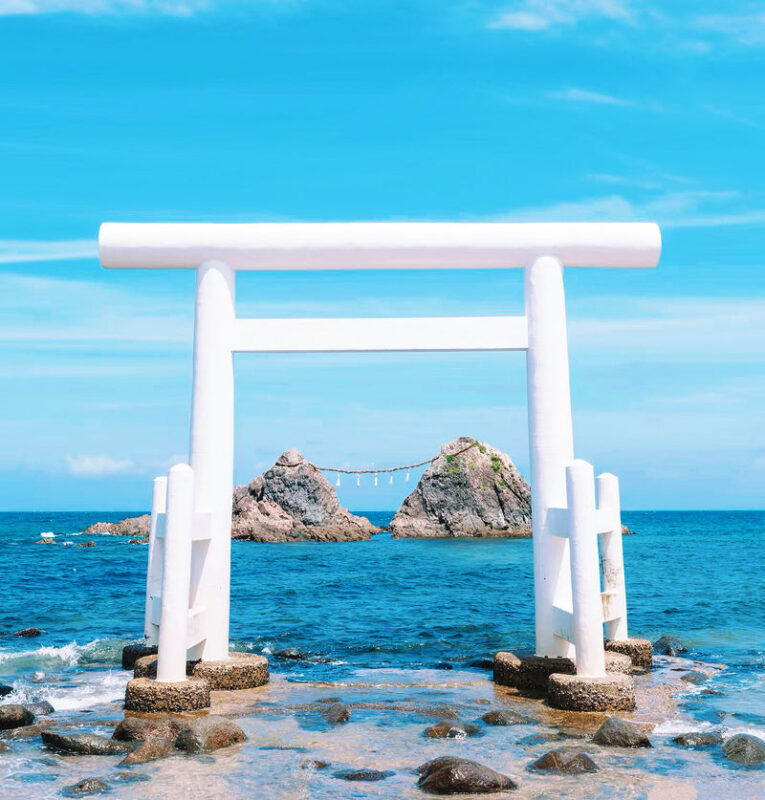
- Itoshima’s coast brings together the Coconut Tree Swing and the Sakurai Futamigaura Couple Stones.
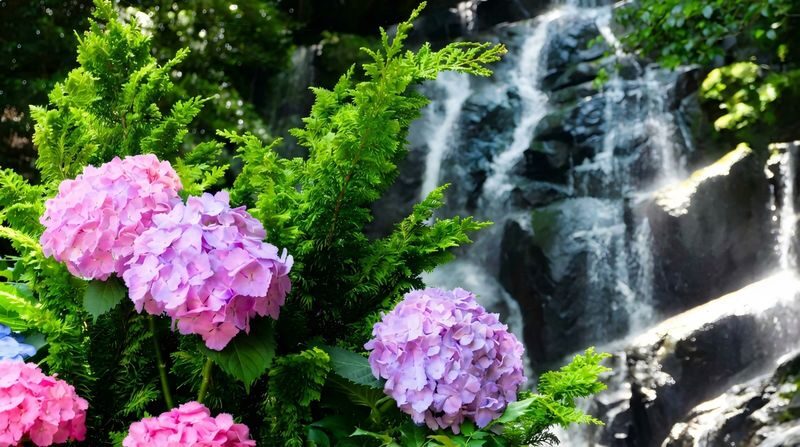
- Nature changes with the season: the tour description names Shiraito Falls in summer and Raizan Sennyoji Temple in autumn.
- Meals are not included: the timed schedule allows for an oyster cabin from November to March, while Ichiran appears in the promotional highlights.
- The bus saves planning time: the 10-hour trip departs from Hakata and covers several places that are awkward to combine on your own.
- Route details need checking: the timed itinerary and the headline descriptions name different stops.
- A full day beyond Fukuoka, with one important caveat
- Yanagawa by punt boat
- The Itoshima coast: swing, rocks and open sea
- Falls or a mountain temple, depending on the season
- A meal stop, but not necessarily Ichiran
- Shrines: Dazaifu or Miyajidake?
- What the guide and group format add
- Who should book this day trip?
- Practical details before you go
- Should you book it?
- FAQ
- How long is the tour?
- Where does the tour depart from?
- Is the Yanagawa boat ride included in the price?
- Is Raizan Sennyoji Temple admission included?
- Are meals included?
- Does the tour visit Dazaifu Tenmangu Shrine?
- Does the tour visit Shiraito Falls?
- What languages does the guide speak?
- What is the minimum group size?
- Can I bring a stroller or request a child seat?
- The Best Of Yanagawa!
- More Boat Tours & Cruises in Yanagawa
- More Tours in Yanagawa
- More Tour Reviews in Yanagawa
A full day beyond Fukuoka, with one important caveat
 1 / 7
 2 / 7
 3 / 7
 4 / 7
 5 / 7
 6 / 7
 7 / 7
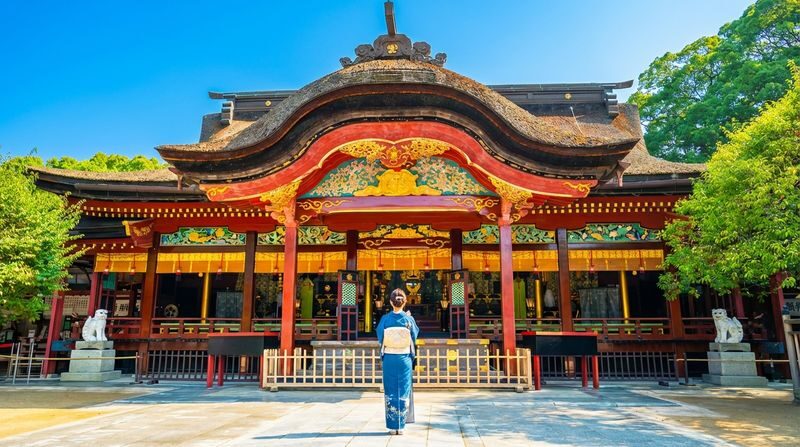
This tour is built for a particular kind of day: cover a lot of ground, let someone else handle the driving, and accept short visits in exchange for variety. In roughly ten hours, you may see a canal town, Itoshima’s coast, a mountain temple or waterfall, and one or more shrines. For a first visit to Fukuoka, that can be an efficient way to get beyond the city without planning several separate train and bus connections.
At a starting price of $44.20, the bus, guide, tolls, parking and fuel are included. The price is appealing for a day with this much transport, but it is not the full cost of the experience: the Yanagawa boat ride costs 2,000 yen per person, Raizan Sennyoji Temple admission is 500 yen, and food and drinks are extra. The exact costs you face depend on which route and stops run on your date.
The central booking question is the route. The tour’s title and promotional description name Dazaifu Tenmangu and an Ichiran Ramen meal. The detailed schedule supplied for the regular package instead lists Yanagawa, an oyster cabin, Raizan Sennyoji, the Coconut Tree Swing, Sakurai Futamigaura and Miyajidake Shrine. Those are not minor variations. Ask the operator which stops are planned for your date, and whether Dazaifu and Ichiran are included, before you book.

👉 See our pick of the 3 Best Tours In Yanagawa
Yanagawa by punt boat
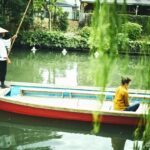
Yanagawa is a small waterside town in southern Fukuoka, often described as Chikugo’s Little Kyoto. Its canals are the reason to come: on the cruise, a boatman pushes a small boat along with a long pole, past bridges and waterside greenery. The slow pace offers a welcome change from the busy road schedule, and the water-level view gives the town a character you cannot get from a bus window.
The timetable allows about an hour for the stop, but the cruise fare is not included. Budget 2,000 yen per person on top of the tour price. Folk songs may be part of the ride, though the boatman’s style and performance can vary. Do not book expecting a particular stunt or show.
This is the stop I would protect if you are choosing among the day’s highlights. One visitor found the cruise rushed after traffic delays and wished for more time in Yanagawa to explore the town and local food. That is a fair concern: a fixed group schedule gives you a taste of the canals, not an unhurried day in town. If you want to wander at length or eat locally, a separate Yanagawa visit may suit you better.
You can also read our reviews of more boat tours in Yanagawa

The Itoshima coast: swing, rocks and open sea
The Coconut Tree Swing is a simple photo stop facing the sea. The appeal is visual rather than historical: sit on the swing, look out toward the coast, and take a few pictures. The schedule gives it about 30 minutes, enough for a short visit, but not a long beach outing. If you prefer coastal walks or time by the water to posed photos, this stop may feel slight.
Sakurai Futamigaura’s Couple Stones, also called Meoto Iwa, offer a more memorable coastal landmark. Two large rocks are linked by a sacred rope, with the sea behind them. The site is associated with love and bonds, so it is a popular photo stop for couples and families. The tour allows about 30 minutes, which should be treated as time for a look and photographs rather than a visit to the wider area.
Both coastal stops depend on weather and sea conditions for their best views. The itinerary notes that weather can alter the schedule, and bad weather may lead to changes. Bring sun protection for clear days, as recommended, and a light layer for the coast if conditions are breezy. The tour does not promise a particular sky, wave or photo backdrop.
Falls or a mountain temple, depending on the season
The tour description presents Shiraito Falls as the summer option and Raizan Sennyoji Temple as the autumn choice. At the falls, the draw is the cool, rushing water and a break from the heat. At Raizan, the focus is a long-established temple in the mountains, its Thousand-Armed Kannon and an old maple tree whose leaves can turn red in autumn.
The timed schedule specifically names Raizan Sennyoji Temple, with about an hour allocated and a separate admission fee of 500 yen. It describes the temple as a thousand-year-old site and notes a 400-year-old maple tree. The promotional overview, meanwhile, says the summer visit may be Shiraito Falls. Since seasonal stops can shift with weather and timing, confirm which one applies to your departure instead of assuming you will visit both.
Autumn foliage is never guaranteed on a set date. The colors depend on the season’s weather, and the tour runs even if the leaves have not reached their peak. The same applies to seasonal scenery more broadly: book for the overall day, not a promise of exact colors or conditions.
A meal stop, but not necessarily Ichiran
Food is another point where the tour descriptions do not line up. The highlights describe a special lunch at Ichiran, the Hakata ramen chain known for tonkotsu broth and thin noodles. The detailed schedule instead names an oyster cabin at 12:40, with about an hour to choose a hut and eat. That stop is described as a seasonal option from November through March, when Itoshima oysters are at their best.
Neither meal is included in the tour price. The oyster cabins require you to choose and pay for food yourself, and the schedule warns that people with seafood allergies should choose carefully. If you do not eat seafood, ask the operator what alternatives are available. Do not assume the oyster stop will be replaced by Ichiran without confirmation.
One account of a departure describes a long wait at an Ichiran facility before the group continued, with lunch arriving earlier than the person wanted it. That is a useful reminder that meal timing can feel odd on a tightly routed day. If you are particular about when you eat, carry a small snack, especially since the tour advises bringing light food during busy holiday periods.
Shrines: Dazaifu or Miyajidake?
The promotional description places Dazaifu Tenmangu at the end of the day. This major shrine is dedicated to the god of learning, and its approach is known for shops and local snacks such as Umegae Mochi. That makes it a natural stop for visitors interested in shrine customs, academic prayers and food along the approach.
But the timed schedule names Miyajidake Shrine, not Dazaifu. It allows about 40 minutes at Miyajidake, which is described as a shrine with more than 1,700 years of history and a connection to over 600 shrines across Japan. Its long approach and broad stone steps are the reason it became a popular photo location after appearing in an airline commercial.
Do not treat these as interchangeable stops. If Dazaifu’s shrine and snack street are a priority, confirm that it is on your actual departure’s route. The tour’s return time is listed as 18:30, and road delays can affect the day. One person on a delayed trip found the shops at Dazaifu closed by the time the group arrived, so leave room for the possibility that a late stop offers less time than expected.

What the guide and group format add
The included guide speaks English or Chinese, and the guide’s contribution can make a busy day easier to follow. Past departures have had guides named Eiichi, Selina, Hedy, Lily, Ada, Min and others. Travelers have particularly valued clear explanations, help taking photos, practical restaurant suggestions and updates about the next stop. The guide varies, so no particular person or style is guaranteed.
This is a shared tour, with group sizes listed from four to 49. The operator may use different vehicles depending on the number of people, and seats are assigned on a first-come basis. On small departures, the driver may also act as attendant, with shorter commentary. If you want detailed history at every stop, the level of explanation may depend on the guide and the group.
A bus is the main value here. It removes the need to coordinate multiple connections between distant spots, and the included tolls, fuel and parking keep the basic price simple. In return, you follow the group’s timetable. Traffic, weather, facility closures and seasonal conditions can change the stop order or reduce time at a site.
Who should book this day trip?
I would consider this tour if you have one free day in Fukuoka and want a broad sampler of coast, countryside, canal scenery and shrines without arranging your own transport. It also suits people who like photo stops and are content with brief visits. The frequent praise for guides’ attentiveness and photo help is a plus, especially for solo visitors or anyone traveling in a language group.
It is less suitable if you want to spend a long time in Yanagawa, choose every meal at your own pace, or make a shrine visit the main focus of the day. It may also disappoint if your decision depends on a particular stop, especially Dazaifu, Ichiran, Shiraito Falls or the oyster cabins. Confirm those details first, then compare the package’s base price with the extra fares and meals you expect to pay.
Practical details before you go
The listed departure is 08:30 from Lawson at Fukuoka Oriental Hotel, at 4-23 Hakataekichuogai, Hakata Ward. Arrive at least ten minutes early. The return is listed for 18:30, but traffic can change that, so avoid scheduling a flight, Shinkansen or dinner tightly afterward, especially on weekends and public holidays.
The operator says it will send vehicle and guide details by email before 20:00 the day before departure, and asks you to keep your booking communication app available. The tour requires at least four participants; if the minimum is not met, cancellation notice is sent by email the day before. Children and infants count toward the passenger total. Child seats are not available, and the activity is not wheelchair or stroller accessible.
Pack comfortable shoes, sun protection and warm layers for a mountain visit in cool weather. Luggage storage is not provided, and you should arrange permission in advance if you need to bring bags. The tour includes no personal travel or accident insurance.
Should you book it?
Book this as a convenient sampler, not a slow, immersive visit to any one town. The Yanagawa cruise and Itoshima coast give the day real variety, while the bus makes a long route manageable. At $44.20, the starting fare can be good value, provided you account for the boat ride, temple entry and meals.
The route mismatch is the deciding issue. Before booking, get a clear answer about whether your date includes Dazaifu or Miyajidake, Ichiran or an oyster cabin, and Shiraito Falls or Raizan Sennyoji. If those stops suit you and you are happy with a full day on a group schedule, it is a practical way to see more of the Fukuoka region.
Kyushu Yanagawa & Itoshima Day Trip: Meoto Iwa & Ichiran Ramen & Yanagawa River Cruise & Shiraito Falls/Raizan Sennyoji Temple & Dazaifu Tenmangu Shrine (Departing from Fukuoka)
“The EICH guide was so kind and wonderful! They were an English and Chinese guide, and they were very considerate by switching between the languages…”
FAQ
How long is the tour?
The activity is listed as a 10-hour day trip, departing at 08:30 and returning around 18:30. Traffic and weather can affect the schedule.
Where does the tour depart from?
The meeting point is Lawson Fukuoka Oriental Hotel, at 4-23 Hakataekichuogai, Hakata Ward, Fukuoka. Arrive at least ten minutes before departure.
Is the Yanagawa boat ride included in the price?
No. The Yanagawa River Cruise costs 2,000 yen per person and is paid separately.
Is Raizan Sennyoji Temple admission included?
No. The listed admission fee is 500 yen per person.
Are meals included?
No. Meals and beverages are not included. The schedule describes an oyster cabin stop from November to March, while the promotional highlights mention Ichiran Ramen. Confirm the meal stop for your date.
Does the tour visit Dazaifu Tenmangu Shrine?
The promotional description names Dazaifu Tenmangu, but the detailed timed itinerary names Miyajidake Shrine instead. Confirm which shrine is included on your departure.
Does the tour visit Shiraito Falls?
The tour description presents Shiraito Falls as a summer option and Raizan Sennyoji Temple as an autumn option. The timed schedule lists Raizan Sennyoji, so check the seasonal route for your date.
What languages does the guide speak?
The activity includes an English- or Chinese-speaking guide. The guide may vary by departure.
What is the minimum group size?
The tour requires at least four participants. If the minimum is not met, the activity may be cancelled, with notice sent by email the day before.
Can I bring a stroller or request a child seat?
The activity is not stroller or wheelchair accessible, and child seats are not available. Infants and children must be included in the passenger headcount.


