
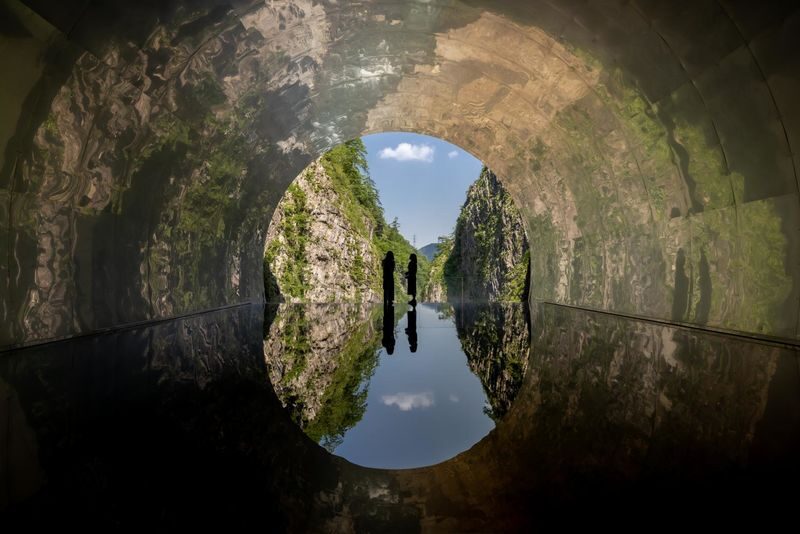
Kiyotsu Gorge’s Tunnel of Light turns a walk through the rock into a view of the gorge framed by mirrors and water. It is a striking start to a day that links contemporary art with the working rice-country setting of Echigo-Tsumari.
I like two things in particular: the route brings distant art stops within reach without a car, and lunch puts local rice and vegetables on the table rather than treating food as an afterthought. One consideration: the schedule is full, and the Matsudai museum visit is self-guided, so you will need to keep an eye on the clock.
Key points
- The Tunnel of Light takes about 30 to 40 minutes round-trip on foot, with a shallow water surface at the final viewing point.
- For Lots of Lost Windows uses a hillside view and curtains to evoke local memories of the 2004 Chuetsu Earthquake.
- The Last Class occupies a former elementary school, giving its theme of absence a powerful setting.
- Lunch features about 20 local and homemade dishes, including rice from nearby terraces and fresh vegetables.
- Matsudai NOHBUTAI includes self-guided time until 3 PM, with a defined list of artworks in the paid area.
- The Yuzawa package costs from $252.25; the Tokyo option costs from $372.05. Transport, guide, admission, and lunch are included.

👉 See our pick of the Niigata’s 4 Best Tours (With Prices & Reviews)
- Key points
- A full day among Echigo-Tsumari’s art and rice fields
- Starting at Kiyotsu Gorge’s Tunnel of Light
- Reading the hills through For Lots of Lost Windows
- The former school at The Last Class
- A local buffet, then time at Matsudai NOHBUTAI
- MonET brings the art day to a close
- What the price includes, and what it saves you
- Practical details that can make the day easier
- Is this Echigo-Tsumari tour right for you?
- FAQ
- How long is the tour?
- Where do I meet the Echigo-Yuzawa tour?
- Is transport included?
- Is lunch included, and can vegetarian food be arranged?
- Can I bring a suitcase?
- Will I get wet at the Tunnel of Light?
- Are children allowed on the tour?
- The Best Of Niigata!
- More Tours in Niigata
- More Tour Reviews in Niigata
A full day among Echigo-Tsumari’s art and rice fields

Echigo-Tsumari is known for an art festival that spreads work across a broad rural region, rather than confining it to one museum. That is part of the appeal, and part of the practical challenge: installations can be far apart and are not easy to reach without a car.
This guided trip solves much of that problem. The day combines a gorge, outdoor and school-based artworks, a large art center, lunch, and a contemporary art museum, with transport between stops. You get a sense of how art here relates to local life and place, not just to gallery walls.
The advertised 30 to 40 minutes refers to walking the Tunnel of Light and back, not the whole tour. The Echigo-Yuzawa schedule runs from a 9:50 AM departure to an 6 PM return, making this a full-day outing. You should expect time on a bus as well as time on foot, and the order or arrival times can shift with traffic and weather.
You can also read our reviews of more tours and experiences in Niigata.


Starting at Kiyotsu Gorge’s Tunnel of Light
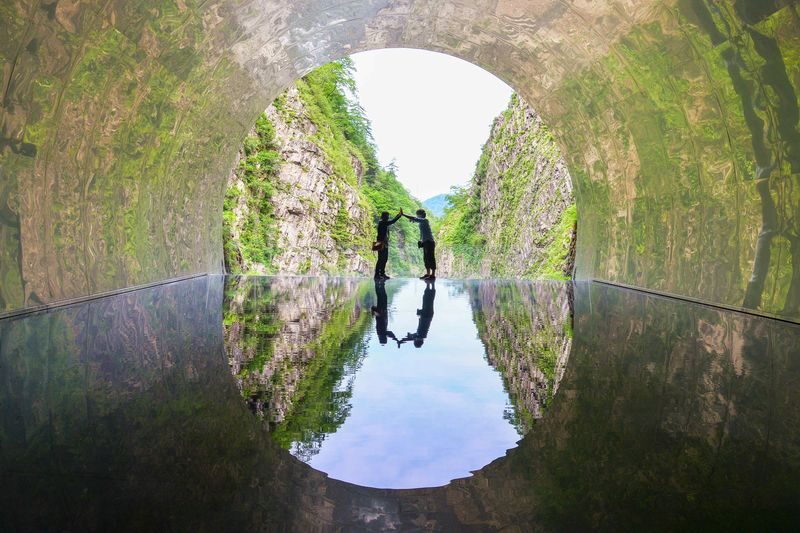
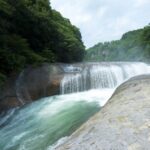
The day begins at Kiyotsu Gorge, where the tunnel was redesigned by MAD Architects as the Tunnel of Light. The route runs through a 750-meter tunnel, with the final observation point offering a framed view of the gorge. The design makes the walk itself part of the art, while the surrounding rock and water remain the main event.
Allow roughly 30 to 40 minutes for the round trip through the tunnel. At the Panorama Station, the water is shallow, about 0.5 to 2 centimeters deep, but it is easy to get your shoes and socks wet. Bring spare footwear, socks, or a small towel if you want to step into the water for a photo. The tour allows time here, but it is still one stop in a tightly scheduled day.
This is a strong first visit for anyone who likes the meeting point between art and nature. The tunnel gives you a clear visual payoff without requiring a long hike. On the other hand, it can be a popular photo spot, and you may share the viewing area with other groups. The tour information says people can take photos at the station at the same time without waiting in line, but that does not mean the space will feel private.
Reading the hills through For Lots of Lost Windows
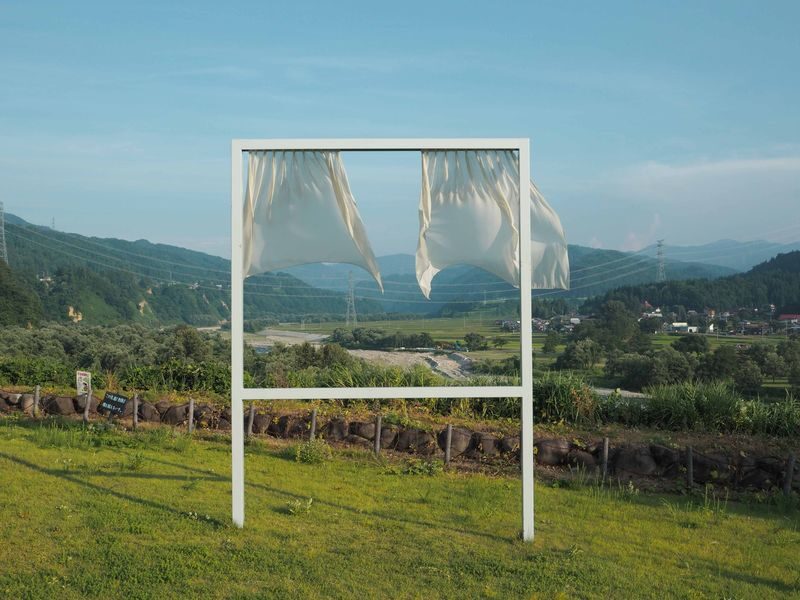
Next is For Lots of Lost Windows, a window-frame installation on a hillside. Curtains move in the breeze, and the open frames direct your attention to the changing view beyond them. The work refers to windows lost in the 2004 Chuetsu Earthquake, turning a simple structure into a reminder of local memory and loss.
You have about 25 minutes here. That is enough to take in the piece and its setting, but not a long stretch for wandering or lingering. I like the way the work asks you to look through a frame, then consider what is missing from it. Its meaning comes from the area’s history, not from spectacle alone.
As with the other outdoor stops, wear shoes you can walk in and dress for the season. The tour includes outdoor walking, and summer can reach 35°C. In June through August, mosquitoes may be common, so insect repellent is a sensible addition to your day bag.
The former school at The Last Class
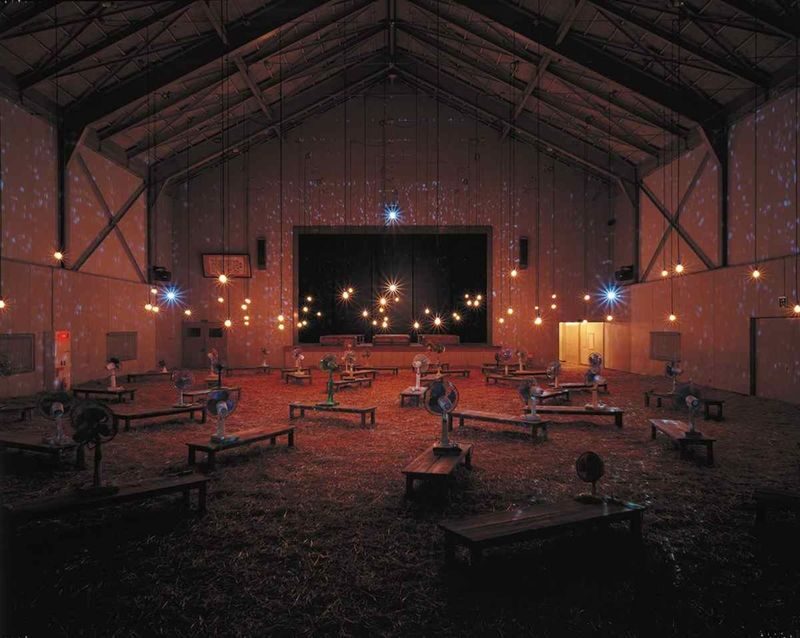
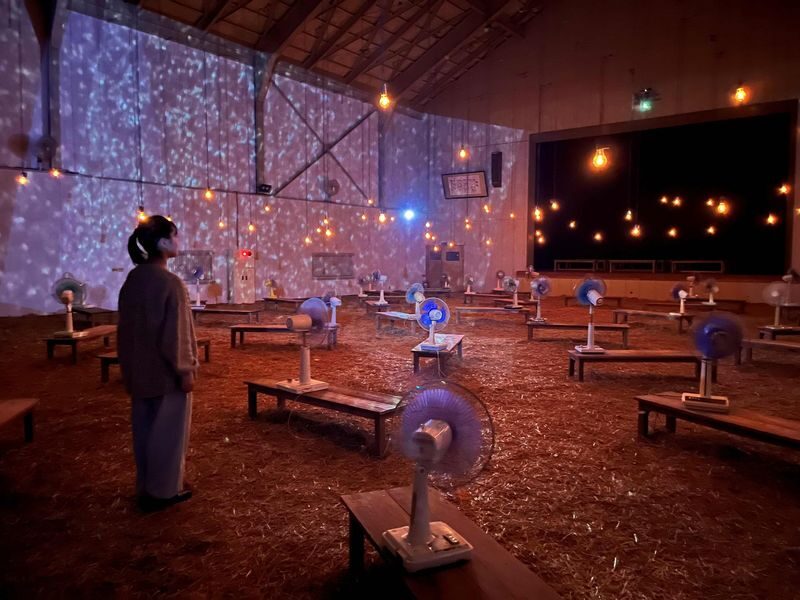
The tour then visits The Last Class, a work by Christian Boltanski and Jean Kalman in the former Higashikawa Elementary School. The school setting gives the piece an immediate human scale: classrooms and school spaces carry traces of ordinary routines, while the artwork focuses on absence.
You have 35 minutes for this guided stop. It offers a sharp change of pace from the open gorge and hillside. The school is not simply a backdrop; its former purpose helps shape how the work lands. If you are drawn to art that deals with memory and people’s lives, this may be one of the day’s most affecting visits.
The subject is somber, and the short visit means you will not have unlimited time to absorb every detail. Still, the guide can help connect the work to the region and its art program. Shima-san, the English-speaking guide named for this tour, has shared background on Niigata and the Echigo-Tsumari art area, along with anecdotes about the region. That local context is especially useful at works whose meaning is tied to place.
A local buffet, then time at Matsudai NOHBUTAI
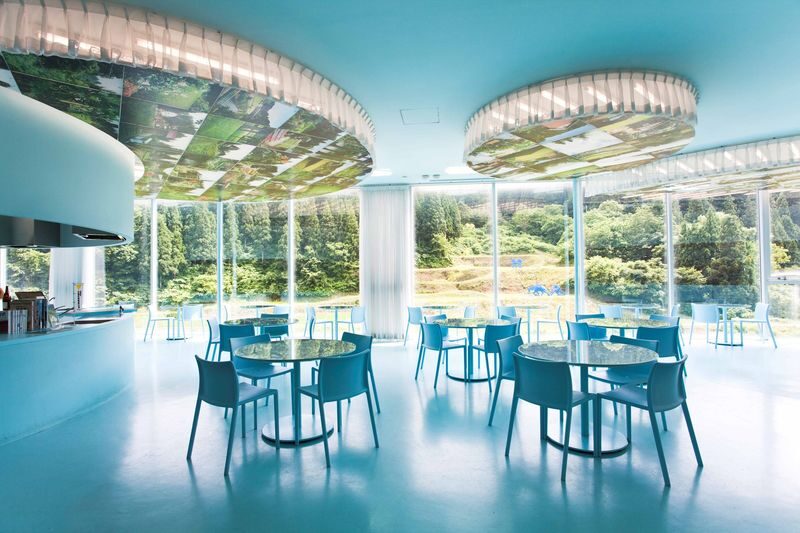
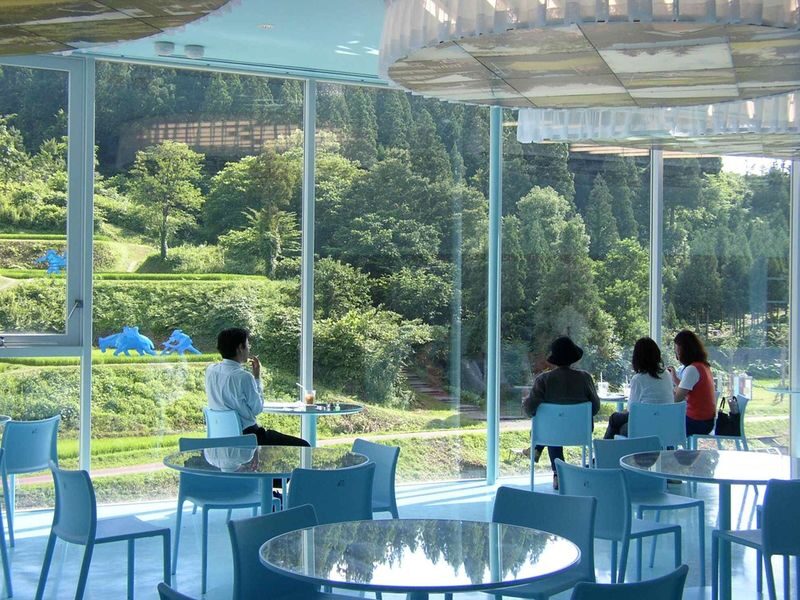
Lunch is scheduled for 1:20 PM at Echigo Matsudai Satoyama Shokudo. The Japanese and Western-style buffet includes around 20 local and homemade dishes, with rice from the rice terraces and fresh vegetables. Drinks are not included, and the restaurant cannot accommodate vegetarian meal requests.
The meal matters beyond convenience. The day is built around art tied to rural life, and local ingredients make that connection tangible. You can eat a proper lunch without having to find a restaurant between stops, which keeps the itinerary moving. But if you need a vegetarian meal, this tour’s buffet is not a safe fit based on the stated arrangements.
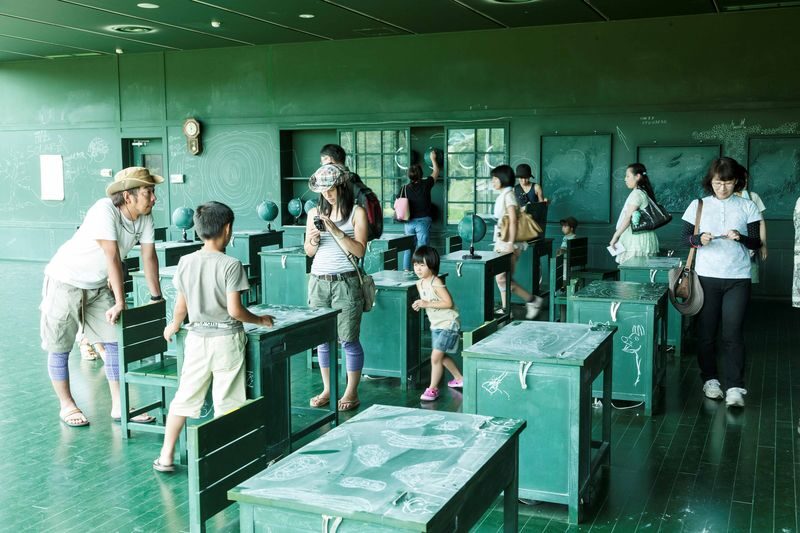
After lunch, you have free time until 3 PM at Matsudai NOHBUTAI Field Museum, a building designed by MVRDV and an artwork in its own right. The included paid-area works listed for this visit are Blackboard Classroom, Art Drawers, 10 Albums, Labyrinth, The Artist’s Library, The Palace of Projects, How to Make Yourself Better, The Rice Fields, and Rotating Absence. Artists represented here include Ilya and Emilia Kabakov and Yayoi Kusama.
This portion is self-guided, unlike several earlier stops. That gives you freedom to focus on the pieces that interest you, but it also puts the responsibility on you to manage your time. The tour asks you to keep within the allotted visit, so do not assume you can see every corner at a leisurely pace. If you like moving at your own speed, this is a welcome break from a guided schedule. If you want detailed commentary at every work, this is the least structured part of the day.

MonET brings the art day to a close
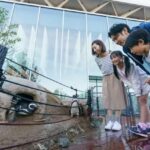
At 3:30 PM, the tour reaches Echigo-Tsumari Satoyama Museum of Contemporary Art, MonET. Reopened in 2021, it is the main facility for the Echigo-Tsumari Art Triennale and presents work in relation to local nature and culture. One featured piece is Leandro Erlich’s Palimpsest: Pond of Sky.
You have an hour here with a guide. After several outdoor and site-specific visits, MonET gives the day a museum setting where you can look more closely at contemporary work. Its place in the itinerary helps connect the individual installations to the wider art program.
Museum rules are worth knowing before you enter. Flash photography is prohibited, and some works may not be photographed at all, so check with staff. Do not touch the art, keep quiet in the galleries, and leave large bags in a locker. Exhibits change regularly, and some areas can close during an installation change, so the exact display may vary.
What the price includes, and what it saves you
The Echigo-Yuzawa round trip starts at $252.25. The Tokyo round trip starts at $372.05. Both are substantial day-trip prices, but they cover several costs that would otherwise be separate: round-trip transfers from the meeting point, an English-speaking guide, admission to the attractions, and lunch.
The strongest value is logistical. The art is spread across the region, and the route includes multiple locations in one day. If you do not drive, arranging transport between each stop could be difficult and time-consuming. Here, the bus or other assigned vehicle handles the connections, while the guide provides context along the way.
The Yuzawa option has a clearly stated meeting point and schedule: meet at the Echigo-Yuzawa Visitor Center in the station concourse on the second floor, ten minutes before the 9:50 AM departure. The tour returns to Echigo-Yuzawa Station at about 6 PM. The Tokyo package is listed as a round trip, but the schedule and meeting details here are for the Yuzawa departure, so check the exact timing for your chosen package before booking.
A five-star rating is encouraging, but the number of published ratings is small. The named guide, Shima-san, and driver, Saito-san, have been praised for their warmth, regional knowledge, and service. That matches what this kind of itinerary needs: a guide who can make the art and local context easier to understand, and a smooth transfer plan for a day with many stops.
Practical details that can make the day easier
Wear comfortable walking shoes and clothes suited to the weather. The tour includes outdoor stops, and conditions change by season. In summer, bring sun protection such as a hat, sunglasses, or parasol, and consider insect repellent. In rain, a raincoat is recommended because it keeps your hands free and is less likely to catch strong wind than an umbrella.
Large suitcases cannot go on the tour. Leave luggage at your hotel or in a station locker, or arrange to send it ahead. Specific bus seats cannot be requested, and the vehicle may vary depending on participant numbers. It could be a minibus, hired car, van, sedan, or taxi rather than one fixed type of bus.
Children up to age five may join free, but they do not receive a seat or lunch. Book a child ticket if your child needs both. Children aged 12 and over pay the adult rate. The route and times can change because of traffic, congestion, road conditions, or weather, and severe snowfall or poor conditions may lead to cancellation.
Is this Echigo-Tsumari tour right for you?
I would choose this trip if you want to see several important Echigo-Tsumari sites in a single day and do not have a car. It suits people who enjoy contemporary art, rural scenery, and the stories that connect artworks to local places. The combination of the gorge, former school, field museum, buffet, and MonET gives the day variety rather than repeating one type of visit.
It is less suited to anyone who wants a slow, unstructured museum day. The schedule is full, the Matsudai visit is self-guided, and weather or traffic can affect the timing. Vegetarian diners should also take note of the buffet limitation.
For most art-and-nature visitors, the Yuzawa package offers a practical way to cover a wide area without planning each transfer. Choose the Tokyo option if you specifically need a round trip from Tokyo, but confirm its precise departure arrangements. Pack light, bring something for wet feet at the gorge, and be ready to move when the guide calls time.
Echigo-Tsumari Art Tour: Satoyama & Modern Art Experience in Niigata
“Shima-san our guide and our driver Saito-san are very lovely! Shima-san give us an amazing background to Japan, Niigata and the Art field which we…”
FAQ
How long is the tour?
The Echigo-Yuzawa schedule runs from a 9:50 AM departure to an expected 6 PM return. The 30 to 40 minutes refers to walking through the Tunnel of Light and back.
Where do I meet the Echigo-Yuzawa tour?
Meet the guide holding a JTB Sunrise Tours sign at the Echigo-Yuzawa Visitor Center in the Echigo Yuzawa Station concourse on the second floor. Arrive 10 minutes before departure.
Is transport included?
Yes. Round-trip transfers from the meeting point are included. Depending on participant numbers and vehicle availability, transport may be a minibus, hired car, van, sedan, or taxi.
Is lunch included, and can vegetarian food be arranged?
Lunch is included as a Japanese and Western-style buffet with local rice, vegetables, and about 20 local and homemade dishes. Vegetarian meal requests cannot be accommodated, and drinks are not included.
Can I bring a suitcase?
No. Large luggage such as suitcases cannot be brought on the tour. Leave it at your hotel or in a locker, or arrange delivery in advance.
Will I get wet at the Tunnel of Light?
The water at the final Panorama Station is about 0.5 to 2 centimeters deep. It is easy to get wet, so bring spare shoes, socks, or a towel if you plan to step into the water.
Are children allowed on the tour?
Children up to age five may join free, but they are not provided with a bus seat or lunch. Book a child ticket if they need a separate seat and meal. Children aged 12 and older pay the adult rate.