
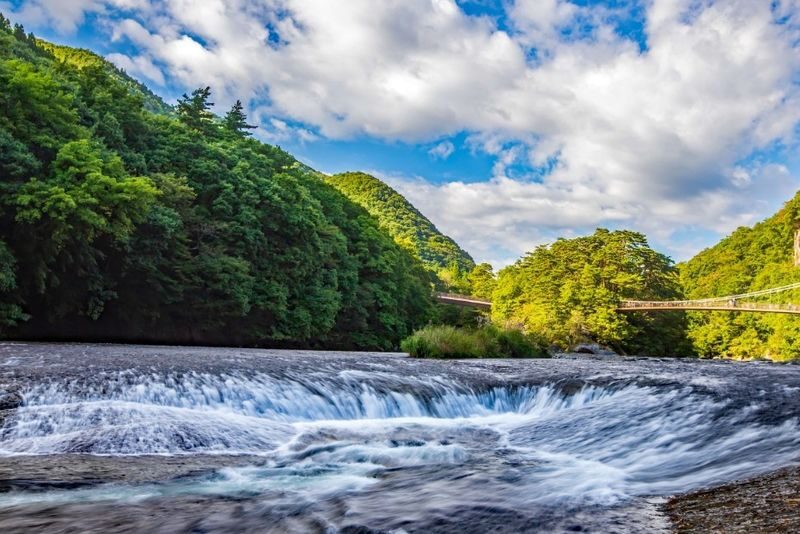
Fukiware Falls is the sort of stop that makes this long day out worthwhile: a broad rush of water spills over rock in a gorge, with spring flow and autumn leaves giving the scene a different character. The day links that natural spectacle with fruit picking and a walk through Ikaho’s old hot-spring town, rather than trying to make one attraction carry the whole trip.
I like two things about this plan. First, the seasons change what you do, from picking strawberries or apples to seeing lavender or playing in snow. Second, round-trip transport from Tokyo makes a spread-out set of Gunma sights possible without arranging a car or several connections yourself.
The trade-off is time. You will spend much of the day on the road, and each stop has a firm window; fruit picking can be as short as 30 minutes in some seasonal versions. Guide communication and on-the-day organization can also vary, so this suits you best if you are comfortable with a group schedule and can keep your own bearings.
- Fukiware Falls is a seasonal highlight: The waterfall is about 7 meters high and 30 meters wide, and its walking promenade closes for winter.
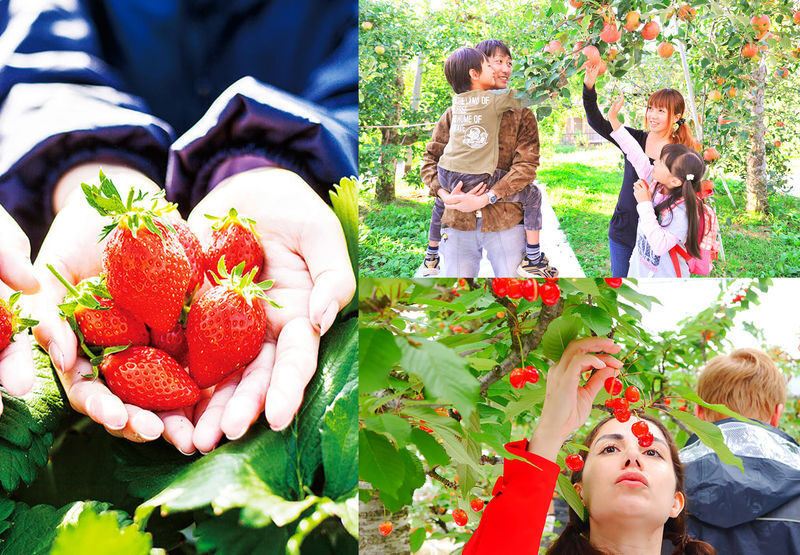
- Fruit picking changes through the year: Harada Farm’s calendar includes strawberries, cherries, blueberries, peaches, grapes and apples.
- Ikaho means steps, shops and a hot-spring town: The main street climbs 365 stone steps to Ikaho Shrine.
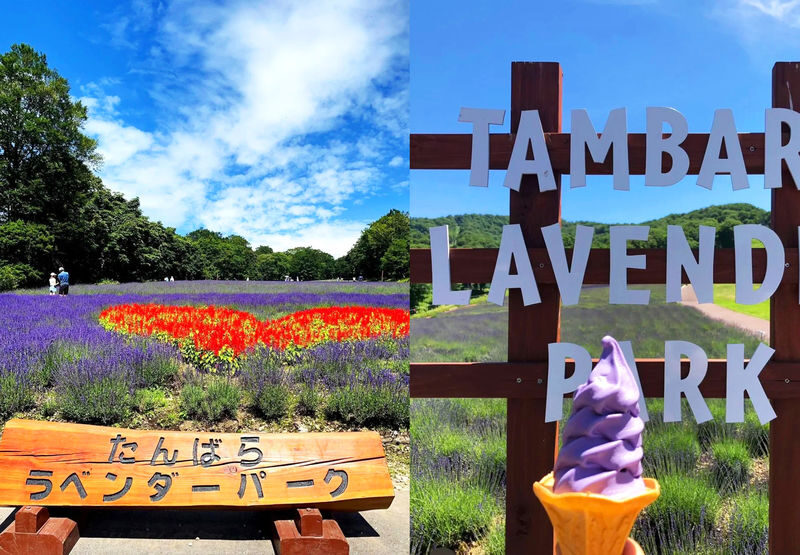
- Lavender and snow are separate seasonal options: Tambara Lavender Park operates July 1 to August 31; snow play at Tanbara Ski Park runs December 1 to March 31.
- The value is in transport and variety: The starting price is $78.85 for the spring and autumn Ikaho option, with transfers, a guide and farm fruit picking included.
- A Tokyo departure for Gunma’s changing seasons
- Fukiware Falls, a gorge-side stop with a winter catch
- Harada Farm, where the fruit depends on your month
- Ikaho Onsen, 365 steps and a little old-town wandering
- Summer lavender and winter snow are different trips
- What the price covers, and where the value lies
- Making the most of a tightly timed day
- Should you book this Gunma day trip?
- FAQ
- Where does the tour depart from?
- When will I receive the guide and vehicle details?
- What time does the tour return to Tokyo?
- Which fruits can I pick at Harada Farm?
- Are meals included?
- Is the lavender cable car included?
- When is Tambara Lavender Park available?
- When is snow play at Tanbara Ski Park available?
- Is Fukiware Falls open in winter?
- Can children and seniors join?
- The Best Of Niigata!
- More Tours in Niigata
- More Tour Reviews in Niigata
A Tokyo departure for Gunma’s changing seasons
 1 / 8
 2 / 8
 3 / 8
 4 / 8
 5 / 8
 6 / 8
 7 / 8
 8 / 8
Although the location information labels this as a Niigata experience, the named stops and seasonal activities are in Gunma Prefecture. You depart from Tokyo’s Mode Gakuen building in Shinjuku, then spend the day moving among a waterfall, a farm and a mountain hot-spring town. The route makes most sense as a sampler of Gunma, not as a slow visit to any one place.
Departure is scheduled for 8:00 am, with arrival back in Shinjuku estimated between 5:30 and 6:30 pm. That is a substantial day, and traffic or weather can shift the timing. Leave your evening open rather than booking dinner or a show with a tight start time.
The vehicle is shared, and the operator may use different vehicle types depending on the group size. The tour can include people who speak other languages, and seats are assigned largely on a first-come basis. If you need to bring luggage, note that one piece per person is allowed only when you declare it in advance; space depends on the vehicle.

👉 See our pick of the Niigata’s 4 Best Tours (With Prices & Reviews)
Fukiware Falls, a gorge-side stop with a winter catch
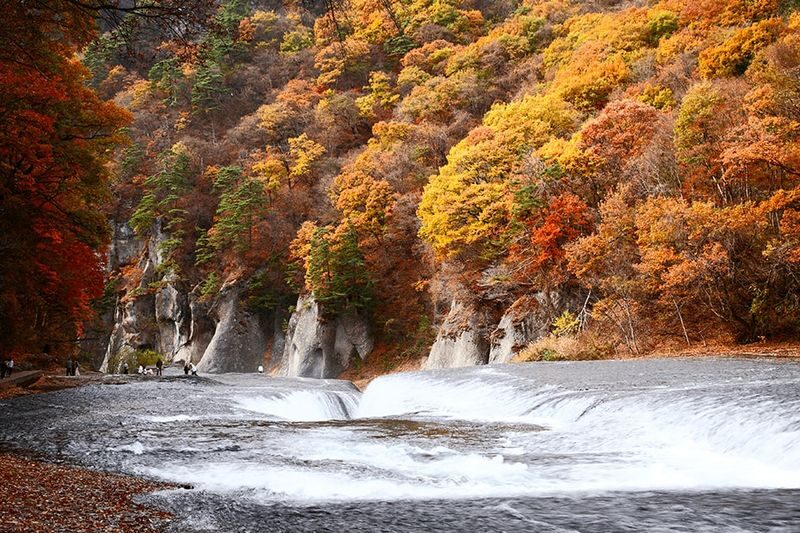
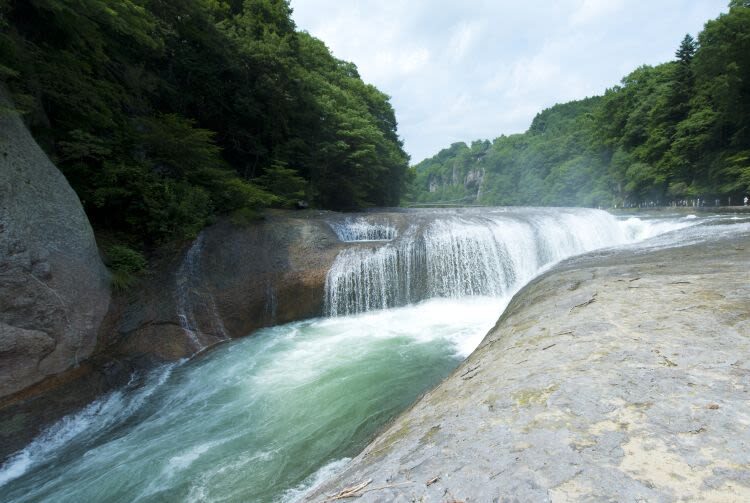
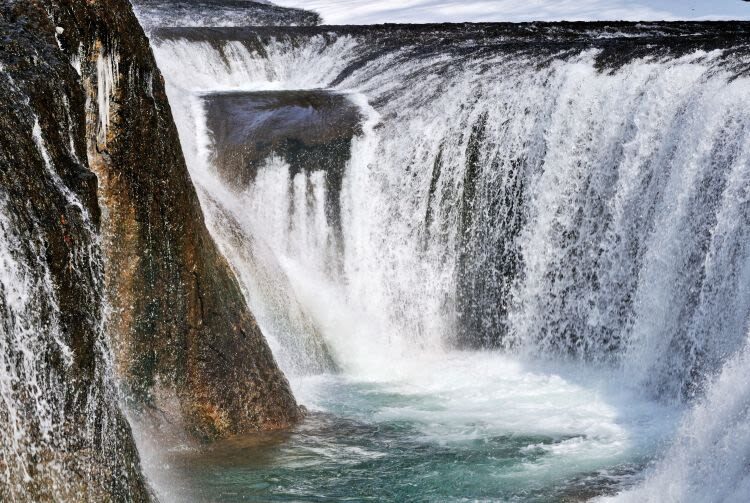
The first main stop is Fukiware Falls, known by the nickname Little Niagara of the Orient. Its modest height is balanced by its breadth: roughly 7 meters tall and 30 meters wide, the water cuts across rock in a way that feels more like a stretch of river suddenly tumbling than a single narrow cascade. The gorge and surrounding rock make this a good place to walk and look from different angles.
The scheduled visit is about an hour of self-guided time. That is enough for a look around, but not a leisurely ramble if paths are busy or you want to linger for photographs. In spring and summer, higher water flow is part of the appeal; autumn brings maple color around the falls.
Winter changes the plan. The promenade closes from December 4, and slippery stairs make the remaining access a safety concern. The tour information says that from December 7 through April 1 the stop is replaced by Kawagoe; it also notes that the Hexagonal Hall may remain accessible after the promenade closure. Because the stated closure and replacement dates leave a short gap, check the operator’s latest plan for a departure in early December.
Weather and capacity can also force changes. Treat the waterfall as a planned stop, not a guarantee that every path or viewpoint will be open.
You can also read our reviews of more tours and experiences in Niigata.


Harada Farm, where the fruit depends on your month
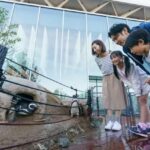
Harada Farm is the tour’s most hands-on stop. The seasonal schedule gives you a chance to pick fruit and eat it on site, with the crop changing over the year. The detailed calendar is:
- Strawberries: December 10 to June 4
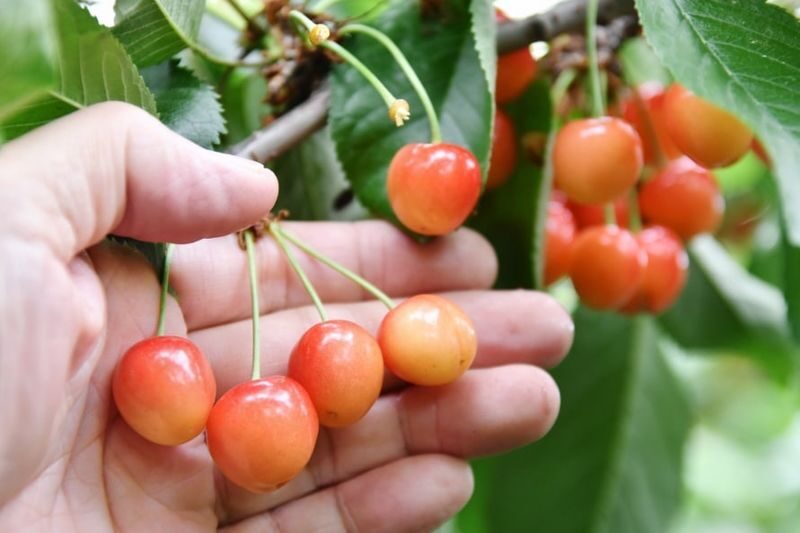
- Cherries: June 5 to July 5
- Blueberries: July 6 to August 2
- Peaches: August 3 to September 1
- Grapes: September 2 to October 8
- Apples: October 9 to December 9
The farm visit is scheduled for an hour and a half, including free time for lunch. That does not mean lunch is provided: meals and drinks are not included, so bring money and plan to buy food during the stop. The time is shared between eating, picking and any other farm needs, so do not assume you will have a full 90 minutes with fruit.
The appeal is freshness and choice, but the quantity you can eat depends on the fruit. Apples, for example, can be filling after only a couple. Some seasonal versions have allowed just 30 minutes for picking, which can feel rushed if you want to take your time. The fruit calendar is specific, but crops and harvest timing are subject to seasonal conditions. If the exact crop matters to you, confirm what is expected for your date rather than relying on a broad season label.
Fruit picking is included in the stated package details. That is useful because the farm is more than a roadside photo stop: you get an activity, not just a view. Still, the tour moves on at a fixed time, so this is not a relaxed farm day.
Ikaho Onsen, 365 steps and a little old-town wandering
The spring and autumn version gives you about 70 minutes at Ikaho Onsen’s stone-step street. The steps climb through the hot-spring town toward Ikaho Shrine, and the full staircase has 365 steps. Reaching the top gives you a simple goal and a good sense of the town’s layout, but the climb is optional in practice if you prefer to browse lower down.
Ikaho is known for its Golden Hot Spring, and the town’s old-fashioned character is part of the draw. Look for small shops selling onsen manju, a steamed sweet associated with hot-spring towns, as well as woodcarving shops. The streets are linked with the writing of Natsume Soseki, adding a literary note to a stop that is otherwise about walking, browsing and taking in the local atmosphere.
The short visit is a taste, not a full onsen stay. The tour description highlights the hot spring, but the scheduled stop focuses on the stone steps and town; do not assume that bathing time is included. You will need to make your own choices quickly: climb to the shrine, browse shops, or find a place to pause. If bathing is your priority, check whether the day’s schedule and package allow for it before booking.
The steps reward a steady pace more than a rush. Good shoes are sensible, especially if the weather is wet. The shopfronts and shrine make this stop more than a staircase, but 70 minutes can pass fast.
Summer lavender and winter snow are different trips
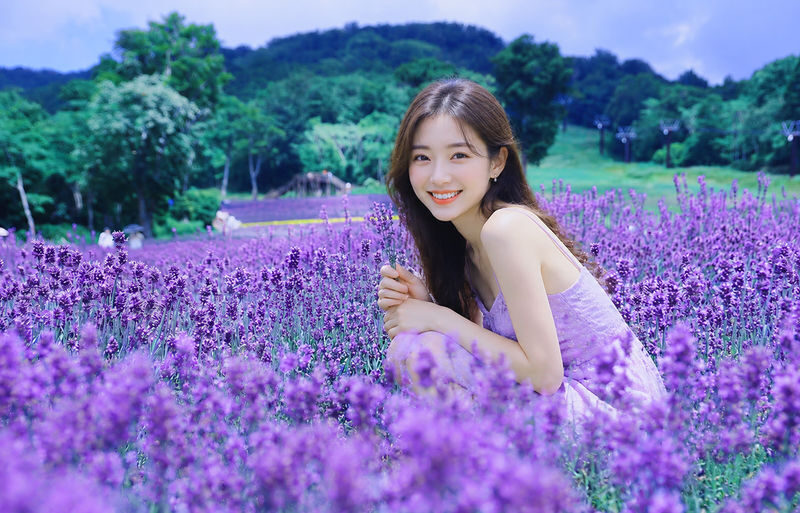
The tour changes substantially by season. Tambara Lavender Park is offered from July 1 to August 31, when the hillside is described as holding around 50,000 lavender plants. Walking among the flower beds is the main event. A flower-field cable car offers a higher view, but its fee is not included, so budget separately if you want that ride. Lavender ice cream is another suggested seasonal treat, priced at 500 yen.
Winter shifts the emphasis from flowers to snow play at Tanbara Ski Park, available December 1 to March 31. The snow-play package includes admission and a snow basin, with sleds and snow bumper cars among the activities described. You do not need skiing experience for the family-focused snow area, but this is not the same as a ski lesson or a full day on the slopes.
Be careful when comparing packages. The spring and autumn Ikaho option starts at $78.85, while lavender and snow are limited seasonal alternatives. Do not assume every stop mentioned in the general tour description is included in the option you are considering. Weather can affect park operations, and seasonal flowers or snow conditions may not match the ideal date exactly.
What the price covers, and where the value lies
At a starting price of $78.85, the spring and autumn package buys you round-trip transfers from Tokyo, an English- or Chinese-speaking guide, and the included Harada Farm fruit-picking admission. Meals, drinks and personal purchases are extra. The cable car at the lavender park is also explicitly excluded from the price.
The strongest value is logistical. Fukiware Falls, Harada Farm and Ikaho Onsen are spread across Gunma, and reaching them all from Tokyo independently would require careful transport planning. Here, you trade some flexibility for a single day of transport and a varied route. That is a fair bargain if you want several distinct experiences and accept limited time at each.
The value is less convincing if you want a guided cultural tour with detailed commentary at every stop. The guide is there to help run the day, but the role may feel closer to coordinating transport than leading a full walking tour. One guide named Chen was praised for being thorough and even helping arrange fruit picking when it was initially full; another highly rated winter guide was described as capable, friendly and flexible. Yet guide communication has not always been clear, and some people have found themselves locating the group or facilities without much direction. Treat strong service as possible, not guaranteed.
Schedule changes can also affect how much you enjoy the day. A winter departure may replace the falls with Kawagoe, and crowded or closed attractions can lead to adjustments. One winter group found ticket arrangements and limited meal time frustrating, while another still felt the changed day offered good value. The practical lesson is to bring a little patience, keep food plans simple and listen carefully to meeting instructions.

Making the most of a tightly timed day
Arrive at the meeting point 10 minutes early. The meeting location is Tokyo Mode Gakuen, at 1-7-3 Nishishinjuku, Shinjuku-ku. The operator sends the guide and vehicle information by email between 8:00 and 9:00 pm the evening before; check spam and use the latest message if more than one arrives. A GOGODAY flag is specified, but a small group may not always be easy to spot by flag alone, so verify the vehicle details too.
Wear shoes suited to walking, especially for the waterfall paths and Ikaho steps. Carry money for lunch, drinks, personal expenses and any optional seasonal extras. Bring only luggage you have declared in advance, and do not plan to leave the group early: the tour does not allow mid-route departures.
The schedule may change because of traffic, weather, park operations or the vehicle’s legal maximum use time of 10 hours. The operator can adjust the order and make safety-based alternatives. If you have a firm onward plan in Tokyo, this is the wrong day to cut it close.
Children aged 0 to 2 can join without charge if they do not need a separate seat; children aged 3 and older pay the adult rate. People aged 70 and over must present a medical certificate before joining. Infants and children must be included in the passenger count when booking.
Should you book this Gunma day trip?
Book it if you want an efficient seasonal sampler and value having transport sorted more than having a slow, fully guided visit. The strongest combination is fruit picking, a dramatic waterfall and a walk through Ikaho’s stone-step town, with lavender or snow adding a clear seasonal theme on the right departure.
Skip it if you want a long onsen soak, extensive time at the farm, guaranteed commentary at every attraction or a schedule that cannot shift. Before paying, confirm the package season, the fruit expected on your date and whether Fukiware Falls is accessible. Then leave your evening free. This is a long day, but for the right pace and expectations, it offers several very different sides of Gunma in one trip.
Harada Farm Fruit Picking & Fukiware Falls & Tambara Lavender Park/Ikaho Onsen/Tambara Ski Resort Day Trip (From Tokyo)
“Driver is capable, flexible, and friendly”
FAQ
Where does the tour depart from?
It departs from Tokyo Mode Gakuen at 1-7-3 Nishishinjuku, Shinjuku-ku. The scheduled departure is 8:00 am, and you should arrive 10 minutes early.
When will I receive the guide and vehicle details?
The operator sends an email between 8:00 and 9:00 pm on the evening before departure. Check your spam folder, and follow the latest message if several arrive.
What time does the tour return to Tokyo?
The estimated return is between 5:30 and 6:30 pm. Traffic and weather can change the arrival time, so avoid scheduling another activity that evening.
Which fruits can I pick at Harada Farm?
The seasonal calendar lists strawberries from December 10 to June 4, cherries from June 5 to July 5, blueberries from July 6 to August 2, peaches from August 3 to September 1, grapes from September 2 to October 8, and apples from October 9 to December 9.
Are meals included?
No. Meals and beverages are not included. The Harada Farm stop includes free time for lunch, but you pay for your own food and drinks.
Is the lavender cable car included?
No. The flower-field cable car fee is not included in the lavender option.
When is Tambara Lavender Park available?
The lavender option is available from July 1 to August 31. Seasonal conditions can affect the flowers.
When is snow play at Tanbara Ski Park available?
The snow-play option is available from December 1 to March 31. Its package details include park admission and a snow basin.
Is Fukiware Falls open in winter?
The promenade is scheduled to close for winter from December 4. The tour information says the stop changes to Kawagoe from December 7 through April 1, and notes that the Hexagonal Hall may remain accessible after the promenade closes.
Can children and seniors join?
Children aged 0 to 2 are free if they do not occupy a separate seat, while children aged 3 and older pay the adult rate. People aged 70 and over must present a medical certificate before participating.