Enoshima Aquarium pairs marine exhibits with a seaside setting: look out toward Enoshima Island and the Shonan Coast, then step inside for the large Sagami Bay tank and the softly lit jellyfish rooms. I like that the aquarium gives you both a marine-life visit and a coastal break, and that the included shows can make a short visit feel more substantial.
I also like how easy the aquarium is to reach from three nearby rail stations, and that advance mobile tickets can spare you the on-site ticket queue. One caveat: this is not a sprawling aquarium, and summer and holiday crowds can make the exhibits and shows feel cramped. Animal welfare is another reasonable consideration, as concerns have been raised about the space available to some animals.
- What makes this aquarium worth your time
- A seaside setting with a local point of view
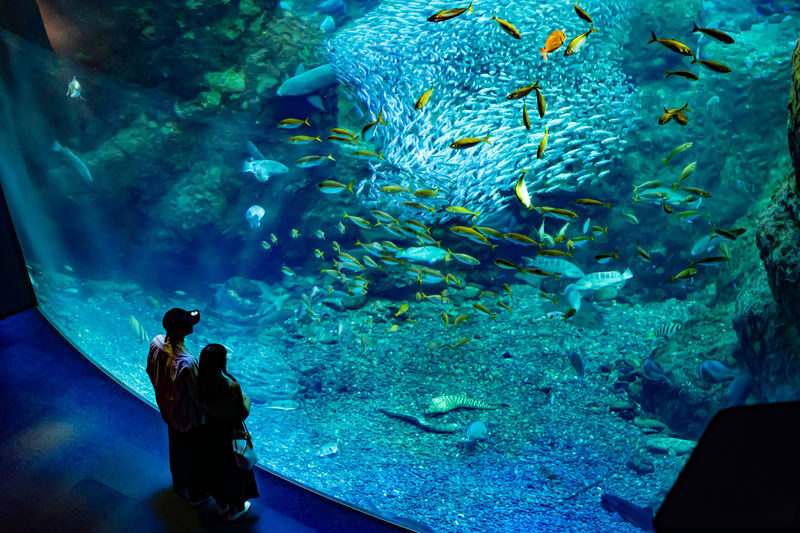
- Start with the Sagami Bay tank
- Slow down in the jellyfish rooms
- See the animals, and think about the exhibits
- Make time for the dolphin show
- Allow two or three hours, especially with children
- Getting there and using your ticket
- Who should book Enoshima Aquarium
- FAQ
- How long should I allow for Enoshima Aquarium?
- What is included with the admission ticket?
- How much does the ticket cost?
- Which station is closest to the aquarium?
- What are the aquarium’s usual opening hours?
- Do I need an entry reservation as well as a ticket?
- Can I enter with a mobile voucher?
- Are young children admitted free?
- Can I bring luggage or a pet?
- The Best Of Fujisawa!
- More Tickets in Fujisawa
- More Tours in Fujisawa
- More Tour Reviews in Fujisawa
What makes this aquarium worth your time
 1 / 8
 2 / 8
 3 / 8
 4 / 8
 5 / 8
 6 / 8
 7 / 8
 8 / 8
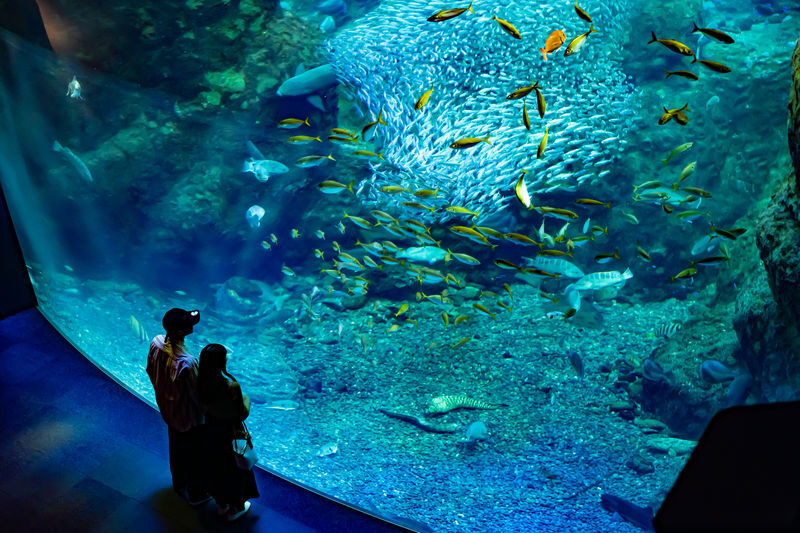
- Sagami Bay in a tank: The large tank evokes the waters just outside, giving the aquarium a strong local focus.
- Jellyfish in a calmer setting: The jellyfish displays are a highlight if you want a slower, more atmospheric break from the busier areas.
- Dolphin show with a sea view: The performance area’s coastal backdrop adds a sense of place, though show times and seating conditions can affect your visit.
- A compact visit near the beach: Most visits take about one to three hours, making the aquarium an easy addition to a Fujisawa or Enoshima day.
- Three rail approaches: Katase-Enoshima Station is about a three-minute walk; two other stations are roughly ten minutes away.
- Plan for peak dates: Some holiday periods require a separate free entry reservation, even if you already have an admission ticket.

👉 See our pick of the What Are The Best Tours In Fujisawa? Our Top 10 Picks
A seaside setting with a local point of view
Enoshima Aquarium sits at 2-19-1 Katase Kaigan in Fujisawa, close to the water and across the coast from Enoshima Island. That location is part of the appeal. You are not visiting an aquarium detached from its surroundings: the exhibits focus attention on the sea beyond the windows, and the coast remains close at hand when you step outside.
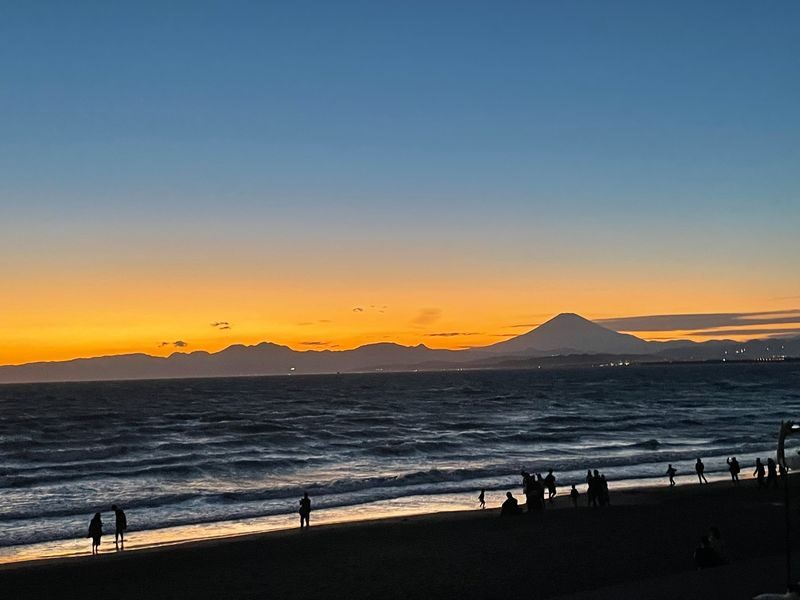
On a clear day, the views can include the Shonan Coast, Enoshima and Mount Fuji. Treat Fuji as a bonus, not a guarantee. Cloud, haze and weather can hide it, so there is no reason to plan your whole day around a mountain view. The sea and island still give the visit a pleasant sense of place.
The aquarium is especially convenient if you are already exploring Fujisawa, Enoshima or Kamakura. At one to three hours, it can fill a half-day gap without requiring a full-day commitment. It is also a practical choice on a rainy day or during hot weather, when the indoor exhibits and air conditioning offer a welcome change from the beach.
You can also read our reviews of more tours and experiences in Fujisawa

Start with the Sagami Bay tank
The large tank recreates Sagami Bay, the stretch of water that gives this aquarium its local identity. Rather than treating it as a quick photo stop, pause and watch the fish move through the display. The scale and variety make it a natural first anchor for your visit and a useful introduction to the marine life you will see in smaller exhibits.
The overall aquarium is not huge, and that can be a benefit if you are visiting with children or have limited time. You can cover the main displays without turning the day into a march from one hall to another. The trade-off is that people expecting a vast collection or the scale of a major city aquarium may find the number of viewing areas modest.
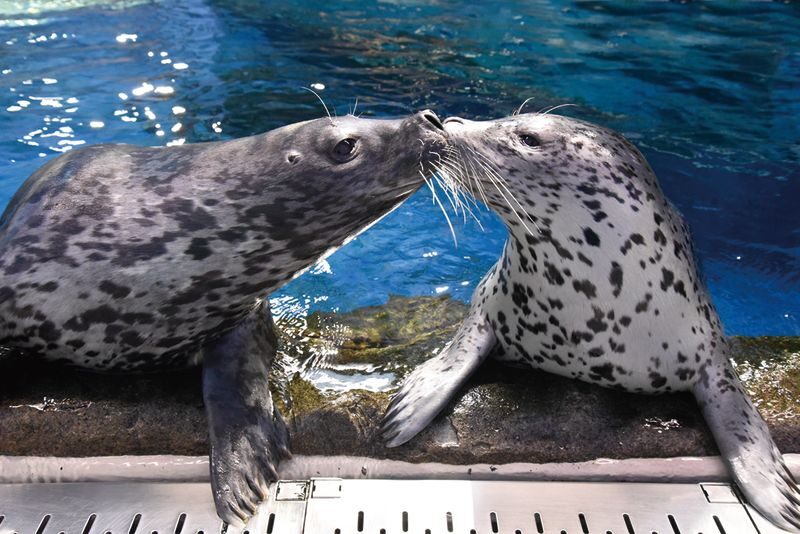
The exhibits include sharks and a range of other sea life. Displays and labels help you find and identify animals, but the experience is still more about looking closely than racing through a checklist. Give children time to pick out the fish they like, and leave room for a second look at the larger displays.
Slow down in the jellyfish rooms
The jellyfish area is one of the aquarium’s most distinctive stops. Its quieter, dreamlike atmosphere contrasts with the bigger tank and the energy around the shows. If you want a calmer moment, this is a good place to pause rather than treating the displays as a corridor on the way to the next attraction.
Jellyfish are a strong reason to visit even if you have seen other aquariums. The space is often described as soothing, and that makes it a good stop for couples as well as families. It also gives the visit some variety: the aquarium is not only about large animals and performances.
The building is clean and the indoor atmosphere has been described as more comfortable than the damp, humid feeling common in some aquariums. That is useful on a muggy summer day, though a popular date can still bring crowds and slow the flow through the halls.
See the animals, and think about the exhibits
Penguins, Asian small-clawed otters and capybaras are among the animals highlighted at the aquarium. These smaller, familiar animals tend to be a draw for children, while the variety of fish, sharks and other marine life gives adults reasons to linger. If a particular animal is at the top of your list, check what is currently on display before you go; you should not assume every animal will be visible at every moment.
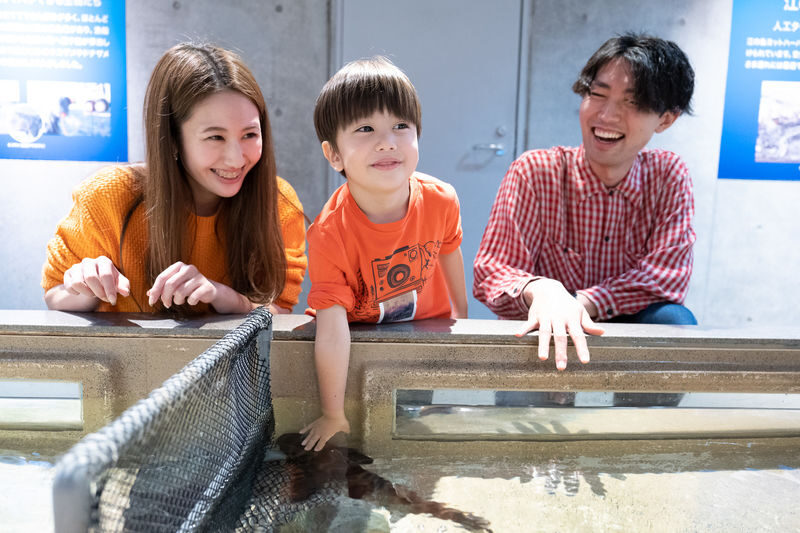
Some parts of the aquarium offer closer, hands-on encounters with marine life. A few activities, such as pearl-related experiences, may be available for an additional fee, so do not assume they are included in the admission ticket. The included admission covers the facility and its shows, but personal expenses and optional activities are extra.
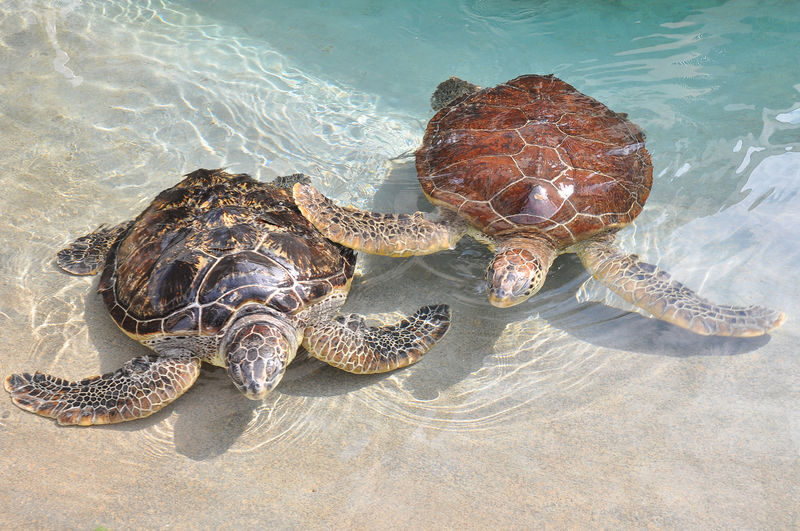
It is also fair to consider animal welfare before booking. Concerns have been raised about the size of some tanks and the conditions of certain marine animals, including turtles and cetaceans. The information available here does not establish current conditions, so if this is a deciding issue for you, check the aquarium’s current animal-care information before you commit. A visit can be entertaining and still leave you with questions about how animals are housed.
Make time for the dolphin show
The dolphin show is one of the main reasons to plan your timing rather than simply arrive and wander. It is included with admission, and the performance area’s ocean setting makes it feel more connected to the coast than a show in an enclosed hall. For many families, this is the moment children talk about afterward.
If you want a close-up view, the first three rows are noted as especially lively and interactive. Keep in mind that the closer seats may be more exposed to splashes, and a popular performance can fill up. Show schedules can change, so check the day’s program at the aquarium and build the rest of your visit around the performance you most want to see.
There is a balance to keep in mind. The show can be engaging, but some people have concerns about keeping dolphins and other large marine animals in captivity. If that weighs heavily for you, you may prefer to focus on the aquarium’s other exhibits or decide that the show is not for you. Admission includes it, but you are not obliged to attend.


Allow two or three hours, especially with children
You can walk through the aquarium more quickly, but one to three hours is a sensible range. Aim for the longer end if you want to see the exhibits at an unhurried pace, attend a show and stop for breaks. With children, time also disappears into the details: watching animals, finding favorite displays and waiting for a good view in a crowded room.
A useful plan is to begin with the main tank, then work through the other exhibits before checking the show schedule. Leave the jellyfish rooms for a slower pause, and avoid arriving just before the performance you care about most. This is a suggested way to pace the visit, not a fixed route.
The aquarium also suits a flexible day. You can visit before or after time on the coast, and re-entry is generally permitted if you show your ticket, wristband or stamp when returning. However, special date-specific entry rules can apply, so confirm the policy for your planned day before relying on re-entry.
Getting there and using your ticket
The simplest rail approach is the Odakyu Enoshima Line to Katase-Enoshima Station, about a three-minute walk from the aquarium. Enoshima Station on the Enoshima Electric Railway and Shonan-Enoshima Station on the Shonan Monorail are each about a ten-minute walk away. Choose the station that best fits your wider route rather than making a special detour to use one particular line.
The ticket starts from $14.15, with the final price depending on the option and any available discount. At that price, the value rests on the exhibits, included shows and convenient location, not on spending an entire day inside. If you want a full-day attraction with many large-scale viewing areas, you may find better value elsewhere. If you want a compact aquarium visit near the coast, the price is easier to justify.
A mobile voucher is accepted for direct entry. Present it to staff so they can validate it; do not try to validate it yourself, since an error can make the ticket unusable. The voucher is valid for 90 days from booking confirmation and expires at 11:59 p.m. on the final day. Children aged zero to two enter free.
Lockers are available for JPY 200 to 300, and staff can advise about other storage. Oversized or long luggage may not be allowed into exhibits or shows. Pets are not permitted, except for assistance dogs. Smoking and drinking are prohibited, and flash photography is not allowed inside. High school students need to show student identification at the ticket counter.
Opening hours are generally 9 a.m. to 5 p.m. from March through November and 10 a.m. to 5 p.m. from December through February. Last entry is one hour before closing. Hours can change during holiday weeks, summer vacation and the year-end period, and the aquarium may close temporarily for inspections.
For specific busy dates, check entry requirements before you travel. A free admission reservation is required from May 3 to May 5, 2026. A web entry reservation is also required from 10 a.m. to 3 p.m. from August 9 to August 15, 2026, in addition to the admission ticket. These rules are separate from buying your ticket, so do not assume a voucher alone guarantees entry during those periods.
Who should book Enoshima Aquarium
I would put this aquarium on the plan if you are already visiting Enoshima or Fujisawa, have children who enjoy marine life, or want a compact indoor stop with a coastal setting. The jellyfish rooms, local bay tank and included dolphin show give the visit a mix of quiet and lively moments, while the nearby rail stations make it easy to fit into a day out.
I would be more cautious if you expect a very large aquarium, dislike crowds or are uncomfortable with marine animals in captivity. For the best balance, choose a quieter date, check any reservation rules, and treat the Mount Fuji view as a possible extra. Book it if the sea-life exhibits and location suit your day; skip it if animal welfare concerns or a larger-scale aquarium matter more to you.
Enoshima Aquarium Ticket in Fujisawa
“Watching the dolphin show up close, the children had a wonderful time!”
FAQ
How long should I allow for Enoshima Aquarium?
Plan for one to three hours. Allow more time if you want to see a show and take your time with the exhibits.
What is included with the admission ticket?
Admission to the facility and its exhibitions and shows are included. Personal expenses and optional paid activities are not.
How much does the ticket cost?
Tickets start from $14.15. The final price may depend on the package option and available discounts.
Which station is closest to the aquarium?
Katase-Enoshima Station on the Odakyu Enoshima Line is about a three-minute walk away. Enoshima Station and Shonan-Enoshima Station are each about a ten-minute walk.
What are the aquarium’s usual opening hours?
From March to November, usual hours are 9 a.m. to 5 p.m. From December to February, they are 10 a.m. to 5 p.m. Last entry is one hour before closing.
Do I need an entry reservation as well as a ticket?
A free admission reservation is required from May 3 to May 5, 2026. A web entry reservation is required from 10 a.m. to 3 p.m. from August 9 to August 15, 2026, in addition to the ticket.
Can I enter with a mobile voucher?
Yes. Present the mobile voucher to facility staff for validation and enter directly. Do not attempt to validate it yourself.
Are young children admitted free?
Children aged zero to two can enter free of charge.
Can I bring luggage or a pet?
Oversized or long luggage may not be allowed in exhibits or shows. Lockers cost JPY 200 to 300. Pets are not allowed, except for assistance dogs.