Himeji Castle is the sort of place that makes feudal Japan feel less like a page in a book and more like a very clever defense plan. On this half-day tour, a guide leads you through its main keep, narrow passages, and protective features before taking you to the quiet temple grounds of Mount Shosha.
I like two things in particular: the contrast between a castle built for conflict and a temple built for contemplation, and the chance to hear the history explained as you go rather than trying to piece it together from signs. The English-speaking guide can make both stops more rewarding, especially if you are curious about samurai strategy and temple life.
The main consideration is the pace. You should expect plenty of walking and some climbing, and the listed price does not include bus and train fares or lunch. There is also a practical detail to confirm before booking: the tour is described as departing from Osaka, but the meeting instructions point to JR Himeji Station.
- Key points to know before you go
- First, get your bearings at Himeji Station
- Himeji Castle: a lesson in defense
- A pause for lunch, with one cost to remember
- Engyoji Temple: a quieter change of scene
- What the guide adds
- Does the price make sense?
- Who will get the most from this half-day?
- Should you book it?
- FAQ
- How long does the tour last?
- Where is the meeting point?
- How early should I arrive?
- Are entrance fees included?
- Are bus and train tickets included?
- Is lunch included?
- What should I bring?
- Is the tour in English?
- Do children pay the same rate as adults?
- The Best Of Himeji!
- More Historical Tours in Himeji
- More Tours in Himeji
- More Tour Reviews in Himeji
Key points to know before you go
 1 / 5
 2 / 5
 3 / 5
 4 / 5
 5 / 5
- Himeji Castle is the main event: Explore its main keep, winding corridors, and defensive architecture with a guide.
- Engyoji adds a different mood: The mountain temple’s historic halls and gardens offer a calmer counterpoint to the castle.
- Expect a lot of walking: Wear comfortable shoes, and be ready for some climbing.
- The listed price is not all-inclusive: Castle and temple admission are included, but meals, drinks, and local bus and train tickets are not.
- The meeting details need a check: Instructions specify JR Himeji Station’s North Exit, even though the tour is also described as departing from Osaka.
- Guide Marielle has earned warm praise: Her clear explanations, English and Japanese fluency, and friendly manner were singled out.

👉 See our pick of the Himeji’s 7 Top Walking Tours (With Prices)
First, get your bearings at Himeji Station
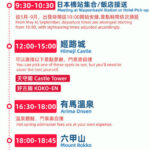
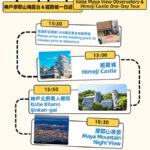
The schedule begins at 9:15 a.m., with the meeting point identified as the North Exit of JR Himeji Station. Look for a guide in a green TripGuru shirt or holding a TripGuru sign, and arrive 10 minutes early. That small buffer matters: late arrivals and no-shows are not refundable.
One detail deserves your attention before you pay. The experience information says the tour departs from Osaka, yet the specific meeting instructions say to meet at Himeji Station. Those details do not quite match. Confirm exactly where the tour begins and how you are expected to reach it before making other travel plans. The information provided does not spell out an Osaka-to-Himeji transfer as part of the tour.
The plan then calls for a short bus ride to the castle. Public transport is part of the appeal: you get a guided day that uses local travel rather than a private car. But bus and train tickets are not included, so set aside extra money for fares. Cash is also recommended for personal expenses.
You can also read our reviews of more historical tours in Himeji


Himeji Castle: a lesson in defense
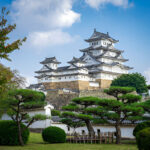
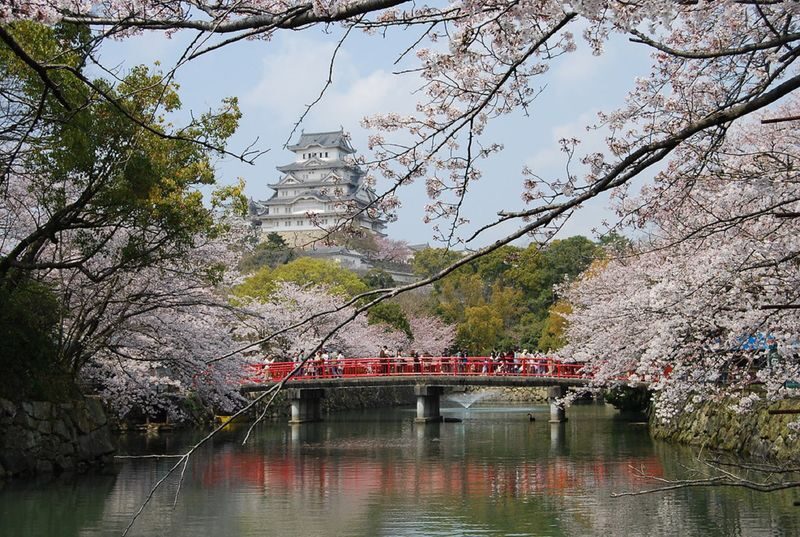
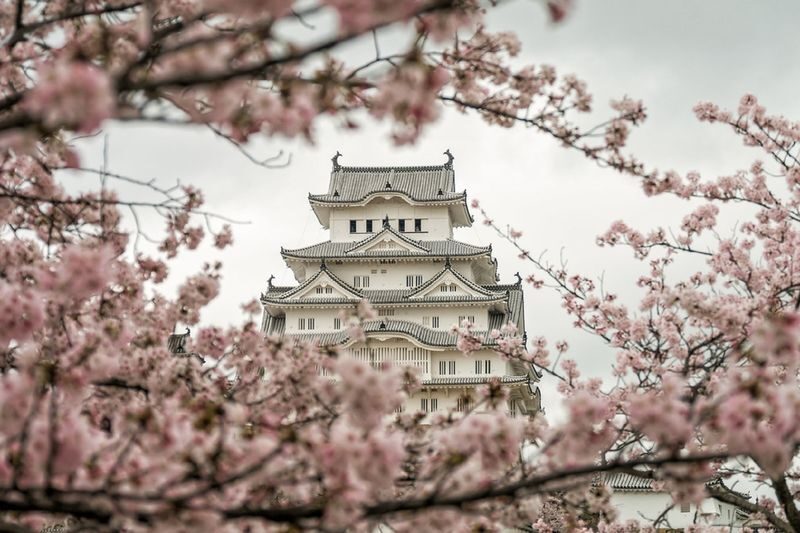
Himeji Castle is the heart of the tour, and the visit is more than a walk around an impressive exterior. The guide takes you through the main keep and winding corridors, explaining how the layout and defensive features fit into the needs of a feudal stronghold. You can look at the building not only as a beautiful landmark but as a place designed to control movement and protect its occupants.
That guidance is useful here. A castle’s details can be easy to admire without understanding what they were for. With someone explaining the strategy and the life of the people inside, the turns and barriers become part of a story rather than architectural decoration.
The castle is a UNESCO World Heritage site and is presented as Japan’s best-preserved samurai castle. That preservation gives the visit particular weight: you are exploring an important historic structure, not simply looking at a modern reconstruction. The scheduled guided visit runs from about 10 a.m. to 11:30 a.m., giving you a substantial block of time at the day’s most famous stop.
There is a physical side to the visit. The castle’s stairs and passages require movement, and one tour guest specifically advised being ready to walk a lot and climb a little. Take that literally. Comfortable shoes are more useful than dress shoes, and a camera is worth bringing if you want to keep a record of the architecture. If mobility or stamina is a concern, ask the operator what the route involves before booking; no accessibility details are provided.
A pause for lunch, with one cost to remember
Lunch is scheduled for 11:30 a.m., after the castle visit. Meals and drinks are not included, so the cost and choice are yours. The information does not name a restaurant or say whether lunch is taken as a group, which means you should not plan around a specific menu or dining arrangement.
This break also sits in the middle of a fairly compact day. You have a little over an hour between the end of the castle visit and the scheduled 12:15 p.m. onward travel. Keep your lunch practical, and remember that the itinerary can shift with traffic or weather. If you have dietary needs, check ahead rather than assuming the tour includes a meal plan.
Engyoji Temple: a quieter change of scene
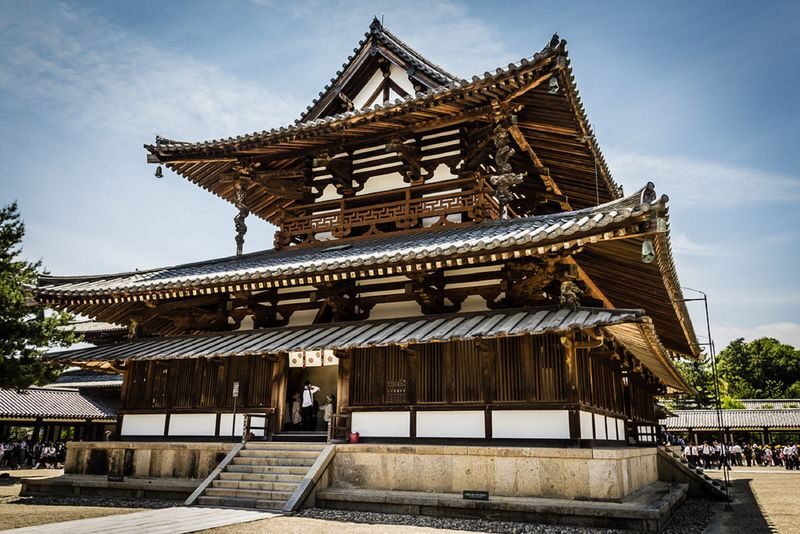
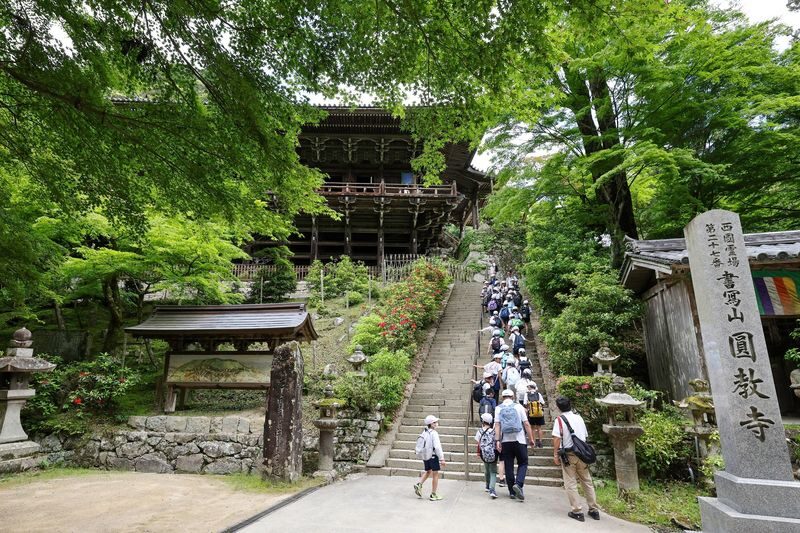
The second major stop is Engyoji Temple, a historic complex on Mount Shosha. Its setting and mood differ sharply from the castle’s military purpose. The temple grounds are described as having serene gardens and historic halls, offering a look at Japan’s spiritual and cultural heritage after a morning focused on samurai defenses.
The schedule places the onward journey by train at 12:15 p.m., with the temple visit beginning around 1 p.m. and the tour returning at about 2 p.m. The itinerary does not spell out every connection or local transfer, and train tickets are excluded from the price. It is sensible to confirm the exact transport plan and expected fares with the operator.
Engyoji also has a screen connection: several scenes from The Last Samurai were filmed on the temple grounds. That detail may add interest if you know the movie, but the temple is worth approaching as a historic religious site in its own right, not just a film location. Expect a walk through the grounds rather than a quick photo stop. The day’s short schedule and the warning about substantial walking make sturdy shoes especially sensible here.
Weather can change the feel of the visit. Fog and rain were described as adding to the castle and temple’s atmosphere, but that should not be read as a promise that bad weather will improve your day. Bring suitable clothing for the forecast, and keep in mind that timing may change with weather conditions.
What the guide adds
A good guide can turn a short visit into a coherent one. Here, the stated role is to explain Himeji Castle’s defensive systems and feudal history, then help you appreciate Engyoji’s cultural and spiritual setting. That pairing matters: you are not just seeing two famous places, you are hearing how their different purposes shaped them.
Marielle is the guide named in two recent accounts of the tour. She was praised for explaining the history and stories clearly, speaking English and Japanese fluently, and keeping a professional but friendly tone. Those are particularly useful qualities on a day with two distinct sites and local transport between them. The specific guide on your date is not guaranteed, so treat her name as a helpful indication of the experience described, not a promise.
There is a package detail to watch. The listed option here is a private English tour, starting at US$319.85, while the comments describing Marielle refer to a small-group package. Check that the package you select matches the format you want and do not assume that a guide or group arrangement described for one option applies to another.
You can also read our reviews of more tours and experiences in Himeji



Does the price make sense?
At US$319.85, the private English option is a significant outlay for a half-day. The value depends on what you want from the visit. You are paying for an English-speaking guide and admission to both sites, with a planned route that links a major castle to a mountain temple. A private format can be worthwhile if you value focused explanations and a more personal pace, though the supplied details do not specify the private group size or how much flexibility it allows.
The listed admissions are JPY1,000 for Himeji Castle and JPY500 for Engyoji Temple. Those fees are included. Bus and train tickets, lunch, drinks, hotel pickup and drop-off, and personal expenses are not, so budget beyond the advertised price. The package description does not provide transport fares, and exchange rates can affect the final cost in your home currency.
If you are comfortable arranging your own travel to Himeji and paying local fares, a guide can add real value by giving context to the castle’s defenses and the temple’s history. If you mainly want transport handled from Osaka, do not assume this tour does that: the meeting instructions point to Himeji Station, and the transport tickets are your responsibility.
Who will get the most from this half-day?
This tour is a strong fit if you are interested in Japanese history and want both a samurai-era landmark and a historic temple in one outing. It is especially useful if you prefer a guide to connect the physical details to the larger story. The praised explanations and friendly manner associated with Marielle suggest the tour can work well for someone who enjoys conversation as much as sightseeing.
It may be less suitable if you want a slow, unstructured day, dislike stairs and extended walking, or need hotel transport included. The two stops are not interchangeable: Himeji Castle is a major architectural and historical visit, while Engyoji brings a quieter mountain setting and religious heritage. If one matters much more to you than the other, check how much time the tour allows at each before booking.
Should you book it?
Book this tour if you want clear historical context, are happy to use local transport, and can manage a walking-heavy half-day. The combination of Himeji Castle and Engyoji is appealing because it puts military and spiritual history side by side, while the guide can help make both stops easier to understand.
Before booking, confirm the departure point, transport arrangements, and whether you are choosing the private English package or another format. If the meeting point is Himeji Station, plan your journey there separately. With those details settled, this is a promising guided option for seeing two distinctive sides of Himeji in one compact visit.
Himeji Castle & Engyoji Temple Half-Day Cultural Tour
“This tour was thorough and interesting. Our guide, Marielle, was delightful. She spoke English and Japanese fluently, and was very knowledgeable ab…”
FAQ
How long does the tour last?
The schedule runs from a 9:15 a.m. departure to a return around 2 p.m., making it roughly a five-hour outing. The timing may change with traffic or weather.
Where is the meeting point?
The meeting instructions specify JR Himeji Station’s North Exit. The experience is also described as departing from Osaka, so confirm the exact starting point with the operator before booking.
How early should I arrive?
Arrive 10 minutes before the scheduled start. Look for a guide wearing a green TripGuru shirt or holding a TripGuru sign.
Are entrance fees included?
Yes. Admission to Himeji Castle, listed as JPY1,000, and Engyoji Temple, listed as JPY500, is included.
Are bus and train tickets included?
No. Bus and train tickets are excluded, as are meals, drinks, and personal expenses.
Is lunch included?
No. Lunch is scheduled after the castle visit, but meals and beverages are not included.
What should I bring?
Bring comfortable shoes, a camera, and cash for personal expenses. The tour involves a lot of walking and some climbing.
Is the tour in English?
The package described is a private tour in English, and an English-speaking guide is included. Confirm the language and format for the specific option you book.
Do children pay the same rate as adults?
Yes. Children aged 2 and older are charged the same rate as adults.