Kamakura’s old shrines and Hakone’s lakeside torii make an ambitious pair for one day. A private car from Tokyo lets you cross between them without juggling trains, transfers, and luggage.
I like two things here: you can shape the stops and pace, and hotel pickup makes a long day simpler. The drive also gives you time to take in the mountain and sea scenery between destinations.
The trade-off is the distance. Kamakura and Hakone are a lot to fit into one day, and traffic or weather can change the schedule. Also, the title promises the Great Buddha, but the timed stops do not clearly name it, so confirm that visit before booking.
- Hotel pickup in Tokyo’s 23 wards means you can start the day without first navigating to a station.
- Kamakura’s shrine and shopping street offer a contrast between formal worship and the nostalgic feel of Komachi Street.
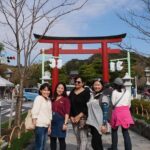
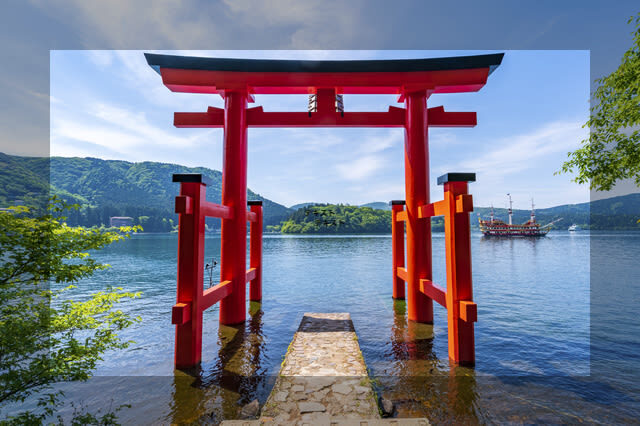
- Hakone’s Heiwa no Torii stands by Lake Ashi, giving you a scenic lakeside stop and a place to make a wish.
- A 10-hour private service window lets you adjust the route, but overtime charges apply if the day runs long.
- The default driver speaks Japanese or Chinese, not English. Translation software and online messaging can help, but an English-speaking driver must be requested and may cost extra.
- Two historic stops, one long drive
- Kamakura High School and the Great Buddha question
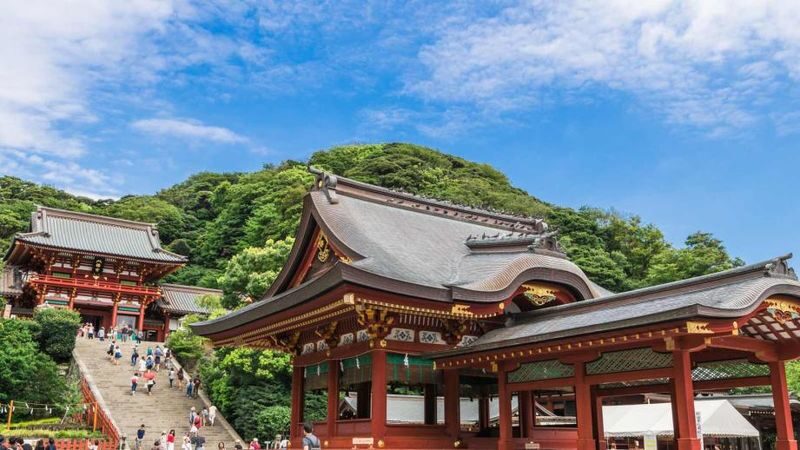
- Tsurugaoka Hachimangu and Komachi Street
- The drive to Hakone and the lakeside torii
- What a private car changes
- Driver communication and vehicle choice
- Is the price good value?
- Who should choose this day trip?
- Should you book it?
- FAQ
- Does the tour include the Great Buddha?
- Where does pickup take place?
- How long is the private car service?
- Does the driver speak English?
- Are meals, tickets, and parking included?
- How many people and bags fit in the vehicles?
- Are child seats available?
- What is the cancellation policy?
- The Best Of Kamakura!
- More Private Tours in Kamakura
- More Tours in Kamakura
- More Tour Reviews in Kamakura
Two historic stops, one long drive
 1 / 9
 2 / 9
 3 / 9
 4 / 9
 5 / 9
 6 / 9
 7 / 9
 8 / 9
 9 / 9
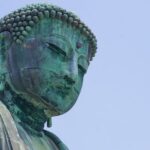
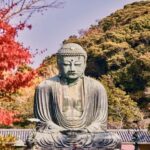
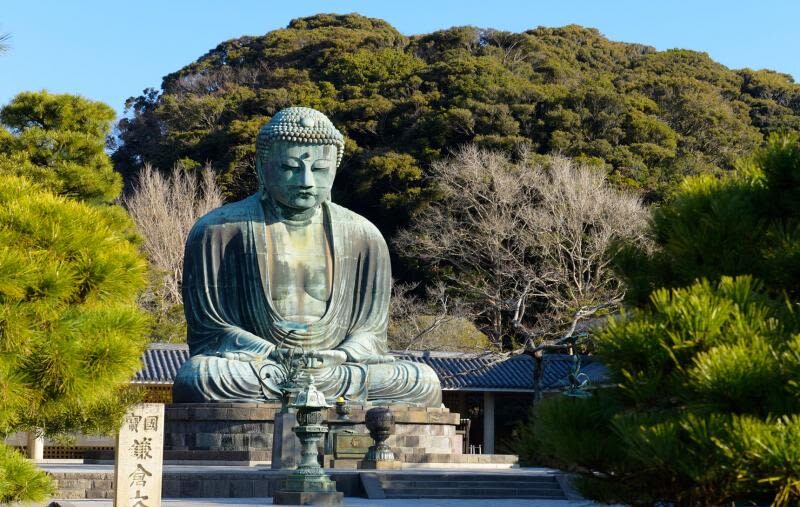
This tour links two very different corners of Kanagawa. Kamakura brings shrines, old streets, and the Great Buddha as a headline attraction; Hakone brings mountain scenery and Lake Ashi, with the Heiwa no Torii set at the water’s edge.
The appeal is not just reaching both places. You avoid changing trains between stops, and you have a private vehicle as a base for the day. That can be useful for families, small groups, or anyone who wants to spend less time managing transport and more time choosing what to see.
The distance is the main constraint. The schedule allows only a few hours in Kamakura before the drive to Hakone, then a lakeside visit before the return. If your priority is to linger at every site, this may feel rushed. If you want a broad first look at both places, the car makes the ambitious route more workable.
👉 See our pick of the 10 Best Walking Tours In Kamakura
Kamakura High School and the Great Buddha question
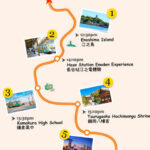
The day is scheduled to reach Kanagawa Prefectural Kamakura High School at about 9:30, followed by Tsurugaoka Hachimangu around 10:00. Kamakura Kokomae Station appears in the suggested route, too, but the exact time and order of these early stops may be adjusted.
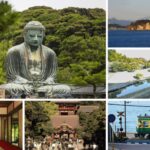
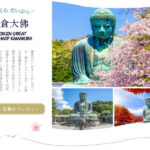
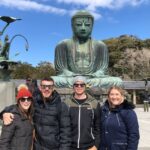
One detail deserves a check before you pay: the tour name and description mention the Great Buddha, but the timed itinerary does not give it a dedicated stop. Ask the operator to confirm whether the statue is included in your customized route, how long you can spend there, and whether fitting it in means shortening another visit. Don’t assume the attraction is guaranteed just because it appears in the title.
The listed address is Kamakura High School, but the service includes pickup from hotels and guesthouses within Tokyo’s 23 wards. In practice, confirm your pickup location and the route directly with the operator rather than treating the school address as your meeting point.
You can also read our reviews of more private tours in Kamakura


Tsurugaoka Hachimangu and Komachi Street
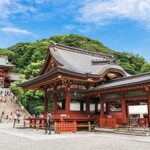
Tsurugaoka Hachimangu is the day’s main shrine stop, set in Kamakura, the ancient capital featured in the tour’s description. You can walk through the grounds at your own pace and take in the setting without having to keep up with a larger tour group. The visit is self-guided, so plan to manage your own time and decide what deserves your attention.
Komachi Street adds a more everyday feel to the Kamakura portion. The street is known for its nostalgic atmosphere, and it gives you a chance to stroll, browse, and take a break between historic sites. Meals and drinks are not included, so this is a sensible place to plan your own lunch or snack, subject to the time available.
The schedule leaves roughly three and a half hours between arrival in Kamakura and the planned 1:30 stop at Hakone’s Heiwa no Torii. That sounds generous until you factor in the drive within Kamakura and the possible Great Buddha visit. Keep your priorities clear: if you want the statue, shrine, and a proper walk along Komachi Street, ask how the driver will arrange the stops and how much time you can expect at each.
The drive to Hakone and the lakeside torii
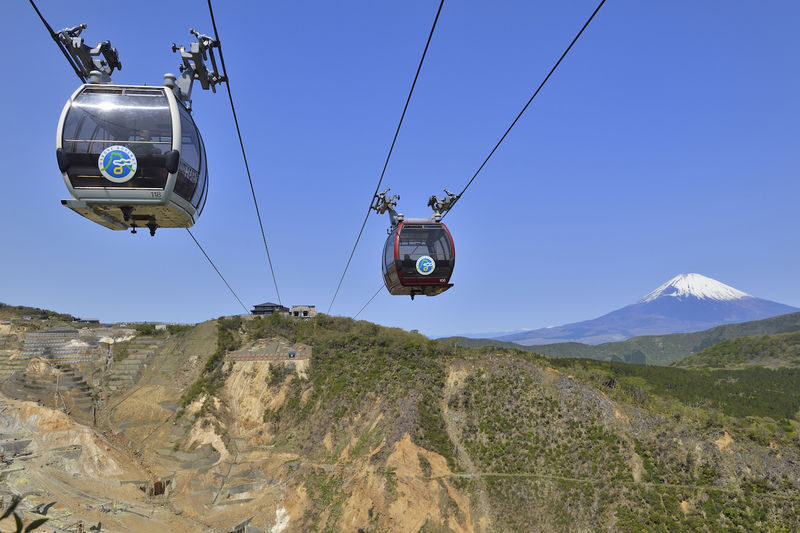
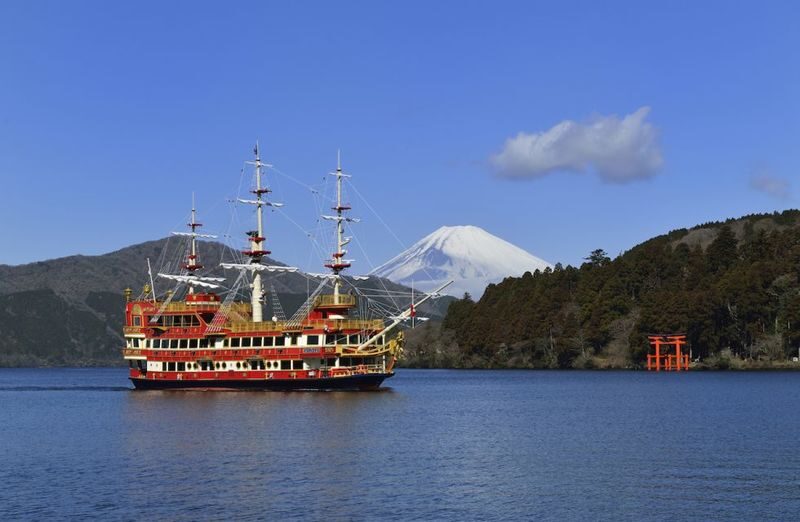
The afternoon moves to Hakone, where the Heiwa no Torii stands by Lake Ashi. The tour frames this as a place to make a wish, with the lake and surrounding mountains providing the scenic setting. At about 1:30, this is the key Hakone stop, and it is self-guided rather than a narrated visit.
Lake Ashi is scheduled for about 3:00. That gives you time to enjoy the water and mountain views, though the tour does not specify a boat ride or other activity. Treat this as a flexible lakeside visit, not a promise of a particular attraction or excursion.
The description places Hakone Shrine at the foot of Mount Fuji, but a view of Mount Fuji is not guaranteed. Visibility depends on weather and conditions, and the schedule itself may shift. The operator also notes that weather or capacity can mean some attractions are skipped, so it is worth asking which stops are priorities before setting out.
What a private car changes
On a public-transport day, reaching both Kamakura and Hakone would mean coordinating routes and transfers. Here, the driver handles the travel between stops, and the vehicle remains private to your party. That is the chief practical advantage: your schedule can be adjusted without rebuilding the day around train times.
The service includes round-trip hotel transfers, tolls, fuel, and operator-provided insurance. Parking fees, entrance tickets, meals, drinks, and personal expenses are extra. The standard service lasts 10 hours, with pickup available from Tokyo’s 23 wards and a return to a Tokyo hotel or personal address, generally between 4:00 and 6:00 p.m.
Flexibility is not the same as unlimited time. The route is subject to traffic, weather, and the service-hour limit, and the car’s driving range is capped at 300 kilometers from a Tokyo hotel. Overtime costs JPY 5,000 per hour for vehicles with 10 seats or fewer, and JPY 10,000 per hour for vehicles with 14 seats or more. A delay of more than 15 minutes counts as an hour, including delays caused by traffic or waiting.
Driver communication and vehicle choice
The standard driver speaks Japanese or Chinese, not English. The operator says the driver can communicate using translation software, and the service information also notes that English replies may be possible through social messaging. If you need an English-speaking driver, request one when booking; if available, the additional designation fee is JPY 5,000.
The vehicle is assigned by class, and you cannot choose a specific model. A five-seat sedan is listed for up to three passengers and two pieces of luggage. The seven-seat van or Alphard option fits up to six people, though five is recommended for comfort; six adults may find it tight. A luxury Alphard is also offered for up to six, with similar comfort guidance.
Larger vehicles include a 10-seat option for up to nine passengers, a 14-seat vehicle for up to 11 passengers with luggage, and an 18-seat vehicle for up to 18 passengers and 18 bags. Capacity can rise to 23 on the 18-seat vehicle’s auxiliary seats, but only with small luggage. Be exact about your group size and bags when booking. Oversized luggage and strollers count as two pieces and must be declared ahead of time.
One child booster seat is free. Each additional seat costs JPY 2,500, and a child seat takes up roughly 1.5 seats, which can reduce room for passengers and luggage. Infants and children count toward the passenger headcount, so include them in your booking numbers.
You can also read our reviews of more tours and experiences in Kamakura

Is the price good value?
The listed starting price is US$409.29 for the Kamakura and Hakone day trip from Tokyo. Since the package information does not specify how that price changes with party size or vehicle choice, check the final total before booking. The value depends heavily on how many people share the car and how much you value convenience.
For a group, the price can make sense as the cost of private transport across a long route, with tolls and fuel included. It also buys you control over pacing and avoids the work of linking the two destinations by public transport. For a solo visitor or couple, it is a more expensive way to see the same places, especially once you add parking, food, and any attraction tickets.
Two short customer accounts describe a punctual, polite, professional, and helpful driver. Those details match the service’s main promise, but they do not erase the language limitation or guarantee the same experience on every departure. The operator has 955 total reviews and a 94 percent good-review rate, while this specific tour has only two ratings, both five stars. That is encouraging, but a small sample is not much basis for predicting every day.
Who should choose this day trip?
I’d look at this option if you want Kamakura and Hakone in one day, value private transport, and are comfortable keeping visits focused. It is especially practical for families or friends sharing a vehicle, provided you choose a car with enough room for everyone and their bags.
It is less suited to a slow, in-depth visit. Kamakura alone can fill a day if you want to take your time, and Hakone has more to offer than a brief stop at the lake and shrine area. If you have several days in the region, splitting the destinations would give you more breathing room.
Before booking, settle three points: whether the Great Buddha is included, which Kamakura stops you want most, and the vehicle size for your party and luggage. Also be comfortable communicating with a Japanese- or Chinese-speaking driver through translation, unless an English-speaking driver is confirmed.
Should you book it?
Book this tour if your priority is seeing both Kamakura and Hakone without handling the connections yourself. The private car, hotel pickup, flexible routing, and included fuel and tolls are real advantages, especially when shared by a group.
Skip it if you want long visits at every stop or need an English-speaking driver guaranteed at the standard price. And confirm the Great Buddha explicitly: it is central to the tour’s name, but not clearly scheduled as a timed visit. With that settled, you can decide whether a brisk two-region day suits your pace.
Kamakura Great Buddha & Hakone Shrine Transfer & Private Car Day Tour
“It was a great day and the driver was nice and professional. Highly recommended tour!”
FAQ
Does the tour include the Great Buddha?
The tour description names the Great Buddha, but the timed itinerary does not list it as a specific stop. Confirm with the operator before booking whether it can be included in your route.
Where does pickup take place?
Hotel pickup is available from hotels and guesthouses within Tokyo’s 23 wards. Enter your hotel name and address when booking, and wait in the lobby at least 10 minutes before pickup.
How long is the private car service?
The standard service time is 10 hours. If pickup and drop-off are at different locations, the service time is eight hours. Extra time is charged by the hour.
Does the driver speak English?
The standard driver speaks Japanese or Chinese, not English. Translation software may be used, and you can request an English-speaking driver. If one is available, the additional fee is JPY 5,000.
Are meals, tickets, and parking included?
No. Meals, drinks, attraction tickets, parking fees, and personal expenses are not included. Tolls, fuel, round-trip hotel transfers, and operator-provided insurance are included.
How many people and bags fit in the vehicles?
Capacity depends on the vehicle. The listed options range from a sedan for up to three passengers and two bags to an 18-seat vehicle for up to 18 passengers and 18 bags. Confirm the right vehicle for your group and luggage when booking.
Are child seats available?
One child booster seat can be provided free. Each additional seat costs JPY 2,500. Child seats take up space, and infants and children must be included in the passenger headcount.
What is the cancellation policy?
A full refund is available if you cancel at least 48 hours before the activity date in local time. If extreme weather or another unforeseen event leads the operator to cancel, you can reschedule or request a full refund.