Mount Fuji is the star, but this day is really a circuit of viewpoints: a mountain-and-lake panorama from Tenjo-san, the red Chureito Pagoda, a clock shop street, a Lawson store and Oishi Park’s seasonal flowers. You can visit them all without working out local buses or arranging separate transfers.
I like the included ropeway ticket, which saves you buying it at the park, and the guide’s practical help with timing and photo positions. Guides named Aoki, Yuri and Ariel have led recent departures, though you should not expect a particular guide. One drawback: five stops in a day means you have time for photos and a look around, not an in-depth visit at each place.
- At a glance
- A long day that puts the views first
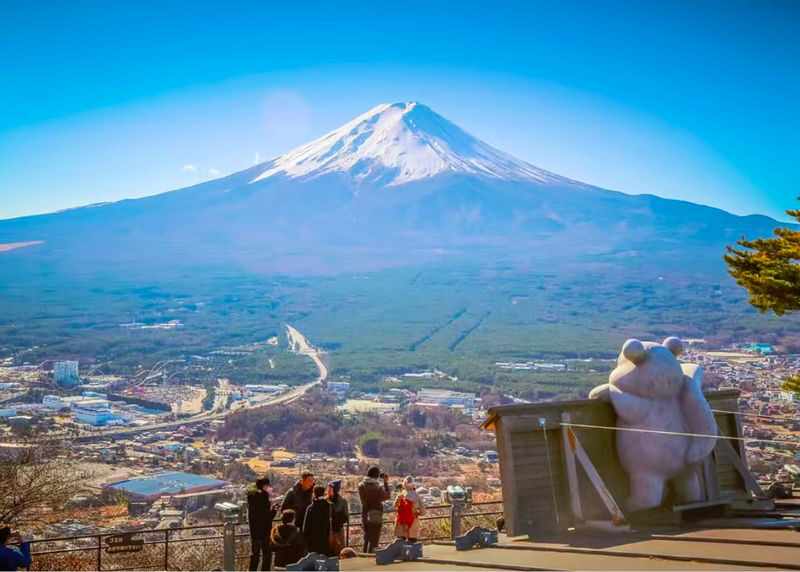
- Tenjo-san: Fuji and lake from above
- Arakurayama Sengen Park and Chureito Pagoda
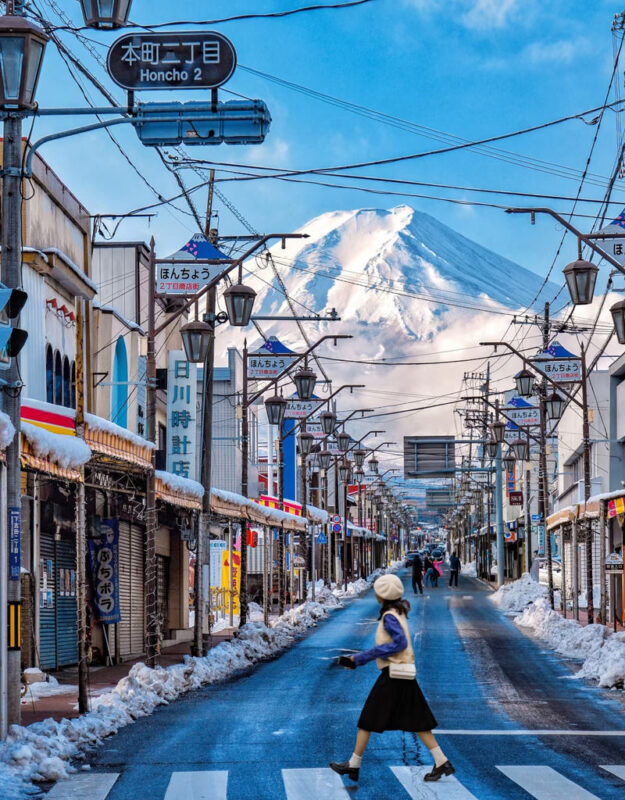
- Hikawa Clock Shop: a street aimed at Fuji
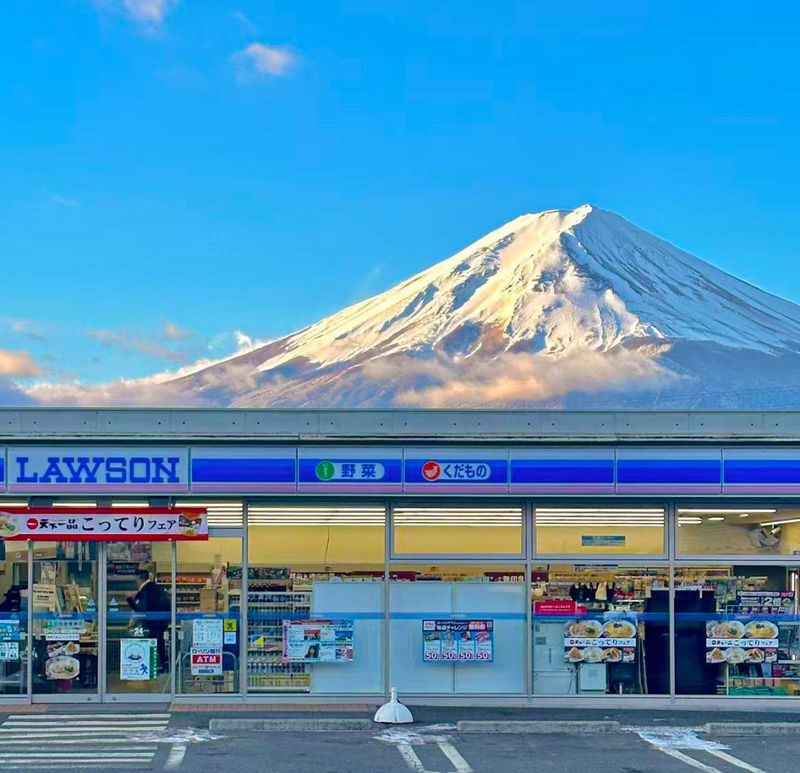
- Lawson: the familiar store in an unusual frame
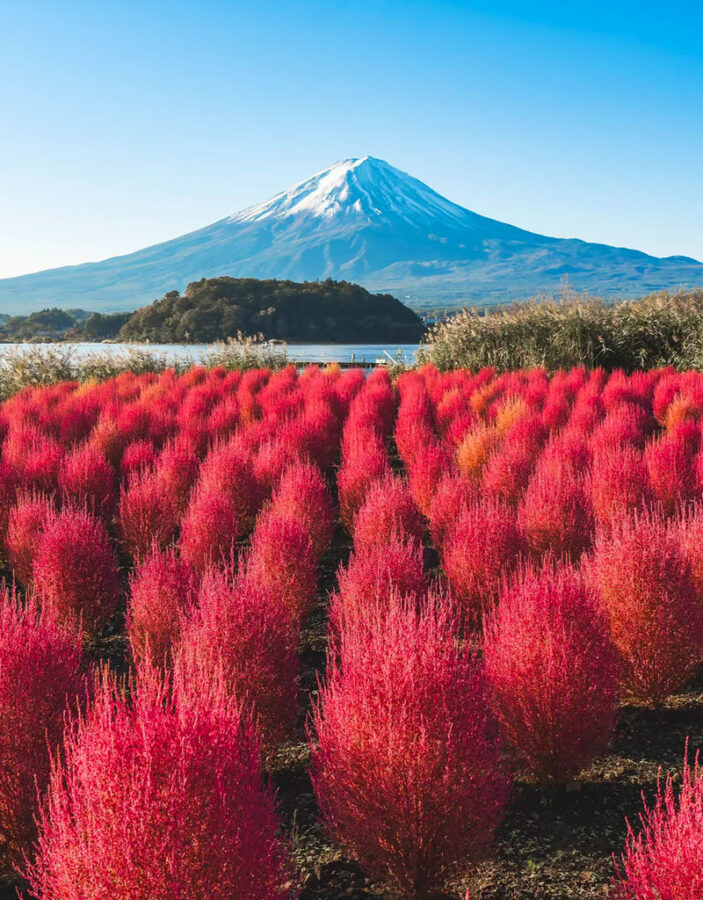
- Oishi Park and the flowers of the season
- What the guide and transport add
- Who will get the most from this day
- Should you book it?
- FAQ
- Where does the tour depart from?
- Is the Tenjo-san ropeway ticket included?
- Is lunch included?
- How long is the tour?
- Does the tour always visit Oishi Park?
- What happens if I arrive late?
- The Best Of Fuji!
- More Tickets in Fuji
- More Tours in Fuji
- More Tour Reviews in Fuji
At a glance
 1 / 9
 2 / 9
 3 / 9
 4 / 9
 5 / 9
 6 / 9
 7 / 9
 8 / 9
 9 / 9
- Tenjo-san by ropeway: The ticket is included, weather and operating conditions permitting. From the summit, you can see Mount Fuji and Lake Kawaguchi together.
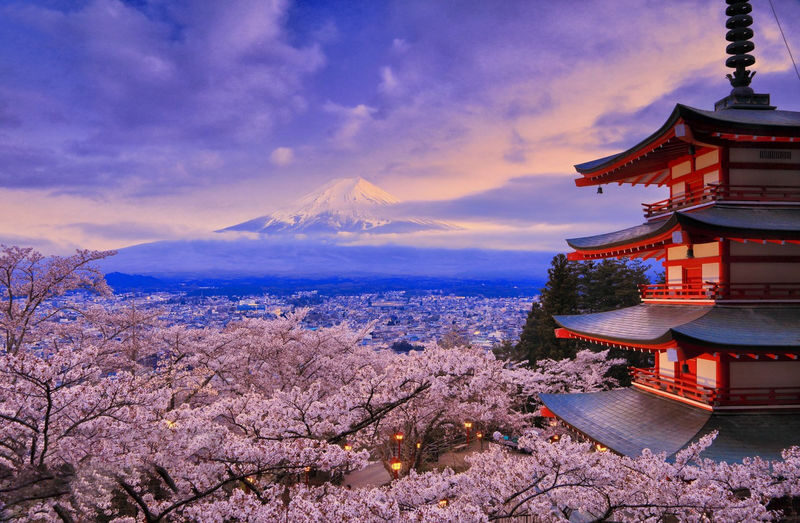
- Chureito Pagoda: Arakurayama Sengen Park is the classic red-pagoda-and-Fuji viewpoint, with a 90-minute stop that also has to cover lunch.
- Two quick street scenes: Hikawa Clock Shop and the Lawson store each get about 20 minutes, enough for a photo stop but not a leisurely wander.
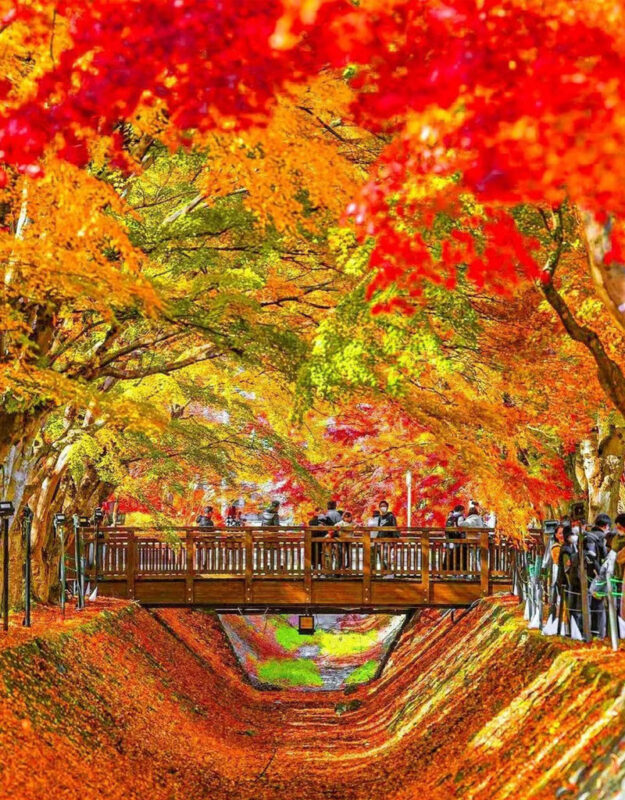
- Seasonal scenery: Oishi Park’s flowers change through the year. At some times, the route substitutes a cherry blossom festival or the Maple Corridor.
- Tokyo transport included: Round-trip transfers, tolls, parking and fuel are covered in the starting price of $49.29, though the price can change.
- A tightly timed shared tour: The day runs roughly 07:20 to 18:00, with traffic and weather able to affect the schedule.

👉 See our pick of the 4 Best Hiking And Trekking Tours In Fuji
A long day that puts the views first
This is a practical way to see several well-known Mount Fuji photo spots in one outing from Tokyo. You meet at either Tokyo Station or Shinjuku West Exit, then travel by shared vehicle to the Lake Kawaguchi area. The route connects places that would take more planning to link independently, especially if you do not want to navigate regional transport between each stop.
The trade-off is built into the format. You follow a group schedule, and time at each stop is fixed. That suits you if the aim is to see a range of views and come home with photos. If you want a long lunch, a slow walk through a park or time to explore local streets, this will feel brisk.
The advertised starting price is $49.29. It includes the transfers, fuel, tolls, parking and Tenjo-san ropeway ticket, so the value comes from combining transport between five sites with a ticketed experience. Meals, drinks, personal expenses and tips are extra. Prices can vary by date or package, so check the total at booking.
You can also read our reviews of more tours and experiences in Fuji
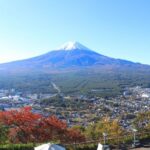
Tenjo-san: Fuji and lake from above
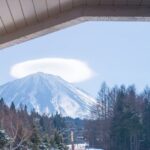
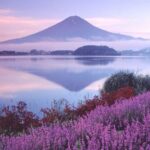
The first planned stop is Tenjo-san Park, reached by ropeway from the Lake Kawaguchi area. The ride takes you to a high viewpoint where the lake and Mount Fuji can share the frame. It is a useful opening stop: you get a broad sense of the region before the day moves on to smaller, more tightly composed views.
The stop is scheduled for about 90 minutes, giving time for the ropeway and lookout. The ticket is included, which makes the stop simpler than buying one on arrival. Still, the ropeway is not guaranteed to operate. If it closes, the operator says the tour may substitute a Tenjo-san boat cruise or refund ¥600 per person. The attraction schedule also notes specific closures from May 11 to July 15, 2026, and December 7 to 18, 2026. Confirm the arrangement for your date rather than assuming the cable car will run.
Weather is the bigger variable. Clouds can hide Fuji, and rain can dull the view from the summit. You can still enjoy the lake setting, but the signature panorama depends on conditions you cannot control. Pack a light layer and keep your expectations flexible.
Arakurayama Sengen Park and Chureito Pagoda
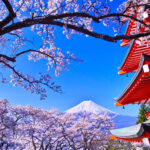
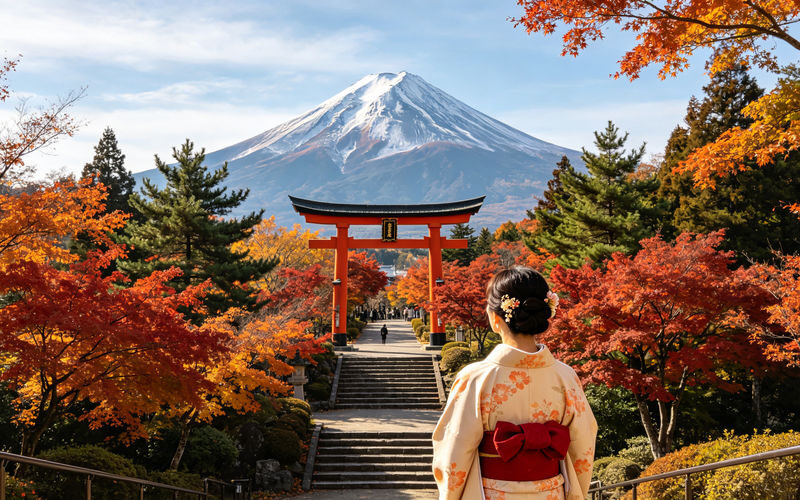
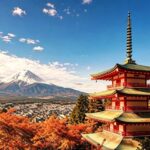
At around 11:45, the group reaches Arakurayama Sengen Park for a 90-minute stop. The park’s best-known scene pairs Chureito Pagoda’s red structure with Mount Fuji in the distance. It is an instantly recognisable composition, and the guide may help you find a good position for photographs.
There is a practical catch: the stop is meant to cover sightseeing and lunch. The pagoda viewpoint involves walking within the park, and the available time can feel tight if you want to take your time, eat and see more than the central photo spot. The tour guide may recommend a restaurant, but you are not required to eat there. You can also bring food or buy a convenience-store bento.
Lunch is not included, and arrangements may shift with traffic or the group’s needs. On some days, the meal period can be shortened or cancelled if most of the group does not need it. If you have dietary requirements, tell the operator ahead of time and be prepared with a backup snack. A few tour guests have found halal, vegetarian or special meal options, but these should be confirmed for your departure rather than assumed.
Hikawa Clock Shop: a street aimed at Fuji
The Hikawa Clock Shop stop is scheduled for about 13:30 and lasts around 20 minutes. The appeal is the street view: a straight town road framed with Mount Fuji beyond it. It gives you a different sort of picture from the elevated park, with the mountain appearing at the end of an ordinary Japanese street.
This is a quick photo stop, not a chance to browse a neighbourhood. The walk from the bus and the positioning of the group can use up a share of the allotted time. If you want a particular shot, follow the guide’s instructions and be ready to move when the group is called. The tour’s aim here is a memorable frame, not a long visit to the shop.
Lawson: the familiar store in an unusual frame
The Lawson Fujikawaguchiko Town Hall stop comes next, with about 20 minutes on site. A familiar convenience store looks quite different with Fuji rising behind it, which explains why this location has become a popular photo point. It is an easy contrast to the pagoda and park views, and a reminder that the day is built around varied compositions.
Treat it as a brief stop rather than a shopping break. You may need to wait for a clear angle or follow the guide’s directions to keep the group on schedule. The mountain can also disappear behind cloud, so this is another place where timing and weather matter more than any guarantee of a perfect picture.
You can also read our reviews of more shopping tours in Fuji
Oishi Park and the flowers of the season
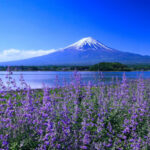
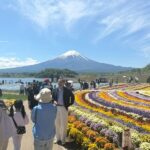
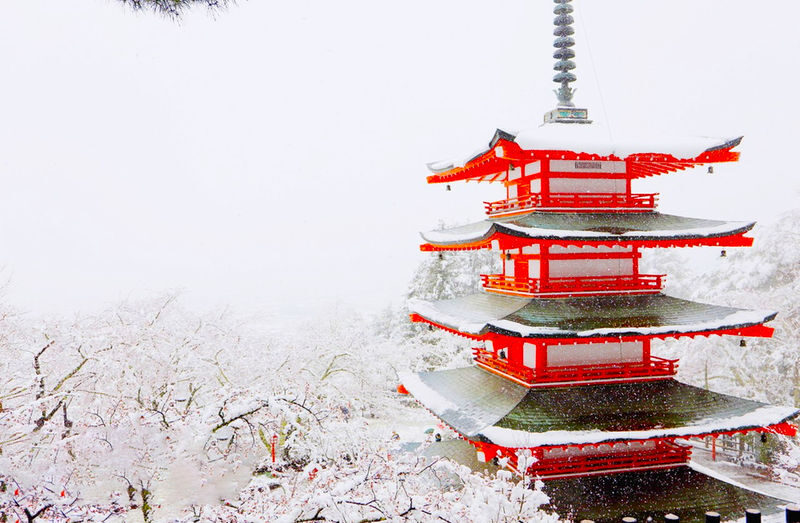
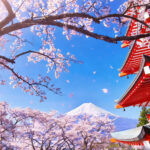
The final major sightseeing stop is Oishi Park, scheduled for about 14:50 for roughly 40 minutes. Set beside Lake Kawaguchi, it is known for its seasonal planting and views toward Fuji. Spring cherry blossoms, summer flowers, autumn leaves and winter snow give the area a different character across the year. The precise flowers and colours depend on the season and local conditions, so promotional images should be treated as examples rather than a promise.
This is the stop where you can pair flowers, lake and mountain in one view. Forty minutes gives you time to look around and take photos, but not to linger at every flower bed. The route can also change during peak seasons: from March 28 to April 12, the tour may visit the Kawaguchiko Cherry Blossom Festival instead of Oishi Park; from October 20 to November 23, it may go to the Maple Corridor instead. Dates are estimates, and natural bloom times vary.
The tour then heads back to Tokyo, with a planned return around 18:00. Traffic can make the journey much longer, particularly on weekends, holidays and Japanese public holidays. Keep your evening plans loose. A timed dinner reservation or a show soon after the scheduled return is a gamble.
What the guide and transport add
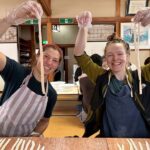
The main convenience is not just the ride from Tokyo. It is having transport between the five stops and a guide who can explain where to meet, how long you have and where to stand for photos. Several guides, including Aoki, Yuri and Ariel, have been named on recent departures. Visitors have especially valued clear instructions, friendly help and assistance with camera angles. The actual guide changes, so book for the route rather than a specific person.
The tour is described as offering Chinese and English guidance, but the vehicle arrangement depends on the number of people. For groups of fewer than 12, the operator may send a vehicle with fewer than 14 seats and a driver only. Larger groups are assigned a driver and guide. That distinction matters if you are counting on spoken explanations throughout the day. Contact the operator if guide support is essential to your plans.
Vehicles are shared, and the group needs to keep to the agreed stop times. The stated policy allows a maximum five-minute wait for late arrivals before the vehicle continues. Arrive at least 10 minutes early, and check the day-before email for the final meeting time, vehicle details and guide contact. The meeting time depends on your selected departure: the Tokyo Station group meets at 07:20 and leaves at 07:30, while the Shinjuku group meets at 07:50 and leaves at 08:00.
Who will get the most from this day
I’d choose this tour if you are based in Tokyo, want to see several famous Fuji viewpoints in one day and prefer someone else to handle the transfers. It is especially useful for a first visit to the Kawaguchi area, when figuring out how to connect the ropeway, parks and photo stops could take time away from sightseeing.
It also suits you if photography is a priority. Guides may help with framing, and the route offers several distinct backgrounds rather than repeating the same view. The stops are short, though, so bring a phone or camera ready to use and avoid expecting a relaxed photography session at every location.
I would look elsewhere if your idea of a good day is wandering at your own pace. This is a fixed carpool route, not a private tour. Lunch is not included, time at the parks is limited and traffic can force changes to the schedule. Some stops may be shortened or skipped because of weather, crowds, capacity or delays. A clear Fuji view is never guaranteed.
The listed participation rules also deserve a glance before booking. Children aged two and older pay the adult rate. Children under two may ride free only if they do not need a separate seat, and the operator asks families to notify them in advance. Participation is prohibited for people with certain conditions, including high blood pressure, heart disease, acrophobia, asthma or epilepsy, and for pregnant people. The tour does not include travel or personal accident insurance.
Should you book it?
Book this if you want five recognised Fuji-area photo stops in one organised day, and you are comfortable with a firm schedule and weather-dependent views. The ropeway ticket and transport make the starting price appealing, especially when you value convenience over planning each transfer yourself.
Skip it if you want long visits, a guaranteed ropeway ride or a slow lunch. For the best chance of enjoying the day, choose a date with flexible evening plans, check the ropeway status and seasonal route changes, bring food or snacks, and arrive early. That small preparation can make a packed itinerary feel manageable.
Classic Fuji Flower Viewing Route | Tenjosan Park & Arakurayama Sengen Park & Nichikawa Clock Shop & Lawson Convenience Store & Oishi Park (including cable car ticket)
“I was on this tour group with Serina and she was a great and lovely guide. She made sure to look out for my mum and I and was super friendly to all…”
FAQ
Where does the tour depart from?
You can choose a meeting point at Tokyo Station’s Marunouchi North Exit or at the entrance of Mitsui Sumitomo Bank at Shinjuku West Exit. The departure time depends on your chosen meeting point.
Is the Tenjo-san ropeway ticket included?
Yes. The package includes the ropeway ticket. If the ropeway is closed, the operator may substitute a Tenjo-san boat cruise or refund ¥600 per person.
Is lunch included?
No. Meals and drinks are not included. You can bring food, buy a bento or choose a restaurant recommended by the guide. Lunch arrangements and timing may change with the day’s schedule.
How long is the tour?
The tour is listed as 10.5 hours, with a planned Tokyo return around 18:00. Traffic or weather can delay the return and may shorten or change some stops.
Does the tour always visit Oishi Park?
No. On some dates, the route may visit the Kawaguchiko Cherry Blossom Festival instead of Oishi Park, or the Maple Corridor instead. The listed seasonal date ranges are estimates, and flowers and foliage depend on local conditions.
What happens if I arrive late?
Arrive at least 10 minutes before your meeting time. The tour has a fixed schedule, and the guide may wait no more than five minutes after the agreed time. Late arrivals and no-shows are not eligible for a refund.