Nikko packs a striking change of scene into one long day: carved shrine halls beneath old cedars, a mountain road with 48 tight bends, and a lake and waterfall formed by volcanic forces. I like this tour for pairing Toshogu’s intricate Edo-era craftsmanship with the open-air views around Lake Chuzenji and Kegon Falls, and for taking the drive off your hands.
The second thing I like is the guide-led ride from Tokyo, with English- or Chinese-language service and historical context along the way. One caution: this is a packed schedule, and traffic or weather can shorten stops, so it suits you better if you value seeing several highlights over lingering at each one.
- At a glance
- Toshogu: carvings in a cedar grove
- Iroha’s 48 bends, seen from the vehicle
- Lake Chuzenji: mountain water and a short visit
- Kegon Falls: the big sound at the end of the route
- What the Tokyo day looks like
- Guides, languages and group rhythm
- Is .75 good value?
- Practical details before you book
- Should you book this Nikko day tour?
- FAQ
- How long is the Nikko day tour?
- Where is the meeting point?
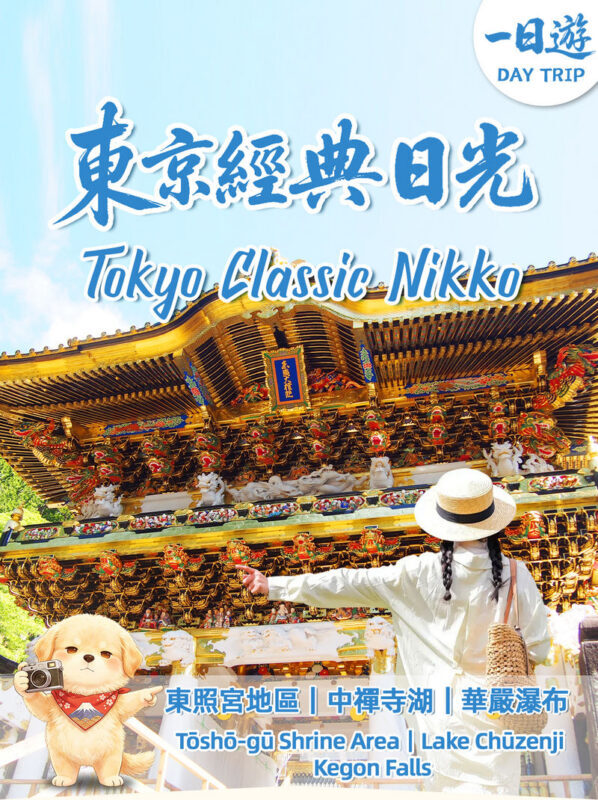
- Which stops are included?
- Can I get out and walk along Iroha Mountain Road?
- Are Toshogu Shrine admission and the Kegon Falls elevator included?
- Are meals included?
- What languages are available?
- Can I bring luggage?
- What is the cancellation policy?
- The Best Of Nikko!
- More Tours in Nikko
- More Tour Reviews in Nikko
At a glance
 1 / 9
 2 / 9
 3 / 9
 4 / 9
 5 / 9
 6 / 9
 7 / 9
 8 / 9
 9 / 9
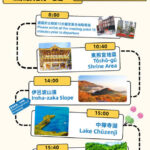
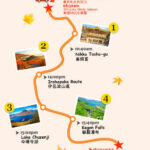
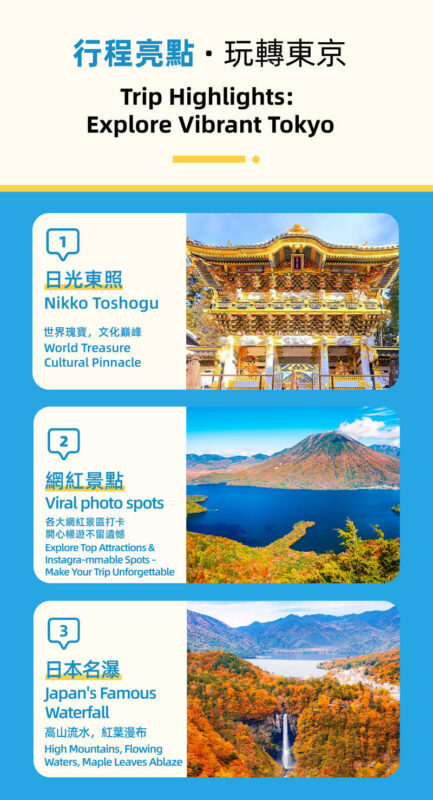
- Toshogu Shrine: See the famous Three Wise Monkeys and Sleeping Cat amid richly carved buildings and towering cedars.
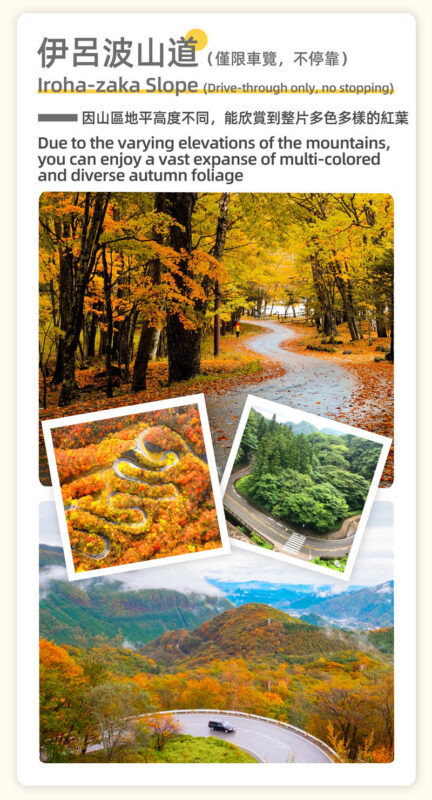
- Iroha Mountain Road: Take in the 48 hairpin bends from the vehicle. There is no stop to get out and explore.
- Lake Chuzenji: Allow about 30 minutes at Japan’s highest volcanic lake, with Mt. Nantai as a scenic backdrop.
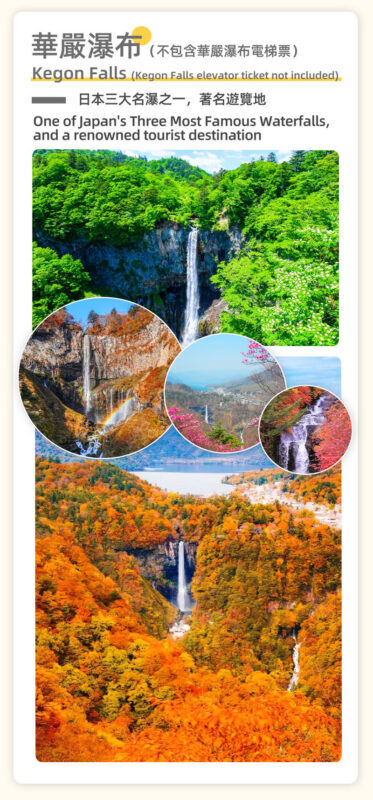
- Kegon Falls: Expect about 50 minutes at the falls. The elevator down to the lower viewing area costs extra.
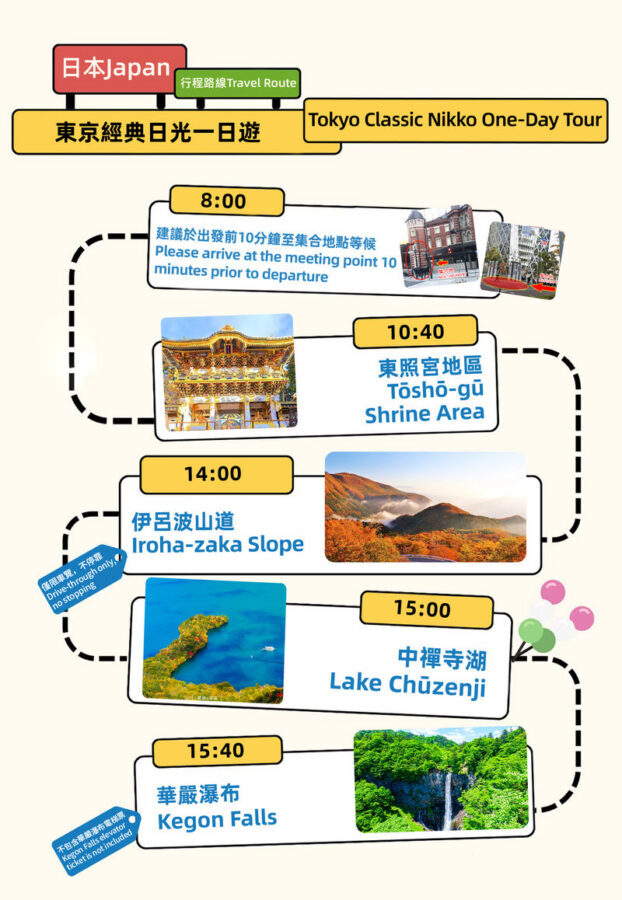
- Tokyo round trip: Plan on roughly 10.5 hours, with a group that may range from a small vehicle to a large bus.

👉 See our pick of the Which Nikko Walking Tours To Choose? Our Best 3 Picks
Toshogu: carvings in a cedar grove
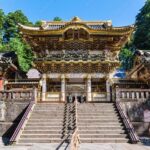
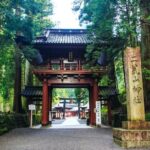
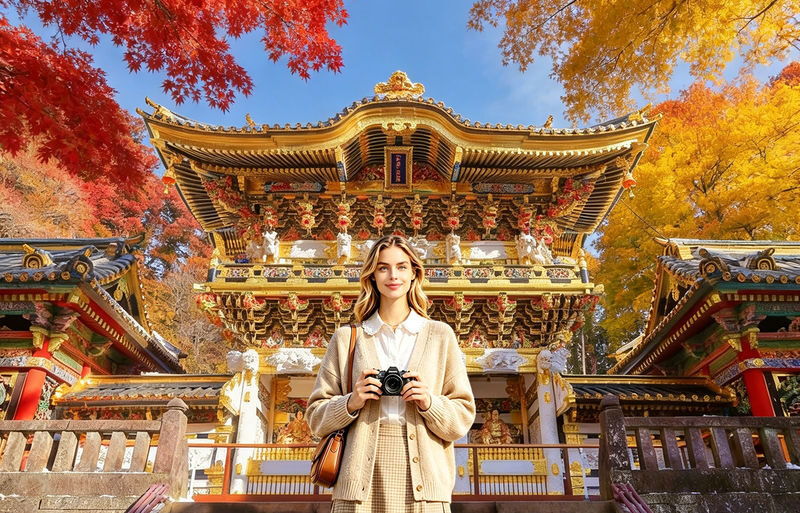
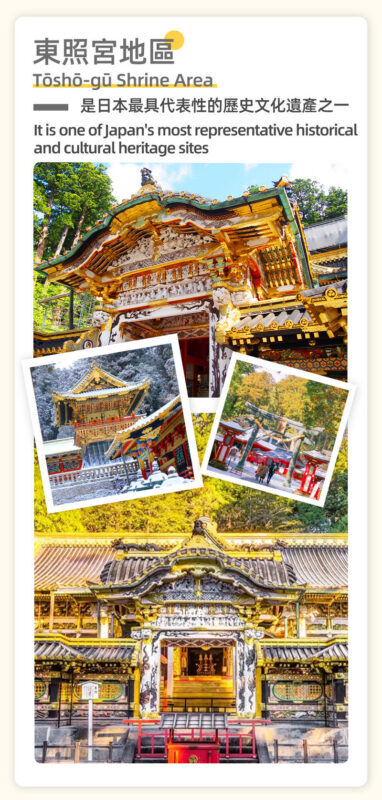
Toshogu is the day’s cultural anchor, and it deserves more than a quick photo stop. The shrine complex honors Tokugawa Ieyasu, the founder of the Tokugawa shogunate, and is a World Cultural Heritage site. Its famous carvings include the Three Wise Monkeys and the Sleeping Cat, alongside Chinese sages and mythical beasts.
The artistry is part of the point. Look closely at the carved details, then step back and notice how the vermilion buildings sit among old cedars. The setting has a solemn feel, but the ornate work rewards curiosity: you can turn a visit into a search for details rather than simply walking past one hall after another.
The planned stop is listed as three hours, which gives you more time here than at the lake or waterfall. That can suit you if shrine architecture is a priority, especially if you want time to explore the grounds at your own pace. On the other hand, if traffic eats into the day or you would rather spend longer outdoors, the balance may feel shrine-heavy.
Admission is not included. Bring cash for expenses at the sights, and budget separately for entry. The exact amount is not provided here, so check the current ticket price before you go. If you buy an electronic ticket, save a screenshot in advance: mobile reception may be weak at the shrine.
You can also read our reviews of more tours and experiences in Nikko.


Iroha’s 48 bends, seen from the vehicle
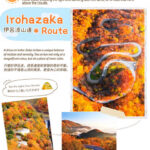
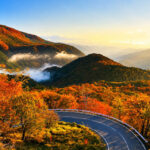
The route between Nikko’s lower and higher areas climbs the Iroha Mountain Road, named for its 48 hairpin bends and their link to the 48 characters of the traditional Japanese syllabary. In autumn, the slopes are known for red and gold foliage. The road itself is part of the experience, even though you remain in the vehicle.
That distinction matters. This is a scenic drive, not a viewpoint stop: you cannot get out to take photos or walk among the trees. If you are prone to motion sickness, a long series of tight turns may be less fun than the views suggest. Consider bringing any usual remedies and choosing a seat that works for you.
Autumn color is never guaranteed on a set date. The timing shifts with the weather, and the tour runs even if the leaves have not turned. Treat fall foliage as a possible bonus, not the sole reason to book.
Lake Chuzenji: mountain water and a short visit
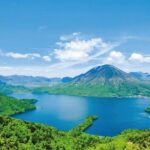
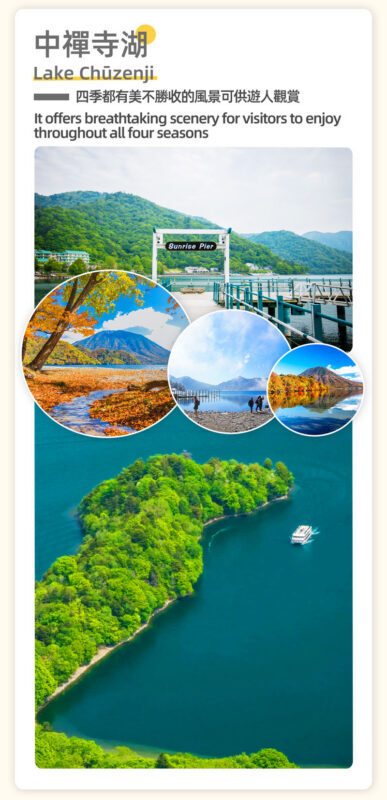
Lake Chuzenji is a volcanic lake at high elevation, with Mt. Nantai rising nearby. The season changes the view: spring azaleas, summer greenery, autumn color and winter snow are all part of the appeal. On a clear day, you may see the mountain reflected in the water; mist can make the shoreline feel much more subdued.
The planned stop is about 30 minutes, so think of this as a brief chance to take in the lake rather than a lakeside outing. You can stretch your legs, look for a good view and take photographs, but there is little room for an unhurried walk or a meal. If the weather is foggy, the mountain may be hidden. A beautiful place can still be a quiet, low-visibility stop.
Local legend says an ancient shrine lies beneath the lake. The story adds a layer of folklore to the scenery, though the practical appeal is simpler: a calm pause between the shrine and the waterfall, with a welcome change from the vehicle.
Kegon Falls: the big sound at the end of the route
Kegon Falls is among Japan’s three celebrated waterfalls. Water from Lake Chuzenji drops over a cliff of about 100 meters, creating the kind of view you can hear before you have taken it in. Sunlight may catch the spray, but a rainbow depends on conditions, not the schedule.
You have about 50 minutes at the falls. That is enough for a look and some photographs, but it can feel short if you want to use the elevator, see the lower viewpoint and eat. The elevator ticket is not included, so decide whether that extra perspective is worth the additional cost and time. Bring a little cash for purchases in the sightseeing area.
The waterfall has a different character in winter, when cold conditions can freeze parts of it into ice pillars. The tour information also describes blue illumination at night, but this is a daytime trip with a return to Tokyo planned for early evening. Do not book expecting to see the falls lit after dark.
What the Tokyo day looks like
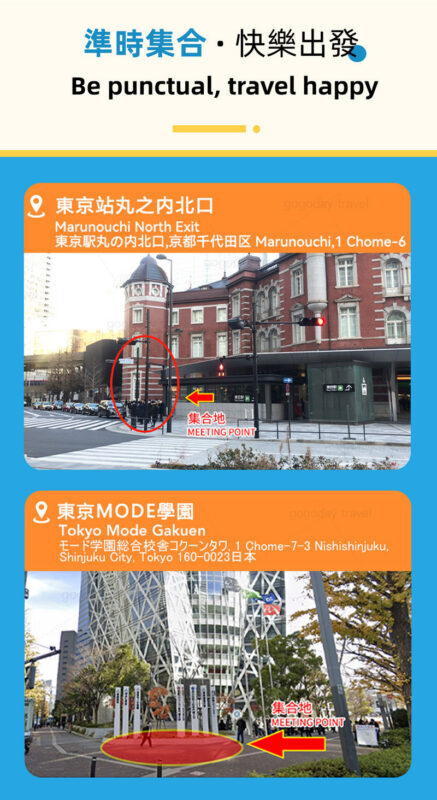
The tour is listed at about 10.5 hours, with departure around 8:00 or 8:30 and a planned return near 18:30. Exact departure information matters: the meeting details include JR Tokyo Station’s Marunouchi North Exit and Tokyo Mode Gakuen, so check the confirmation email carefully rather than guessing which spot is yours. Arrive at least 10 minutes early. Late arrivals and no-shows are not refunded.
The long drive is the trade-off for reaching Nikko’s mountain sights in one day. You avoid arranging separate transport between the stops, and tolls, parking and fuel are included. The driver-guide’s main job is driving, with commentary as a secondary role; in larger groups, a separate guide may join the driver.
Group size and vehicle type vary with bookings. Small groups of roughly 4 to 13 may travel with a driver-guide, while larger groups use a driver and guide. Vehicles can range from a Toyota Alphard or Hiace to a small or large bus. You cannot choose the vehicle, and a group of up to 49 means the experience may feel quite different from a small-group outing.
The published order places Toshogu first, followed by the mountain road, lake and waterfall. In practice, traffic, weather and crowd levels can lead the guide to change the order or shorten a stop. There are reports of days when the schedule ran smoothly, as well as a serious delay after a vehicle accident. That is an unusual but useful reminder: a shared road trip is vulnerable to road conditions, and the return time is an estimate rather than a promise.
Avoid booking a tight evening connection, dinner reservation or other fixed plan in Tokyo. The operator advises against arranging activities after the tour, because traffic or weather may delay the return. If you have another commitment, give yourself a generous buffer.
Guides, languages and group rhythm
The tour provides English- or Chinese-speaking service. Guide assignments vary, but names used on recent departures include Yuma, Dale, Ko, Alex and Liu. Their role can make a real difference: a good guide connects the shrine’s carvings and the mountain scenery to the history of the area, while keeping a mixed-language group on schedule.
Some guides have offered explanations in more than one language, and several have helped with practical matters such as food suggestions and photo spots. Still, multilingual service may vary by departure. If you have a particular language need, confirm it when booking rather than assuming every guide will speak every language.
The group format asks you to keep to the agreed meeting times. At each stop, listen carefully for the return time and where the vehicle will be waiting. A few minutes late can affect everyone, and the vehicle will not wait for late arrivals at a stop. This is not a flexible hop-on, hop-off day.
Is $53.75 good value?
At a starting price of $53.75, the tour can be good value if you want a guided Tokyo-to-Nikko day without piecing together transport between several sights. The price includes round-trip transfers from the meeting point, tolls, parking and fuel, plus an English- or Chinese-speaking guide. Those inclusions make budgeting easier, though the base price is not the full cost of the day.
You still pay separately for Toshogu admission and the Kegon Falls elevator if you choose to use it. Meals, drinks, personal spending, accommodation, tips and insurance are also excluded. Add those costs before comparing the tour with a self-planned visit. The tour’s value is not just the ride: it is the convenience of seeing the shrine, lake and falls in one day, with someone else handling the road.
The price is less attractive if you want long, independent visits or dislike fixed departure times. The lake stop is short, and the waterfall visit may leave limited time for both the elevator and a meal. You are paying for coverage and convenience, not a slow-paced stay at every location.
Practical details before you book
The meeting point and departure time are sent by email the evening before, along with the guide and vehicle details. Check your inbox and spam folder, and rely on the latest message if you receive more than one. The meeting point must be confirmed in advance; changing it at the last minute may mean you cannot board.
One piece of luggage per person is allowed at no charge, but you need to note it when booking. Extra pieces cost 2,000 yen each, payable to the driver or guide, and unannounced luggage may be refused if it does not fit safely. Children aged 0 to 2 travel free if they do not need a separate seat; children aged 3 and older pay the adult rate. Anyone aged 0 to 17 must be accompanied by a paying adult.
Free cancellation is available up to 24 hours before the activity date. If severe weather or another unforeseen event leads the operator to cancel, you can reschedule or request a full refund. Once you have taken part in an activity, visited an attraction or used a ticket, refunds are not available.
Should you book this Nikko day tour?
Book it if you want to see Nikko’s main cultural and natural sights in one day, prefer organized transport from Tokyo and are comfortable with a full schedule. It is especially useful if arranging the mountain transfers yourself feels like more work than you want on holiday.
Think twice if you want to linger, hike, eat a leisurely lunch or control the order of your day. Traffic can change the plan, the lake stop is brief, and the Iroha bends are viewed from the vehicle. If those compromises sound fair for a shrine, mountain road, lake and major waterfall in one outing, this is a practical way to get beyond Tokyo for the day.
Nikko Toshogu Shrine, Iroha Mountain Trail, Lake Chuzenji, and Kegon Falls Day Tour
“Nice tour. Dale, the guide was very pleasent, knowledgeable and cared for the group.”
FAQ
How long is the Nikko day tour?
The tour is listed as about 10.5 hours, with departure around 8:00 or 8:30 and a planned return near 18:30. Traffic and weather can change the actual timing.
Where is the meeting point?
The meeting details identify JR Tokyo Station’s Marunouchi North Exit and Tokyo Mode Gakuen. Check the confirmation email for the exact meeting point and departure time for your date.
Which stops are included?
The tour visits Nikko Toshogu Shrine, takes a drive along Iroha Mountain Road, stops at Lake Chuzenji and visits Kegon Falls.
Can I get out and walk along Iroha Mountain Road?
No. The Iroha Mountain Road portion is a drive from the vehicle, with no stop to get out.
Are Toshogu Shrine admission and the Kegon Falls elevator included?
No. Both tickets are excluded from the tour price. You pay separately if you want to enter Toshogu Shrine or use the waterfall elevator.
Are meals included?
No. Meals and beverages are not included. The tour information advises bringing cash for use at the sightseeing areas.
What languages are available?
The tour offers English- or Chinese-speaking guide service. The assigned guide and vehicle details are sent by email the evening before departure.
Can I bring luggage?
Each person can bring one piece of luggage free of charge, but you should note it when booking. Additional pieces cost 2,000 yen each, and unannounced luggage may be refused if it cannot be carried safely.
What is the cancellation policy?
You can receive a full refund if you cancel at least 24 hours before the activity date, using local time at the destination. If the operator cancels because of extreme weather or another unforeseen event, you can reschedule or request a full refund.