Nikko packs an extraordinary change of pace into a day from Tokyo: at Toshogu Shrine, bright carvings and old stone paths give way to mountain roads, a high-altitude lake and a 97-meter waterfall. The cultural stop is the star, but the mountain scenery makes the long ride worthwhile.
I like the balance between history and nature, and the ease of having transport and a guide arranged for you. Guides such as Yuma, Ko, Jeffrey and Liu Bin have been praised for clear explanations and practical help, though the person leading your trip will depend on the day.
The trade-off is time. Nikko is a full day away from Tokyo, and traffic can squeeze time at the sights. You also pay shrine admission separately, bring your own lunch money, and see Irohazaka from the vehicle rather than stopping to walk or take photos.
- Toshogu’s carved details reward a slow look: The main shrine stop is allotted about three hours, but there is plenty to notice.
- Futarasan Shrine adds a quieter note: Its simpler buildings sit among the forests beside the more ornate Toshogu complex.
- Irohazaka is a scenic ride, not a walking stop: Expect a series of sharp mountain curves and views from the vehicle.
- Lake Chuzenji and Kegon Falls share the same mountain setting: The lake gets about 30 minutes, while the waterfall stop gets about 50.
- The tour covers the long-distance logistics: Transfers, fuel, tolls, parking and a guide are included, while attraction tickets and meals are extra.
- From Tokyo to Nikko’s mountain country
- Toshogu Shrine: the day’s main event
- Futarasan Shrine: a calmer counterpoint
- Irohazaka: sharp turns and a famous road
- Lake Chuzenji: a short pause above the city
- Kegon Falls: power at the end of the lake
- What the price covers, and what it doesn’t
- Who should book this day trip?
- FAQ
- Where does the tour depart from?
- What time should I arrive at the meeting point?
- Is Toshogu Shrine admission included?
- Is lunch provided?
- Can I get out and walk along Irohazaka?
- What is included in the tour price?
- Can I bring luggage?
- The Best Of Nikko!
- More 1-Day Tours in Nikko
- More Tours in Nikko
- More Tour Reviews in Nikko
From Tokyo to Nikko’s mountain country
 1 / 8
 2 / 8
 3 / 8
 4 / 8
 5 / 8
 6 / 8
 7 / 8
 8 / 8
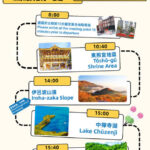
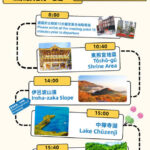
The day starts at either Tokyo Station’s Marunouchi North Exit at 8:00 a.m. or Shinjuku MODE Gakuen at 8:30 a.m. During the autumn period from October 15 to November 30, departures move an hour earlier. Be at your chosen meeting point at least 10 minutes before departure. This is a shared group trip, and late arrivals are not waited for.
The return is scheduled for about 6:30 p.m. at the same general meeting-point area. That makes this a long day, even before traffic enters the picture. Nikko sits well beyond the Tokyo city centre, so the advantage of a vehicle tour is simple: you can visit several sites without arranging the connections yourself.
The vehicle type depends on the number of people booked. It might be a business car, minibus or coach, and you cannot choose a specific type. Seats are assigned on a first-come basis, so note any seating requests when booking. If you are prone to motion sickness, the winding road is worth bearing in mind; one guide has been praised for accommodating a request for a front seat, but special seating is not guaranteed.
The tour includes an English-, Chinese- or Japanese-speaking guide, round-trip transfers, fuel, tolls and parking. The guide may speak to a multilingual group, so the amount and language of commentary can vary. One of the real benefits is having someone explain the sites and keep the day organized, especially when you have only a few hours to see Nikko.

👉 See our pick of the Which Nikko Walking Tours To Choose? Our Best 3 Picks
Toshogu Shrine: the day’s main event
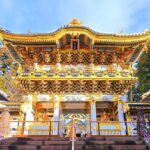
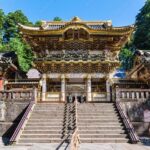
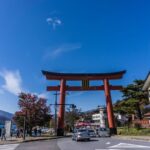
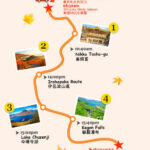
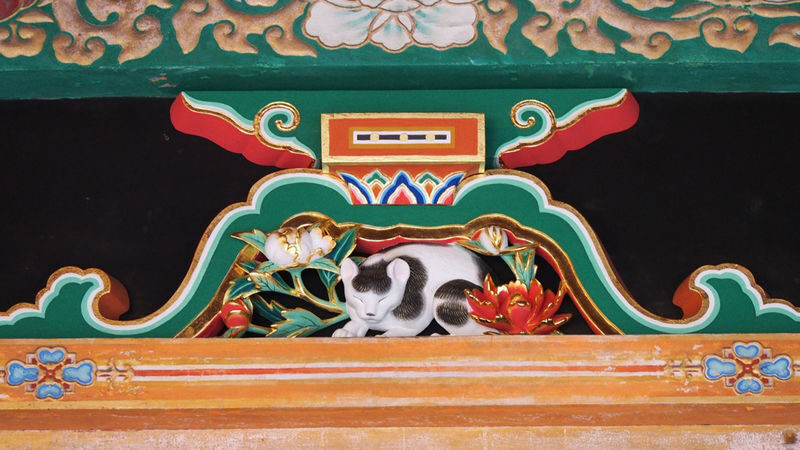
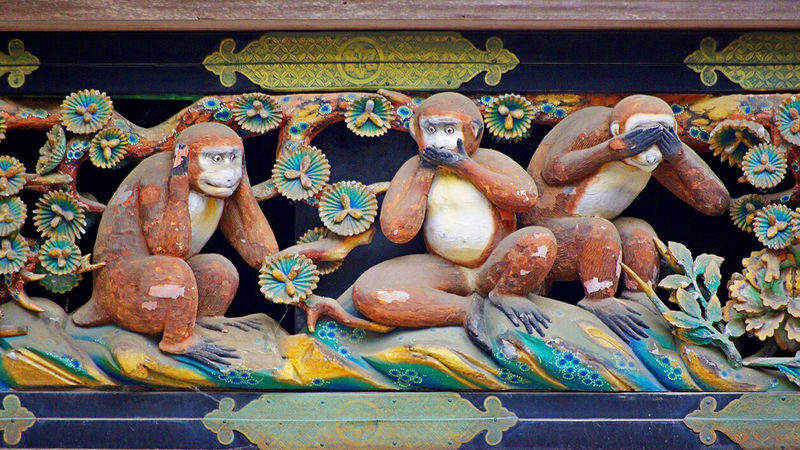
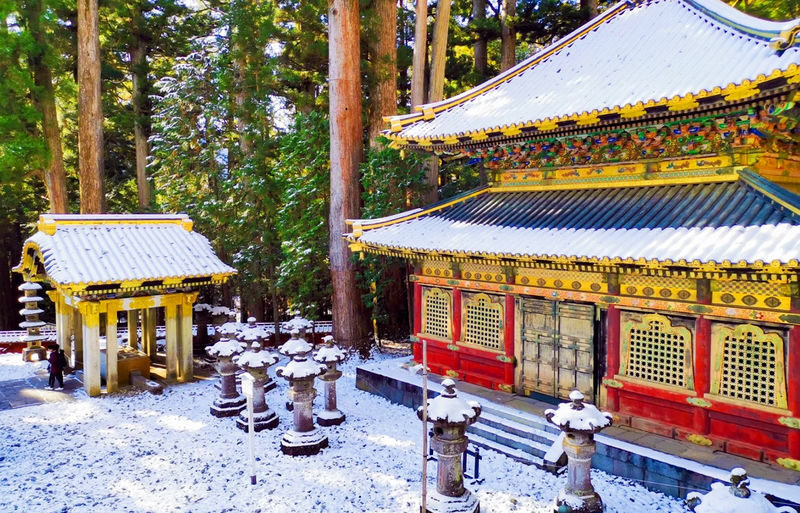
Toshogu Shrine is dedicated to Tokugawa Ieyasu, the founder of the Tokugawa shogunate. Its elaborate buildings and carvings are part of the UNESCO-listed Shrines and Temples of Nikko. The Three Wise Monkeys carving is among the details to look for, but don’t treat it as the only reason to visit. The complex is known for its intricate decoration, and it rewards a slow pace.
The tour sets aside about three hours for the shrine stop. That is generous compared with the shorter nature stops, but you may still wish you had more time, particularly if you like reading details, taking photographs or lingering over the architecture. A guide can give useful background and point out things you might otherwise pass, then you can explore independently within the time allowed.
Entry is not included. Adults pay 1,600 yen, and junior high and elementary school students pay 550 yen. Bring cash, as extra spending on food and small purchases can add up during a full day. There is no included lunch, so plan to buy something at one of the attractions or bring food of your own.
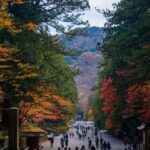
Toshogu is at its most atmospheric when autumn leaves frame the buildings. Early to mid-November is often the prime foliage period, but the timing shifts with the weather each year. Fall also draws crowds, and traffic can be heavy, so a beautiful season may come with a less relaxed pace. If seeing autumn color is the main reason you are booking, treat it as a possibility rather than a promise.
You can also read our reviews of more tours and experiences in Nikko

Futarasan Shrine: a calmer counterpoint
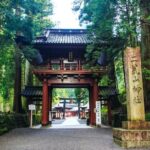
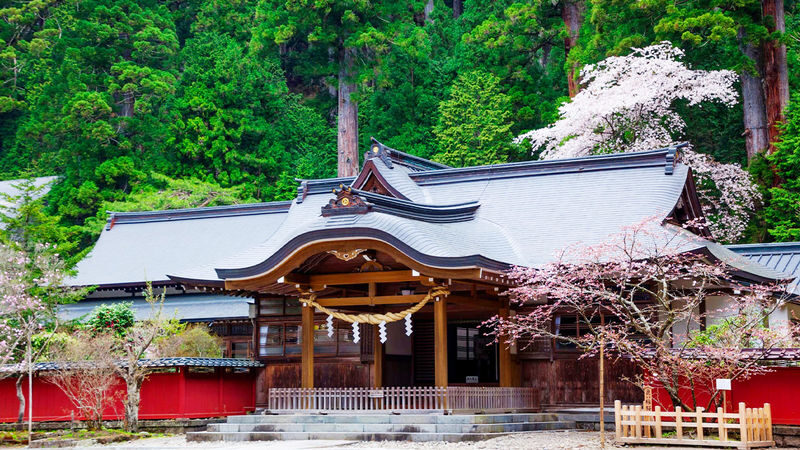
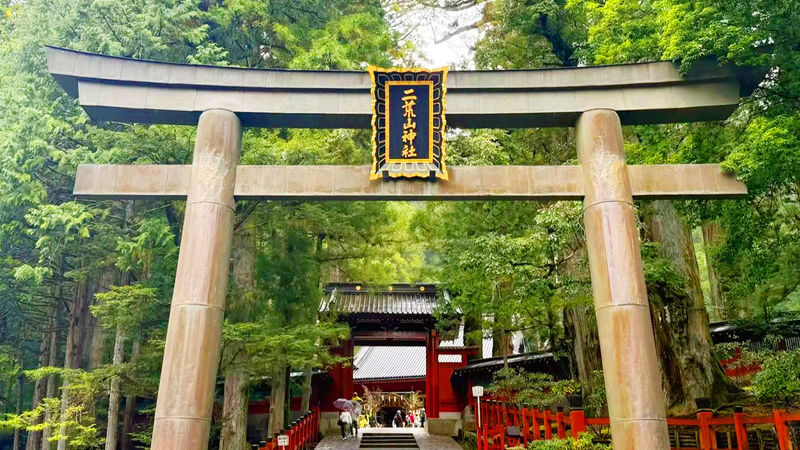
Futarasan Shrine belongs to the same World Heritage group as Toshogu and Rinnoji Temple. Its main shrine is less showy than Toshogu, with a more restrained style that sits naturally among the surrounding mountains and trees. The torii gate, worship hall and other buildings are designated important cultural properties.
That difference is part of the appeal. Toshogu draws the eye with carved ornament; Futarasan offers a quieter sense of place. The tour information includes it as part of the Nikko shrine area, though the named schedule does not give it a separate stop duration. If you have a particular interest in the shrine, ask your guide how the time is arranged on the day.
Irohazaka: sharp turns and a famous road
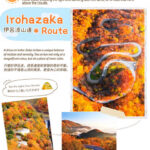
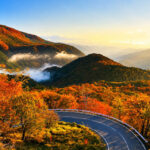
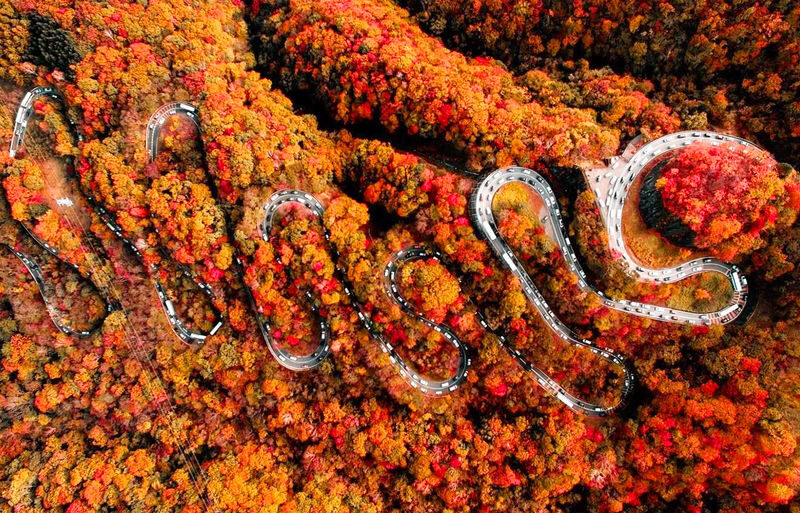
Irohazaka links the Nikko area with Lake Chuzenji and Oku-Nikko. Its uphill and downhill routes total about 15.8 kilometres, with 48 curves, many of them sharp turns. The road is famous among fans of Initial D, which used it as the setting for the Irohazaka Battle.
You view the road from the vehicle, with about 15 minutes allocated to this part of the route and no disembarking. That means you get the moving mountain scenery, not a roadside walk or a dedicated photo stop. The turns are the point, but they may not suit everyone; if you are sensitive to winding roads, consider bringing whatever helps you travel comfortably.
Autumn is a particularly striking time to see the route, when the hillsides change color. But the same foliage season can bring slow traffic. The road is a memorable link between the lowland shrine area and the high mountain lake, not a standalone attraction with time to explore on foot.
Lake Chuzenji: a short pause above the city
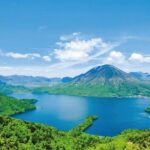
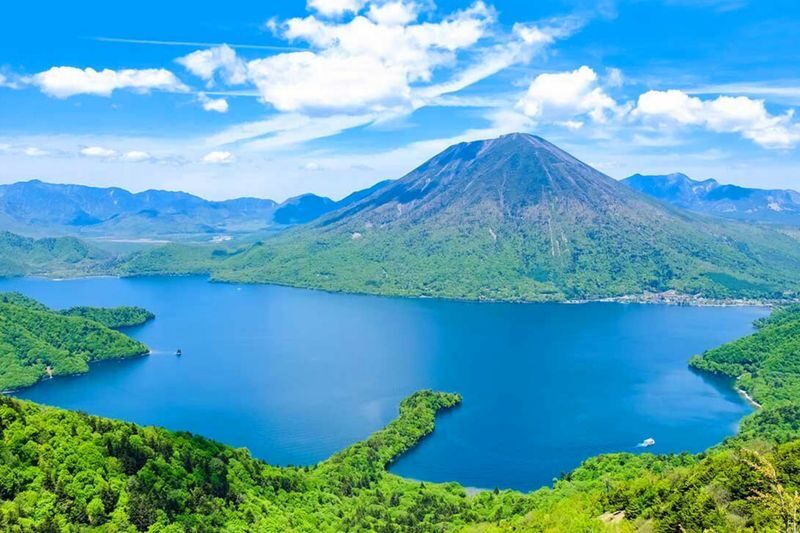
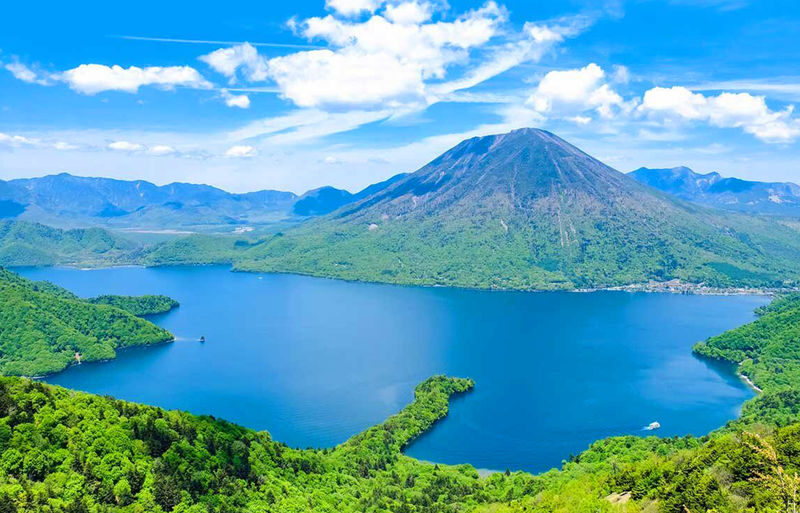
Lake Chuzenji formed when volcanic activity at Mount Nantai blocked a river roughly 20,000 years ago. At an elevation of 1,269 metres, it is one of Japan’s high-altitude natural lakes. Mount Nantai rises on its north shore and is the most prominent feature in the lakeside view.
The tour allows about 30 minutes here. That is enough for a short stroll and a look at the mountain-and-water setting, but not a full circuit of the winding shoreline or an extended lakeside visit. If you want to sit by the water for an hour, this group schedule is not designed for that.
The lake changes with the seasons. Spring brings cherry blossoms, autumn brings foliage, and winter is associated with ice festivals and activities such as skiing and skating. Weather matters: clouds or rain can obscure Mount Nantai, and a clear view is never assured. A guide may help you find a good place to stop, but the schedule keeps this visit brief.
Kegon Falls: power at the end of the lake
Kegon Falls is the outlet of Lake Chuzenji. Water drops down a rock face about 97 metres high, making this one of Japan’s best-known waterfalls. The falls have been designated a national scenic beauty and are recognized among Japan’s three major waterfalls.
The stop lasts about 50 minutes. You can see the falls, take photographs and decide whether to buy an elevator ticket for a closer view. The elevator is not included, and its price is not stated in the tour details, so bring extra cash if you want that option. The waterfall is impressive in scale, though your response will depend on water flow, weather and what you most enjoy seeing. Some people find the shrine more compelling; others value the waterfall as the day’s dramatic nature stop.
Autumn leaves can color the surrounding slopes, while other seasons bring their own look. Rain, fog and cloud can affect both the view and the schedule. The operator may change the order of stops or shorten time at an attraction when traffic or weather requires it.


What the price covers, and what it doesn’t
The advertised price starts at $53.69. For that, the tour bundles transport from Tokyo, fuel, tolls, parking and a guide. That can be good value if you want to see the shrine, lake and falls in one day without organizing each leg yourself. It is also a practical option if you prefer a guide to supply historical context rather than relying on signs and your own research.
The base price does not cover Toshogu admission, the Kegon Falls elevator, meals, drinks or personal purchases. Add the 1,600-yen adult shrine ticket to your budget, plus lunch and any optional elevator ticket. Children aged 3 and older pay the adult rate for the tour; children aged 0 to 3 travel free only if they do not need a separate seat. Child seats are not available.
A shared vehicle keeps the price accessible, but it also means fixed departure times and limited flexibility. You cannot leave the group early or skip ahead to spend longer at one stop. A standard piece of luggage is allowed, but note it in your booking requirements in advance because vehicle space can be limited.
Who should book this day trip?
Book it if you want a guided introduction to Nikko and value convenience over a fully independent schedule. The mix is appealing: ornate religious architecture, a winding mountain road, a high-altitude lake and one of Japan’s famous waterfalls. For a first visit, having a guide and transport in place can make a distant day trip feel manageable.
It is also a sensible choice if you are comfortable sharing a vehicle and keeping to a schedule. Guides vary, but those who have led trips include Yuma, Ko, Jeffrey and Liu Bin. They have been praised for helpfulness, historical explanations and keeping the day on track. The guide is part of the value, but the language mix and style of commentary are not guaranteed.
Choose a different plan if you want long, unhurried time at Toshogu, a proper walk along Lake Chuzenji or a stop on Irohazaka. Independent transport may give you more control over your pace, while this trip trades that freedom for a straightforward route from Tokyo. Avoid pairing it with a tight evening commitment: traffic and weather can affect the return time.
Before departure, check your email for the guide and vehicle details, which are sent the evening before. Check spam folders too. The activity offers free cancellation up to 24 hours before the date, but late arrivals are not refunded. The operator may adjust the schedule for traffic, weather or closures, and seasonal foliage is never guaranteed.
Nikko Toshogu Shrine, Irohazaka Winding Road, Lake Chuzenji, and Kegon Falls Day Trip (From Tokyo)
“Jeffery was our tour guide. He was super kind and informative, ensured that the tour went smoothly. The itinerary was well planned. It was fantastic!”
FAQ
Where does the tour depart from?
You can choose Tokyo Station’s Marunouchi North Exit, with a regular departure at 8:00 a.m., or Shinjuku MODE Gakuen at 8:30 a.m. From October 15 to November 30, departures are one hour earlier.
What time should I arrive at the meeting point?
Arrive at least 10 minutes before your selected departure time. The group cannot wait for late arrivals, and late arrivals or no-shows are not refunded.
Is Toshogu Shrine admission included?
No. Adults pay 1,600 yen, and junior high and elementary school students pay 550 yen. The Kegon Falls elevator ticket is also extra.
Is lunch provided?
No. You need to arrange your own lunch. Dining places are available at the attractions, and you can also bring food.
Can I get out and walk along Irohazaka?
No. The road is viewed from the vehicle, and the tour does not include a disembarkation stop there.
What is included in the tour price?
The price includes a guide speaking English, Chinese or Japanese, round-trip transfers, tolls, parking and fuel. Attraction admission, the waterfall elevator, meals, drinks and personal expenses are not included.
Can I bring luggage?
Each person can bring one standard-sized piece of luggage. Mention it in the special requirements when booking, since vehicle space is limited.