Mount Fuji supplies the grand backdrop, but this tour’s appeal is in the contrasts: still lake water, clear spring pools, a Showa-era street and an everyday convenience store beneath the mountain. In one long day, you get a sampler of scenery and local life without arranging several separate bus or train connections.
I like the combination of Lake Yamanaka’s quieter views and Oshino Hakkai’s spring-fed ponds and snack stalls. I also like that transport, tolls and parking are covered, which makes a multi-stop day simpler to manage.
The trade-off is time. Most stops last 10 to 40 minutes, and the main park visit is an hour that includes a climb to the viewpoint. Traffic, crowds and weather can shorten or rearrange the route, so book this for a fast overview, not a relaxed day at the lakes.
- Lake Yamanaka opens the day with a calmer Fuji view: The closest of the Fuji Five Lakes offers a chance to see the mountain reflected on the water.
- Oshino Hakkai is the best stop for a pause and a taste: Eight clear springs and local snacks give you more than a photo backdrop.
- The Lawson and Hikawa Clock Shop are quick photo stops: Expect a short visit at each, not time for extended browsing.
- Arakurayama Sengen Park brings the classic pagoda view: You have an hour, but reaching the observation deck means walking uphill and climbing steps.
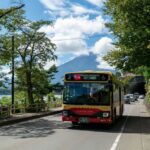
- The tour is a shared ride, not a private outing: Small departures may have a driver only, while larger groups receive a driver and guide.
- Treat the return time as an estimate: Weekend traffic can cause major delays, so leave your evening plans flexible.
- Seven stops, one long day beneath Fuji
- Lake Yamanaka: a quieter first look
- Oshino Hakkai: spring water and snack stalls
- Lawson: a modern Fuji photo in 20 minutes
- Oishi Park: a lakeside view with seasonal color
- Hikawa Clock Shop: a street framed by Fuji
- The shrine stable: a short stop with a small cultural detail
- Arakurayama Sengen Park: the classic pagoda frame
- Price, transport and the real value
- Who should book this Fuji day trip?
- FAQ
- Where does the tour depart from?
- When does the tour return to Tokyo?
- Is a guide included?
- Are meals included?
- How long is the lunch stop?
- Can the stops change?
- Is the Lawson photo stop included?
- Does the tour visit Oishi Park all year?
- Is the Arakurayama viewpoint easy to reach?
- Are children allowed, and do they need a ticket?
- The Best Of Fuji!
- More Shopping Tours in Fuji
- More Tours in Fuji
- More Tour Reviews in Fuji
Seven stops, one long day beneath Fuji
 1 / 10
 2 / 10
 3 / 10
 4 / 10
 5 / 10
 6 / 10
 7 / 10
 8 / 10
 9 / 10
 10 / 10
This is a practical way to see several famous Fuji-area views in a single day. The route links lakes, shrines, a spring village and urban photo spots, with round-trip transport from Tokyo and an English- or Chinese-speaking guide on qualifying group sizes.
The day begins early, with meeting options at Tokyo Station and Shinjuku. From there, the drive out to Yamanashi is a substantial part of the experience. You can sit back and let someone else handle the route, but this is still a long coach day, not a leisurely excursion with hours at each stop.
The advertised route focuses on seven popular spots, though the schedule also names shrine and stable details, and seasonal substitutions can alter the plan. The operator may change the order or reduce stops because of traffic, weather, holiday crowds or vehicle time limits. Keep that flexibility in mind when deciding if a fixed group tour suits you.

👉 See our pick of the 4 Best Hiking And Trekking Tours In Fuji
Lake Yamanaka: a quieter first look
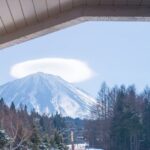
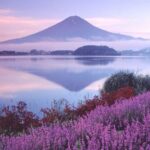
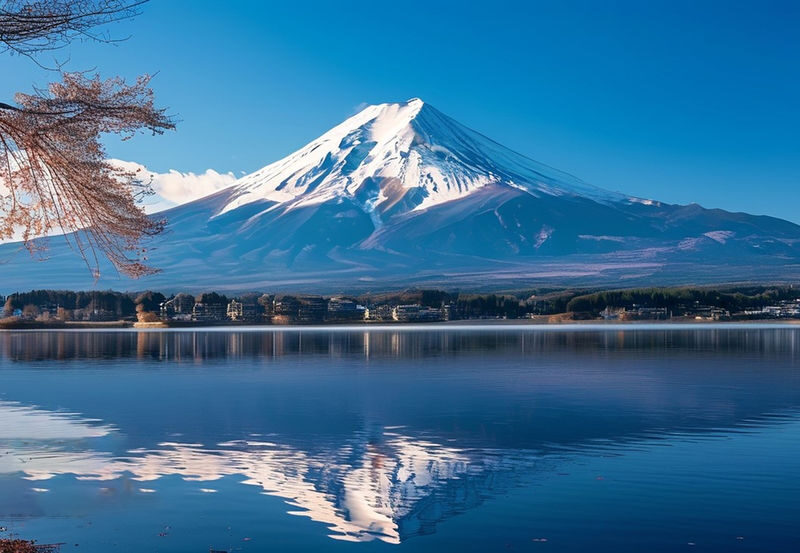
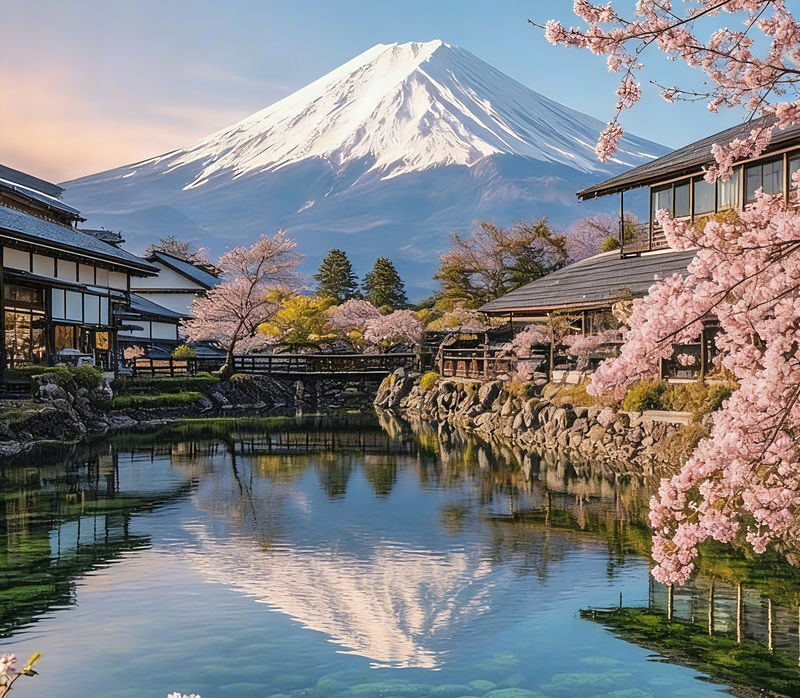
The planned first stop is Lake Yamanaka, the closest of the five lakes to Mount Fuji. Its broad water surface can give you the mountain’s reflection, sometimes called Double Fuji, when the weather and water conditions cooperate.
You have about 40 minutes here. That is enough for a short walk and a few photographs, but not a full lakeside outing. The appeal is the more open, tranquil feel compared with some of the better-known photo stops later in the day.
Fuji views are never guaranteed. Cloud, rain or haze can cover the peak, and the schedule notes that some attractions may be skipped because of capacity or weather. I would treat this stop as a welcome chance to look for Fuji, rather than a promise of a perfect reflection.
You can also read our reviews of more shopping tours in Fuji
Oshino Hakkai: spring water and snack stalls
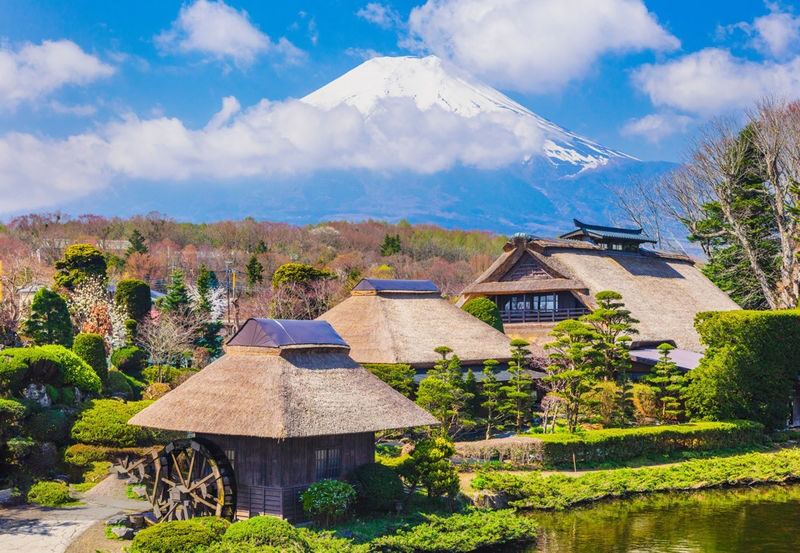
Oshino Hakkai is the day’s most grounded stop. Its eight clear spring ponds are fed by snowmelt from Mount Fuji, filtered through layers of rock. The water and surrounding village make this more than a quick roadside viewpoint, and the hour allotted gives you time to walk around and take in the ponds.
You can also sample local food here. Grilled squid, mochi dumplings, grass cakes and handmade soba are among the specialties mentioned for the area. Lunch is scheduled separately for about 30 minutes, so this is a useful place to pick up a snack, but do not assume that you will have a long sit-down meal.
The guide may recommend restaurants, but purchases are optional. You can bring food, buy a convenience-store bento or choose a restaurant. Lunch timing and price can change, and if most of the group does not need a meal, or traffic has disrupted the schedule, the lunch stop may be canceled. Bring a snack if you do not want your meal plans left to chance.
Oshino can be crowded, particularly on weekends and holidays. The route gives you an hour, but that time includes walking, photos and any food purchase. If the ponds are your priority, move with purpose and leave time to return to the meeting point.
Lawson: a modern Fuji photo in 20 minutes
The Lawson stop is at the Fujikawaguchiko Town Hall location, a familiar convenience store setting with Mount Fuji as the backdrop. It is a distinctly modern Japanese scene: ordinary daily shopping below a mountain that makes even a quick photograph feel composed.
You get about 20 minutes. That is enough to take pictures, but not a reason to linger or plan a shopping break. Follow the guide’s timing and be mindful of people using the store for its ordinary purpose. The photo spot is popular, and a busy curb or crowd can affect how quickly you get the shot.
This stop is a good example of the tour’s appeal and its limits. It gives you a memorable contrast between everyday life and a landmark view, but it is still a brief photo call, not a deeper cultural visit.
Oishi Park: a lakeside view with seasonal color
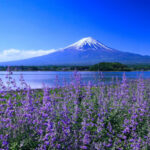
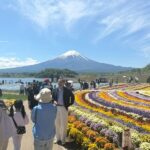
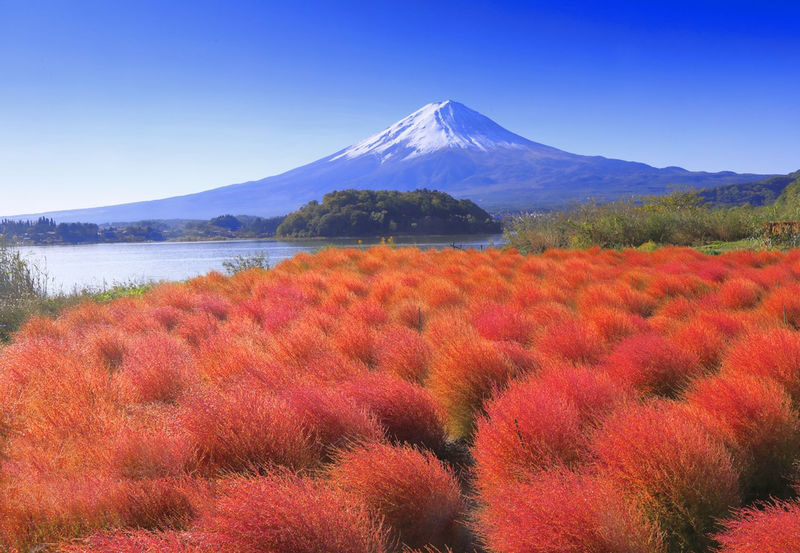
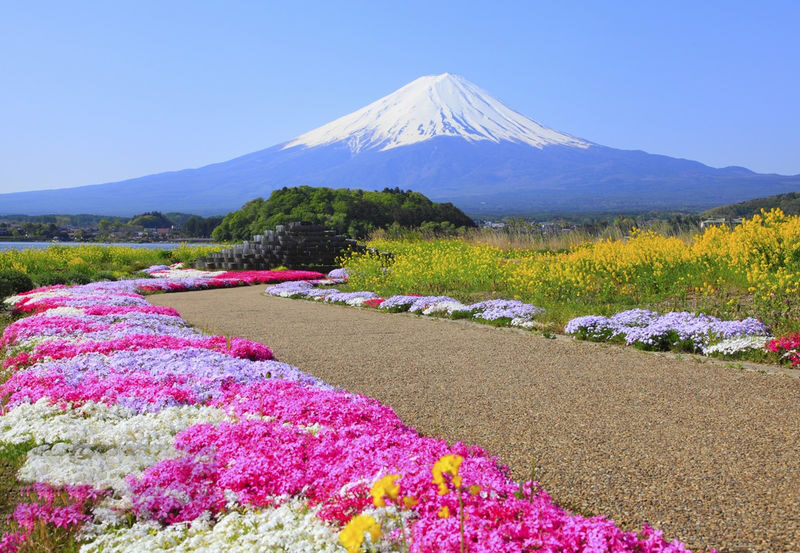
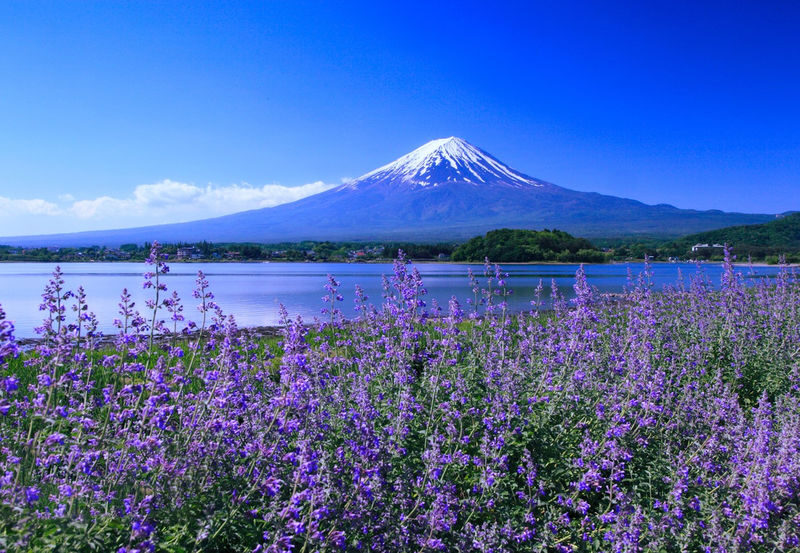
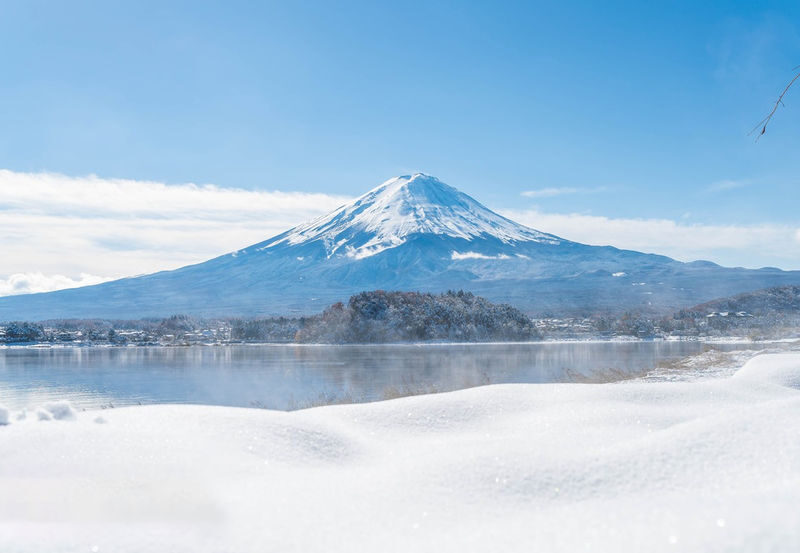
At Oishi Park, on Lake Kawaguchi, the schedule allows about 40 minutes. The park is known for views across the lake toward Fuji and for seasonal flowers and foliage. Depending on the time of year, you may see cherry blossoms, lavender, autumn leaves or winter scenery.
The seasonal substitutions matter. From March 28 to April 12, the plan switches from Oishi Park to the Kawaguchiko Cherry Blossom Festival. From October 20 to November 23, it switches to the Maple Corridor. These dates are estimates for seasonal viewing, not a guarantee of peak bloom or color. Weather affects plants, and the actual display may differ.
This is a scenic stop rather than a long walk. Use the time to look across the water, take photographs and enjoy the open view. If Fuji is hidden by cloud, the lake and park still give the stop a purpose, but the mountain is clearly the main draw.
Hikawa Clock Shop: a street framed by Fuji
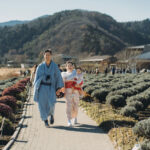
The Hikawa Clock Shop stop lasts about 20 minutes. The nearby street is known for its retro Japanese character and the way the road appears to lead toward Mount Fuji. It is a compact urban scene, different from the lakes and ponds that dominate the day.
The narrow window is best suited to a quick look and photographs. The street remains a real place where people live and work, so keep to the guide’s directions and be considerate when taking pictures. Do not expect time for a slow browse through shops or a long walk around town.
The tour’s highlights also refer to Fujiyoshida’s old-town streets and Fuji Sengen Shrine. The detailed schedule, however, does not give a separate stop for an extended old-town walk. If those are your main interests, check the final route rather than assuming every general highlight means a dedicated visit.

The shrine stable: a short stop with a small cultural detail
A 10-minute stop is planned at Fujisan Hongu Sengen Taisha Shrine’s sacred stable. The stable is associated with horses regarded as divine messengers or mounts, used for festivals and rituals. The description also points to monkey carvings, traditionally linked with protecting the horses.
This is a brief cultural pause, not a full shrine visit. If you want time to explore shrine grounds at an unhurried pace, the schedule may feel tight. Still, the stable adds a little context to a day otherwise weighted toward views and photographs.
The route’s shrine naming can be easy to confuse: the general highlights mention Fuji Sengen Shrine, while the timed stop specifically identifies Fujisan Hongu Sengen Taisha and its stable. Look at the day’s final instructions for the exact stop and do not count on an extended visit to multiple shrines.
Arakurayama Sengen Park: the classic pagoda frame
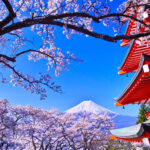
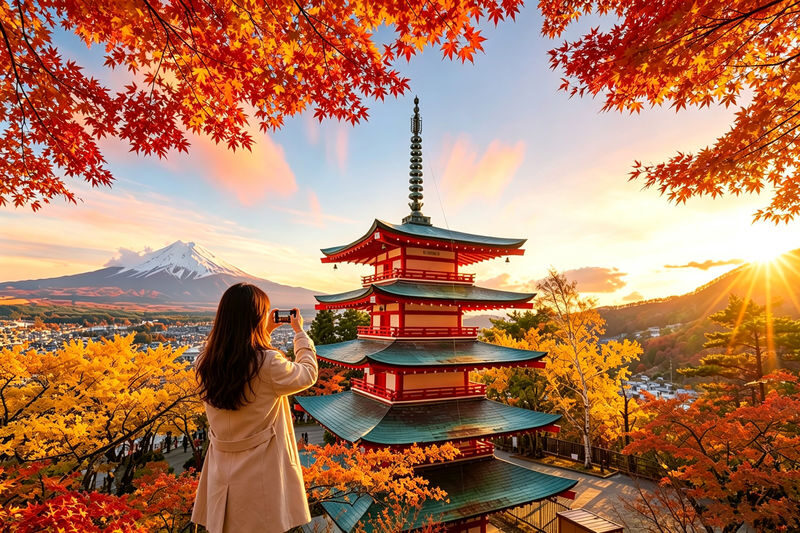
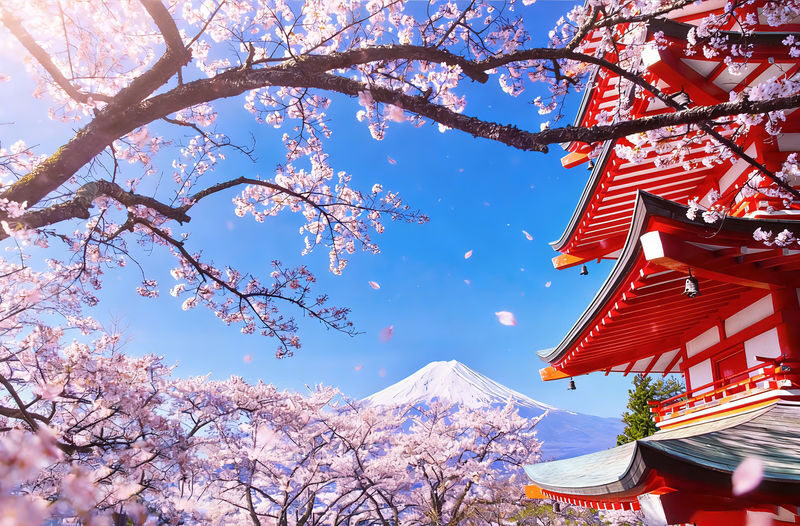
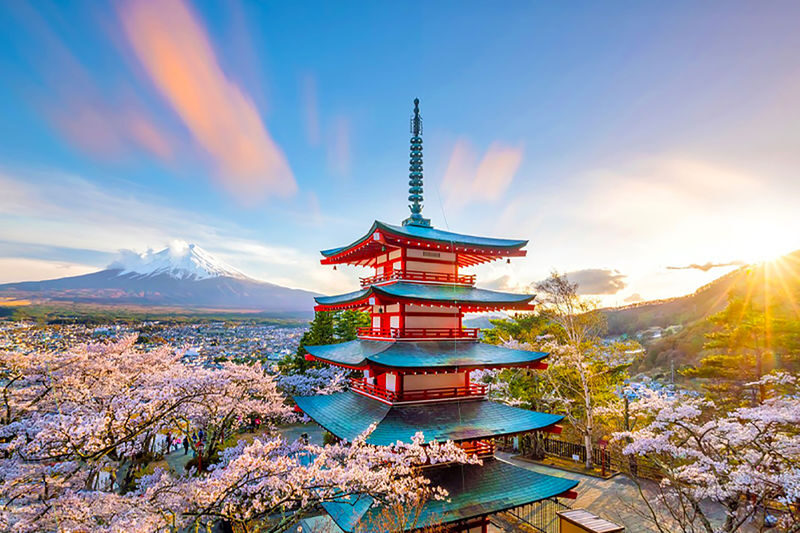
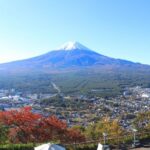
The final major stop is Arakurayama Sengen Park, with about an hour scheduled. Its observation deck is famous for putting Mount Fuji and Chureito Pagoda in one view. In spring, cherry blossoms may frame the scene; in autumn, foliage can add color. The actual view depends on weather and season.
The viewpoint requires an uphill walk and steps. The available hour includes getting to the overlook, taking photographs and returning to the vehicle, so this is not a leisurely park visit. Wear shoes you can manage on a climb and keep an eye on the time. If you move slowly or need frequent breaks, this stop may feel rushed.
This is the strongest reason to choose the tour if the classic Fuji-and-pagoda image is high on your list. It is also where the schedule’s tightness is most noticeable. A recent customer described the itinerary as rushed, so plan to make the most of the hour rather than expecting a long stay.
Price, transport and the real value
The advertised starting price is $49.20, while the listed Chinese/English collection-point package is from $70.29. The amount you pay depends on the selected option, so check the price for your departure and package before booking. Transport, tolls, parking and fuel are included; meals, drinks, tips and personal purchases are not.
The value comes from covering several places in one day without arranging transport between them yourself. For a first visit, that can be a sensible trade: less time planning connections, more time seeing different sides of the Fuji region. The drawback is that your time at each location is fixed, and a shared vehicle has to keep to the group schedule.
The tour departs from Tokyo Station at 7:30, with passengers asked to meet at 7:20. A second option meets at Shinjuku MODE Gakuen at 7:50 for an 8:00 departure. The planned return to Tokyo Station is around 18:20, but it is an estimate. Weekend, holiday and public-holiday traffic may delay arrival by two to five hours, so do not schedule a timed evening activity.
Group size also affects what support you receive. With fewer than 12 people, the vehicle may have fewer than 14 seats and a driver but no guide. With more than 12, the arrangement is one driver and one guide. The tour is shared, so expect to travel with other customers.
Who should book this Fuji day trip?
Book it if you want a broad introduction to Fuji-area sights, value transport from Tokyo and are happy to move briskly. It suits visitors with limited time who want a mix of lake views, spring water, recognizable photo locations and a small cultural stop.
Think twice if you want a slow day, long meals or time to explore every stop in depth. One customer praised the tour and guide, while another found the stops rushed and expected a sunset cable car that was not included. That is a useful reminder to book the schedule you are actually choosing: this tour does not list a sunset cable car.
Weather and traffic are part of the decision. The route may change, stops may be reduced, and Fuji itself may be hidden. Bring a snack, keep your phone available for the guide’s contact details, and leave your evening free. If that sounds like a fair trade for seven varied stops in one day, the tour offers a straightforward way to see a lot without managing the driving yourself.
One-day tour of 7 popular Instagram spots on Mount Fuji: Lake Yamanaka, Hikawa Clock Shop, Arakurayama Sengen Park, Lawson convenience store, Oshino Hakkai, Lake Kawaguchi, and Jinba Stables.
FAQ
Where does the tour depart from?
You can choose a meeting point at Tokyo Station or Shinjuku MODE Gakuen. The Tokyo Station meeting time is 7:20, with departure at 7:30. The Shinjuku meeting time is 7:50, with departure at 8:00.
When does the tour return to Tokyo?
The estimated arrival and group dismissal at Tokyo Station is 18:20. Traffic and weather can delay the return, so keep evening plans flexible.
Is a guide included?
An English- or Chinese-speaking guide is included on larger departures. If fewer than 12 people join, the vehicle may have a driver only, without a tour guide.
Are meals included?
No. Meals and drinks are not included. You can bring food, buy a convenience-store bento or eat at a restaurant recommended by the guide.
How long is the lunch stop?
The planned lunch period is about 30 minutes, but timing can change. It may be canceled if most of the group does not need a meal or traffic affects the schedule.
Can the stops change?
Yes. The order may change, and some stops may be shortened or removed because of weather, traffic, holiday crowds or capacity.
Is the Lawson photo stop included?
Yes. The planned stop is at Lawson Fujikawaguchiko Town Hall and lasts about 20 minutes.
Does the tour visit Oishi Park all year?
Not always. From March 28 to April 12, the plan substitutes the Kawaguchiko Cherry Blossom Festival. From October 20 to November 23, it substitutes the Maple Corridor.
Is the Arakurayama viewpoint easy to reach?
The observation deck involves an uphill walk and steps. The stop lasts about an hour, including the climb and return to the vehicle.
Are children allowed, and do they need a ticket?
There is no age limit, but infants and children must be included in the passenger count. Children over two pay the adult price. Infants aged one to two who do not use a seat may travel free, but the operator asks that you notify them in advance.