The Nippon Maru is a full-size sailing ship moored in the middle of modern Minatomirai, and you can step aboard to see the masts, rigging, decks, and living spaces up close. I like that this is not just a view from the waterfront: the ship’s displays explain how trainees lived and worked at sea.
I also like the option to pair the ship with the Yokohama Port Museum, which sets the vessel in the story of the port and the city’s changing shoreline. Together, they make a compact, useful stop for understanding Yokohama beyond its shopping and modern towers.
One point to plan around: the ship and museum have separate ticket options, and the outdoor decks can feel hot in direct sun. Check which admission you have booked and confirm opening hours before setting out.
- A historic ship you can enter: See the Nippon Maru’s rigging, decks, and interior spaces, with displays about training at sea.
- Two nearby but separate admissions: Choose the ship, the museum, or both by purchasing the relevant ticket options.
- A port story beyond the ship: The museum covers Yokohama’s harbor, land reclamation, and city history, with works by painter Ryohei Yanagihara.
- A simple Minatomirai stop: The site is about a five-minute walk from Sakuragicho, Minatomirai, or Bashamichi Station.
- Good value for a modest outing: The advertised starting price is $2.25, though the exact cost depends on the package you select.
- A little preparation pays off: The mobile voucher needs internet access, and staff must operate it at entry.
- A sailing ship in the middle of Minatomirai
- Exploring the Nippon Maru’s decks and interior
- Adding the Yokohama Port Museum
- Making sense of the price and ticket choices
- Getting there and avoiding a wasted trip
- Who will get the most from this visit
- Should you book the Nippon Maru and museum?
- FAQ
- Are the Nippon Maru and Yokohama Port Museum covered by the same ticket?
- What are the opening hours?
- How do I get to the site by train?
- Is parking available?
- Do children enter free?
- Can I take photographs inside the museum?
- How do I use the mobile voucher?
- The Best Of Yokohama!
- More Boat Tours & Cruises in Yokohama
- More Tours in Yokohama
- More Tour Reviews in Yokohama
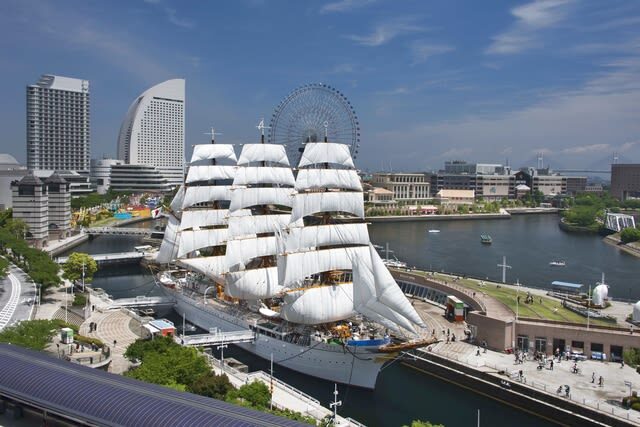
A sailing ship in the middle of Minatomirai
 1 / 4
 2 / 4
 3 / 4
 4 / 4
The Nippon Maru is often called the Swan of the Pacific. The nickname suits its graceful lines, but the ship is more than a photogenic waterfront feature. It was a training ship, and a visit gives you a close look at the equipment and working spaces that shaped life aboard.
Its setting creates a striking contrast. The masts rise beside the modern buildings of Minatomirai, a reminder that Yokohama’s port story is older than the district’s glass towers. You can look at the ship from outside without buying admission, but you need a ship ticket to go aboard.
I’d treat the visit as an easy, low-pressure stop rather than a full-day attraction. It suits a port-history fan, a family outing, or anyone who enjoys old vessels and wants a change of pace from city streets. If ships are not your thing, the museum may be the stronger part of the visit, especially if you want to understand how the harbor helped shape Yokohama.

👉 See our pick of the 6 Fantastic Workshops & Classes In Yokohama
Exploring the Nippon Maru’s decks and interior
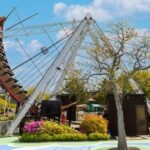
Once aboard, the deck is the main visual draw. Masts and ropes make the ship’s sailing-era character easy to grasp, and the details feel different from seeing a vessel from the quay. The outdoor setting is also where you get the clearest sense of the ship’s scale.
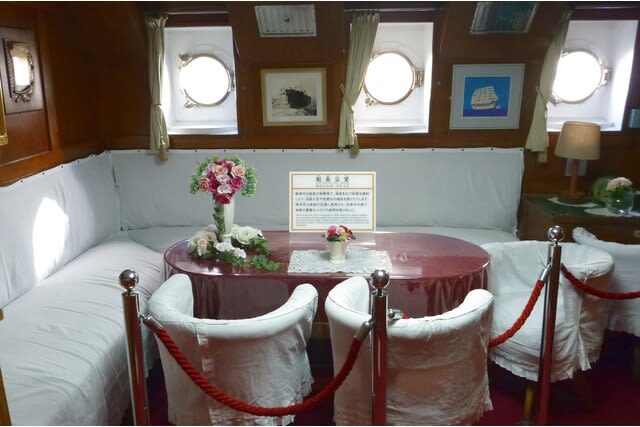
The ship’s interior adds context. Photos, ship equipment, and audio commentary introduce the training that took place during long voyages and explain the vessel’s history. This makes the visit more than a walk around a historic hull: you get clues to the routines and skills involved in learning to sail.
The displays are not described as a guided tour, and Japanese-speaking staff are included. Information on the ship is presented through exhibits and audio, so do not assume that staff will provide a live English-language explanation. If you want the most from the visit, take your time with the displays rather than treating the ship as a quick photo stop.
Weather is worth considering. The ship is outdoors, and the deck can be hot in strong sun. On a warm day, you may want to make the ship your earlier stop, then use the museum as a more sheltered change of scene. The exact order is up to you, since the attractions sit next to each other.
You can also read our reviews of more boat tours in Yokohama


Adding the Yokohama Port Museum
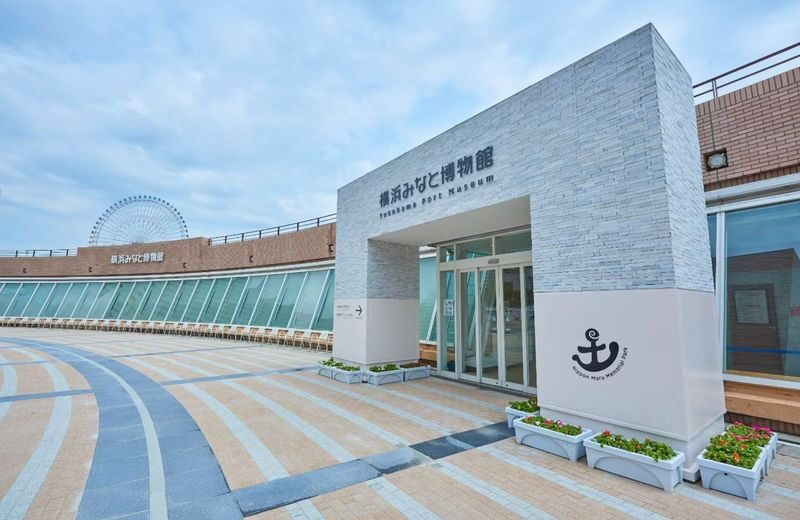
The Yokohama Port Museum gives the ship a wider setting. Its theme is the port itself, with exhibits tracing Yokohama’s maritime past and the development of the city. Displays include aerial photographs and material about land reclamation, which helps explain how the waterfront changed over time.
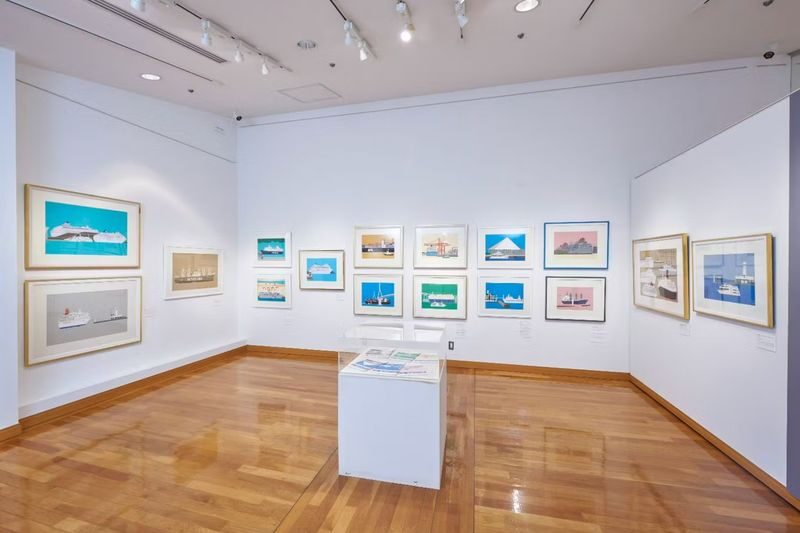
You will also find a permanent section devoted to Ryohei Yanagihara. The painter is known for ship subjects and advertising designs, and his work ranges across picture books, oil paintings, and lithographs. That art collection gives the museum a different feel from a purely technical port exhibit.
The museum can be worthwhile even if you are not especially interested in sailing. It connects the harbor to the growth of the city and offers a clearer sense of how Yokohama’s waterfront has been reshaped. English explanations are available in parts of the museum, though the information provided does not promise that every display is translated.
Photography is restricted inside the museum, apart from designated areas near the entrance. If you like documenting every stop, that may be a disappointment. I’d go ready to read and look rather than expecting to take pictures throughout the galleries. There are not many chairs for short rests, though a reference room functions like a library and can provide a place to pause.
One important ticket detail: the ship and museum are adjacent, but admission to one does not automatically include admission to the other. Choose the Nippon Maru package for the ship or the Yokohama Port Museum package for the museum. If you want both, check that your purchase covers both before you pay.
Making sense of the price and ticket choices
The advertised starting price is $2.25, an unusually low entry point for a city attraction. The final price depends on the option you choose, so compare the ship and museum admissions rather than assuming the lowest displayed amount covers both. At this price level, the experience works well as an affordable piece of a larger Yokohama day.
The value is strongest if you enjoy the subject matter or combine the exhibits with a walk around Minatomirai. The ship offers an unusual chance to see a historic training vessel from the inside, while the museum adds context about the port and the city. If you only want a quick harbor photograph, you can see the ship from outside without paying for boarding.
Children aged six and younger enter free. On Saturdays, elementary, junior high, and high school students pay a flat 100 yen for either the common ticket or a single ticket, but they must buy at the ticket window on the day. Groups of 20 or more cannot use group admission. Visitors with a disability certificate enter free, along with up to one companion.
Special exhibitions may require an extra fee. Outside food and drinks are not allowed inside the venue, so plan to eat before or after rather than bringing a snack into the exhibits.
Getting there and avoiding a wasted trip
The address is 2-1-1 Minato Mirai, Nishi Ward, Yokohama. From JR Negishi Line or Municipal Subway Blue Line Sakuragicho Station, the walk is about five minutes. Minatomirai Line’s Minatomirai and Bashamichi stations are also about five minutes away.
There is no dedicated public parking lot at the site. Parking is available for sightseeing buses and wheelchair use, but you need to contact the facility in advance. For most visitors, the train is the simpler choice.
The listed opening hours are 10 a.m. to 5 p.m., with last admission at 4:30 p.m. The facility is listed as open Tuesday through Sunday and on public holidays. If Monday is a national holiday, it opens that day and closes on the following weekday. Hours and regular holidays can vary, and maintenance closures are possible, so confirm before traveling.
Temporary closures are listed for the Nippon Maru from January 28 to March 2, 2026, and March 7 to 8, 2026. The Yokohama Port Museum is listed as closed from January 28 to February 4, 2026. Check the status for the specific attraction you plan to visit, especially if your trip falls near those dates.
Your voucher is valid for 90 days from booking confirmation, expiring at 11:59 p.m. on the final day. It is not refundable or cancellable. At the entrance, present the mobile voucher on a device that can connect to the internet. The facility staff must operate the electronic voucher, so do not try to redeem it yourself. Save the voucher where you can access it, and make sure you have a working connection when you arrive.
Who will get the most from this visit
I’d recommend the Nippon Maru to anyone curious about sailing ships, maritime training, or Yokohama’s port identity. The ship’s physical spaces give the history a human scale: ropes and masts are right there, and the interior displays show that this was a working training vessel, not just a decorative boat.
The museum is a better fit if your main interest is how Yokohama developed. Its port exhibits, aerial views, land-reclamation material, and Yanagihara art collection give you several ways into the subject. Families and couples can make a relaxed outing of the two sites, but the separate tickets mean you should decide in advance whether you want one stop or both.
If you have only a short window, choose the attraction that matches your interests. Ship fans should board the Nippon Maru; city-history fans should prioritize the museum. If you have time and the relevant admissions, seeing both makes the most complete visit.
You can also read our reviews of more museum experiences in Yokohama



Should you book the Nippon Maru and museum?
Book if you want an affordable, hands-on look at Yokohama’s maritime past, especially if the chance to walk aboard a historic sailing ship appeals to you. The museum adds useful context and is not just an afterthought, but it has its own admission option. Check the package, opening calendar, and voucher access before you go. If you want only a quick view of the ship, you can see it from outside and save the ticket for another attraction.
Sail Training Ship NIPPON MARU & Yokohama Port Museum Admission in Yokohama
“Booking convenience with Klook: Booking convenience with Klook: Facilities: Price: Service: Booking convenience with Klook:”
FAQ
Are the Nippon Maru and Yokohama Port Museum covered by the same ticket?
They are next to each other, but the ship and museum have separate admission options. Check your selected package carefully if you want to visit both.
What are the opening hours?
The listed hours are 10 a.m. to 5 p.m., with last admission at 4:30 p.m. The facility is listed as open Tuesday through Sunday and on public holidays. If Monday is a national holiday, it opens that day and closes on the following weekday. Hours can vary, so check before you go.
How do I get to the site by train?
It is about a five-minute walk from Sakuragicho Station on the JR Negishi Line or Municipal Subway Blue Line. Minatomirai and Bashamichi stations on the Minatomirai Line are also about five minutes away.
Is parking available?
There is no dedicated parking lot. Parking is available for sightseeing buses and wheelchair use, but you need to contact the facility in advance.
Do children enter free?
Children aged 0 to 6 enter free. On Saturdays, elementary, junior high, and high school students pay 100 yen for a single or common ticket at the ticket window on the day.
Can I take photographs inside the museum?
Photography is prohibited in most museum areas, except for designated areas near the entrance.
How do I use the mobile voucher?
Show the voucher on a smartphone or another internet-connected device. Facility staff must operate the electronic voucher at entry, so do not attempt to redeem it yourself.